
Most gardeners know they should test their soil. Fewer actually do it. Of those who do, a surprising number run a basic pH check, tick the box, and move on – never realizing they’ve only looked at one layer of a much more complex picture.
The result is a familiar frustration: plants that struggle despite good care, fertilizers that seem to do nothing, and harvests that never quite live up to expectations. That gap between effort and outcome is often traced right back to incomplete soil testing.
Skipping Micronutrient Testing: The Quiet Yield Killer

Most standard at-home soil test kits cover the basics – nitrogen, phosphorus, potassium, and pH. They rarely measure micronutrients, and that gap matters more than most gardeners realize. Helena analyzed more than 600,000 soil samples nationwide in 2024, revealing a notable rise in micronutrient concerns. Among the top nutrient deficiencies identified were sulfur, zinc, boron, and manganese.
Micronutrient testing covers iron, manganese, zinc, copper, boron, and molybdenum – nutrients that are often overlooked but critical for plant health. Deficiencies in these elements can actually mimic macronutrient problems, making them easy to misdiagnose.
Compared to five to seven years ago, micronutrients are emerging as bigger yield influencers, particularly as high national yields have pushed soils to reveal deficiencies that were previously masked by more forgiving conditions. Applying more fertilizer won’t fix what only a proper micronutrient panel can find.
Ignoring Organic Matter Content
Healthy soils typically contain between three and five percent organic matter. This content directly affects water retention, nutrient cycling, and microbial activity – all of which determine whether your amendments actually do anything. Yet organic matter is almost never included in basic home test kits.
Healthy soil isn’t just dirt – it’s a complex ecosystem teeming with billions of microorganisms. A single handful of healthy soil contains approximately ten billion living organisms, far outnumbering the entire human population. These microorganisms break down organic matter, cycle nutrients, fight off pathogens, and form beneficial relationships with plant roots.
Research from the Rodale Institute demonstrates that organic farming systems build soil organic matter over time while conventional systems often deplete it, making the living soil approach essential for long-term productivity. If you never measure organic matter, you won’t notice when it’s quietly declining season after season.
Misreading pH Without Understanding the Nutrient Lock
Soil pH levels can significantly affect plant growth by influencing the availability of nutrients and the activity of soil microorganisms. An alkaline or acidic soil can limit plant uptake of essential elements or even cause toxicity. That’s a bigger problem than most realize, because pH isn’t just about comfort for plants – it’s a gatekeeper.
When soil pH falls below 6.0, nutrients like phosphorus, nitrogen, and potassium become less available to plants. Your soil might contain plenty of these nutrients, but plants simply can’t absorb them when pH is outside the optimal range.
Acidic soils below pH 6.0 are typically deficient in magnesium and calcium, two nutrients essential for strong cell walls and disease resistance. On the flip side, alkaline soils above pH 7.5 can make iron unavailable even when it’s physically present in the soil, leading to yellowing leaves and stunted growth in acid-loving plants. Testing pH alone without understanding this relationship leads gardeners to buy fertilizers they don’t need.
Testing at the Wrong Depth
Where you pull your sample from is just as important as what you test for. Most gardeners stick a trowel into the top inch or two of topsoil, grab a sample, and call it done. That’s rarely where the real picture forms.
Collecting soil from six to eight inches deep across multiple garden areas and mixing these for a representative sample is the recommended approach for meaningful results. A surface-only sample can look healthy while deeper layers are compacted, acidic, or depleted.
University of Maryland Extension guidelines recommend testing vegetable gardens every three years, sandy soils every two to three years, and clay soils every three to four years. Consistency in both timing and depth is what makes test results comparable and actually useful over time.
Overlooking Heavy Metal Contamination in Urban Gardens

This is perhaps the most consequential step that urban gardeners skip. Lead is the most common metal contaminant in urban areas. Growing vegetables in contaminated soil without testing for heavy metals isn’t just a gardening mistake – it’s a health risk.
Lead-based paint, used widely before 1978, chips into soil around older homes. A 2024 UC ANR report notes that urban soils near freeways can contain between 100 and 200 parts per million of lead from past leaded gasoline emissions.
Best management practices from research on urban soil contamination strongly recommend that urban soil testing should be prioritized because of the high probability of lead contamination, and that urban gardening should not begin until thorough testing or remediation has been completed. Vegetable gardens, regardless of their location, should always be tested for lead.
Not Retesting After Adding Amendments
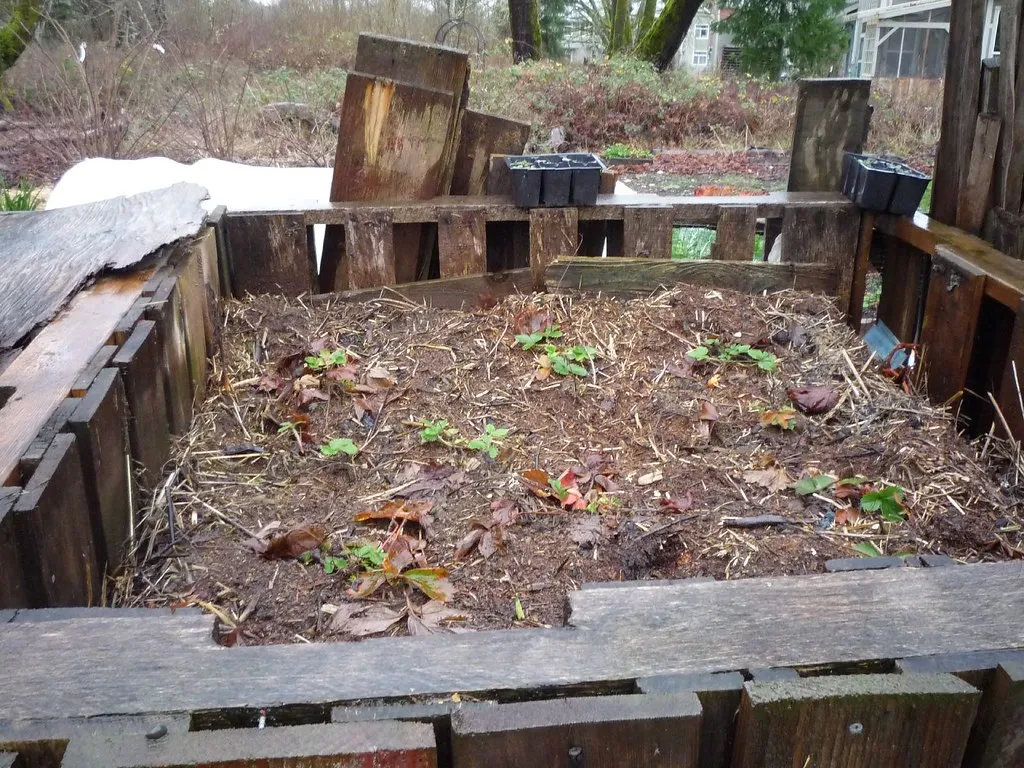
Many gardeners test once, apply lime or compost or fertilizer, and never test again. They assume the problem has been fixed. Soil doesn’t work that way – it shifts slowly and sometimes unevenly, and a single amendment cycle rarely tells the full story.
It’s best to adjust soil pH over several years, adding the appropriate amendment in the fall for optimal results. Retesting soil pH in three to six months after applying lime is the recommended approach to confirm whether the target pH has been achieved.
A 2024 study in the journal Soil Use and Management highlighted that regular pH testing improves nutrient efficiency by roughly twenty percent, reducing fertilizer waste. That’s a meaningful return on a simple, inexpensive step that most people only take once.
Relying Solely on At-Home Kits for High-Stakes Decisions
Consumer soil test kits have improved considerably, but they still have meaningful limitations. Soil testing labs provide more complete and accurate results than do-it-yourself soil test kits. For ornamental gardens and casual lawn care, a home kit might be enough – but for edible crops, a lab test is worth the modest cost.
Home pH test kits typically measure within one pH unit of professional lab results, making them reliable for basic garden decisions according to South Dakota State Extension guidelines from 2024. That one-unit margin sounds small, but in soil chemistry it can mean the difference between phosphorus being available or locked out entirely.
Meters may alert you to a potential issue, prompting further justification for laboratory tests. For the accurate information they provide, lab tests are relatively inexpensive. Think of the home kit as a smoke detector and the lab test as the actual fire inspection.
Skipping Texture and Structure Assessment

Soil isn’t just chemistry – it’s also physics. If plants are being grown in a new area with no prior history of fertilizer or soil amendment use, an initial assessment of the soil texture, salinity, and micronutrients is recommended. Most gardeners setting up a new bed skip this step entirely.
Clay-heavy soil and sandy soil behave entirely differently when it comes to water retention, root penetration, and how amendments spread through the profile. Heavy clay soil causes poor drainage and difficult root penetration, while the common mistake of adding sand without organic matter can actually create a concrete-like structure rather than improving things.
Understanding your soil’s texture before you plant shapes every decision that follows – from how you water to what amendments you apply and how much. A soil test that only measures chemistry while ignoring structure is an incomplete diagnosis.
Not Accounting for Salinity, Especially in Dry Climates

Salinity testing is one of the least common steps among home gardeners, yet it’s a surprisingly widespread issue. In arid regions and in any garden where tap water carries mineral content, salts can accumulate in the soil over time and silently stress plants from the roots up.
Laboratory tests assess pH, organic matter, texture, and contaminants, with target ranges including organic matter between two and six percent and contaminant thresholds such as lead below 400 ppm. Salinity sits in that same category of “check it once in a while” metrics that rarely appears on home test panels.
Container gardeners and raised bed growers are particularly vulnerable because salts have nowhere to go when drainage is limited. A buildup of salinity produces symptoms – leaf margin burn, wilting despite adequate moisture – that are easy to misread as a nutrient deficiency or watering problem. Testing once when establishing a bed, and again after a few years, is enough to catch it early.
Treating Soil Testing as a One-Time Event
Perhaps the most common and most costly mistake is the assumption that one soil test, done once, is enough for the life of a garden. Soil is dynamic. It changes with every season, every crop rotation, every bag of amendment applied, and every shift in rainfall patterns.
Interpretation of soil test results compares results to benchmarks like NRCS standards or historical data, and research indicates that deficiencies are identified in roughly sixty percent of tested soils. That percentage doesn’t drop to zero just because a garden has been maintained for years – it means the chances of something shifting out of range remain significant regardless of gardening experience.
The guidance provided by soil tests to horticulture professionals and gardening enthusiasts is sometimes compared to the guidance that blood tests provide to physicians. Nobody gets one blood test at age thirty and assumes it covers them forever. The same logic applies here – soil testing works best as a habit, not a one-off event.
The Real Cost of Skipping the Full Picture
The frustration of a struggling garden almost always has a reason rooted in the soil. Yellowing leaves, stunted growth, disappointing harvests, and plants that wilt despite regular watering are not random misfortunes. They’re symptoms of conditions that a proper, comprehensive soil test would have revealed.
Without proper soil analysis, you’re essentially farming or gardening blind, potentially wasting money on unnecessary amendments or missing critical deficiencies that could dramatically improve your results. That’s not alarmism – it’s a practical observation from anyone who has compared gardening with and without data.
The step most gardeners skip isn’t just one thing. It’s the habit of going beyond the basic pH strip and asking a fuller set of questions: What are the micronutrient levels? What’s the organic matter content? Is there any lead present? What does the texture tell me? Those questions cost a little more time and a little more money upfront. The gardens that ask them tend to look noticeably different from those that don’t.
AI Disclaimer: This article was created with the assistance of AI tools and reviewed by a human editor.