

It goes by a name that sounds almost benign: biosolids. The word carries a quiet, almost clinical reassurance, the kind of term that suggests something processed, managed, and safe. For decades, this material has been spread across millions of acres of American farmland, marketed as a low-cost, nutrient-rich soil amendment derived from municipal wastewater treatment. The pitch is straightforward: organic matter returns to the earth, crops grow stronger, and cities reduce disposal costs.
The reality underneath that pitch is considerably more complicated. Research published between 2024 and 2026 has steadily dismantled the idea that biosolids are simply “treated sewage turned good.” What they actually contain, and what that means for soil, crops, water, and human health, is a story that regulators, farmers, and consumers are only beginning to fully reckon with.
What Biosolids Actually Are
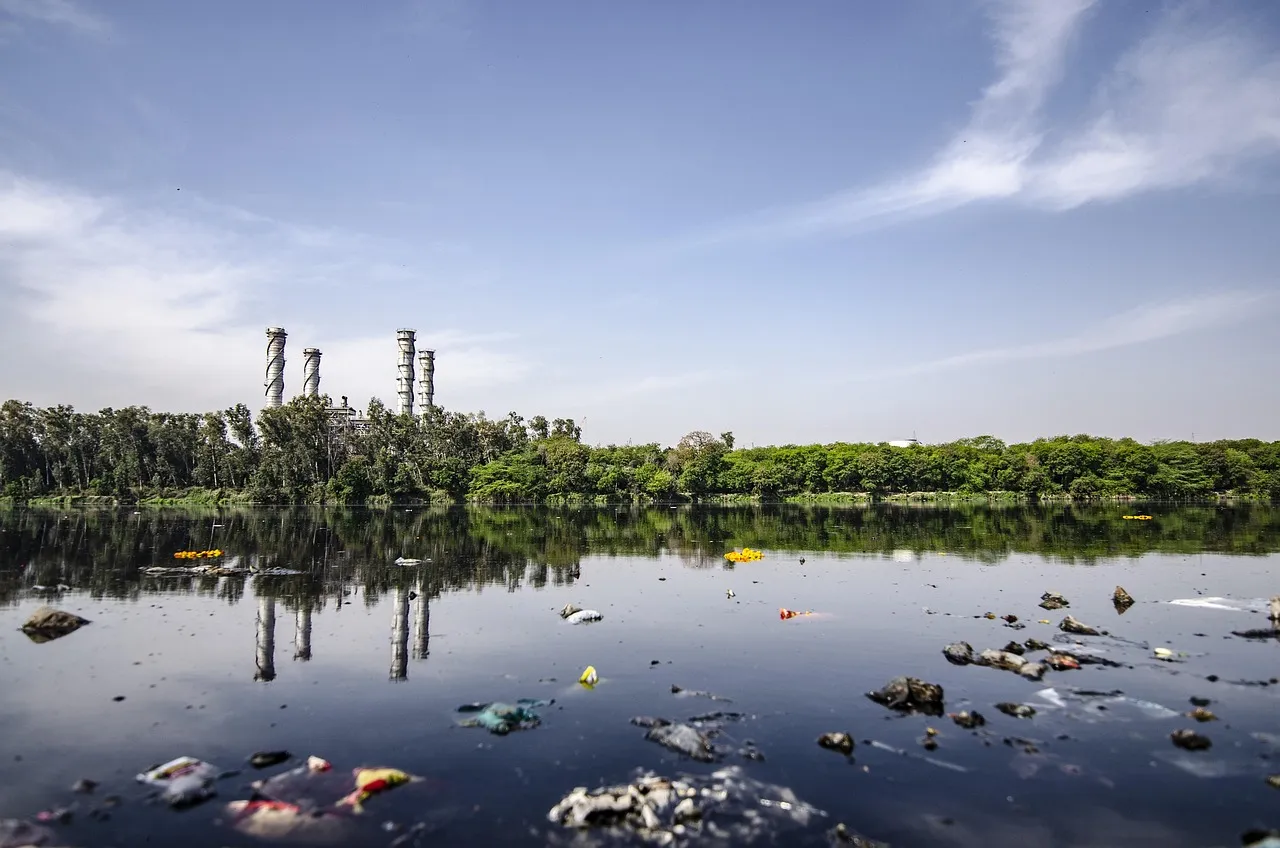
Biosolids, or sewage sludge, are semi-solid organic materials that remain after wastewater is treated. They come from the output of municipal wastewater treatment plants, where human waste, industrial discharge, and household chemicals converge in a single system before being processed. After treatment, the resulting solid material is classified, dried or partially dried, and often made available for agricultural land application.
According to the EPA, more than one million dry metric tons of biosolids were applied to agricultural land in 41 states in 2023. That scale reflects decades of policy that encouraged land application as a cost-effective alternative to landfilling. In New York State alone, about 16% of these biosolids are treated and applied to farmland as a soil amendment, providing nutrients and organic matter to support crop growth while reducing municipal disposal costs.
The “Forever Chemicals” Hiding in Plain Sight
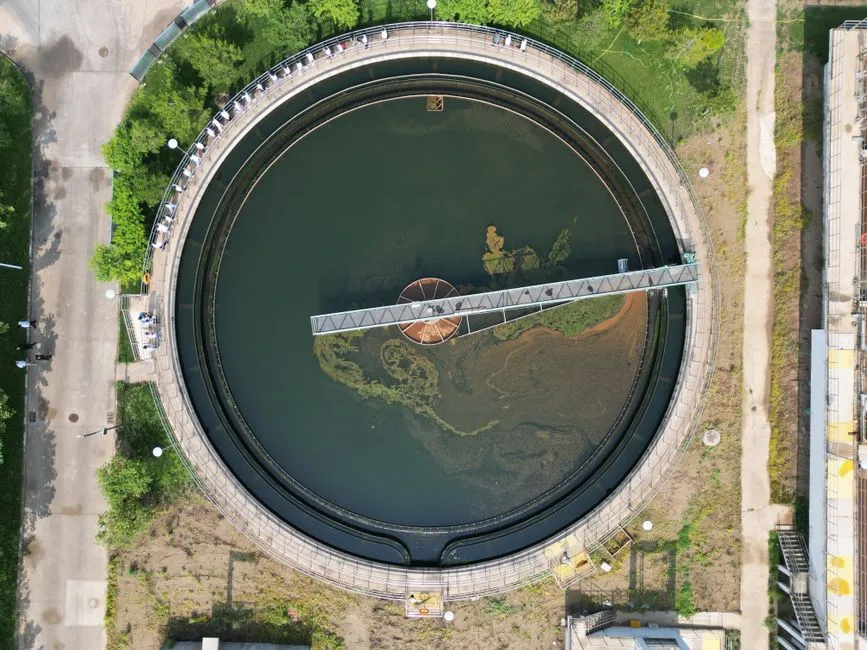
Forever chemicals, known as PFAS, are showing up in farmlands through a sewage sludge fertilizer called biosolids, according to the Environmental Working Group. PFAS, or per- and polyfluoroalkyl substances, get into the wastewater stream from countless household and industrial sources. Once in biosolids, they don’t disappear when the material is spread on a field.
The chemicals are linked to serious health risks like cancer and developmental delays because they don’t break down in the environment or human bodies, according to the U.S. Environmental Protection Agency. PFAS and polycyclic aromatic hydrocarbons exhibited progressively increasing non-carcinogenic and carcinogenic risks, eventually surpassing established health thresholds after approximately 20 years, driven primarily by strong environmental persistence and high toxicological potency.
How Much Farmland Is Already Affected

Nearly 70 million acres of U.S. farmland could be contaminated by the toxic “forever chemicals” known as PFAS, according to estimates from biosolids industry groups, stemming from the widespread use of sewage sludge as fertilizer. That figure is roughly equivalent to the land area of Nevada. The contamination is not theoretical or speculative. It reflects years of routine application, often without any testing for these compounds.
There are no national requirements to test biosolids for the presence of PFAS or warn farmers they could be using contaminated sludge on their crops. A 2025 report from the Waterkeeper Alliance collected water samples near 10 biosolids application sites across the country and found elevated levels of PFAS downstream from most of them.
The Regulatory Gap That Allowed This to Grow

Since its emergence as a pollutant of concern, EPA has not yet established numeric limits, monitoring, or reporting requirements for PFAS in biosolids or in land application. The agency has moved slowly, and the gap between scientific understanding and formal regulation has remained stubbornly wide. On January 15, 2025, EPA commenced that process by publishing a “Draft Sewage Sludge Risk Assessment for Perfluorooctanoic Acid (PFOA) and Perfluorooctane Sulfonic Acid (PFOS)” in the Federal Register.
What action has occurred came primarily from individual states, usually motivated by high-profile cases of soil and groundwater PFAS contamination suspected to be caused by biosolids, with some extreme instances producing state regulatory agency quarantine orders of entire tracts of farmland. Starting October 1st, 2024, PFAS-containing biosolids or wastewater sludge were prohibited from being used or sold in Connecticut.
Heavy Metals: The Older, Less Discussed Problem
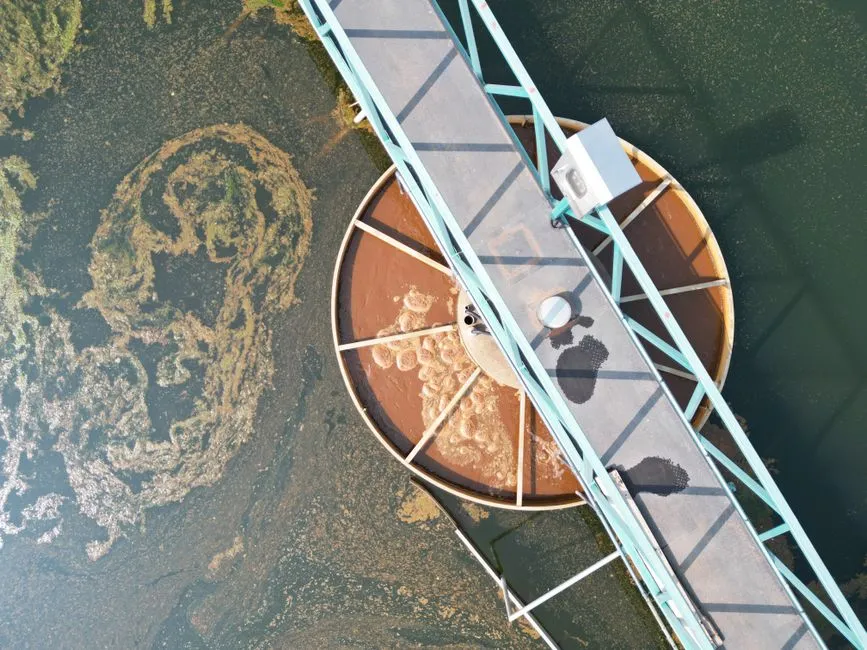
Heavy metals in sewage sludge can accumulate in soils and crops, posing risks to the environment and bioaccumulation in the food chain. This concern predates the PFAS conversation by decades. Metals like cadmium, lead, chromium, and zinc enter the wastewater system from industrial discharge and plumbing and concentrate in the sludge that becomes biosolids.
Heavy metals and metalloids are environmental pollutants, most notably cadmium, lead, arsenic, mercury, and chromium. When they accumulate to toxic levels in agricultural soils, these non-biodegradable elements adversely affect crop health and productivity. Research has shown that mixing sewage sludge into soil enhanced soil nutrients but also elevated heavy metal contents, with alfalfa shoots accumulating significantly higher levels of lead and zinc, with lead showing the highest bioaccumulation factor among tested metals.
Pharmaceuticals and Other Contaminants of Emerging Concern
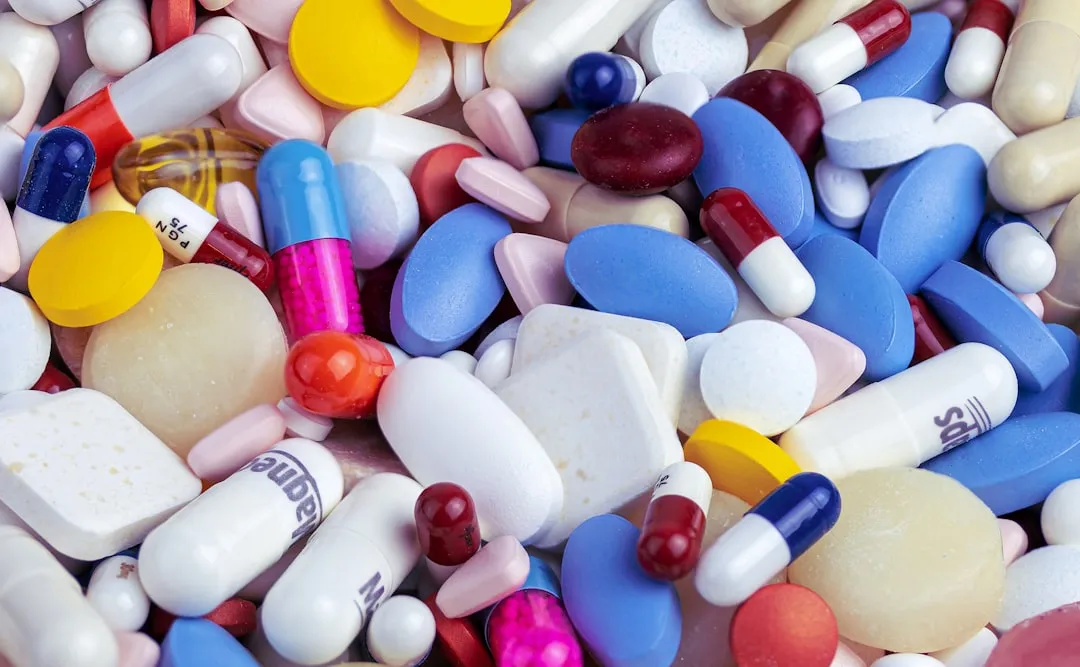
Beyond PFAS, biosolids may pose risks due to the presence of emerging contaminants such as microplastics, pharmaceuticals, and other persistent pollutants that current regulations do not fully address. Antibiotics, anti-inflammatory drugs, hormones, and personal care product chemicals pass through the human body and into the sewer system. Many of these compounds survive conventional wastewater treatment.
Crop plants such as lettuce and carrots have demonstrated uptake of pharmaceuticals and personal care products from amended soils, with field and greenhouse studies demonstrating their uptake and translocation in food crops such as lettuce, spinach, and carrots, particularly when grown in soils amended with biosolids or irrigated with reclaimed water. Long-term studies have reported cumulative accumulation of both parent contaminants and transformation products in biosolids-amended soils, even after several decades of land application.
Antibiotic Resistance: A Hidden Microbial Risk
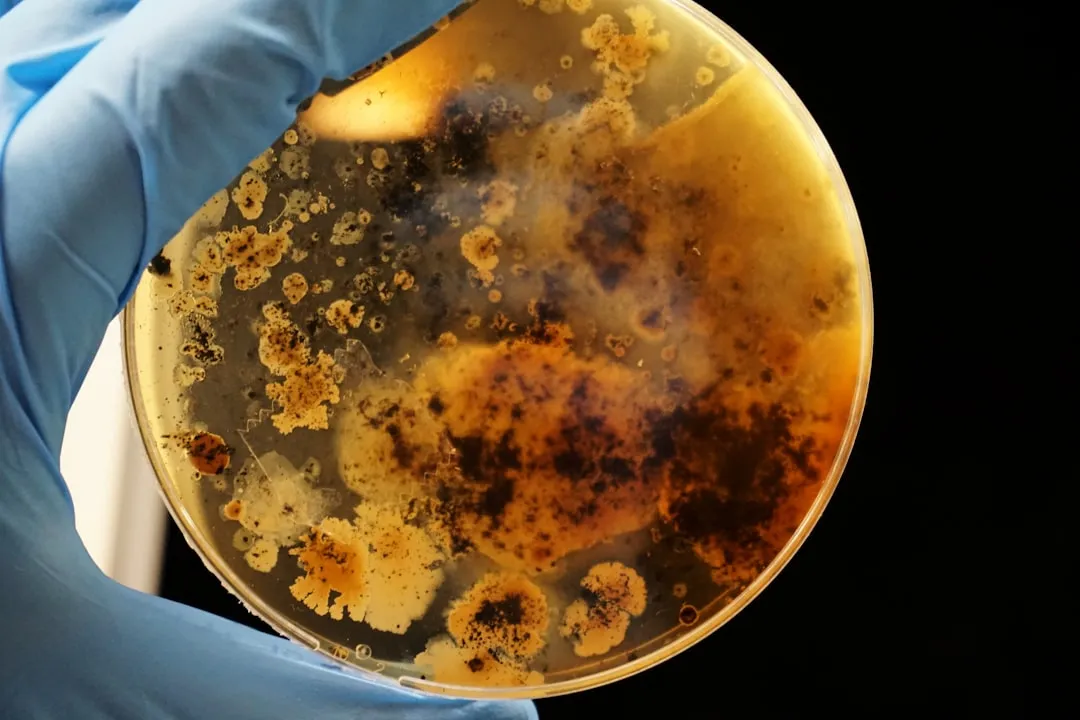
There are concerns that biosolids land application may increase the prevalence of human pathogens in biosolids-amended soils and further propagate clinical antibiotic resistance. This dimension of the biosolids problem receives far less public attention than PFAS or heavy metals, yet the science on it has advanced quickly. Metagenomic sequencing has revealed that biosolids amendment increased the richness of microbial genera, antibiotic resistance genes, and virulence factors in soil.
The relative abundance of dangerous pathogens, including Enterococcus faecium, Staphylococcus aureus, Klebsiella pneumoniae, Acinetobacter baumanii, Pseudomonas aeruginosa, and Enterobacter species, was notably higher in biosolids-amended soils, and these pathogens persisted throughout an 11-week cultivation period, raising concerns about horizontal gene transfer and the spread of antibiotic resistance.
What the Soil Itself Experiences Over Time
As mixtures of contaminants associated with land-applied biosolids enter agricultural soils, long-term impacts on soil quality, soil ecology, and food safety may result. The soil ecosystem, including its microbial communities, earthworms, fungi, and other organisms, is not a passive recipient of what gets poured onto it. Chronic exposure to low-level contamination can gradually alter microbial diversity in ways that affect how nutrients cycle and how plants grow.
PFAS, in particular, are resistant to microbial degradation due to carbon-fluorine bonds, resulting in sustained accumulation in amended soils, with observed increases of between 1.8 and 2.2-fold in U.S. studies and between 1.1 and 3.6-fold in comparable Chinese studies. That kind of accumulation means the soil does not recover simply by stopping future applications. The damage, in many cases, compounds over time.
Farmers Are Already Pushing Back
In 2024, the Maine Organic Farmers and Gardeners Association and several Johnson County, Texas, farmers and ranchers joined together to sue the U.S. EPA, aiming to make the agency set enforceable deadlines to enact Clean Water Act regulations for biosolids. This was not an isolated action. Across the country, farmers who applied biosolids in good faith based on official guidance are now discovering that their land may be contaminated in ways that affect their livelihoods and their legal standing.
Policy experts have argued that biosolids classifications should be updated to reflect current science around contamination, and that pathogen reduction and select toxic metal limits can no longer be the only measures of safety prior to a beneficial-use determination. That is a significant shift from the framework that has governed biosolids for more than three decades.
Where the Science Stands in 2026
The current EPA proposal, which remains voluntary and nonbinding, states that biosolids containing PFOA and PFOS do not have widespread impacts on the national food supply. Scientists and legal experts have pushed back on that framing. Some researchers and policy advocates argue that the EPA’s earlier 2025 risk assessment, despite its flaws, reached a satisfactory conclusion that anything over one part per billion of PFOA or PFOS could be considered dangerous to farmers living on or near treated land.
Current research has questioned the agricultural use of biosolids due to the presence of mutual interactions between antibiotics, heavy metals, the genetic determinants of resistance, and non-steroidal anti-inflammatory drugs, as well as the risks associated with their transfer to the environment. The science, in other words, has outpaced the regulation, and the gap continues to grow wider.
The Takeaway
Biosolids are not a villain invented by environmental advocates. They do contain genuine nutrients. They genuinely reduce municipal disposal costs. These facts are real. What is also real, and what the research from 2024 through 2026 makes increasingly difficult to dismiss, is that the same material carries a complex cocktail of contaminants that no farmer, gardener, or consumer was ever clearly warned about.
The word “biosolids” was chosen carefully when it replaced “sewage sludge” in public communications. That choice reflects something important: the name was always doing more work than the science warranted. As testing improves, as lawsuits proceed, and as states move independently to fill the federal regulatory void, the picture that emerges is of a product that sounded natural but carried risks that were never fully accounted for. The soil remembers what gets added to it. The question now is whether policy will catch up before the damage becomes irreversible.
AI Disclaimer: This article was created with the assistance of AI tools and reviewed by a human editor.