
The Counterintuitive Idea Behind the Rule
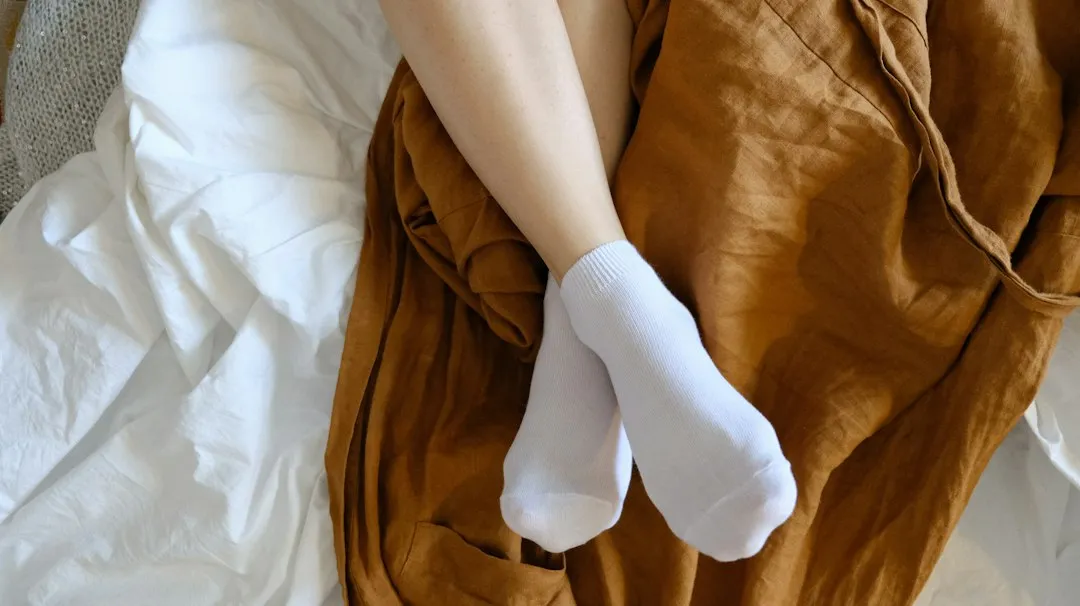
At its core, the sock rule is this: put on a pair of socks before bed on cold nights, and you may fall asleep faster and stay asleep longer. The logic sounds odd at first glance. Warming your feet to cool your body seems like a contradiction. Michelle Drerup, director of the Sleep Disorders Center at Cleveland Clinic, put it plainly: “It sounds counterintuitive, I know, but by wearing socks to bed and warming your feet, you may actually lower your core body temperature and fall asleep faster.”
This isn’t folk wisdom passed down from grandmothers, though plenty of that exists too. It’s grounded in the biology of how your body prepares for sleep. The mechanism is real, measurable, and increasingly well-documented in peer-reviewed research.
What Your Body Is Actually Doing at Night
During the evening hours, the body naturally prepares for sleep by lowering its core temperature. This temperature drop signals the brain to increase melatonin production, the hormone responsible for sleep onset. This process is part of your circadian rhythm, and it happens every night whether you’re aware of it or not.
A process called distal vasodilation helps with this cooling by widening blood vessels in the extremities, primarily the hands and feet, thus increasing heat loss through the skin. In simple terms, your feet and hands act as the body’s heat vents. When those vents open up, your core cools down, and sleep comes more easily.
Why Cold Feet Disrupt This Process
Cold feet can interfere with the body’s natural temperature regulation. When extremities remain cold, blood vessels constrict, reducing heat release and potentially delaying the core temperature drop necessary for quality sleep. Think of it like a radiator with its valve stuck shut. The heat has nowhere to go, and the system stalls.
This neurological communication helps maintain sleep continuity through the night, with fewer disruptions from the vigilance systems that might otherwise respond to cold extremities. In other words, chronically cold feet don’t just make it harder to fall asleep. They keep nudging you awake.
What the Research Actually Found
Research published in the Journal of Physiological Anthropology revealed that participants wearing socks to bed fell asleep approximately seven minutes faster than their barefoot counterparts. More impressively, these individuals enjoyed an additional thirty-two minutes of sleep and experienced fewer nighttime awakenings.
A study examining sleep-onset latency found it was on average seven and a half minutes shorter, total sleep time was thirty-two minutes longer, the number of awakenings was seven and a half times smaller, and sleep efficiency was seven and a half percent higher for those wearing feet-warming bed socks during a seven-hour sleep than controls. Those are meaningful differences for what amounts to a near-zero-cost intervention.
A 2025 Study Adds More Weight
A 2025 study explored the impact of technical socks designed to improve sleep quality by retaining warmth in the feet. Sleep is critical for physical and mental health, and non-pharmacological interventions such as maintaining an optimal sleep environment or using stimuli like foot warming can potentially enhance sleep. The socks aimed to reduce sleep onset latency and improve sleep dynamics by maintaining foot warmth throughout the night.
The study found significant improvements in sleep quality, including a reduction in insomnia severity scores. Slow-wave sleep, which is crucial for recovery, also increased significantly. The results suggest that wearing technical socks during sleep may help reduce insomnia severity and increase slow-wave sleep. Slow-wave sleep is the deep, restorative phase of sleep your body craves most after a demanding day.
Who Benefits Most from the Sock Rule
The circulation benefit particularly helps people who experience Raynaud’s phenomenon, a condition characterized by reduced blood flow to extremities when cold or stressed. For these individuals, wearing socks overnight can prevent painful cold feet episodes that might otherwise cause sleep disruptions.
Wearing socks might be especially beneficial for those who tend to feel cold and struggle with sleep due to cold feet. Older adults, people with circulation concerns, and anyone who finds themselves piling on blankets but still lying awake cold all stand to gain. Foot thermal therapy has been found to improve various aspects of sleep quality, particularly in older adults.
When Socks Can Work Against You
The sock rule is not universal, and sleep doctors are careful to say so. There has been advice suggesting wearing socks during sleep to keep the feet warm, but this can restrict the natural thermoregulation through the glabrous skin of the feet. For people who often get too warm at night, wearing socks could be detrimental since it prevents the feet from releasing heat.
Sleep doctor Dr. Chester Wu, double board-certified in Psychiatry and Sleep Medicine, put it succinctly: “Sleeping with socks on could help you fall asleep as warming your feet helps to reduce your core body temperature. But this can be done with a warm shower or bath before bed. My advice is to wear them if you like them, and skip them if you don’t.” Practical advice, honestly.
The Right Material Makes a Difference
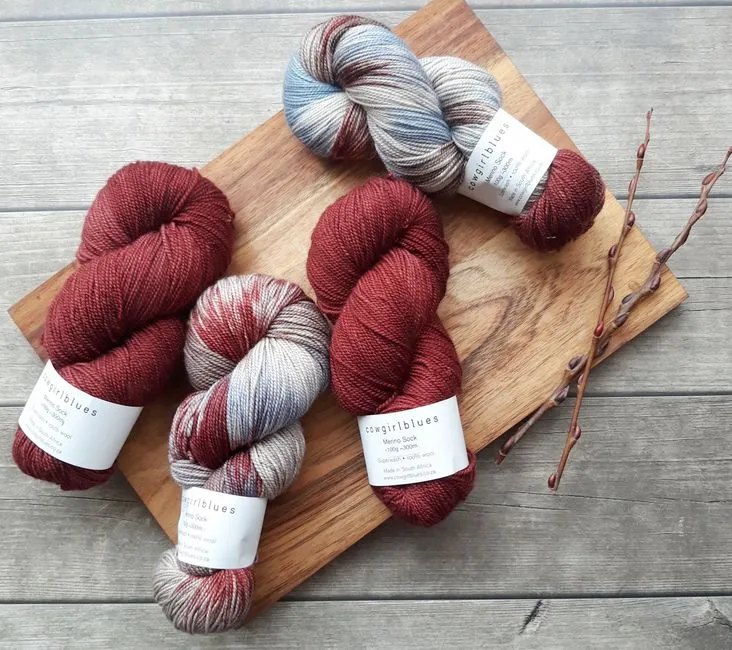
Natural, breathable fibers like cotton, wool, or bamboo allow the necessary air circulation while providing warmth. Synthetic materials should be avoided as they might cause overheating or excessive sweating. The goal is a sock that keeps your feet warm without trapping moisture or becoming stifling by 3 a.m.
Merino wool is considered ideal as a sleep sock material because it regulates temperature naturally, trapping heat when your feet are cold but releasing excess warmth when your core temperature rises during sleep cycles. Wool is extraordinarily beneficial in sleep garments because of its ability to regulate body temperature through the wool’s crimp. Your body heat will pulsate under the fibers, keeping you warm and cozy while also allowing for the natural expulsion of excess heat through the fibers when your body temperature climbs.
Fit and Looseness Matter Too

Wearing loose, breathable socks while sleeping can help regulate body temperature, improve blood circulation, and help you fall asleep faster, especially in cold conditions. A tight elastic cuff can restrict circulation in the ankles, which partly defeats the purpose of wearing them in the first place.
There should be no pressure or discomfort when wearing them, especially around the ankle, to avoid affecting blood circulation. If your socks are leaving marks on your skin in the morning, they’re too tight for overnight use. Dedicated sleep socks often have a wider, gentler cuff for exactly this reason.
How This Fits Into Broader Sleep Hygiene
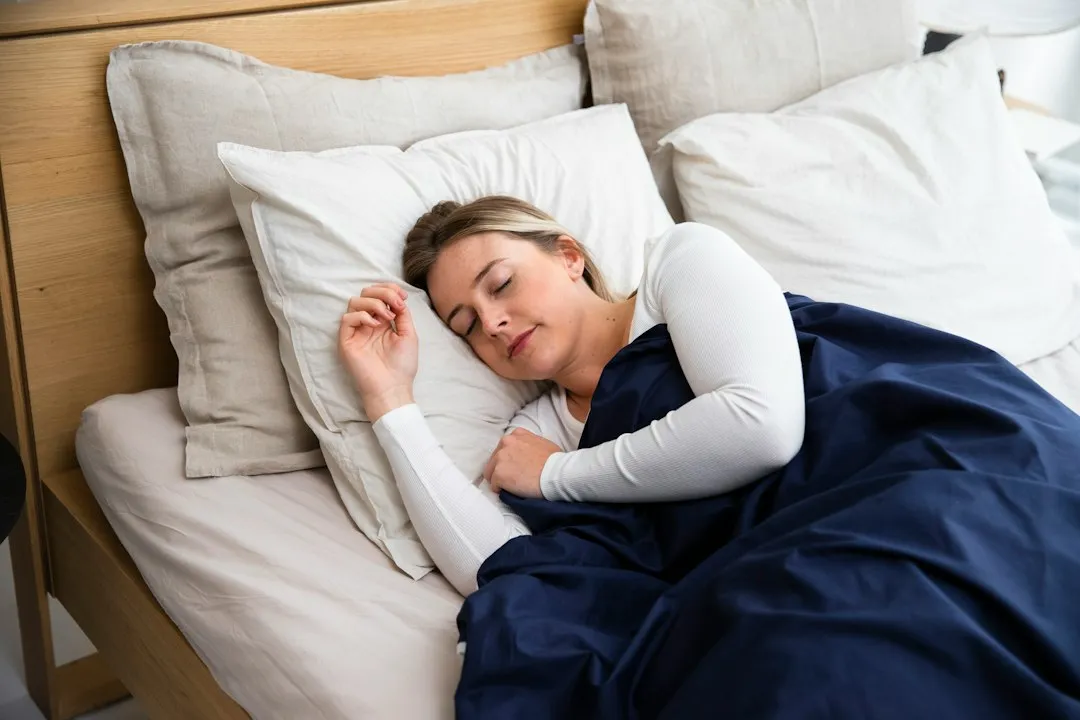
Socks alone won’t fix a broken sleep routine. Sleep doctors consistently emphasize that temperature regulation is one piece of a larger puzzle. Maintaining a cool sleeping environment is crucial for achieving restful sleep. Ideally, the ambient temperature should be around 67 degrees Fahrenheit to effectively decrease core body temperature, which is necessary for falling asleep and staying asleep.
Non-pharmacological interventions such as maintaining an optimal sleep environment or using stimuli like foot warming can potentially enhance sleep. The sock rule works best when paired with other sensible habits: a consistent bedtime, a dark and cool room, and limited screen time before bed. Add socks, and you’ve added one more tool to a solid toolkit.
The Takeaway
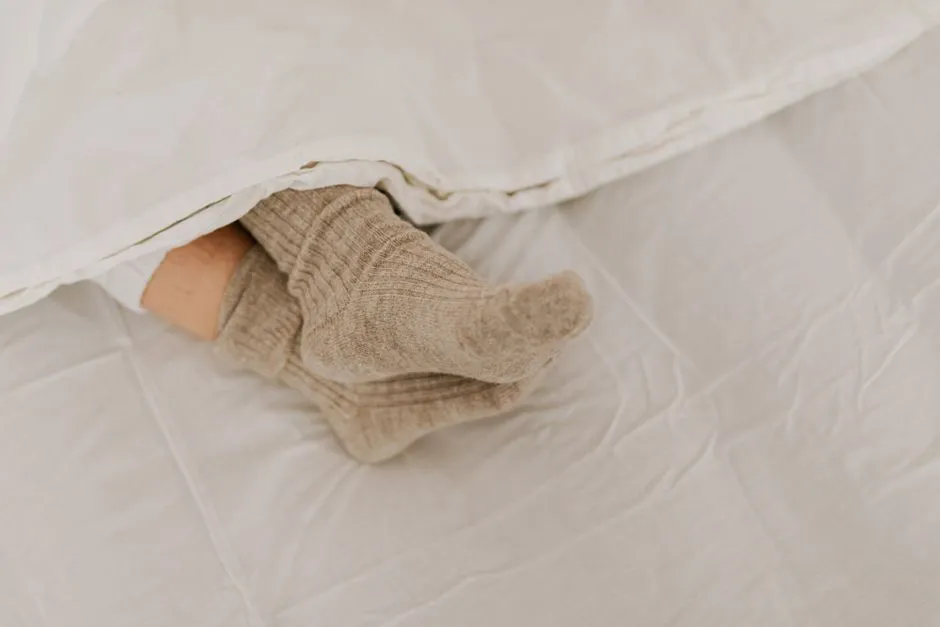
The sock rule isn’t magic, and it’s not right for everyone. Roughly one in three people already sleep with their socks on, and science says they may be onto something. Research shows that wearing socks to bed may help you fall asleep faster and sleep better. That’s a pretty good return on an investment that costs nothing if you already have the right pair in your drawer.
For cold nights especially, the logic is tight: warm feet trigger vasodilation, vasodilation cools the core, a cooler core invites sleep. The next time you’re lying awake on a January night counting the shadows on the ceiling, it might be worth reaching for a pair of merino wool socks before you reach for the thermostat.
AI Disclaimer: This article was created with the assistance of AI tools and reviewed by a human editor.