

Somewhere right now, an older adult is reading a message on Facebook that appears to be from their grandchild. It sounds desperate. It sounds real. It asks for money before anyone else finds out. That single message is the entry point for one of the most emotionally devastating fraud schemes operating at scale today.
These scams have grown sharply in both sophistication and reach over the past two years. According to the FBI’s Internet Crime Complaint Center 2025 Internet Crime Report, adults aged 60 and older filed more than 201,000 complaints, with reported losses exceeding $7.7 billion. The numbers are striking, but the real story is how ordinary the first contact looks.
The Scale of the Problem Is Bigger Than Most People Realize

Americans age 60 and older reported $7.7 billion in losses from scams in 2025, according to the FBI’s IC3 Annual Report. This represents a 59 percent increase from the roughly $4.9 billion older adults lost in 2024. That jump in a single year is not a statistical blip. It reflects a deliberate, organized expansion of criminal operations targeting this age group.
Older adults reported $2.4 billion in fraud losses to the Federal Trade Commission in 2024. However, the FTC’s December 2025 report to Congress estimated that real losses may have reached $81.5 billion that year. Most of those cases went unreported. That gap between official figures and reality is enormous, which means the problem is far worse than any single statistic suggests.
How Scammers Mine Social Media for Personal Details
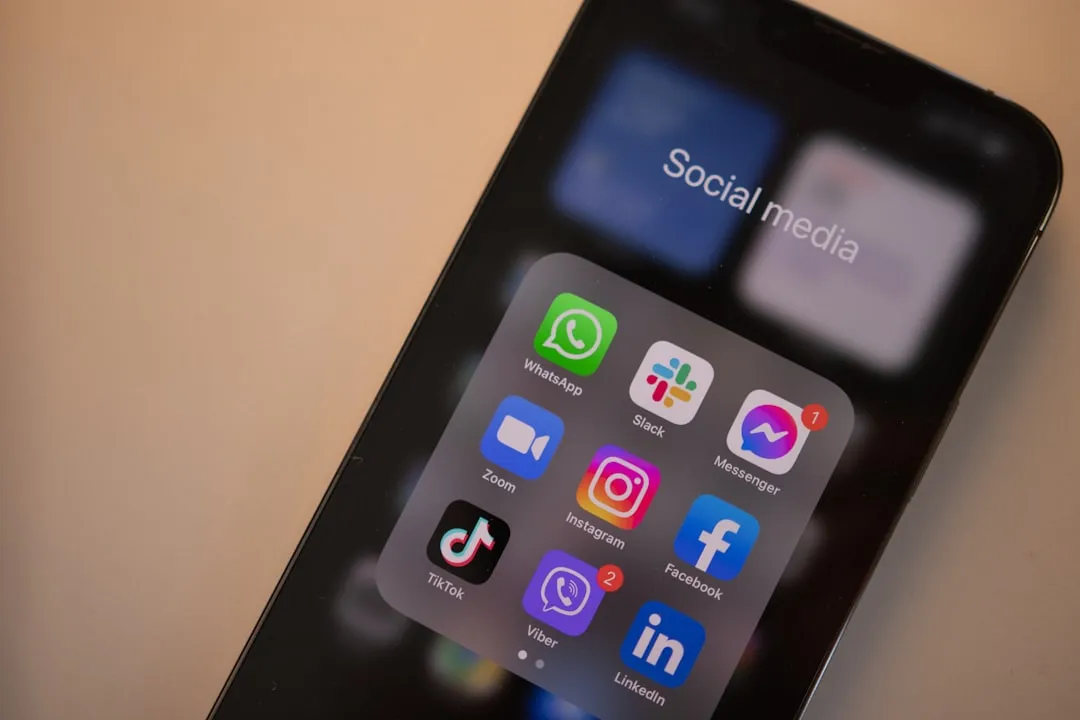
Scammers mine Facebook, Instagram, and other platforms for information about family relationships, names, travel plans, and life events. It takes very little time. A public profile can reveal a grandchild’s name, school, city, and travel schedule within minutes of browsing.
A grandparent who proudly shares photos of a grandchild’s college trip abroad may inadvertently give criminals exactly the backstory they need to craft a convincing fake emergency. If you use social media, many security experts advise against posting the names, addresses, birthdates, and daily activities of relatives, because a thief can use that information. The openness that makes social media feel warm and connecting is exactly what makes it useful to criminals.
The Opening Message Looks Completely Innocent

The scam typically begins with an unexpected phone call or message. The caller may say something vague like “Grandma, it’s me!” The “emergency” is then introduced: “I was in a car accident,” “I got arrested,” or “I’m in the hospital.” The vagueness is intentional. When the grandparent fills in the name themselves, the scammer confirms it and runs with it.
Grandparents often have a hard time saying “no” to their grandchildren, which is something scam artists know all too well. Scammers who gain access to consumers’ personal information by mining social media or purchasing data from cyber thieves can create storylines to prey on the fears of grandparents. The message is crafted to exploit love, not ignorance.
Facebook’s Algorithm Has Become a Tool for Targeting

While people scroll for grandkid photos, Facebook’s algorithm scans profiles for vulnerabilities like widowhood status and family details, then that information can be accessed by criminal networks. The platform’s AI scans for signs you’re widowed, notes your interests, and catalogs your family connections, according to cybersecurity researchers tracking elder fraud patterns.
Scammers then craft hyper-personalized approaches using pet names or calling you “honey” like your late spouse did. In 2025, Americans reported losing more than $2 billion to scams that began on social media. More was lost on Facebook than on any other platform, according to the Federal Trade Commission. That combination of data access and emotional personalization makes the platform uniquely dangerous for older users who may not realize how much their profile reveals.
AI Voice Cloning Has Made the Scam Nearly Undetectable

Voice cloning technology is emerging as a serious threat. AI voice generators can replicate a person’s voice from just a few seconds of audio gathered from a social media video or voicemail. This means the generated “voice” of a grandchild on the phone is almost indistinguishable from the real thing.
AI voice-cloning tools have made these scams even more convincing. Scammers can use a birthday video, voicemail, or social media clip to mimic a grandchild’s voice, then place the call. The voice sounds familiar, the emergency feels real, and the request for bail money seems urgent. The FBI counted $352 million in AI-related scam losses among victims aged 60 and older in 2025.
The “Please Don’t Tell Mom and Dad” Tactic

A critical hallmark of grandchild impersonation scams is the insistence on secrecy. The scammer, pretending to be a grandchild or loved one, will implore the victim not to tell the grandchild’s mother, father, or anyone else. This isolation tactic is deliberate. It cuts off every natural circuit-breaker the victim might use to verify the story.
Often the impersonator claims to have been in an accident or arrested. The scammer may ask the grandparent “please don’t let mom and dad know,” and may hand the phone over to someone posing as a lawyer or a court official seeking immediate payment. That second voice adds a layer of false legitimacy that can be surprisingly convincing, even to skeptical people.
Urgency Is the Core Psychological Weapon

Criminals may use social media, public records, or even artificial intelligence voice-cloning technology to sound more believable. The goal is always the same: create panic, urgency, and emotional pressure before someone has time to think clearly.
The FTC found in August 2025 that some of the fastest-growing scams targeting older adults use fear and urgency to override good judgment. A caller may claim your bank account was hacked and say you need to move your money immediately to protect it. However, the money does not move to safety. It goes straight to the scammer. Speed is the scammer’s best tool, and slowing down is the victim’s best defense.
The Payment Methods They Ask For Are a Red Flag

The caller insists on immediate action, such as asking for passwords or wiring money or buying gift cards. Unusual payment requests come in the form of gift cards or cryptocurrency. These methods are chosen specifically because they are nearly impossible to reverse once sent.
Scammers often pressure the victim to send money immediately, usually via wire transfer or gift cards, and instruct them not to tell anyone for fear of making matters worse. Legitimate emergencies do not require secrecy or instant payments. That combination, urgency plus an untraceable payment request, is almost always a scam.
Organized Criminal Networks Are Behind the Messages

The Justice Department in Vermont charged 25 people for committing $21 million in scams targeting grandparents, according to the District of Vermont United States Attorney’s Office in 2025. These are not lone operators. They are coordinated networks running these schemes across state and national borders.
Since the start of 2025, Meta detected and disrupted close to 8 million accounts on Facebook and Instagram associated with criminal scam centers targeting people, including older adults, globally through messaging, dating apps, social media, and other apps. The sheer volume underlines how industrialized this problem has become. Disrupting one account means little when thousands more are ready to replace it.
How to Protect Yourself and Your Family

One effective defense against the grandchild impersonation scam is to establish a secret family password or code phrase. If anyone calls claiming to be a family member or friend in trouble, they must provide the password. This one step alone can stop a scam cold before it goes anywhere.
Before acting, contact your grandchild or a family member directly to confirm the situation. Be wary of urgent requests, since fraudsters rely on panic to cloud judgment. Encouraging older adults to discuss financial safety with loved ones reduces the risk of secrecy and shame. The more scams are reported to agencies like the FTC and FBI, the easier it is to track fraudsters and prevent future victims. Reporting is not just protective for the individual. It helps build the case against organized networks still operating at scale.
The Takeaway

The social media message that kicks off a grandparent scam rarely looks suspicious on its surface. It looks like a scared grandchild. It sounds like love and urgency combined. That is precisely why it works so often, and why awareness is the most practical defense available right now.
Grandparent scams succeed by creating panic and urgency, not by being technically sophisticated. By slowing down, verifying stories, and communicating openly with family, these scams can be shut down before money or trust is lost. The most powerful thing families can do is talk about this openly, before a frightening message ever arrives.
AI Disclaimer: This article was created with the assistance of AI tools and reviewed by a human editor.