
Most people assume that having a smoke detector somewhere on the ceiling is good enough. It’s a reasonable assumption, but it’s also quietly dangerous. The difference between a detector that wakes you in time and one that triggers only after smoke has filled the hallway often comes down to a few inches of placement, or a single room that was left uncovered.
According to the National Fire Protection Association, roughly three of every five home fire deaths occur in homes with no smoke alarms or non-functioning smoke alarms. Of the homes that do have alarms, a significant portion have them in the wrong locations, have dead batteries, or have units older than their 10-year service life. That last category is the one most homeowners overlook entirely.
The “Dead Air Space” Trap in Every Room

One of the most widespread and least talked-about placement errors is mounting a smoke detector right in the corner where the wall meets the ceiling. It feels intuitive to tuck the device neatly into a corner, but that spot is actually one of the worst possible locations for detection.
Dead air spaces are pockets of air trapped in enclosed or semi-enclosed areas where little to no airflow occurs. Corners where walls meet the ceiling are a prime example, and they can trap air and create dead-air spaces that prevent smoke from reaching the detector promptly.
A detector mounted directly in the corner where the ceiling meets the wall may miss rising smoke for several minutes due to dead air pockets. In a fast-moving fire, those minutes are not recoverable.
The Real Rule: Four Inches from Every Wall
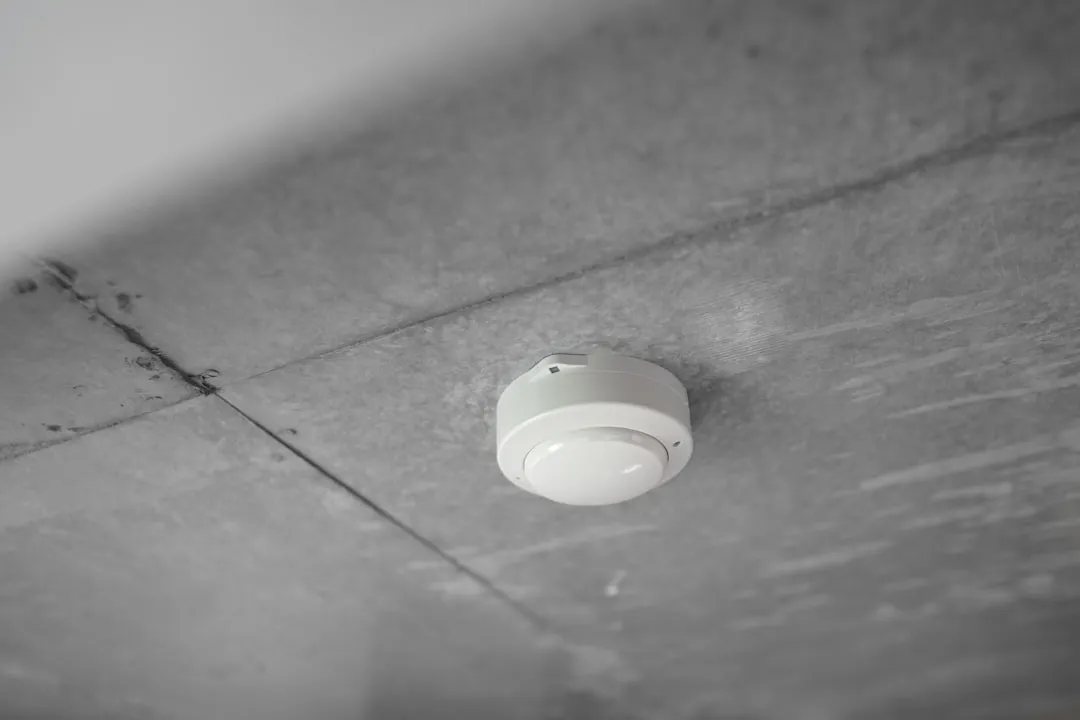
The correct mounting position is more specific than most homeowners realize. Smoke rises, spreads across the ceiling, and then banks down the walls. That is why NFPA 72 requires smoke detectors to be mounted on the ceiling or, if wall-mounted, within 12 inches of the ceiling. Ceiling-mounted detectors should be at least 4 inches from any wall.
If you must use a wall, mount the top of the detector four to 12 inches below the ceiling to avoid dead air that forms tight against the corner seam. It’s a small adjustment with a measurable impact on how quickly smoke reaches the sensor.
If your detector is too close to that spot, less than four inches from the ceiling, it may not sense smoke right away. On the other hand, if it’s placed more than 12 inches down the wall, smoke might not reach it fast enough to trigger the alarm. The window is narrow, and most self-installed units miss it.
Not Having One Inside Every Bedroom
NFPA 72 and the International Residential Code require smoke alarms inside each sleeping room. This has been a requirement since 1993 in new construction, yet many older homes were built before this standard. That means a significant portion of existing housing stock is still running on pre-1993 coverage logic.
The NFPA recommends installing one inside each bedroom and another in the hallway. Fires often happen at night, and having alarms in those spots gives you the best chance of hearing them no matter where the fire starts. If you only place one in the hallway, smoke inside the bedroom might not trigger it quickly enough.
If you only put one in the bedroom, someone sleeping with the door closed may not hear the alarm from another part of the house. Both locations serve a distinct purpose, and neither one replaces the other.
Skipping the Basement Entirely
Utility rooms, basements, long hallways, and stair tops are often overlooked, yet many fires start or spread through these spaces. Leaving them uncovered creates dangerous blind spots that negate even perfect bedroom coverage.
Mount basement detectors on the ceiling at the base of the stairwell leading to the upper floors, so rising smoke triggers the alarm before it reaches sleeping areas. This position intercepts smoke on its most likely travel path through the home.
In basements, place alarms at the bottom of the stairs leading to the main floor. It’s a specific spot that many people miss simply because basements feel like secondary spaces, even though electrical panels, laundry equipment, and stored flammables often live there.
Placing Detectors Too Close to the Kitchen
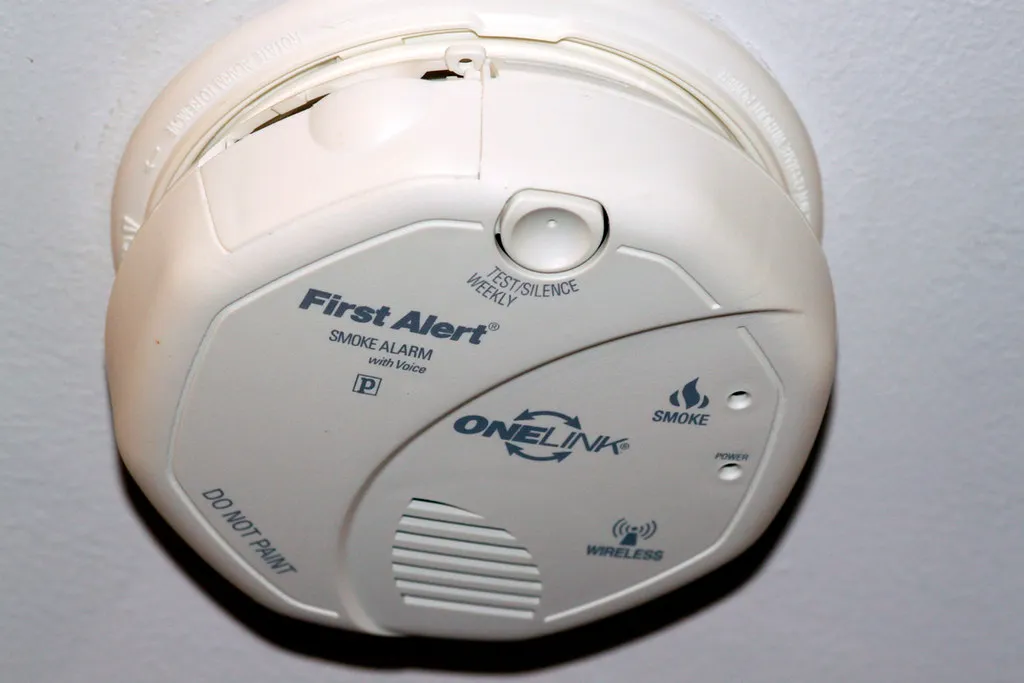
This is arguably the most common self-correcting mistake homeowners make: a detector near the kitchen triggers nuisance alarms, so they remove the battery or relocate the unit to somewhere less effective. Installing smoke detectors too close to kitchens or bathrooms can lead to frequent false alarms, causing homeowners to disable or ignore them.
Avoid placing detectors directly above stoves, ovens, fireplaces, or within 10 feet of cooking appliances. Ten feet is the widely cited minimum distance recommended by both NFPA guidelines and fire safety professionals.
False alarms may cause residents to ignore actual warnings, reducing the effectiveness of the smoke detection system. This can ultimately lead to a false sense of security, endangering lives and property. The irony is that the alarm doing its job too well in the wrong spot ends up making the home less safe overall.
Placing Alarms Near Air Vents or Ceiling Fans

Airflow is an underappreciated enemy of smoke detection. A detector near a supply vent or ceiling fan may never receive the concentration of smoke particles needed to trigger, simply because the air movement disperses smoke before it builds up around the sensor.
Installing alarms in corners, near vents, above supply registers, or beside fans can delay smoke entry into the sensing chamber. Keep to the four to 12 inch wall offset, avoid corners by at least four inches, and give fans a three-foot berth.
Don’t mount smoke alarms near vents, windows, or air conditioners. Airflow can scatter smoke before the detector has a chance to sense it. This mistake is particularly common in bedrooms with ceiling fans, where homeowners mount the detector centrally without accounting for blade clearance.
Ignoring Hallways and Stairwells
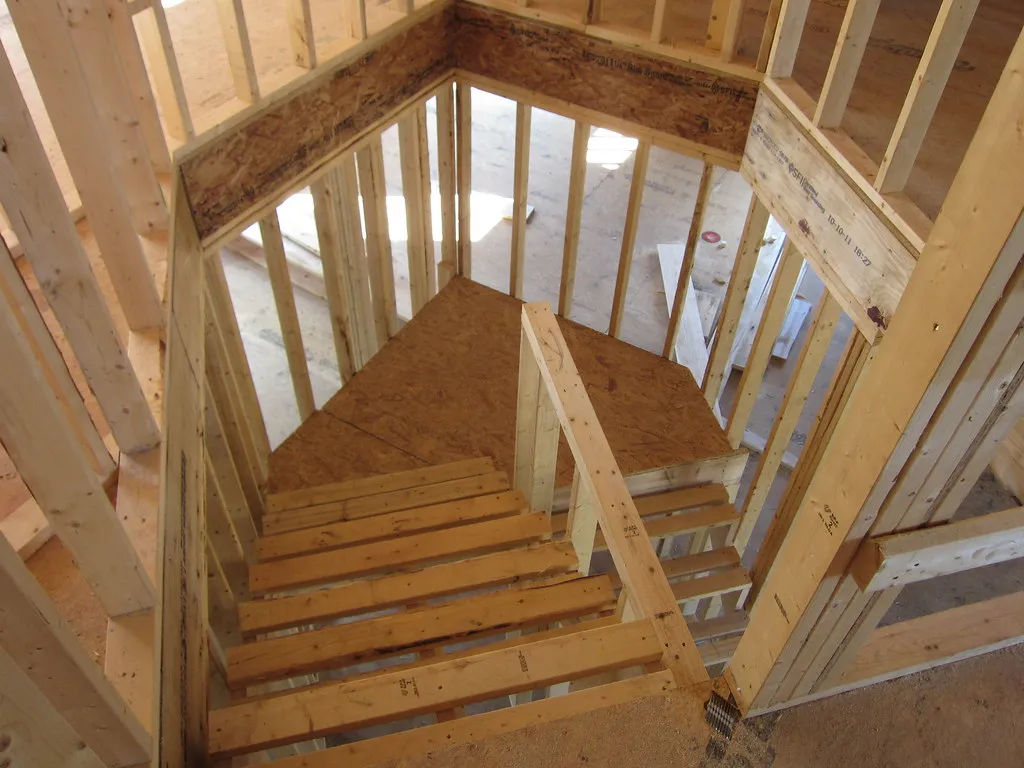
Smoke usually reaches hallways and stairwells quickly, so those areas need coverage too. Stairwells act as chimneys during a fire, drawing smoke upward through multiple floors at speed.
Each level of the home, including basements and finished attics, should have coverage. Near stairways, smoke rising between floors must be detected quickly. A single stairwell without a detector can allow fire to advance an entire floor before any alarm sounds.
If a hallway is longer than 30 feet, consider a unit at each end. Alarms should also be located at the top of stairways and at the bottom of the basement stairway. Long corridors are essentially tunnels for smoke, and a single detector at one end may not cover the full length in time.
Using Only One Type of Detector Throughout the Home
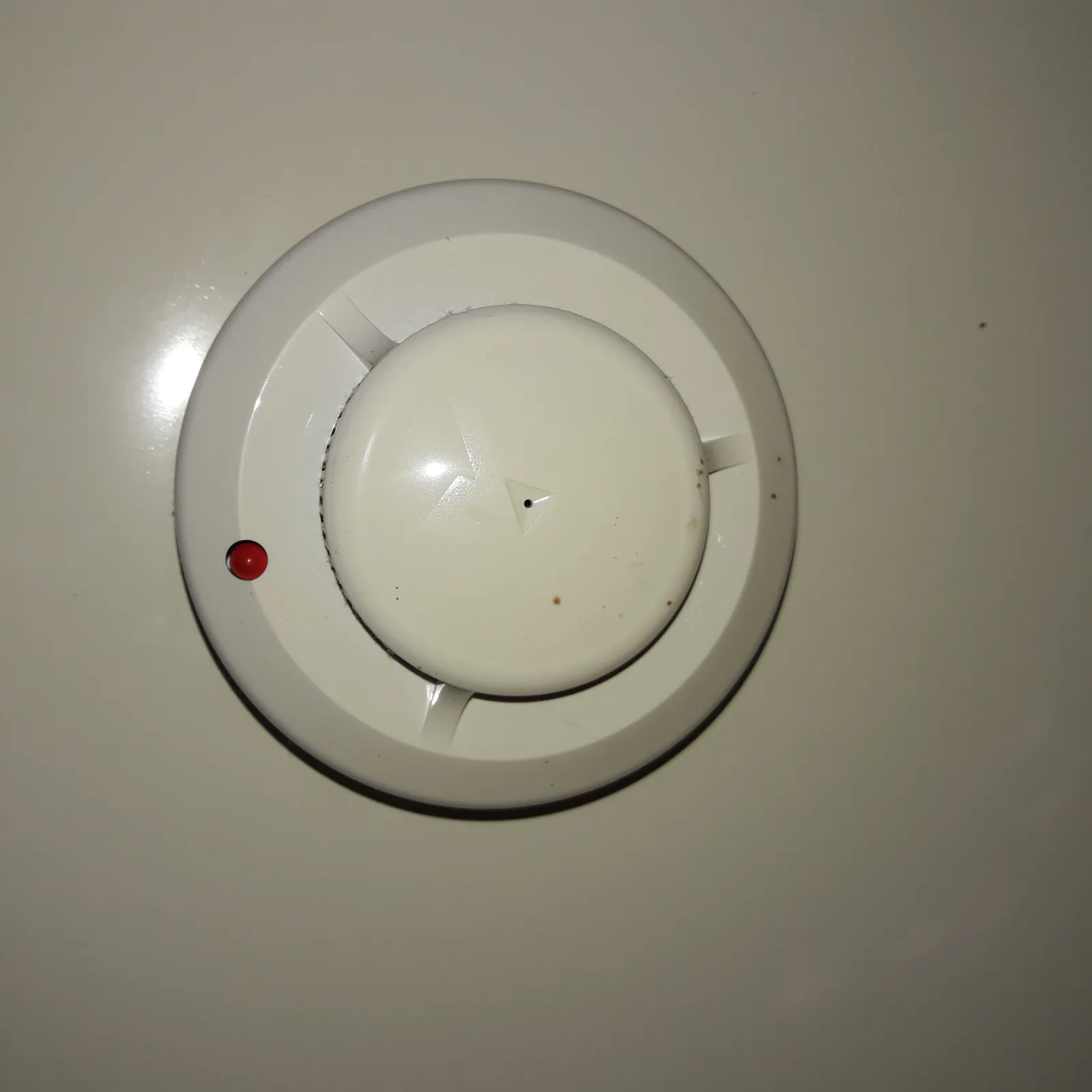
Not all smoke detectors work the same way, and using one technology across every room is another gap most homeowners don’t realize they have. Ionization detectors respond faster to fast-flaming fires, while photoelectric detectors are better at catching slow, smoldering fires that produce thick smoke before flames appear.
Smoldering fires are particularly dangerous at night because they fill a home with toxic gases before visible flames develop, giving occupants less warning time. A photoelectric detector in sleeping areas is generally considered more appropriate for that reason, per NFPA guidance.
Effective fire protection requires more than simply installing smoke detectors – strategic placement is essential for early detection and maximum safety. With over 350,000 home fires occurring annually in the United States, proper fire alarm placement can mean the difference between early detection and devastating loss. Choosing the right detector type for the right room is part of that strategy.
Forgetting the Ten-Year Replacement Rule
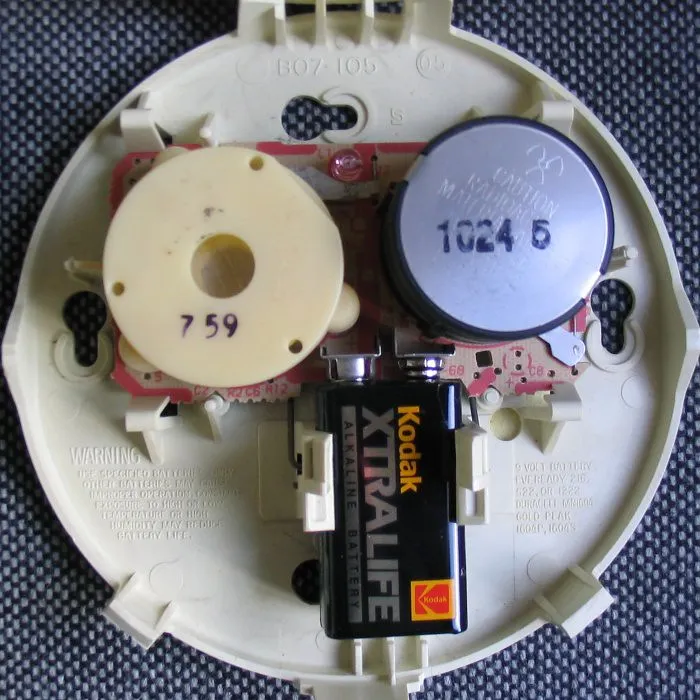
Smoke alarms should generally be replaced every 10 years and tested regularly. The sensor inside a smoke detector degrades over time, and a unit that passes a simple button test may still have a weakened response to actual smoke particles.
Of the homes that do have alarms, a significant portion have them in the wrong locations, have dead batteries, or have units older than their 10-year service life. An expired detector sitting in exactly the right position on the ceiling is still a liability.
Placement isn’t enough if devices don’t work. Test alarms monthly and replace units at least every 10 years. Writing the installation date in marker on the battery cover is a simple habit that takes the guesswork out of replacement timing.
The Gap Between Having Alarms and Having Coverage

Having a smoke alarm is not the same as having adequate smoke alarm coverage. This distinction is the core of what most households miss. A single detector in a hallway does not satisfy the layered protection that fire safety codes are built around.
Smoke alarms play a critical role in reducing fire-related deaths. According to NFPA research, the death rate is about 60 percent lower in homes with working smoke alarms compared to homes without them. That benefit depends entirely on those alarms being correctly placed and maintained.
NFPA 72 requires smoke detectors inside every bedroom, in the hallway outside sleeping areas, and on every level of the home including basements. Mount on the ceiling at least 4 inches from walls, or on walls between 4 and 12 inches from the ceiling. Those requirements exist because placement details have been studied in real fire conditions, and the margins matter more than most people expect.
The Takeaway
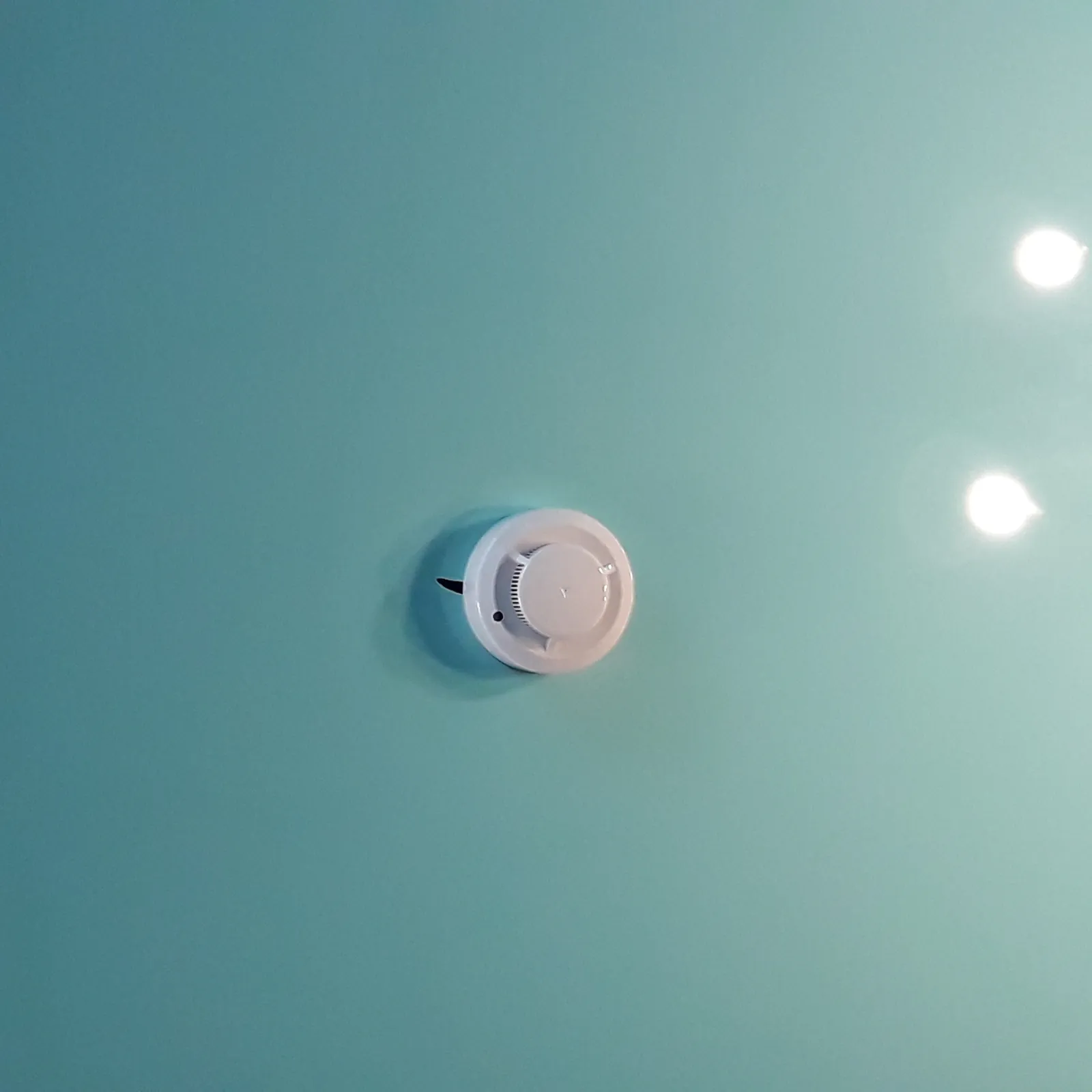
Smoke detector placement is one of those topics that seems settled until you look closely at it. Most households have at least one detector, but the research consistently shows that location, height, and coverage gaps reduce protection in ways that aren’t visible until an emergency. The fix is rarely expensive or complicated.
Walk through your home and check each room against the NFPA 72 standard: every bedroom, every hallway, every floor including the basement, and no unit tucked into a ceiling corner or within reach of a kitchen vent. Then check the manufacture date on the back of each unit.
A smoke alarm that wakes you up 30 seconds earlier can change everything. That margin comes from placement, not just presence.
AI Disclaimer: This article was created with the assistance of AI tools and reviewed by a human editor.