
What ACR Actually Is
ACR is an algorithmic capability built into smart TVs at the chipset level that enables manufacturers to identify what content is being shown on screen, including movies, TV episodes, ads, games, and live sport, regardless of source. Think of it as a fingerprinting system that runs continuously in the background while you watch.
A 2024 research paper described ACR as a Shazam-like technology that periodically captures displayed screen content and matches it against a content library. The comparison is apt: the same way Shazam identifies a song from a few seconds of audio, ACR identifies what you are watching from snippets of video or sound. To realize this constant surveillance, ACR-enabled smart TVs use video and audio fingerprinting to identify the content shown on screen.
How Fast Is It Collecting Data?
The study “Watching TV with the Second-Party: A First Look at Automatic Content Recognition Tracking in Smart TVs,” published at the 2024 ACM Internet Measurement Conference by researchers at UC Davis, University College London, and Universidad Carlos III de Madrid, found that Samsung TVs send ACR data to the manufacturer’s servers roughly once per minute, and LG TVs send it roughly every 15 seconds.
Texas Attorney General filings state that ACR software can capture screenshots of a user’s television display every 500 milliseconds, and that LG’s system captures “every sound and image on their Smart TV every 10 milliseconds.” That is the rate at which content is captured locally before being fingerprinted and sent upstream. These rates describe what the TV records locally, which is then fingerprinted and batched for upload.
It Doesn’t Stop at Streaming Apps
ACR-enabled tracking goes far beyond the familiar capability of apps to track in-app viewing. The purpose of ACR is to identify any content shown on the TV, across all apps, channels, and external devices, building up a detailed history of content viewed over potentially many years of use.
Your smart TV is actively monitoring everything that appears on your screen, tracking every show, every channel change, every advertisement, and even content from devices connected via HDMI like your laptop or gaming console. Researchers also found ACR could work even when the TV was used as a “dumb” external display, depending on platform, region, and settings. That finding changes the calculation for anyone who assumed using an external streaming stick offered protection.
Who Is Behind the Data Collection
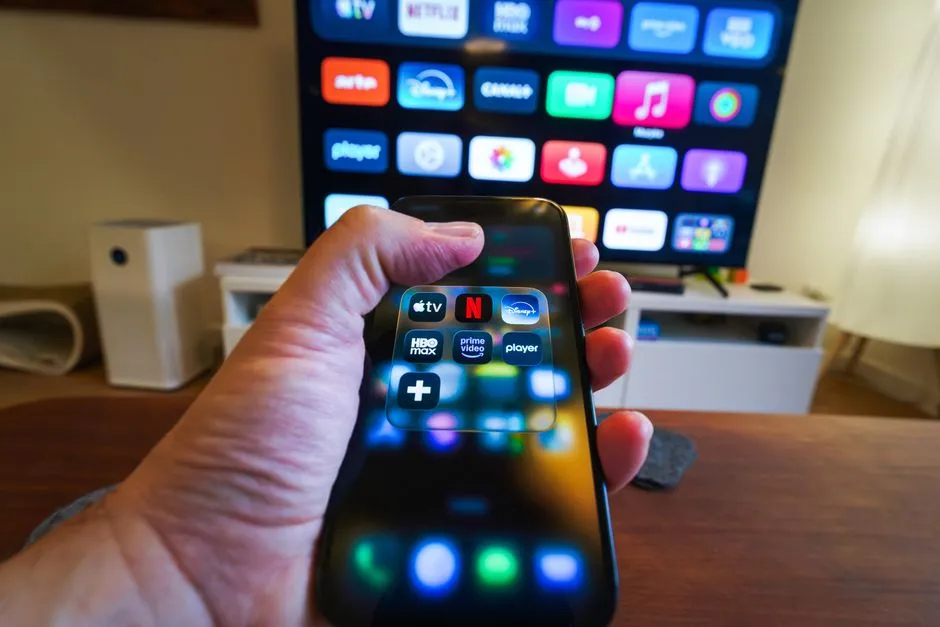
Through built-in ACR technology, smart TVs can collect viewing data including what you watch, how long you watch, and when you watch, along with app interactions, voice data, and ad interactions. That information can then be used for personalized viewing recommendations or sold to advertisers for targeted advertisements.
Beyond content recognition, smart TVs gather data on how the device is used, including app interactions, menu navigation, and voice commands. The collected data is transmitted back to manufacturers and third-party advertisers, who use it to create detailed consumer profiles that include viewing habits, interests, and demographic information. It was reported that smart television manufacturer Vizio profited more from the sale of their customers’ data than from the televisions they sold.
The 2025 Lawsuits That Changed the Conversation

Texas Attorney General Ken Paxton launched a series of lawsuits in December 2025 targeting five television manufacturers for their alleged privacy violations through the use of automated content recognition technology. The legal action was significant in scale and in the specific nature of the accusations.
The lawsuits claimed Sony, Samsung, LG, Hisense, and TCL Technology Group Corporation unlawfully collected and monetized consumers’ television-viewing data through ACR tech. The legal action marks a notable shift in the US state enforcement landscape beyond common data collection practices. Paxton’s office obtained temporary restraining orders against Hisense and Samsung, halting certain ACR-related data collection practices in Texas.
How Many Households Are Affected
According to a 2026 consumer survey, roughly three quarters of Americans own a smart TV, making it the most common connected home device. The scale of ACR’s reach follows directly from that number.
Estimates suggest ACR-enabled TVs are present in roughly 100 million US homes, with viewing data collected by default unless manually disabled. In the same survey, the vast majority of respondents said they would support legislation requiring manufacturers to disclose what data they collect in plain language, and nearly as many said they would disconnect a device if they learned it was collecting more data than expected. Awareness is growing, but the default settings remain unchanged.
What Your TV Is Actually Logging
Samsung’s ACR system, called Viewing Information Services, collects information about the channels and networks you watch, the websites you visit, and the programs you view, as well as the amount of time you spend watching them. It also collects information for any device you connect to the TV, and this information powers the program recommendations you receive, as well as targeted marketing materials.
Data collected by smart TVs typically includes viewing habits such as what shows or movies are watched and for how long, device usage including interaction patterns with apps, location data gathered from an IP address, and voice data captured through built-in microphones if voice control is active. The depth of that profile is considerable for a device most people think of simply as a screen.
The Settings Are Deliberately Hard to Find

On most TVs, ACR lives under a setting with an innocuous name like Viewing Information Services, Live Plus, Samba Interactive TV, or Smart TV Experience. None of those names tell you clearly what the feature actually does. The deliberate obscurity matters because it keeps most users opted in indefinitely.
ACR tracking records every channel, streaming app, and movie your TV displays, then sells that data to advertisers. Every major brand does this by default, and the toggle is buried several menus deep. One privacy test found that a Samsung TV reached out 1,789 times to 94 separate servers, and about a third of those connections used plain unencrypted HTTP. That is a lot of outbound traffic for a device most households consider passive.
How to Turn It Off, Brand by Brand
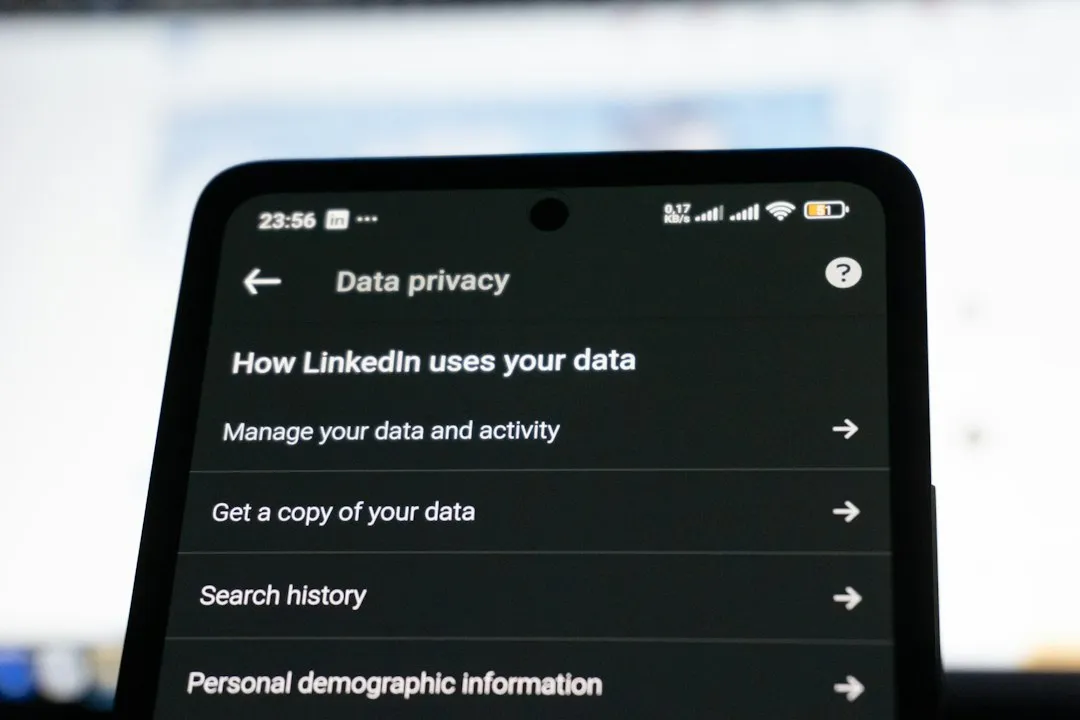
Disabling ACR takes only a few minutes once you know where to look. The process varies by brand, but the option always exists.
For Samsung, go to Settings, then All Settings, then General and Privacy, then Terms and Privacy, and disable both Viewing Information Services and Interest-Based Advertising. LG calls its ACR system Live Plus, and you can find it under Settings, General, System, and Advanced Settings, where disabling Live Plus limits ACR tracking.
For Roku-based TVs, go to Settings, then Privacy, then Smart TV Experience, and turn off Use Info from TV Inputs to stop ACR on HDMI and other external sources. On Vizio, press Menu, select System, go to Reset and Admin, and switch Viewing Data to off. Sony’s 2025 sets include a separate Bravia privacy policy covering a third-party ACR provider called Samba TV, which also needs to be declined.
Turning It Off in Settings May Not Be Enough
The 2024 ACM paper confirmed that opting out of ACR on Samsung and LG televisions did stop the outbound ACR traffic in the researchers’ US test setup. That is encouraging, but there are caveats worth knowing.
The streaming apps on your TV may collect data even if you don’t sign in, and your smart TV will also collect information for its manufacturer, possibly including your location, which apps you open, and more. Router-level controls, such as Pi-hole or firewall rules, can block telemetry domains from manufacturers like Samsung and LG, reducing data transmission to external servers even if TV settings are not fully adjusted. For those who want a more thorough approach, network-level blocking adds a meaningful second layer of protection.
The Takeaway
ACR is not a hypothetical threat or a fringe concern. It is a default feature on the majority of televisions sold today, confirmed by independent academic research, and serious enough to trigger major lawsuits from a state attorney general in 2025. The technology itself is not inherently illegal, but the lack of clear disclosure and the opt-out-by-default design are what regulators and privacy advocates have found hardest to accept.
The good news is that the off switch exists on every major brand. It takes a few minutes to find and a single toggle to activate. Knowing the right menu name, whether that is Viewing Information Services, Live Plus, or Smart TV Experience, is most of the battle. What you do next is simply a matter of deciding how much of your viewing life you’re comfortable sharing with strangers you’ll never meet.
AI Disclaimer: This article was created with the assistance of AI tools and reviewed by a human editor.