
What That Hole Is Actually Called
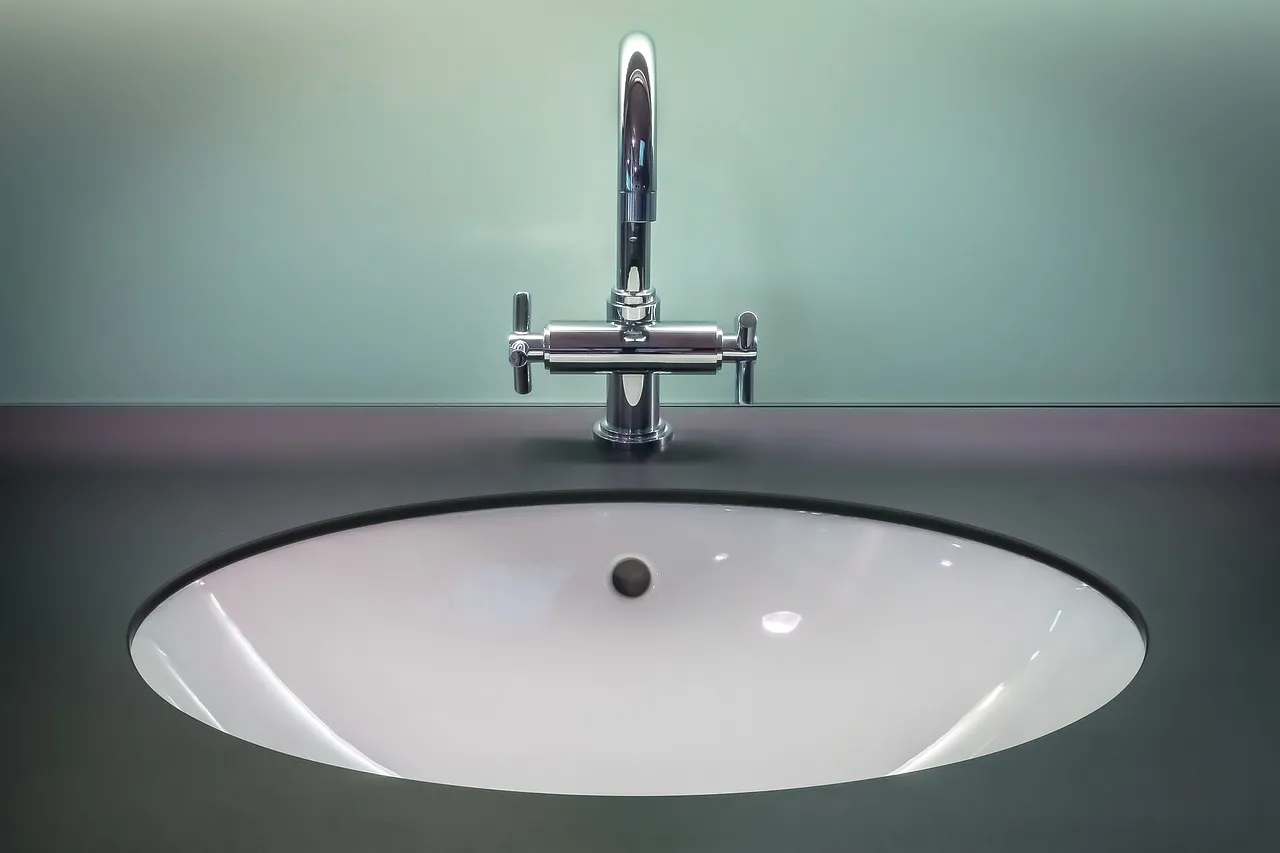
The tiny hole in a bathroom sink, located right near the upper rim, is technically referred to as the overflow drain. That name is fairly descriptive once you hear it, though most people have never actually heard it at all. The hole in the sink is officially called the sink overflow, and this secondary opening serves two critical functions: it prevents water from spilling over the basin’s edge during a clog and allows air into the drain pipe to ensure water flows out rapidly without creating a vacuum.
The sink overflow is an integrated safety channel designed to route excess water into the main drain pipe before the basin reaches its spill point. In other words, it’s a built-in failsafe, not a decoration or a manufacturing quirk.
Where Exactly It Sits and How It’s Built
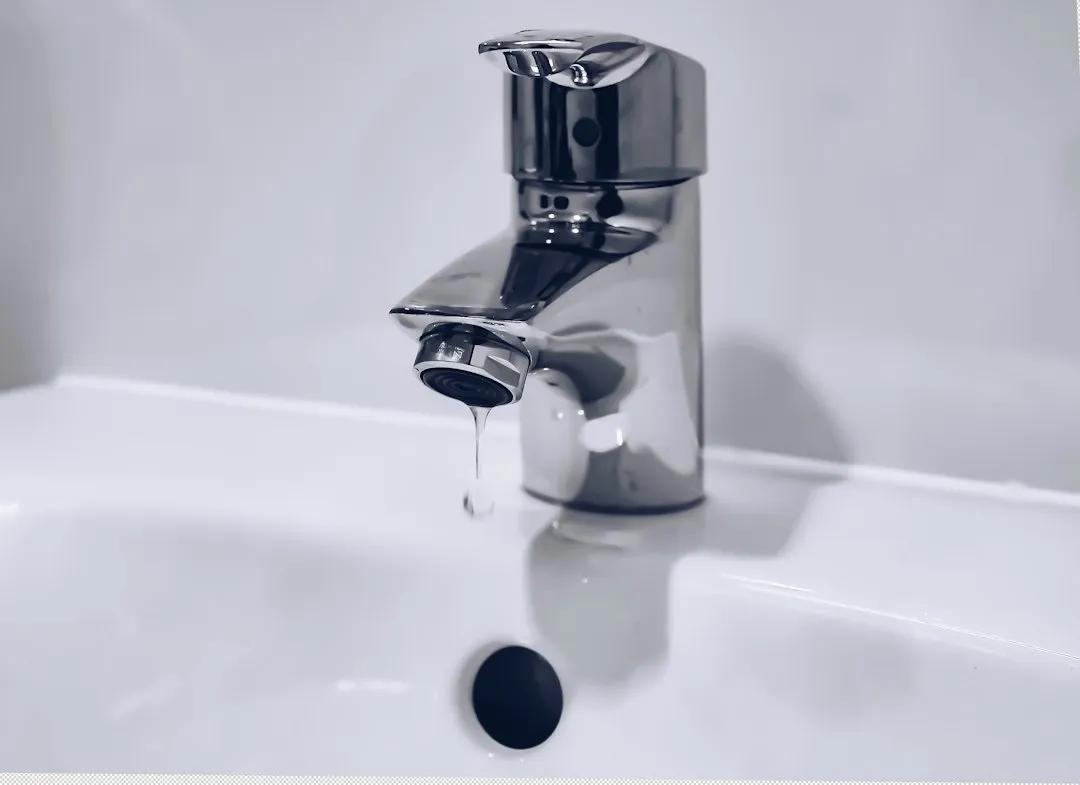
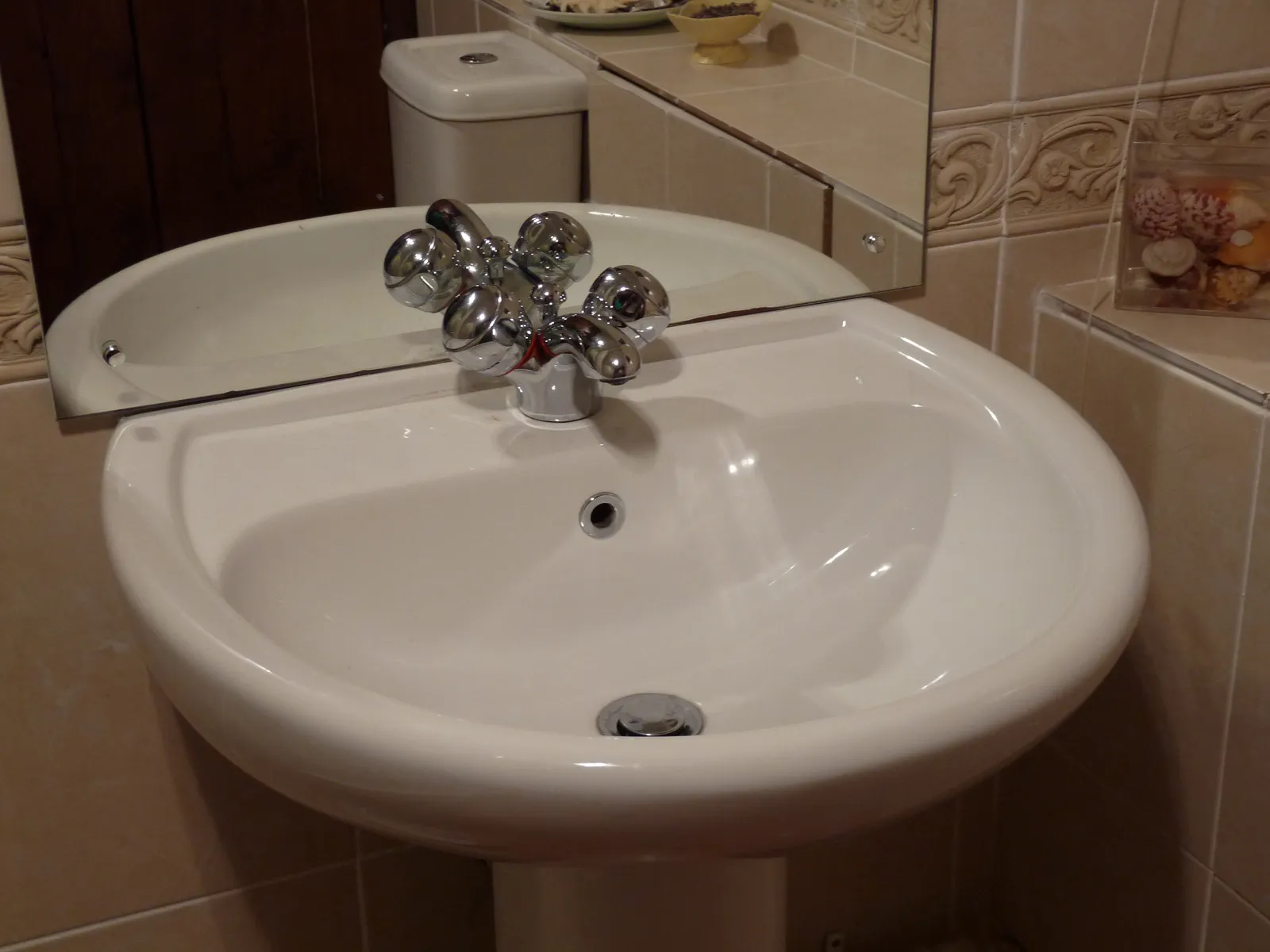
Bathroom sinks and some other fixtures have an overflow opening in the basin, and this opening is located on the foundation wall closest to you, near the rim of the sink. The standard sink overflow is a hidden channel running along the bottom of the sink basin. You may not be able to see it from the top of the sink, and often you can’t see it from below either. At the top of the overflow channel, near the rim of the basin, there will be one or two holes. The bottom of the channel has an outlet hole that allows water to flow into the drain below the sink.
The bathroom sink overflow hole drains out of an internal channel that leads to your home’s main drain pipe. It’s essentially a little concealed passageway built into the sink itself, allowing water to bypass the basin and flow safely down the drain. That internal tunnel is molded directly into the sink’s body during manufacturing.
Its Primary Job: Stopping a Flood Before It Starts
When the water rises to the hole, it starts draining instead of overflowing onto the bathroom floor and creating a mess. This matters more than it might sound. Bathroom sinks are frequently used with the stopper engaged, which means a distraction of even a few minutes could lead to water spilling across the floor.
Its purpose is to prevent overflow in case the stopper is down and the faucet is on while you are away. In such a scenario, it acts as an emergency drain to avoid water spilling onto the floor. Additionally, if the pop-up stopper is clogged and prevents water from passing through, it serves as an emergency drain as well, connecting inside the sink below the stopper directly to the waste system beneath the sink.
The Second Function: Helping Your Sink Drain Faster
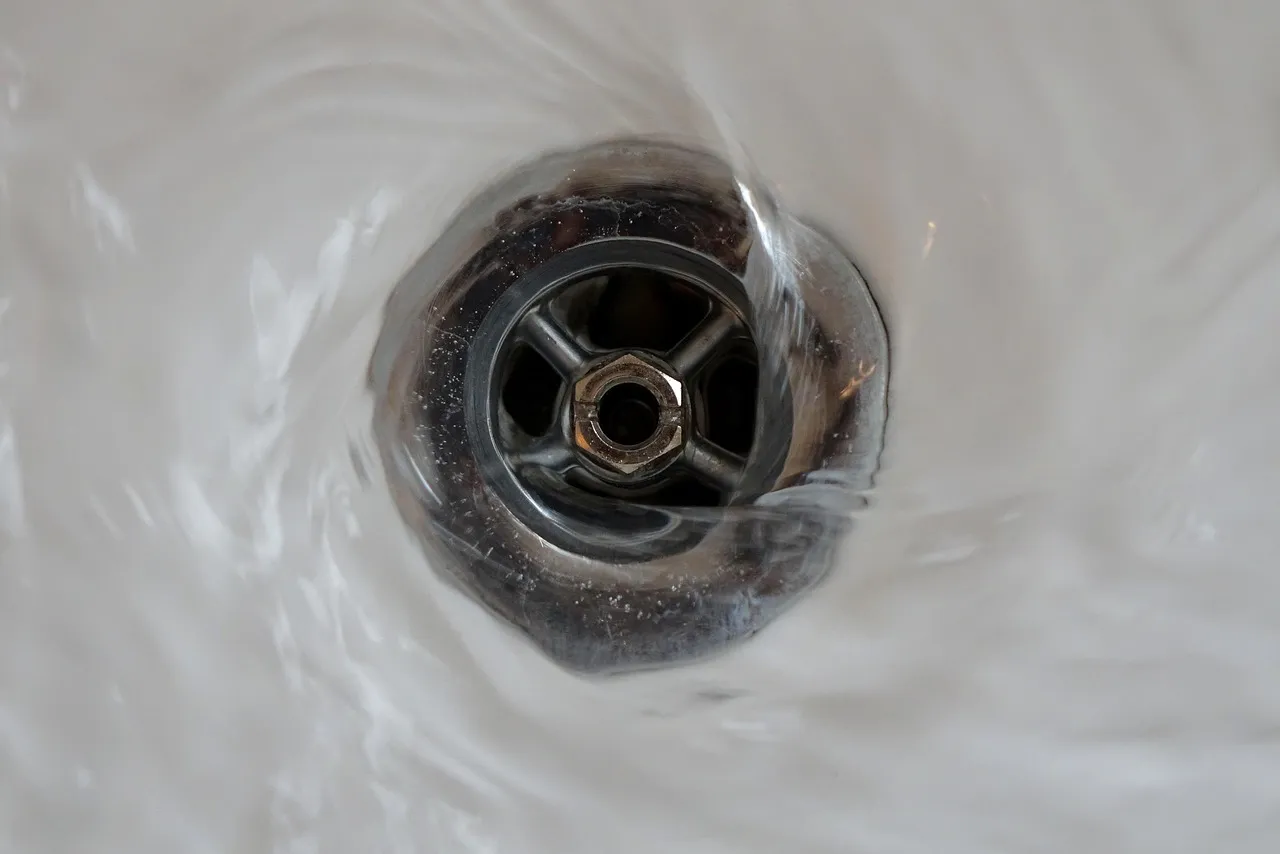
While the hole’s primary purpose is to prevent flooding, it also helps the sink drain more quickly. Essentially, the overflow channel lets air into the drain system, which reduces suction and allows water to go down the drain more quickly. This secondary function is the one that surprises most people.
Beyond its obvious safety role, the hole acts as an essential airflow intake. By allowing air into the drain pipe, it breaks the surface tension of the water, preventing the “glugging” effect often associated with poor plumbing. This ensures that the water exits the basin smoothly and predictably without backing up due to air pockets. So when your drain runs cleanly and quietly, part of the credit belongs to that tiny hole you’ve been ignoring.
Why Your Kitchen Sink Doesn’t Have One
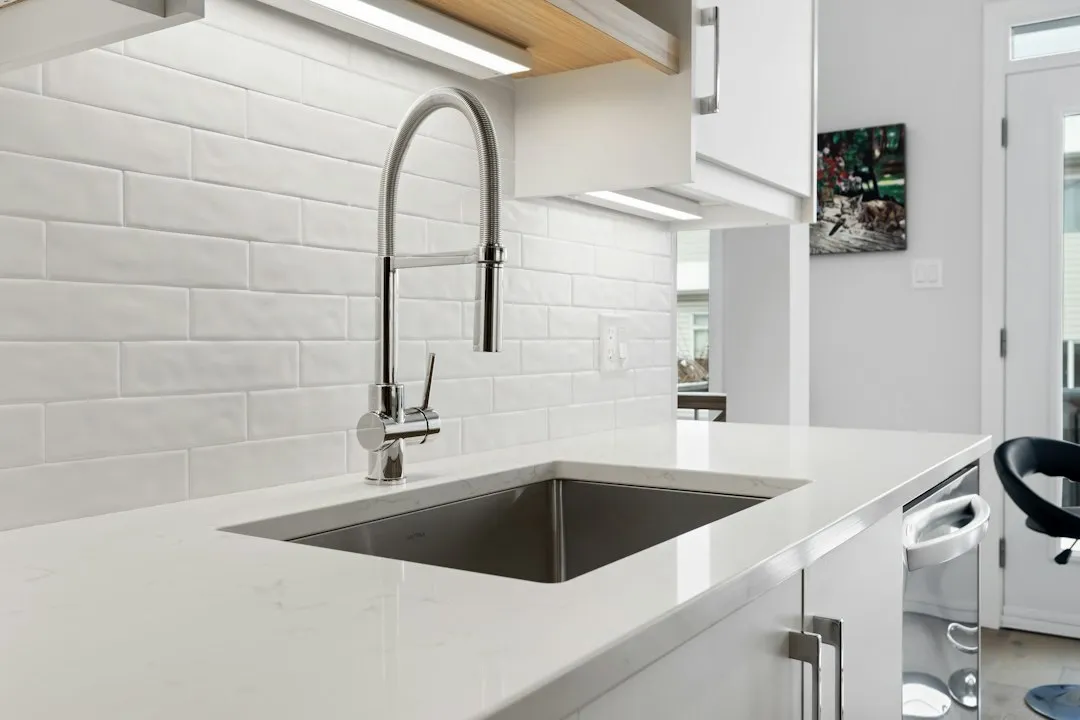
You may have noticed that your bathtub has an overflow vent hole, too, but not your kitchen sink. This is not an oversight by manufacturers. In the kitchen sink, the divider between the two standard basins rises lower than the rim, providing overflow protection. The drain in the second basin also serves as the vent for the first, providing a route for air to escape the drain line.
Another concern that prevents an overflow hole from appearing in the kitchen sink is bacteria. That little passage can harbor bacteria that may contaminate food or even dishes and utensils as you clean them, with the potential to make you sick. So in the kitchen, the design trades a dedicated overflow hole for better hygiene around food preparation areas.
How Many Holes Your Sink Might Have
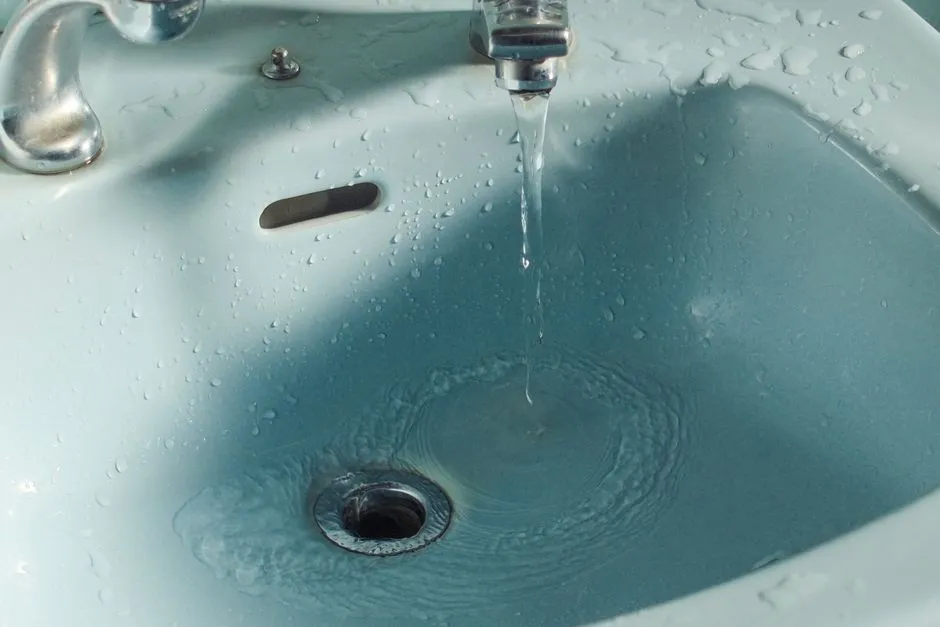
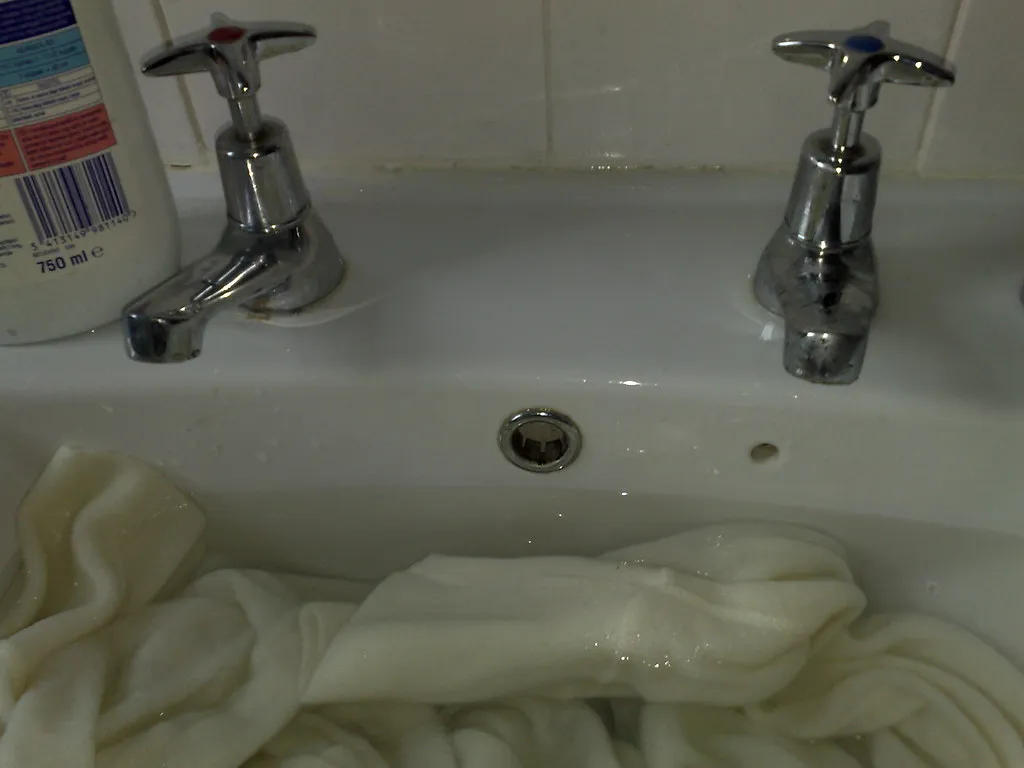
Depending on the design of your sink, it may have one, two, or three holes, and they may appear between the faucet valves, facing toward you, or under the near rim, facing the mirror. The number and placement vary by manufacturer and sink style. Most standard bathroom sinks feature one visible oval or round hole, while others spread the function across two smaller openings.
Some trendy or DIY sink types, such as DIY concrete sinks in the bathroom or some basin sinks, may not include an overflow opening. While adding another opening to these sinks may detract from the aesthetics of their design, overflows do serve an important purpose, so be careful when choosing a sink option without an overflow valve, knowing that overflows are more likely. Designer aesthetics sometimes win over function, and that’s a trade-off worth understanding before you renovate.
The Hidden Buildup Problem Nobody Talks About
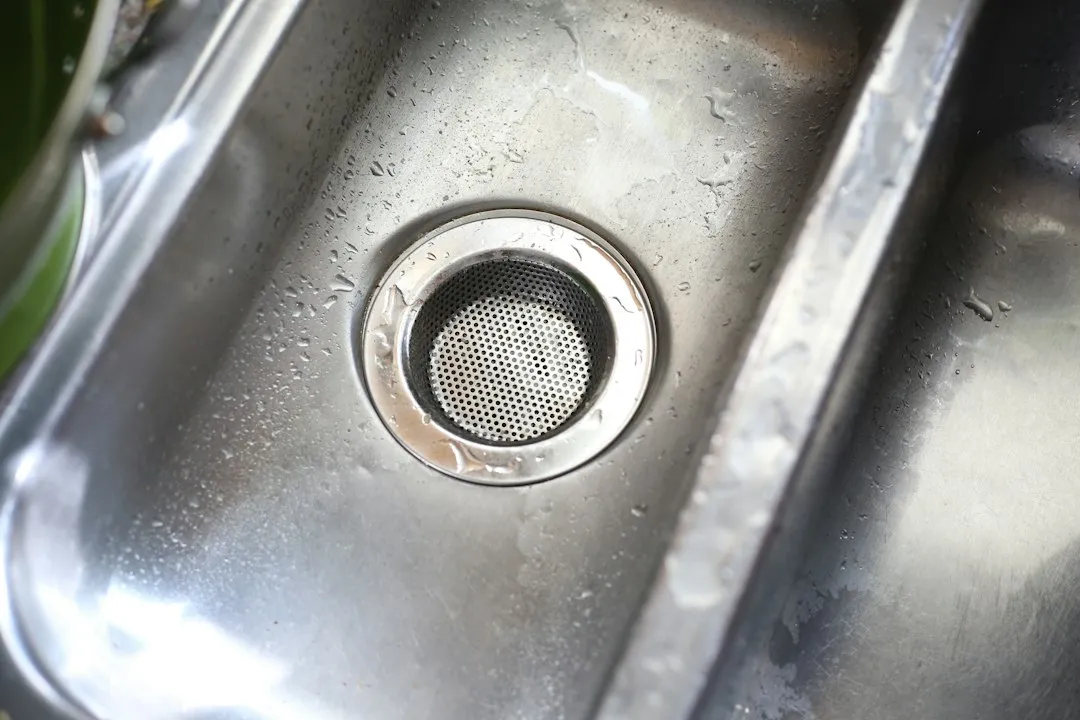
The tube that leads to the overflow hole is a great trap for soap scum, toothpaste, beauty products, mold, and biofilm, all of which can get pretty smelly. This is one of the most overlooked areas homeowners forget to clean. The channel stays dark and damp, which makes it a very welcoming environment for bacterial growth.
Overflow holes can clog with debris or mineral buildup, reducing their effectiveness in preventing sink flooding. Dust, debris, soap scum, and even mold can build up inside the overflow over time, blocking its path. This could lead to serious problems, especially in cases of accidental sink overflows. A clogged overflow drain turns a helpful feature into a useless one. That’s the quiet failure mode no one warns you about.
The Odor Warning Sign You Shouldn’t Ignore
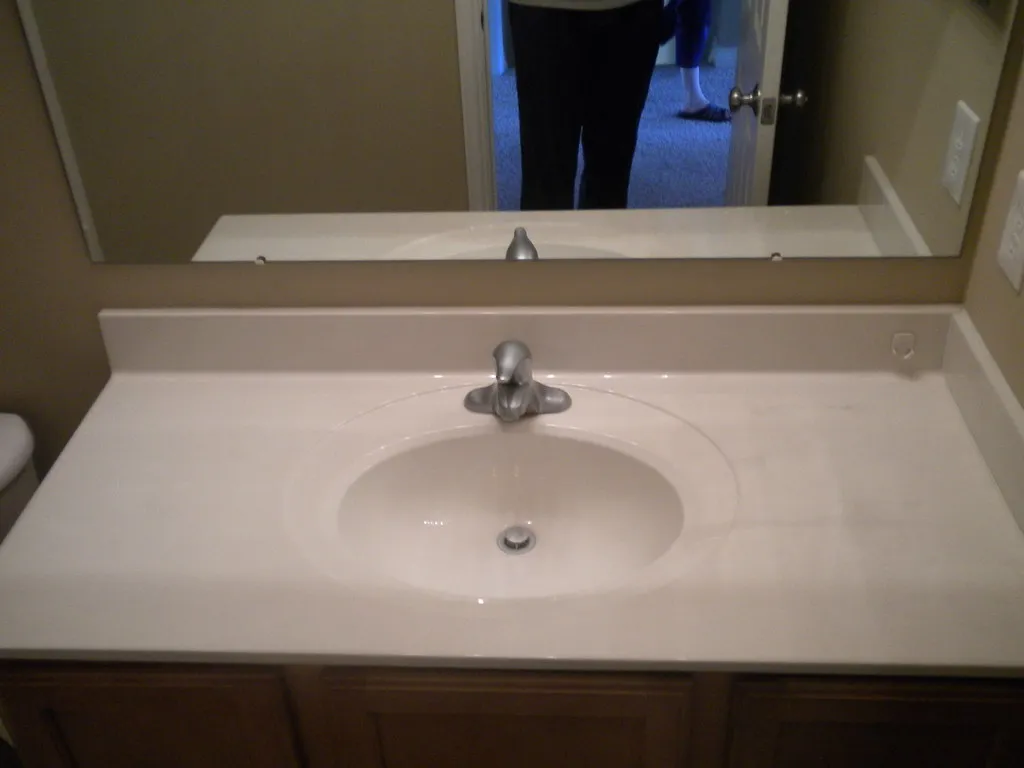
Occasionally, bacterial growth in the sink overflow vent causes a foul odor. This signal is your alert that cleaning is past due. The smell can be easy to blame on other sources, like the main drain or the cabinet below the sink. If you’ve checked those and the mystery odor persists, the overflow channel is likely the culprit.
A dirty overflow drain impacts air quality. It harbors bacteria. It can also slow down your sink’s overall drainage. The combination of reduced drainage speed and lingering odor is a reliable sign that the overflow channel needs attention right away.
How to Clean It Properly
Start by loosening anything attached to the sides of the passage from the overflow/vent opening to the drain line. An inexpensive pipe-cleaner-type brush makes the job simple. Boil several cups of water, insert the tip of a funnel into the hole, and flush out the tube. This method clears the channel mechanically before any cleaning solution goes in.
Pouring a cup of vinegar followed by baking soda and then flushing with hot water can also help break down grease and debris. Many people use a pipe cleaner, a small brush, or even a vacuum attachment to remove dirt and keep the hole clear. A quick cleaning every few months can save you from a lot of hassle later. It takes about ten minutes and costs nothing extra if you already keep baking soda and vinegar at home.
Matching the Drain to Your Sink’s Design
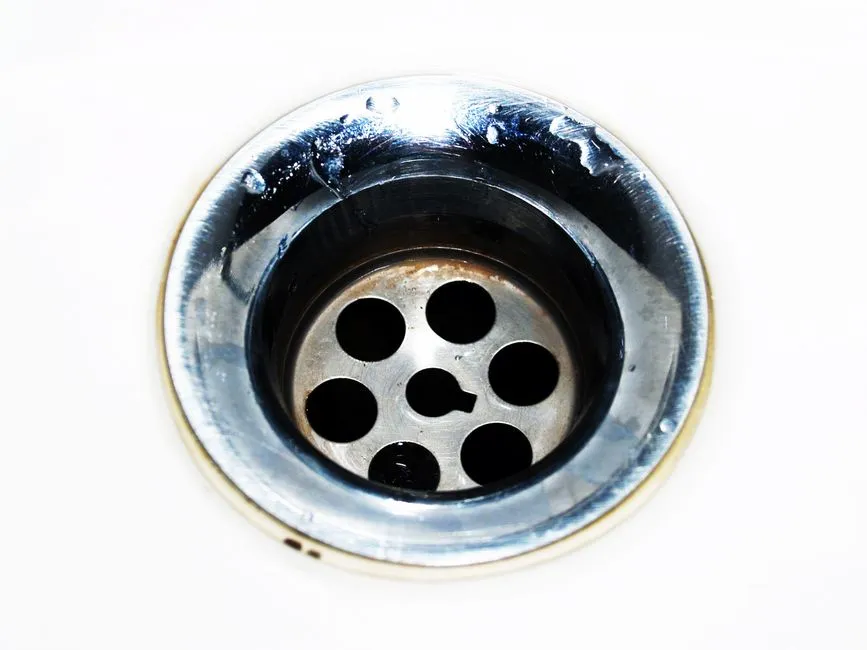
When homeowners renovate a bathroom or replace a sink, the drain is often treated as an afterthought. The sink style gets attention, the faucet gets upgraded, and the drain is assumed to be a simple, universal part. This is where many problems begin. One of the most common sources of confusion is whether a bathroom sink drain should have an overflow opening or not.
At first glance, the difference between a drain with overflow and one without seems minor. In reality, it affects safety, daily usability, plumbing compatibility, maintenance, and even code compliance in some situations. Many homeowners buy the wrong drain, install it incorrectly, or misunderstand what the overflow actually does. These mistakes can lead to slow drainage, water damage, unpleasant odors, or wasted money on replacements. Always verify whether your sink has an overflow channel before purchasing a replacement drain.
The Takeaway
Most of us give our bathroom sinks a decent scrub and call it done. The overflow hole asks for very little: a small brush, a bit of hot water, and about once every few months of attention. What it gives back is flood protection, faster drainage, and a bathroom that smells the way it’s supposed to.
Small, easy to overlook, and surprisingly well-engineered. That little hole near your sink’s rim has been quietly doing its job since the day your sink was installed. Knowing about it is the first step. Actually cleaning it is what makes the difference.
AI Disclaimer: This article was created with the assistance of AI tools and reviewed by a human editor.