
What the Danger Zone Actually Means
The danger zone refers to the temperature range between 40°F and 140°F, where bacteria that cause foodborne illnesses, including Salmonella, E. coli, and Listeria, multiply most rapidly. This isn’t a vague warning. It reflects real microbiology with real consequences.
Certain bacteria can double in number in as little as 20 minutes within that range. Food left there long enough can quickly become unsafe to eat, even if it looks and smells perfectly fine.
Pathogens usually exist in harmless quantities, but they can multiply to dangerous levels if food is stored or cooked at inadequate temperatures. A safe slow cooker needs to cook slowly enough for unattended cooking, yet fast enough to keep food out of the bacterial danger zone.
Starting with Frozen Meat
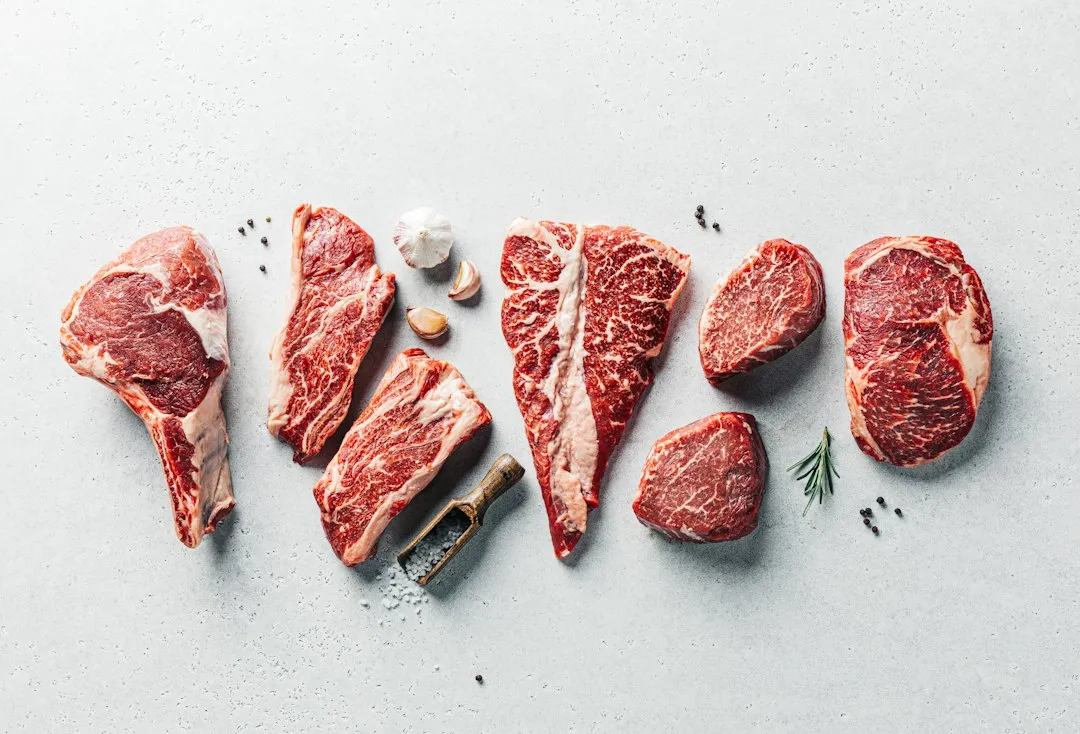
Placing frozen meats, vegetables, or prepared meals in a slow cooker is not recommended, as they may take too long to fully thaw and begin cooking. This can leave food at an unsafe temperature for an extended period, allowing bacteria to grow and potentially cause illness.
When you add frozen meat to your slow cooker, it takes much longer to heat through than thawed meat. During that extended time, the meat may sit at temperatures that allow harmful bacteria like Salmonella and E. coli to quickly multiply.
Always defrost meat or poultry before putting it in the slow cooker. Frozen meat can spend too much time thawing, allow bacteria to multiply, and make you sick. Using defrosted foods also ensures your meal cooks evenly and all the way through.
Using the Warm Setting to Cook Food
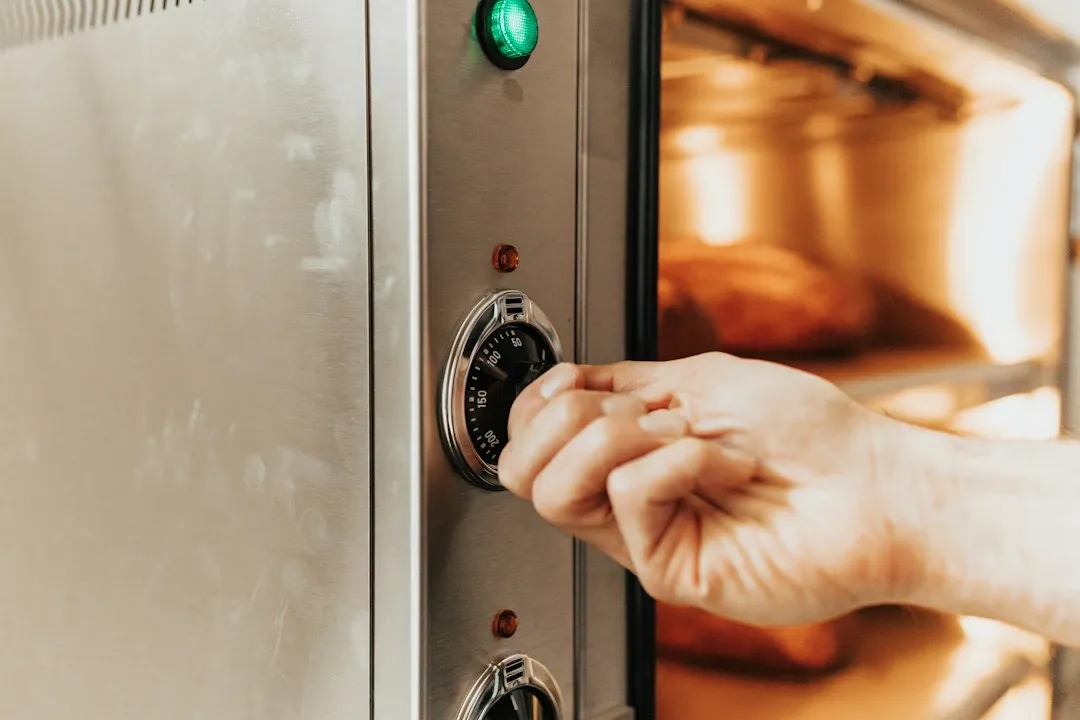
The food danger zone is 40 to 140°F. Do not use the warm setting to cook food. It is designed to keep cooked food hot, not to cook raw ingredients safely.
Food can safely stay on the warm setting for a maximum of one to two hours after cooking. Beyond that, the temperature might drop into the danger zone, promoting bacterial growth.
It’s a subtle but important distinction. Warm keeps food warm. It does not drive food through the critical temperature range fast enough to make it safe from the start. Starting raw meat on warm is one of the clearest paths to a problem.
Overfilling the Slow Cooker
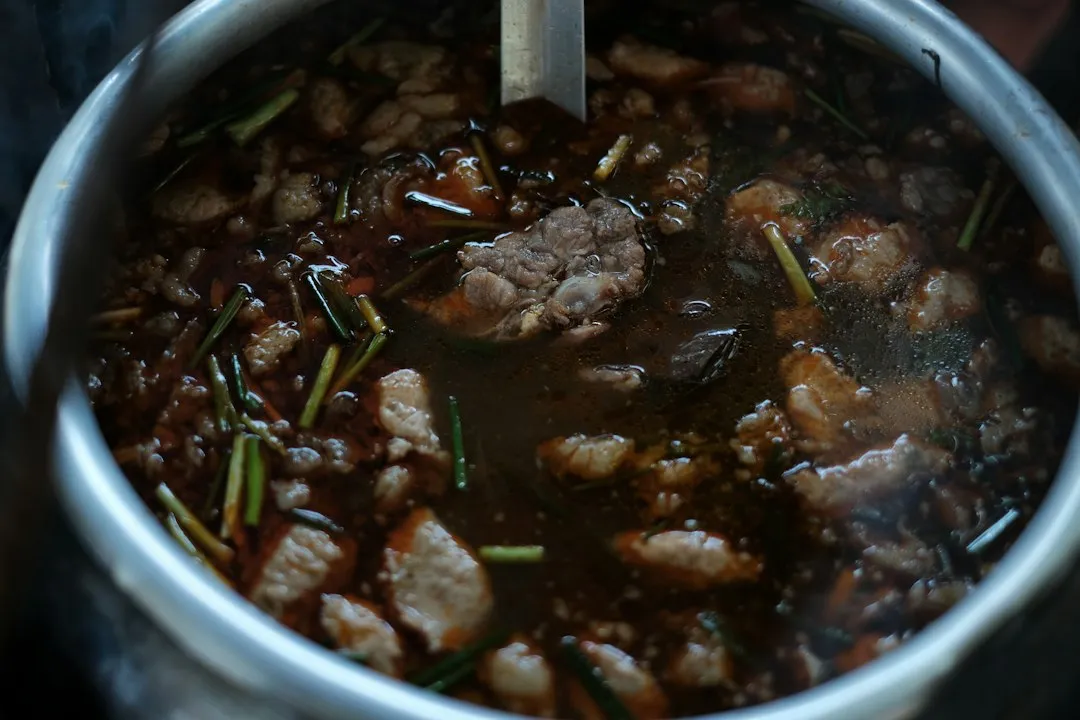
To ensure proper cooking, it is important to fill your slow cooker with the appropriate amount of food. Aim for between half and two-thirds full. If the cooker is too full, the food may not cook evenly and could end up undercooked.
Fill the cooker no less than half full and no more than two-thirds full. Vegetables cook slower than meat and poultry in a slow cooker, so put them in first, then add the meat and the desired amount of liquid such as broth, water, or barbecue sauce.
An overpacked crock struggles to circulate heat evenly, which means some portions, often in the center of a large cut, can lag behind and spend extra time at unsafe temperatures. Keeping portions appropriately sized is a straightforward fix that most people overlook entirely.
Lifting the Lid During Cooking
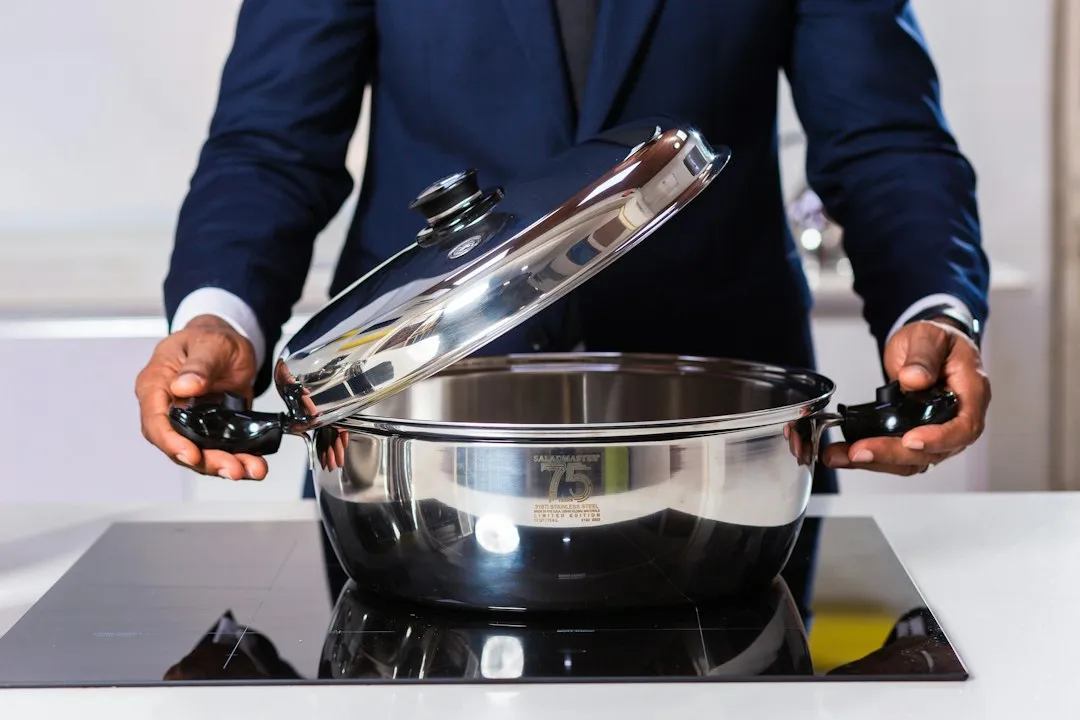
Keep the lid on and do not lift it unnecessarily during the cooking cycle. Each time the lid is raised, the internal temperature drops 10 to 15 degrees and the cooking process is slowed by as much as 30 minutes.
That adds up faster than people expect. Three or four curious lid-lifts during a six-hour cook could extend the effective cooking time by nearly two hours, keeping the food in the danger zone far longer than it should be.
Keep the slow cooker covered as much as possible. Remove the lid only to stir the food or check for doneness. Resist the urge to peek. The steam trapped inside is doing real work.
Cooking Dry Kidney Beans Without Pre-Boiling
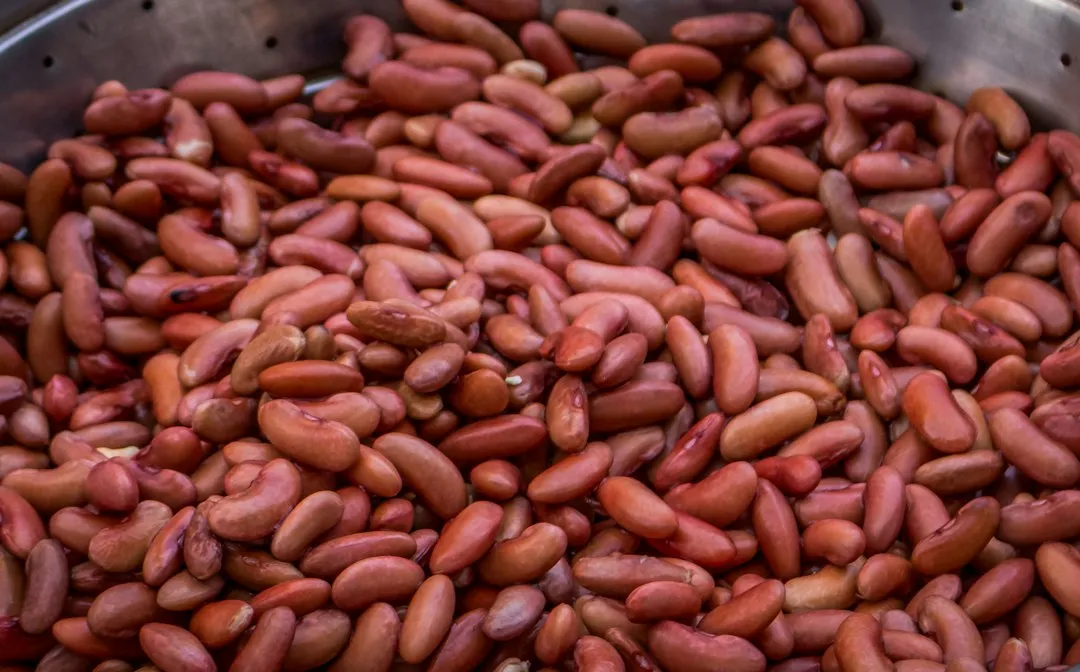
Kidney beans contain different types of sugar-binding proteins called lectins. Undercooked kidney beans have a high concentration of Phytohaemagglutinin (PHA), a plant lectin that is toxic to humans. Raw kidney beans have one of the highest amounts of PHA compared to other beans.
Slowly heating raw kidney beans in a slow cooker may actually increase the toxicity of the beans. Studies have found slow cookers do not reach a high enough temperature to destroy the harmful compounds in undercooked beans. The PHA toxin is destroyed at 212°F when cooked for at least 10 minutes, but beans prepared in a slow cooker often only reach an internal temperature of around 167°F.
Boil beans in fresh water for at least 30 minutes. The toxin is destroyed when boiled at 212°F for 10 minutes, but scientists recommend 30 minutes to be certain the beans reach the proper temperature for the amount of time necessary. Skip this step and even a small serving can cause real harm.
Leaving Prepped Ingredients Out Too Long
Keep perishable foods refrigerated until preparation time. If you cut up meat and vegetables in advance, store them separately in the refrigerator. The slow cooker may take several hours to reach a safe, bacteria-killing temperature, and constant refrigeration ensures that bacteria, which multiply rapidly at room temperature, won’t get a head start during the first few hours of cooking.
Perishable food left in the danger zone, between 40°F and 140°F, for more than two hours should be discarded even though it may look and smell good. This rule applies before the food even reaches the cooker.
Prepping the night before is smart. Leaving that prepped bowl of meat and vegetables on the counter while the coffee brews is not. The clock starts the moment food leaves refrigeration.
Using a Slow Cooker to Reheat Leftovers
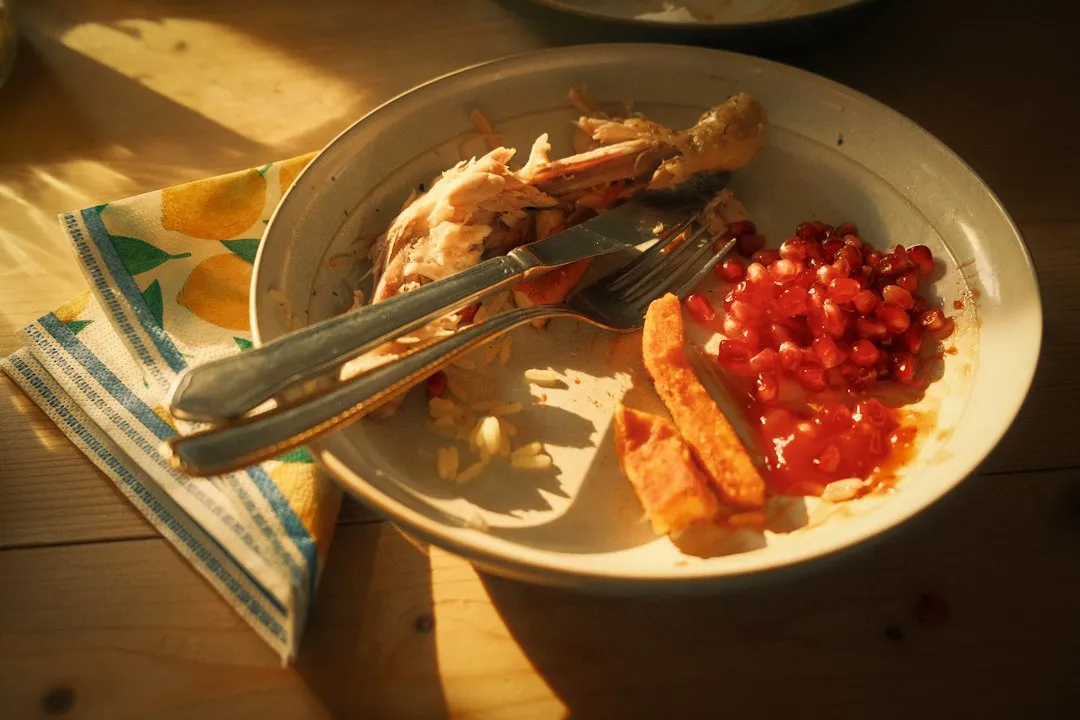
Promptly remove leftovers from the slow cooker to cool before refrigerating. Store leftovers in shallow covered containers and refrigerate within two hours after cooking has finished. Do not reheat leftovers in a slow cooker or crockpot.
For the same reason that frozen food should not start in a slow cooker, it is best to reheat foods on the stovetop, in the oven, or in the microwave. Slow cookers simply do not bring food back up to safe temperatures fast enough to prevent further bacterial growth.
If you’re making a large pot of soup, chili, or stew, store it in shallow containers that enable the food to cool quickly in the fridge. Shallow storage accelerates cooling and keeps your leftovers out of the danger zone much more effectively than a deep container.
Skipping the Thermometer Check
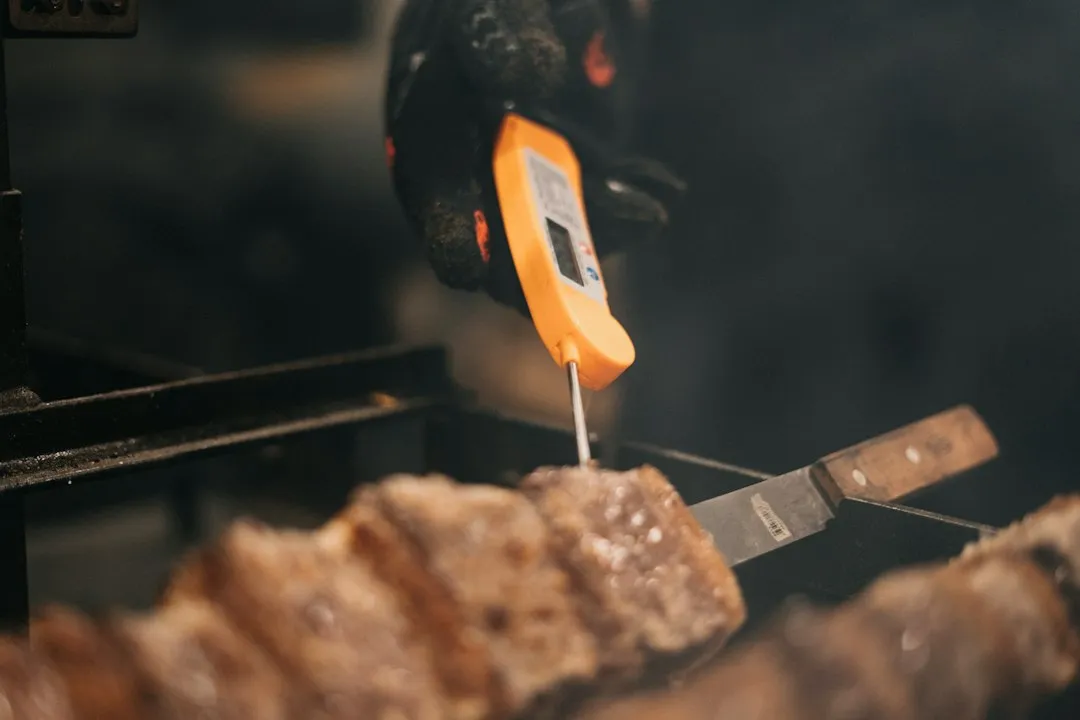
Before serving, check the internal temperature of the food with an accurate thermometer for food safety. This step is skipped far more often than it should be, especially since slow-cooked food can look done while still being undercooked in the center.
Recommended safe internal temperatures are 165°F for poultry, 160°F for ground beef, 145°F for beef steaks and roasts, and 160°F for pork. A reliable food thermometer takes seconds to use and removes all guesswork from the equation.
The water temperature inside a well-functioning slow cooker after eight hours on low should reach 185°F. Temperatures above this would indicate a product cooked that long might overcook. Temperatures below this may indicate the cooker does not heat food high enough or fast enough to avoid potential food safety problems.
Assuming Older Slow Cookers Heat the Same Way
Newer slow cookers often heat up more quickly than older models. If you are using the low setting on an older crockpot, consider the USDA’s suggestion to cook food on high for the first hour to protect against food poisoning.
An older appliance that runs cool can trap food in the danger zone for longer than intended, even when you’ve followed the recipe exactly. It’s worth testing your cooker’s actual heating capacity rather than trusting the dial alone.
Preheat the cooker and add hot liquids if possible. Preheating the crock before adding ingredients or cooking on the highest setting for the first hour will ensure a rapid heat start and will shorten the time foods spend in the temperature danger zone. This is highly recommended when cooking meat or poultry.
The Takeaway
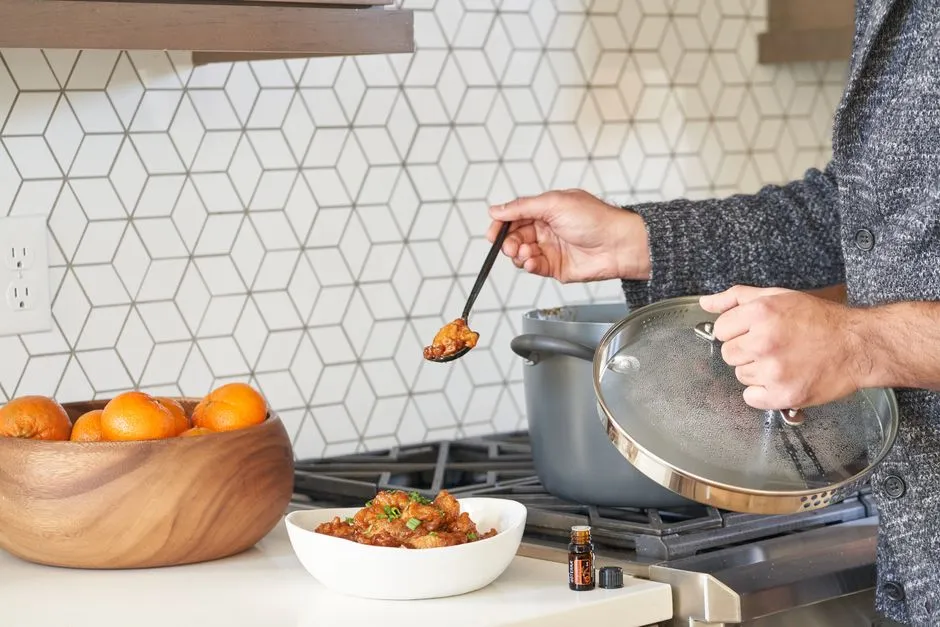
Slow cookers are genuinely safe appliances when used the right way. The USDA confirms it, and millions of meals prove it daily. The problems almost always come down to a handful of habits that are easy to change once you know why they matter.
According to the U.S. PIRG’s Food for Thought 2025 report, a total of 1,392 Americans became ill after consuming contaminated food in 2024, up from 1,118 in 2023, with hospitalizations more than doubling and deaths climbing significantly. Not every case traces back to a slow cooker, but the broader picture of foodborne illness is a useful reminder that these risks are not theoretical.
Thaw your ingredients first, keep the lid on, use a thermometer, and skip the warm setting for raw food. These are small habits with real consequences, and they cost almost nothing to form. A slow cooker should make dinner easier, not uncertain.
AI Disclaimer: This article was created with the assistance of AI tools and reviewed by a human editor.