
What the Slow Blink Actually Looks Like
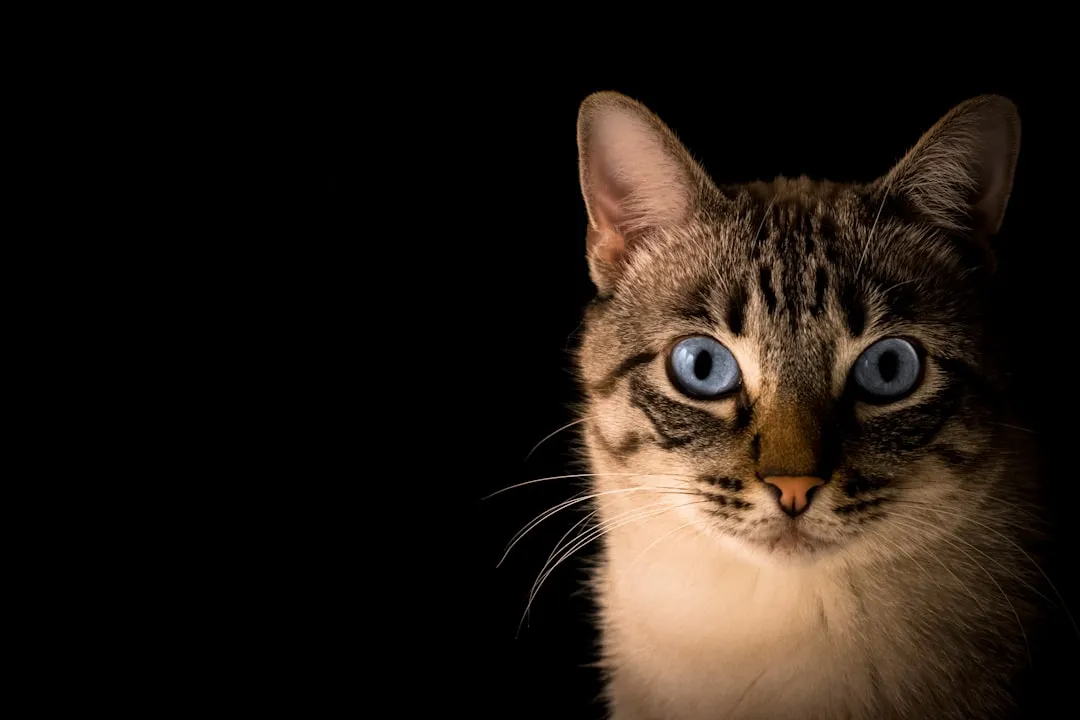
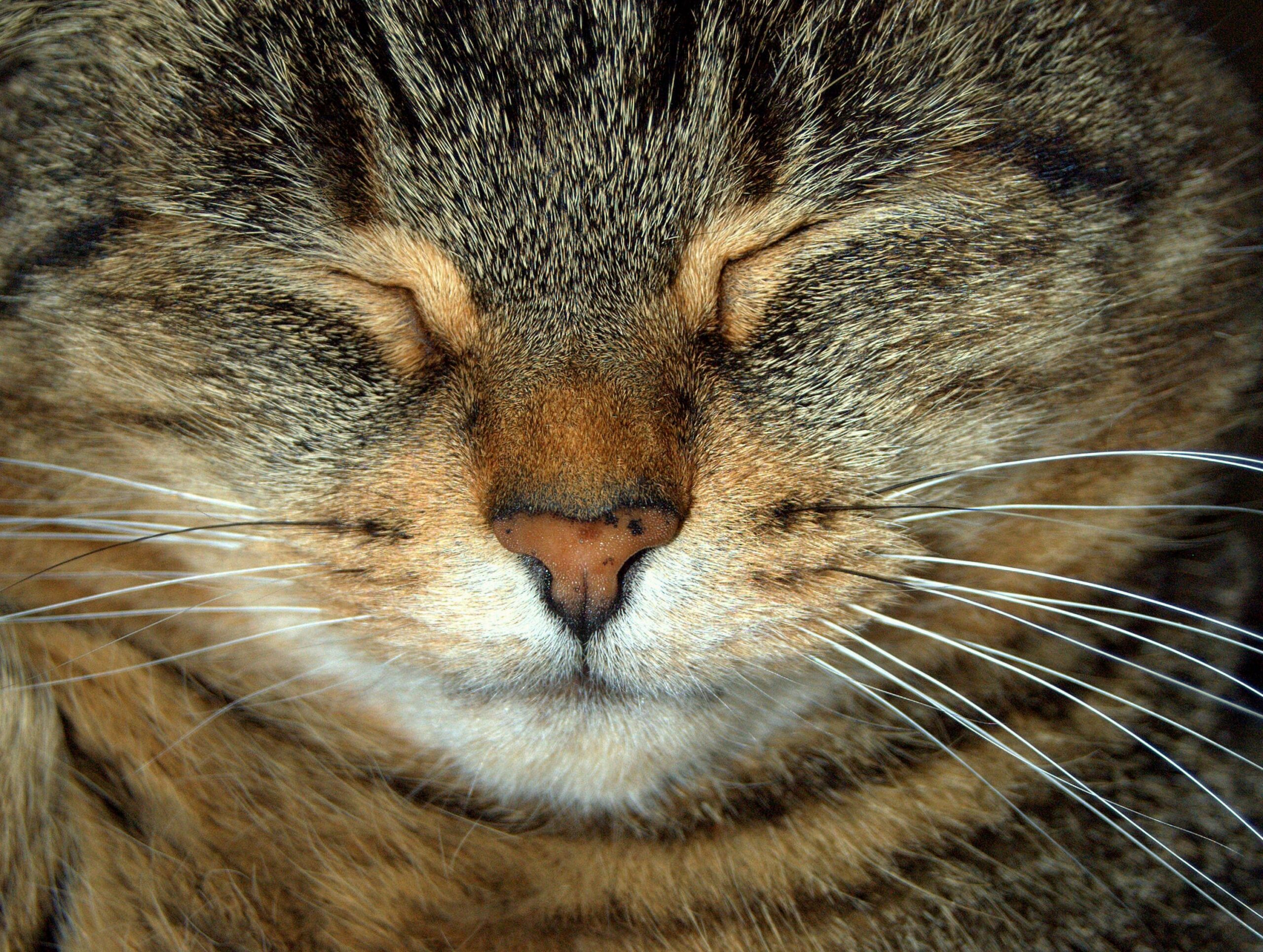
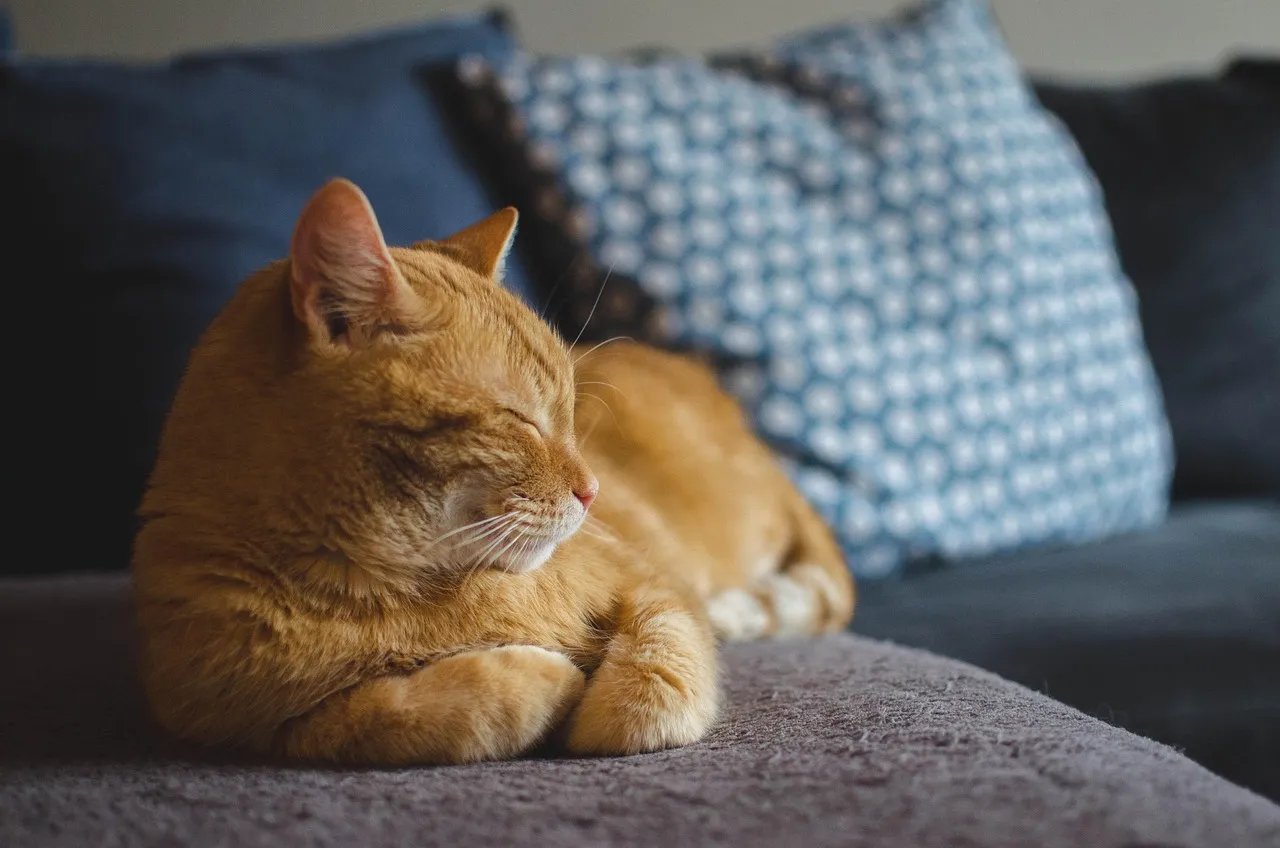
The cat slow blink is a facial expression in which cats gently narrow their eyes and close them slowly before reopening. It’s not the quick, reflexive blink you might notice during a bright flash of light. Slow blink sequences typically involve a series of half-blinks followed by either a prolonged eye narrow or an eye closure.
A cat’s slow blink is typically a sequence of partial eye closures, soft squinting, and sometimes a full, unhurried eyelid closure. It often happens when a cat is calm, resting, or observing someone they trust. The whole thing unfolds without urgency, which is part of what makes it feel so different from other feline expressions.
Why It Signals Trust, Not Sleepiness
Research published in The Journal of Physiology notes that cat slow blinking, when both the closing and the opening of the eyelid happen at a slow pace, differs from the velocity of a typical cat blink, where the closing of the eyelid is rapid but the opening is slow. This observation is noteworthy because it shows that slow blinking is not a reflexive movement – it’s an intentional behavior.
In a natural habitat, closing your eyes in front of another creature is a vulnerability. When your cat does it around you, they are actively demonstrating that they feel safe enough to let their guard down. That’s a meaningful distinction. A cat in a state of alertness keeps its eyes wide open. Choosing to close them, even briefly, says something about how safe they feel.
The University of Sussex Study That Changed Everything
In 2020, psychologists from the University of Sussex and the University of Portsmouth conducted groundbreaking experiments, published in Scientific Reports. Their findings confirmed what many cat owners suspected: cats are more likely to approach and interact positively when humans slow blink at them. Two experiments were run: one with cats interacting with their owners, and another with cats interacting with unfamiliar researchers.
In the first, 21 cats were observed in their home environments with their owners. Cats were significantly more likely to slow blink in response when their owner initiated the gesture – confirming that the behavior is bidirectional and not just something cats do spontaneously. The study was led by psychologist Karen McComb and her team, and it marked the first time this behavior had been formally tested under controlled conditions.
What Happened When Strangers Tried It
Researchers unfamiliar to the cats – strangers, from the cat’s perspective – interacted with 24 cats from eight households. The researchers used a slow blink and then extended a hand toward the cat. Cats not only blinked back – they approached more readily afterward. This showed that the slow blink is effective even with unfamiliar humans, making it a universal, reliable tool for building trust.
That second finding is especially telling. It means slow blinking doesn’t just reflect how a cat already feels. It can actually shift the dynamic between a cat and a person they’ve never met before. That has real implications for anyone who works with or lives around cats that are shy, anxious, or newly adopted.
The “Kitty Kiss” and the Cat Smile
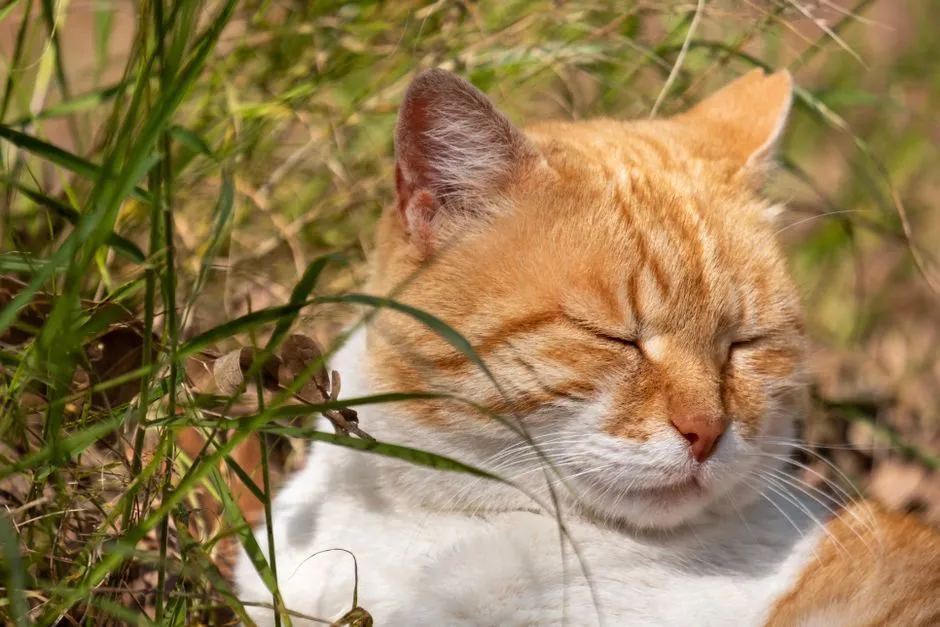
Also called the “cat smile,” this gentle narrowing of the eyes is more than just an adorable expression. It’s a proven method to build trust and deepen the bond between humans and their feline friends. Some cat owners call it a kitty kiss, and the name fits surprisingly well.
Dogs narrow their eyes during play, horses and cows do it when being stroked, and humans do it when they genuinely smile. The Duchenne smile, the kind that crinkles the corners of your eyes, shares the same basic feature: narrowed eyes paired with a relaxed face. The slow blink may be a cat’s version of that same expression. There’s something quietly universal about that idea – across species, softening the eyes seems to carry a similar message.
What Owners Have Always Known Intuitively
A survey into feline behaviour by the animal welfare charity Cats Protection found that nearly seven out of ten of the 1,100 cat owners asked indicated that the slow blink implies a relaxed cat. That’s a remarkably consistent reading, and it came mostly from lived experience, not textbooks.
Most owners arrived at this interpretation without reading the science. The behavior apparently communicates something clear enough that people sensed it long before researchers confirmed it. That kind of intuitive recognition is itself telling – it suggests the slow blink carries a legible emotional signal that humans pick up on almost automatically.
How to Slow Blink Back at Your Cat
The protocol is simple: wait until the cat is calm and facing you, narrow your eyes as if you’re smiling, and close them slowly. Hold the closed position for about one to two seconds, then open your eyes gently. Don’t stare directly into the cat’s eyes before or after – that can feel confrontational in feline terms.
What makes this discovery so refreshing is how accessible it is. You don’t need special training, equipment, or treats. Anyone, from a longtime owner to someone meeting a cat on the street, can use the slow blink technique to signal calmness and friendship. Timing matters more than technique. A cat in mid-play or already stressed is unlikely to respond the way one that’s resting comfortably will.
Why Staring Does the Opposite
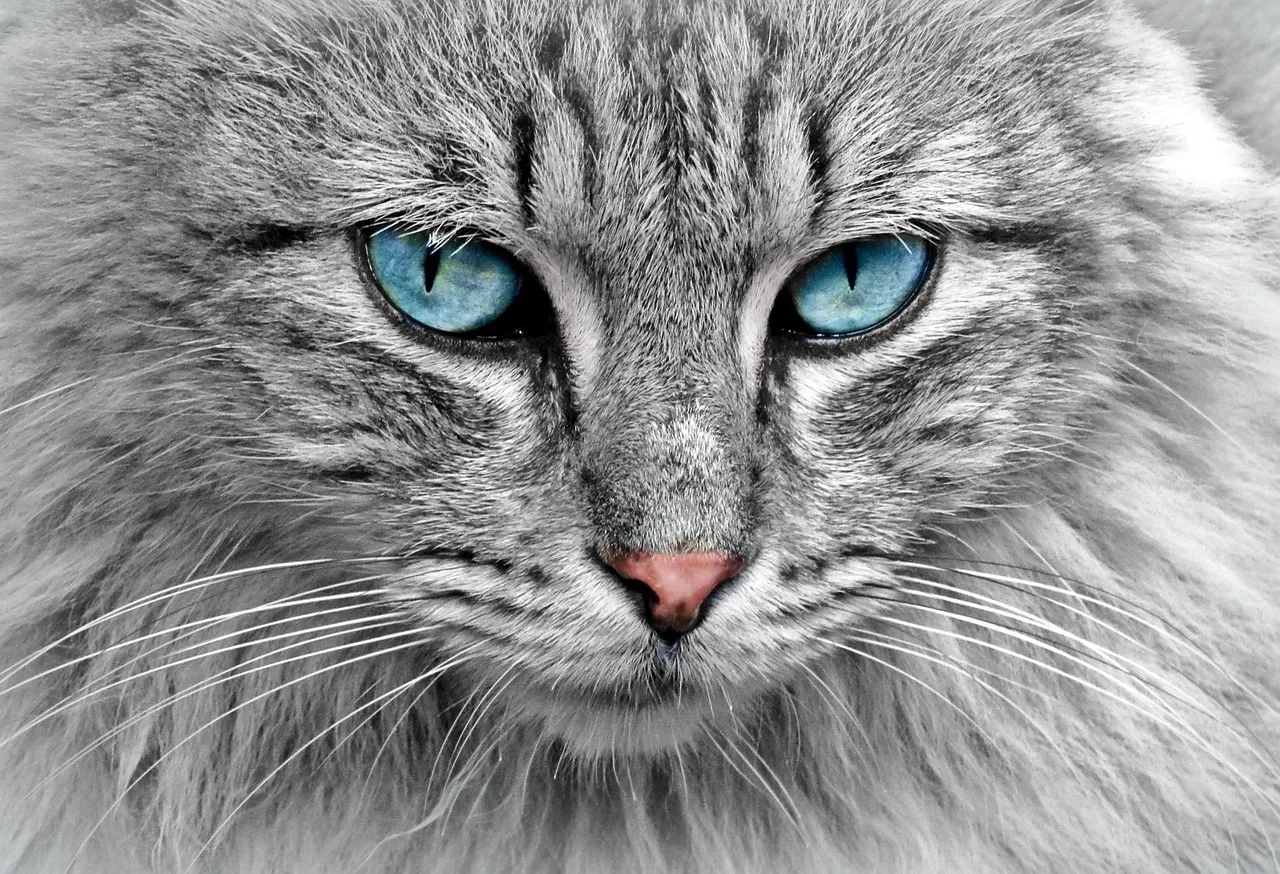
For cats, direct staring can feel intense. In feline language, an unbroken stare may be read as pressure, challenge, or uncertainty. This is rooted in how cats interact with each other, not just with humans. In the animal world, direct, unblinking eye contact is often read as a challenge or a threat. A prolonged stare from another cat, a dog, or even a human can put a cat on edge.
A slow blink does the opposite. By narrowing or briefly closing the eyes, a cat is choosing a more peaceful signal. They are showing that they do not need to stay on high alert in your presence. It’s the feline equivalent of putting your hands up – a gesture of peace rather than provocation.
The Shelter Adoption Connection
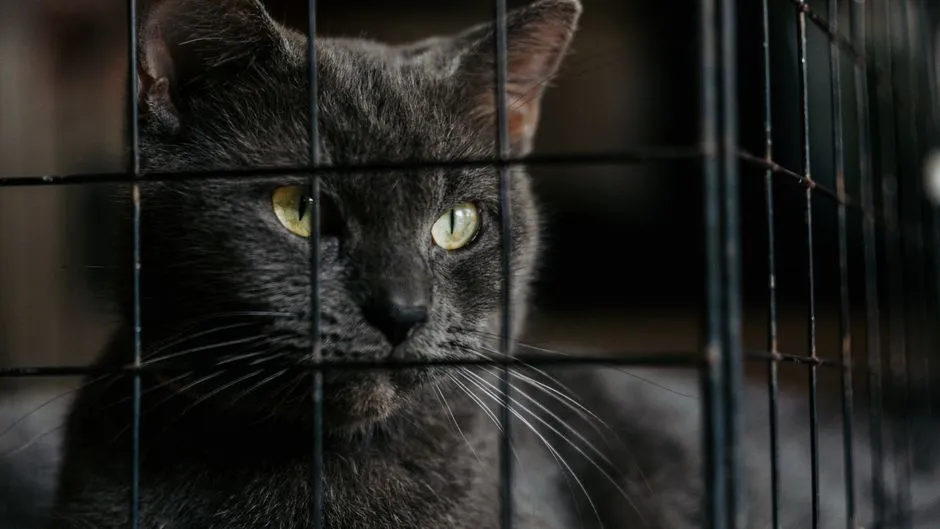
A separate study specifically tested whether cats’ propensity to respond to human-initiated slow blinking was associated with their speed of rehoming from a shelter environment. The experiments demonstrated that cats that showed an increased number of and longer eye closures in response to human slow blinks were rehomed faster, and that nervous cats, who had been identified as needing desensitisation to humans, tended to spend more time producing slow blink sequences in response to human slow blinks than a non-desensitisation group.
Researchers filmed 18 cats interacting with a person who slow blinked at them and found that cats who responded with their own eye closures were adopted faster than cats who didn’t. The slow-blinking cats likely appeared friendlier and more approachable to potential adopters, even though those adopters weren’t consciously looking for that behavior. That’s a practical finding with direct value for animal welfare organizations.
A Tool for Vets and Anxious Cats
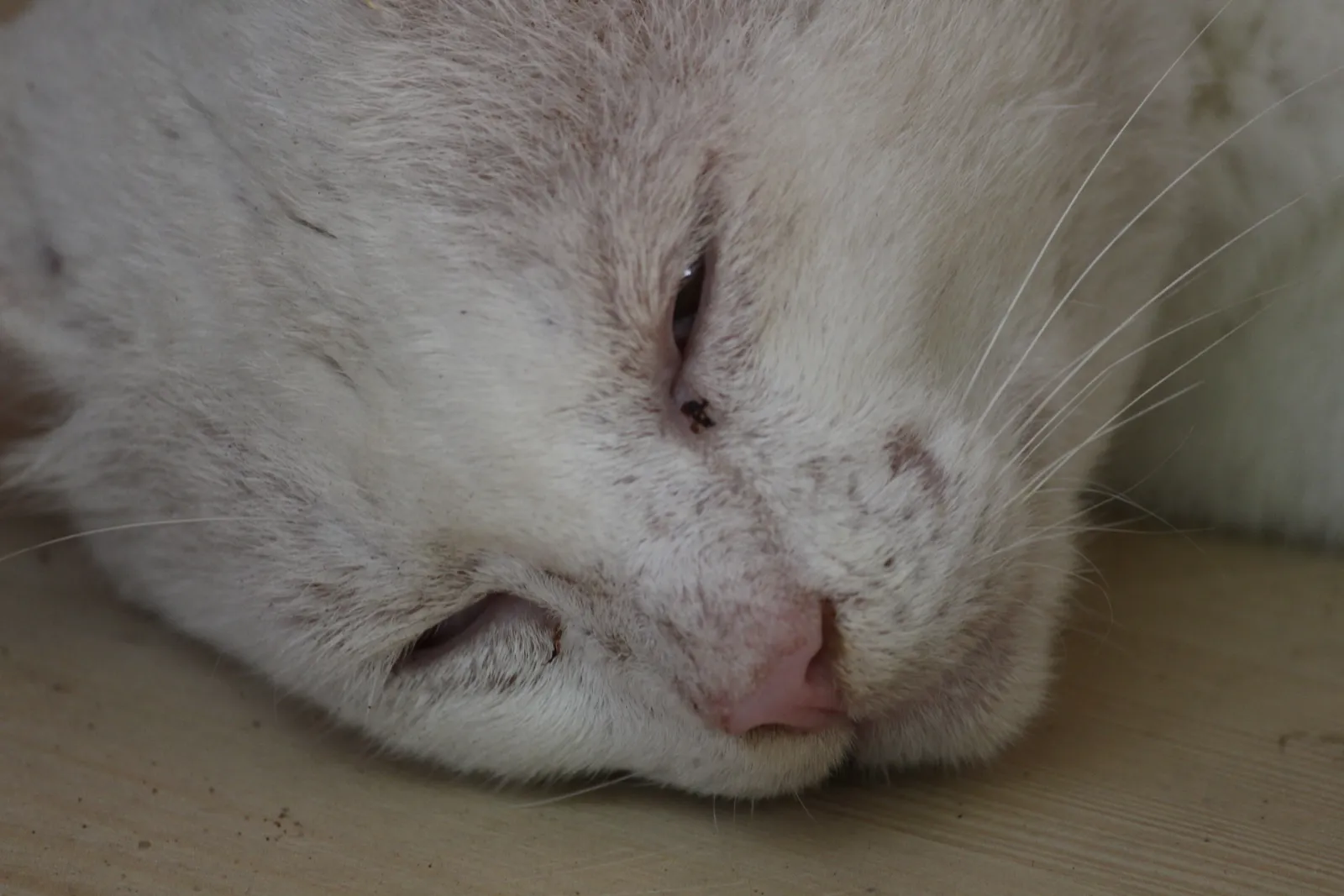
Research from the University of Sussex confirms that slow blinking is a genuine cat-to-human communication signal and knowing how to use it is a practical clinical skill. Every veterinarian who works with cats has had this moment: you’re trying to do an exam on a tense, wide-eyed feline who is one wrong move away from a stress response, and you’re running through your low-stress handling toolkit. The slow blink is now considered a legitimate addition to that toolkit.
Cats in shelter environments are under chronic stress, and their willingness to approach unfamiliar people affects both their welfare and their adoptability. Staff and volunteers who use slow blinking as part of their interaction protocol have a documented tool for building initial trust with cats they don’t know. For clients with anxious cats, or clients trying to build a better relationship with a new or aloof cat, the slow blink is a genuinely accessible behavior modification tool they can practice at home.
A Small Gesture With Genuine Depth
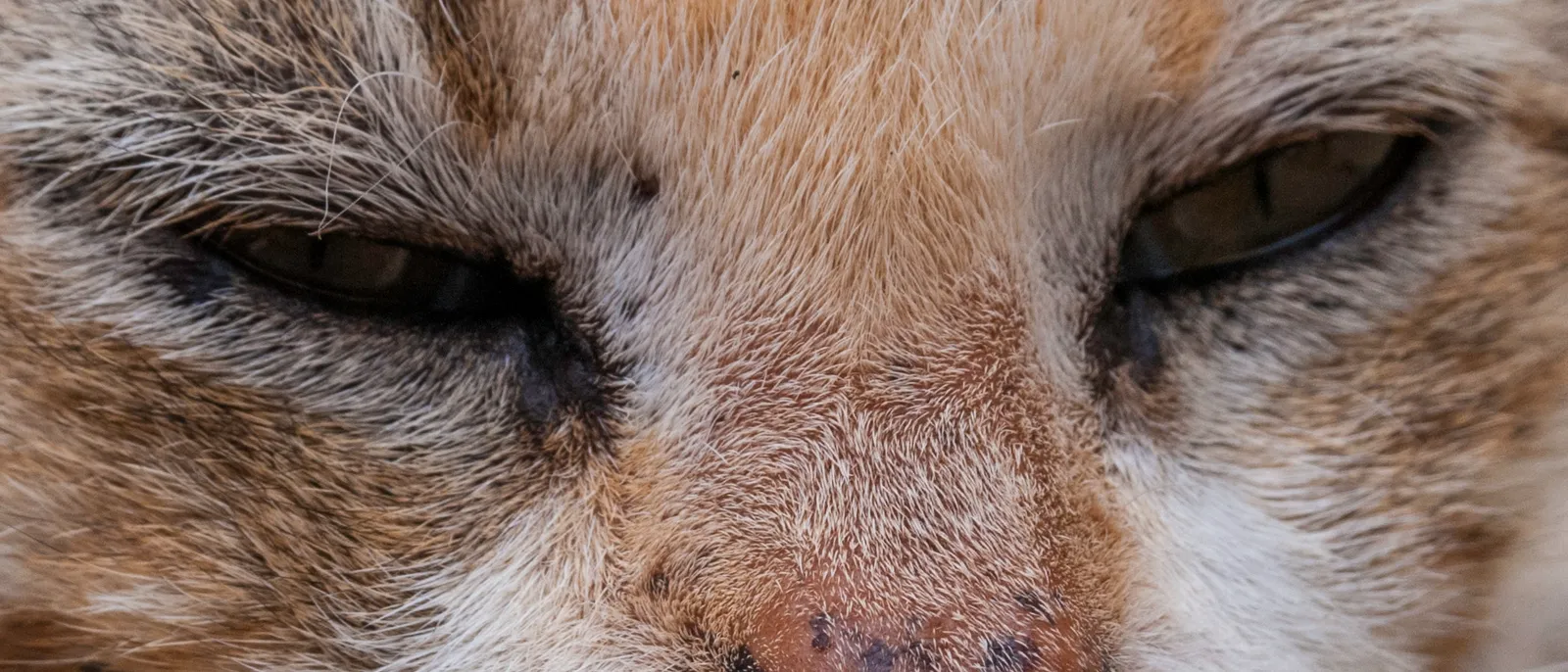
What’s striking about the slow blink isn’t its complexity – it’s how little it requires. No special training, no treats, no equipment. Just a moment of stillness, a softened gaze, and a willingness to meet your cat on their own terms.
Research shows that slow blink interactions appear to be a positive experience for cats, and may be an indicator of positive emotions. Such findings could potentially be used to assess the welfare of cats in a variety of settings, including veterinary contexts. For a species that has long been misread as cold or indifferent, that’s a meaningful reframing.
The slow blink doesn’t announce itself. It arrives quietly, in an ordinary moment, and it asks for nothing dramatic in return. That might be exactly what makes it feel so true.
AI Disclaimer: This article was created with the assistance of AI tools and reviewed by a human editor.