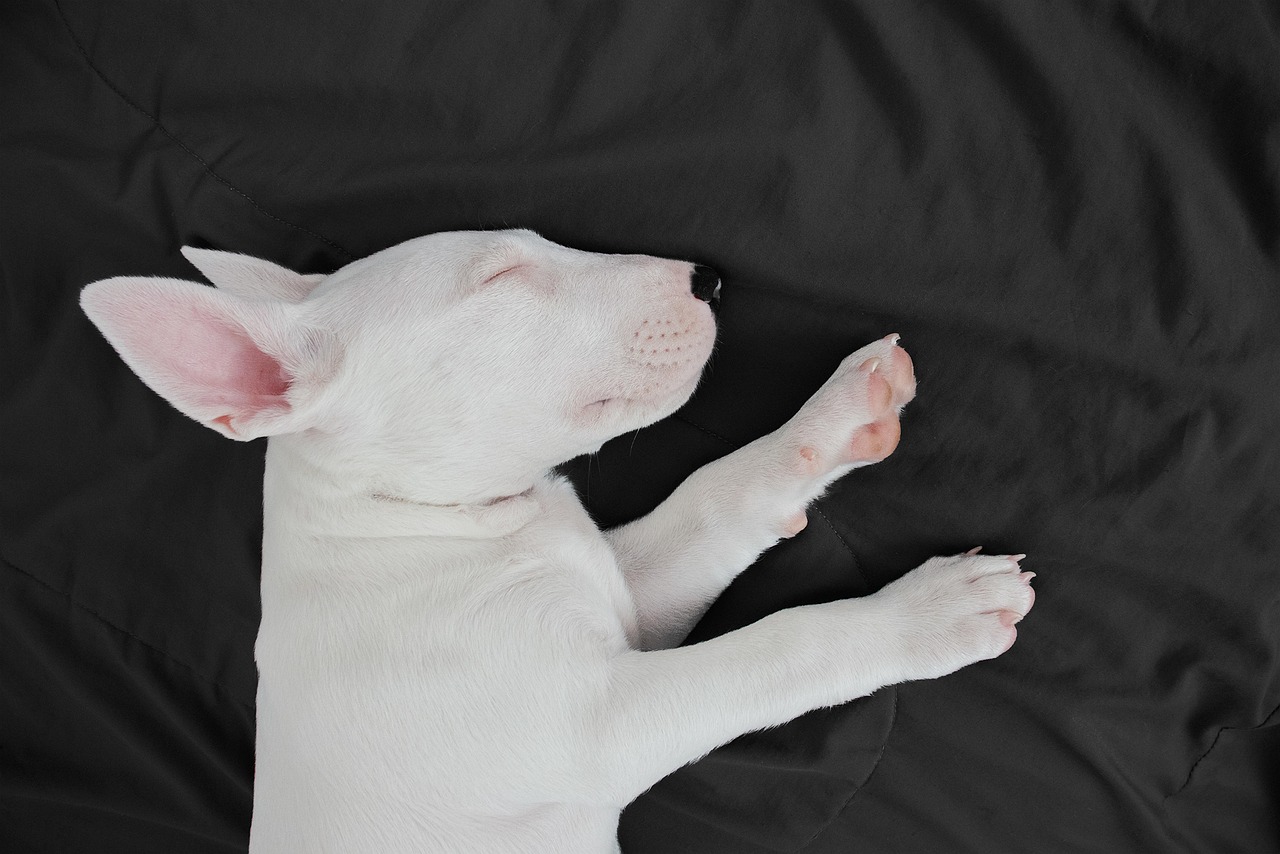

Dogs spend a remarkable portion of their lives asleep. Dogs sleep roughly 12 to 18 hours daily, with their positions varying depending on comfort, safety, temperature, mood, and even health. Most owners just see a peaceful, snoozing companion and move on. What they’re often missing is a quiet but surprisingly readable form of communication.
According to veterinary research, a dog’s choice of sleep posture is influenced by their temperature, comfort, and sense of safety. Just like humans, the way a dog chooses to sleep can signal their emotional state, whether they feel completely secure, slightly anxious, or are remaining ready to spring into action. Learning to read these signals isn’t complicated. You just need to know what to look for.
The Side Sleeper: Pure Relaxation on Display
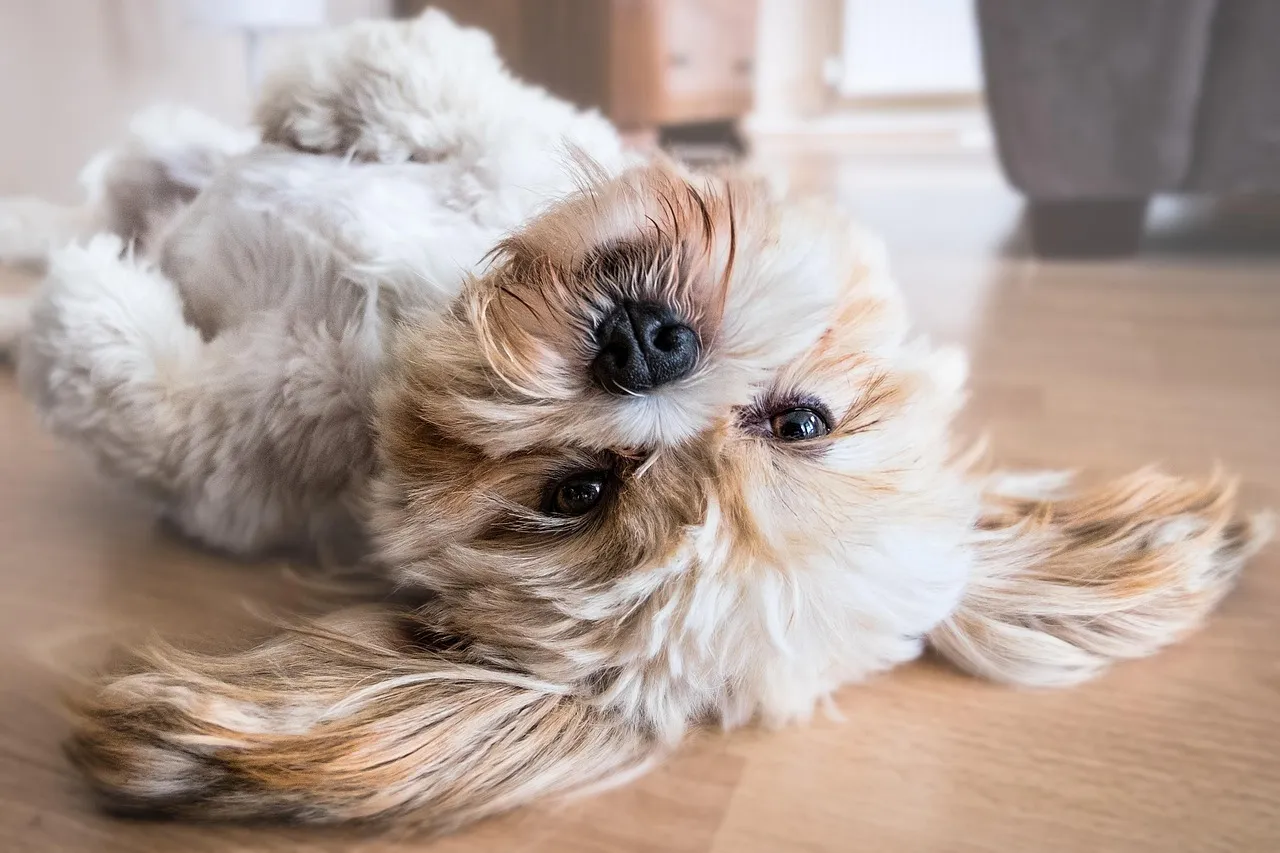
The side sleeper is one of the most common positions, where a dog lies on their side with legs stretched out. This position exposes the dog’s belly, a vulnerable area, indicating they feel safe, relaxed, and comfortable in their environment. Dogs in this position are typically in a deep sleep, and you might notice their paws twitching as they dream.
When a dog sleeps on its side, it exposes vital organs, a vulnerable act they only do when they feel safe and secure in their environment. It’s also one of the best positions for deep, restorative sleep.
Your dog is in deep sleep on their side with their feet out from under them. This is the most relaxed of all sleep positions. If your dog settles into this pose regularly, take it as a good sign. They’re content, at ease, and fully trust their surroundings.
The Donut Curl: Warmth, Instinct, and Sometimes Nerves
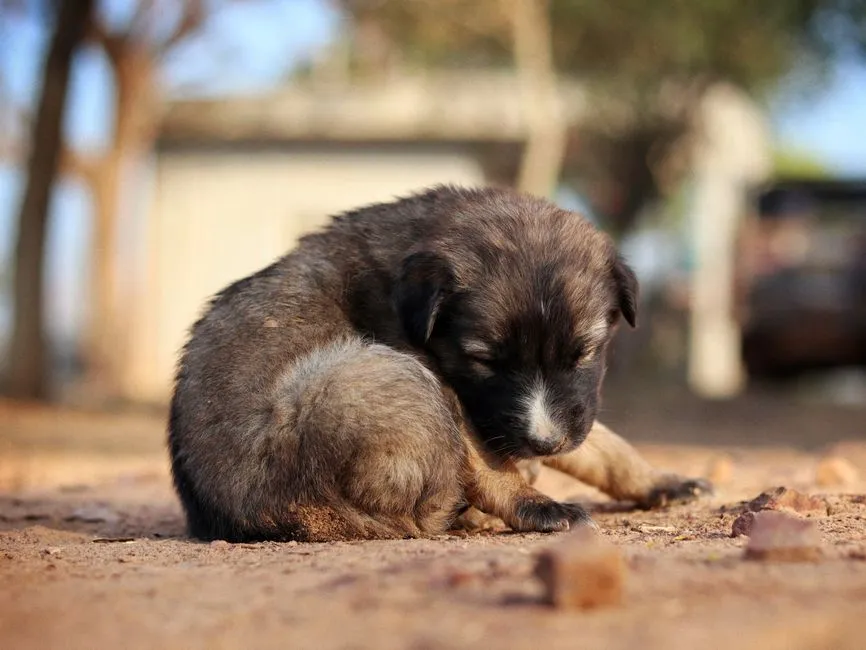
Dogs curl up when sleeping primarily for three reasons: conserving body heat, protecting vital organs, an ancestral survival instinct, and creating a sense of security. This “donut” position is probably one of the most widely recognized dog sleeping poses, and its meaning is more layered than it first appears.
Some dogs adopt this sleeping position when they’re a little nervous or unsure, since the donut pose protects the belly. Temperature is also a factor: dogs who sleep curled up may be running cool. Covering up the parts of their body that lose warmth the fastest, like their bellies, can be one strategy to preserve heat.
As one expert notes, it’s a common misconception that a sleeping position is a confirmation of how your dog feels. The reality is more nuanced. A tight curl might signal anxiety or even discomfort. Instead of simply reading the positions, you should look for context and patterns.
The Belly-Up Position: The Ultimate Trust Signal
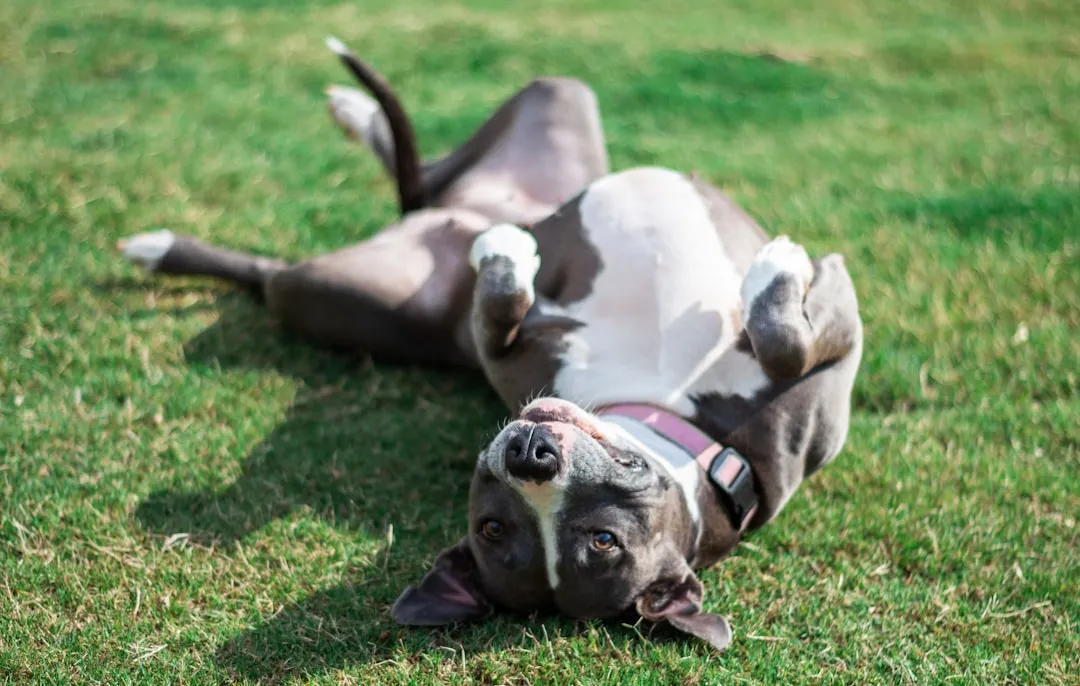
When your dog sleeps belly-side up, it’s usually a strong sign that they feel completely safe and relaxed in their environment. This vulnerable position shows they trust you deeply and are comfortable letting their guard down.
In warmer conditions, dogs may also stretch out belly-up to help cool their body down. The belly and paw pads contain relatively few layers of insulation, so exposing them to the air is an effective way to release excess body heat. So sometimes it’s comfort, and sometimes it’s temperature regulation. Context, as always, matters.
Sometimes, changes in your dog’s sleeping position go unnoticed unless they become ill. For example, a dog that normally sleeps belly-up may stop doing so when feeling unwell, often indicating a more serious issue. Pay attention to these shifts. They’re often the first hint something is off.
The Lion’s Pose: Alert and Ready
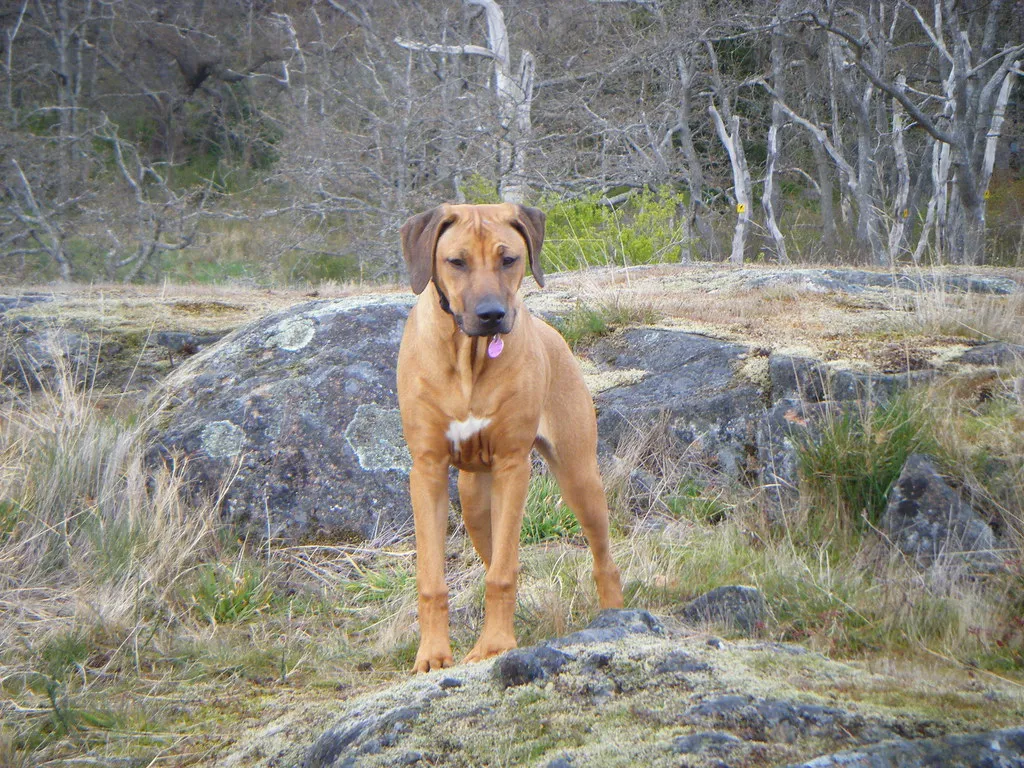
This pose involves lying on their stomach with front legs stretched forward and the head resting directly on their paws. This is alert resting. When your dog sleeps with their head resting on their paws, it suggests they are alert but not sleeping deeply, dozing lightly and ready to spring into action at a moment’s notice, whether you pick up your keys or head to the kitchen.
A dog who stays in this pose all night isn’t getting enough deep sleep, because their muscles stay slightly engaged. Think of it as the canine equivalent of a light nap with one eye half-open. It’s common during the day but worth noting if it becomes their primary nighttime position.
Donut and lion poses can signal alertness, anxiety, or a need for warmth. If your dog frequently adopts the lion pose in the evening, consider whether they’re overstimulated or experiencing mild anxiety in their environment.
The Superman Sprawl: Playful Energy in Rest
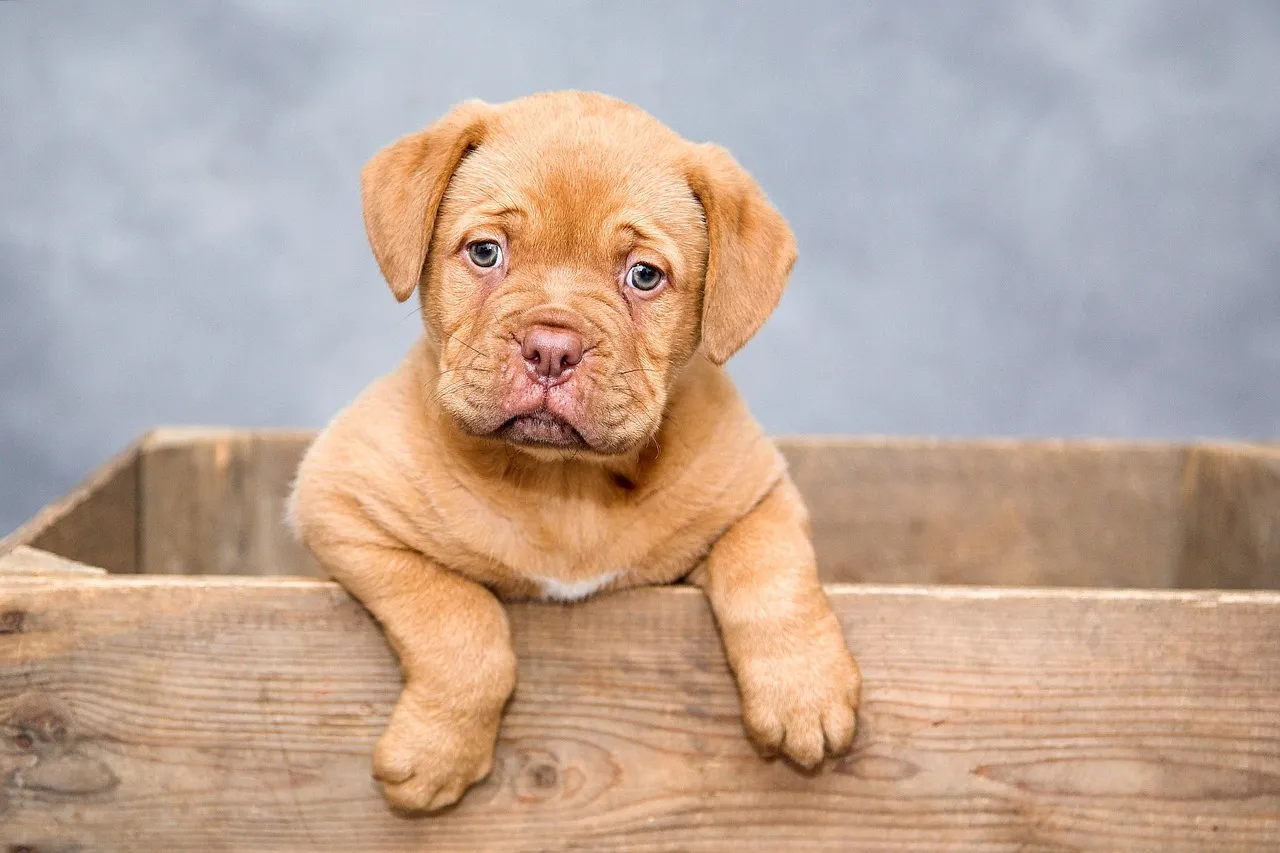
The superman position is hard to miss: your dog lies flat on their belly with all four legs stretched out, two forward and two behind. This position is associated with a dog that is resting but not deeply sleeping. It’s seen most often in puppies and younger dogs who simply collapse mid-play rather than genuinely settling in for restorative rest.
Puppies and younger dogs often sleep more than adults, sometimes up to 20 hours a day, so it’s not uncommon to see them switch between different positions throughout the day. The superman sprawl is one of the most common positions for these younger, high-energy animals, precisely because it allows a quick bounce back to activity.
If an older dog suddenly starts adopting this flat-belly sprawl more than usual, it may be worth checking the room temperature. Hot conditions often push dogs to press their bellies against cool floor surfaces. It’s one of the body’s simpler cooling strategies.
Back-to-Back Sleeping: A Bond Made Visible
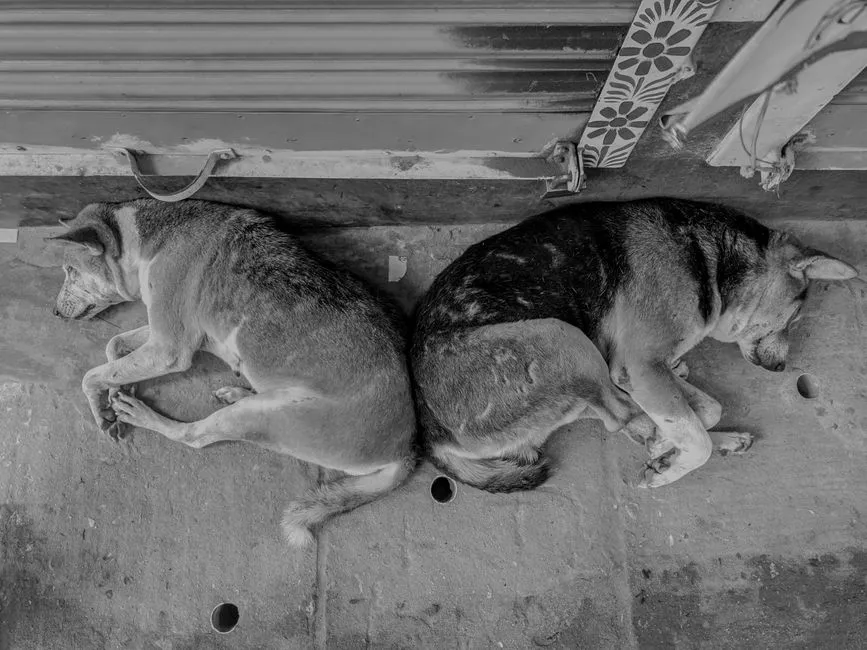
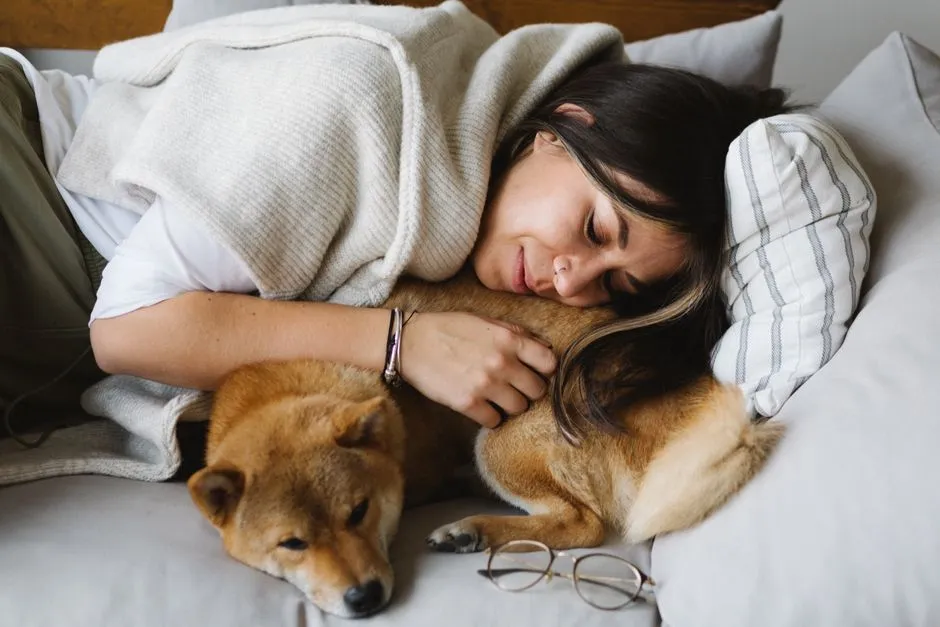
If your dog sleeps back-to-back with you or another dog, they are exhibiting trusting behavior and intimacy. Back-to-back sleeping may echo dogs’ ancestral pack behavior, when entire families slept piled together in dens.
Leaning or sleeping next to a person or another dog signals deep bonding behavior. Your pup trusts and loves your company, and the position also provides warmth and comfort. It’s one of the clearest physical expressions of attachment a dog can offer while unconscious.
This sleeping style is especially meaningful with rescue dogs, who may have spent time in uncertain or stressful conditions. New rescue dogs, for example, often sleep in protective positions at first, gradually transitioning to more vulnerable poses as they bond with their family. This progression from guarded to relaxed sleeping is one of the most rewarding signs that your dog feels at home.
Burrowing Under Blankets: Security Seeking Behavior
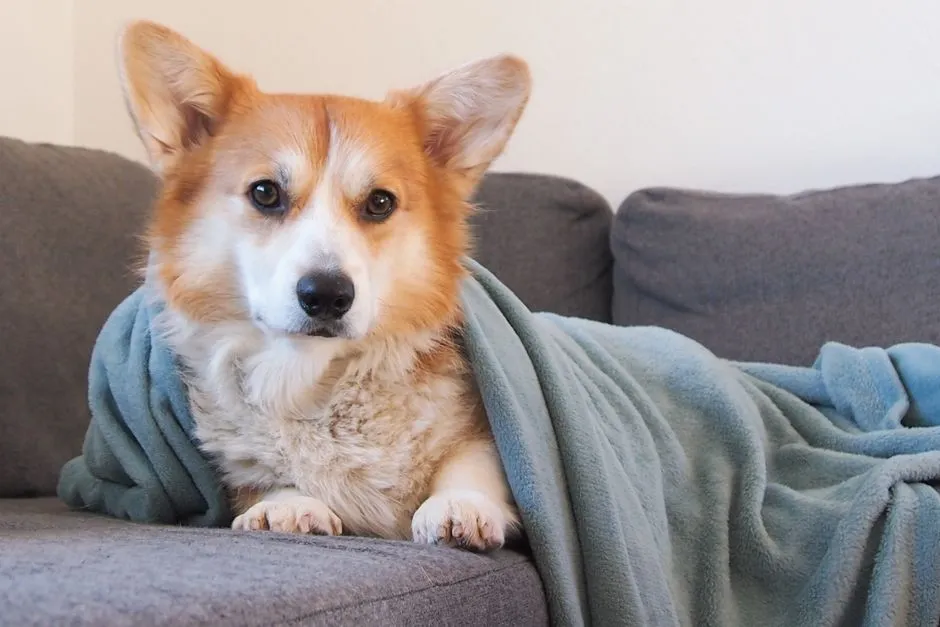
Some dogs tend to burrow or “den” when they sleep, crawling under blankets or pillows or otherwise finding a way to wedge themselves into a small, dark, cozy space. Some dog breeds are more likely to find a burrow when taking a nap than others. It all goes back to the way their ancestors lived and worked.
Dachshunds and some Terriers, for example, were bred to flush vermin out of holes. The forebears of modern Huskies dug burrows in the snow for insulation. Breeds like this may naturally feel comfortable nestled in a cozy den.
This behavior can increase during stressful periods, cold weather, or when dogs need emotional comfort. If your dog suddenly becomes a dedicated blanket burrower after a change in your household, like a move, a new pet, or even a shift in your schedule, it may be their way of self-soothing.
Sleeping on Cool Surfaces: A Health Clue Worth Noting
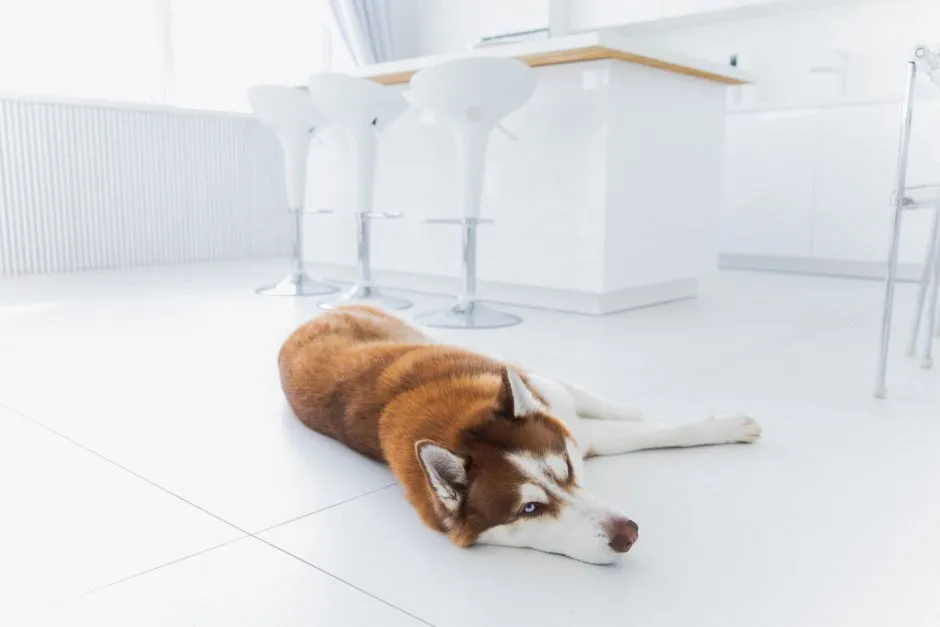
Dogs may seek out cool or raised surfaces to regulate body temperature or avoid soreness and joint pain, especially in senior animals. This is one of those position-related behaviors that is easy to dismiss as quirky but can actually signal something important about physical comfort.
A sudden change to sleeping on cold tile floors or under furniture could indicate discomfort or anxiety. A dog that has always preferred a soft bed and now persistently seeks out the cold kitchen floor might be telling you their joints are aching or their body temperature is running high.
As dogs age, they might prefer positions that put less pressure on their joints, such as the side sleeper or donut position. Paying attention to these gradual shifts, rather than waiting for more obvious symptoms, puts you in a better position to get ahead of health issues early.
Twitching, Dreaming, and REM Sleep: What’s Really Happening

Yes, dogs can dream. MIT research showed that rats experience complex dreams during REM sleep, just like humans, so it’s likely that dogs and other animals do too. While it’s difficult to uncover exactly what dogs dream about, we know the brain processes events of the day during sleep.
Dogs experience different stages of sleep, both REM and NREM, just like we do. So if they bark, whine, or jerk their legs during REM sleep, it’s possible they’re dreaming. This kind of twitching is normal and not a cause for concern.
When to be cautious: prolonged tremors, vocalizations, or rigidity may indicate nightmares or medical issues like seizures or pain, and those warrant a conversation with your vet. The difference between a dreaming twitch and a medical episode is usually the intensity and duration. Gentle paw paddles are fine; stiff, sustained convulsions are not.
When a Change in Position Signals a Health Problem
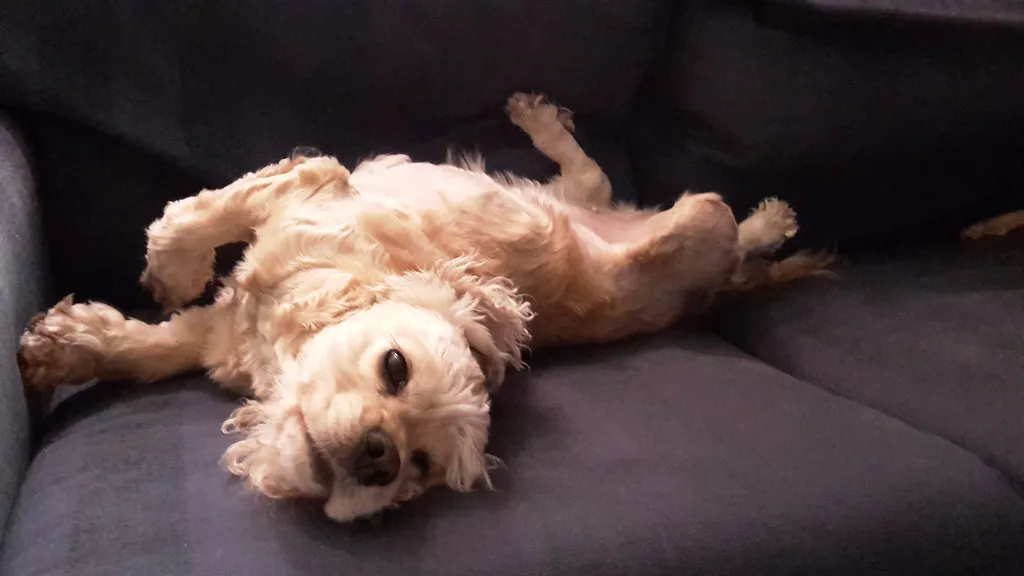
While most sleeping positions are perfectly normal, sudden changes in your dog’s sleep habits could indicate an underlying health issue. This is one of the most practically useful things to understand about canine sleep behavior. It’s not just about what position your dog is in, but whether that position has changed.
Position changes throughout the night are normal and healthy, but extreme stiffness, restless shifting, or reluctance to lie in certain positions may signal pain, arthritis, or discomfort, which is worth a vet visit.
Additionally, difficulty sleeping at night might be an early sign of canine cognitive dysfunction, sometimes called doggy dementia, especially in senior dogs. It’s always a good idea to take your furry friend to the vet if you notice any changes in their sleep patterns, like if they’re sleeping longer during the day or not sleeping in their normal position.
The Bigger Picture: Reading Your Dog Over Time
No single sleep position is a definitive verdict on how your dog feels. Your dog’s sleeping position reflects a complex interplay of emotional state, physical comfort, and environmental factors. Treating each pose as an isolated clue, rather than part of a broader pattern, is where most owners go wrong.
If you know how to decode the meaning of dog sleeping positions and their sleeping habits, you can gain valuable insight into their emotional state and mental well-being. How your furry friend chooses to relax can indicate if they’re experiencing any physical discomfort so you can help them feel better.
The real skill is in watching trends over days and weeks, not in reading a single snapshot. A dog that migrates from the superman sprawl to a tight donut during a thunderstorm is telling you something very different from a dog who has always slept curled up and shows no other behavioral changes. Your dog’s sleeping position can be a meaningful form of communication.
From trust and comfort to alertness and affection, each pose reveals a layer of your dog’s physical and emotional health. Pay attention to their sleeping patterns and you’ll be better equipped to support their health, happiness, and overall well-being.
AI Disclaimer: This article was created with the assistance of AI tools and reviewed by a human editor.