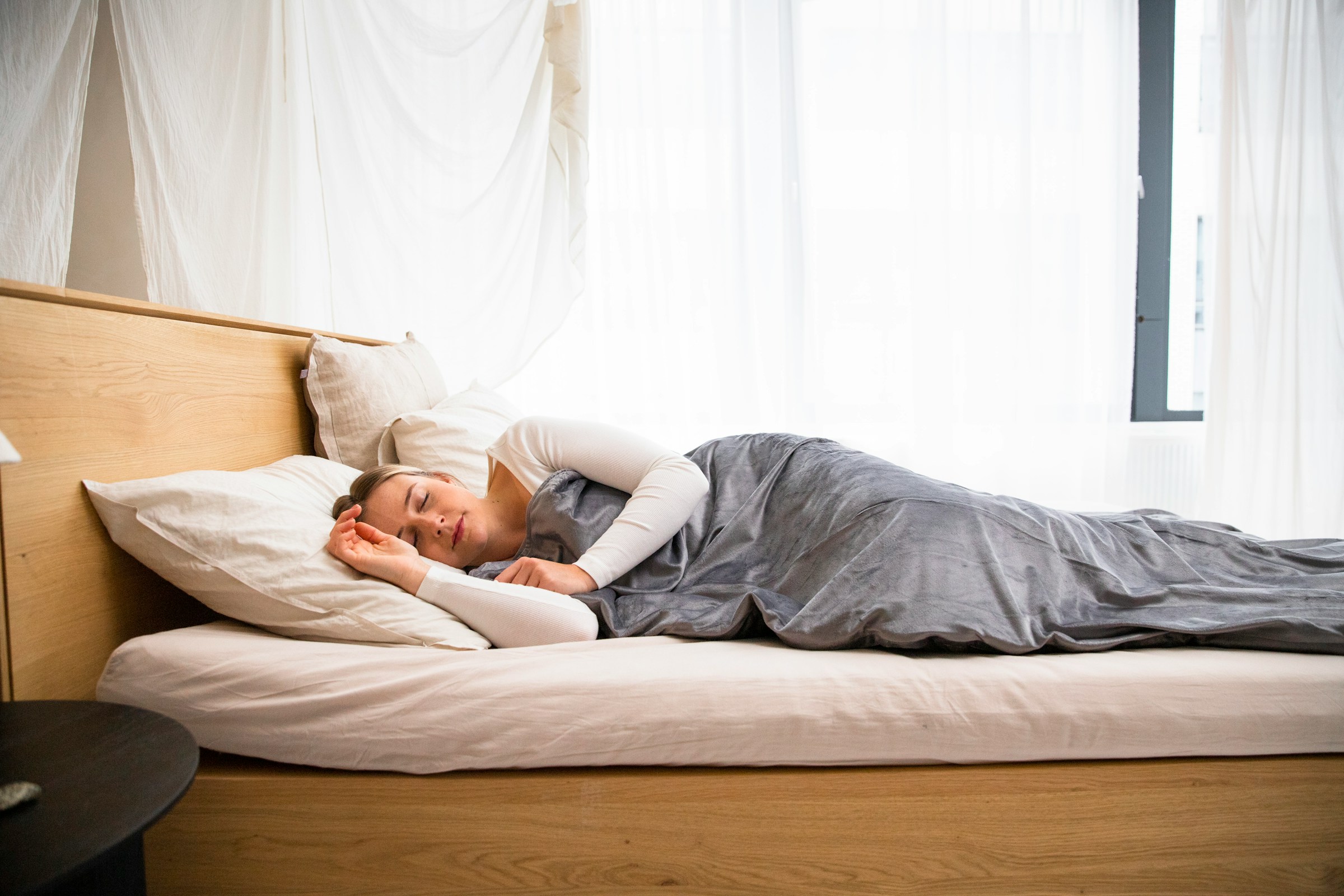

The Core Myth: “You Need Less Sleep as You Age”
It is a common belief that the older you get, the less sleep you need. Older adults actually need about the same amount of sleep as everyone else, around seven to nine hours a night. What often changes with age is not the need for sleep, but the pattern of sleep.
It is not the need for sleep but the ability to sleep that diminishes with age. Older adults are objectively sleepier during the day, which indicates they are simply not getting enough sleep at night.
The widespread belief that seniors simply need less sleep is a misunderstanding of what is actually happening in the aging brain and body.
What the CDC and Major Health Bodies Actually Say
The Centers for Disease Control and Prevention state that people aged 61 to 64 need seven to nine hours, and people aged 65 or older need seven to eight hours of sleep each night. These figures closely mirror the recommendations for middle-aged adults.
The American Heart Association recommends seven to nine hours of sleep per night, based primarily on self-reported data, to promote cardiovascular and cognitive health.
Most older adults function optimally with seven to eight hours of sleep per night, similar to younger adults. The numbers from every major health body tell the same story.
Sleep Patterns Change, But the Need Does Not
Sleep needs do not significantly decrease in adulthood. What changes with aging includes the ability to sleep rather than the need for it, a natural decrease in deep sleep, more fragmented sleep with brief awakenings, an earlier circadian rhythm shift, and more medical conditions and medications that affect sleep.
Sleep needs change as you grow from a child into an adult. That individual need does not change significantly as you approach or pass the age of 55.
Many older people tend to go to bed earlier and wake up earlier than they did in their younger years. This circadian shift is biological, not a sign that the body has become more efficient at rest.
Why So Many Older Adults Are Chronically Under-Slept
Approximately 69 percent of older adults report sleep problems, but only 19 percent are documented, which means the vast majority go unaddressed in clinical settings.
Despite 40 to 50 percent of people experiencing insomnia, many older adults go undiagnosed and untreated due to the belief that poor sleep is a normal part of aging. The myth itself becomes the barrier to care.
The cumulative effect of sleep disruptions is that many older adults are chronically under-slept without even recognizing it. They adapt to exhaustion so gradually that it starts to feel like the new normal.
The Real Culprits Behind Poor Sleep in Old Age

Research shows that health conditions, not age itself, typically cause disrupted sleep patterns in older adults. This distinction matters enormously for how sleep problems are treated.
Sleep in older adults is disrupted by circadian rhythm changes, disorders such as sleep-disordered breathing and periodic limb movements, medical illness, psychiatric illness, medication use, and poor sleep habits.
Certain medications, including beta-blockers, bronchodilators, corticosteroids, some decongestants, and diuretics can also interfere with sleep. Older adults are more likely to be taking these types of medication, sometimes together.
Sleep Apnea: The Hidden Epidemic Among Older Adults
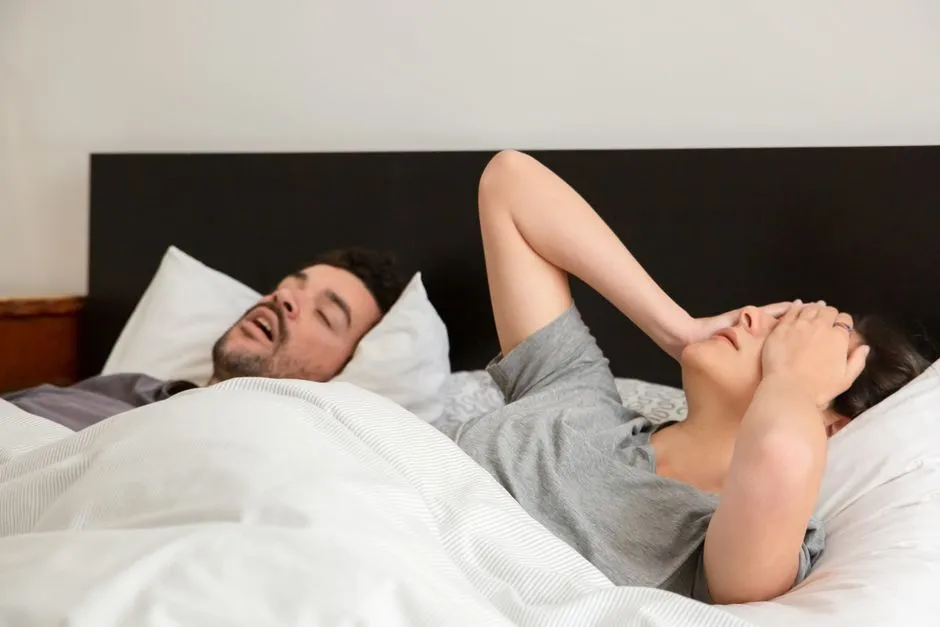
An estimated 30 to 60 percent of older adults have obstructive sleep apnea, a condition where the upper airway collapses repeatedly during sleep, leading to disrupted sleep and intermittent hypoxia. Symptoms may include loud snoring, witnessed breathing pauses during sleep, and episodes of gasping or choking at night.
Persistent snoring in older adults can signal sleep apnea, a serious condition that needs medical attention. Many families dismiss this snoring as a quirky habit of old age.
Obstructive sleep apnea treatment with CPAP should be considered, particularly in symptomatic patients who may benefit via reductions in daytime sleepiness, cardiovascular strain, and cognitive burden.
What Poor Sleep Does to the Aging Brain
New research from the Karolinska Institutet, published in October 2025, shows that poor sleep could make the brain appear years older than it really is. Scientists found that poor sleep is tied to brains that look older than their true age.
Among older adults with chronic insomnia, 14 percent developed mild cognitive impairment or dementia during a study period, compared to 10 percent of those without insomnia. After accounting for age, high blood pressure, sleep apnea, and sleep medication use, chronic insomnia was still associated with a roughly 40 percent higher risk of developing cognitive impairment or dementia.
Sleep disorders increase the risk of cognitive impairment by around 27 percent. Sleep disruption and chronic insomnia can lead to abnormal increases in amyloid beta and phosphorylated Tau protein, resulting in cognitive decline.
The Brain’s Waste Clearance System and Why Sleep Matters

Research investigates how sleep quality affects brain health in older adults, focusing on the glymphatic system, which clears waste from the brain. A study from the University of Hong Kong analyzed 72 older adults using functional MRI and sleep recordings, finding that poor sleep deactivates the glymphatic system, impairing memory.
Adequate sleep is important for cognitive function and memory consolidation in older adults. Poor sleep may contribute to cognitive decline and dementia risk. The glymphatic system essentially runs a nightly cleanup of toxic proteins, and that process depends on quality sleep.
Since sleep is modifiable, it may be possible to prevent accelerated brain aging and perhaps even cognitive decline through healthier sleep. That is a genuinely hopeful framing, one that shifts poor sleep from an inevitable fate to an addressable problem.
Falls, Physical Health, and the Wider Cost of Sleep Deprivation

Sleep disturbance in older adults should not be dismissed, as it is associated with lower quality of life, cognitive decline, physical disability, and is an independent risk factor for falls.
Poor sleep can lead to cognitive decline, increased fall risk, and weakened immune function in older adults. Falls are among the leading causes of injury-related deaths in this age group, so the connection carries real weight.
Sleep disturbances increase the risk of falls and accidents among the elderly population. When we treat poor sleep as an unremarkable part of aging, we may be accepting preventable harm as inevitable.
The Danger of Silence: Why Older Adults Don’t Bring It Up
Insomnia symptoms are common in later life, with up to half of adults aged 60 or older reporting some difficulty with sleep. A 2025 government study found that roughly 28.7 percent of older U.S. adults reported trouble falling asleep, staying asleep, or both.
Yet many never mention it to their doctor. Many older adults think poor sleep is a normal part of aging and don’t mention it when they see their healthcare providers, which can lead to undiagnosed and untreated sleep disturbances.
Studies indicate that older adults with negative views of aging often perceive sleep difficulties as expected, which compounds the problem. The myth, in other words, has become its own self-fulfilling prophecy.
What Actually Helps: Real Strategies That Work

Evidence-based strategies for older adults include cognitive-behavioral therapy, lifestyle changes, and medications. Of these, cognitive-behavioral therapy for insomnia tends to be the most durable option, without the side effects that come with long-term sleep medication use in older adults.
Among older adults, moderate intensity exercise three times per week for at least 12 weeks had the biggest benefits on sleep. The connection between movement and rest is well-supported across multiple studies.
Research shows that sticking to a regular sleep schedule is more effective than erratic bedtime habits. Creating a calm bedtime routine can significantly improve sleep quality for older adults. These are low-cost, low-risk changes with real measurable impact.
Closing Thought: Accepting Poor Sleep Is Not Wisdom, It Is a Missed Opportunity
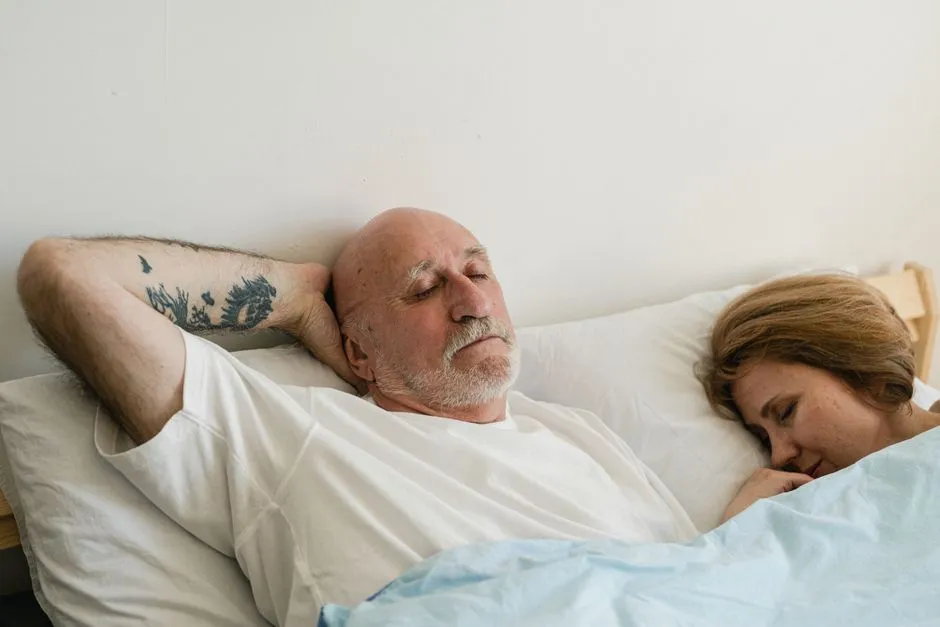
The myth that older adults simply need less sleep sounds reasonable on the surface. It seems to match what many families observe. However, the research is clear: the need for sleep does not fade with age. The capacity to get it does, and that is a problem worth solving, not accepting.
It is a common misconception that poor sleep is a normal part of aging. Doctors who work with older patients have been saying this for years. The gap between what the evidence shows and what the public believes is still wide.
Growing older does not mean sleeping poorly; there is a lot you can do to improve your sleep in older age. That message, more than any prescription or gadget, is probably the most important thing older adults and their families can carry forward.
AI Disclaimer: This article was created with the assistance of AI tools and reviewed by a human editor.