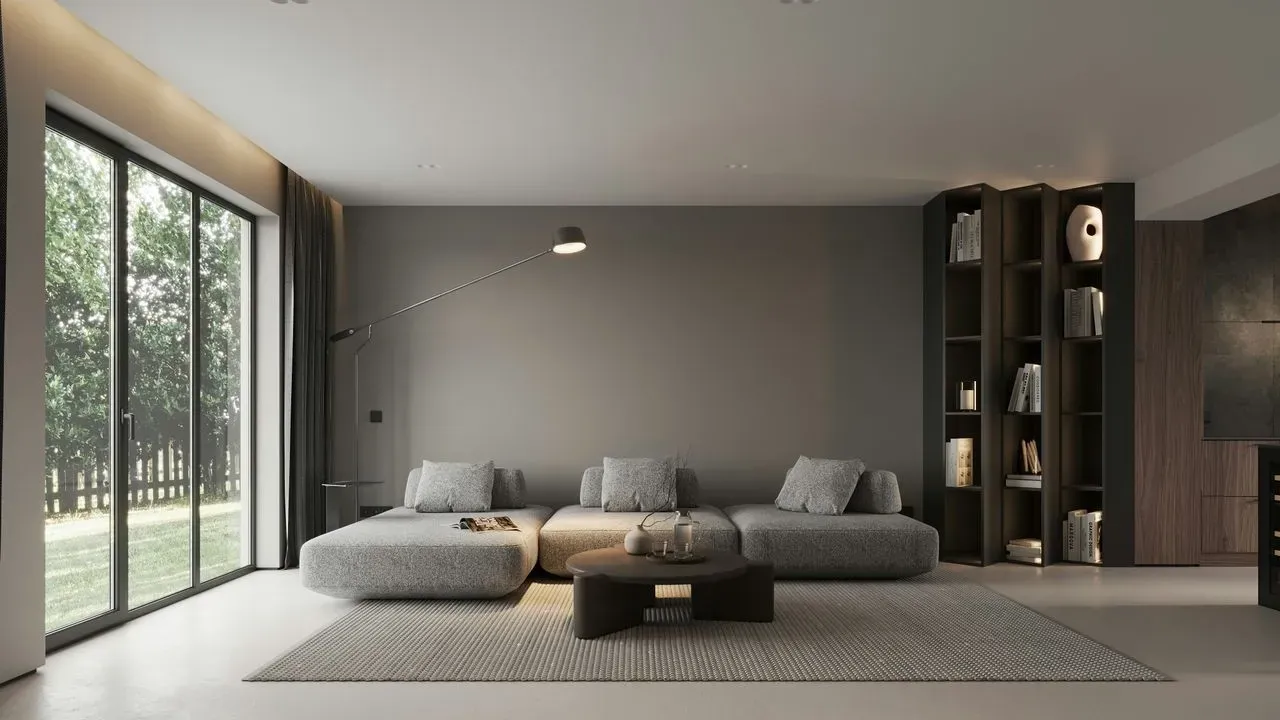

Many living rooms rely on a single overhead fixture to handle every task from reading to relaxing. That approach often leaves the space feeling either too harsh or too dim once the sun sets. The result is a room that works less well for the mix of activities it actually hosts each day. ([1])
The core problem with one overhead source
A central ceiling light spreads illumination evenly but rarely matches the varied needs of a typical evening. One person may want focused light for a book while another prefers softer glow near the television. A single switch cannot deliver both at once without compromise.
Over time this limitation shows up in practical ways. Eyes strain during close work. Screens reflect glare. The overall mood stays flat rather than shifting with the hour or the activity. Homeowners notice the difference most clearly when guests arrive or when work spills into the same space used for downtime.
Layering light sources for real flexibility
Effective schemes combine three main types of lighting. Ambient light from the ceiling provides the base level. Task lighting from floor or table lamps supports reading or dining. Accent pieces highlight artwork or architectural details without dominating the room.
Two or three well-placed fixtures usually suffice in an average space. A pendant or semi-flush fitting handles general needs. A floor lamp beside the sofa directs light for one activity. A smaller table lamp adds warmth elsewhere. The exact mix depends on room size and furniture layout rather than a fixed formula.
Choosing the right ceiling fixture
The main light still matters even when it no longer works alone. Ceiling height and room proportions guide the choice. Low ceilings favor flush or semi-flush designs that preserve headroom. Larger rooms benefit from multiple smaller fixtures instead of one oversized piece.
Scale also affects visual balance. A compact pendant with an open frame can make a statement without overwhelming tight quarters. In open-plan areas, separate ceiling lights over distinct zones prevent one bright spot from competing with the rest of the layout. Simpler designs suit rooms already rich in furniture detail.
Adjusting for evening comfort and daylight
Brightness and color temperature matter as much as fixture placement. Dimmable bulbs or smart controls let the same lamps serve different moments. Matching color temperatures across sources keeps the room feeling cohesive rather than patchy.
Daylight improvements often cost nothing. Moving a cabinet away from a window or swapping heavy curtains for sheer panels increases natural light. Mirrors positioned to reflect rather than compete with seating areas extend the effect. Lighter wall colors amplify whatever daylight reaches the space.
Small changes that deliver quick results
Many improvements require no new purchases. Relocating an existing lamp to a more useful spot frequently solves uneven coverage. Swapping a bulb for one with different lumens or kelvin value alters the feel without replacing the fixture.
Other quick steps include adding a plug-in reading lamp near a favorite chair or fitting a smart plug for remote control. Testing one adjustment at a time reveals what actually moves the needle before further spending. The goal remains a room that supports relaxing, working, and gathering without constant compromise.
AI Disclaimer: This article was created with the assistance of AI tools and reviewed by a human editor.