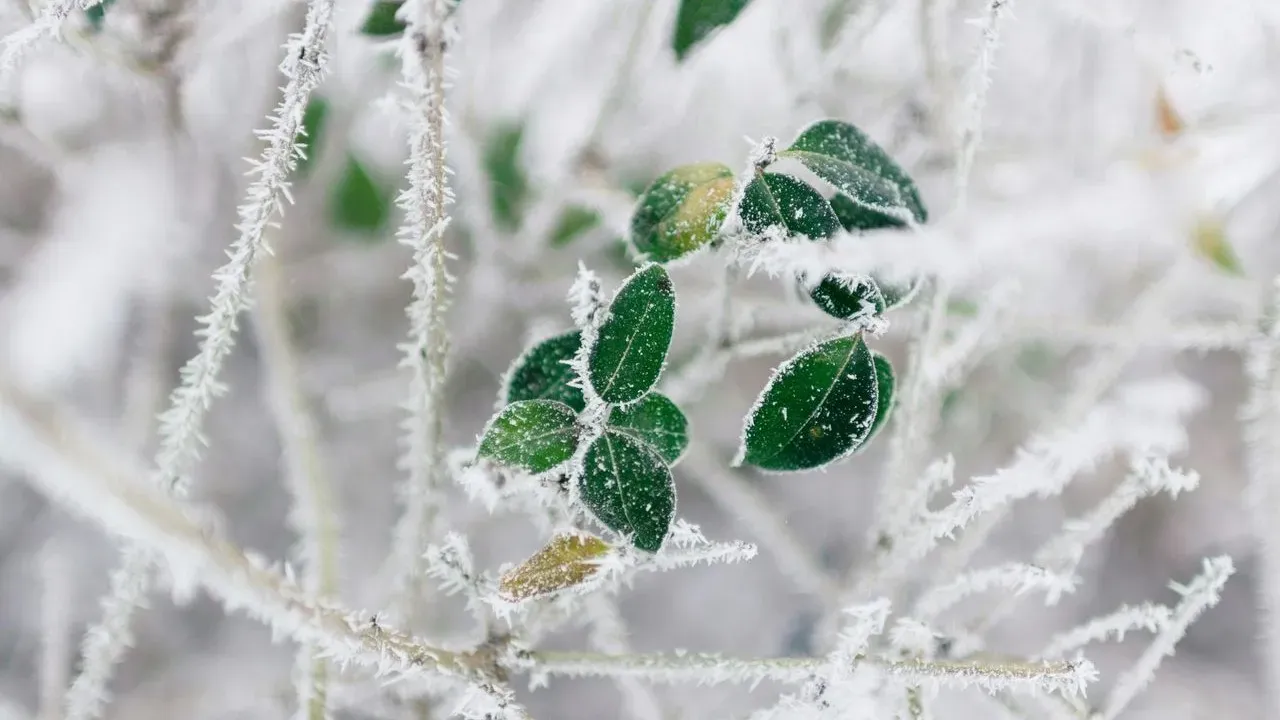

As autumn deepens and frost approaches in many regions, gardeners often wonder how much attention their milkweed beds still need. The answer is reassuringly little. This perennial herb draws monarch butterflies and other pollinators with its blooms, then relies on a strong underground root system to return on its own the following season when left mostly undisturbed. ([1])
Why Milkweed Matters Beyond One Season
Milkweed serves as a critical host plant for monarch butterflies, whose larvae depend on its leaves. The plant also supports a wider range of pollinators that visit its flowers during the warmer months. Because it is a true perennial, established plants do not require annual replanting. Their root systems store the energy needed for regrowth, which reduces both labor and expense for the gardener over time.
Leaving the plants in place through winter preserves that stored energy and protects the roots from unnecessary disturbance. The above-ground stems and seed pods can remain standing, providing some winter interest and shelter for beneficial insects. This approach aligns with the plant’s natural cycle rather than fighting against it.
What Minimal Winter Care Looks Like in Practice
Once the first hard frost arrives, the main stems typically die back on their own. At that point, the simplest step is to do nothing more than cut the dead foliage to the ground if desired, or leave it standing until early spring. Either choice works because the living part of the plant sits safely below the soil line.
Mulch can be added lightly around the base if the garden experiences extreme temperature swings, but heavy layers are unnecessary and may even trap excess moisture. Watering stops once the plant enters dormancy. Fertilizer is likewise withheld, as the roots already hold what they need for the next cycle of growth.
The key is restraint. Overzealous cleanup or soil disturbance can damage the crown or roots, delaying or weakening the return in spring. Gardeners who resist the urge to tidy too aggressively often see stronger shoots the following year.
Timing and Regional Considerations
The transition to winter care begins after the first killing frost, which varies by location but commonly occurs in late October or November across much of the United States. In milder climates, the plant may stay green longer, yet the same principle of minimal intervention still applies. Gardeners in colder zones can monitor soil moisture only if an unusually dry spell occurs before the ground freezes.
By early spring, new shoots emerge from the established roots without additional prompting. This natural restart allows the plant to resume its role in the garden promptly, supporting the next generation of monarchs as they migrate or breed.
Looking Ahead to Reliable Returns
The low-effort winter routine for milkweed delivers consistent results because it respects the plant’s biology. Gardeners who adopt this hands-off method free up time for other seasonal tasks while still maintaining a reliable source of nectar and host material for butterflies. Over multiple years, the same root systems can produce increasingly robust clumps that enhance both the garden and the local pollinator population.
That quiet reliability is the real payoff of getting winter care right.
AI Disclaimer: This article was created with the assistance of AI tools and reviewed by a human editor.