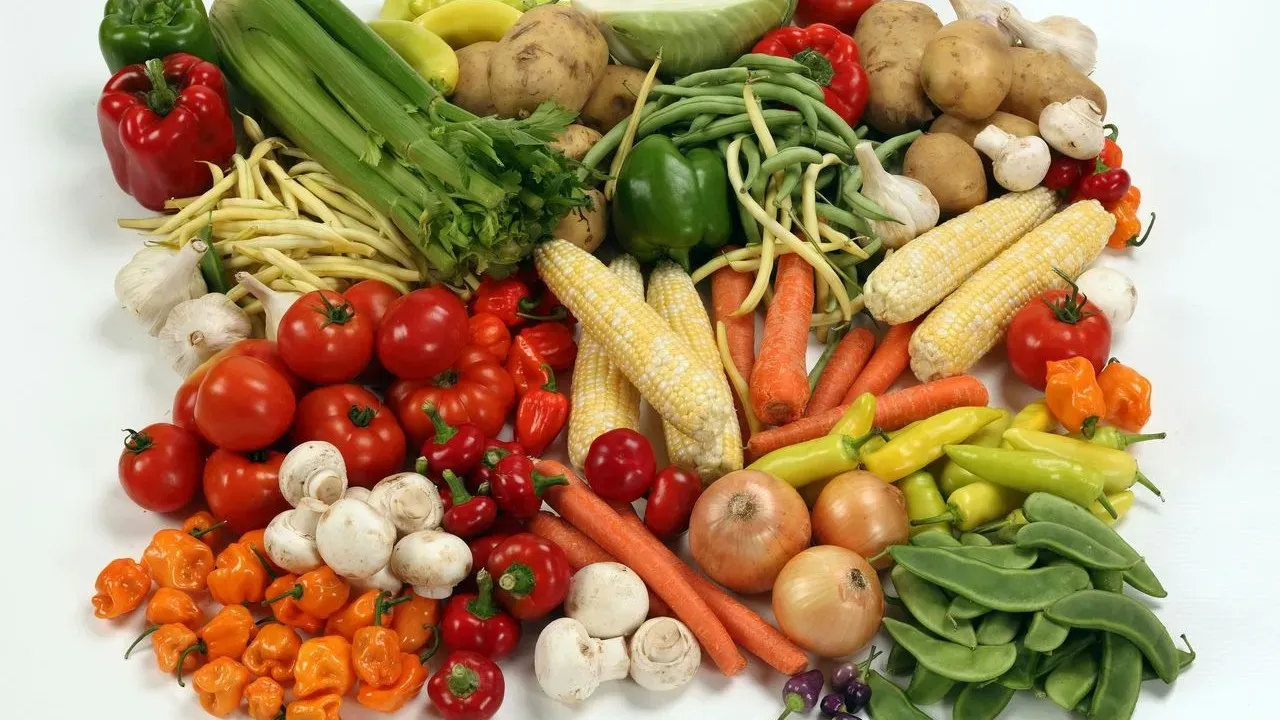

Home gardeners facing a late-summer surplus often look for reliable ways to keep produce from spoiling. Freezing offers one of the fastest routes to long-term storage, turning fresh vegetables into ready ingredients for meals months later. The approach requires only basic kitchen steps and delivers consistent results when done promptly after harvest.
Why Freezing Matters for Seasonal Gardeners
September marks peak harvest time for many home plots, when tomatoes, greens, and brassicas arrive faster than they can be eaten fresh. Without a preservation plan, excess produce risks going to waste. Freezing captures peak flavor and nutrients at a moment when the garden is most productive, giving households access to homegrown ingredients through the winter. The method works especially well for small batches, allowing gardeners to process what they have on hand without specialized equipment beyond a stockpot and freezer containers. ([1])
Stakeholders include backyard growers, community gardeners, and small-scale producers who want to stretch their efforts across seasons. The timeline is immediate: vegetables picked at their best should move into the freezer within hours to maintain quality. This practical step reduces reliance on store-bought produce during colder months and supports more self-sufficient meal planning.
The Core Steps of Blanching and Cooling
Blanching remains the essential first stage for most vegetables. The brief exposure to boiling water or steam halts enzyme activity that would otherwise degrade color, texture, and taste during storage. Gardeners prepare their workspace in advance, cutting produce into uniform pieces so the process moves quickly once the water reaches a full boil.
Timing starts only after the vegetables return the pot to a boil. Most items require one to three minutes, with the visual cue of brighter color signaling completion. Immediate transfer to a colander followed by cold running water cools the pieces rapidly and stops the cooking. Excess moisture is then squeezed out before packing into containers that stack efficiently in the freezer.
Vegetable-Specific Adjustments That Improve Results
Different crops need tailored handling to achieve the best frozen quality. Leafy greens such as kale, chard, and spinach require only one to two minutes of blanching after stems are removed. Brassicas like broccoli and cauliflower benefit from closer to three minutes due to their denser structure. Starchy options including green beans and corn on the cob need three to eight minutes depending on the variety.
Some vegetables skip blanching altogether. Peppers and parsley hold up well without it because of their high natural water content. Basil can be pureed with olive oil and frozen in ice-cube trays for convenient portioning later. Summer squash benefits from a short boil before pureeing with the cooking water, while winter squash that begins to soften can still be salvaged by cutting away damaged areas and processing the remainder.
Putting the Harvest to Use All Winter
Once packed and labeled, frozen vegetables become the foundation for soups, stews, and side dishes throughout the colder months. The stored supply reduces food costs and keeps garden flavors available long after the growing season ends. Gardeners who start the process now can expect a steady rotation of home-preserved ingredients that support consistent meal preparation without additional shopping trips.
Success depends on working in manageable batches and maintaining clean, efficient habits from harvest to freezer. The payoff arrives weeks or months later when a container of blanched greens or prepped squash turns into a quick, satisfying winter meal drawn directly from the summer garden.
AI Disclaimer: This article was created with the assistance of AI tools and reviewed by a human editor.