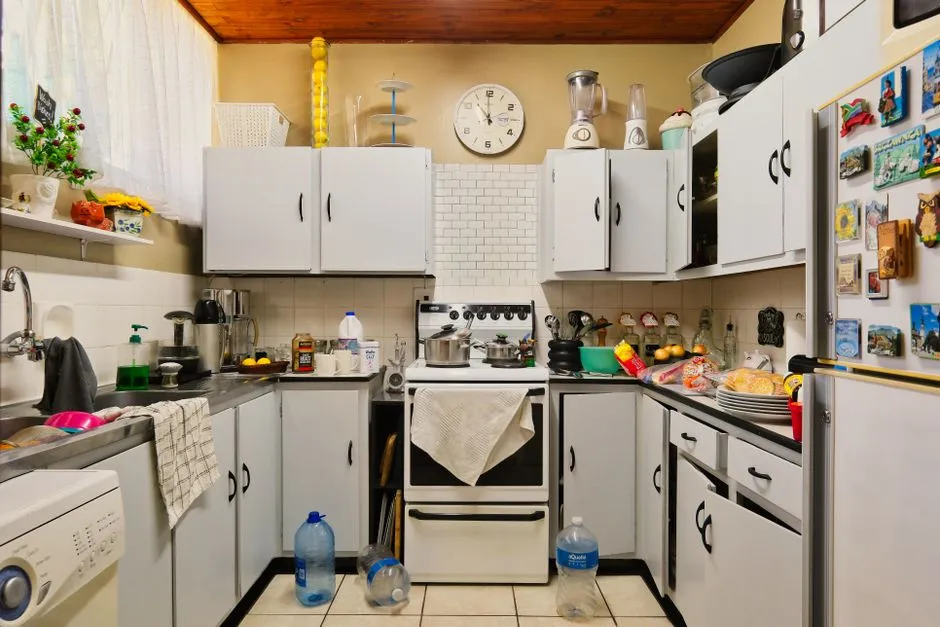

Most pantries do not fail because they are too small. They fail because of a few inches of dead air sitting above every can, jar, and box crammed onto the shelves. It is the kind of problem you walk past a hundred times without noticing, until one day you open the door looking for cumin and instead find three half used bags of rice, two forgotten cans of beans, and absolutely no cumin.
Why Pantries Turn Into Chaos So Easily
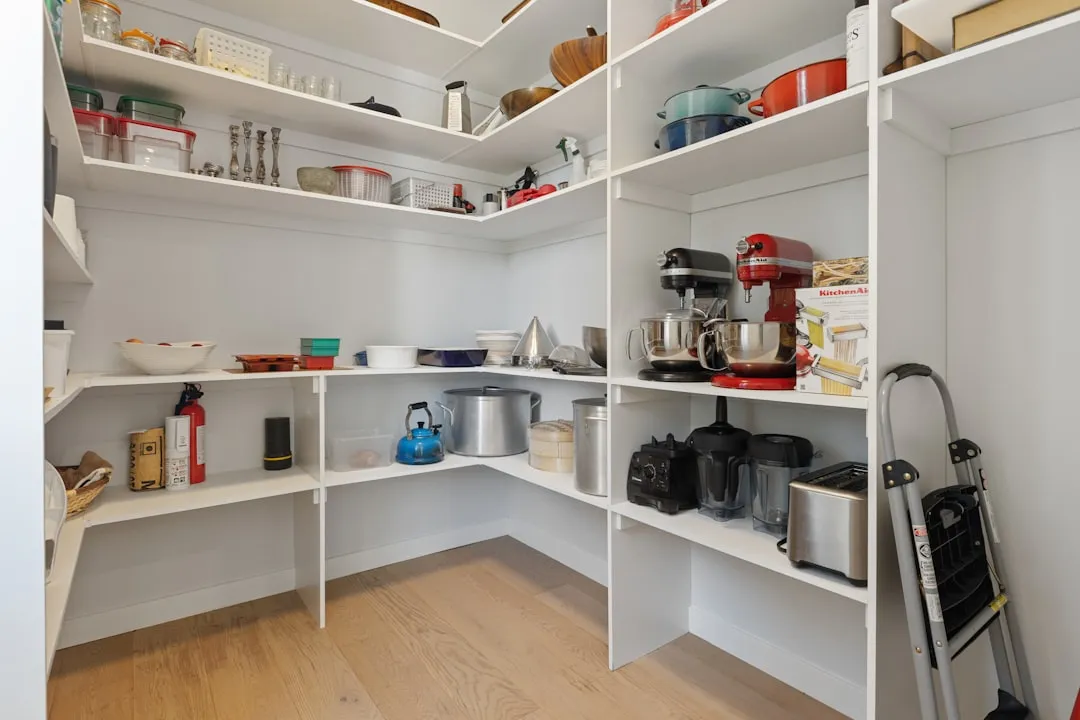
Pantry clutter rarely happens overnight. It builds up gradually as groceries get pushed to the back, boxes get restacked in a hurry, and nobody quite remembers what is behind what. A national survey by Eagle Woodworking found that over half of respondents said messy drawers and cluttered countertops cause daily stress, and pantries tend to follow the same pattern since they are packed with small, mismatched items. The same survey noted that two out of five people admit they waste time searching for items in their kitchen, and over a third are unhappy with their kitchen organization.
The Real Culprit Is Wasted Vertical Space
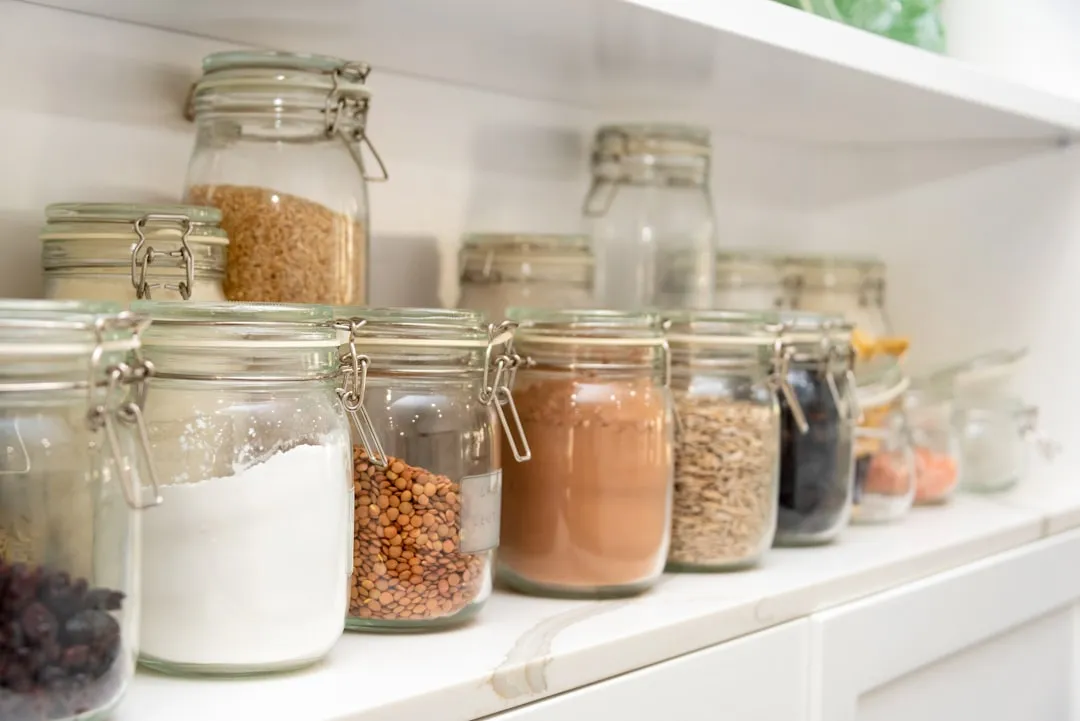
Walk into almost any pantry and you will find shelves set a foot apart, holding items that are barely half that height. Food52’s home editors point out that if your shelf is a foot tall but you’re leaving eight inches of space above a jar of peanut butter, you are not storing efficiently. That gap is not a design flaw, it is just standard shelving built for tall boxes that do not always show up in a typical grocery haul. The fix is not more shelves or a bigger pantry, it is reclaiming the air space that already exists.
What A Shelf Riser Actually Does
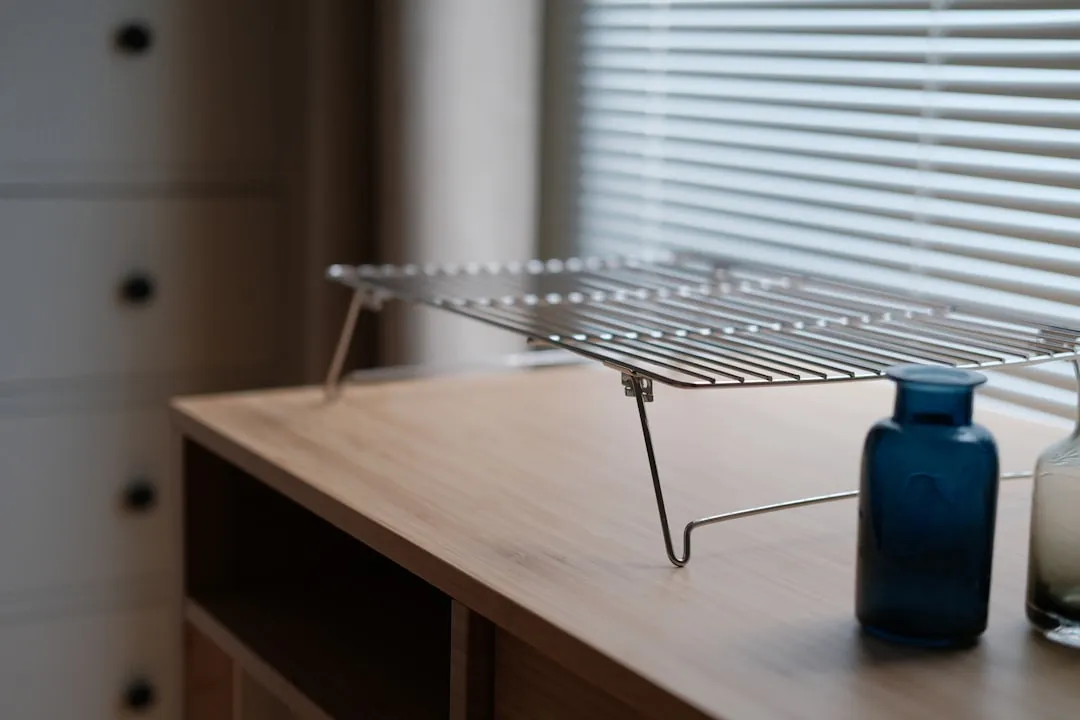
A shelf riser is essentially a small tiered platform, usually two or three steps, that sits on top of an existing shelf. Instead of one flat surface, you suddenly have two or three surfaces stacked in a staircase pattern. Food52 describes risers as the simplest addition to a pantry, one that completely transforms the amount of storage available by elevating just one layer of items like spices, dry goods, or jars of sauce. It sounds almost too basic to matter, until you actually see how much extra room it opens up.
Doubling Visible Storage Without Adding a Single Shelf
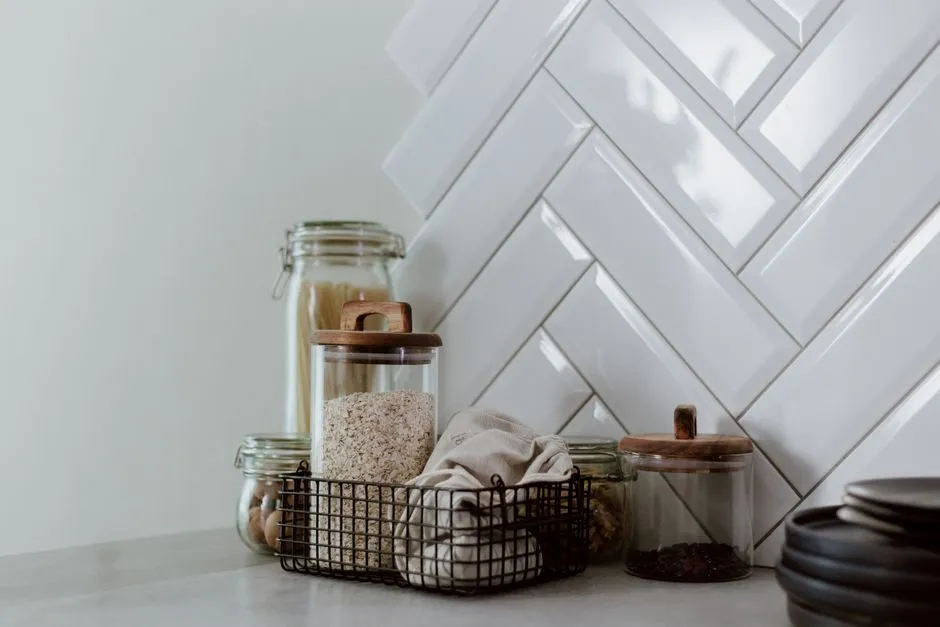
The trick works because it turns unused height into usable footprint. A riser placed on top of canned goods or spice jars lets you add a second row behind and slightly above the first, so nothing gets hidden. NEAT Method, a professional organizing company, recommends organizers use small baskets, turntables, canisters, and a pantry shelf riser to maximize space. One home organizer who documented her own deep pantry struggles said removing a shelf and adding risers was by far the best solution, and she wished she had thought of it sooner.
Less Food Gets Forgotten, and Less Gets Wasted
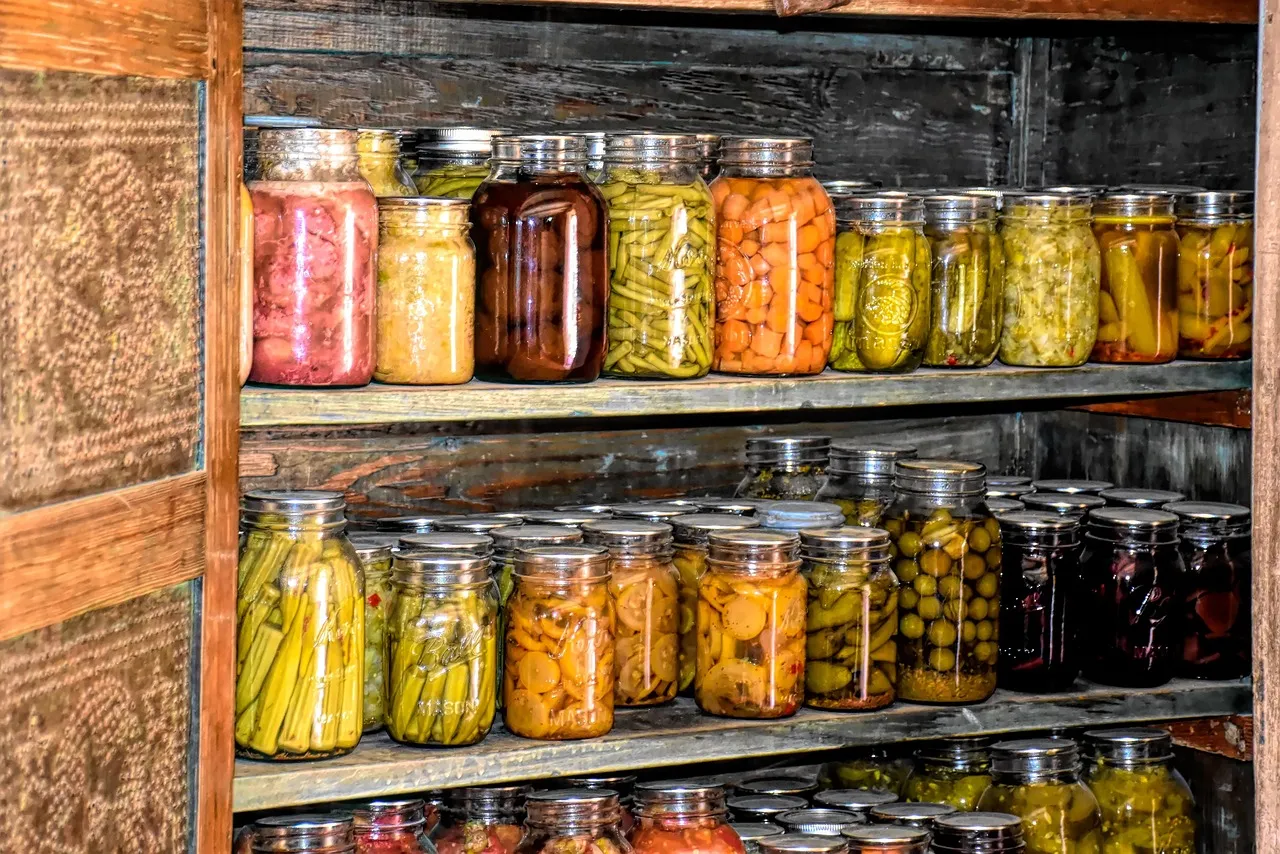
Deep, flat shelves are notorious for swallowing food whole. As one pantry blogger put it, unlike shallow shelves where you can see everything at a glance, deep pantry shelves lead to items getting pushed to the back, out of sight and out of mind. That is a meaningful problem, since household level food waste is estimated to run anywhere from thirty three to thirty eight percent, and by some estimates as high as sixty one percent of total food loss and waste. Risers keep items visible instead of buried, which is a small change but a genuinely useful one against that kind of loss.
It Also Saves Money, Not Just Time
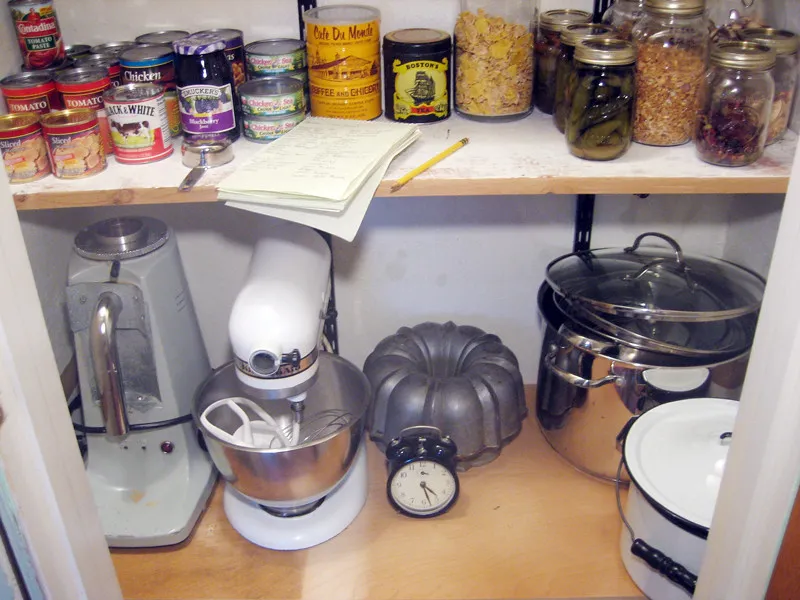
Being able to see everything at eye level changes how people shop, not just how they cook. IKEA’s kitchen storage team notes that open pantry shelving makes it easy to craft a grocery list because you can see what you already have and what you need at a glance, reducing the chances of forgetting something or buying something you already own. That same visibility, they add, helps save money on unneeded groceries and reduces food waste caused by over buying perishable items. A riser is a small physical nudge toward that same kind of clarity.
What Belongs on the Risers, and What Does Not
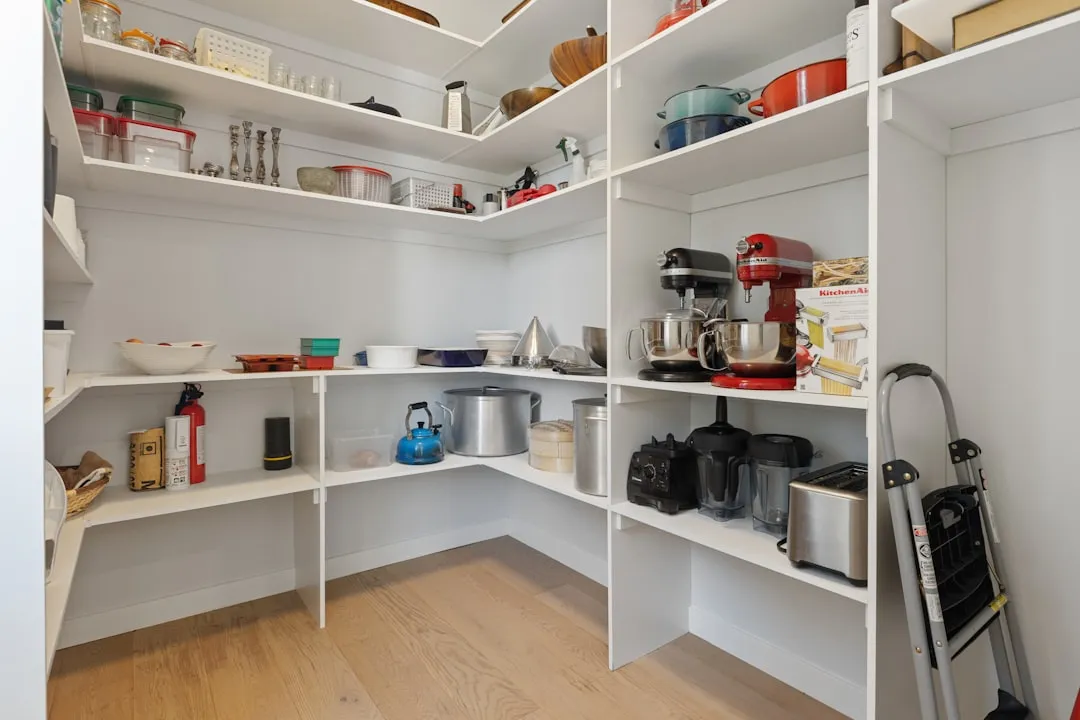
Not every pantry item benefits equally from a riser. Organizers generally suggest saving the tiered shelves for smaller, frequently used items like spice jars, canned goods, or bottled sauces, the things you want to spot instantly rather than dig for. NEAT Method advises to start with baskets for the most commonly used categories, then add a riser at eye level for canned goods and bottled items. Bulkier goods like bags of flour or paper towel packs are usually better left on a flat shelf or in a floor level basket, since stacking them on a tiered riser just wastes the extra height it creates.
Material Matters More Than People Expect

Shelf risers come in a handful of common materials, and each one shifts the feel of a pantry a little differently. Acacia and bamboo risers give a warmer, more natural look and tend to hold up well under regular use, while metal and acrylic versions lean more utilitarian and budget friendly. Kitchen organization guides note that bamboo shelf risers offer a natural, elevated aesthetic and are generally quite durable compared to some lighter plastic alternatives. The choice mostly comes down to whether the pantry is meant to be seen, like an open shelving kitchen wall, or tucked behind a closed door where function matters more than finish.
Risers Work Best as Part of a System, Not Alone

A riser on its own helps, but it becomes far more effective when paired with baskets, bins, and turntables. NEAT Method suggests grounding a pantry with one or two rows of baskets and using turntables for oils and vinegars to make use of awkward corners, with risers reserved for the eye level zone in between. The idea is layering the space vertically, heavy bulk items low, everyday staples on the risers in the middle, and lighter or less used items up top. Once that structure is in place, restocking groceries becomes less about finding room and more about simply returning things to where they already belong.
A Small Fix Riding a Much Bigger Trend

Shelf risers are not a niche gadget anymore, they are part of a broader shift toward smarter kitchen storage. The global kitchen storage and pantry organization products market was valued at 131.43 billion dollars in 2023 and is projected to reach 182.08 billion dollars by 2030, growing at a compound annual rate of 4.8 percent. Within that market, cabinet and shelf organizers specifically are expected to grow even faster, at a compound annual rate of 6.0 percent from 2024 to 2030, which suggests more households are reaching for exactly this kind of simple, low cost fix rather than full pantry renovations.
The appeal of a shelf riser is that it asks so little and gives back so much. There is no demolition, no new cabinetry, no weekend lost to a renovation project, just a stack of tiered shelves dropped into space that was already sitting empty. Sometimes the most stubborn clutter problems do not need a bigger solution, just a smarter use of the room you already have.
AI Disclaimer: This article was created with the assistance of AI tools and reviewed by a human editor.