

Most gardeners pack it in when the first frost warning appears on the forecast. They pull the tomatoes, toss the spent squash vines, and quietly accept that the season is over. It doesn’t have to work that way. A single roll of spun-bonded fabric, draped carefully over your beds at the right moment, can keep a garden productive well into weather that would otherwise shut it down.
Row cover, also called garden fleece, is widely used by both gardeners and market farmers to extend the homegrown harvest, shelter crops from frost and other types of inclement weather, promote good seed germination, and prevent pests from nibbling on crops. The technique is older than most people realize, and yet it remains one of the most underused tools in the home garden.
What Floating Row Cover Actually Is
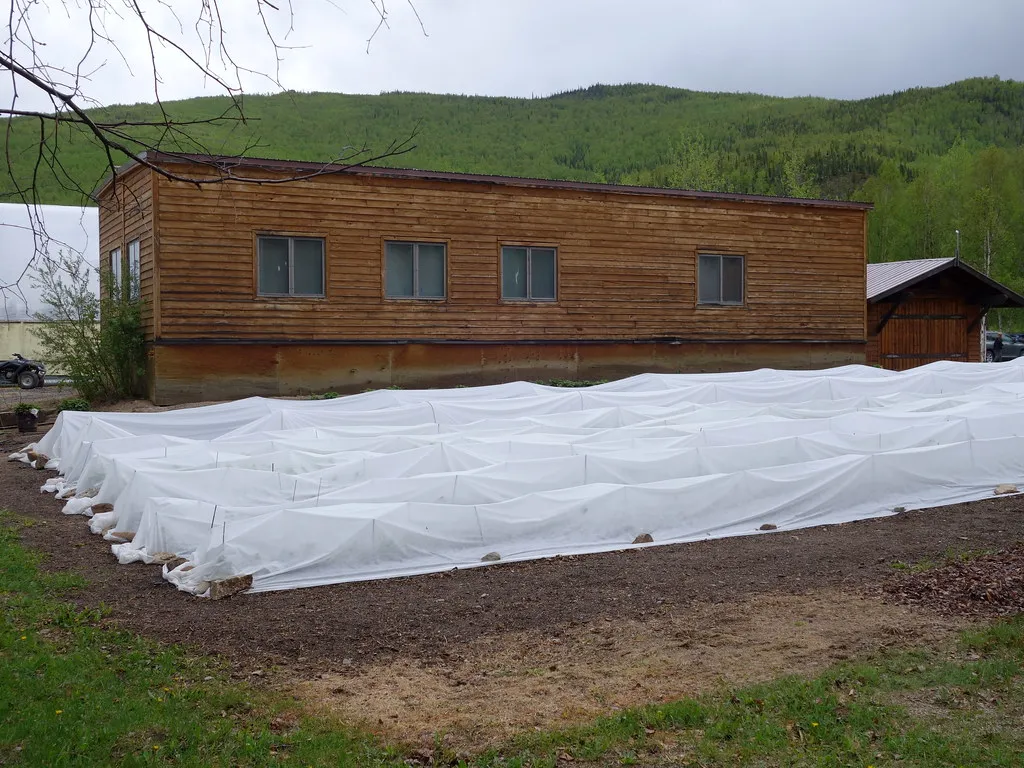
Floating row cover is a spun-bonded or woven plastic, polyester, or polypropylene material that is placed over plants to exclude pests, act as a windbreak, or extend the growing season by retaining heat, all while still being permeable to light, water, and air. The word “floating” is accurate. The term refers to the fact that the cover does not require a rigid structure; it rests gently on the plants, expanding as they grow.
Crop row covers are flexible, lightweight fabrics or sheets made from materials such as spunbonded polyester, polypropylene, or polyethylene plastic. These aren’t specialty items reserved for commercial growers. They’re widely available at garden centers and farm supply stores, often sold by the roll in various widths and lengths.
The Temperature Science Behind the Technique
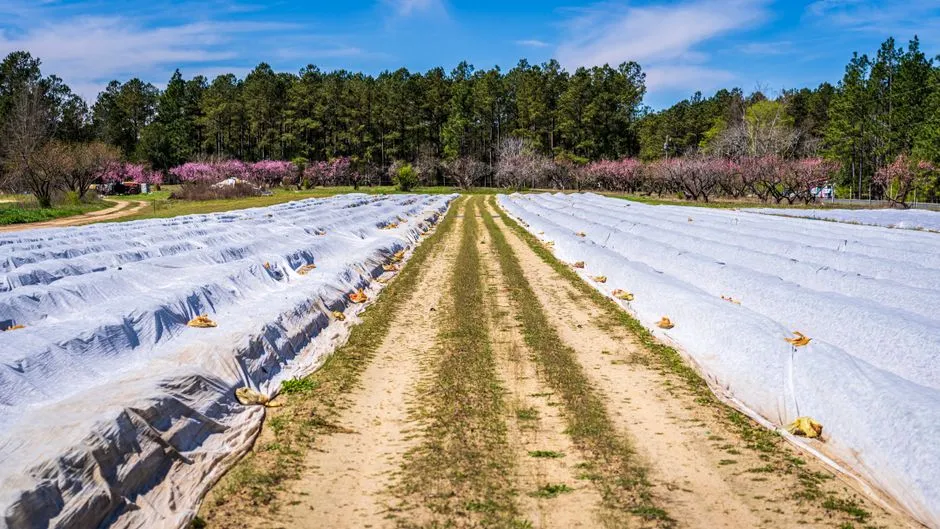
The temperature under the row cover can increase dramatically, anywhere from 5 to 15 degrees Fahrenheit above the outside temperature. That temperature buffer is the heart of what makes season extension possible. A night that dips to 30 degrees Fahrenheit outside might register well above freezing under the fabric.
Row cover increases both temperature and humidity under the cover, and the amount of insulation depends on the weight of the row cover. A lightweight row cover might provide 2 degrees Fahrenheit of frost protection, whereas a heavy-weight row cover might provide as much as 6 to 10 degrees Fahrenheit of frost protection. Choosing the right weight for your climate and crop is therefore a real decision, not just a minor detail.
Three Weights, Three Different Jobs

Different weights of floating row cover are made for different purposes. Mediumweight covers help speed up crop maturation and increase yield. They are useful for extending the season in both spring and fall by retaining some heat. These types are suitable for use over cucurbits, lettuce, peas, carrots, radishes, potatoes, sweet corn, and blueberries.
Heavyweight covers provide frost and freeze protection up to 4 to 8 degrees Fahrenheit, so they are particularly good for early and late season extension for cool season crops. They can enhance crop growth, particularly for warm-season crops, since they raise ambient daytime temperatures 10 degrees Fahrenheit or more. Lightweight covers, on the other hand, do not hold much heat and are therefore safer to use during the summer months when temperatures rise.
How Much Time Can You Actually Gain
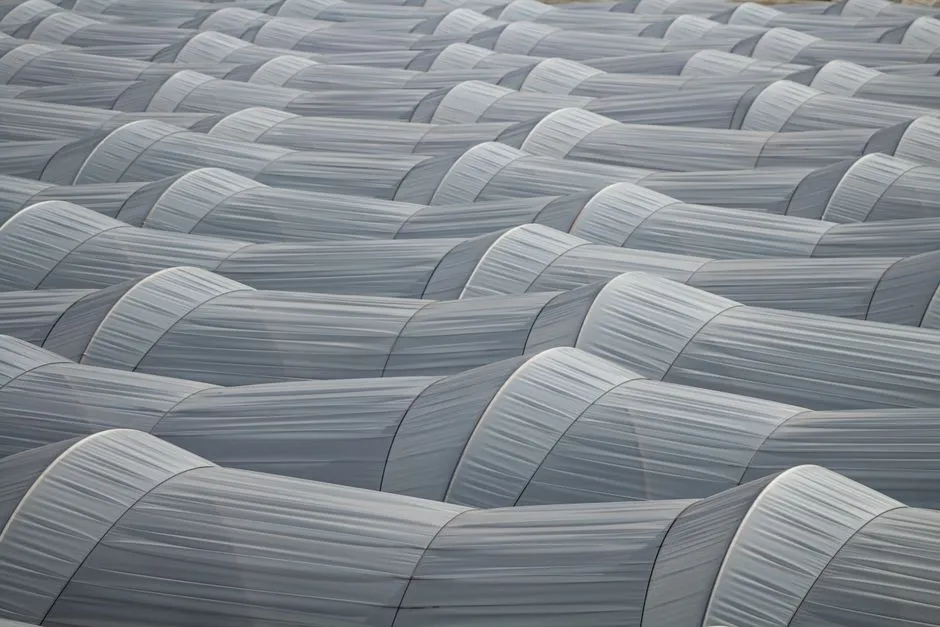
Using garden fabrics in both spring and fall can add roughly two months to your harvest season. That figure represents the combined effect of starting earlier in spring and pushing the cutoff later in fall. Used in just one direction, the gains are still meaningful.
Depending on the weight of the covering you choose, you can gain between 2 and 8 degrees of frost protection or warm the local environment sufficiently to harvest certain crops a week or two early. For gardeners who also deploy covers in fall, those weeks stack up. Since greens don’t need to be pollinated, the covers can stay on all summer and into the winter. The greens can often survive winters without cover, but their dormant time is lessened by the row covers, allowing harvest for an added few weeks.
The Best Crops to Cover
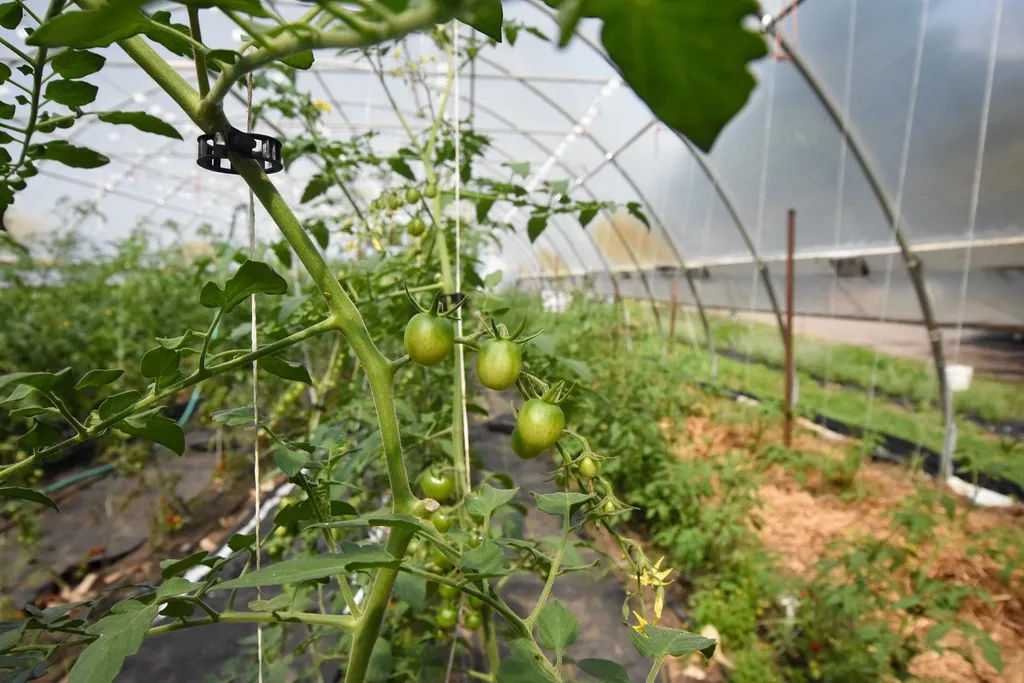
For spring season extension, consider using row cover for tomatoes, peppers, eggplant, summer and winter squash, cucumber, pumpkin, melons, beans, greens, radish, broccoli, cauliflower, cabbage, kale, collards, chard, beets, potatoes, and strawberries. That’s a wide list, which reflects how broadly the tool applies across the vegetable garden.
Vegetables that tend to respond particularly well to row covers include cole crops, leafy greens, tomatoes, peppers, eggplant, and peas. Cool-season crops like kale and spinach are especially good candidates in fall because they can handle cold already. A cover simply pushes their tolerance a bit further and keeps the soil from freezing hard around their roots.
Installing Covers: The Practical Steps
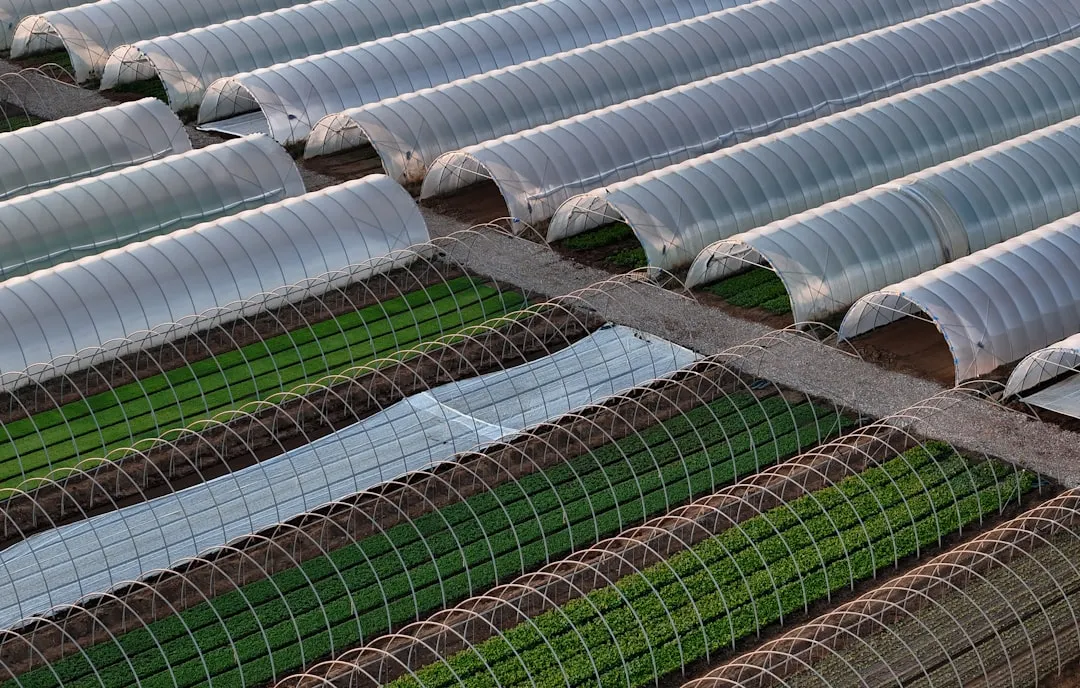
The row cover can lie directly on the crop, hence the name “floating row cover,” with the growing plants pushing the cover upward if you give it enough slack. Alternatively, you can erect simple frames using wood, PVC pipe, wire, or other available materials to support the row cover above your plants.
The hoops should be placed over the center of the crop row about 3 to 4 feet apart and secured in the soil. Secure the fabric with soil, rocks, garden staples, or pins along the edges to prevent wind from lifting it. Getting the edges sealed against the ground is important. An open hem on a cold night defeats the purpose entirely.
The Pest Control Bonus
The insect row cover treatment reduced whitefly populations to zero until its removal, according to a study conducted across Georgia and Alabama. That’s a meaningful side benefit, particularly for gardeners who struggle with pest pressure on brassicas, cucumbers, or squash early in the season.
Row covers are an important tool for gardeners for season extension and pest control, sometimes dramatically reducing the need for pesticides while opening up weeks of extra growing time and helping speed up early season plant growth. Coarser netting will keep out larger pests like caterpillars and moths. Finer nets exclude aphids, thrips, and the like, which are vectors for diseases beyond the physical damage they do to plants.
When You Must Remove the Cover
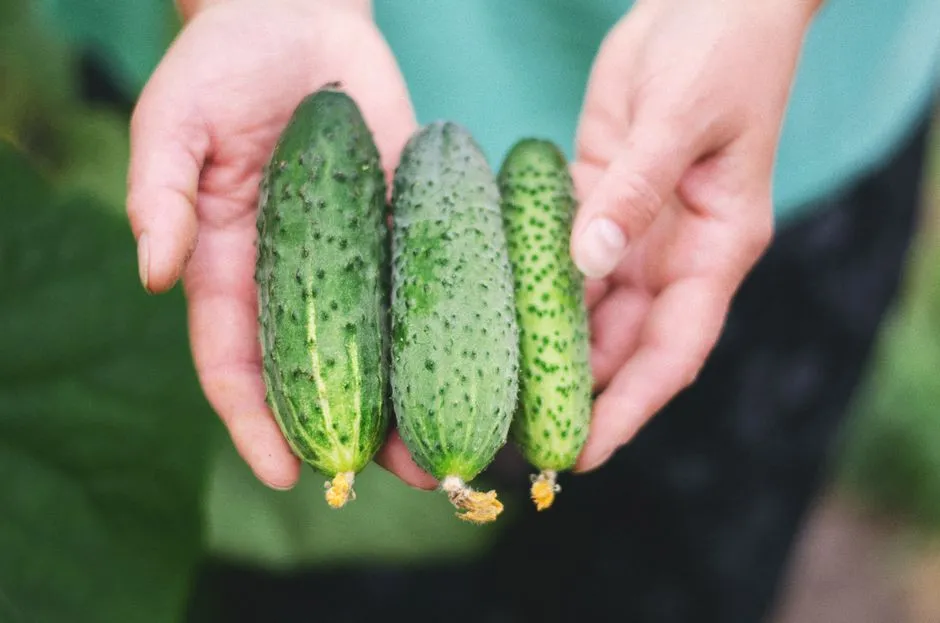
Floating covers are best used on relatively short crops, and they must be removed prior to flowering on fruiting crops that require pollination. This is probably the most common mistake beginners make. Leaving a cover on cucumbers or squash through bloom means no pollinators reach the flowers, and fruit set fails.
If the crop is grown for leaves, like spinach, kale, or Swiss chard, or edible flowers like broccoli and cauliflower, no pollination is needed and the row covers can stay on until harvest. If a crop needs pollination of its flowers to form fruit, like cucumbers or squash, you must remove the row covers when the plant starts to flower. The rule is simple once you know it.
Heat Stress Is a Real Risk
The flowers and fruits of bean, tomato, and pepper may drop when daytime temperatures top 90 degrees Fahrenheit. Row cover amplifies heat just as effectively as it buffers cold. On a warm spring afternoon, the microclimate under a heavyweight cover can become surprisingly uncomfortable for plants.
When using row covers, always keep in mind that they are more efficient at increasing temperature, especially during a sunny day, than at protecting against frost. Venting or temporarily lifting the edges on warm days is worth the small effort. Just be sure that the cover is vented, and that you stay on the lookout for signs of overheating.
Storage and Reuse

Store row covers out of direct sunlight, as UV rays will cause breakdown of the material. Most fabric covers, handled with reasonable care, will last through multiple seasons. When you’re finished with your row covers, hose them off if they’re very dirty and hang them up to dry completely. They can then be folded and stored in a dry spot like a garden shed or basement until the next time you need weather or pest protection.
This weight is very durable and should provide multiple seasons of use, particularly when it comes to heavier grade materials. The upfront cost is modest, and spread across several seasons it becomes one of the more cost-efficient tools in the garden shed.
Combining Covers with Other Techniques
Row covers can create a “greenhouse effect” which warms the air surrounding the plant and the soil temperatures. When combined with black plastic mulch, many crops may mature earlier than other growing practices. The combination of warmed soil from plastic mulch and warmed air from row cover works especially well for heat-loving crops planted early in spring.
Combining black plastic mulch on the soil with plant covers or garden fabric will get melons and other heat-lovers off to a fast start. In the fall, covering plants with garden fabric will retain heat and keep soil several degrees warmer. This can give heat-loving crops, such as peppers, okra, and tomatoes, a couple extra weeks to ripen. That final push in fall is often where the most satisfying gains happen.
Conclusion: A Technique Worth Committing To
Row cover is not a glamorous tool. It’s a length of fabric, a few hoops, and some stones to hold the edges down. Yet few other interventions in a home vegetable garden deliver as much practical benefit for the investment of time and money involved.
From early spring, several weeks before your last frost date, to late fall and long after your first frost, many gardens can grow fresh vegetables for eight to nine months using these techniques. That’s not a marginal gain. It’s a fundamentally different relationship with the growing season.
The gardeners who stick with row cover consistently tend to stop thinking of frost dates as hard limits. They become suggestions. A layer of breathable fabric, managed thoughtfully, has a quiet way of pushing those limits further than most people expect.
AI Disclaimer: This article was created with the assistance of AI tools and reviewed by a human editor.