

Every autumn, gardeners who’ve invested in beautiful terracotta and ceramic pots face a quiet gamble. Leave them outside, and a single hard frost might be enough to shatter months of careful gardening. The good news is there’s a low-cost fix sitting in most people’s recycling bin or junk drawer.
Bubble wrap, the same material you pop absent-mindedly while unpacking deliveries, turns out to be one of the most reliable tools in any winter gardening kit. It’s not glamorous, but it works.
Why Pots Crack in the First Place
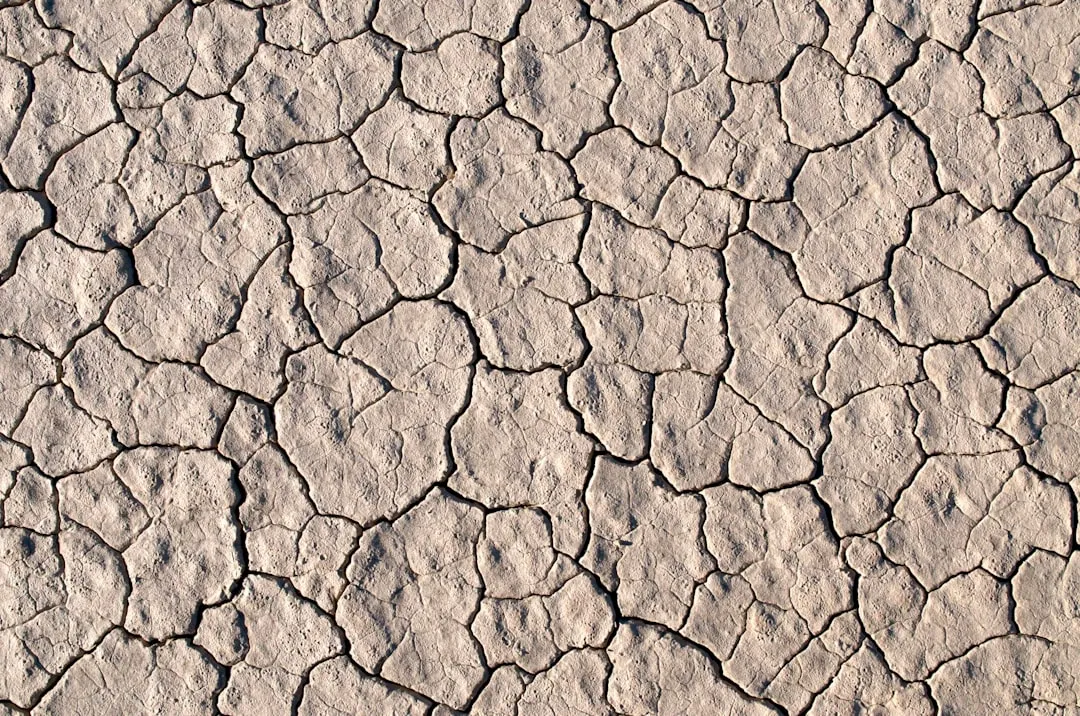
The porous clay in terracotta absorbs moisture, which then expands approximately nine percent when frozen, creating internal pressure that can exceed the clay’s structural strength. That expansion is the real culprit behind cracked containers, not the cold temperature itself.
The expanding ice pushes outward with incredible force, and once the pressure exceeds what clay can handle, cracks form where the pot is thinnest or already weakened. Each freeze-thaw cycle then makes existing damage progressively worse.
A pot can actually survive steady cold at very low temperatures better than mild weather that bounces between just below and just above freezing. It’s the cycling, not just the depth of cold, that does the damage.
Which Pots Are Most Vulnerable
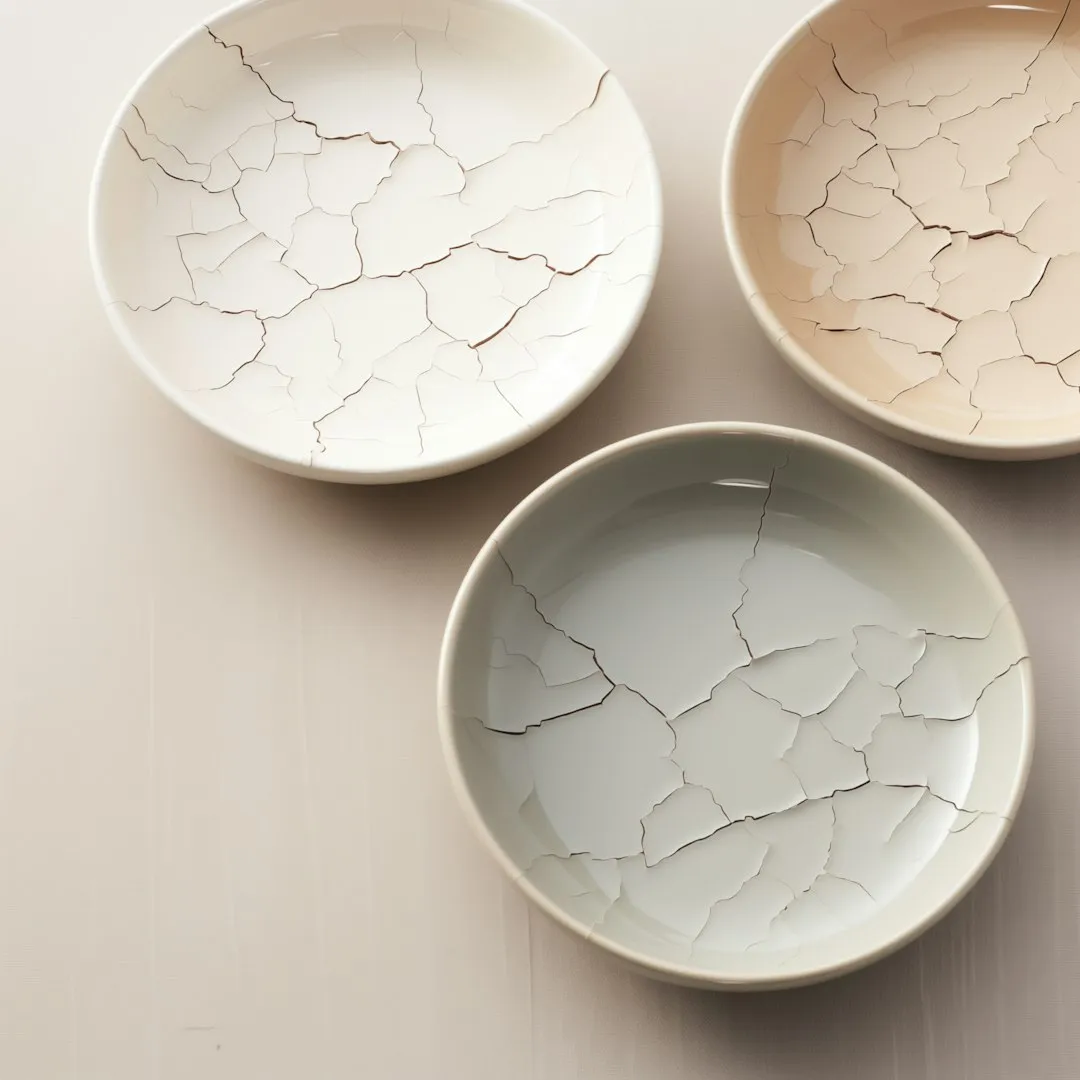
Water is unusual in that it expands as it becomes solid. Terracotta and ceramic pots, which are porous, are full of water in winter, and when this water freezes it expands, causing the pots to flake or crack.
Some ceramic pots are glazed on the outside and this glaze frequently shears off as the material underneath freezes. Plastic pots don’t suffer this damage. Wood is flexible, so wooden containers don’t show this kind of damage either.
The worst affected pots are round ones with narrow tops. In a standard-shaped pot the frozen soil can move vertically as it expands, but in a rounded pot this is not possible, and the pot can crack into two halves.
How Bubble Wrap Actually Solves the Problem
Containers full of soil left outdoors for winter may collect water and then crack when the soil freezes and expands, putting outward pressure on the container walls. It’s a real shame to lose beautiful, often expensive pots this way. The reason containers crack is because they are rigid and can’t adapt to expanding contents.
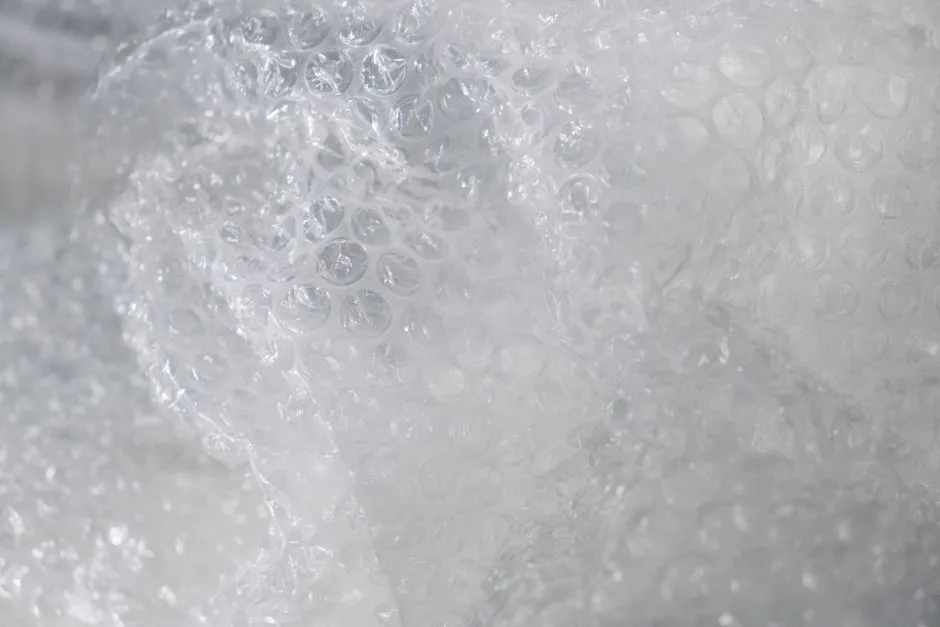
This can be overcome with bubble wrap. Starting with an empty container, line the inside with a couple of layers of bubble wrap, then fill with soil. The bubble wrap will provide the give and flexibility that the container alone does not have.
Bubble wrap creates an insulating layer that keeps the cold from penetrating the pot walls. Wrapping it around the outside, secured with twine, keeps roots protected even when temperatures drop below freezing overnight.
The Two Ways to Apply Bubble Wrap
There’s an important distinction worth knowing: bubble wrap can go on the inside or the outside of the pot, and both serve a different purpose. Lining the inside cushions the soil as it expands. Wrapping the outside slows how fast cold penetrates the pot walls.
If containers are hosting plants throughout the winter and you want to leave them outside, you can protect them by wrapping bubble wrap around the pot to insulate the plant’s root system and vessel to keep it from damage due to wind or frost.
For pots made of clay, ceramic, or glazed pottery that must stay outdoors, bubble-wrap with several layers and secure them, then add two inches of mulch to the top of the container. Both layers working together give noticeably better results than either one alone.
Making It Look Less Utilitarian
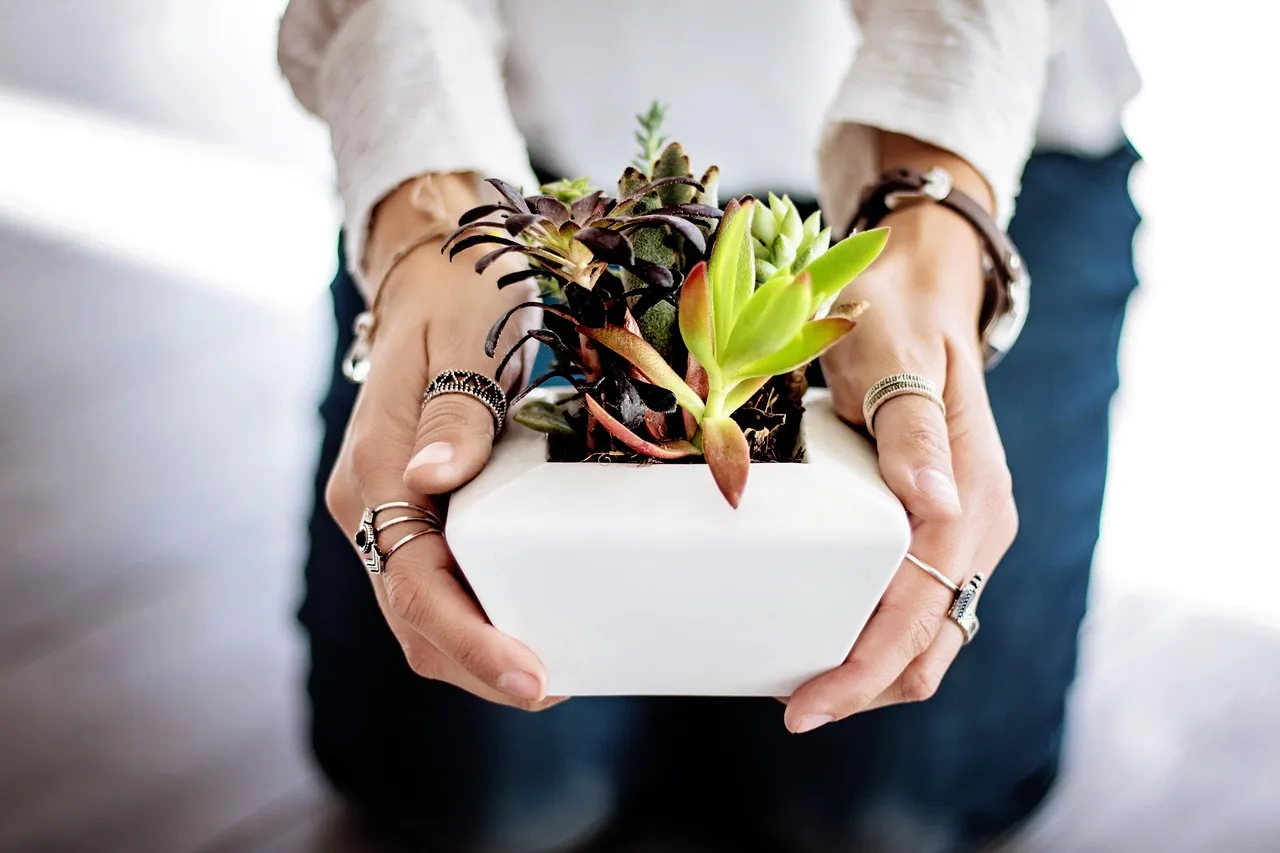
Let’s be honest: a pot wrapped in bubble wrap isn’t winning any garden design awards. Plenty of gardeners skip the insulation step purely because they don’t want their patio to look like a shipping warehouse in December.
Since bubble wrap is not very attractive in the garden, you can improve the look by wrapping burlap around the container up to the lip of the vessel, securing it with pins. You can even add a string bow around the burlap to secure it and make it look attractive throughout the winter season.
As bubble wrap is not the most attractive option for covering pots, one solution is to conceal it by wrapping the pot in a piece of burlap or hessian, tied with a length of twine or raffia. The result actually looks quite seasonal and intentional.
Drainage Still Matters – Don’t Ignore It
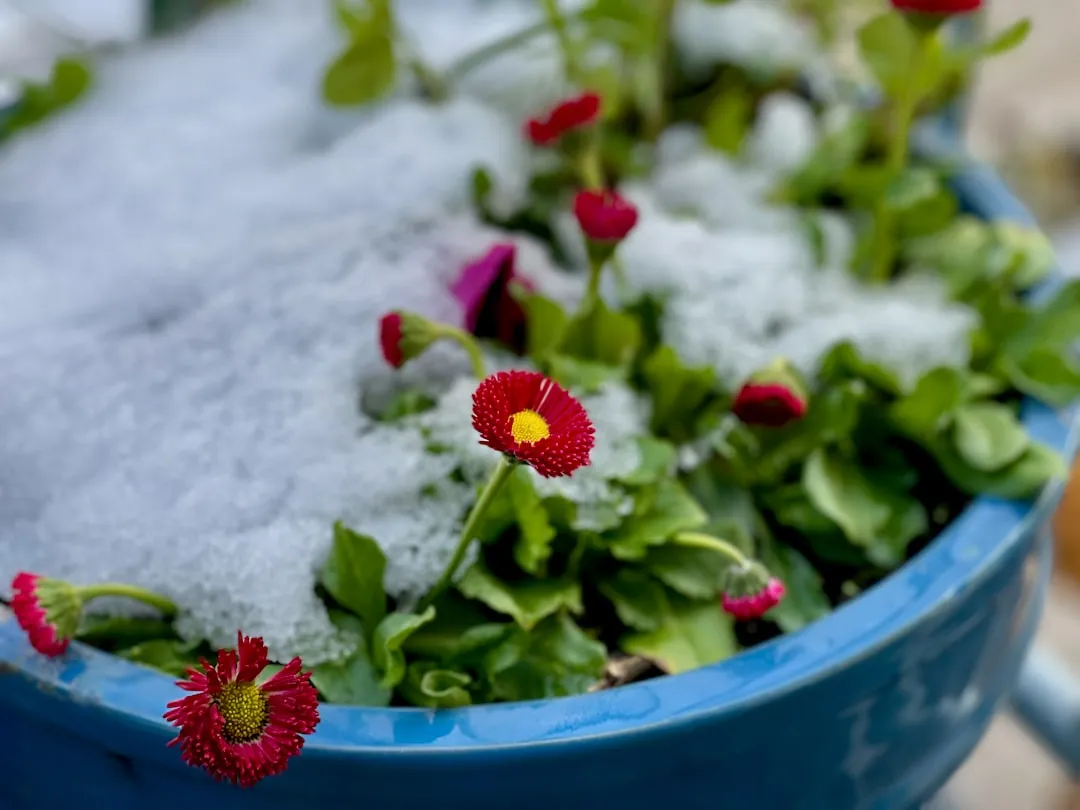
Even with perfect insulation around the outside, a pot sitting in pooled water is still at risk. Good drainage is the other half of the equation, and it’s easy to overlook once the wrapping is done.
The main reason glazed ceramic pots crack in winter is that they don’t drain properly and water fills up the pot, freezes, expands, and cracks it. Drainage holes can become clogged by sitting on a flat surface that blocks water from draining, and it’s also possible for soil to fill the hole and freeze, blocking drainage entirely.
For plants needing to stay outside all winter, lift the pot off the ground. Water will freeze the planter to the ground during winter. If you try to move the pot later, it will crack or start to fall off in sheets. At a minimum, elevate planters using decorative planter feet or bricks, but don’t block drainage holes.
The Role of Soil Moisture Before the Freeze
Watering container plants deeply before consistent freezing temperatures arrive helps keep roots hydrated during winter. Dry soil freezes faster and expands more aggressively, which increases the risk of cracking. A slow, even soak helps stabilize the soil before the pot goes dormant.
Once temperatures consistently remain below freezing, hold off on watering to avoid ice expansion inside the container. It’s a fine balance: too dry going in, and the soil becomes brittle and contracts unevenly; too wet, and freezing creates pressure from within.
Timing this correctly, giving pots a deep drink a week or so before the first hard freeze and then easing off, is one of the simplest preventive steps a gardener can take.
Grouping Pots Together Amplifies the Effect
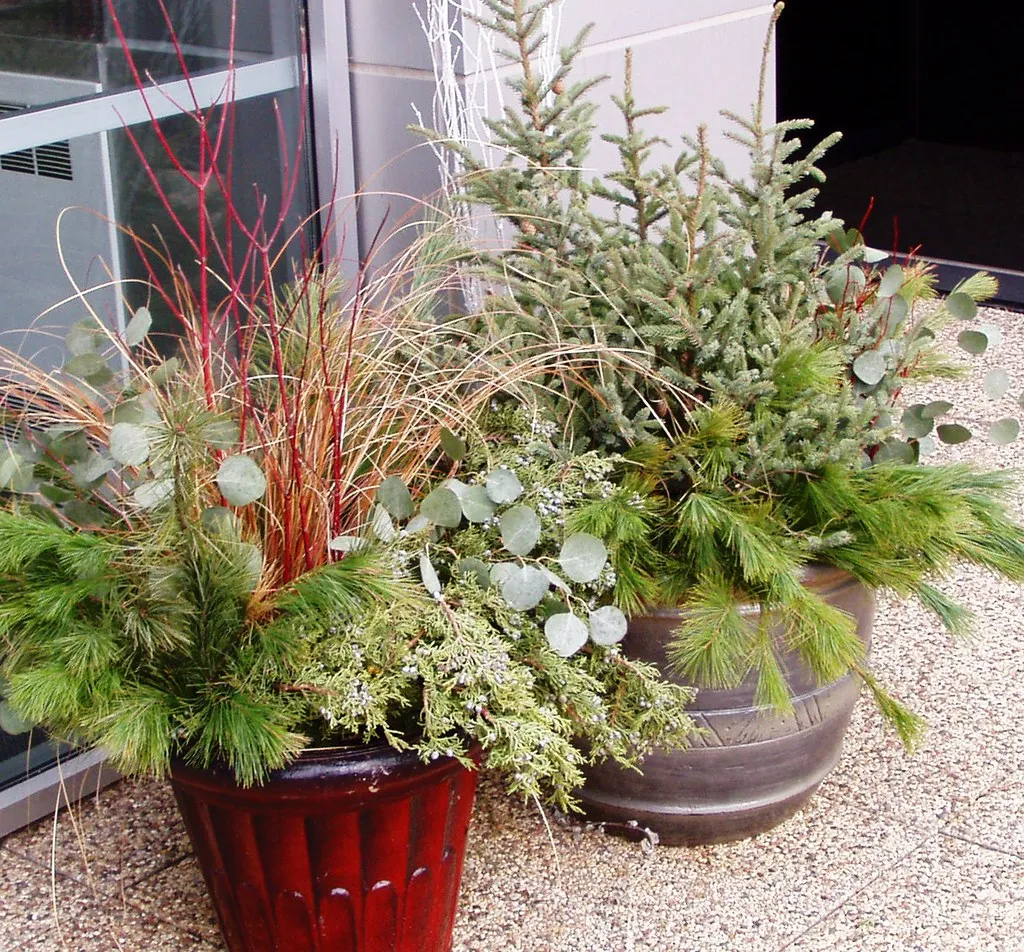
A good way to make sure plants’ containers don’t break or get damaged throughout the winter is to group small containers together and wrap them all with bubble wrap and burlap, then place a frost blanket over the top. Keeping these smaller plants together also makes it easier to cover them all at once.
Moving pots out of direct wind, clustering them together to share warmth, and wrapping the pots or even the plant itself if it is in an exposed location all contribute to winter survival.
Think of it as a small community: grouped pots lose heat more slowly than isolated ones, and when the bubble wrap is added on top of that clustering, you’ve created a meaningfully warmer micro-environment for roots.
When Bubble Wrap Alone Isn’t Enough
Bubble wrap will largely be ineffective as an insulator except marginally, acting only to change the speed of soil temperature changes with no effect on the actual low temperatures of the soil. Since it is exposure to killing low temperatures that ruptures cells and kills tissue, this type of insulation is ineffective for very severe freezes, as it does nothing to moderate potential low soil temperatures.
If the climate includes many sustained nights below freezing plus snow and ice, more protective measures need to be taken. The easiest method is to move the pots inside a non-freezing structure such as a garage, warmed greenhouse, basement, or shed.
Bubble wrap is a genuine tool, not a miracle. In zones with moderate winters, it’s often more than sufficient. In regions where the ground freezes solid for weeks on end, it buys time but doesn’t replace moving pots indoors altogether.
Pot Material Matters: Know What You’re Working With
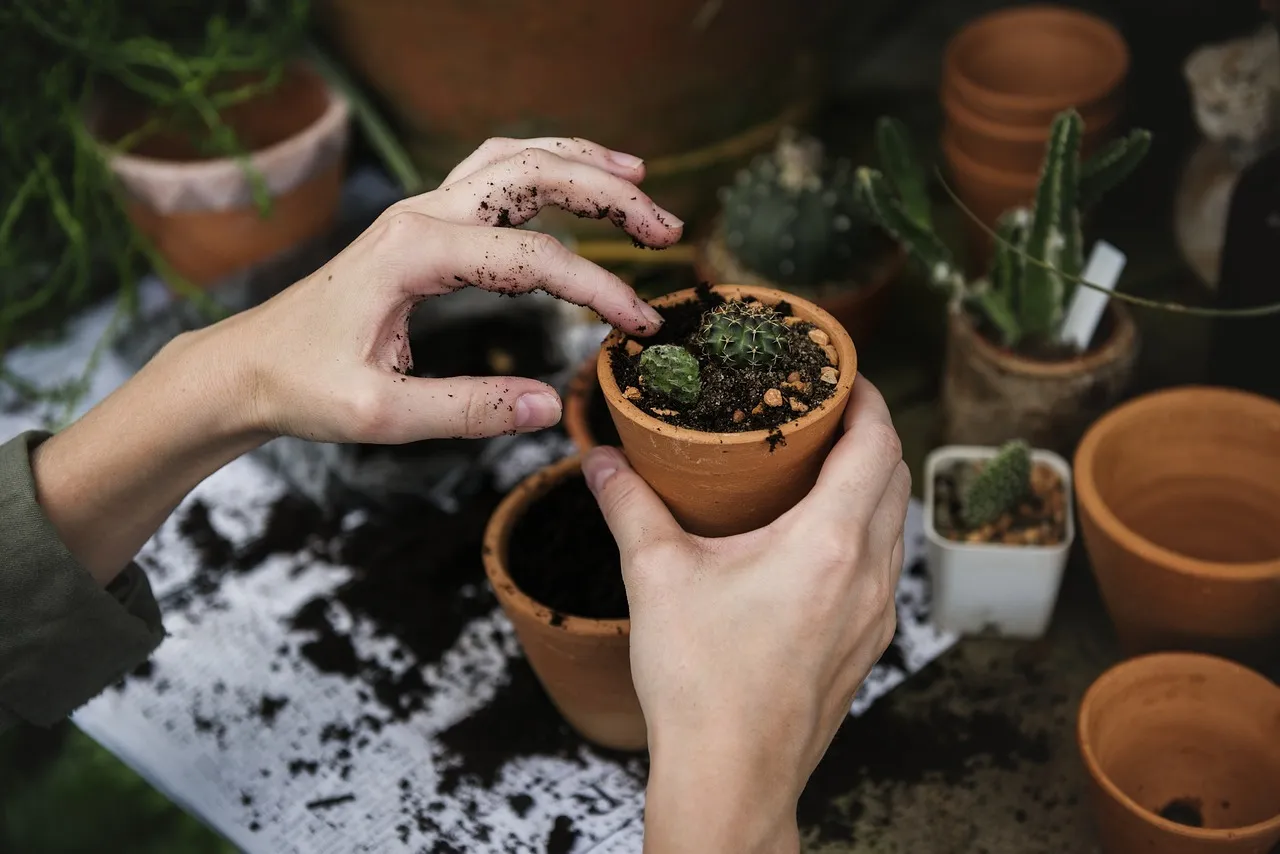
Sealing terracotta reduces water absorption by sixty to eighty percent, significantly improving freeze-thaw resistance. Unsealed pots absorb moisture freely, making them more vulnerable to damage.
If a pot is high-fired, the absorption rate is lower, and the risk of cracking in freezing weather is reduced. Lower-quality, low-fired terracotta behaves almost like a sponge and offers far less natural resistance to freeze-thaw stress.
While no container is entirely winter-proof, certain materials perform better in harsh climates. Fiberstone, thick resin, plastic composites, and reinforced concrete containers tend to survive winter with fewer issues. If investing in new pots, consider weather-resistant designs for anything that may remain outdoors.
Removing the Wrap Correctly in Spring
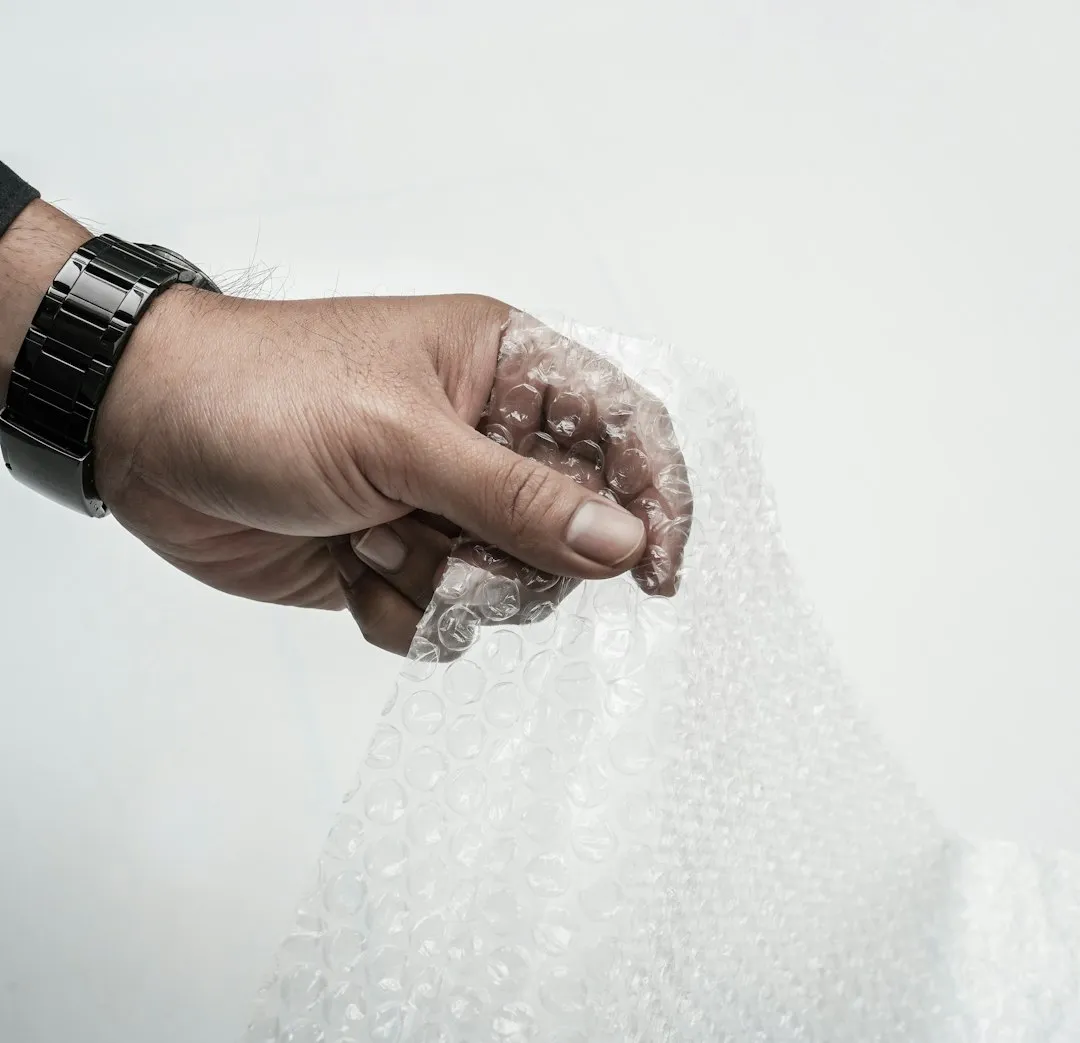
Taking the bubble wrap off matters almost as much as putting it on. Peel it away too suddenly on a warm March afternoon and you expose roots to a rapid temperature shift they aren’t prepared for.
When spring arrives, slowly peel off the layers of covering over several days. Be sure the threat of frost is past before removing the final wrap. Gradual exposure gives the pot and its roots time to recalibrate as temperatures begin to stabilize.
Bubble wrap comes in easy-to-handle rolls, can be stored, and reused year after year. One roll, used carefully and stored dry, can protect a patio full of pots across multiple winters without any additional cost.
A Small Habit That Protects a Real Investment
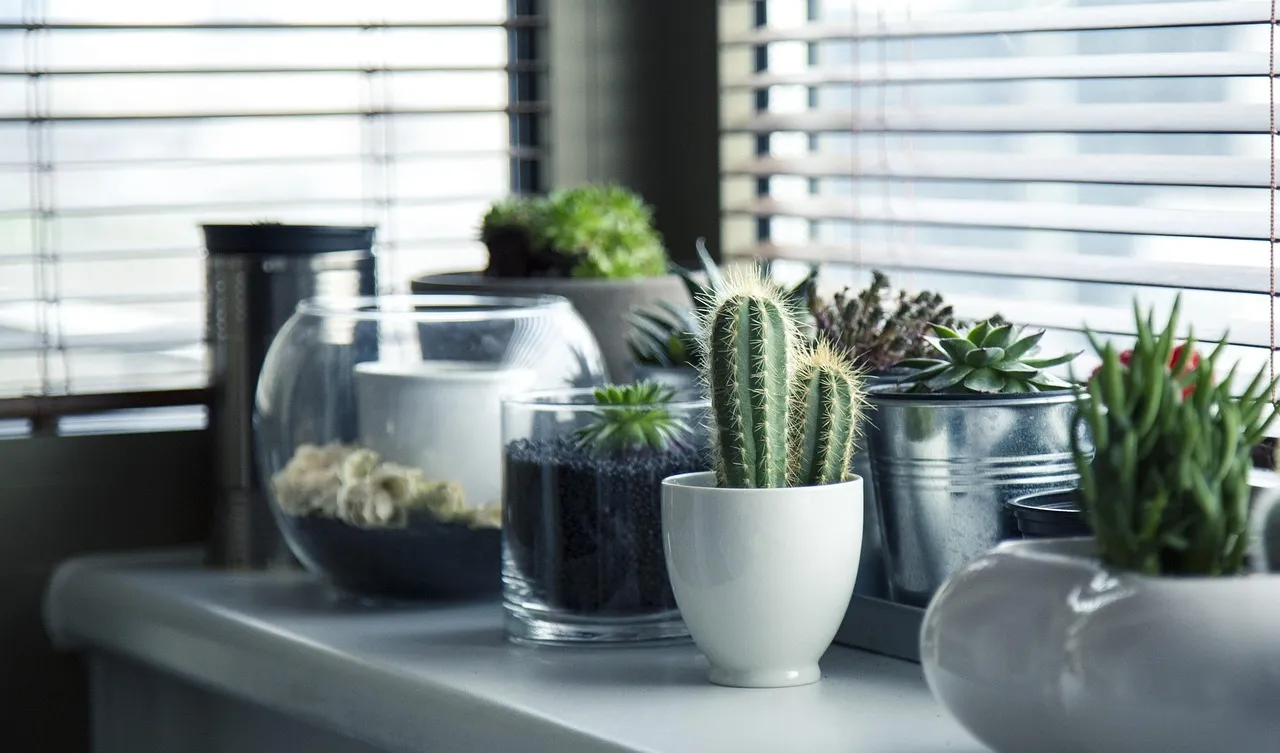
The containers we purchase as well as the plants we grow in them are an investment worth protecting, whether we use stylish ceramics and concrete, durable resin pots, or traditional terracotta. Some pot materials are more durable than others, but there are many ways to protect all types of containers from frost, ice, and snow so that they will last for many years to come.
When pots are protected, soil structure stays intact, drainage holes remain clear, and you avoid the frustration of replacing cracked containers. That last point carries real weight when you consider how expensive larger statement pots have become.
The bubble wrap trick won’t win a gardening prize for elegance. Cover it in burlap, tie it with twine, and honestly it looks fine. More importantly, come spring, your pots will still be whole – and that’s what actually matters.
AI Disclaimer: This article was created with the assistance of AI tools and reviewed by a human editor.