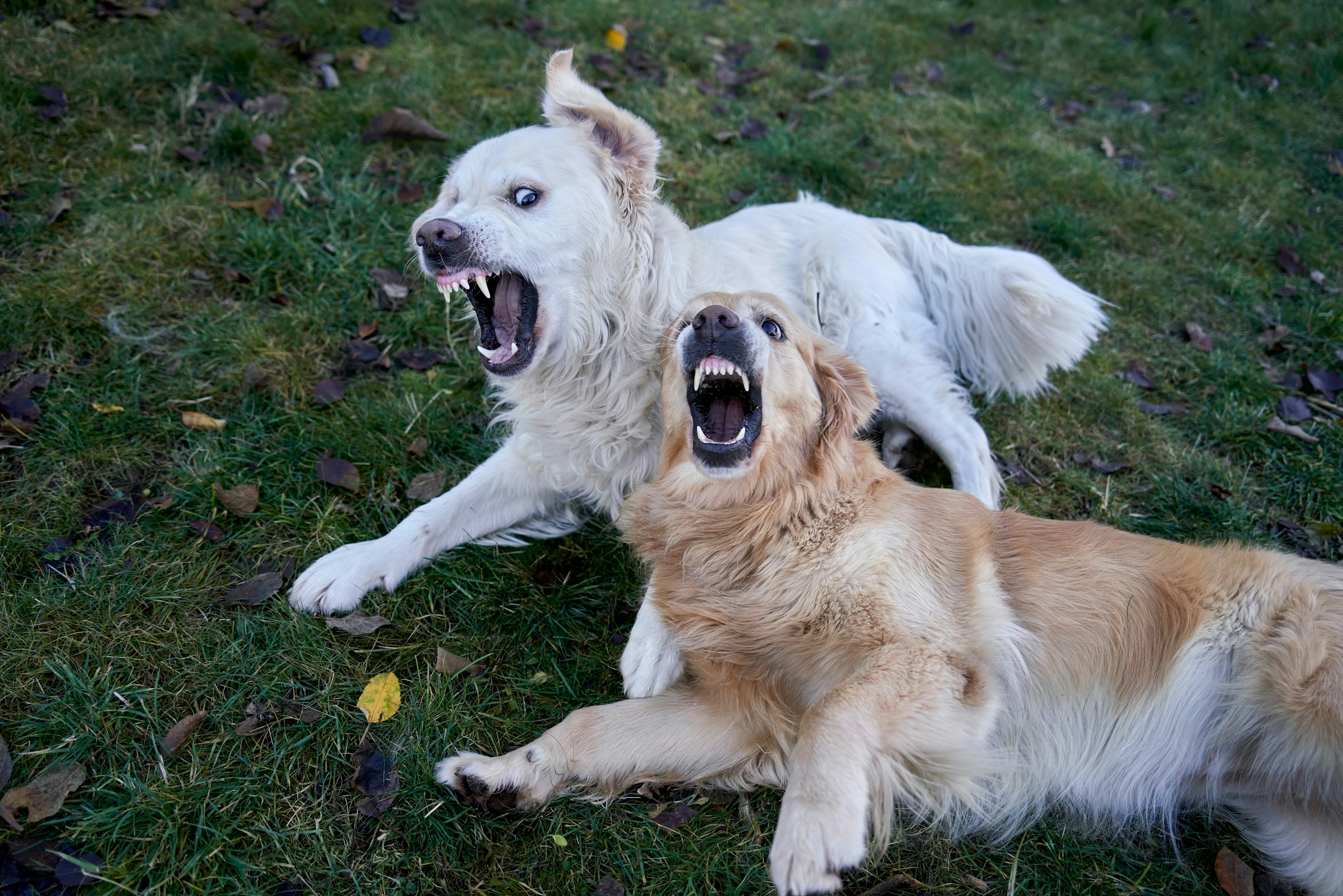

Most people believe they’d recognize a stressed dog. The growl, the bared teeth, the stiff posture. Those signals are hard to miss. What’s far more common, though, is that dogs communicate their discomfort long before any of that happens, through quiet, easy-to-overlook cues that get written off as tiredness, boredom, or nothing at all.
Strong reactions in dogs rarely appear out of nowhere. They usually build up over time when earlier signs of discomfort or pressure are overlooked. Learning to read those earlier signs isn’t just useful. It can genuinely change the relationship you have with your dog.
The Language Nobody Taught You to Read
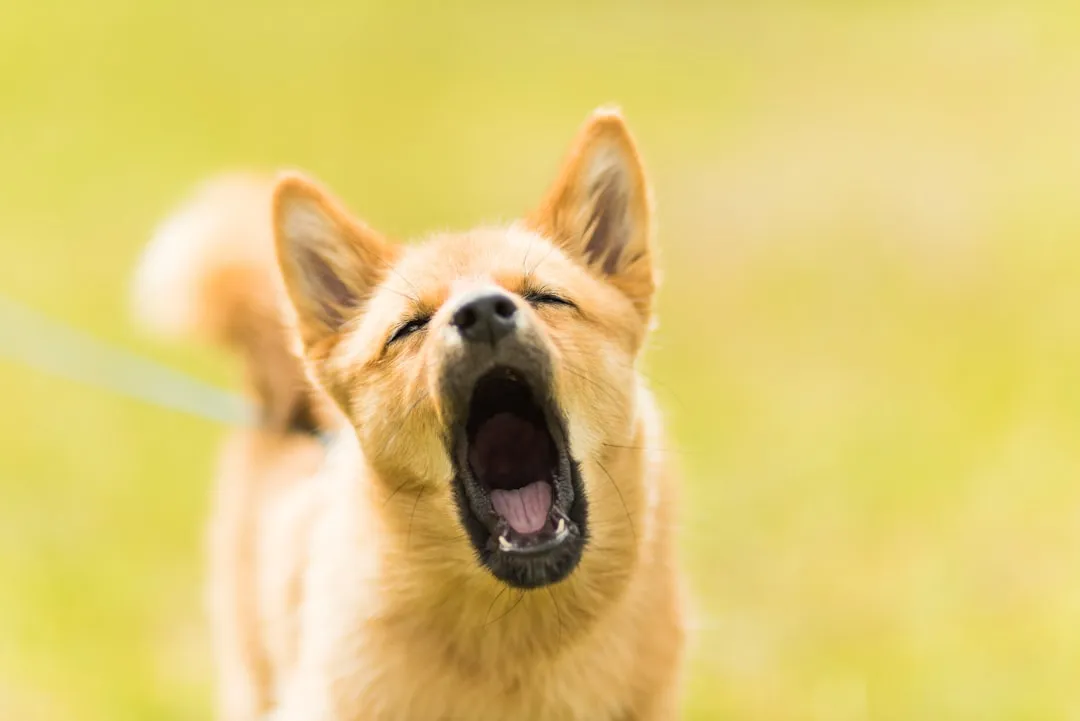
Dogs use a complex system of visual signals to communicate their emotional state, and many of these signals are designed to prevent conflict and reduce tension. These are called “calming signals” or “displacement behaviors,” subtle cues that indicate a dog is feeling uncomfortable, anxious, or stressed. Unfortunately, because these signals are so understated, they’re frequently overlooked or misinterpreted by even the most devoted dog owners.
The term “calming signals” was conceived by Norwegian dog trainer and canine ethologist Turid Rugaas to describe the patterns of behavior used by dogs when interacting with each other in environments that cause heightened stress and when conveying their desires or intentions. These aren’t quirky habits. They are a structured communication system with real emotional weight behind each gesture.
The Quick Lip Lick That Most Owners Miss
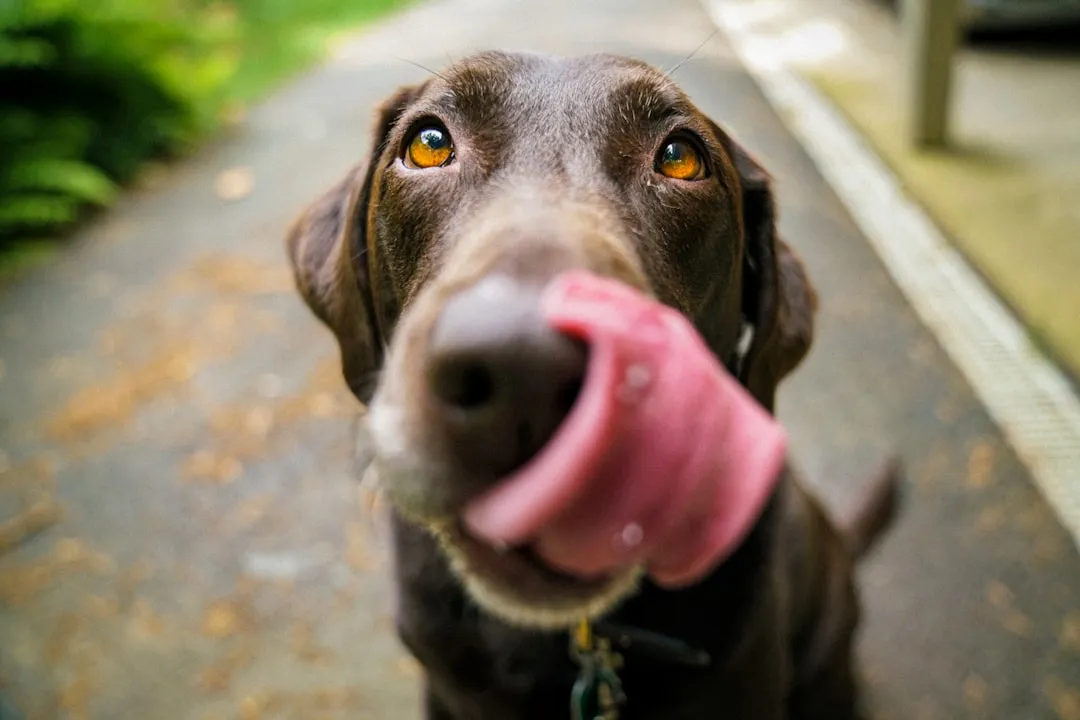
Lip licking is one of the most frequent stress signals dogs display, and it’s often misinterpreted as the dog simply being hungry or licking food residue from their mouth. What it looks like is a quick tongue flick that licks the nose or lips, often so fast you might miss it if you’re not paying attention. This is different from the slower, more deliberate licking after eating or drinking.
This behavior is a calming signal that dogs use to self-soothe when they’re feeling anxious or to communicate peaceful intentions to others. Dogs will often lick their lips during or after, or at the peak of, a stressful experience. If you notice it in a neutral setting, pay attention to what just changed around your dog.
Yawning When There’s Nothing to Be Tired About
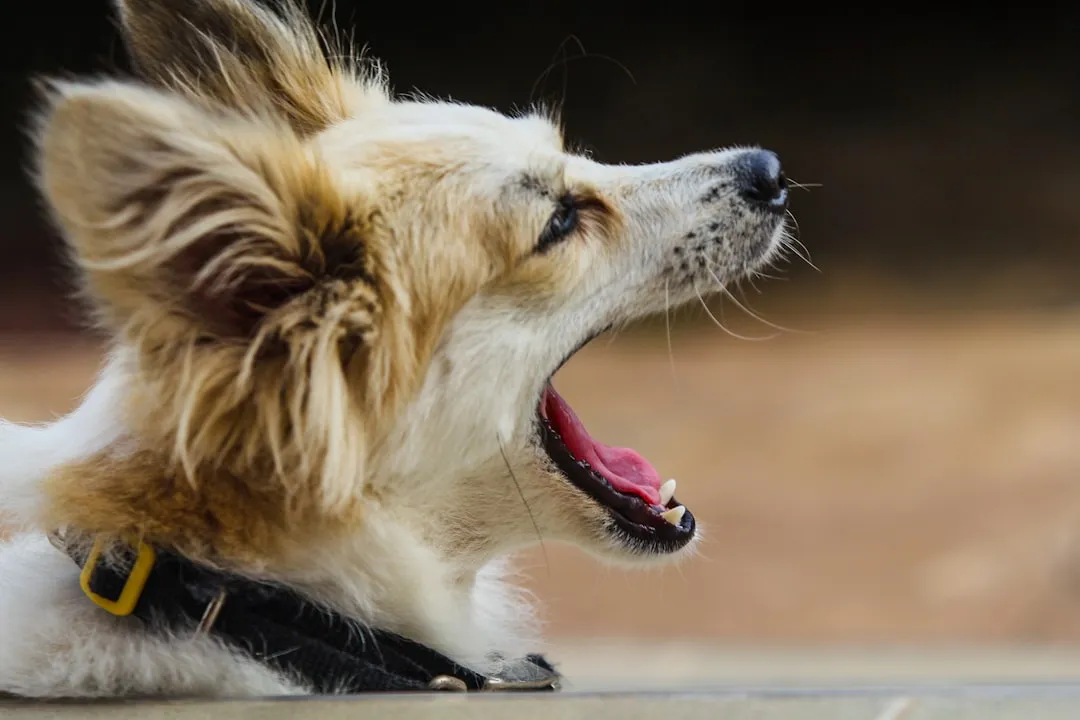
When a dog is stressed or anxious, it exhibits specific body language cues such as yawning without being tired, lip licking, turning away, tucked ears, and whale eyes. The context matters enormously here. A yawn during a lazy Sunday morning is probably just sleepiness. A yawn when you’re putting on their harness for a vet visit is likely stress.
After aversive training, dogs show increased saliva cortisol and a higher frequency of lips licking, yawning, and body shaking in comparison to dogs that experienced positive training sessions. That link between yawning and measurable cortisol changes gives this signal real physiological credibility, not just anecdotal weight.
Whale Eye: The Signal Hiding in Plain Sight
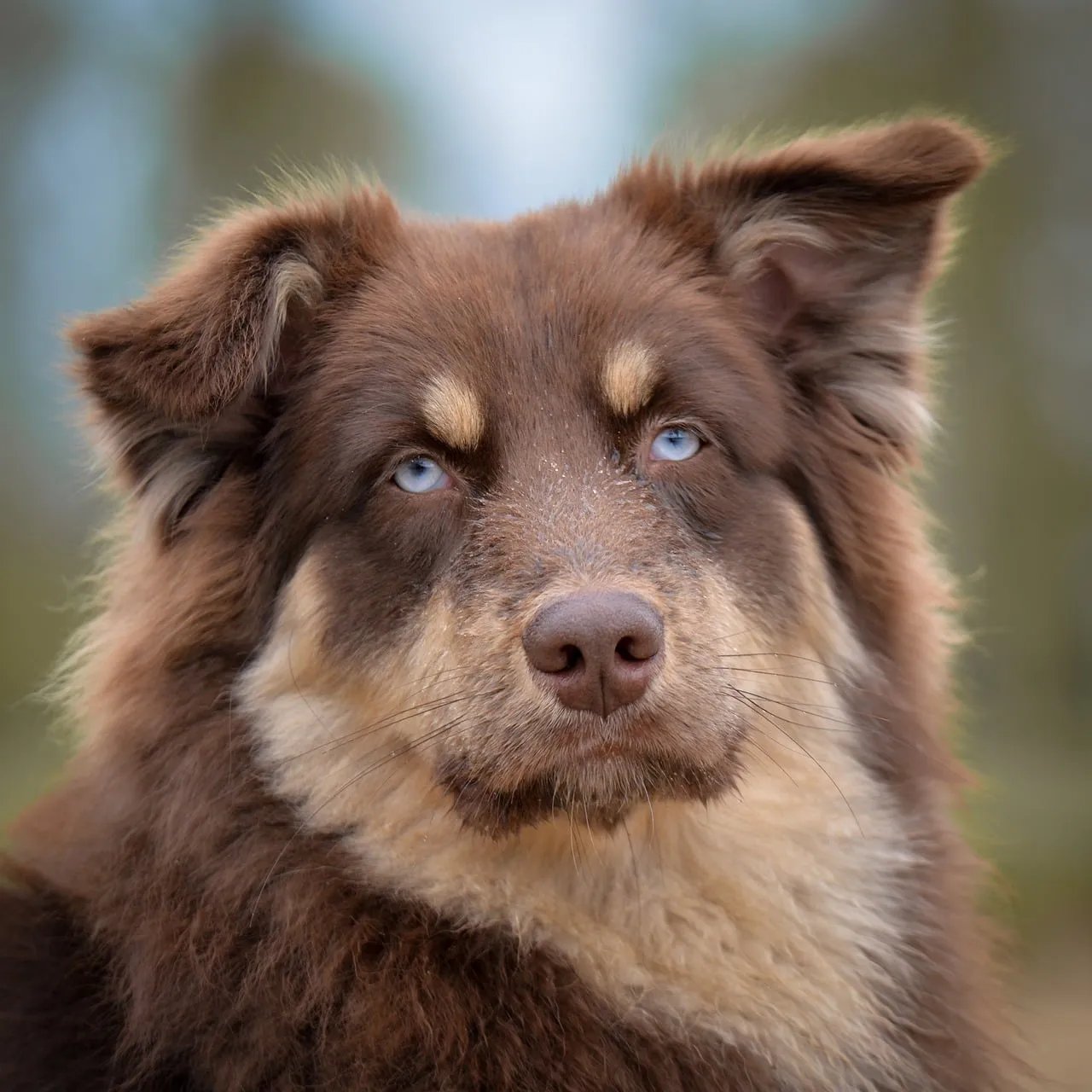
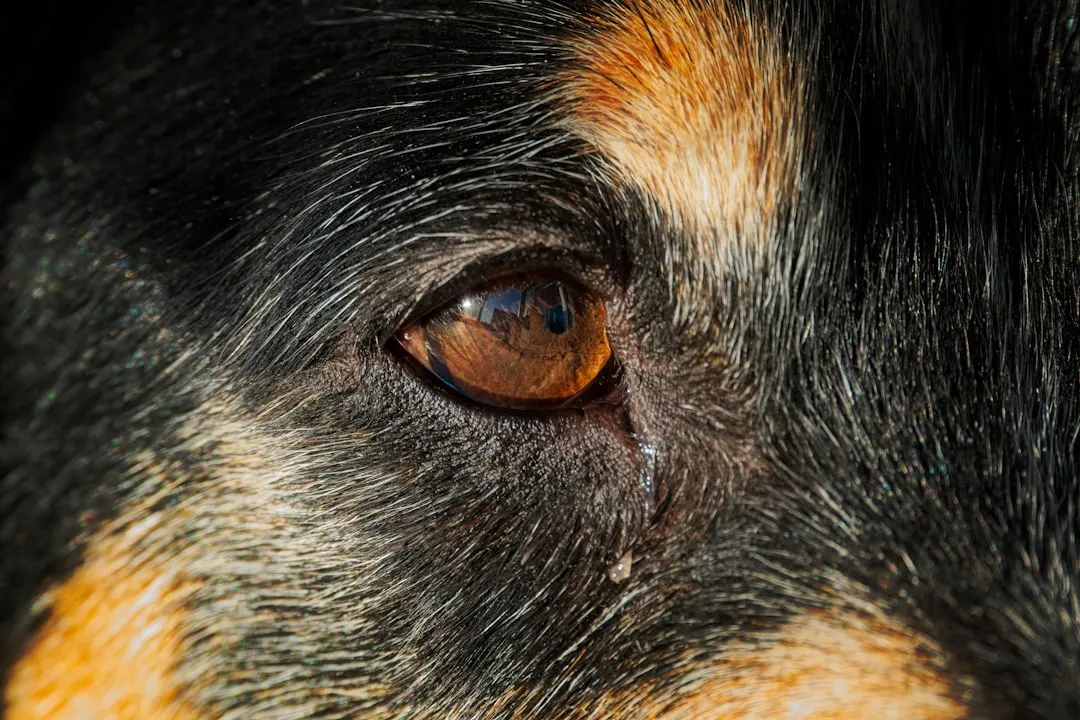
Whale eye is a term for when a dog turns its head away from something but keeps looking at it, revealing a crescent of white (the sclera) at the inner or outer corner of the eye. It’s one of the most reliable visual cues that a dog is feeling stressed, anxious, or uncomfortable. Sometimes called “half-moon eyes,” this look signals that something in the environment is bothering the dog.
A study in the Journal of Veterinary Behavior investigated how well dog owners recognize their dogs’ stress signals. Classic stress signals such as yawning, lip smacking, and lip licking were frequently recognized by owners, but whale eye and other subtle ocular signals were correctly interpreted significantly less often. Failure to recognize these signals leads to a lack of intervention, which accelerates the escalation chain.
Sniffing the Ground When There’s Nothing There
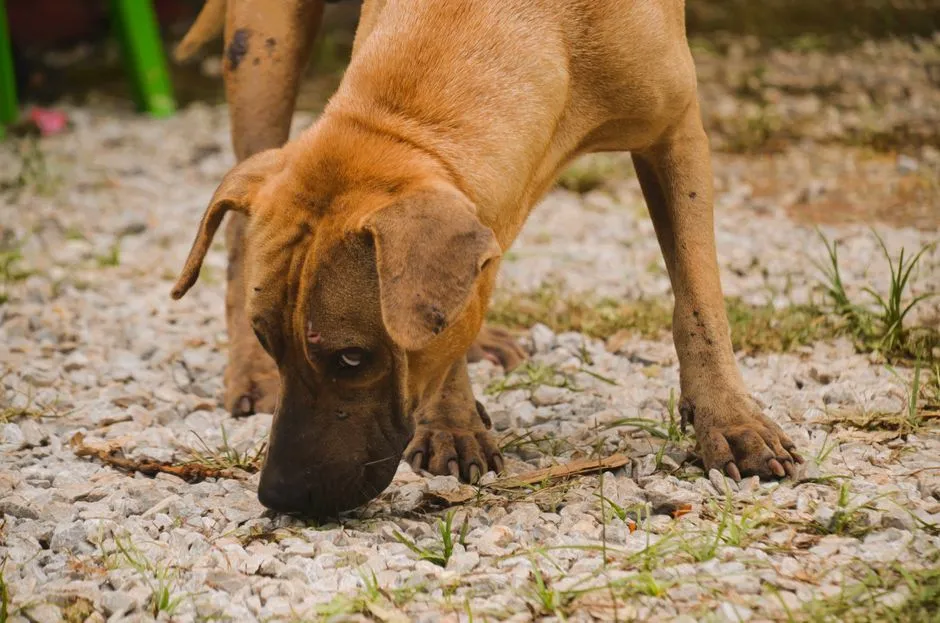
Displacement behaviors include normal behaviors displayed out of context, such as intently sniffing the ground, sneezing, yawning, lip licking, paw raise, and shaking off as if wet. A dog who suddenly becomes fascinated with the pavement in the middle of a tense greeting isn’t ignoring you. They’re trying to lower the temperature of the situation.
Displacement behaviors of “looking away” and “sniffing the environment” occurred more in frustration-evoking situations compared to positive anticipation and were correlated with cortisol concentrations. This is one of the few behavioral stress markers that has a documented link to measurable physiological change, making it worth taking seriously.
The Freeze That Comes Before a Snap
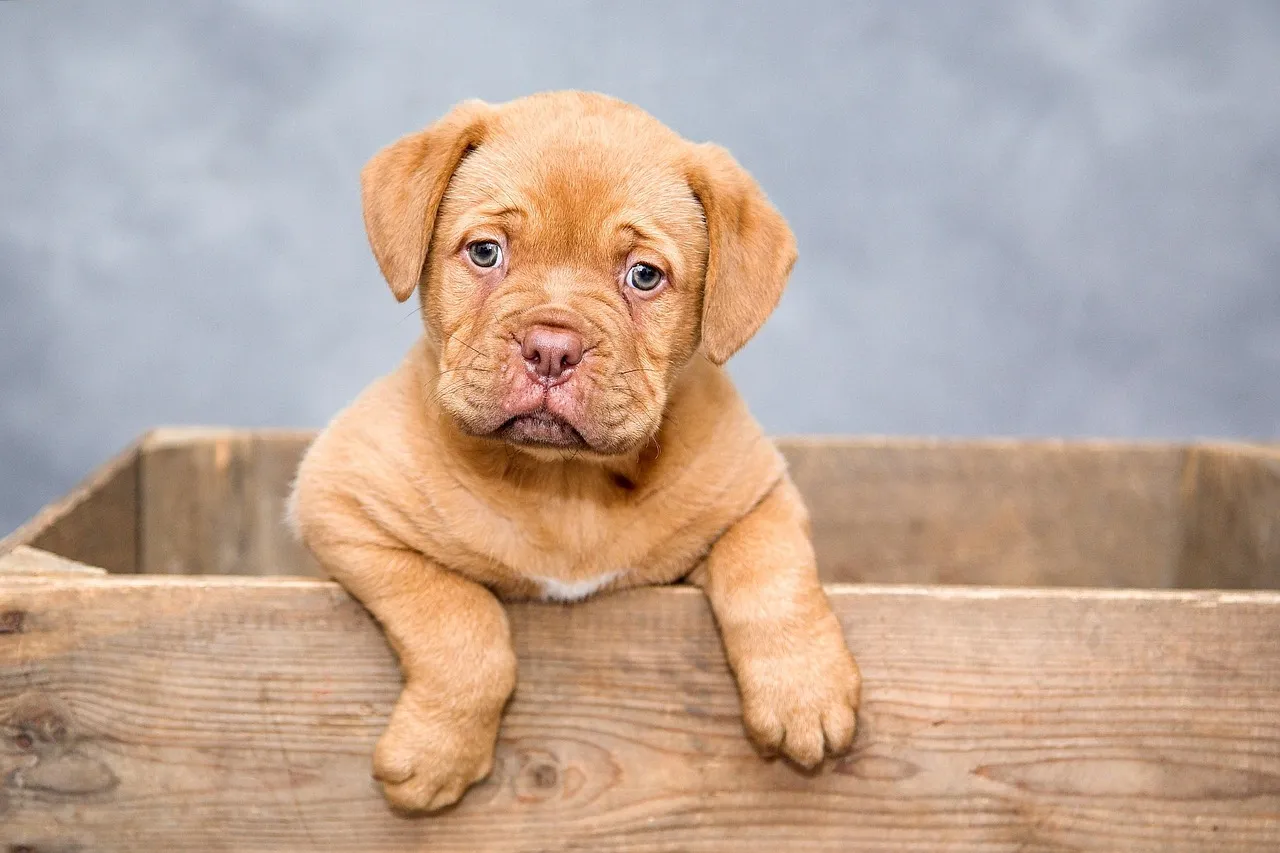
A tense dog appears stiff or frozen. Freezing is a serious dog behavior warning sign because it often comes before fear or aggression. Watching posture closely helps you react early. Many people interpret a motionless dog as a calm one, but stillness without relaxation is its own kind of alarm bell.
Even if your dog is not moving, he may be shutting down. Don’t mistake the absence of movement as proof that he is okay. A truly relaxed dog looks loose and fluid. A frozen dog is bracing, not resting.
Turning Away and Averting the Gaze
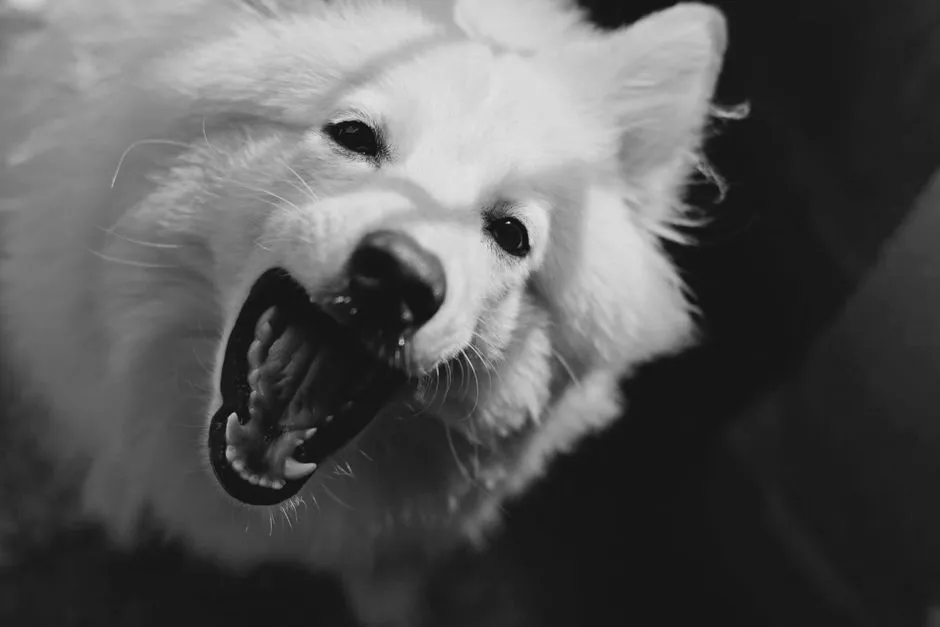
Communication plays a key role in avoiding overt aggression. The “ladder of aggression” describes least overt calming signals through to overt aggression, which may escalate in intensity and threat if initial signals are ignored. Calming signals or appeasement behaviors recognized as indicators of stress include turning head away, blinking, lip/nose licking, freezing, play-bow, yawning, and others.
Humans can also use similar calming signals like averting eye contact, turning away, and sitting when interacting with unfamiliar dogs to help them feel less stressed. Calming signals are important for greeting dogs, preventing conflicts, and building strong relationships between humans and dogs. The exchange, when recognized, goes both ways.
Piloerection: More Than Just Hackles
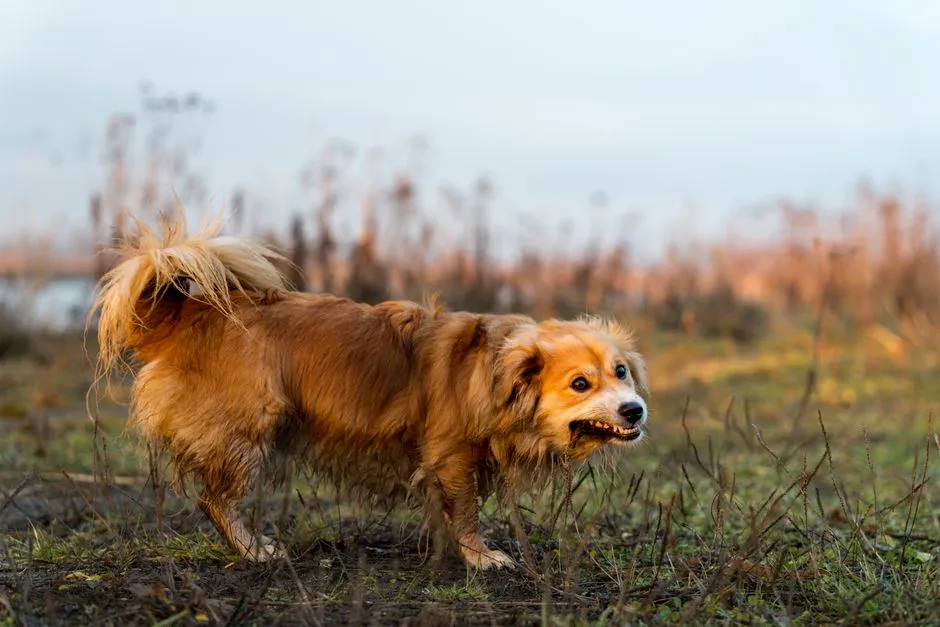
Much like your own goosebumps, the hair along a dog’s back can rise when they are upset or aroused. This is also known as piloerection or raised hackles, and it can occur across the shoulders, down the spine, and above the tail. Hackles don’t always indicate aggression, but they are an indicator that the dog is excited or aroused.
Behavioral changes provide visible evidence of physiological responses to challenges. The fight-or-flight response manifests in observable canine behaviors including activity level changes, facial and postural adjustments such as changes to the eyes, mouth, and ears. In addition, vocalizations and subtle indicators like lip licking, panting, yawning, and shake-offs can occur. Piloerection is the body announcing what the brain has already decided.
Clusters of Signals: When One Isn’t Enough
A stressed dog at a dog park might show whale eye, ears back, lip licking, tail slightly lowered, and body leaning away all at once. This cluster clearly communicates deep discomfort. The intensity and number of stress signals correlate with the level of stress the dog is experiencing, with more signals and more pronounced displays indicating higher anxiety.
When a dog is genuinely stressed, you’ll typically see a cluster of other signals alongside whale eye: body stiffness or freezing, pinned or tucked ears, tucked tail, lip licking or yawning as self-soothing gestures, and active avoidance. A whale eye paired with a stiff body and a freeze is a much more urgent signal than a whale eye paired with a wagging tail and a play bow.
What Happens When the Signals Get Ignored
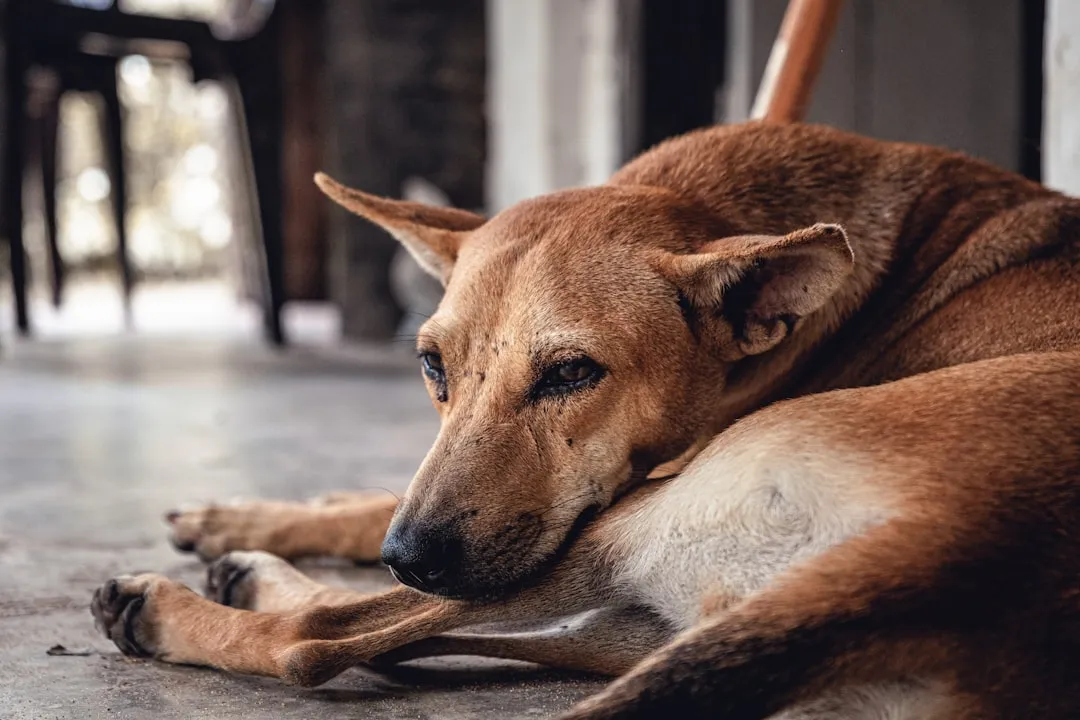
Aggressive behaviors in dogs are usually a last resort, and dogs rarely become aggressive without warning. However, mild signs of stress can be subtle and easy to miss. Learning these early warning signs can prevent dog stress from escalating to aggression.
Dogs don’t typically jump straight to aggressive behavior. Research from Today’s Veterinary Practice shows that stress-induced aggression usually develops gradually, with multiple warning signs along the way. Veterinary behaviorists emphasize that suppressing warning signals can lead to unpredictable future responses. Punishing a growl, for instance, doesn’t remove the stress. It removes the warning.
How to Respond When You Spot These Signals
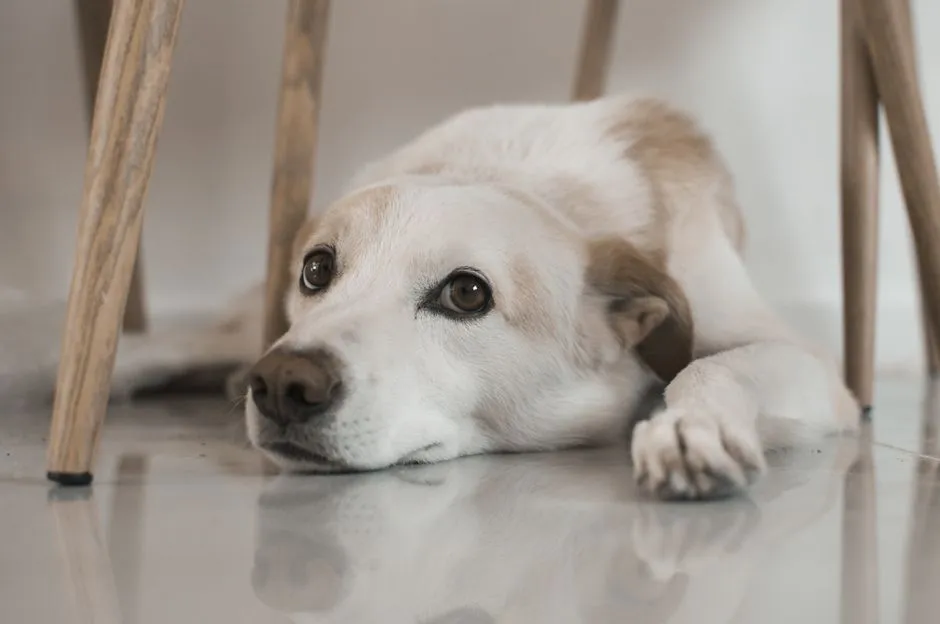
When you can identify early signs of stress, you can remove your dog from uncomfortable situations before their anxiety escalates into more serious behavioral issues like aggression or fear-based reactions. The goal isn’t to eliminate all challenge from a dog’s life. It’s to make sure the challenge never outpaces the dog’s ability to cope.
For ongoing stressors like during fireworks, dogs may need anywhere from eight hours to multiple days to recover. That’s why a proactive approach, whether that’s providing a safe space, avoiding known stressors, or seeking help from a vet, can make all the difference in helping your dog feel calm, confident, and happy. When your dog starts yawning, sniffing the floor, or moving away mid-session, they are not being stubborn, they are at capacity. Shorter, more frequent sessions are almost always more productive than long ones that push past this threshold.
The Takeaway
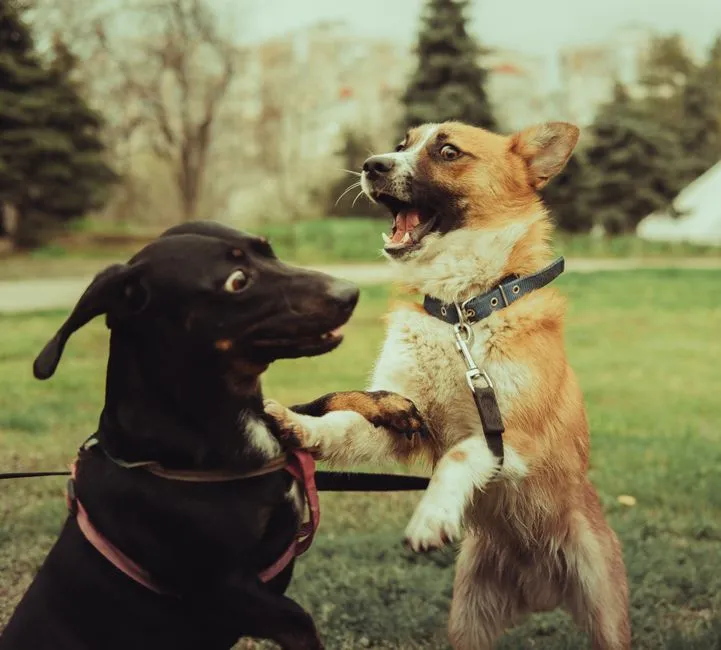
Dogs are not difficult to read. They’re just easy to misread. The signals covered here, from a quick lip lick to a sudden freeze, are real, documented, and well-studied. Research has shown that dogs display specific facial and body movements when experiencing stress, and these signals are consistent across breeds and contexts. Studies using the Dog Facial Action Coding System (DogFACS) have identified distinct muscle movements associated with different emotional states, allowing researchers to objectively measure canine stress responses.
The more fluent you become in your dog’s quiet language, the less likely either of you will ever find yourselves at a breaking point. Your dog is always talking to you through their body language. The subtle stress signals are not signs of misbehavior or disobedience. They’re polite, peaceful communications that say, “I need help; I’m feeling overwhelmed.” That kind of honesty deserves to be heard.
AI Disclaimer: This article was created with the assistance of AI tools and reviewed by a human editor.