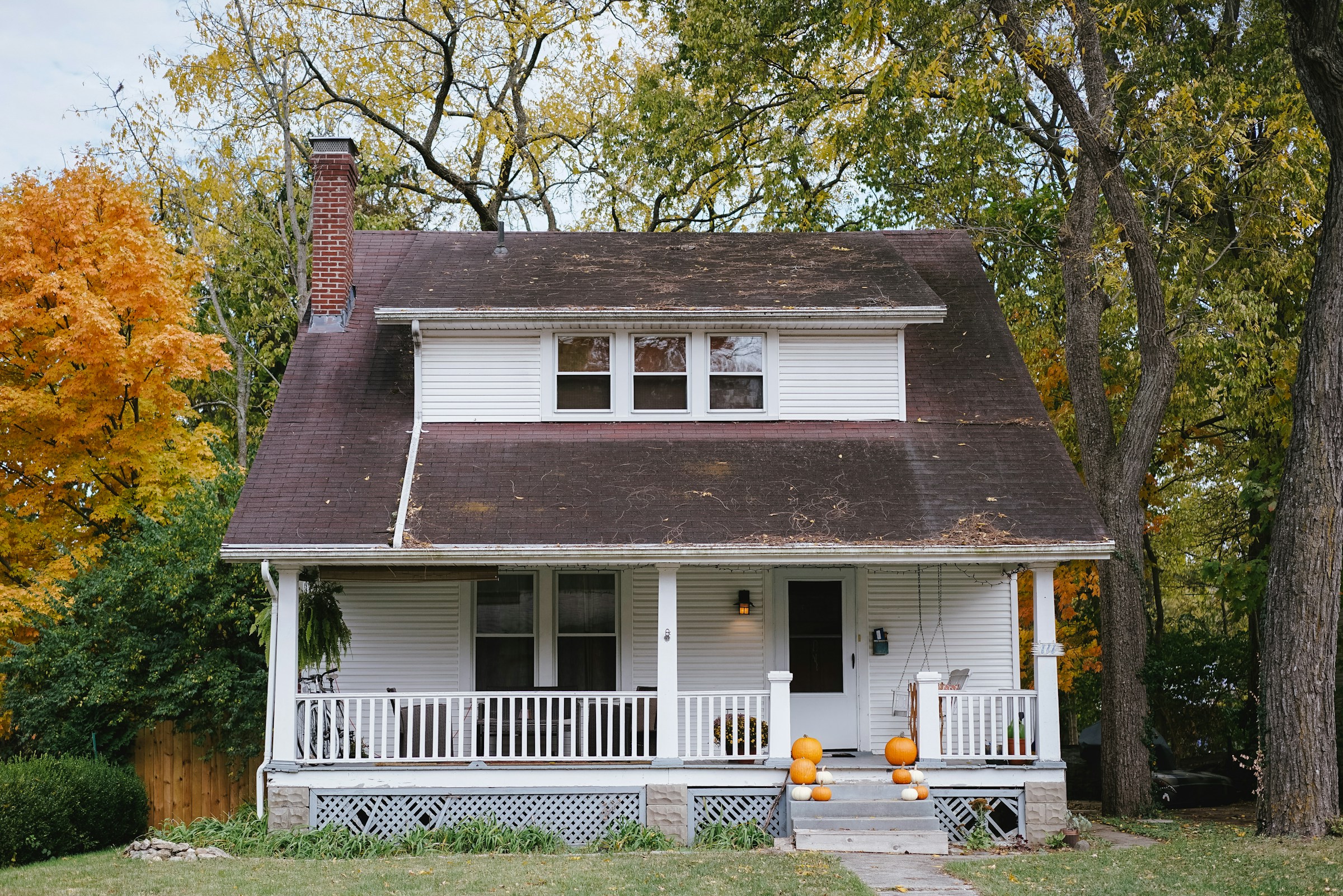

Most homeowners can rattle off a mental checklist of things to worry about, a leaky roof, an aging furnace, maybe a cracked foundation. Few ever think about something rising up from the ground beneath their feet, seeping through basement cracks without a single sign it’s there. It doesn’t smell like anything. It doesn’t discolor walls or trigger a smoke detector. Yet health agencies have spent decades trying to get people to pay attention to it, with only modest success.
A Gas You’ll Never Notice
Radon is a naturally occurring radioactive gas that forms when uranium breaks down in soil, rock, and groundwater. Radon can build up in the air in any home or building whether it has a basement, is sealed or drafty, or is new or old, and there is no known safe level of radon. It has no color, no odor, and no taste, so unlike a gas leak or mold problem, there’s nothing for your senses to pick up on. That’s exactly why so many people go years, sometimes decades, without ever thinking to check for it.
Why It Slips Past Everyone’s Radar
People tend to worry about hazards they can perceive in some way, a musty smell, a visible stain, a strange sound. Radon offers none of those cues, which is part of why it consistently ranks as one of the most under-tested risks in residential health. When you breathe in radon, radioactive particles from the decay of radon gas can get trapped in your lungs, and it takes many years for lung cancer to develop, with most people not having symptoms until the disease is advanced and harder to treat.
The gap between exposure and any visible consequence is exactly what makes this hazard so easy to dismiss.
The Numbers Behind the Warning
Health authorities don’t take a soft stance on this one. Radon is the second leading cause of lung cancer deaths in the United States after cigarette smoke, and the EPA and the Surgeon General’s office estimate radon is responsible for more than 21,000 lung cancer deaths each year in the United States. To put that in perspective, that’s a bigger annual toll than several more commonly feared home hazards combined. Nearly 1 out of every 15 homes in the U.S. is estimated to have elevated radon levels. The problem isn’t rare. It’s just invisible.
How Radon Actually Gets Inside
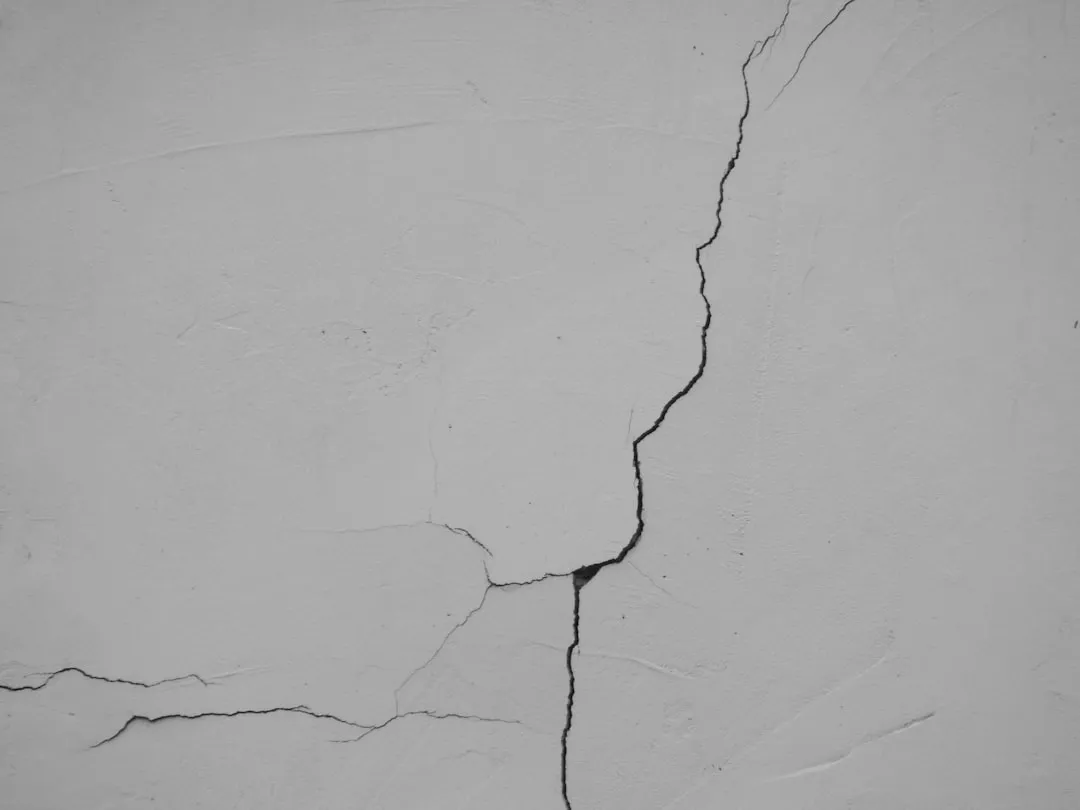
Radon doesn’t need an obvious entry point to become a household problem. Radon can get into homes or buildings through small cracks or holes. It typically moves up through the ground to the air above and into your home through cracks and other holes in the foundation, and your home traps radon inside, where it can build up. It can also enter through well water in some cases, though that’s a smaller contributor for most households. Once trapped indoors, concentrations can climb well beyond what you’d ever encounter outside.
No House Is Automatically Safe

A common assumption is that only old, drafty, or poorly built homes have a radon problem. That’s simply not accurate. Any home may have a radon problem, meaning new and old homes, well-sealed and drafty homes, and homes with or without basements. High radon levels have been found in every state. Even brand new construction with modern sealing techniques can register elevated readings if it sits on the wrong geology.
Smokers Face a Compounded Risk

Radon exposure is dangerous on its own, but it becomes far more dangerous when combined with tobacco use. The effects of radon and cigarette smoking are synergistic, so that smokers are at higher risk from radon. This means a smoker living in a home with elevated radon isn’t facing two separate risks that simply add together, the two factors amplify each other. For households with a smoker, testing and fixing radon issues carries even more urgency than the general recommendation already suggests.
Testing Is the Only Real Answer
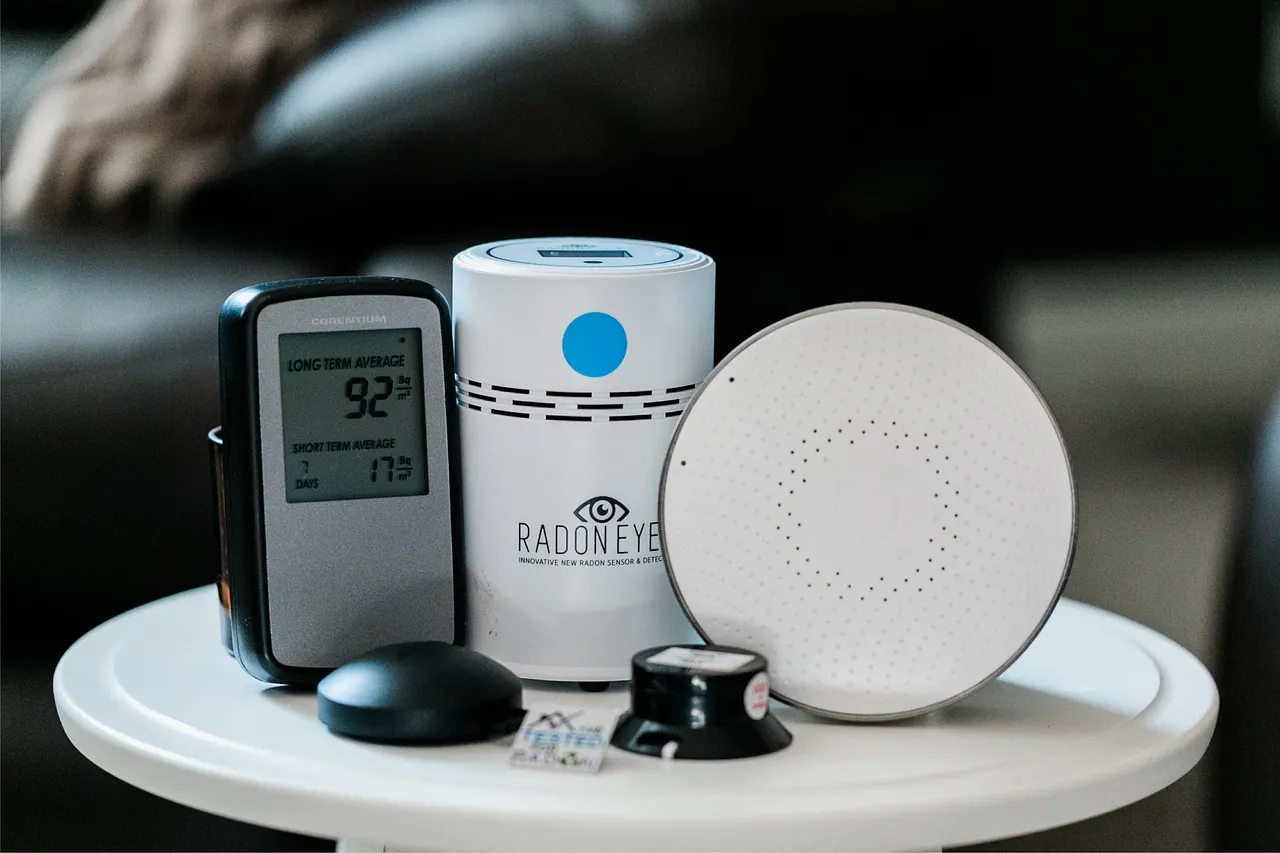
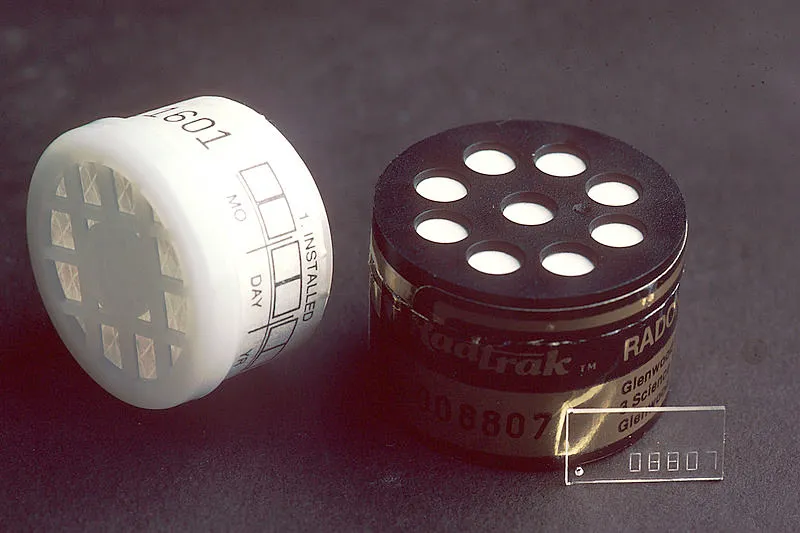
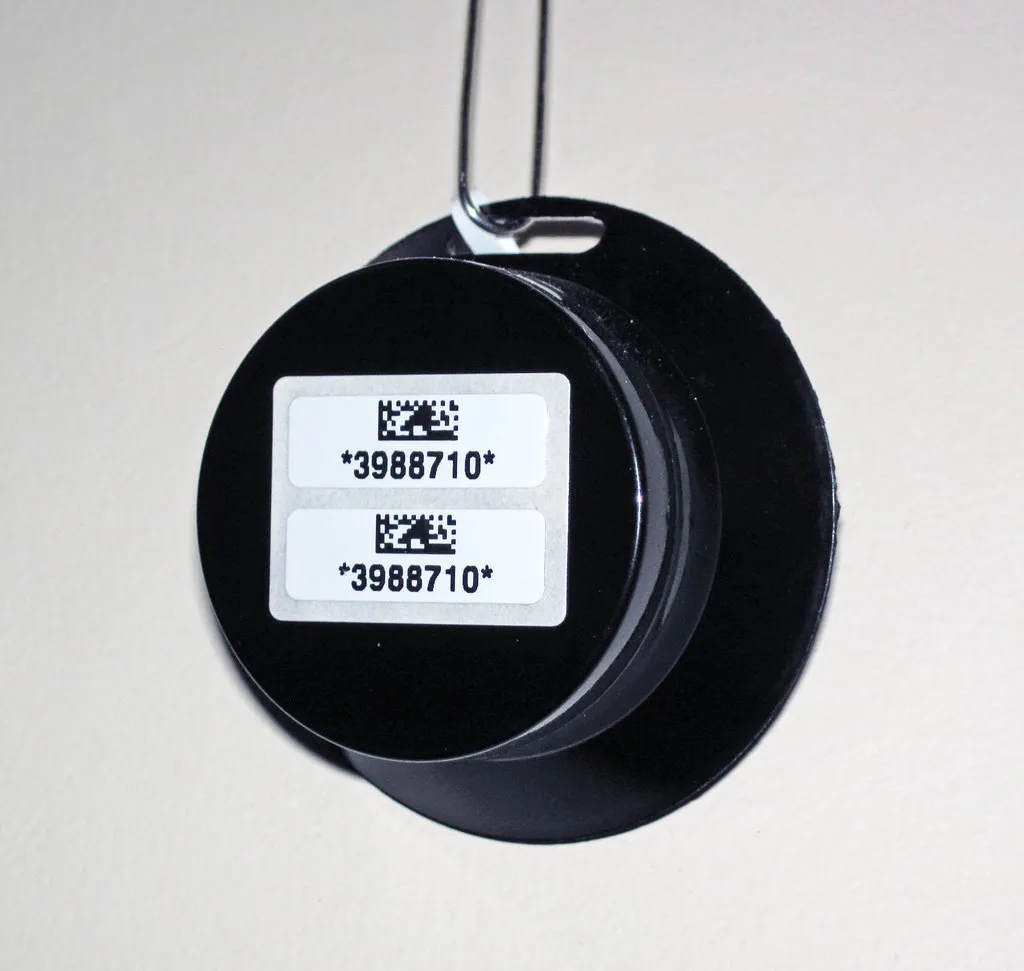
There’s no shortcut around this one. The only way to know if you have unsafe levels of radon in your home or office is by testing, and you can contact your state radon office for testing or purchase a test kit in a hardware store or online. You can test your home yourself or hire a qualified radon test company. Testing for radon is simple and inexpensive. Given how low the cost is compared to the potential health stakes, it’s one of the more affordable precautions a homeowner can take.
Buying or Selling? Radon Belongs on the Checklist
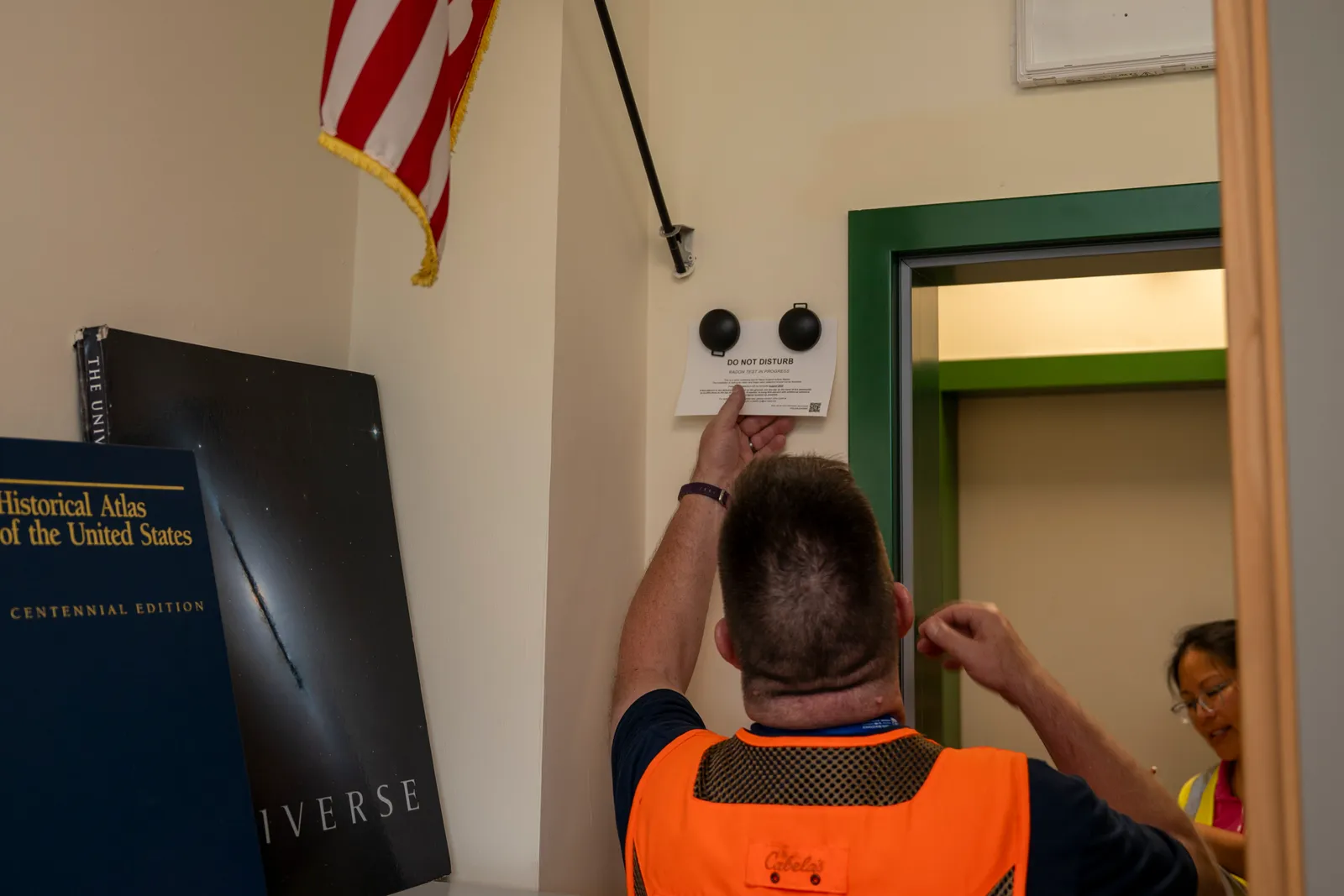
Real estate transactions move fast, and radon testing often gets overlooked amid inspections, financing, and closing deadlines. If you are considering buying a home, the EPA recommends that you have it tested for radon, because radon levels vary from home to home, making it critical to measure the level in a potential home rather than rely on neighborhood test results.
Some states go further, requiring sellers to disclose known radon issues before a sale closes. Skipping this step can mean inheriting a health risk that the previous owners never bothered to check for, or worse, already knew about.
Fixing a Radon Problem Isn’t as Hard as It Sounds
Discovering elevated radon levels doesn’t mean a home is unlivable or unsellable. If your home is found to have elevated levels of radon, hiring a professional trained to mitigate radon problems allows a qualified contractor to study the issue and help pick the right reduction system.
Some radon reduction systems can reduce radon levels by up to 99%, and even buildings with very high levels of radon can be reduced to acceptable levels below 4 pCi/L with proper reduction systems. Most systems involve a vent pipe and a fan that pulls gas from beneath the foundation and releases it safely outdoors, a fairly standard piece of home infrastructure once installed.
Not Every Test Kit Tells the Truth
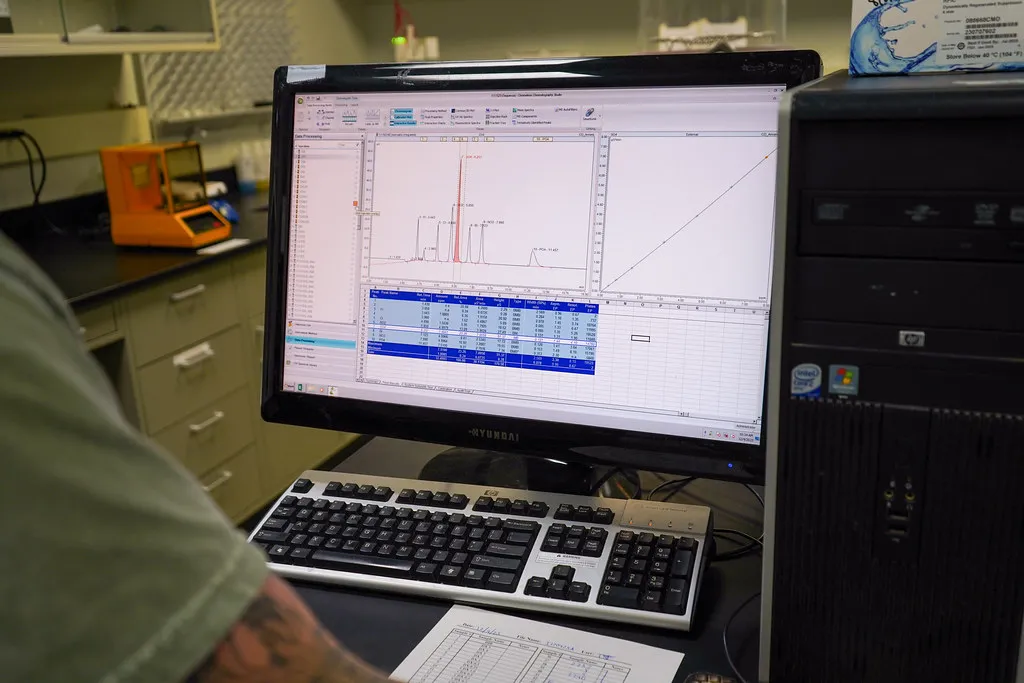
Even for people who do decide to test, the equipment itself has come under scrutiny.
Canadian regulators and radon safety experts have recently flagged that anyone hoping to check their home’s radon level can now pick from dozens of different radon monitors sold online or in stores, but experts warn many of those devices don’t actually work, with some homeowners installing faulty monitors only to find out later they aren’t approved or certified. Misleading readings can discourage homeowners from taking steps to reduce household radon, an invisible, radioactive gas that can cause lung cancer through long-term exposure.
The lesson is straightforward: a cheap or uncertified device that gives you a falsely reassuring number can be worse than not testing at all, since it creates a false sense of security. Choosing a certified kit or a licensed professional isn’t just a formality, it’s the difference between actually knowing your risk and simply guessing.
A Problem Worth Taking Seriously, Not Fearing
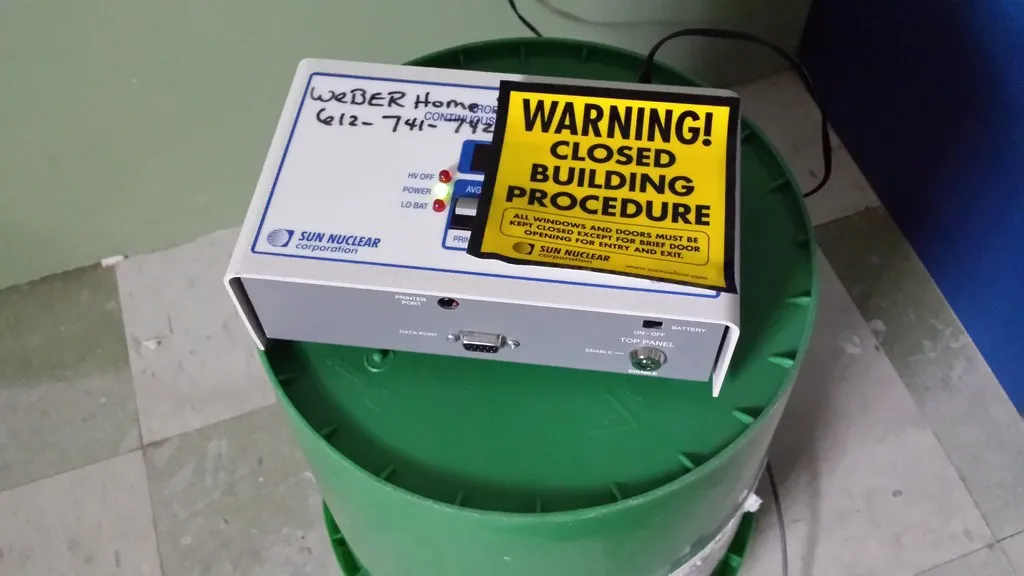
Radon isn’t a hazard that demands panic, but it does demand attention, which is precisely the combination that makes it so easy to put off. The science is well established, the testing is inexpensive, and the fixes are proven to work when levels turn out to be high. What’s missing for most households isn’t information, it’s simply the habit of checking. A test kit costs less than a dinner out, and for a gas tied to tens of thousands of preventable lung cancer deaths each year, that’s a fairly small price for peace of mind.
AI Disclaimer: This article was created with the assistance of AI tools and reviewed by a human editor.