
They Freeze and Refuse to Move
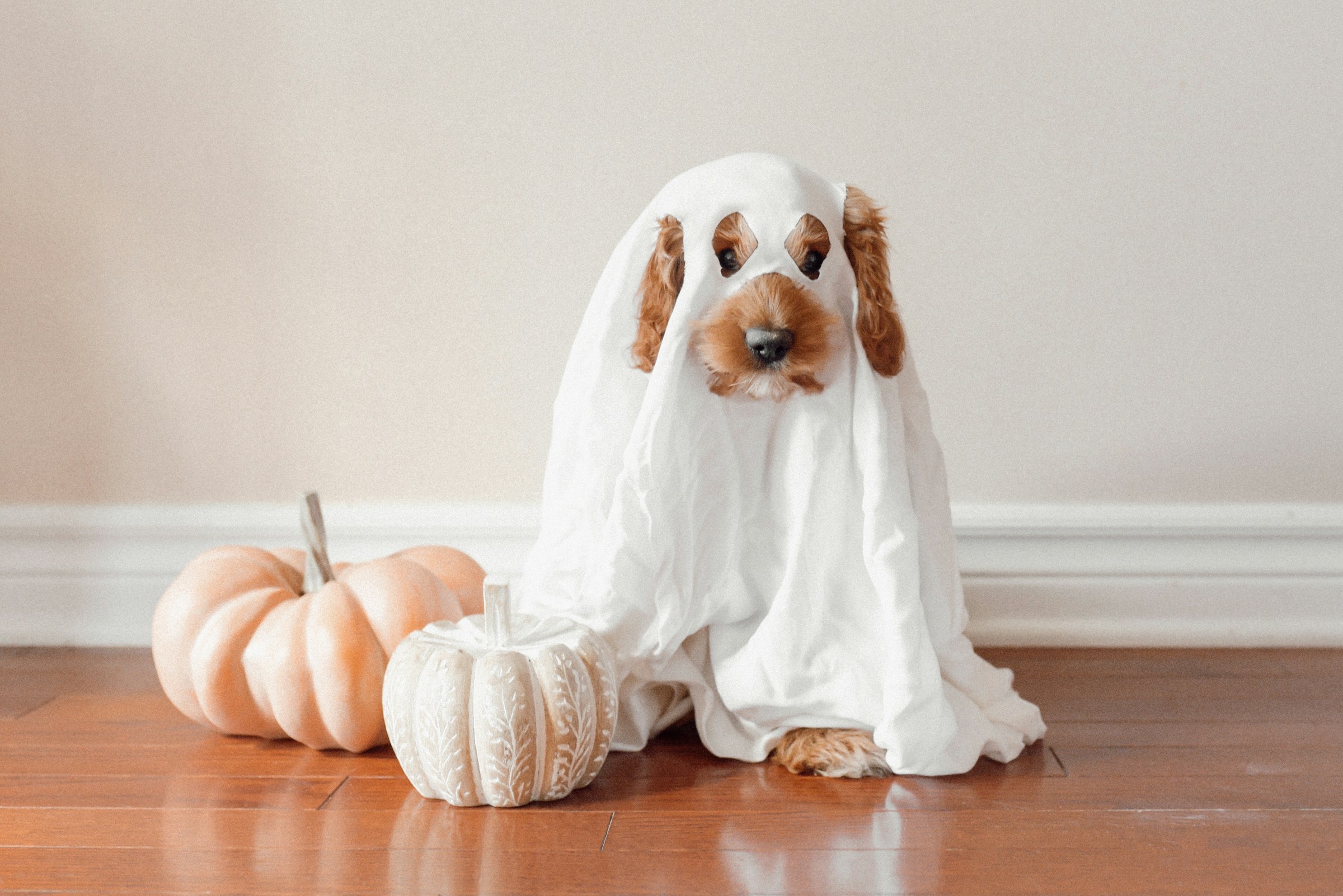
You’ve probably seen the videos: costume goes on, dog turns into a statue. It looks funny to us. To the dog, it’s anything but. Freezing can signal discomfort or fear, and the American Animal Hospital Association (AAHA) lists refusal to move as a sign of anxiety in a costume.
Dogs may show discomfort by freezing and stiffening their bodies, tucking their tails, pinning their ears back, or repeatedly trying to escape. If your dog normally trots around the house with energy and suddenly becomes a motionless centerpiece the moment fabric touches them, that’s not a funny quirk. That’s communication.
Many dogs risk behavioral issues when clothed in uncomfortable fabrics. They stand completely rigid and often refuse to walk or sit. Trust that signal rather than hoping they’ll “get used to it.”
They Try to Scratch, Bite, or Remove the Costume
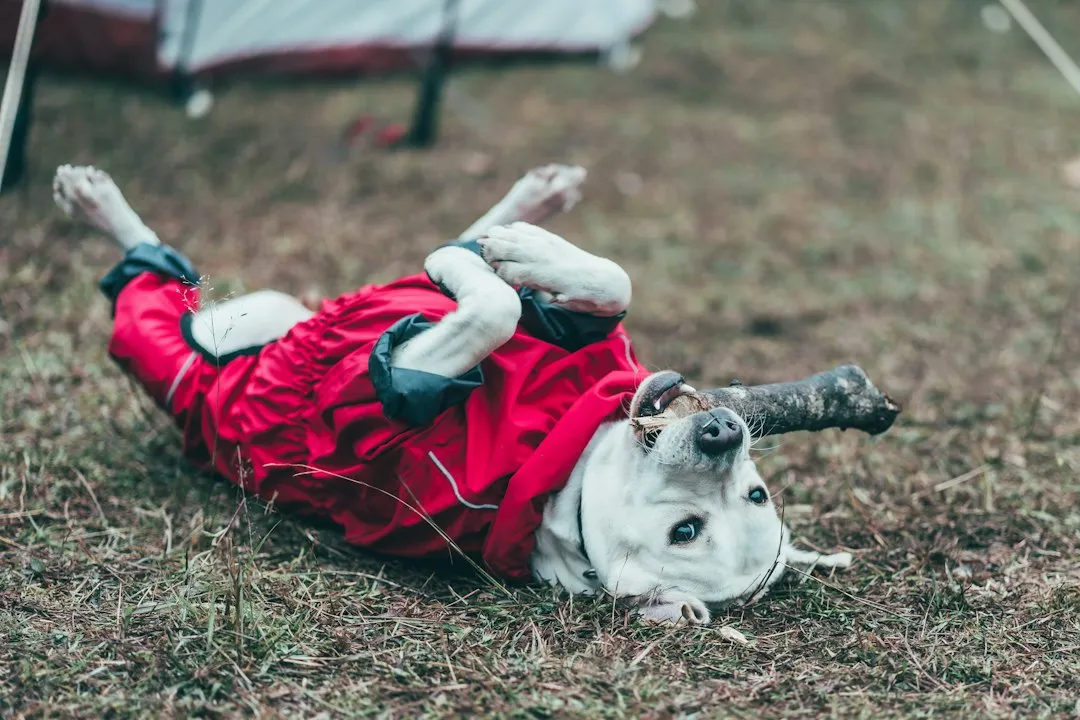
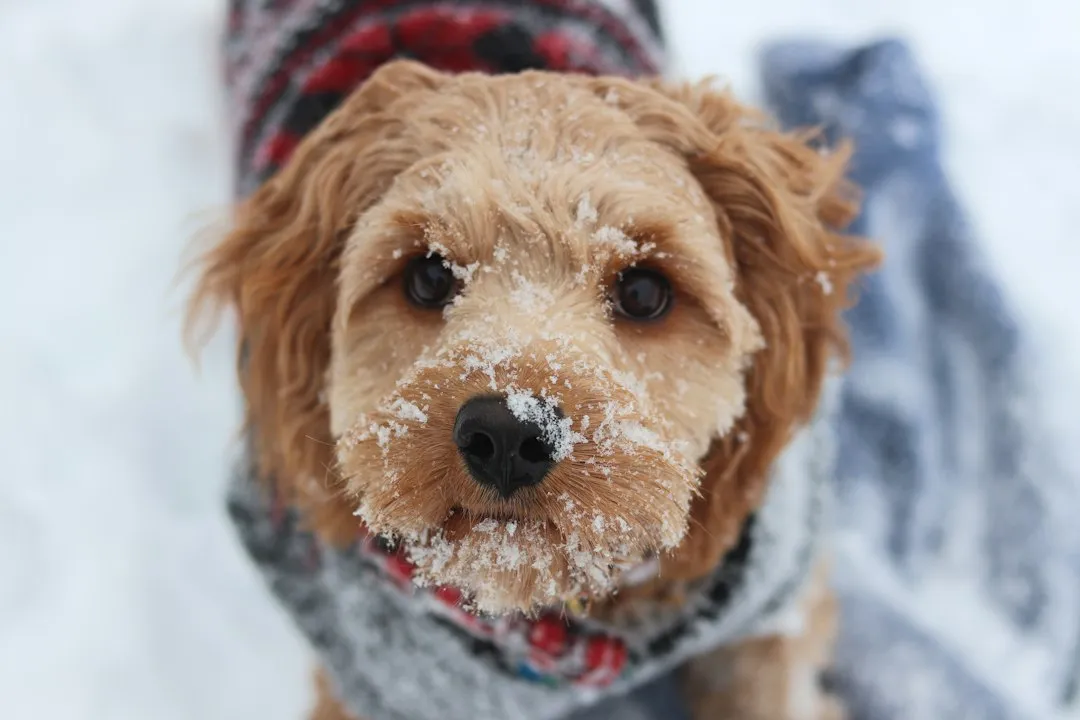
Scratching, biting the fabric, rolling around, or pawing at something on the head are all signs a dog may be trying to escape the outfit. AAHA lists scratching or biting at a costume as a sign of discomfort.
Signs a costume is stressing a dog out include a tucked tail, pinned-back ears, lip licking, yawning, whale eye where the whites of the eyes are showing, or freezing in place. A dog who tries to back out of the outfit or paws at it is telling you something.
These aren’t random behaviors. They’re a dog’s best attempt to solve a problem they didn’t choose. When the costume comes off and they shake themselves out and immediately return to normal, you have a pretty clear answer.
Their Ears Go Flat Against Their Head
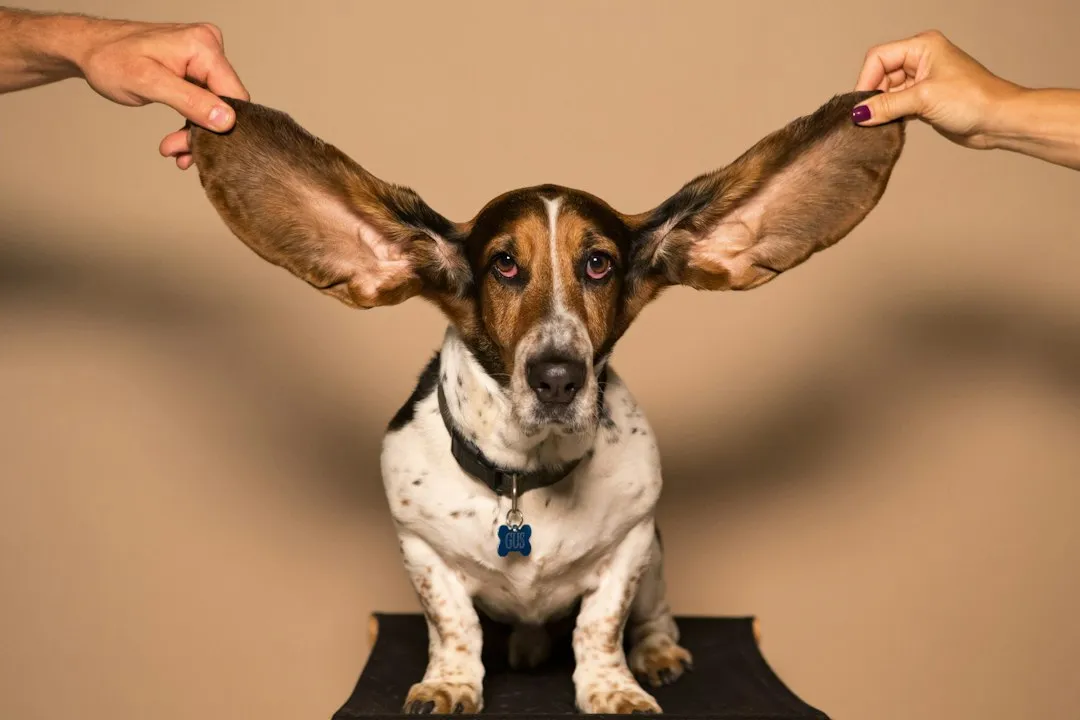
According to veterinarian Dr. Kelly Hood, signs of stress in dogs can include repeated lip licking, yawning, pulling their ears back, tucking their tails, or suddenly freezing. Flattened ears are one of the clearest reads in canine body language.
A happy, relaxed dog will exhibit loose body posture, a wagging tail usually held at a neutral height, and relaxed ears. The moment the costume appears and those ears pin back flat, you’re watching a dog shift from comfortable to concerned. It’s worth paying attention to that transition specifically, since it happens fast.
Their Tail Drops or Tucks Completely
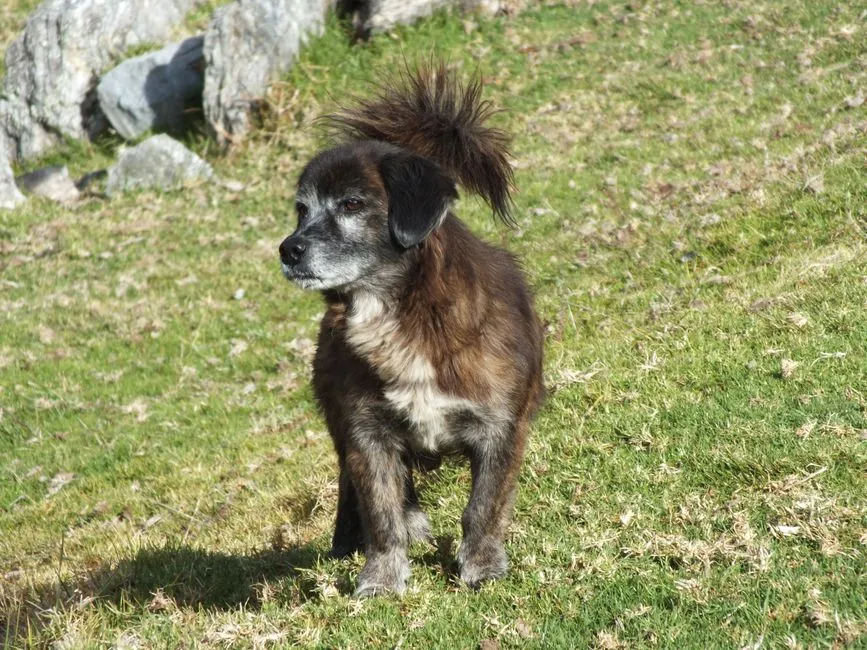
Many dogs aren’t comfortable wearing costumes. Be on the alert for subtle signs of anxiety, such as holding their tail low or tucking it between their legs, keeping their ears back, licking their lips, yawning, pacing, shaking, panting, widened eyes showing the whites, or dilated pupils.
A tucked tail is one of the oldest distress signals in the canine vocabulary. It reads as submission, fear, or both. If your dog came over wagging and left with their tail clamped between their legs, the costume is the most likely culprit. A dog’s normal body language is the baseline. Does the dog usually carry their tail high, move loose and wiggly, and greet people confidently? Dr. Amy Pike, a veterinary behaviorist, says a dog in distress may crouch, tuck their tail, flatten their ears, or show whale eye, where the whites of the eyes are visible.
They Start Panting Without Any Physical Exertion
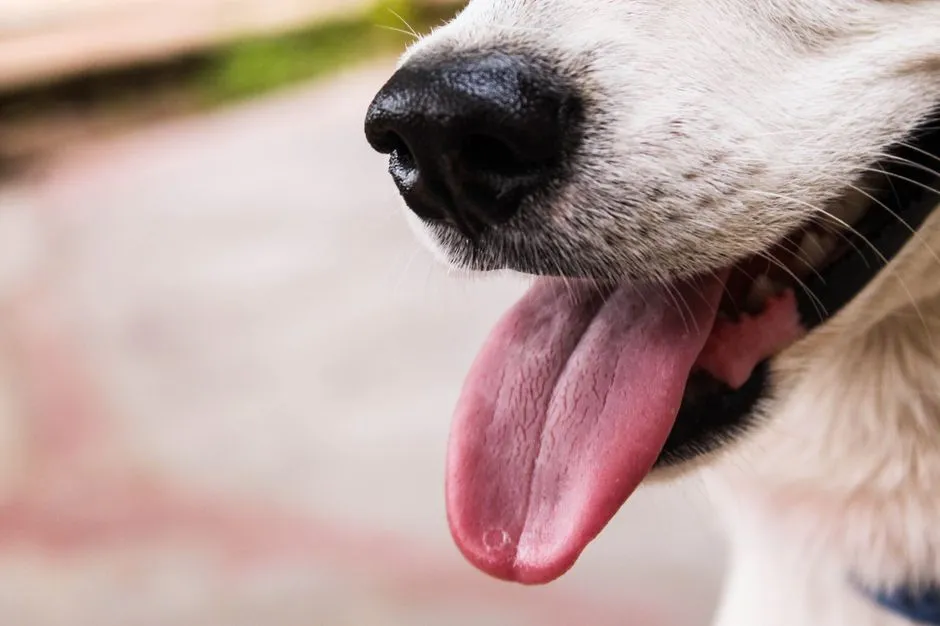
If a dog is prone to anxiety or in a stressful situation, they may exhibit excessive panting. The key distinction is context. If your dog hasn’t exercised, it isn’t warm, and they’ve just been dressed up, sudden heavy panting is worth noting.
Watch your pet’s body language while they are in costume. Indications of stress can include panting, lip licking, pacing, flattened ears, crouching, trying to remove the costume, and freezing in place. Panting during stress is the body signaling overload, not overheating in the traditional sense.
This is especially worth watching in flat-faced breeds. Brachycephalic short-nosed breeds such as French Bulldogs, Shih Tzus, and Boston Terriers often pant more because of their shortened airways. Their anatomy makes them less efficient at cooling down through panting. A costume that further restricts airflow around their face makes a difficult situation genuinely risky.
You See “Whale Eye” – the Whites of Their Eyes
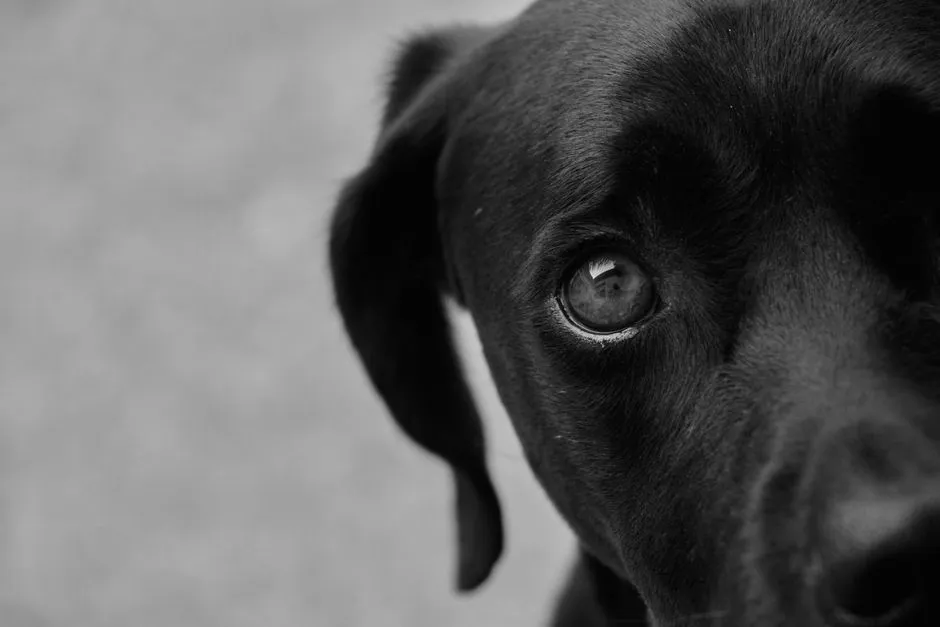
Whale eye is one of those signals that many owners miss entirely because it’s subtle and brief. It happens when a dog turns their head slightly but keeps their gaze fixed, exposing a crescent of white around the iris. It’s a look of unease, not curiosity.
Signs of stress can include panting, lip licking, yawning when not tired, flattened ears, tucked tail, whale eye showing the whites of the eyes, and attempts to escape or remove the costume. Whale eye in particular suggests the dog feels trapped or uncertain and is scanning for an exit. It often precedes more obvious stress behaviors if nothing changes.
Excessive Lip Licking and Yawning Out of Context
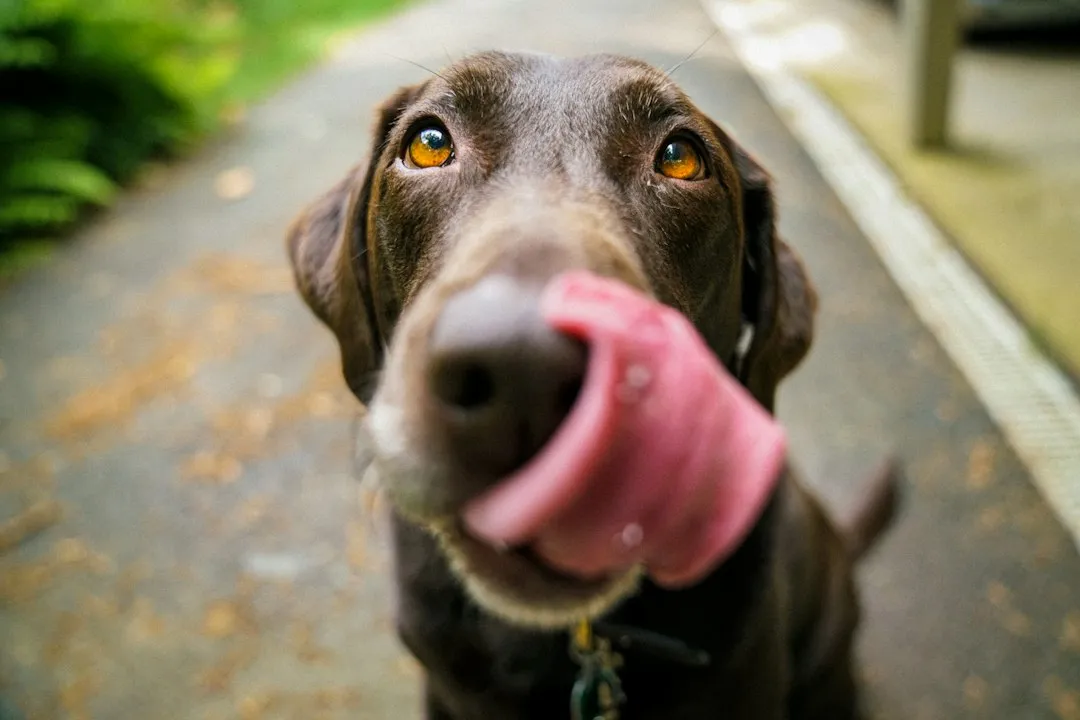
Stress signs include whimpering, excessive panting, rubbing, or scratching. Less obviously, repeated lip licking and yawning when a dog isn’t tired are classic calming signals in dog communication. These are quiet, easy-to-miss ways dogs self-soothe under pressure.
Signs of discomfort include freezing, lip licking, yawning, or scratching at the outfit. Most people connect yawning to sleepiness and licking to hunger. In the context of a Halloween costume, neither explanation applies. Both are worth treating as a signal to step back and reassess.
Their Movement Becomes Stiff, Awkward, or Clumsy
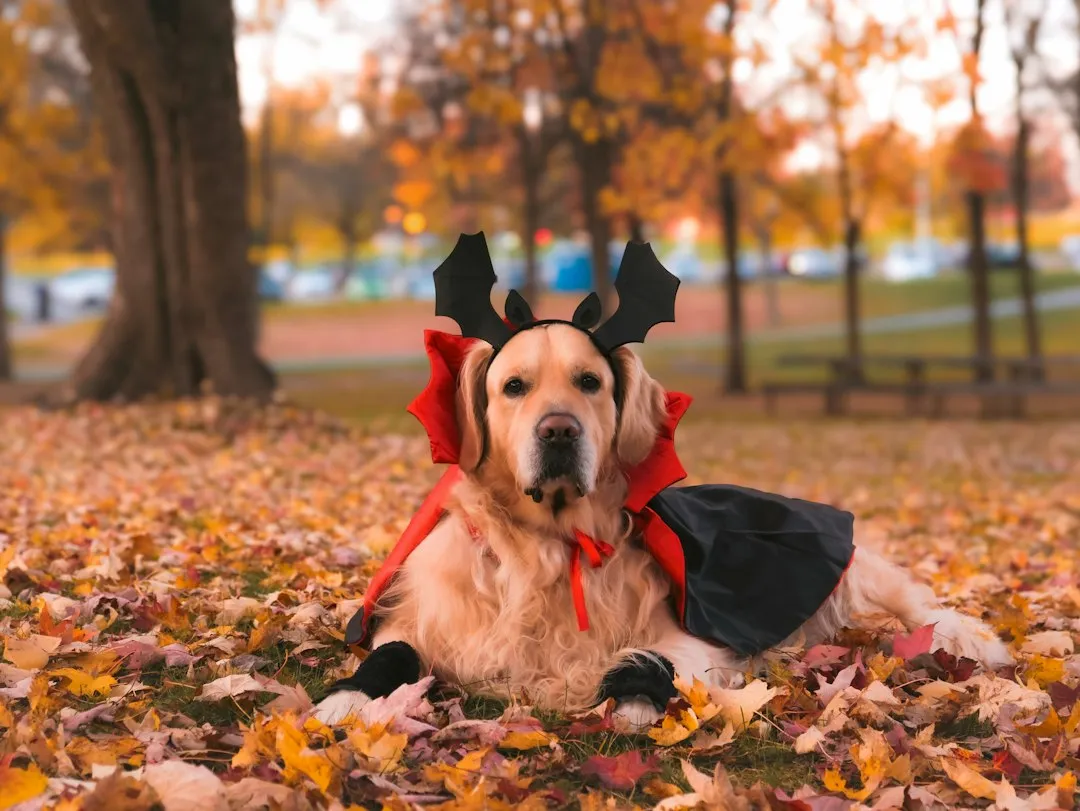
Certain clothing styles, particularly those that are restrictive like harnesses or elaborate costumes, can affect a dog’s ability to move freely. Dogs that are not accustomed to wearing clothes may feel anxious and stressed, leading to negative behaviors such as hiding or reluctance to engage in play.
Canine communication depends on shifts in body language: the angle of their ears, the tension along their spine, and the movement of their tail. Headpieces clamp down on sensitive ear canals and facial whiskers, dulling an animal’s awareness and generating constant pressure along their faces. A dog that normally moves fluidly and suddenly stumbles or walks stiffly is dealing with more than just an unfamiliar wardrobe.
When it comes to dog clothing, fit is crucial. Ill-fitting garments can cause significant discomfort, leading to stress and anxiety. A dog dressed in a costume that is too tight may exhibit signs of agitation such as whining or trying to wriggle out of the clothing.
Skin Irritation, Scratching, or Rashes After Wearing
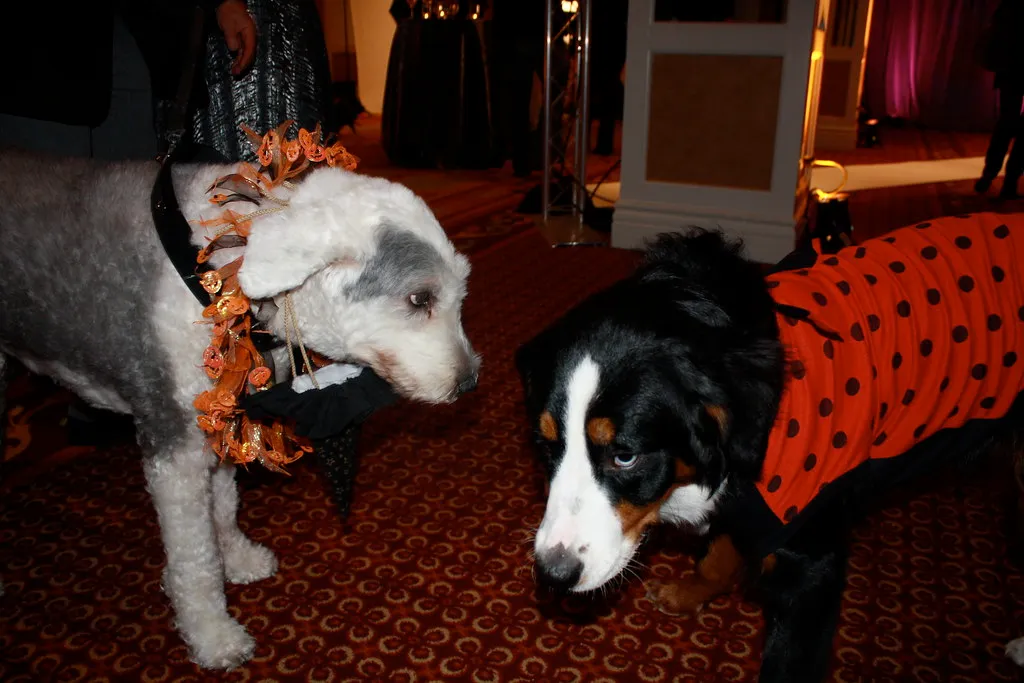
Many inexpensive costumes are made from synthetic fabrics that trap heat or irritate sensitive skin. Breathable materials without strong chemical odors are a much safer choice. This is a physical discomfort that builds over time and can show up long after the costume comes off.
Short-coated breeds are especially vulnerable here. Short-coated breeds such as Labradors lack the protective undercoat of long-haired breeds, which means tight polyester clothes rub directly against delicate skin near the chest and armpits, causing rapid chafing. If your dog is scratching at their chest or armpits in the hours after a costume session, the fabric is a likely cause worth investigating.
Growling, Snapping, or Trying to Get Away from You
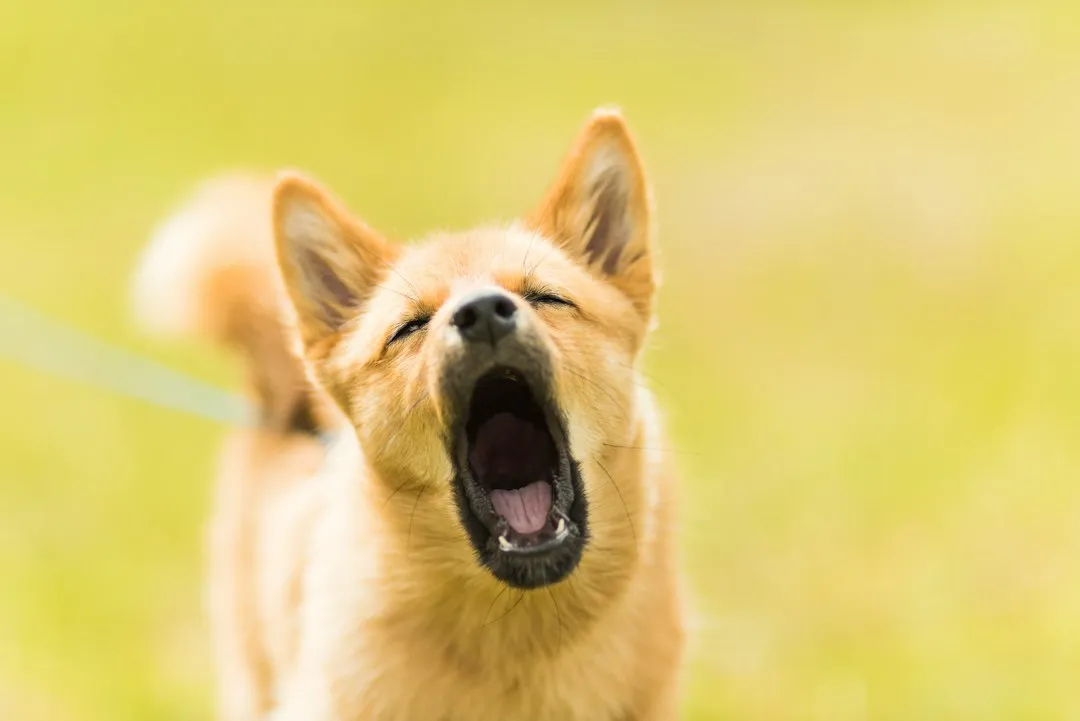
Growling, snapping, hissing, and swatting are more obvious signs that a pet wants to be left alone. These reactions aren’t aggression in the usual sense. They’re communication at a higher volume, because the quieter signals went unnoticed.
The ASPCA cautions against dressing pets in costumes unless owners know their animals enjoy wearing them. Costumes should never restrict movement, vision, breathing, or the ability to bark or meow. A dog that growls when you approach with the costume the second or third time is remembering how it felt the first time.
The American Animal Hospital Association advises dressing only pets who are used to clothing like jackets or sweaters, and warns that costumes restricting movement, breathing, vision, or hearing can cause physical or emotional distress. By the time a dog reaches growling, a lot of quieter signals have already been sent and missed. Starting over without the costume is always the right call.
The Bigger Picture
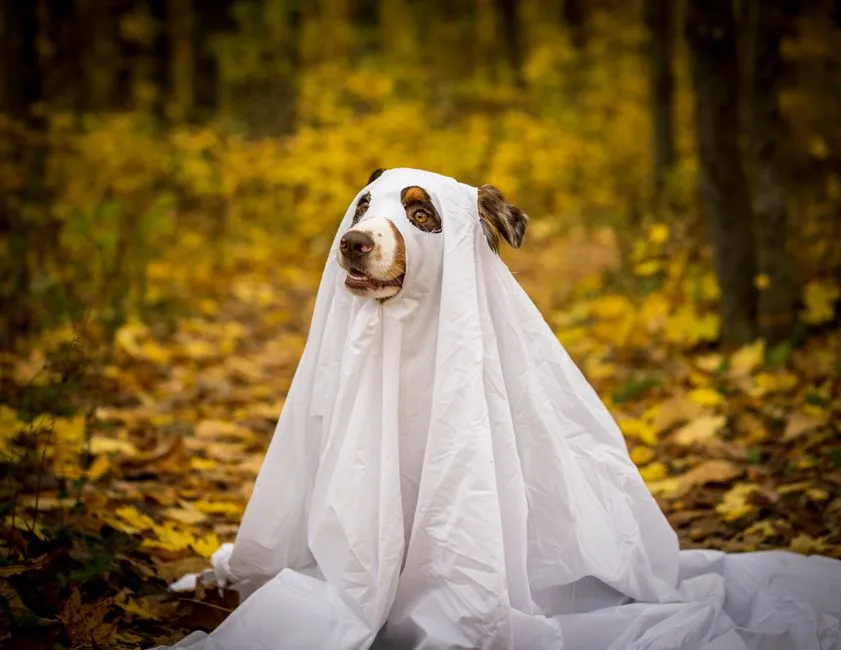
With Halloween approaching every year, veterinarians urge pet owners to think twice before dressing their dogs and cats in costumes, warning that what looks like an adorable photo opportunity could actually be causing stress. Pets may show subtle signs of discomfort when dressed in costumes or made to pose for photos.
The ASPCA recommends choosing costumes that do not restrict an animal’s movement, vision, or breathing. If a pet becomes uncomfortable, owners should calmly remove the costume and give the animal space. A good trial run a few days before Halloween, done calmly and with plenty of treats, gives you a much clearer read than the chaos of the actual evening.
Some dogs genuinely don’t mind costumes. Whether dressing up a dog is appropriate depends entirely on the individual dog’s personality and tolerance level. Some dogs genuinely seem to enjoy the attention and interaction that comes with wearing a costume, particularly if it’s associated with positive reinforcement like treats and praise. The ones who do are easy to spot. They stay loose, they wag, they don’t immediately try to exit the room. The ones who don’t are equally easy to read, if you’re watching for it.
AI Disclaimer: This article was created with the assistance of AI tools and reviewed by a human editor.