
Shivering or Trembling That Won’t Quit

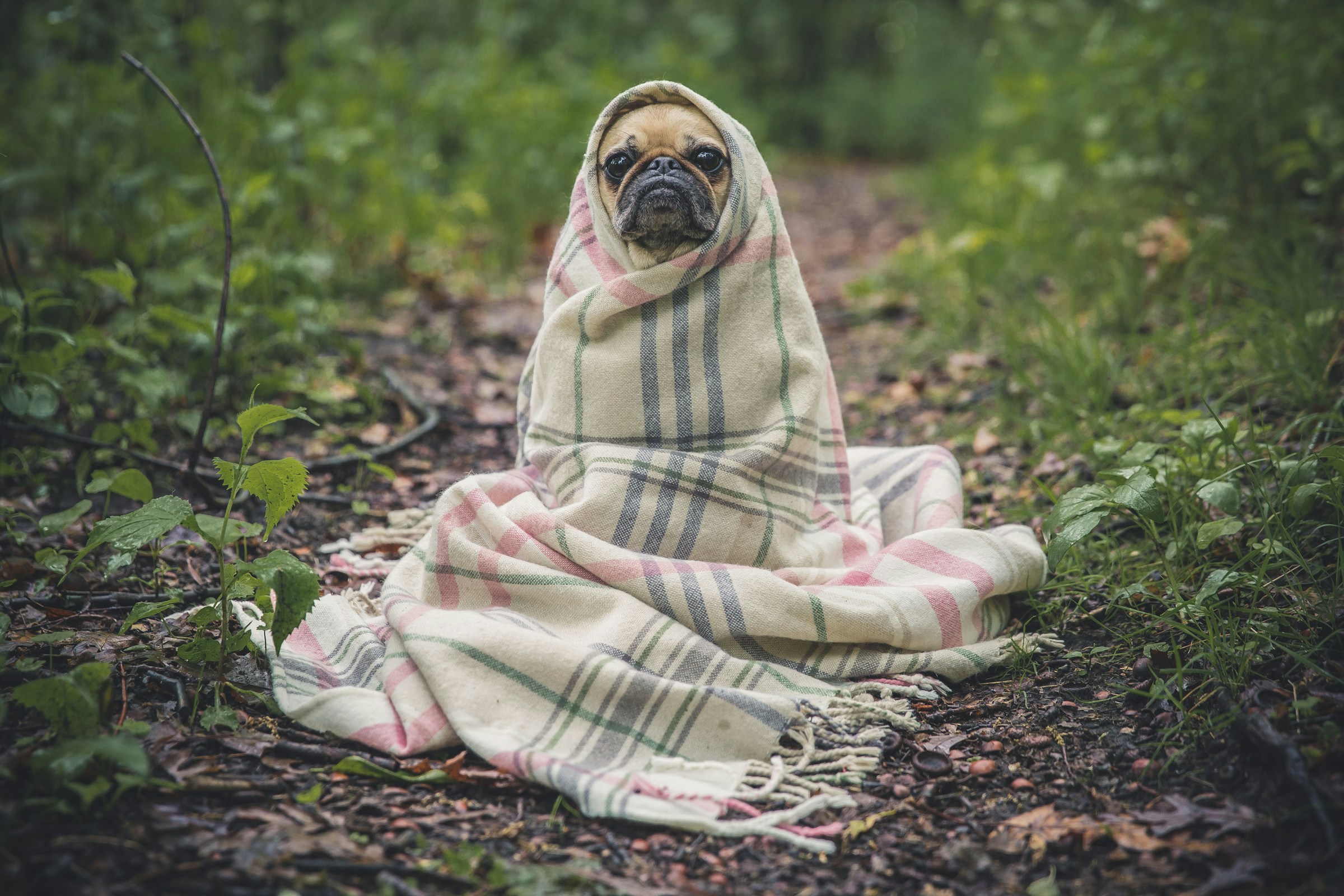
Shivering is often one of the earliest signs a dog is cold. It happens when the body contracts muscles to generate heat, and it’s a completely normal response to feeling cold. Most owners notice this immediately, but it’s easy to dismiss it as nerves or excitement rather than temperature.
The first signs you will notice if your dog is getting hypothermic will be shivering. This is more obvious on a short-coated dog, but long-haired dogs will shiver, too. So don’t let a fluffy coat mislead you into thinking that trembling isn’t a concern.
In mild cases, shivering simply means your dog needs warmth. Offering a fuzzy blanket or dressing your pup in a dog sweater or coat can help keep them comfortable. If the shivering continues after warming, a vet call is warranted.
Cold Ears Are a Telling Clue
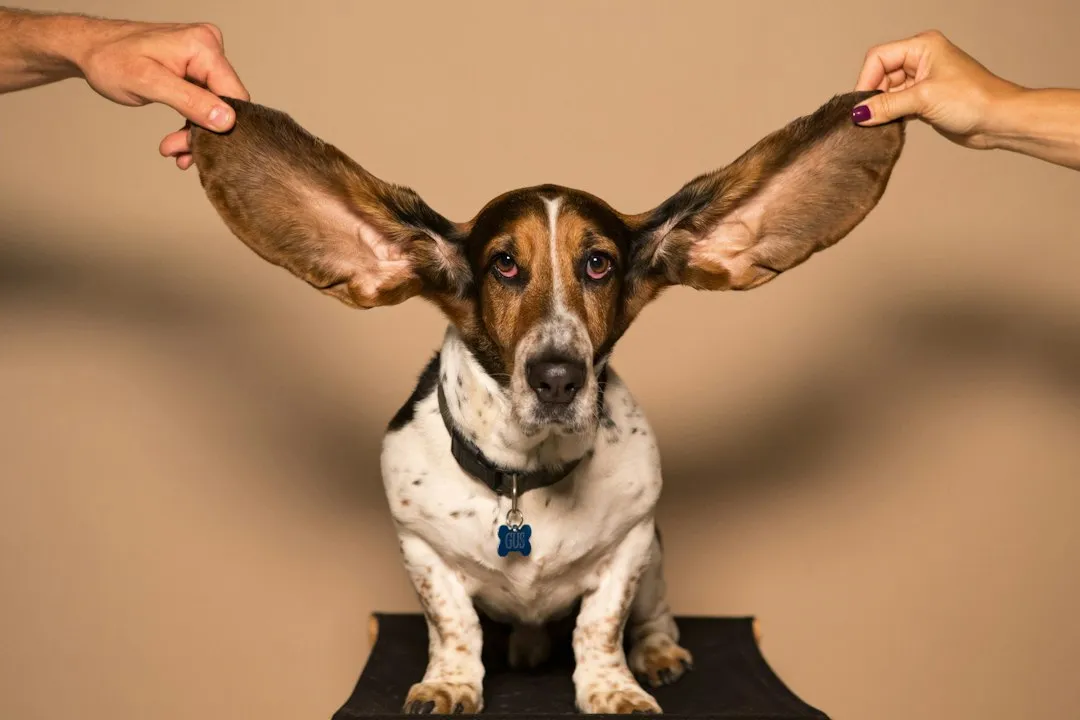
The fastest way to know if your dog is cold is to touch your dog around the ears, especially along the edges and underneath the fur and coat. If the area is cold, then your dog is cold. This quick check works even on heavily furred breeds where the body itself retains surface warmth.
Even when dogs are cold, their body may feel warm to the touch due to fur. If you don’t know how to tell if your dog is cold or are unsure, feel their ears. The ears are one of the least insulated parts of a dog’s body and respond quickly to drops in temperature.
Cold ears, specifically around the edges, indicate your dog’s body is working hard to maintain core temperature. It’s a reliable, hands-on test that takes only a second.
Curling Into a Tight Ball
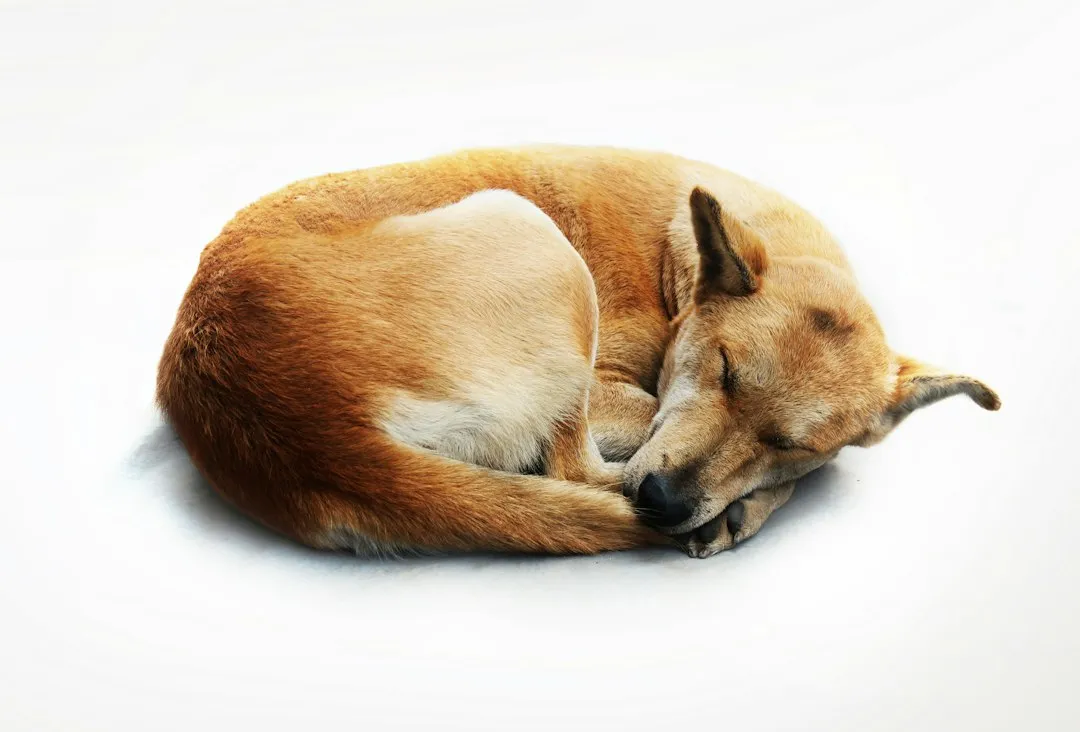
A dog that’s cold will often sleep in a tight ball, sometimes with their nose tucked under their tail. It’s a natural way to conserve body heat. This instinct runs deep across species, and dogs rely on it when they’re struggling to stay warm.
While it can simply be a cozy resting position, if your dog consistently avoids stretching out and stays tightly curled for long periods, they may be conserving body heat. The difference between comfort and cold is usually in how persistent the behavior is.
Dogs instinctively curl their bodies to conserve heat. If your dog is shrinking into the smallest ball possible, they’re signaling that the cold is getting to them. Pair this with a few of the other signs below, and the picture becomes clear.
Lifting Their Paws Off the Ground
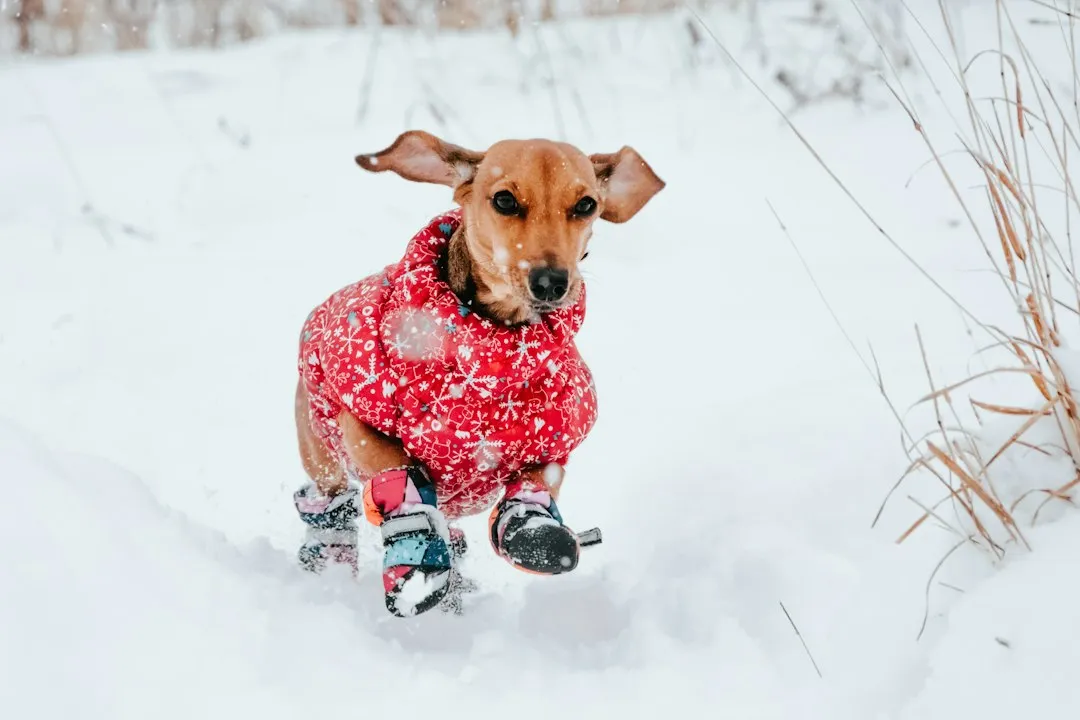
Foot sensitivity and cold pavement can cause hesitation or paw-lifting. When a dog repeatedly lifts one paw or refuses to step forward, it’s often because the cold ground is genuinely uncomfortable. This is one of the more visible behavioral signals, and it tends to come on suddenly during walks.
Paws are among the few areas of the dog’s body without fur, so they are more prone to cold as well. Even a thick-coated breed has exposed paw pads that press directly onto ice, snow, or frozen ground.
If your dog refuses to place their paws on snow or ice, they may feel pain or numbness, a sign of early frostbite or cold-induced discomfort. Never ignore paw-lifting during winter outings, even briefly.
A Hunched Posture and Tucked Tail
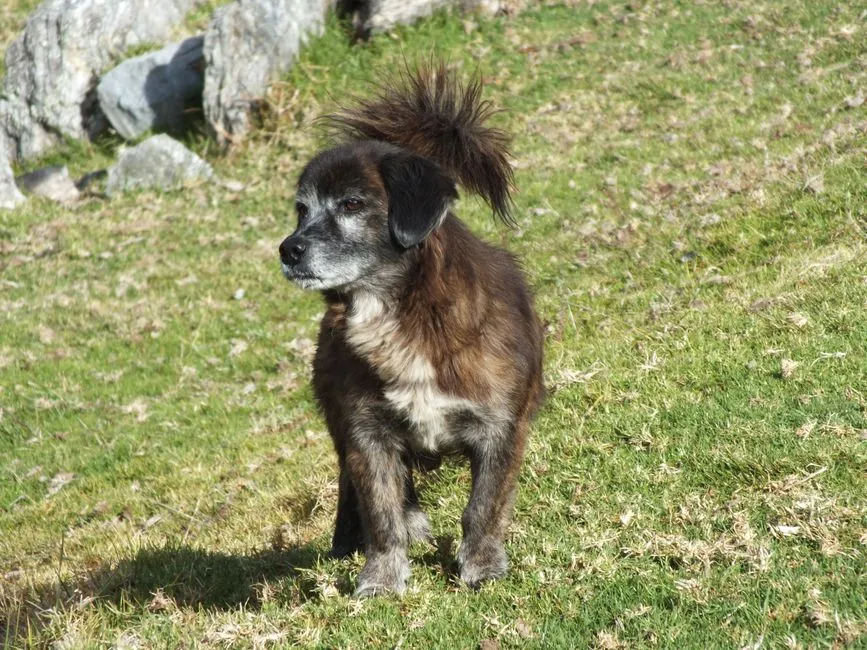
A cold dog often tucks their tail, hunches their back, or lifts paws repeatedly off cold ground. These postural changes are the dog’s way of minimizing exposed surface area, an effort to hold onto body heat.
When feeling cold indoors, dogs tend to curl up in an effort to preserve body heat. Even when up and about, they might walk hunched over with their tail tucked between their legs to keep it from being too cold.
Some signs of a cold dog include a hunched posture and tucked tail, shivering or shaking, seeking shelter, not wanting to walk, and whining or barking. Seeing several of these together is a strong cue to bring your dog inside immediately.
Reluctance to Walk or Go Outside
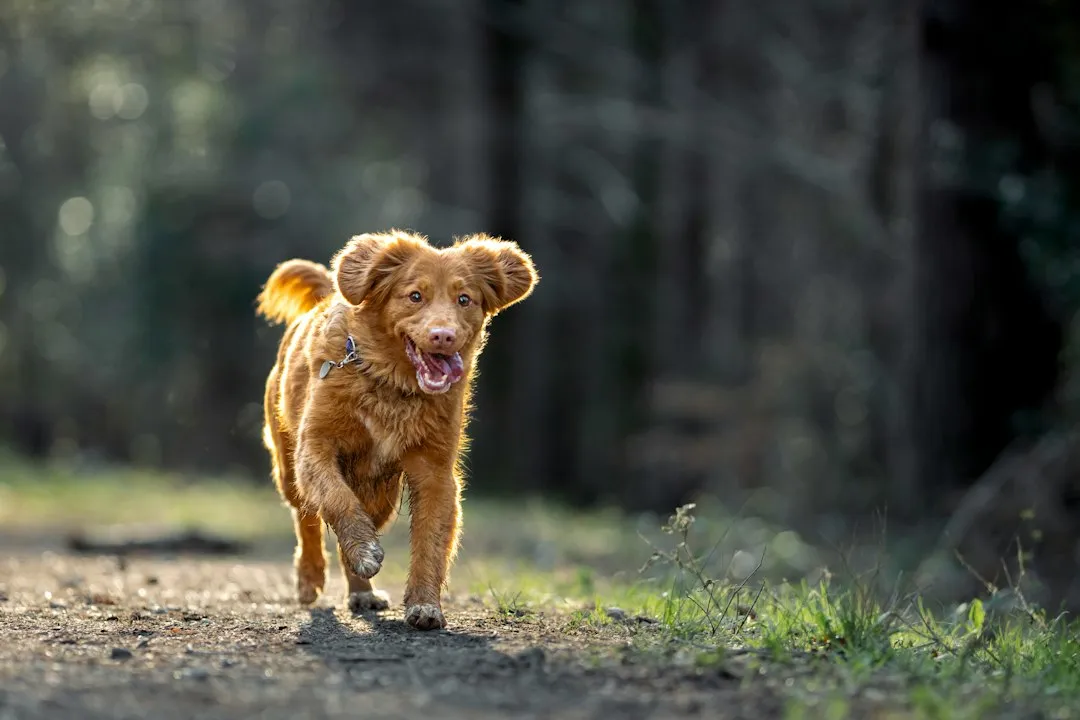
If your dog is normally eager to go for walks but seems hesitant when the weather is bad, it could be a sign that they are feeling the cold or don’t cope well with chillier days. This change in enthusiasm can look like stubbornness, but it’s usually discomfort.
Suddenly struggling to convince your dog to step out for a walk? That’s not just laziness; cold weather can make dogs reluctant to leave their warm spot indoors. The reluctance is particularly meaningful when the dog was previously eager about outdoor time.
Slowing down, pulling back, freezing in place, or moving reluctantly all indicate your dog isn’t confident or comfortable outside. Many dogs show this hesitation before full avoidance behavior sets in. Trust it as a communication, not a personality quirk.
Whining, Barking, or Unusual Distress
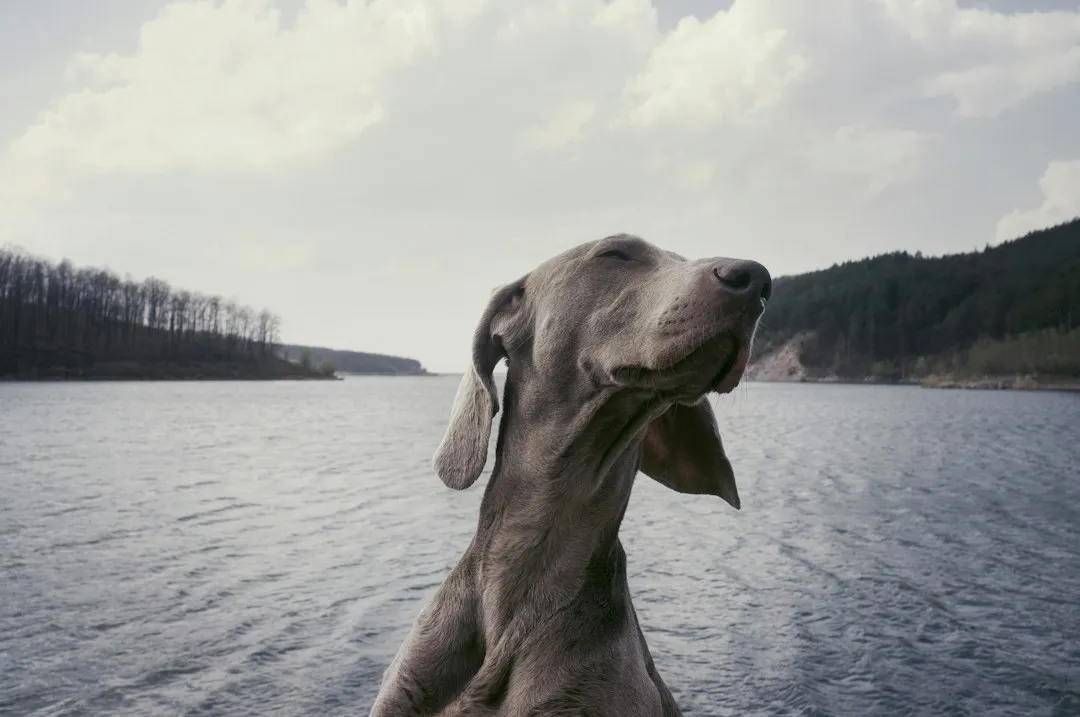
Dogs may become agitated when they feel too cold. You’ll notice that they could bark or whine persistently. Some dogs might pace more, while others might become sluggish as they struggle to warm their own bodies.
A dog may whine or whimper when they are uncomfortable, including when they are cold. This vocalization is worth paying attention to, especially if it appears alongside other physical signs. A dog that normally doesn’t vocalize much on walks and suddenly starts whining is communicating genuine distress.
If your pet is whining, shivering, seems anxious, slows down or stops moving, seems weak, or starts looking for warm places to burrow, get them back inside quickly because they are showing signs of hypothermia. That combination of signs together calls for action, not observation.
Lethargy and Unusual Tiredness

If your dog is showing unusual laziness and is slow-moving outdoors, then cold could be a likely reason. Cold temperatures weaken your dog’s body, making it stiff, tired, and slow-moving. This is easy to miss because a slow walk can appear like the dog is simply taking its time.
Dogs who are cold may seem unusually tired, stiff, or reluctant to move. Mild lethargy often improves once the dog is warmed. If the tiredness persists indoors after warming up, it may point to something more serious.
A cold dog may seem less energetic and more sluggish than usual. In cold-adapted breeds like Huskies or Malamutes, this can be subtle, but it’s still a recognizable shift from baseline behavior when you know your dog well.
When Wet Fur Defeats Even the Thickest Coat
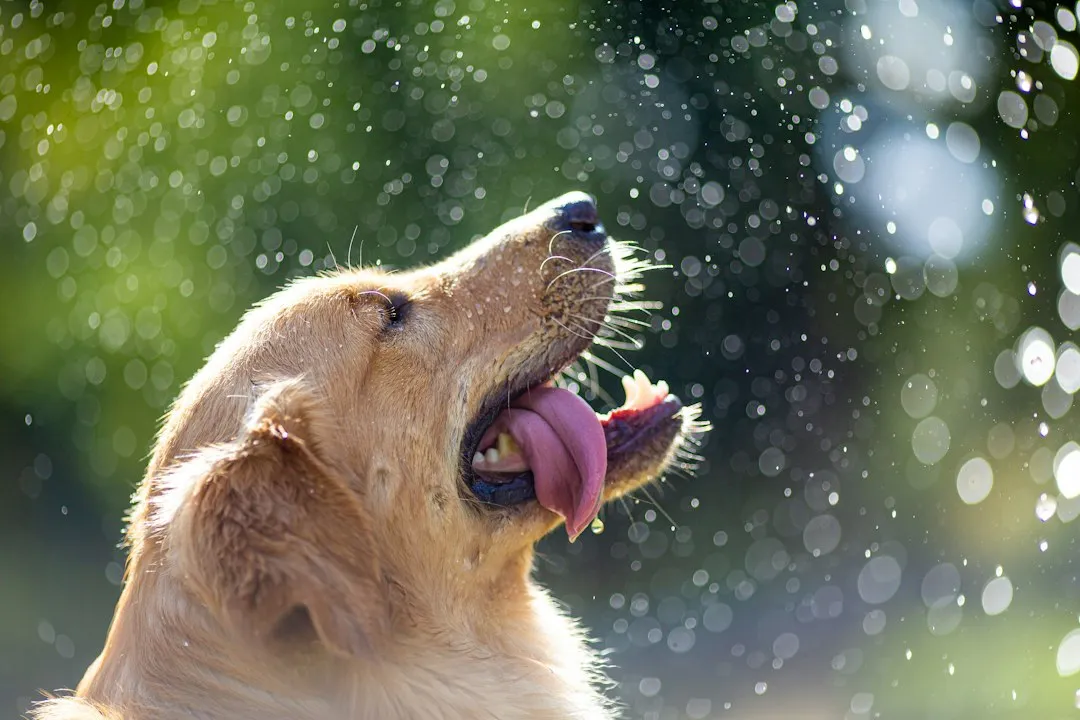
Wet fur accelerates heat loss. A dog who jumps in a puddle or is caught in rain can become dangerously cold even in moderate temperatures. This is one of the most important, and most underestimated, cold-weather risks for thick-coated breeds.
Even dogs with thick fur will feel the effects of cold weather if their fur becomes wet or if they stay in the cold for a prolonged time. A dense, saturated coat can work against a dog rather than for it, trapping cold moisture against the skin.
Wet fur strips body heat fast through evaporation, so post-bath trembling is normal and harmless. Outdoors in genuinely cold weather, though, a wet dog needs to be dried and warmed promptly. Wet and cold together is a pairing that demands quick attention.
Signs of Frostbite and Early Hypothermia
Hypothermia in dogs can be fatal as it may cause problems with the heart and blood flow, breathing and the immune system, and in more extreme cases, dogs may develop impaired consciousness that could result in a coma. Understanding the threshold between “cold dog” and “medical emergency” matters.
Signs of hypothermia in dogs include body temperature below 98.5°F, decreased heart rate, pale or blue mucous membranes, dilated pupils, shivering, wobbliness, unconsciousness or coma, and weak pulse. These are the late-stage signals, but frostbite can arrive earlier.
If the hypothermia is due to cold exposure, there might also be frostbite present, specifically on the paws, ears, and tail. The most alarming sign is when shivering stops completely, not because the dog is warming up, but because the body no longer has energy reserves to maintain this mechanism. At that point, get to a vet without delay.
Knowing Your Dog Is the Real Advantage
AI Disclaimer: This article was created with the assistance of AI tools and reviewed by a human editor.