
Most people assume grout fails because it’s old or cheaply installed. The truth is a little more uncomfortable than that. The daily shower habits you’ve never thought twice about are often the primary force working against your tile’s longevity, quietly doing damage one steam-filled bathroom at a time.
Grout is built to last, but only if the environment around it cooperates. Shower grout faces water, heat, and cleaning products every day, which can cause it to crack, fade, or wear away over time. The culprit is rarely one dramatic event. It’s a slow accumulation of small, repeated mistakes.
Taking Long, Steaming Hot Showers
There’s something undeniably appealing about a long, near-scalding shower at the end of a hard day. The problem is what all that heat and steam does to your bathroom environment. A bathroom’s humidity level is increased by the large amount of steam that a hot shower produces, and as moisture drifts through the air, it makes contact with colder surfaces and creates water droplets.
Hot showers can increase mold growth due to more steam and humidity. That steam doesn’t just hang in the air briefly. After a shower, humidity can easily spike above 70%, and that moisture works its way into grout, caulk, drywall, and framing. Over time, no grout can withstand that level of repeated saturation without showing signs of wear.
Skipping the Exhaust Fan

Many people flip the fan off the moment they step out of the shower, or never turn it on at all. This is one of the most consistent habits that grout repair professionals point to as a root cause of damage. Bathrooms without fans or windows allow moisture buildup and indoor air stagnation, creating a breeding ground for shower mold.
It helps to run the exhaust fan during showers and for at least 20 to 30 minutes after. If your fan is weak or outdated, upgrading to a higher-capacity model can make a dramatic difference in preventing mold. A fan that runs for just a few minutes accomplishes very little. The moisture has already settled deep into your grout lines by then.
Never Wiping Down the Walls After Showering

This one takes less than a minute, yet almost nobody does it. Drying surfaces daily is an essential mold prevention habit. A simple squeegee used on walls after a shower removes most standing water. This one-minute routine can significantly reduce moisture levels enough to prevent mold growth entirely.
Wiping tile floors after showers or baths matters because water left behind sinks into the grout fast. Keeping grout lines dry as often as possible is a simple but effective protection strategy. It sounds almost too simple to be meaningful, but the cumulative effect of never doing this adds up fast.
Cleaning Grout With Bleach Regularly
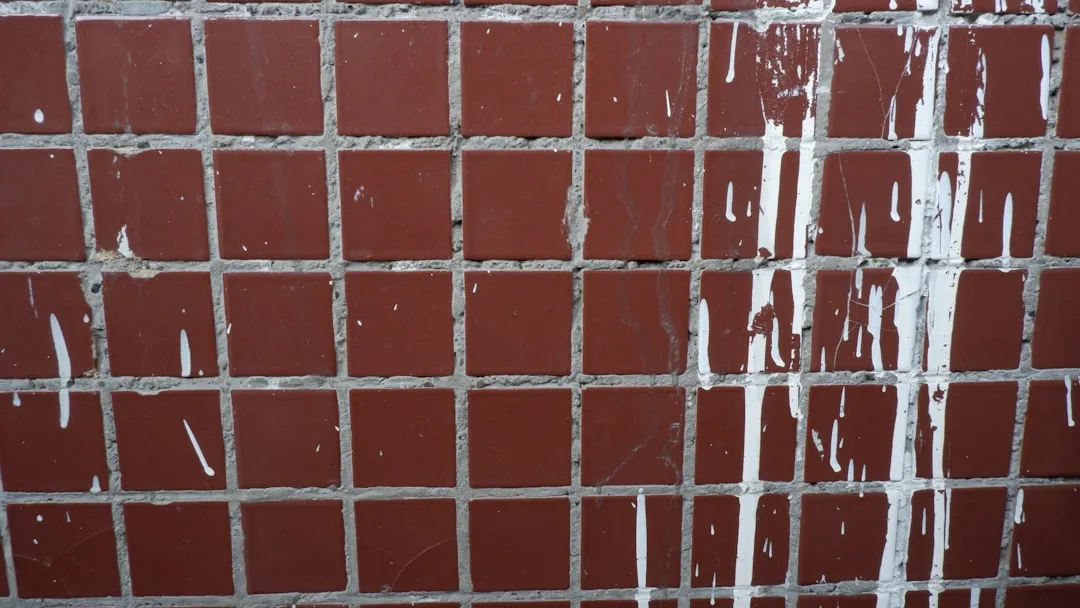
Bleach is practically a household reflex when something looks dirty or moldy. People reach for it instinctively, especially in the shower where dark stains on grout look alarming. The problem is that routine bleach use is quietly dismantling the material it’s supposed to be cleaning. When you use bleach on grout, the chemical can break down the cement in the grout. Over time, this can cause the material to crack and crumble.
Bleach can also eat away at the protective sealant layer and expose your grout to more moisture and stains. It gets worse with colored grout specifically. Colored grout can be bleached by chlorine-based cleaners, meaning you end up with blotchy, faded lines that look worse than before. Repeated bleach use can have lasting effects on grout quality. Prolonged exposure to bleach can cause grout to become brittle or even disintegrate.
Using Harsh or Acidic Cleaning Products
Beyond bleach, a whole category of common household cleaners poses a serious threat to grout integrity. Traditional grout contains mostly cement and sand. The cement component is very sensitive to many harsh chemicals, particularly acidic cleaners. Using the wrong cleaner often causes the cement to break down or loosen its bond, which weakens the grout.
Many multi-surface cleaners have harsh chemicals that will break down grout, leaving it more susceptible to staining. If the label doesn’t say it’s safe for tile and grout, it shouldn’t be used. The safer path is choosing pH-neutral cleaners. Opting for a pH-neutral cleaner will help maintain a clean and healthy environment without compromising the structural integrity of your grout.
Scrubbing With Abrasive Brushes or Pads
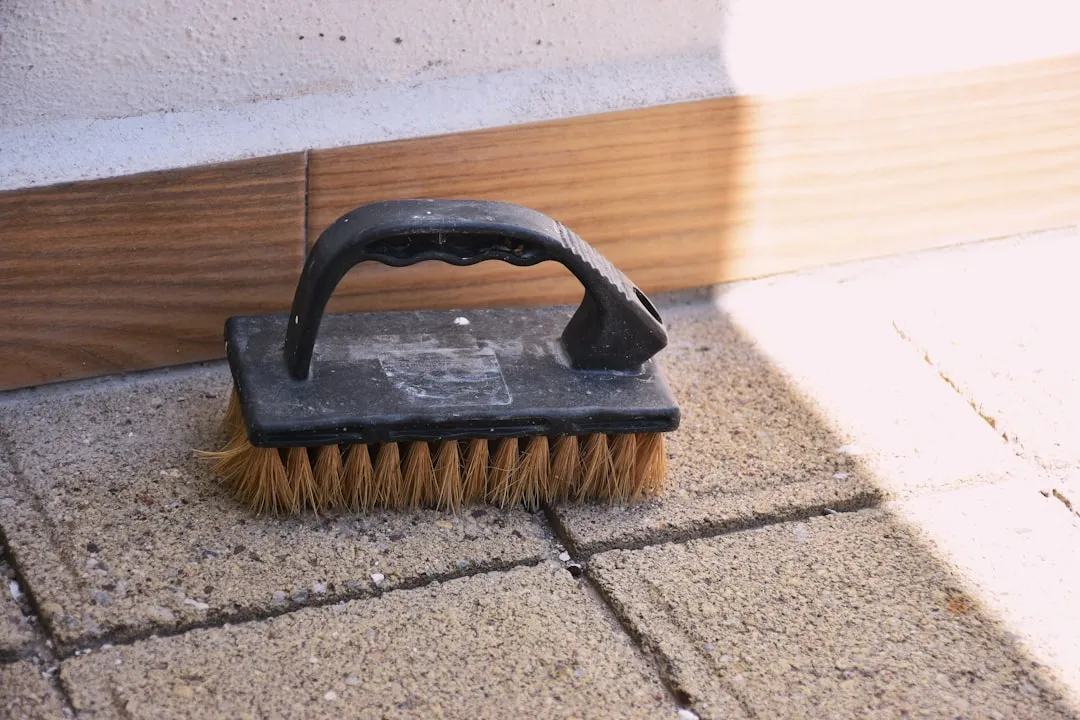
There’s a tendency to go aggressive when grout looks deeply stained, reaching for stiff wire brushes or rough scouring pads. It feels productive. In reality, abrasive scrubbing is accelerating the deterioration of the grout surface with every pass. Vigorous cleanings using harsh chemicals and scouring brushes are common, and the water exposure, chemicals, and scouring can all lead to grout failure.
Tile experts recommend staying away from abrasive cleaning products. This is particularly important if the grout is cement-based and hasn’t been sealed properly. Once the surface of grout is scratched and roughened, it becomes even more porous and even more vulnerable to absorbing everything you’re trying to clean off it.
Never Resealing the Grout
Grout doesn’t come permanently protected from the factory. The sealer applied during installation wears off, often within a year or two depending on shower use, and most homeowners never think to reapply it. When grout isn’t sealed properly, it soaks up water and starts to soften or crack. Constant moisture also leads to mold and mildew, which stain the grout and weaken the seal between tiles.
A high-quality, mold-resistant grout sealer creates a protective barrier that prevents seepage. Reapplying grout sealer once or twice a year significantly reduces mold risk. It’s also worth noting that grout sealers can wear off over time, especially in high-traffic areas, so periodic resealing is necessary to maintain the protective barrier.
Leaving Soap Scum and Body Oils to Accumulate
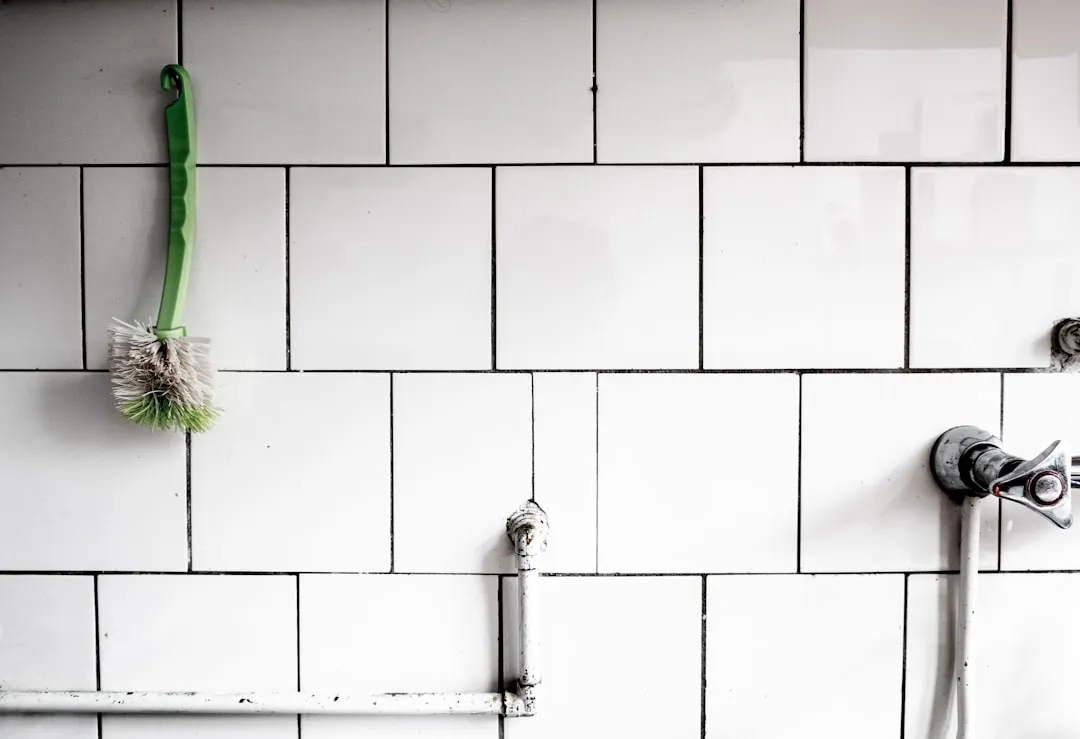
The shower floor takes the heaviest hit from daily use, and not only because of water. The floor of your shower bears impact and much more water than your walls, and the grout on the shower floor absorbs body oils, skin cells, and dirt that is being washed away during showers. These organic materials become trapped in porous grout and create an environment where mold and bacteria thrive.
Grout is naturally porous, which means it can absorb moisture, dirt, soap residue, and minerals from hard water. Over time, those contaminants become trapped below the surface, making grout appear permanently stained. What looks like a surface staining problem is often a much deeper contamination that no surface-level scrubbing will fully resolve.
Ignoring Humidity Levels in the Bathroom
Most people have no idea what the humidity level in their bathroom actually reads. It’s an invisible problem, which makes it easy to ignore until the damage is already visible. The Centers for Disease Control and Prevention (CDC) recommends keeping indoor humidity below 50% to stop mold growth. Shower bathrooms routinely climb well above that threshold.
If a humidity reading is 55% or higher, that would be a good time to turn on either an AC or dehumidifier. A small, inexpensive hygrometer placed in the bathroom can take all the guesswork out of moisture monitoring. In the end, the humidity and moisture in your home will be the biggest factor in whether or not mold will be allowed to settle in.
Waiting Too Long to Address Grout Damage
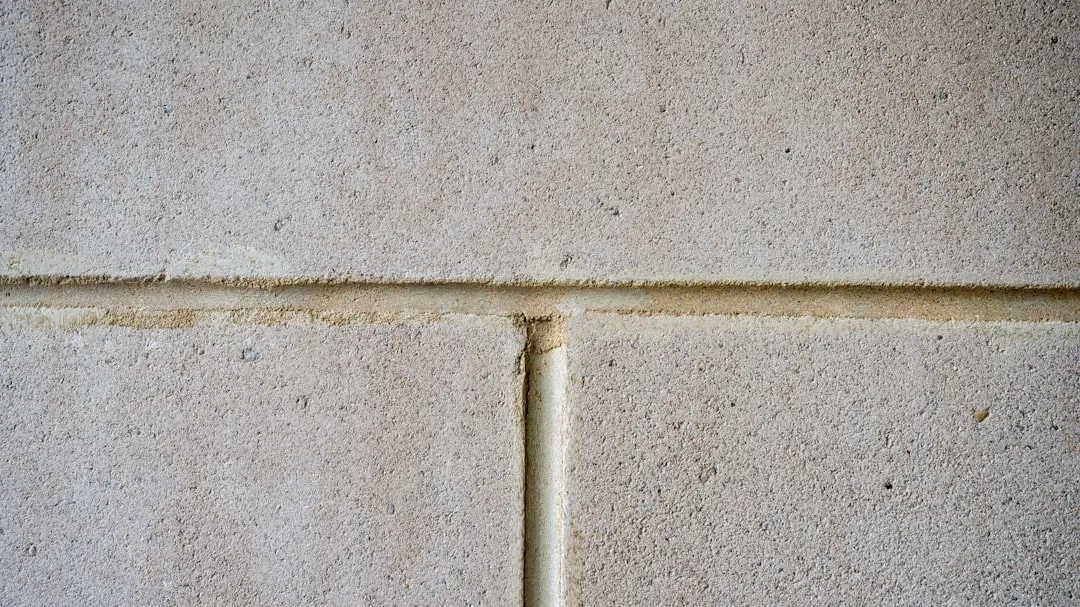
The instinct for most homeowners is to treat crumbling or stained grout as a cosmetic problem that can wait. It rarely stays cosmetic for long. As the grout erodes, water begins to leak beneath the tile. The shower pan can become damaged and might also require replacing. What started as a few discolored lines can escalate into a significant structural repair.
The average cost to regrout a shower is around $1,500, though most homeowners pay between $600 and $2,500, depending on the type of grout and its original condition. That’s a wide range, and it gets wider if underlying water damage is found beneath the surface. Since grout slowly breaks down under constant moisture, plan on regrouting every 10 to 15 years as a general rule, though poor shower habits can cut that timeline significantly shorter.
Protect What You Already Have
None of the habits described here require a bathroom renovation to fix. Running the fan longer, wiping down tile walls, choosing gentler cleaners, and resealing grout annually are low-effort changes that genuinely extend the life of your shower. According to the CDC, regular cleaning combined with proper ventilation is crucial to limit mold growth in bathrooms.
Grout is often the last thing on anyone’s maintenance list, right until the day it becomes expensive. The good news is that most of the damage described here is preventable, and the fixes are decidedly unglamorous but effective. A squeegee, a better cleaning product, and a fan that runs a little longer each day are the real difference between grout that lasts a decade and grout that fails in three.
AI Disclaimer: This article was created with the assistance of AI tools and reviewed by a human editor.