

The Habit in Question: Hot, Daily Showers with Harsh Soap
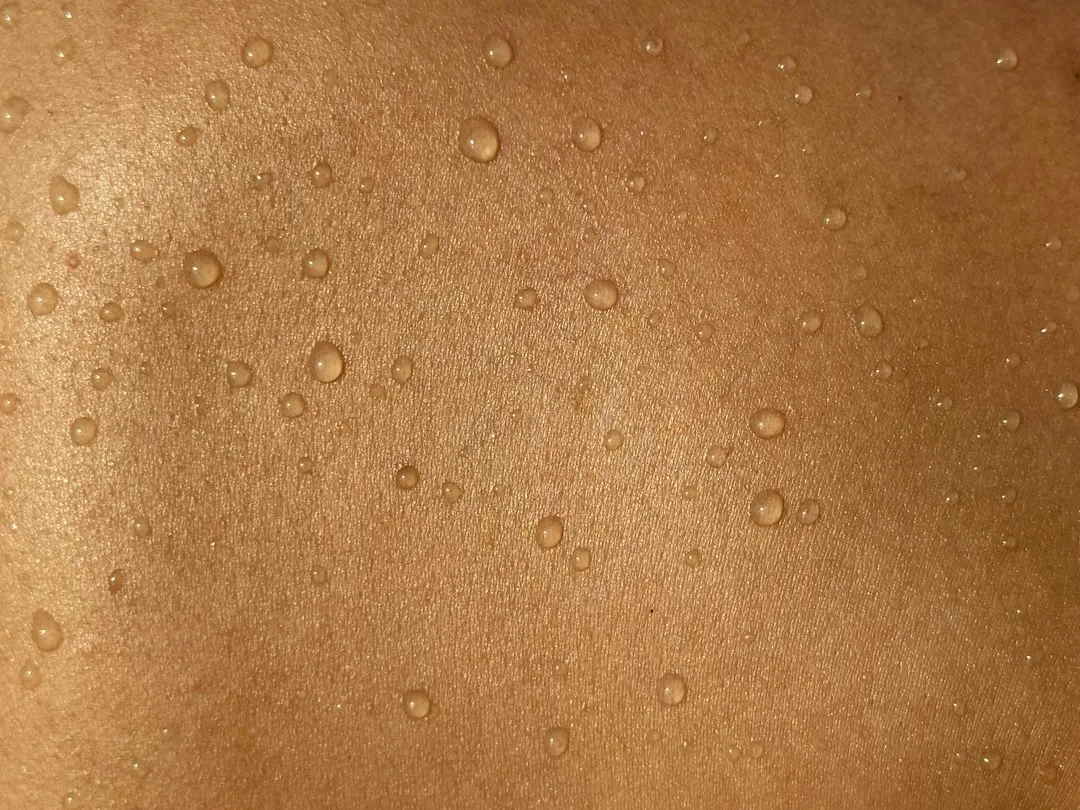
Daily long showers with hot water strip natural lipids in older adults and lead to fragile skin, tightness, and faster moisture loss. This isn’t a minor inconvenience. It’s a pattern that wears down the skin’s core defenses over time.
Dr. Wesley Tensel, a general practitioner and preventative health specialist, explained that aging causes the skin to undergo “significant structural and functional changes.” The production of natural oils declines, the skin barrier becomes thinner and more fragile, and water retention reduces. This means older skin is naturally drier and more vulnerable to irritation.
As a result, frequent showering, particularly with hot water and foaming soaps, may strip away what little protection the skin has left. It can worsen dryness, itching, and even eczema.
What Actually Changes in the Skin After 65
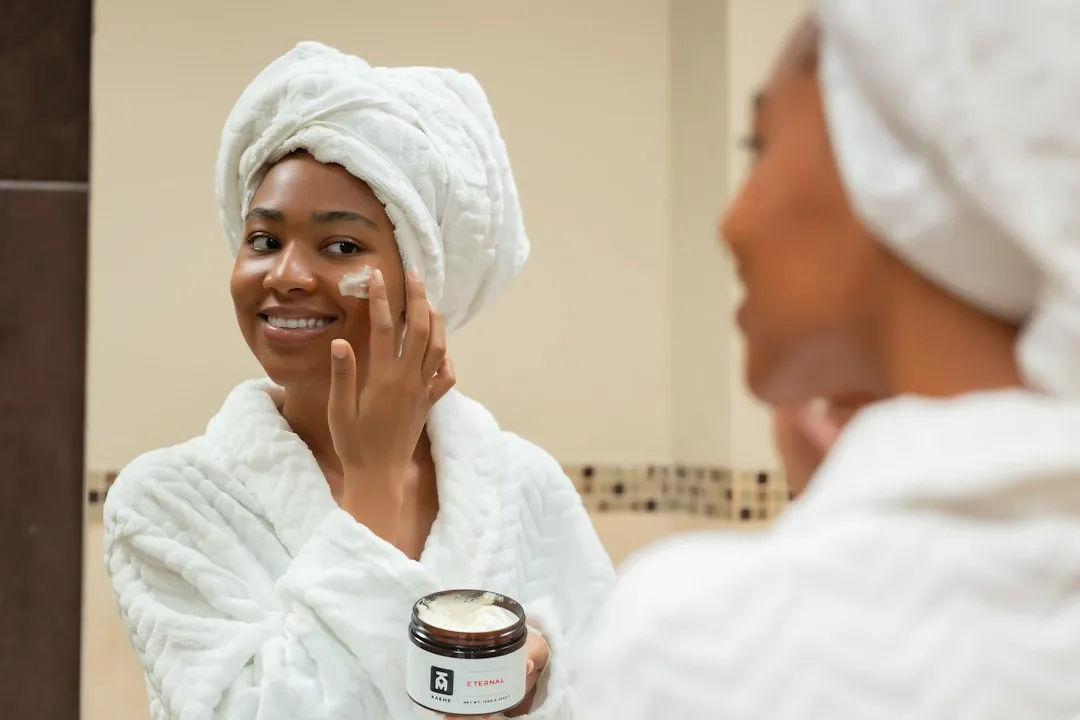
With age, sebum and collagen production fall, the epidermis thins, and the skin loses elasticity and holds water less effectively. These aren’t cosmetic issues. They represent a fundamental shift in how the skin functions.
The sebaceous glands, the small oil-producing glands attached to hair follicles, reduce their output as part of the normal aging process. Their secretions form part of the surface film that seals moisture inside and prevents environmental irritants from getting through. With less of that film, water evaporates more rapidly through the skin in a process called transepidermal water loss, or TEWL.
A study assessing the influence of aging on skin barrier function found that sebum production decreased significantly with age, with the lowest skin surface lipid levels measured in subjects older than 70. That’s the baseline older skin is already working from before stepping into the shower.
How Hot Water Breaks Down the Skin Barrier
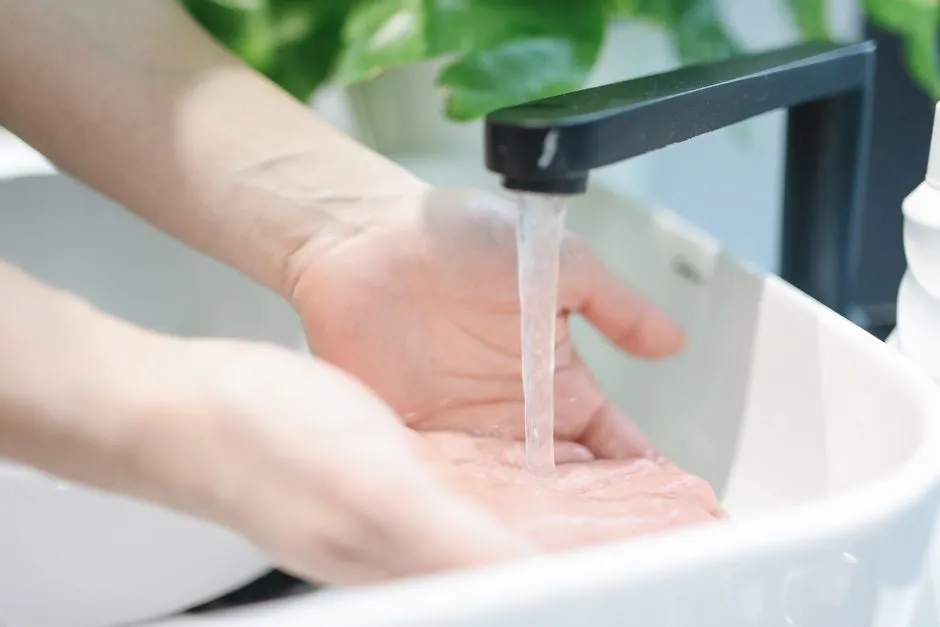
Hot water strips your skin of moisture content and breaks down its natural barrier function. As one board-certified dermatologist put it, the skin barrier is important because it keeps moisture in and protects against potential allergens and irritants in the outside environment.
A study published in 2022 found that when adults submerged their hands in hot and cold water, hot water did more damage. The skin turned red, the skin barrier weakened, and the skin ultimately lost more water than it did from cold-water submersion. The hot water also increased the skin’s pH level, which has been shown to disrupt the skin barrier and increase water loss.
Collagen production naturally decreases with age, so older adults are compounding age-related collagen loss with self-inflicted heat damage. The combination accelerates visible aging beyond what genetics and chronological age would produce alone.
Why the Hydrolipidic Film Matters So Much
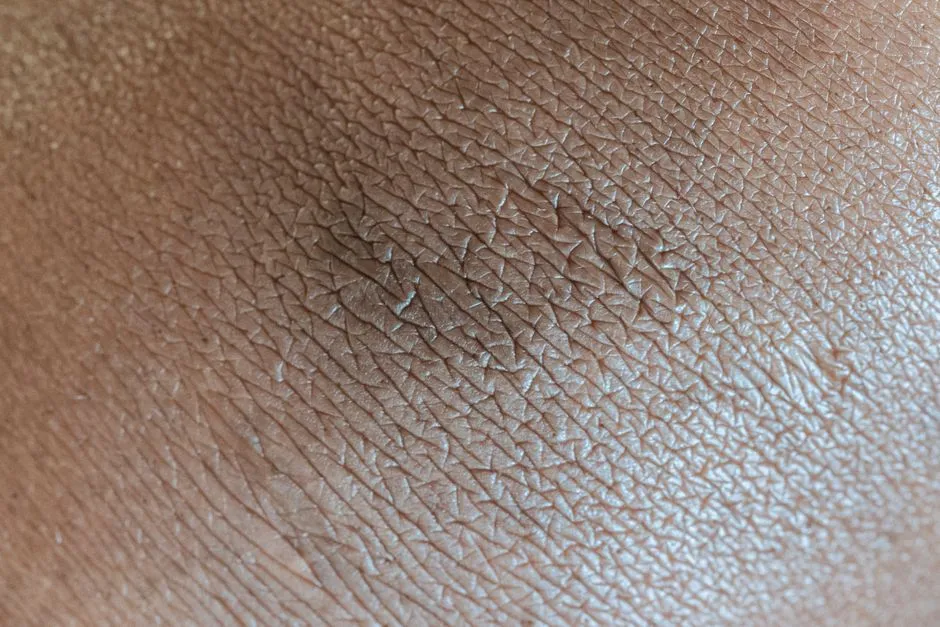
The skin’s natural protective barrier, called the hydrolipidic film, also weakens with age. Frequent or aggressive washing can damage it further, reducing the skin’s ability to retain moisture and defend against irritants.
The skin barrier is composed of dead skin cells, which are surrounded by a dense matrix of fatty substances like ceramides, cholesterol, and fatty acids. These substances, known as lipids, help the skin retain moisture and protect it from environmental allergens and irritants.
The hydrolipidic film’s weakening leaves older adults more vulnerable to irritation, cracking, and infection. Hot water, deodorant soaps, and vigorous scrubbing all speed up that breakdown.
The Role of Soap: Not All Cleansers Are Equal
Most traditional bar soaps have an alkaline pH of around 9 to 10, but the healthy skin surface sits at around 5 to 5.5 on the pH scale. Using an alkaline product repeatedly disrupts this balance, activating enzymes that break down the lipid structure of the barrier.
It’s widely accepted among board-certified dermatologists that hot water, especially when coupled with soaps that contain fragrances and irritating detergents like sodium lauryl sulfate, may damage the skin barrier, or outermost layer of skin.
The skin’s microbiome, a diverse and delicate population of beneficial microorganisms, plays a central role in this understanding of hygiene. When older adults cleanse aggressively, they strip away the oils and microbes that help the skin stay balanced and defend itself. Disrupted microbiomes can lead to dryness, inflammation, microscopic cracks, and ultimately higher susceptibility to infection.
How Often Should Older Adults Actually Shower?
The common clinical guidance for healthy adults over 65 is two to three full showers a week, with targeted washing on the days in between. This might feel like a dramatic departure from lifelong habit, but dermatologists are consistent on this point.
As we age, both sweat and sebum production decline. That means older adults often don’t get “dirty” in the same way younger people do. The social expectation of daily showering simply doesn’t reflect the biological reality of aging skin.
Dr. Sylvie Meaume, a dermatologist at AP-HP Rothschild Hospital, recommends that adults over 65 rinse the body daily but use soap only every third day, and never scrub. That distinction between rinsing and soaping is one of the most practical takeaways from current dermatological guidance.
What Happens When You Ignore These Warnings

The consequences extend beyond discomfort. Excessively dry or irritated skin can interfere with sleep, mobility, and overall quality of life. In severe cases, the cracks in the skin barrier become pathways for bacteria and fungi, raising the risk of more serious complications.
For adult skin already producing fewer natural lipids, daily high-temperature exposure can outpace recovery. The goal is not avoidance, it is control. Maintaining an appropriate shower temperature helps prevent repeated barrier disruption.
Skin becomes much more fragile with age. Even mild soaps can cause micro-tears in thin skin if used too often. That’s a fact that often surprises people who’ve used the same products for decades without visible consequences.
Practical Changes Dermatologists Recommend

The most direct fix is adjusting water temperature. Dermatologists recommend aiming for about 34 to 37 degrees Celsius for a shower. If your mirror is fogging and steam is rising, the water is too hot.
Keeping showers short matters, too. Limiting shower time to roughly five to eight minutes keeps cleaning effective without stripping protective oils. Applying soap only where it’s genuinely needed makes a difference as well. Lather where sweat and odor build up, such as the armpits, groin, and feet, and avoid heavy sudsing over the entire body.
The American Academy of Dermatology recommends applying a rich, fragrance-free moisturizer within three minutes of bathing to seal in moisture before it evaporates. That three-minute window is narrower than most people think.
The Moisturizing Step That Most People Skip or Get Wrong
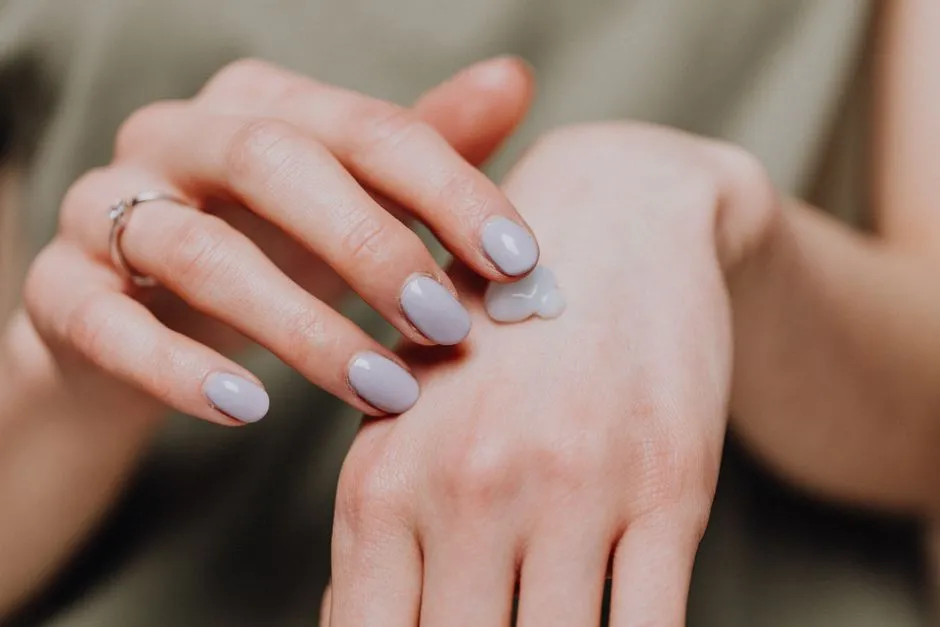
Moisturizing immediately after finishing the shower helps to trap moisture that enters the skin during bathing and keeps it hydrated. This may help avoid dry skin, itching, worsening eczema, and the temporary but harmful effects on skin’s appearance.
The skin becomes thinner over time due to reduced collagen and elastic fiber production. The skin’s ability to retain moisture also worsens with age due to decreased production of natural oils, lipids, and other moisturizing factors. Drier, thinner skin results in a weakened skin barrier and increased sensitivity to various environmental influences.
As you get older, you may need to switch to a thicker cream or ointment. Dermatologists encourage moisturizing every day, not just on days when you shower. The moisturizer compensates for what the shower strips away.
A Showering Survey Puts the Problem in Context
According to a national survey of more than 3,200 Americans conducted by Glass Doctor, the average American showers around six times per week and washes their hair four times per week. While that routine may work for younger adults, doctors say it’s often unnecessary and potentially damaging for older skin.
Harvard Health Publishing has taken a similar position for years. Dr. Robert Shmerling, senior faculty editor at Harvard Health, noted that daily showers do not improve health and could cause skin problems, and that showering several times a week is plenty for most people.
The body changes with age, yet our routines rarely change with it. That gap between biology and habit is exactly where skin damage quietly accumulates.
The Takeaway: It’s About Updating, Not Abandoning, Good Hygiene
The new recommendations are not about abandoning hygiene, but about updating it. That framing matters, because the concern for many older adults isn’t laziness but a genuine, reasonable desire to stay clean and presentable.
Changing shower habits can feel strange at first, but this shift helps prevent dryness, irritation, and eczema while keeping mature skin strong and resilient. The skin you have at 65 or 70 is genuinely different from what it was at 35, and caring for it requires a different approach.
The core message from dermatologists is straightforward: fewer full showers, cooler water, gentler soap used sparingly, and moisturizer applied right after. Small adjustments, consistently kept, can protect aging skin far more effectively than any expensive product layered over a damaged barrier.
AI Disclaimer: This article was created with the assistance of AI tools and reviewed by a human editor.