

How the Brain Gets the Address Wrong

The fundamental explanation for this mislabeling is called referred pain. Referred pain occurs when the brain receives signals from one part of the body and sends pain signals to a different location entirely. The mix-up happens because multiple organs and body areas share overlapping nerve pathways, and the brain does not always sort the signals correctly.
A wide range of conditions can be associated with referred pain, including heart, lung, liver, gallbladder, pancreas, spleen, stomach, intestinal, and kidney problems. So when a patient insists their shoulder hurts, it does not automatically mean something is wrong with the shoulder itself.
While intrinsic causes related to the shoulder joint are the most common, it is important to consider extrinsic factors as well to avoid overlooking significant sources of referred pain. A careful clinical history, not just a shoulder X-ray, is often where the real diagnosis begins.
The Phrenic Nerve: The Key Messenger

One nerve sits at the center of most visceral referred shoulder pain: the phrenic nerve. There are variations in the segmental origin of the phrenic nerve, with the C3-C4-C5 roots appearing most frequently, with important connections to the brachial plexus. These are the same spinal roots that serve the shoulder region.
The commonest theory in most studies proposes that pain referred to the shoulder region travels via phrenic nerve conduction. When an abdominal or thoracic organ becomes inflamed and irritates the diaphragm from below, that irritation travels upward along the phrenic nerve and registers as shoulder pain.
A 2024 systematic review published in the Annals of Anatomy confirmed that the phrenic nerve provides connections and innervates the subdiaphragmatic viscera, findings that are directly relevant to professionals caring for people with neck and shoulder pain and peridiaphragmatic disorders. The study concluded that the phrenic nerve constitutes a new therapeutic target in cases of visceral pathologies and referred pain.
The Gallbladder Connection

One of the most common internal causes of right shoulder pain is gallbladder disease, especially gallstones. When the gallbladder becomes acutely inflamed, typically because a stone is blocking a duct, it pushes against the underside of the diaphragm. The diaphragm shares nerve pathways with the right shoulder via the phrenic nerve, so the brain can interpret gallbladder pain as right shoulder pain.
This creates the characteristic referred pain that many patients describe as a deep, persistent ache between the shoulder blades or at the tip of the right shoulder. The sensation can be vivid enough that patients will stretch, rotate, and massage the shoulder looking for relief, finding none.
The shoulder pain from gallbladder disease is typically felt in the right shoulder and may be accompanied by abdominal pain, nausea, vomiting, fever, or yellowing of the skin and eyes, and the pain may worsen after eating fatty foods. That combination of clues, especially a fatty meal trigger, is often the first hint that the gallbladder is the real problem.
Liver Disease and the Right Shoulder
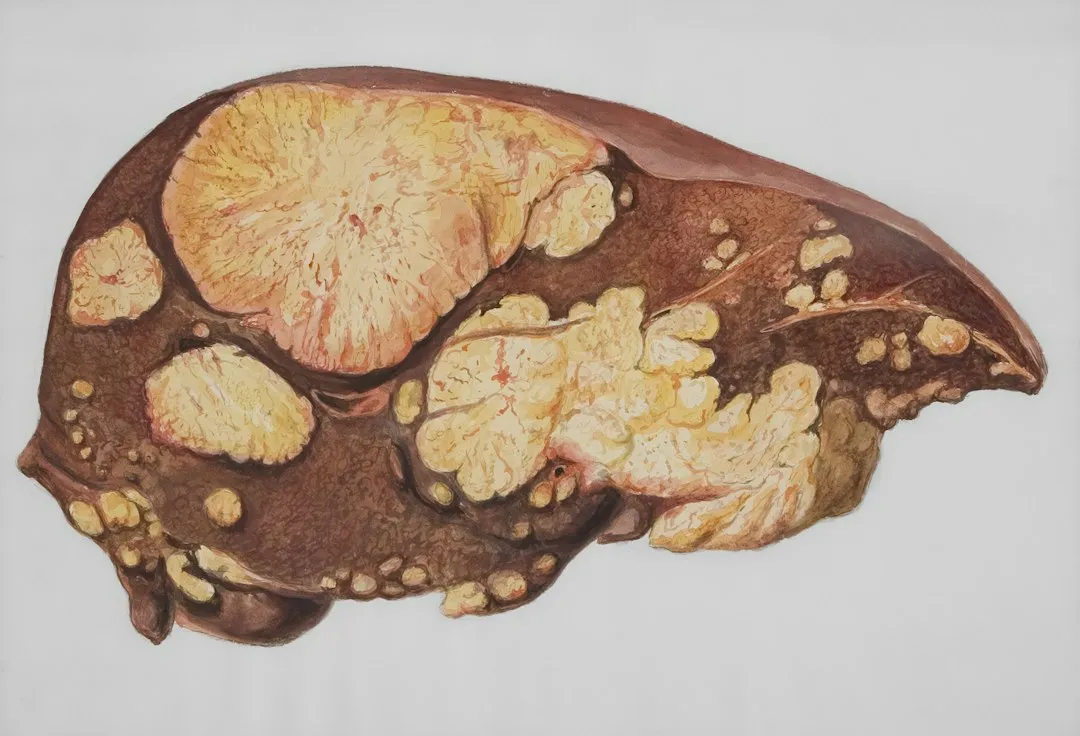
Serious liver conditions, including liver cancer, severe hepatitis, or liver abscesses, can cause right shoulder pain as the liver becomes enlarged or inflamed, because the liver capsule shares nerve connections with the shoulder area. The liver sits in the upper right abdomen directly beneath the diaphragm, putting it in a prime position to trigger phrenic nerve irritation.
A peer-reviewed case report published in the journal Cureus in October 2024 illustrates just how misleading this can be. Shoulder pain is a common complaint in the elderly, but it can sometimes be a sign of a more sinister problem such as liver metastasis, as one case involved an elderly patient whose right shoulder pain turned out to be referred pain from colon cancer that had spread to the liver.
Clues prompting further evaluation included pain triggered by deep breathing while maintaining full shoulder mobility, and this case serves as a reminder to consider referred pain as a cause of shoulder pain, especially when range of motion is not affected. That last detail matters enormously: a genuinely injured shoulder almost always hurts more when you move it in specific ways.
The Heart and the Left Shoulder

Perhaps the most well-known, and most urgent, form of referred shoulder pain involves the heart. Pain isolated to the left shoulder can occasionally signal a heart attack, because cardiac nerve signals often refer to the shoulder, arm, neck, or jaw without any chest pain at all. This pattern is more common in women, in people with diabetes, and in older adults.
The heart and shoulder share some of the same nerve pathways, especially the C4 through C6 spinal nerves. When heart muscle is starved of oxygen, the distress signals travel these shared pathways and can surface far from the chest. Warning signs that point toward the heart include shoulder pain that starts or worsens with exertion, comes with shortness of breath, sweating, nausea, or lightheadedness, and does not change with shoulder movement or position.
Shoulder pain accompanied by chest pain, shortness of breath, sweating, nausea, or dizziness requires immediate emergency medical attention, as these symptoms may indicate a heart attack or other cardiovascular emergency. Time is tissue in a cardiac event, and confusing it for a pulled muscle can have severe consequences.
A Ruptured Spleen and Kehr’s Sign
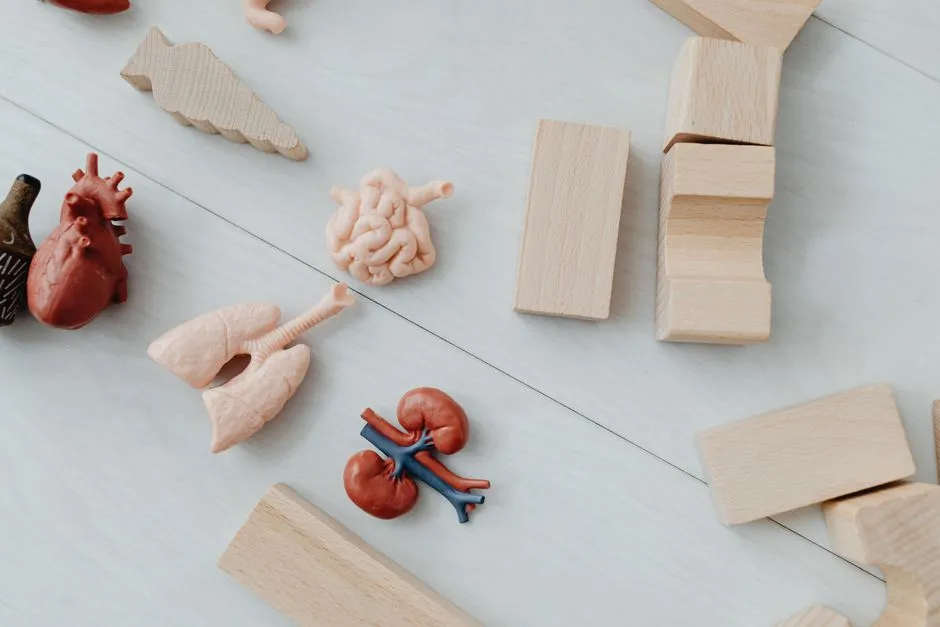
There is a medical phenomenon with its own name that many people have never heard of: Kehr’s sign. Kehr’s sign is left shoulder blade pain experienced by people with a ruptured spleen, a referred muscle pain caused by irritation of the undersurface of the diaphragm from bleeding as a result of splenic rupture.
Kehr’s sign can be explained by the irritation of the diaphragm being transmitted as pain signals in the phrenic nerve, which shares cervical nerve roots C3 and C4 with the supraclavicular nerves that supply the area of the collarbone, so pain signals get transmitted causing left shoulder pain.
A ruptured spleen is a medical emergency, often resulting from blunt abdominal trauma, certain infections like mononucleosis, or blood disorders. The shoulder pain in these cases can appear suddenly and intensify when the patient lies flat. Recognizing this pattern can be the difference between timely surgery and a life-threatening delay.
When the Cervical Spine Is the Culprit
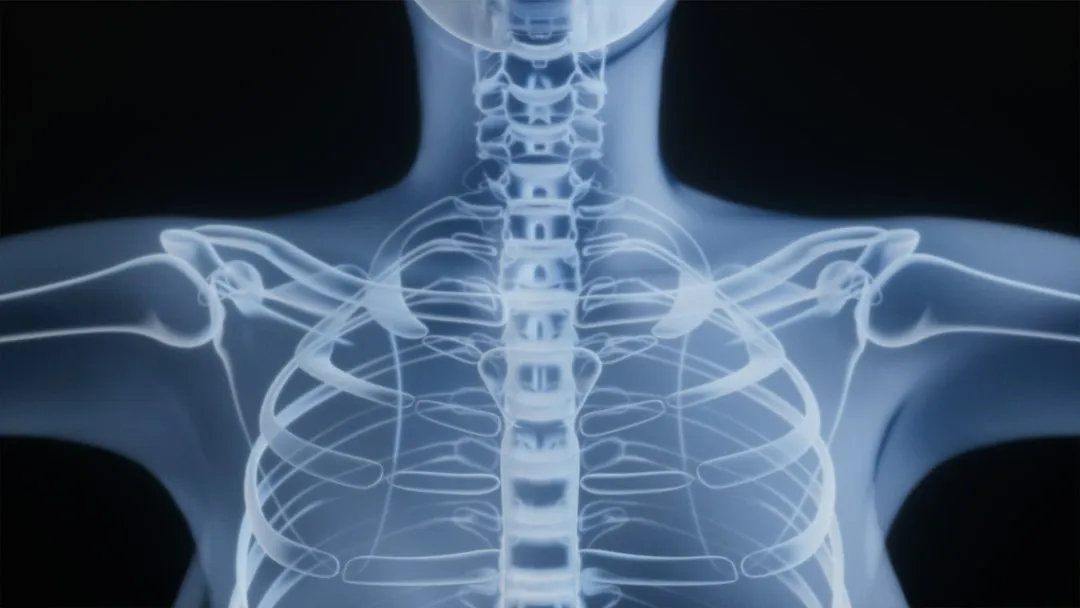
Not all non-shoulder sources of shoulder pain come from internal organs. The neck is a surprisingly common generator of shoulder symptoms. If pain worsens with neck movements rather than shoulder movements, the cervical spine is likely the source, though this can be confusing because people with neck-related shoulder pain can also experience muscular weakness in the shoulder region, and the pain is typically dull and achy.
The mechanism of referred cervical pain remains partially understood, with evidence suggesting that convergence of afferent pathways in the central nervous system plays a significant role. Essentially, signals from a compressed or irritated cervical nerve root get processed by the same spinal segments that serve the shoulder, producing pain that feels local but originates above.
A review published in the Journal of Bodywork and Movement Therapies in January 2025 emphasized the neurophysiological and biomechanical characteristics that justify the role of the cervical spine in musculoskeletal shoulder pain. Rotator cuff related shoulder pain is a prevalent clinical presentation with substantial diagnostic uncertainty, and some of this uncertainty relates directly to the involvement of the cervical and thoracic spine as a source of or contributing factor to the pain.
Diabetes and Shoulder Pain

There is another systemic connection that often goes overlooked: diabetes. The relationship between blood sugar control and shoulder health is more direct than many patients realize. The prevalence of shoulder pathologies in diabetics is higher compared to non-diabetics. Frozen shoulder, or adhesive capsulitis, is particularly linked to longstanding poorly controlled diabetes.
Studies have demonstrated a higher prevalence of shoulder symptoms in diabetic patients, ranging from roughly eleven to thirty-five percent, compared to the general population. High blood sugar over time can stiffen connective tissue throughout the body, including the joint capsule of the shoulder, leading to progressive pain and restricted movement.
The important implication is that treating the shoulder itself without addressing the underlying metabolic problem is unlikely to bring lasting relief. In these cases, improving glycemic control is as much a part of shoulder care as any physical therapy.
The Danger of Treating Only the Shoulder

When referred pain is mistaken for a local shoulder injury, patients often cycle through treatments that provide little to no improvement. They may get cortisone injections, physical therapy for the rotator cuff, or even imaging studies that show minor age-related changes, none of which address the actual source of pain. A 2024 systematic review published in Osteoarthritis and Cartilage found that between thirty and seventy-five percent of the general population with shoulder abnormalities are entirely asymptomatic.
That finding matters a great deal: a scan showing something in the shoulder does not prove that the shoulder is causing the pain. Although visceral pathology is not yet routinely taken into account in the diagnosis of shoulder pain, it is likely that on numerous occasions hepatobiliary visceral conditions cause referred pain in the shoulder due to involvement of the phrenic nerve. Researchers at the University of Seville are currently conducting a clinical trial, actively recruiting as of 2025, to test whether treating the underlying liver or gallbladder pathology can resolve shoulder pain that has not responded to conventional treatment.
The real danger of focusing only on the shoulder is that serious conditions elsewhere, including heart disease, cancer, or internal bleeding, go undiagnosed while time passes.
Clues That Your Shoulder Pain May Not Be About the Shoulder

There are several practical red flags worth knowing. First, if shoulder pain does not change at all when you move, rotate, or press on the shoulder itself, that is a meaningful signal. Pain triggered by deep breathing while maintaining full shoulder mobility is a clue that should prompt further evaluation for a non-shoulder source.
Second, consider the accompanying symptoms. Pain coming with fever, jaundice, dark urine, or digestive upset suggests an abdominal organ. Pain arriving with sweating, nausea, or exertional breathlessness requires cardiac evaluation without delay. A meticulous history and physical examination can help delineate most causes of shoulder pain, whether they are intrinsic or extrinsic.
Third, pay attention to which side hurts. Right shoulder pain is more strongly associated with liver and gallbladder problems. Left shoulder pain, in the right clinical context, can be a cardiac or splenic warning. These are not absolute rules, but they are useful starting points that a good clinician will factor in quickly.
A Measured Takeaway

Most shoulder pain is, in fact, a shoulder problem. Rotator cuff issues, bursitis, and osteoarthritis account for the large majority of cases seen in clinical practice. There is no need to assume the worst every time a shoulder aches after an afternoon of gardening or sitting badly at a desk.
Still, the exceptions are real and clinically important. Important extrinsic causes of shoulder pain include gastrointestinal diseases such as gallstone disease, liver disease, cancer and splenic conditions, as well as cardiological problems including myocardial ischemia and pericarditis, and neurological factors such as cervical radiculopathy. Any shoulder pain that does not improve as expected, that arrived without a clear physical cause, or that comes paired with symptoms from another part of the body deserves a broader look.
The shoulder is sometimes just the place where the body chooses to announce a problem it is having elsewhere. Listening to that message carefully, rather than treating only the location of the pain, is what good diagnosis looks like.
AI Disclaimer: This article was created with the assistance of AI tools and reviewed by a human editor.