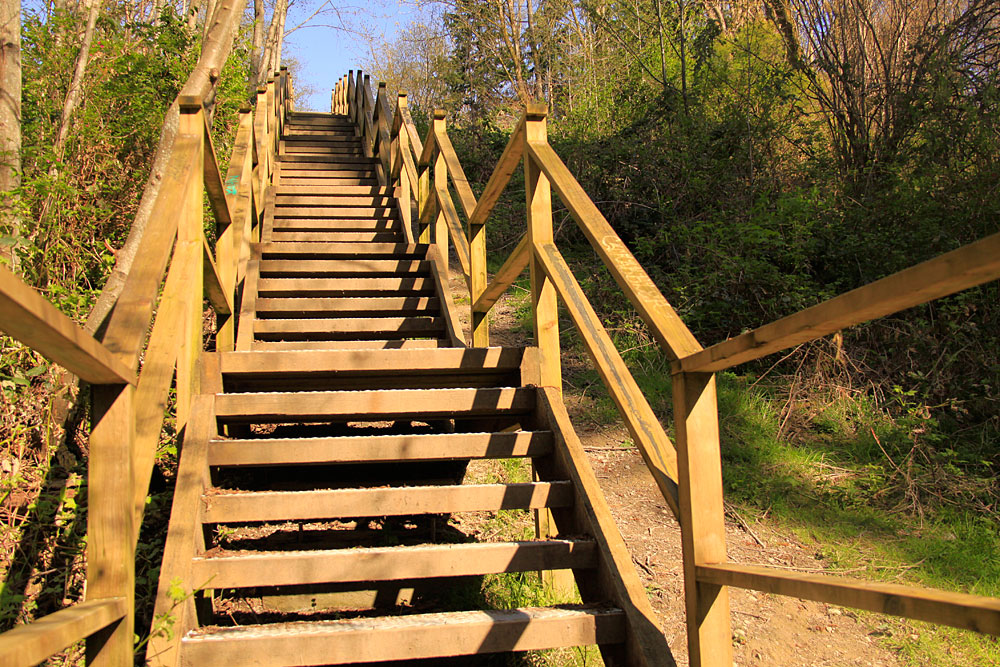

Stairs Are a Surprisingly Demanding Physical Test
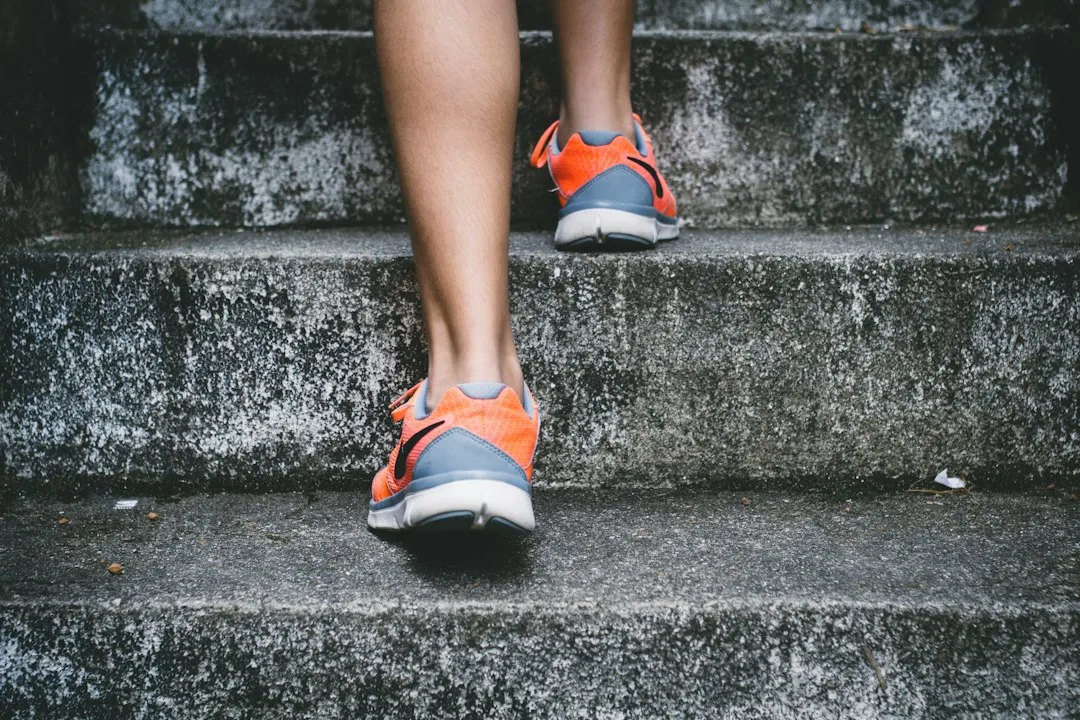
Before dismissing your breathlessness as pure laziness, it helps to understand what stairs actually ask of your body. A single flight of stairs increases the demand for oxygen by up to 200 percent compared with level walking. That is not a small jump, and it explains why hidden problems that stay invisible on flat ground can announce themselves very loudly on a staircase.
When you ascend stairs, your body demands more oxygen to fuel your leg muscles. Your lungs and heart work together to pump oxygen-rich blood to your muscles, remove carbon dioxide waste, and maintain normal blood pressure. If either organ can’t keep up with demand, you feel breathless.
Because stair climbing is a near-maximal test of oxygen delivery, it unmasks early disease while you still look “normal” in clinic. That is precisely why doctors pay attention when a patient mentions it.
Heart Failure Can Hide Behind a Simple Excuse
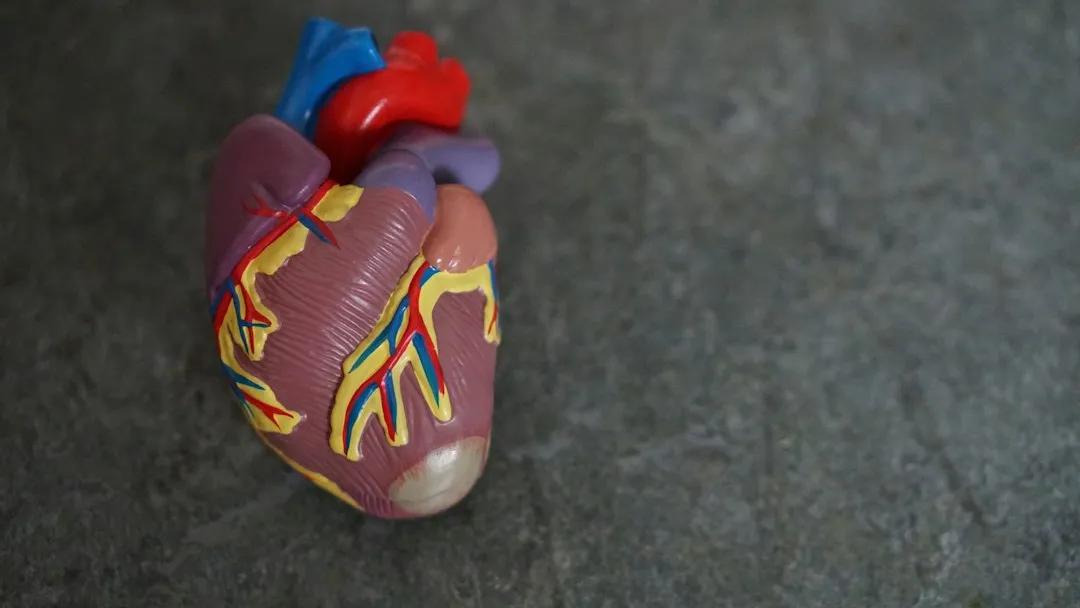
Heart failure occurs when the heart muscle becomes too weak or stiff to pump blood adequately. This impaired pumping often leads to fluid accumulation in the lungs, which in turn causes significant breathlessness on exertion, even at rest in severe cases.
The British Heart Foundation notes that a weak left ventricle lets blood back up into the lungs, so even brief exertion like stair climbing can provoke marked breathlessness long before other signs appear. Many people write this off as aging or poor fitness for months before a diagnosis is made.
The most common feature of left-sided heart failure is dyspnea. Other symptoms include orthopnea, paroxysmal nocturnal dyspnea, fatigue, exercise intolerance, and ankle edema. If you notice your ankles swelling alongside stair breathlessness, that combination is worth discussing with a doctor promptly.
Coronary Artery Disease Can Appear as Breathlessness, Not Chest Pain
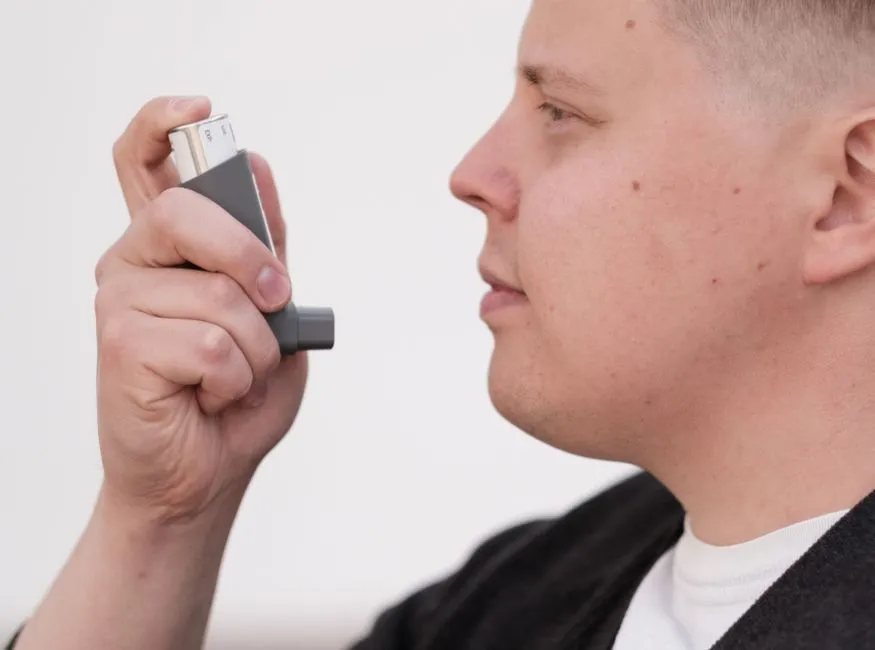
Blocked or narrowed arteries lead to reduced blood flow to the heart muscle, forcing the heart to work harder. This leads to symptoms like shortness of breath and chest pain during activity. What many people don’t realize is that shortness of breath can appear without noticeable chest pain at all.
Exertional dyspnea may be an atypical sign of coronary heart disease. This is particularly relevant for women, who are statistically more likely to present with breathlessness rather than the classic chest-clutching symptom most people associate with heart problems.
The 2025 ACC/AHA guidelines recognize coronary artery disease as a cause of exertional breathlessness and chest discomfort and identify red flags for acute coronary syndrome. Age matters here too, as cardiovascular and pulmonary causes become more likely with advancing years.
COPD Often Goes Undiagnosed for Years

COPD causes irreversible airflow obstruction and damage to the air sacs, leading to chronic and worsening shortness of breath, particularly during exertion. The insidious part of this disease is how gradually it creeps in. People adapt their habits without realizing it, avoiding stairs, skipping walks, taking the elevator.
Mild asthma or early COPD can drop peak expiratory flow by 15 percent during exertion, enough to create tightness only when stair-climbing. That means flat-ground breathing can feel perfectly fine, leaving the condition completely unnoticed until someone asks why the stairs are suddenly so hard.
Forced expiratory volume in one second below 80 percent of predicted can double perceived exertion on stairs. A simple spirometry test at a doctor’s office can detect this, yet many people with COPD go undiagnosed for years simply because they never connected their stair symptoms to a lung problem.
Anemia Quietly Starves Your Muscles of Oxygen
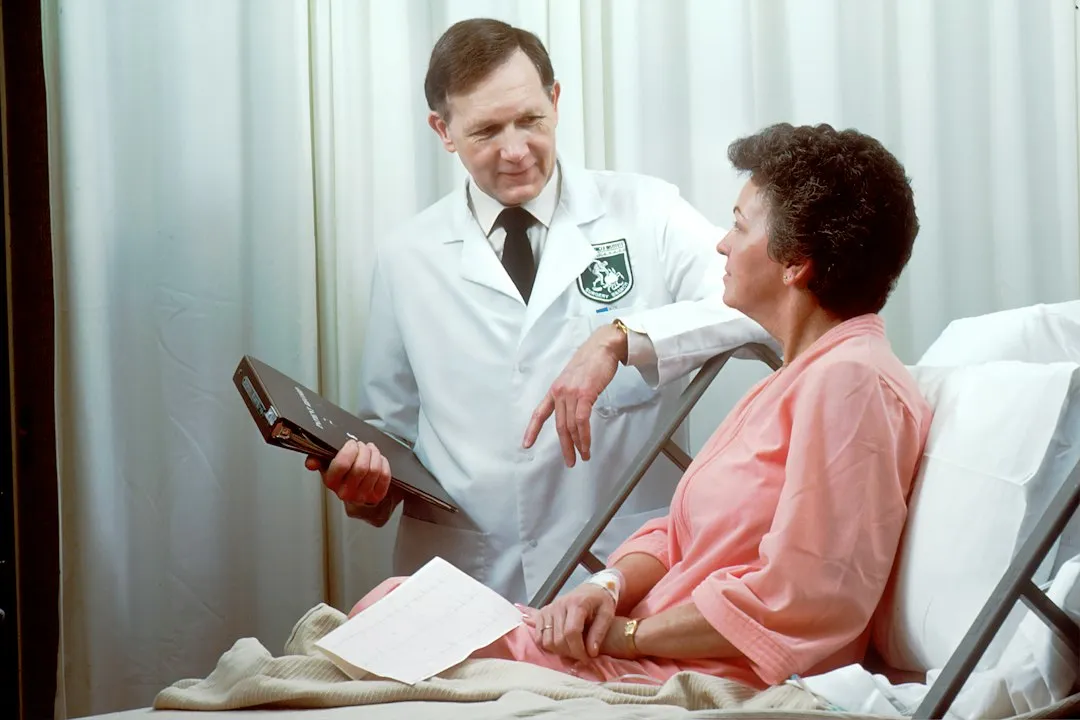
Without enough red blood cells to carry oxygen, even modest exertion feels breathless. Anemia is one of the most commonly overlooked causes of exertional breathlessness, especially in women, older adults, and people with diets low in iron or B12.
General symptoms of mild anemia can include feeling tired, weak, dizzy, getting headaches, shortness of breath, and pale or yellowish skin. These symptoms are easy to explain away individually. Together, particularly when stairs consistently leave you gasping, they point toward something worth testing with a basic blood panel.
In 2025, the WHO noted a rate of 35.5 percent in pregnant women compared with 30.5 percent in non-pregnant women, along with a rate of almost 40 percent in children aged under 5 years. Anemia is far more widespread than most people assume, and it is among the most treatable causes of exertional breathlessness once identified.
Pulmonary Hypertension Starts Subtly, Then Accelerates
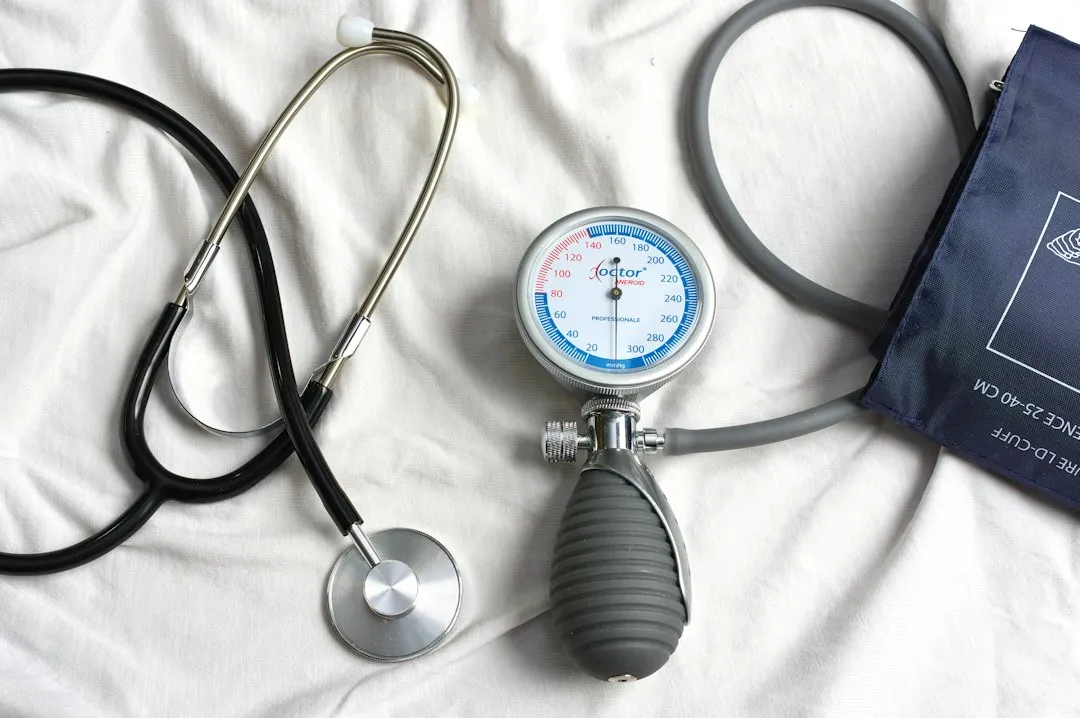
Pulmonary hypertension is high blood pressure in the arteries of the lungs that causes progressive shortness of breath, chest pressure, fainting, and leg swelling. It is one of the conditions most frequently mistaken for general unfitness in its early stages, which makes diagnosis frustratingly slow.
Pulmonary hypertension symptoms often start as gradual shortness of breath during ordinary activities such as climbing stairs or walking quickly, and worsen over months. The slow trajectory is exactly what fools people. It feels like a gradual decline in fitness rather than a disease taking hold.
When blood vessels in the lungs become thickened, narrowed, blocked, or destroyed, it becomes harder for blood to flow through the lungs. As a result, blood pressure goes up in the lungs. This condition is called pulmonary hypertension. Early intervention matters significantly because without treatment, it tends to worsen.
Heart Valve Problems Can Fly Under the Radar
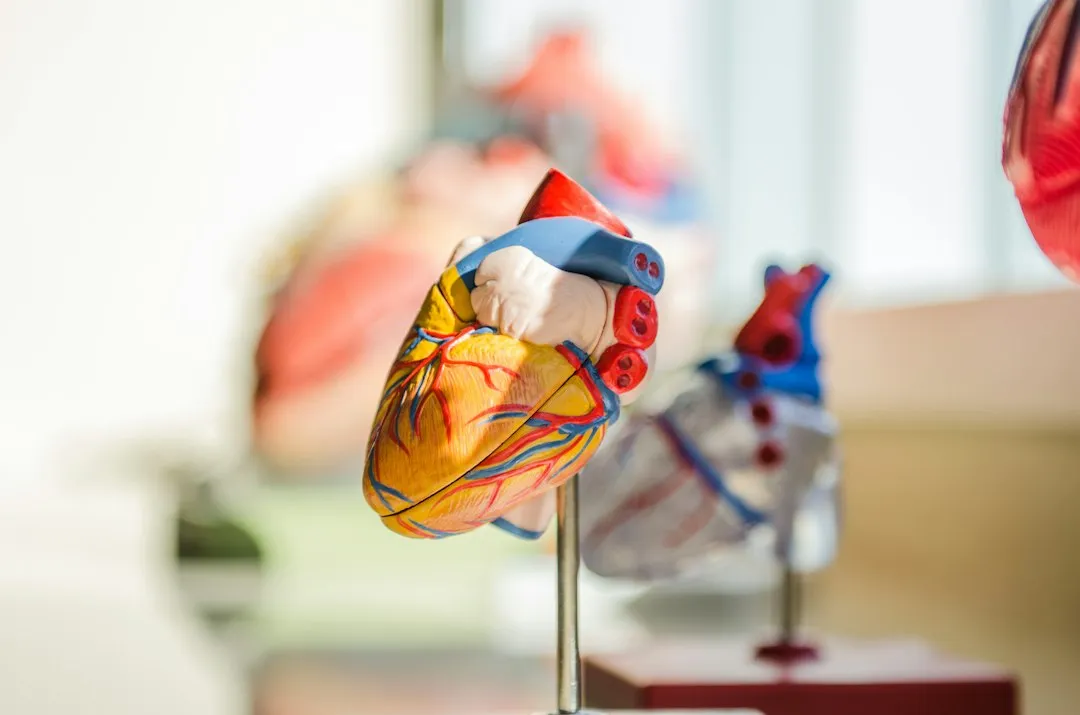
Issues with the heart’s valves can disrupt blood flow within the heart and to the rest of the body. This results in an increased workload on the heart muscle, causing breathlessness on exertion as the body struggles for oxygen. Valve disease is not just an older person’s concern, though it does become more common with age.
Symptoms may take years to develop and include fatigue and lightheadedness, chest pain and shortness of breath during exercise, swollen feet and ankles, and irregular, fluttering heartbeat. Because the progression is so gradual, many people assume they are simply less capable than they used to be.
An echocardiogram, which is a straightforward ultrasound of the heart, can detect valve abnormalities that would never show up in a standard physical exam. Doctors evaluate symptoms like chest discomfort, palpitations, wheezing, and swelling, using tests such as ECG, echocardiogram, chest imaging, pulmonary function tests, and blood work to identify the cause.
Dyspnea on Exertion Is a Documented Predictor of Mortality
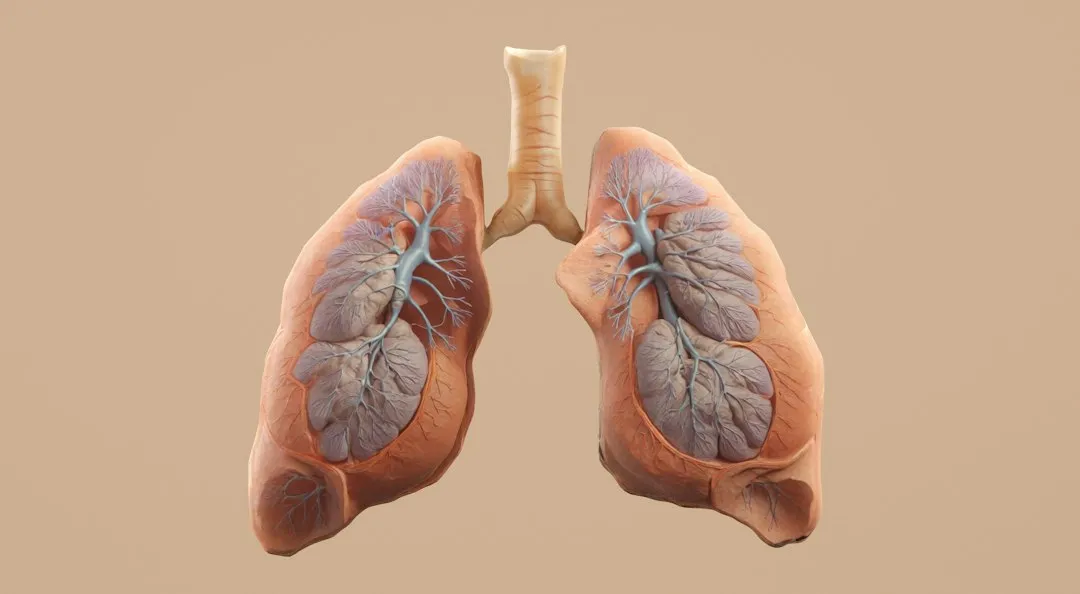
This is the finding that tends to get people’s attention. Research found that dyspnea on exertion was an independent predictor of mortality from all causes with a hazard ratio of 1.69, and from cardiac causes with a hazard ratio of 1.997, both statistically significant results. That means people who experience exertional breathlessness face meaningfully higher long-term risk, even when no underlying condition has yet been diagnosed.
A total of 101,455 exercise tests were reviewed to identify nearly 19,000 patients, with a mean age at referral of 51 years and a mean follow-up period of 12 years. This was not a small or short study, and its findings make a compelling case for early evaluation.
Researchers concluded that dyspnea on exertion is an independent predictor of mortality in patients with no baseline cardiovascular or respiratory disorders. Patients presenting with dyspnea alone should be evaluated thoroughly and treated accordingly to reduce the associated mortality outcomes.
How Common Is This, Really?
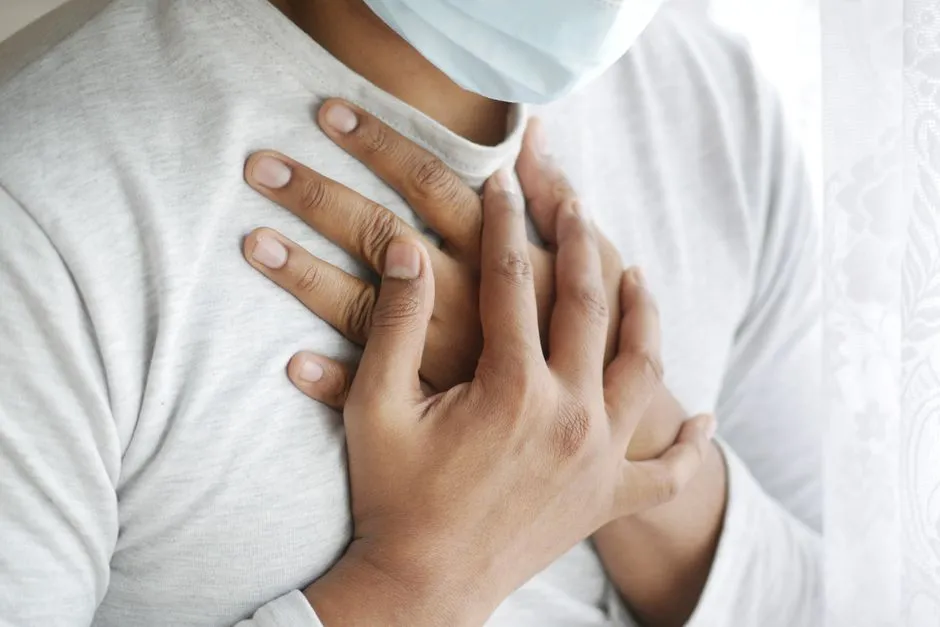
It turns out, very common. It has been reported that 7.4 percent of patients presenting to emergency rooms complain of dyspnea. Among patients in general practice, 10 percent complain of dyspnea when walking on flat ground and 25 percent complain of dyspnea on more intense exertion, such as climbing stairs.
One Canadian study found that 1 in 5 older adults experienced dyspnea symptoms when climbing stairs or walking uphill. That is a large portion of the population quietly managing a symptom that medicine treats as a meaningful signal worth investigating.
The incidence of congestive heart failure among women in the United States is projected to increase. While the symptoms of heart failure are similar in men and women, women are more likely to have dyspnea on exertion, difficulty exercising, and edema. Women in particular may be underdiagnosed because their symptoms tend to differ from the textbook male presentation.
When to Stop Waiting and See a Doctor

If you could walk up one flight of stairs or walk two blocks without experiencing shortness of breath, but now notice symptoms while doing these activities, you should make an appointment with your physician. The key word is change. A gradual shift in what you can tolerate is a clinical sign, not just a fitness plateau.
You should seek prompt medical evaluation if your breathlessness occurs alongside chest pain, dizziness, heart palpitations, swelling, or unusual fatigue. These combinations are the body’s way of escalating the message.
If you have chest pain, severe breathlessness at rest, coughing up blood, blue lips or nails, or feel like you might pass out, call 911 or go to an emergency room immediately. These are not symptoms to sleep on or book a routine appointment for next month.
The Takeaway
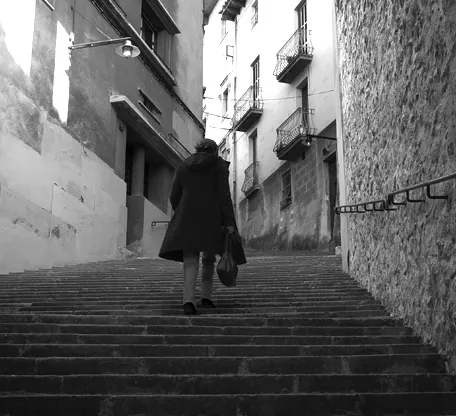
Stairs are a surprisingly honest diagnostic tool. They ask the body for a burst of effort that flat ground never requires, and in doing so, they reveal things that everyday life keeps hidden. A single flight of stairs can expose early heart disease, undiagnosed COPD, chronic anemia, or pulmonary hypertension long before those conditions would show up in any other way.
The fitness excuse is comfortable and occasionally true. The research, though, suggests that persistent or worsening stair breathlessness in an otherwise apparently healthy person deserves a proper workup rather than a resolution to go to the gym more. While mild breathlessness can often be improved with lifestyle changes, persistent or worsening shortness of breath climbing stairs shouldn’t be ignored. Early diagnosis and treatment of heart or lung conditions can prevent complications.
Getting short of breath on the stairs may be nothing. It may also be the first clear signal your body has managed to send you. The difference between those two outcomes, in most cases, is whether you take it seriously enough to find out.
AI Disclaimer: This article was created with the assistance of AI tools and reviewed by a human editor.