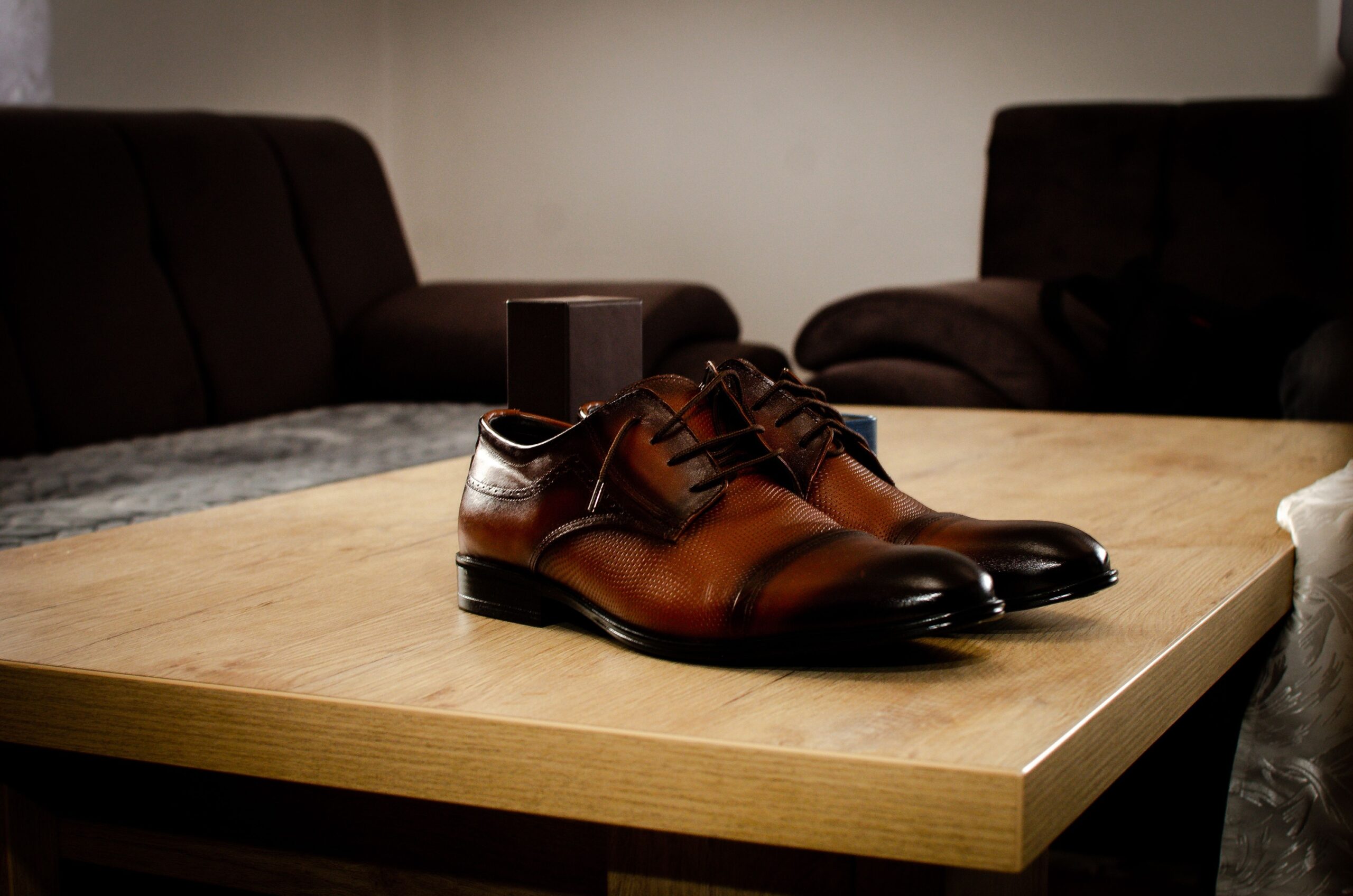

Sealing Leather Shoes in Airtight Plastic Boxes
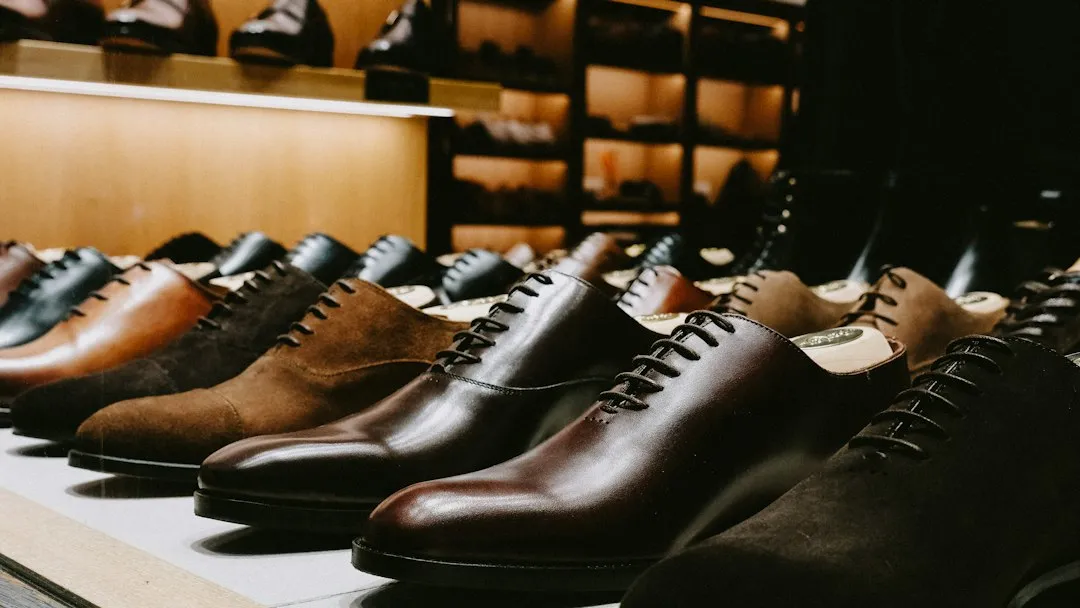
Using lidded plastic bins for shoe storage can prevent adequate airflow and lock in moisture. Many people reach for sealed plastic containers thinking they’re the best long-term solution, but lidded plastic boxes can actually be among the worst containers for storing shoes. Plastic boxes and crowded closets may look organized, but they trap moisture and stale air around the shoe. Leather needs airflow, especially after being worn, because the warmth of the foot and the moisture of daily movement stay inside long after the shoe comes off.
Never store leather in plastic bags, because they trap moisture and encourage mold growth. The fix is straightforward: breathable cotton dust bags allow air to circulate while still protecting the surface from dust.
Storing Shoes While They’re Still Wet
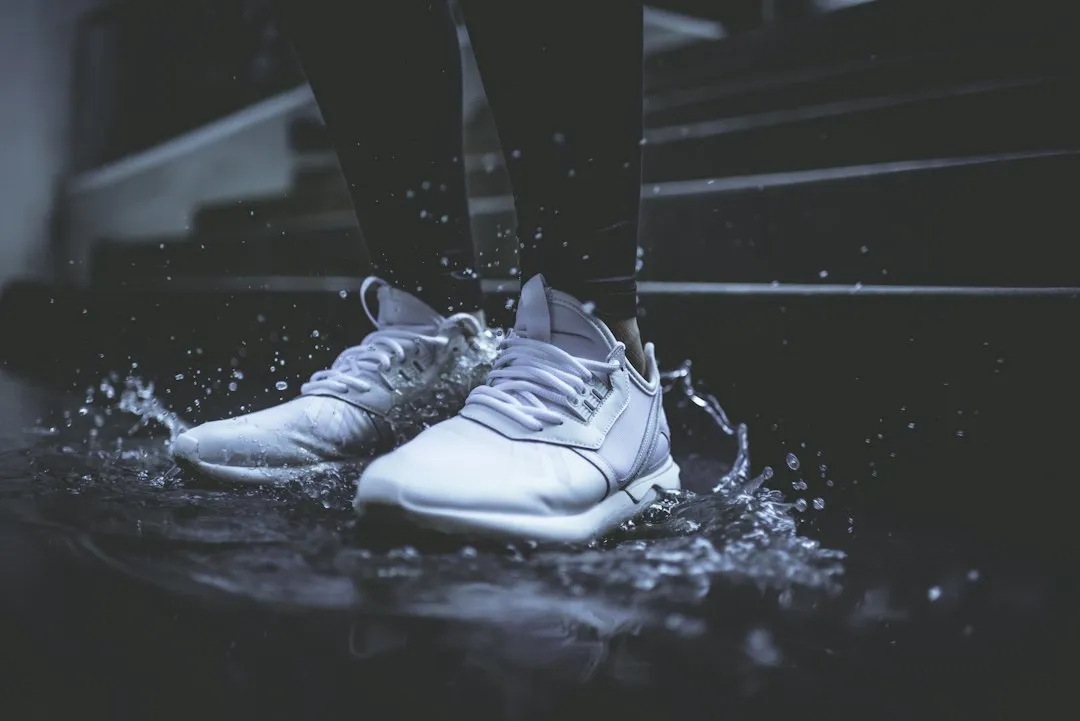
Rainy days often mean walking home with soaked leather shoes. Shoving them straight into a closed wardrobe might keep the room neat, but it locks in moisture and ruins the leather. When wet shoes go inside a closed plastic closet or sealed box, the water has nowhere to go.
Shoes stored while still damp, from rain, sweat, or humidity, become breeding grounds for mold that permanently damages the leather and lining. Never put wet shoes near direct heat like a stove or heater either, because fast heating shrinks and cracks leather. Allow at least a full day of open-air drying before returning shoes to any enclosed space.
Skipping the Shoe Tree
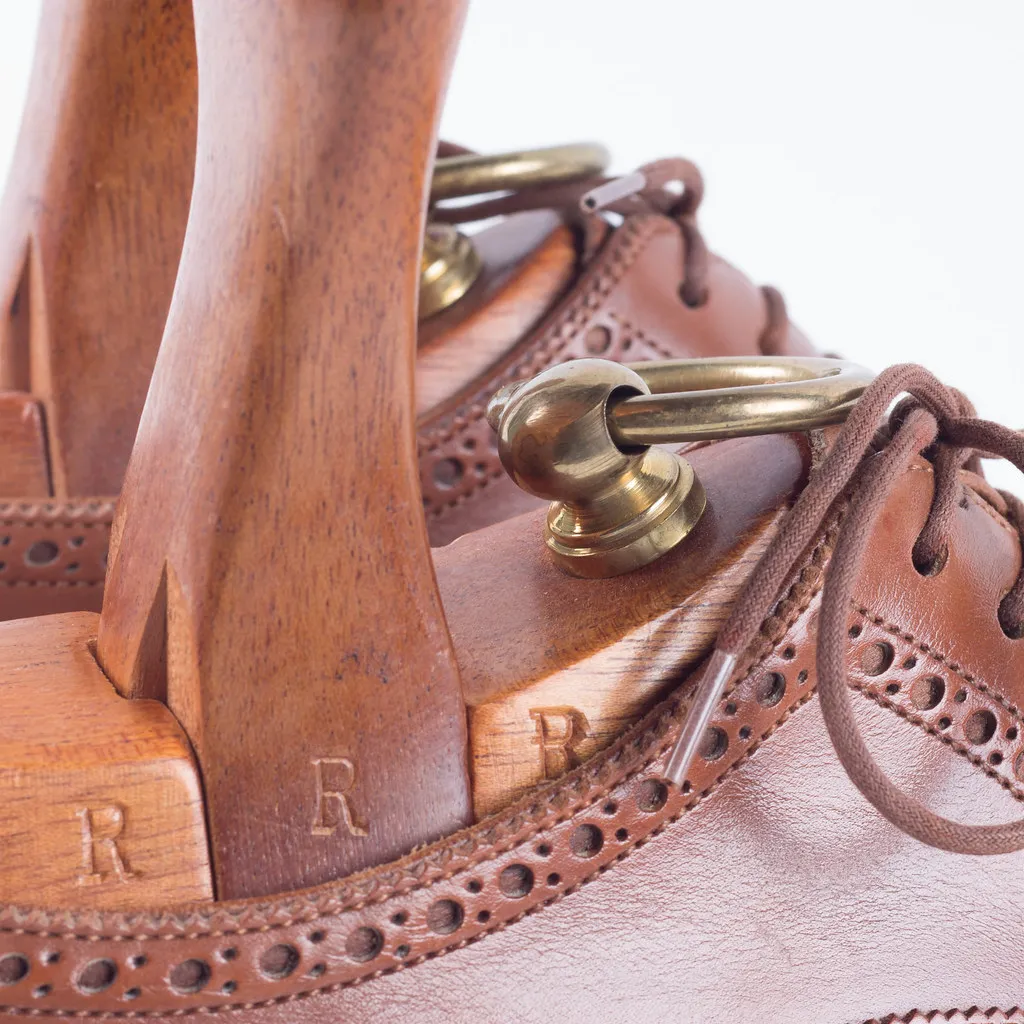
Perhaps more important than maintaining the shape, shoe trees also play a crucial part in wicking away moisture caused by sweat, which is a major cause of lining rot and leather degradation. By absorbing moisture from leather more quickly than evaporation would alone, a shoe tree limits the growth of bacterial colonies that would otherwise thrive by decomposing sweat-saturated leather.
A shoe’s silhouette is one of its most important qualities. Without a last or shoe tree to maintain it, the upper distorts and the heel counter collapses. Higher quality shoe trees are made from softwood, usually cedar, which helps control odor and absorb moisture.
Keeping Shoes in Rooms with High Humidity
Research on leather goods is consistent: the ideal storage humidity for leather shoes sits at around 50%, and definitely below 60%. Above 60%, mold risk increases meaningfully; above 70%, it increases significantly. Leather is susceptible to damage when ambient humidity consistently exceeds 60%, leading to fiber swelling.
Leather contains a large proportion of collagen protein, which binds moisture to maintain flexibility. When exposed to improper humidity, whether too low or too high, collagen fibers denature, leading to cracks or microbial growth. Using silica gel packets in enclosed storage spaces is a practical and inexpensive countermeasure.
Placing Shoes in Direct Sunlight
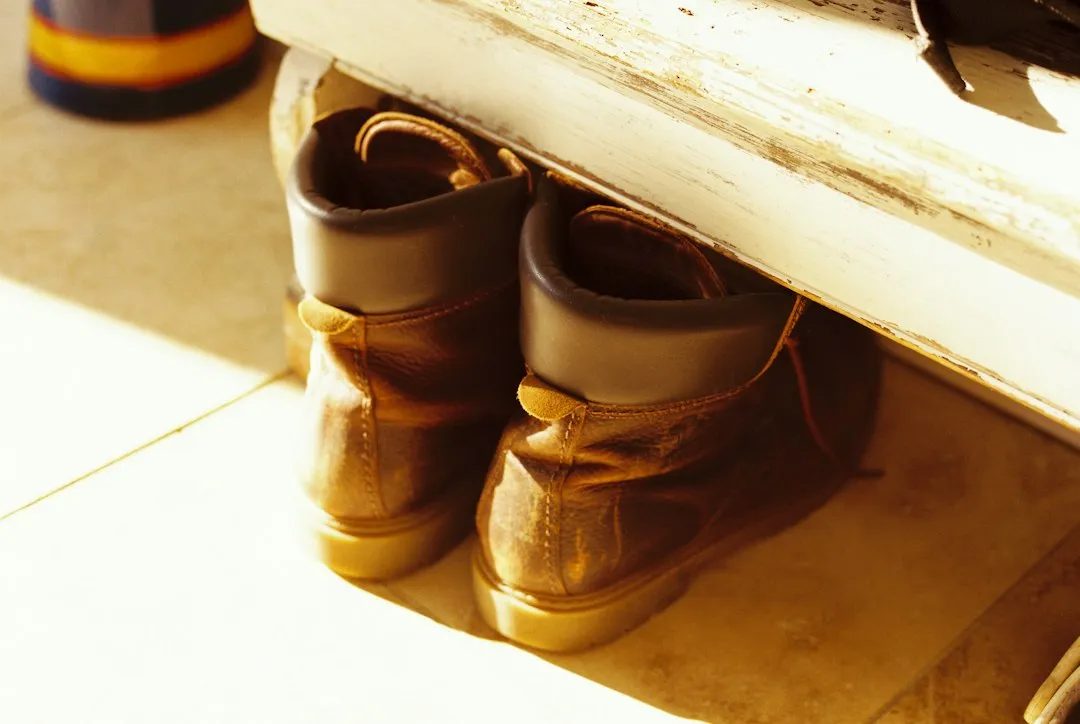
Premature aging, discoloration, drying, and cracking are the main consequences your leather will endure from overexposure to sunlight. It’s the sun’s ultraviolet rays that do the most damage. UV light is powerful and causes changes on a molecular level.
UV rays draw moisture from the leather, leaving it dry and wilted. More than that, UV rays dislocate vital natural oils from the leather that cannot be replenished. You can condition your leather as a regular maintenance practice, but reversing UV damage is a whole different challenge. The UV rays can also oxidize your shoes, causing yellowing or even cracking.
Storing Shoes in Extreme or Fluctuating Temperatures
Leather expands in heat and contracts in cold, leading to long-term damage. Storing leather in attics, basements, or non-climate-controlled spaces puts it at risk of warping and cracking. The Leather Conservation Centre recommends storing leather goods at between 15 and 20 degrees Celsius and 40 to 60% relative humidity, conditions cool and stable enough to prevent both mold growth and desiccation cracking.
Constant temperature fluctuation causes the leather to become brittle and prone to cracking. Spaces like garages, car trunks, and poorly insulated storage rooms are among the worst environments for leather shoes, even when they look dry.
Storing Dirty Shoes Without Cleaning Them First
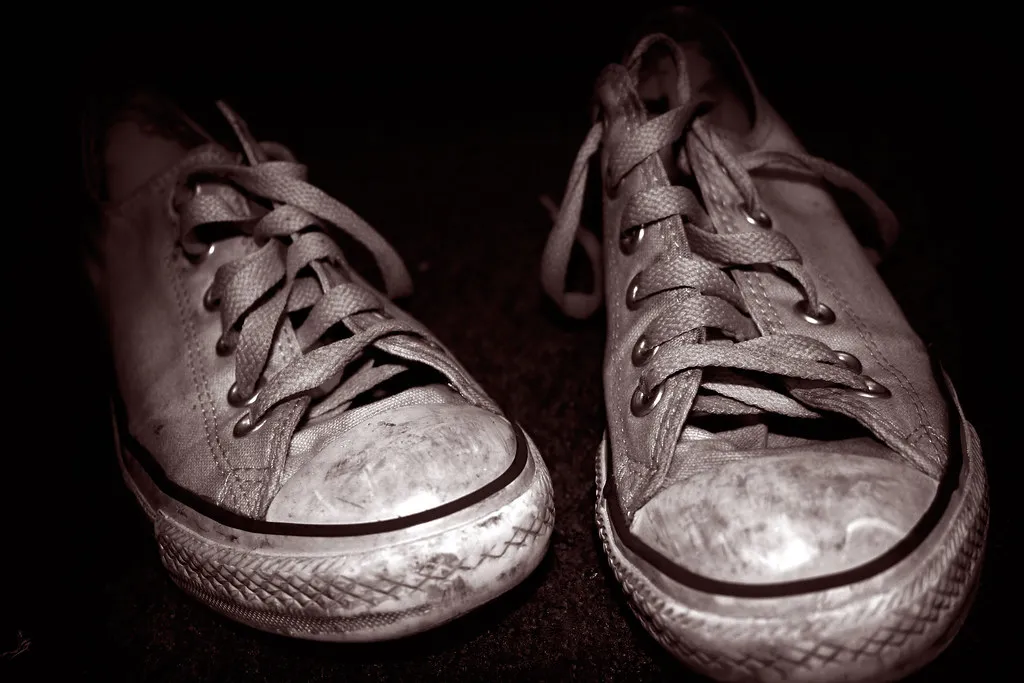
Mold feeds on the organic residue from skin oils and dirt as much as the leather itself. If leather shoes are not cleaned, conditioned, and protected before storage, they can suffer from a variety of problems such as mold, mildew, dry rot, cracking, and shrinking.
Without regular conditioning, leather loses suppleness and cracks. Without cleaning, embedded grit acts as an abrasive that degrades the surface grain. A quick wipe-down with a soft cloth before putting shoes away for more than a few days is one of the simplest habits that extends leather’s life considerably.
Skipping Conditioning Before Long-Term Storage
Research published by the British Leather Confederation indicates that untreated leather goods lose a significant proportion of their natural oils within the first year of storage without prior conditioning, a process that is far easier to prevent than to reverse. Stored in low-humidity environments without conditioning, leather loses its natural oils and begins to crack, first subtly, then catastrophically.
Without regular conditioning, leather loses its natural oils and becomes brittle. This leads to surface cracking, deep creasing at the toe and ankle, and eventually structural deterioration. It is generally suggested to condition leather shoes every two to three months, especially if exposed to humid environments.
Overcrowding Shoes in Storage
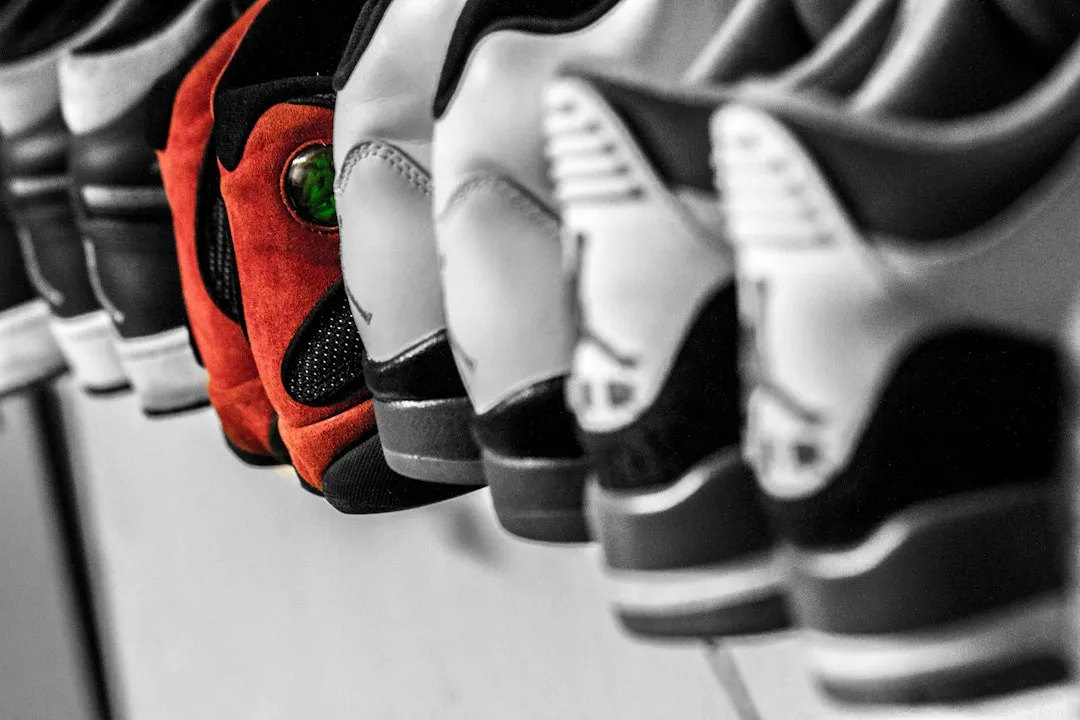
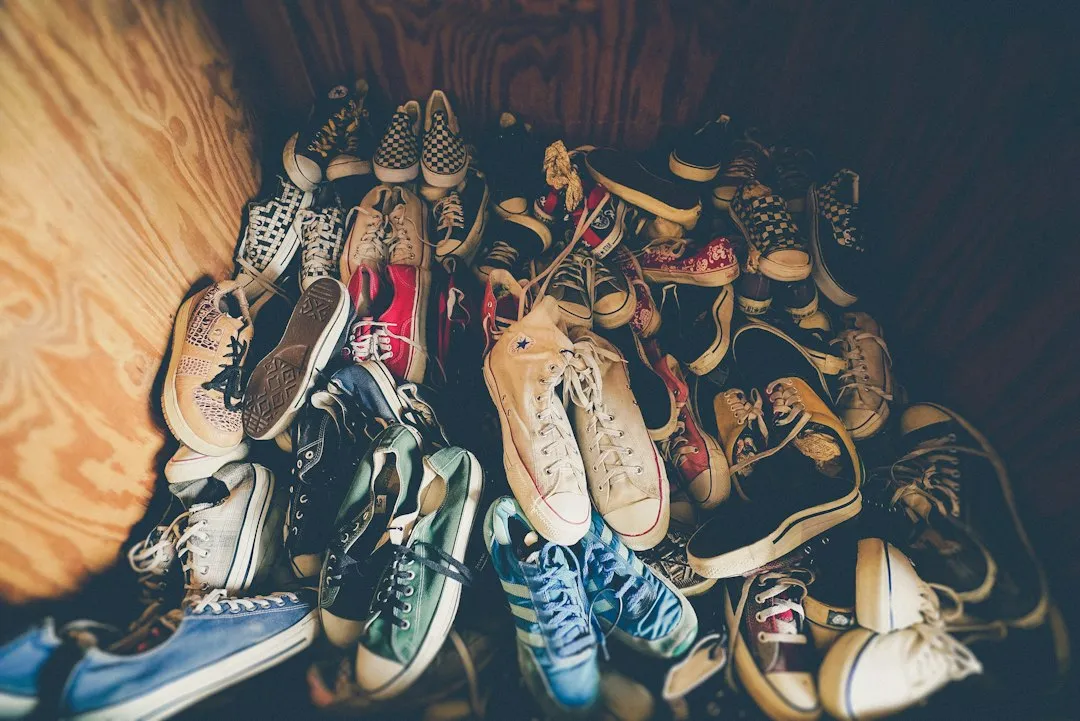
Research also identifies specific conditions that compound risk: shoes stored in cardboard boxes that can retain and release moisture, overcrowded wardrobes where air doesn’t circulate, and storage on exterior-facing walls where temperature differentials cause condensation. When shoes are packed tightly against each other, the lack of airflow creates exactly the warm, still conditions that mold prefers.
According to the Society of Master Shoe Repairers, improper storage, including exposure to excess humidity, airtight containment, and lack of structural support, is among the leading causes of premature upper cracking and sole separation in leather footwear. Giving each pair room to breathe isn’t just tidiness. It’s maintenance.
Not Allowing Leather Shoes to Dry Between Wears
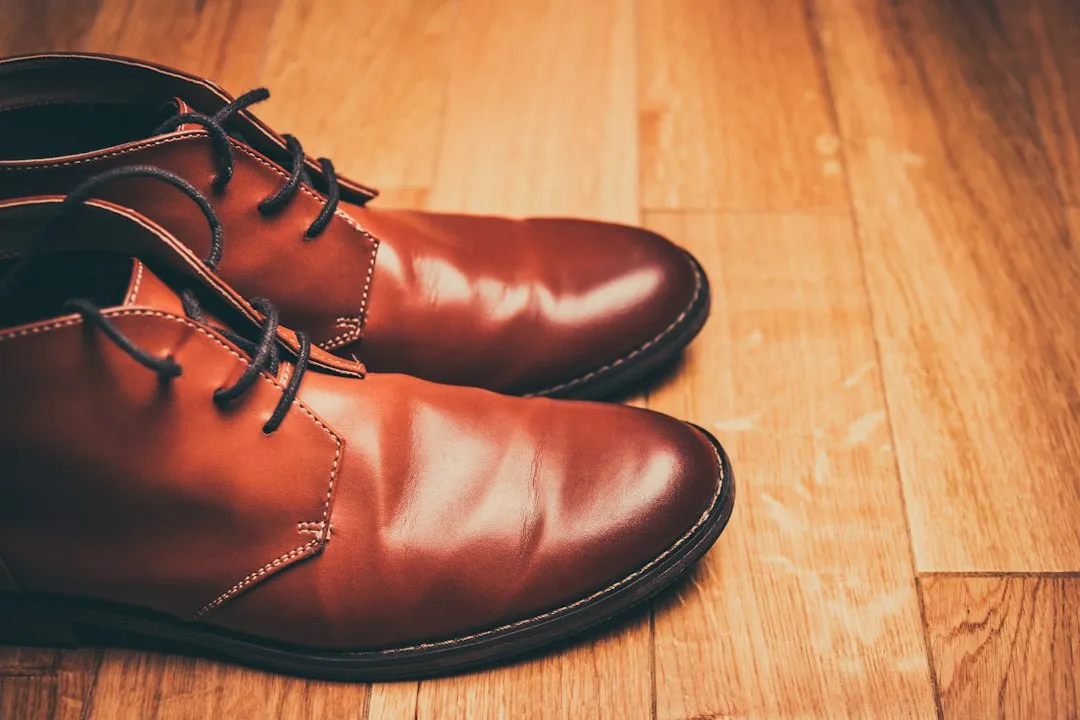
Dry leather shoes thoroughly after every wear before storing, and allow at least 24 hours of airflow, ideally in a ventilated space with cedar shoe trees. Leather needs time to fully dry out after a full day’s wear, which is why allowing 24 hours between wears matters.
According to the Society of Master Shoe Repairers, the majority of long-term leather damage they encounter, including mold, cracking, and sole delamination, is attributable to poor storage conditions rather than structural wear. Rotating between multiple pairs isn’t just a style preference; it’s one of the most effective ways to protect every pair you own.
The Takeaway
Leather shoes are durable by nature, but storage habits can undermine years of good investment in a matter of months. The most damaging habits share a common thread: they deprive leather of air, stability, and consistent conditions. None of the fixes here are expensive or time-consuming. Cedar shoe trees, breathable bags, a stable room, and a quick clean before storage cover most of the risk. The difference between a pair that lasts a decade and one that cracks after two years often comes down to what happens when the shoes aren’t on your feet.
AI Disclaimer: This article was created with the assistance of AI tools and reviewed by a human editor.