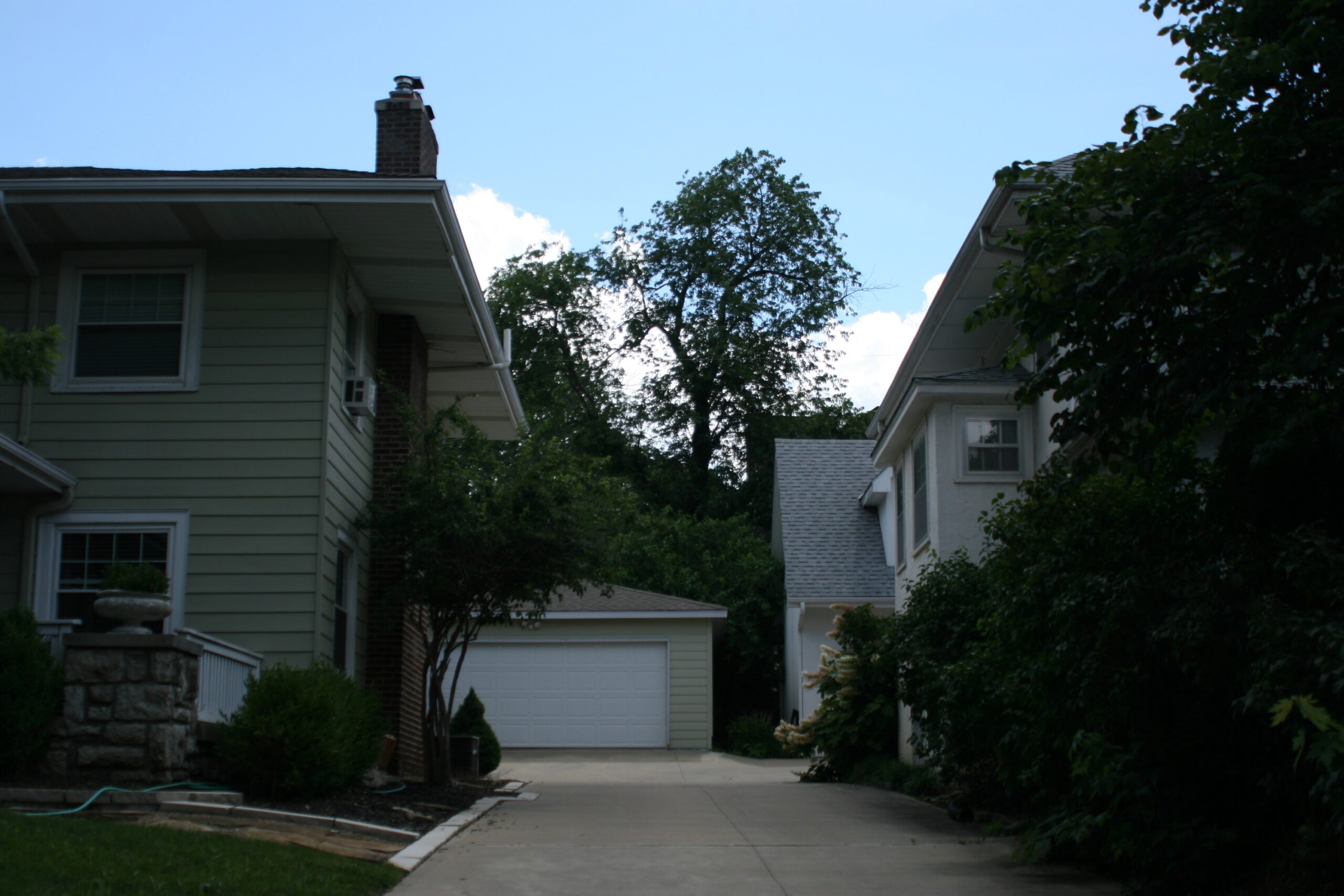

Why the Shared Driveway Is Uniquely Combustible
A shared driveway, a utility line across the back lot, an access road to a landlocked parcel: easements let one owner use another’s land, and they generate some of the most stubborn neighbor litigation around. The driveway is different from most shared property arrangements because both parties use it daily, often at the same time, which means any friction gets amplified fast. It is not an abstract legal right sitting quietly in a deed somewhere. It is lived and contested in real time.
Shared driveway problems usually arise when one neighbor blocks or interferes with another’s access, often leading to frustration, repeated inconvenience, and in some cases, serious legal disputes. What starts as a minor parking habit or a renovation project can harden into something much bigger once lawyers get involved.
The Missing Piece: No Written Agreement
A shared driveway dispute can escalate from a neighbor disagreement into a court proceeding when there is no written maintenance agreement, no clear easement scope, and no mechanism for resolving who pays for what. The absence of a recorded cost-sharing agreement is the single most common source of conflict between property owners who share a private access road or common driveway.
A shared driveway agreement is a legal arrangement between adjacent property owners governing the use, maintenance, and cost-sharing of a common driveway. The agreement typically addresses access rights, maintenance obligations, cost sharing, insurance, and dispute resolution. Without one, every one of those issues becomes a potential flashpoint. Neighbors are left guessing, and guessing wrong tends to end in court.
When a Property Changes Hands, Trouble Often Follows
Most easements run with the property, meaning they persist after a property is sold. Easement disputes most commonly occur after the sale of a property. A new buyer steps in with no knowledge of the informal arrangements the previous owners had worked out over years. They see the deed, they see the property lines, and what they see may not match the reality on the ground.
One of the most common examples involves shared driveways. In older neighborhoods, property lines may not match how people actually use the land. A neighbor may use part of another driveway for decades without any written agreement. When the property eventually sells, that quiet arrangement suddenly becomes a legal question with real money attached to it. In 2025, multiple claims involving access-to-property issues emerged where there was some shared access to the property being sold, such as a driveway or road, with no written documentation to support the arrangement.
Blocked Access: The Trigger That Sends Most Cases to Court

Driveway easements are among the most common sources of neighbor disputes. Most driveway easement litigation centers on two primary issues: one party trying to enforce their right to use an easement that is being blocked, and a party justifying their actions in blocking access to an easement.
Blocked access, through gates, fences, landscaping, or parked cars obstructing a right of way, is the most frequently litigated scenario. Only if there is a substantial interference with the ability to use the right of way will the courts intervene, and whether an interference is “substantial” is subjective, with each case turning on its own facts. That subjectivity is precisely what keeps attorneys busy.
The Maintenance Money Fight
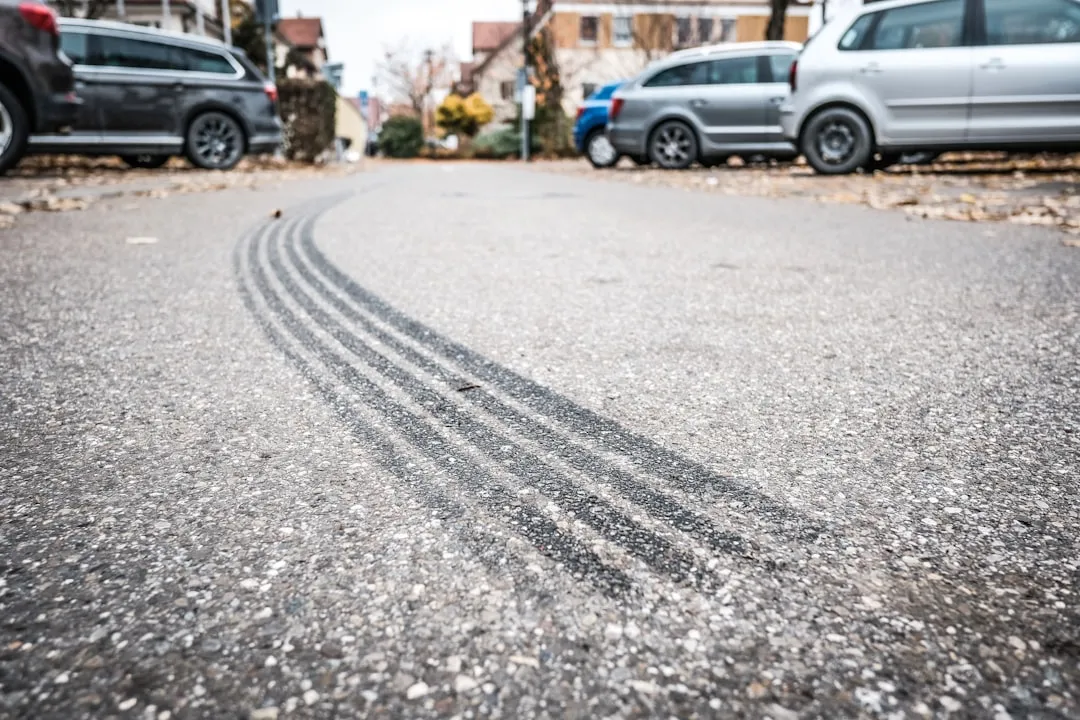
Disputes may arise over who is responsible for repairing potholes, clearing snow, or maintaining the driveway in good condition. Different interpretations of maintenance obligations can lead to strained relationships between neighbors. This is especially common in colder climates where shared driveway upkeep is a seasonal obligation, not a one-time fix.
Who pays to resurface the shared driveway or maintain the private road is a recurring litigation trigger. Absent an agreement, California law generally requires easement users to share maintenance in proportion to their use, a formula with plenty of room for argument. Similar proportional frameworks exist in many other states and jurisdictions, but they all share the same problem: without a written agreement, proportion is almost impossible to agree on.
Courts usually expect all parties who benefit from the shared driveway to contribute fairly to its upkeep unless there is a written agreement stating otherwise. Still, getting to that court ruling costs money that often dwarfs the repair bill that started the fight.
Parking Wars and Where Courts Draw the Line
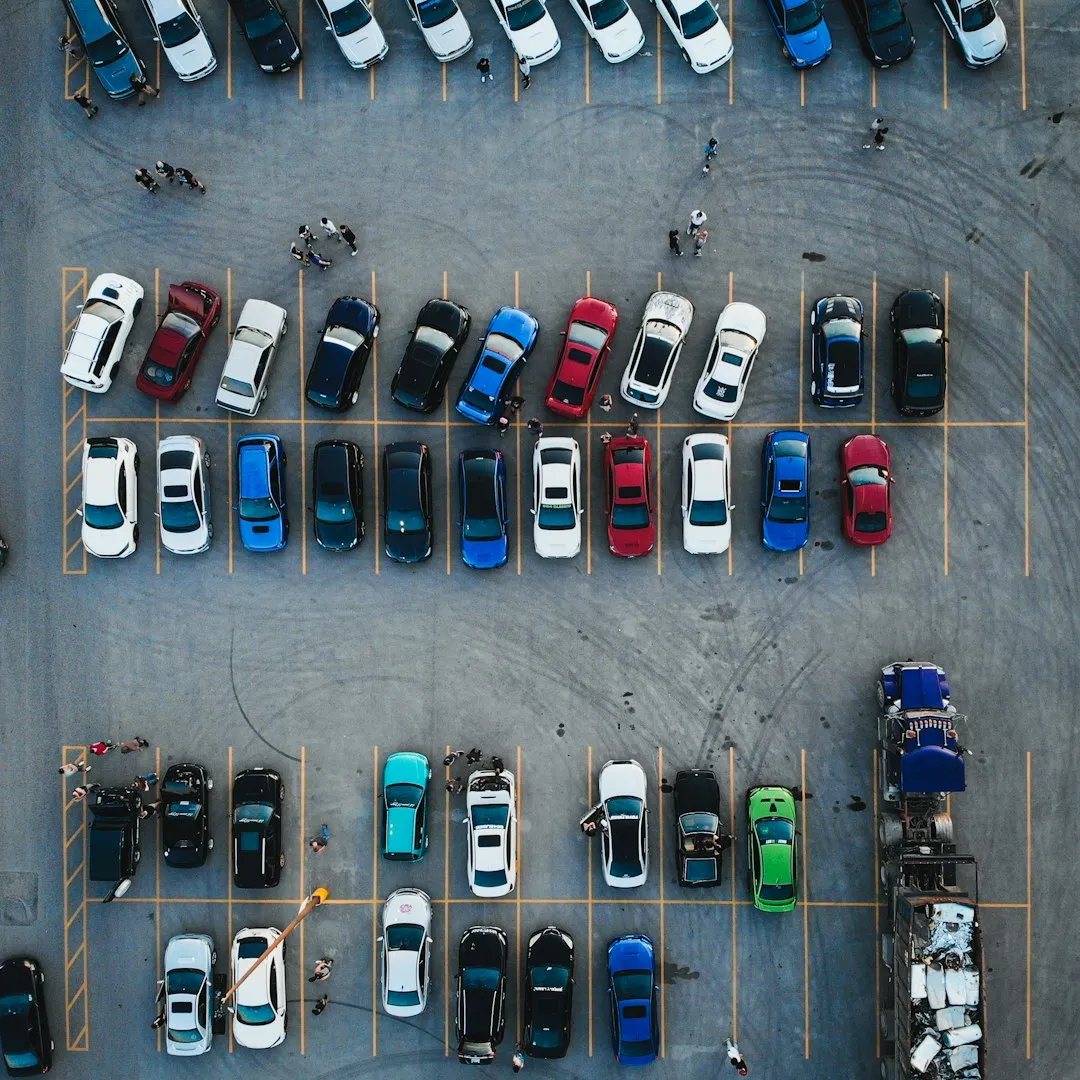
Whether an easement holder can park in the shared driveway or only use it for passing through is a common dispute. Courts typically look at the specific language of the easement grant. Without explicit parking rights, courts usually limit use to ingress and egress only, prohibiting parking that blocks access.
This distinction matters enormously in densely populated areas where off-street parking is scarce. A car left in the shared driveway overnight can feel like a deliberate provocation even when it is simply a practical necessity. The dominant estate may also overuse the easement beyond what was agreed upon, such as allowing multiple households or commercial use on a residential easement, which courts treat as a separate and more serious violation.
Prescriptive Easements: Rights Built From Habit

Rights can be acquired based on long use, provided it is without permission of the land owner, which is known as “prescription.” This means that decades of quietly sharing a driveway can create a legally enforceable right, even when nothing was ever written down or formally agreed. It sounds almost counterintuitive, but it reflects a longstanding principle in property law that courts take seriously.
Once a sale occurs, access becomes restricted, or a dispute arises, the neighbor may claim a legal easement based on long-term use. Even without formal documentation, years of continuous use may create legal access claims. These cases often involve old property records, unclear historical agreements, and conflicting testimony from landowners. Judges are left to reconstruct arrangements that existed decades before either party owned the properties.
What Litigation Actually Costs

The financial reality of boundary and driveway disputes extends far beyond legal fees, encompassing surveyor costs, expert witness fees, court fees, and potential adverse costs orders requiring payment of opponent legal expenses. These costs typically range from £10,000 to £50,000 for resolution through mediation and negotiation, escalating significantly when disputes progress to formal litigation.
Court proceedings typically range from £10,000 to over £100,000. In extreme cases, like Clapham v Narga in 2024, costs exceeded £300,000. That case involved a property boundary dispute, but shared driveway cases follow the same cost trajectory once both parties dig in. In one case, legal costs for the parties spiralled to over £500,000, and it is not uncommon for costs to exceed £10,000 and even reach £50,000 or more.
How Courts Decide Who Wins
Legal action should be considered as a last resort, especially if there is a clear easement agreement or established legal rights. Courts typically evaluate the terms of easements, deed restrictions, and property usage to determine fair resolutions. The starting point is nearly always the paperwork, and when the paperwork is thin or absent, courts look to history.
Courts rely on the language in the deed and often require professional surveys. When language is ambiguous, historic use patterns become important evidence. Pennsylvania law, for example, provides a framework for apportioning maintenance obligations among co-users of a private easement based on proportional benefit, but without a written agreement that framework can only be enforced through litigation or a negotiated settlement. Most jurisdictions follow a similar logic, with the detail and quality of the original deed doing most of the heavy lifting.
Preventing the Dispute Before It Begins
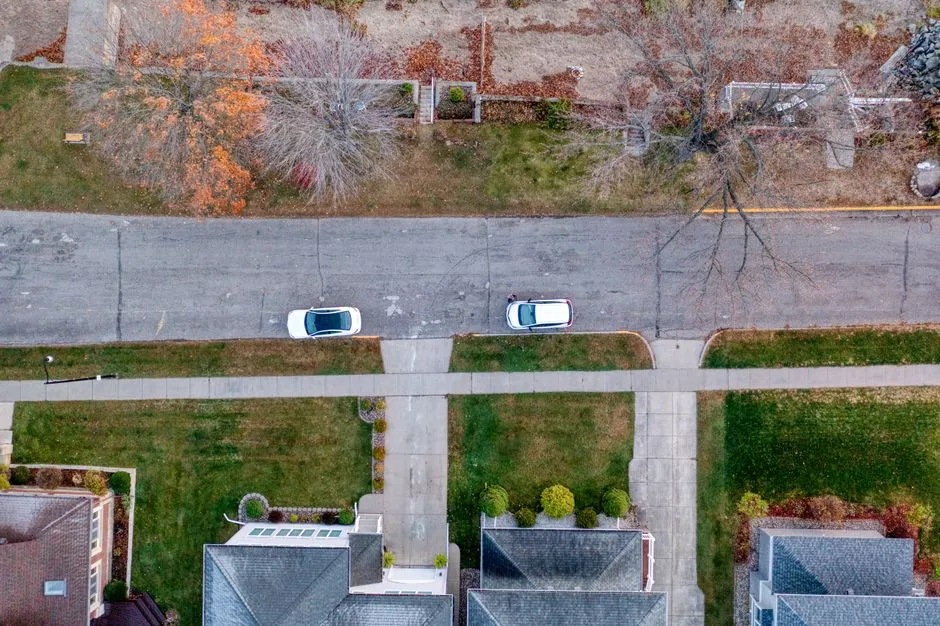
The starting point with any shared driveway dispute is to check the property deeds and Land Registry documents, to see who owns what land, and who has what rights over it. Doing this before buying, not after a conflict erupts, is the most practical advice available. A half-hour with a property solicitor at the purchase stage can make a decades-long arrangement airtight.
A proper shared driveway agreement should address access rights, maintenance obligations, cost sharing, insurance, and dispute resolution, and it should be in writing, signed by all parties, and recorded in the official records. Alternative dispute resolution methods like mediation cost sixty to eighty percent less than court proceedings. Neighbors willing to negotiate and compromise can resolve disputes for a fraction of what those determined to “win at all costs” may spend.
The Takeaway
Shared driveway disputes land in court more than almost any other property disagreement precisely because they combine daily physical proximity, ambiguous legal documentation, and genuine financial stakes. Without proper documentation, shared driveways become one of the leading reasons neighbors take each other to court. The law can usually provide a resolution, but by the time a judge delivers one, the costs in money, time, and goodwill have already exceeded anything either party imagined when the first argument broke out.
The strip of concrete between two homes is rarely worth the fight it generates. A good agreement, written early and recorded properly, is worth far more than any court victory could be.
AI Disclaimer: This article was created with the assistance of AI tools and reviewed by a human editor.