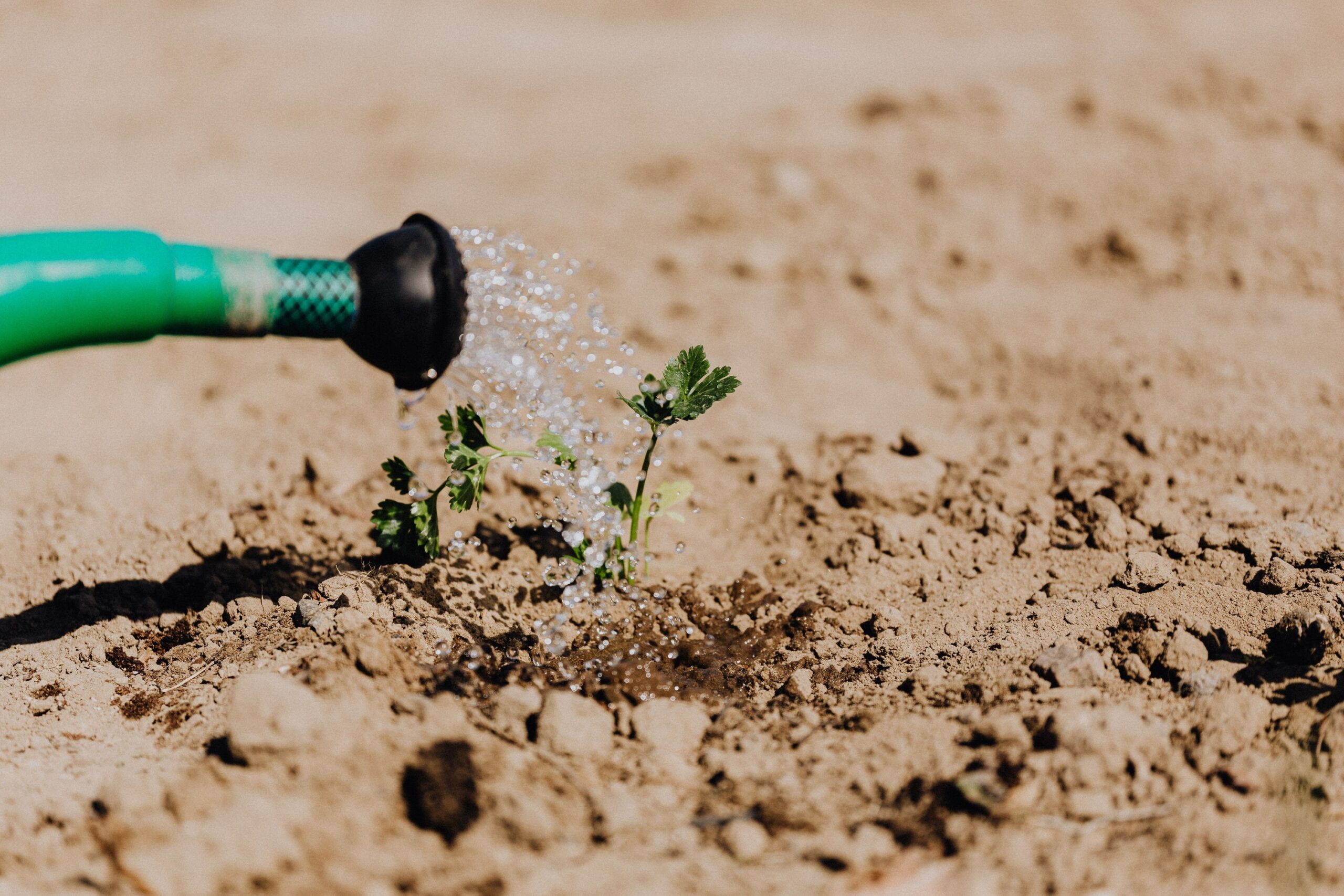

Most gardeners water with good intentions. A little each morning, a quick spray in the evening – it feels attentive, even caring. The problem is that this kind of routine can quietly work against the plants it’s meant to help, building a dependency at the root level that only shows up when things get hard.
Understanding why shallow watering causes harm takes a brief look underground, where root behavior is far more responsive to your habits than most people realize. What happens below the soil surface shapes how a plant handles heat, drought, disease, and physical stress for its entire life.
Roots Follow Water – That’s the Problem
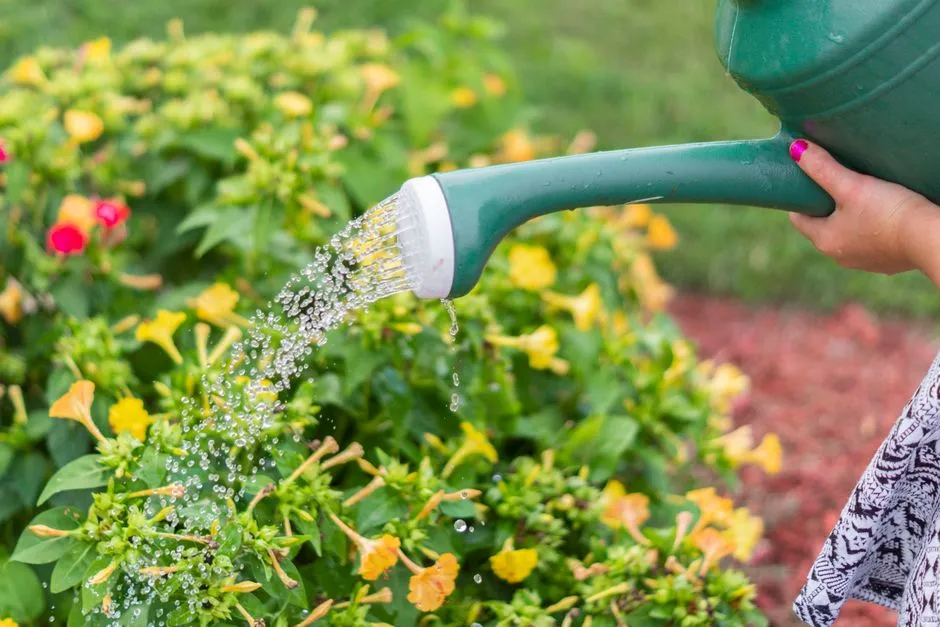
Roots don’t grow randomly. They grow toward moisture, oxygen, and nutrients, adjusting their direction and architecture based on where those resources are located in the soil profile. Roots tend to modify their architecture to ensure improved plant survival and yield in response to environmental signals, such as nutrient and water availability. When water is only ever present in the top few inches of soil, roots simply stop reaching downward.
Shallow daily watering usually moistens only the upper layer of soil, which can encourage roots to remain close to the surface, where the soil dries out quickly under sun, heat, and wind. It’s a feedback loop: roots stay shallow because water is shallow, and the plant becomes increasingly fragile as a result.
What “Shallow” Actually Means in Practice
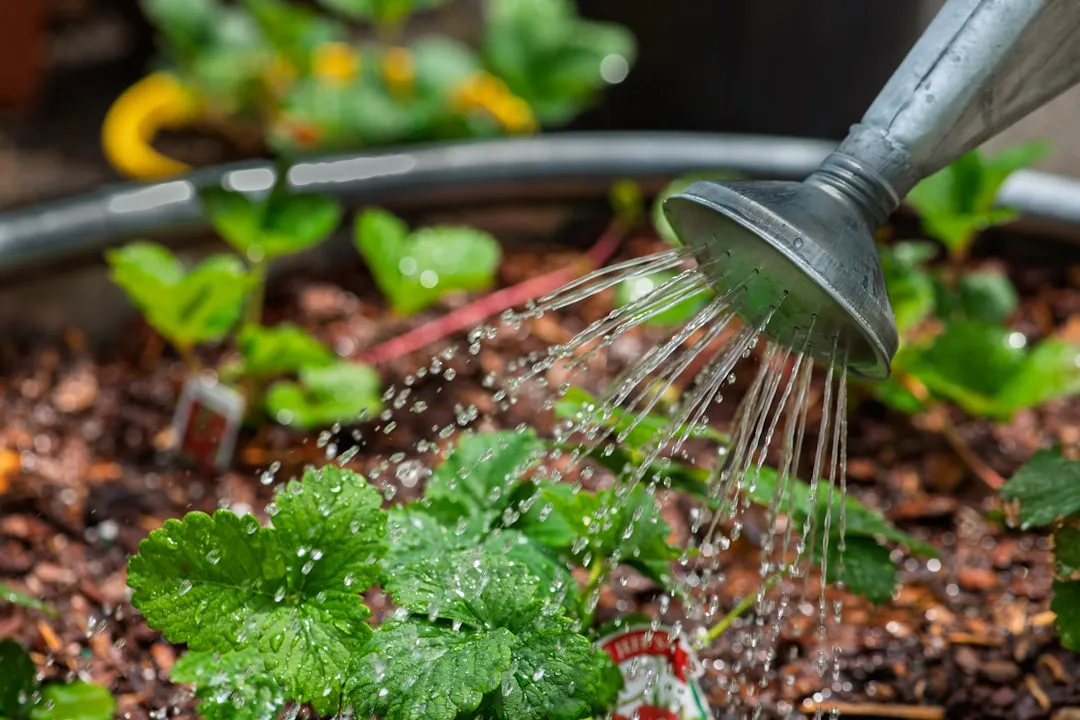
Applying small amounts of water frequently, typically less than fifteen minutes per watering zone, rarely exceeds the soil’s infiltration rate, especially in clay or compacted beds. Instead of soaking in, water pools, runs off, or evaporates before penetrating past the surface crust. Many gardeners don’t realize their standard irrigation run isn’t actually reaching the roots at all.
Shallow watering saturates only the top few inches of soil, which leads to weak, surface-level roots. In contrast, deep watering penetrates much further, typically twelve inches or more, providing essential moisture to the deeper roots. That gap in depth makes a significant difference in what a plant can access and survive.
The Science of Root Architecture Plasticity
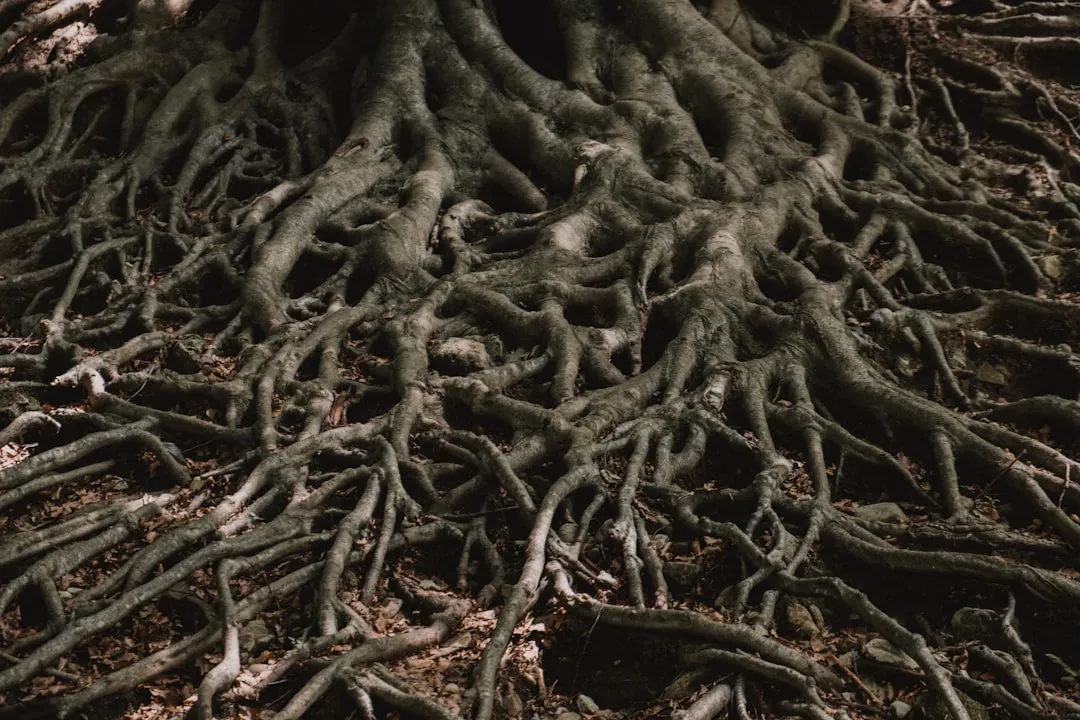
Plant root systems are not fixed structures. Research published in The Plant Genome in 2024 makes clear that roots tend to modify their architecture to ensure improved plant survival and yield in response to environmental signals, such as nutrient and water availability. This adaptive ability of roots to change their morphology and architecture in response to external stimuli is defined as plasticity.
This plasticity cuts both ways. Roots can grow deeper when conditions demand it, but they can also stop doing so when surface conditions make it unnecessary. Shallow root system architecture is present in regions that encounter periodic rainfall, while longer root system architecture is present in regions where water is available only at deeper levels of soil. Your watering schedule, in effect, teaches roots what to expect.
Shallow Roots and Drought Vulnerability
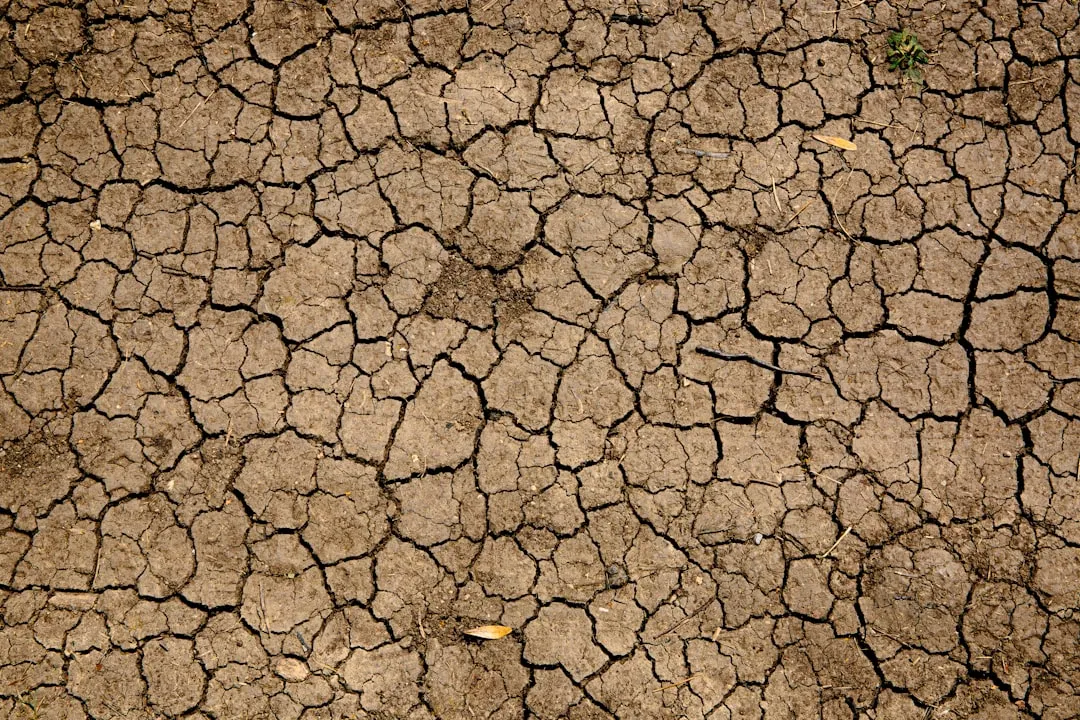
Shallow roots struggle to reach water during droughts, making the plants more vulnerable to stress. They can’t fend for themselves and become reliant on constant watering. This is the most direct consequence of the shallow watering habit: a plant that looks healthy under regular conditions can collapse quickly when that routine is interrupted.
When temperatures increase in summer, the top inches of soil dry out quickly, and plants with only a shallow and under-developed root network become more susceptible to drying out and wilting. A plant that roots at two inches depth faces a completely different reality than one anchored at twelve. In natural ecosystems, surface soil is commonly drier than deep soil during a drought period, while deep soil maintains more temporally stable moisture levels.
What Happens to Nutrients When Roots Stay Shallow
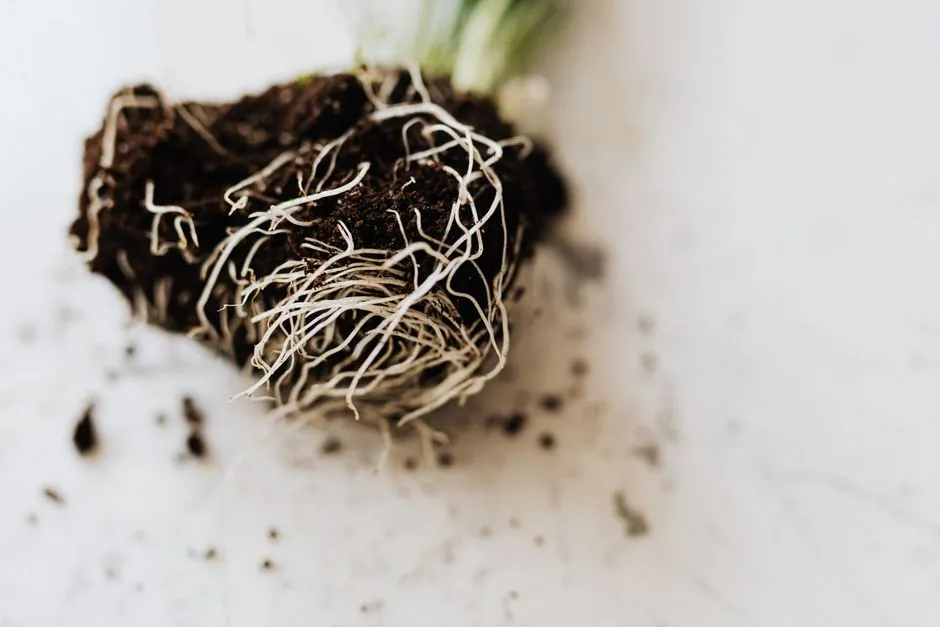
Nutrient access is just as affected as water access. Less roots means less interaction with the beneficial microbes in the soil and less ability to mine the soil for the nutrients they need. A root system confined to the top layer of soil is essentially foraging in the most depleted and volatile zone available.
If the water loss through evapotranspiration exceeds the water available to the plant in the root zone, the plant may experience water stress, and this may hinder its growth. Conversely, overcompensating and supplying excess water may lead to nutrient leaching and loss in soil fertility over time. Frequent shallow watering can trigger both problems in sequence, first starving roots of depth, then leaching away what nutrients remain.
Structural Weakness and Storm Damage
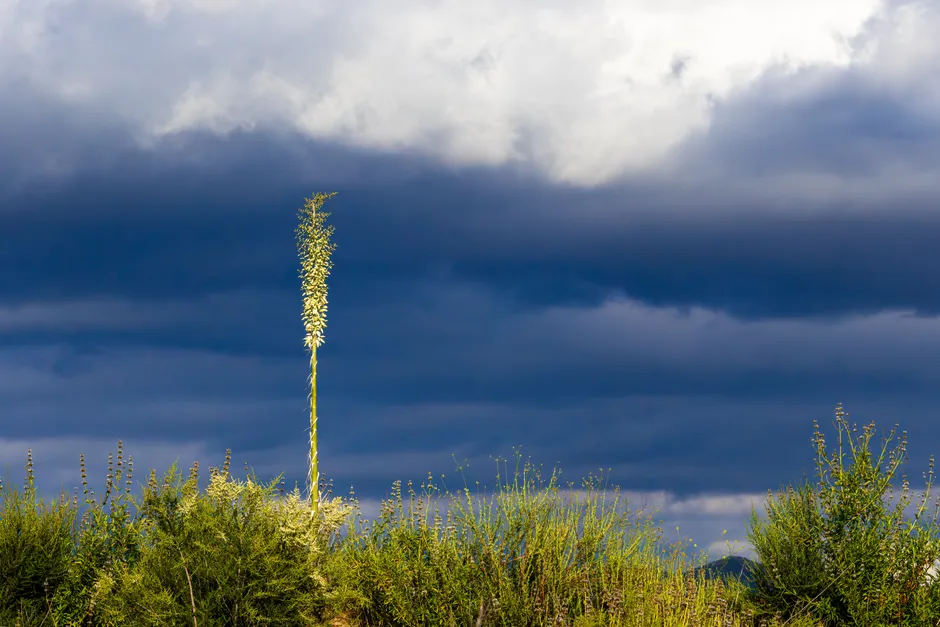
Shallow roots impact the plant’s ability to anchor itself during stormy weather, against wind, driving rains, hail, and soggy soils. A deep root system acts as a physical foundation. Without it, even a modestly sized shrub or garden plant becomes susceptible to being dislodged or toppled under stress.
In addition to supplying water, the root system of a tree or shrub also serves as a foundation or anchor for the plant. It is therefore desirable for a tree or shrub to have a root system that extends to a much greater depth. The deeper root systems allow a tree or shrub to obtain water that may exist at deeper levels even when the ground surface and the soil immediately below the surface are dry. Shallow watering removes exactly this advantage.
The Dependency Cycle That Develops Over Time
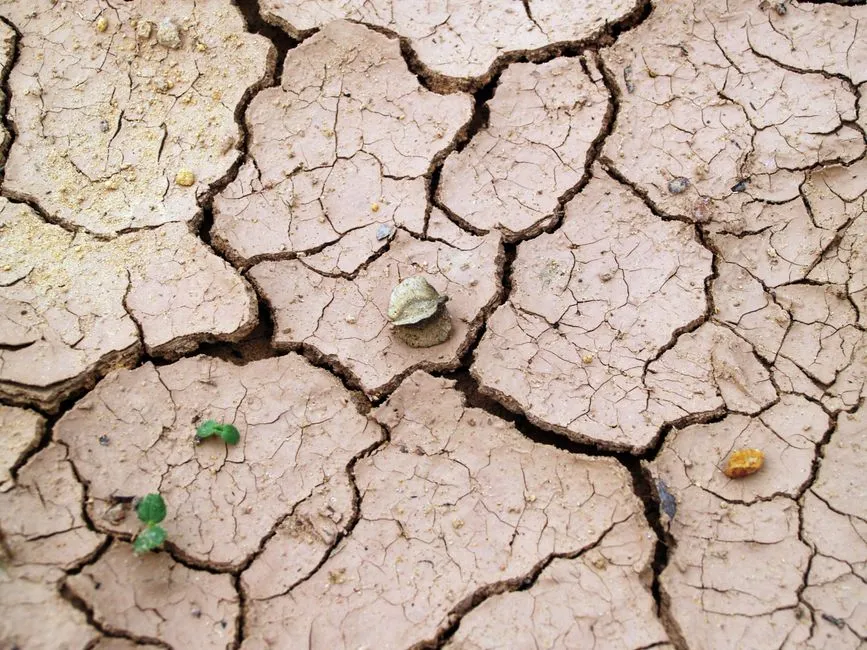
Over time, plants may become more dependent on frequent watering and less able to cope when conditions turn dry. This is a gradual process, which is part of why it’s so easy to miss. The plant appears fine, even thriving, right up until it isn’t.
Frequent shallow watering leads to a shorter, shallower root system. The plant gets what it needs with shorter, shallower roots. Deep watering at less frequent intervals that allow the surface soil to dry a bit forces the plant to grow deeper and more extensive roots to get what it needs. The surface moisture essentially removes the motivation for downward root growth.
How Deep Watering Changes the Picture
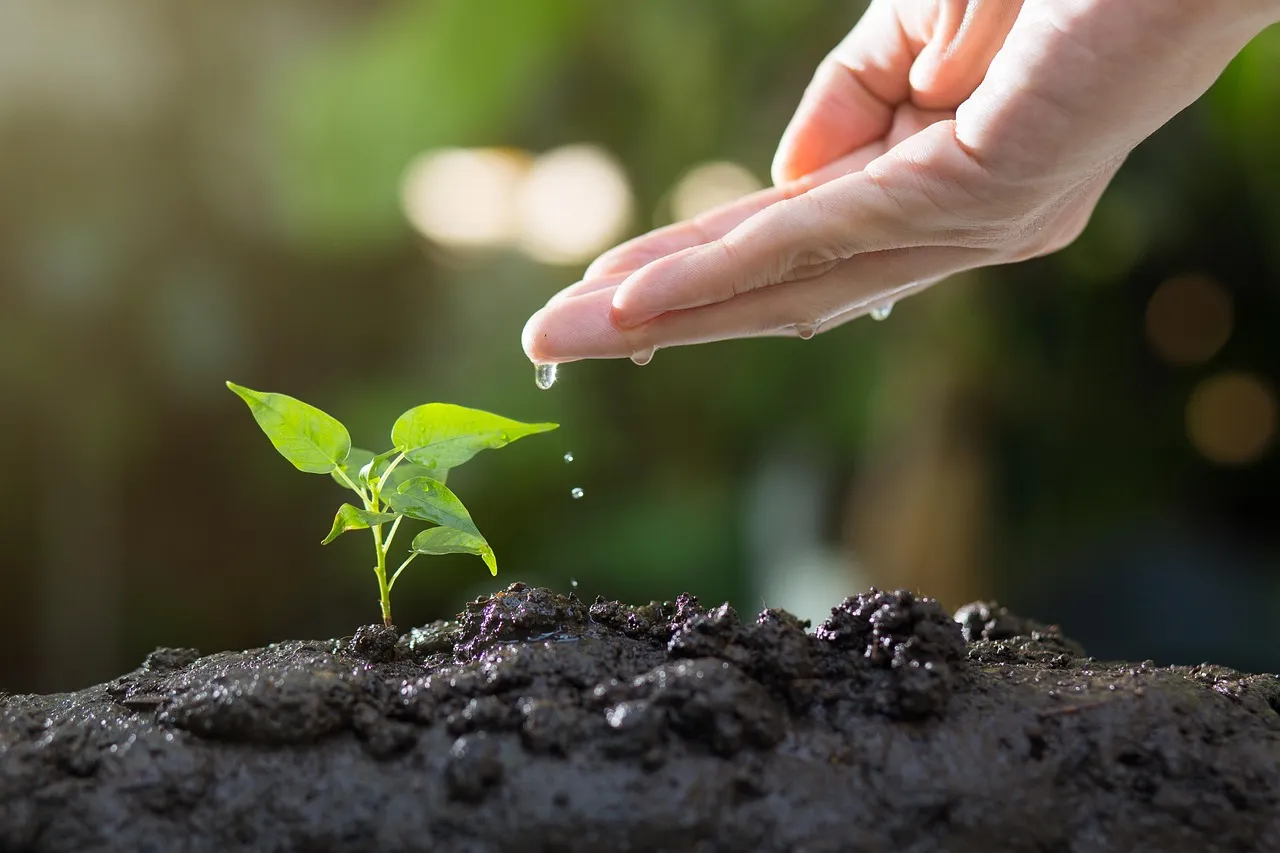
A more effective approach is deep watering. Instead of adding a small amount of water every day, you give the soil a slower, more generous soak. This encourages roots to grow deeper, helps reduce water waste, and can make plants more resilient during dry spells.
Deep watering, soaking soil to a depth of six to twelve inches, is consistently superior to shallow watering for nearly all garden plants. Shallow watering encourages surface-rooting, increases evaporation loss by up to forty percent, and triggers chronic stress responses that reduce flowering, fruiting, and pest resistance. In contrast, deep, infrequent irrigation develops robust, drought-tolerant root systems that access deeper moisture and nutrients.
The Role of Consistency in Root Development
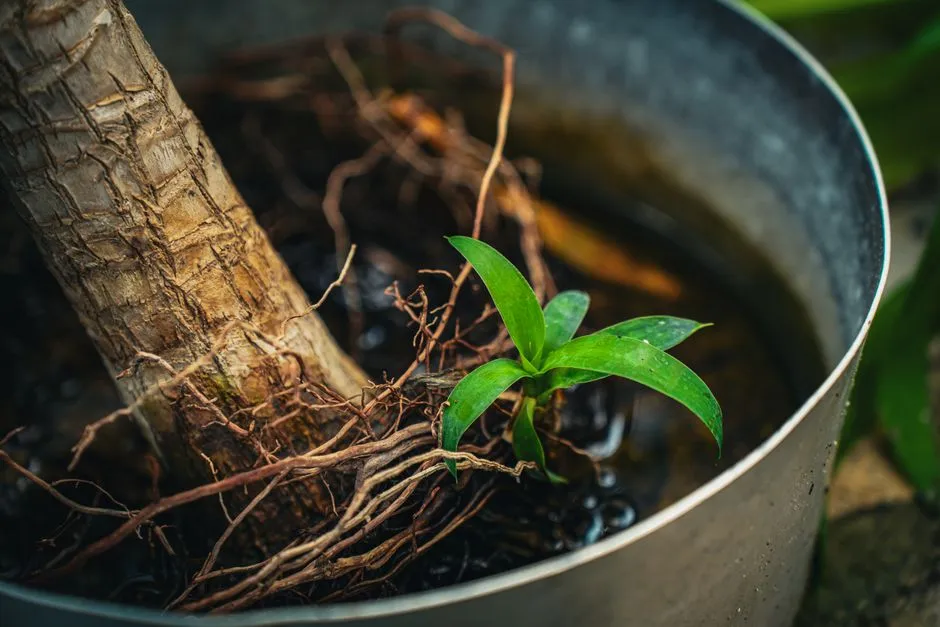
Once you commit to deep watering, keeping up with a regular schedule matters. Cycling between deep and shallow watering will only create issues for the roots. Long root tendrils that are now deep in the soil won’t be able to reach shallow water at a one-inch depth. Consistency, not just depth, is what builds a resilient root system over a growing season.
Roots display plasticity in morphology and physiology under environmental fluctuations. In the presence of spatial variability in soil moisture, plants can continuously match their water uptake patterns according to water availability. That means the root system is always updating itself based on what you give it. An inconsistent schedule creates an inconsistent root system.
Practical Signals That Your Watering Is Too Shallow
Newly established plants have a higher likelihood of damage along with plants with small or shallow root systems, or plants with poor health from injuries, disease, or insects. If your plants seem to need water every single day to avoid wilting, that’s a reliable sign the roots have been trained to stay near the surface rather than reaching for deeper reserves.
If you’re unsure of how deep the water penetrates, inserting a garden trowel into the ground and looking at the soil’s consistency is a practical way to find out. Moist soil below four to six inches is a good benchmark for most vegetables and flowering plants. Applying straw mulch around crops like fruit trees, lettuce, and tomatoes helps the soil retain moisture longer, and as a bonus, mulch suppresses weeds and adds fertility to the soil as it breaks down.
The Bigger Picture for Climate-Stressed Gardens
Enhanced deep root productivity facilitates the resilience and survival of plants in water-limited regions under drought stress. As drought conditions become more common across many growing regions, the depth of a plant’s root system is increasingly a matter of survival, not just efficiency. A higher root length density, characterized by deeper and more abundant root growth, is generally associated with improved drought tolerance.
Plant roots connect belowground moisture with aboveground vegetation functionalities, making root plasticity critical for drought resilience. The daily watering habit that feels conscientious is, in this context, one of the quietest ways a garden gets undermined from beneath the surface.
The Takeaway
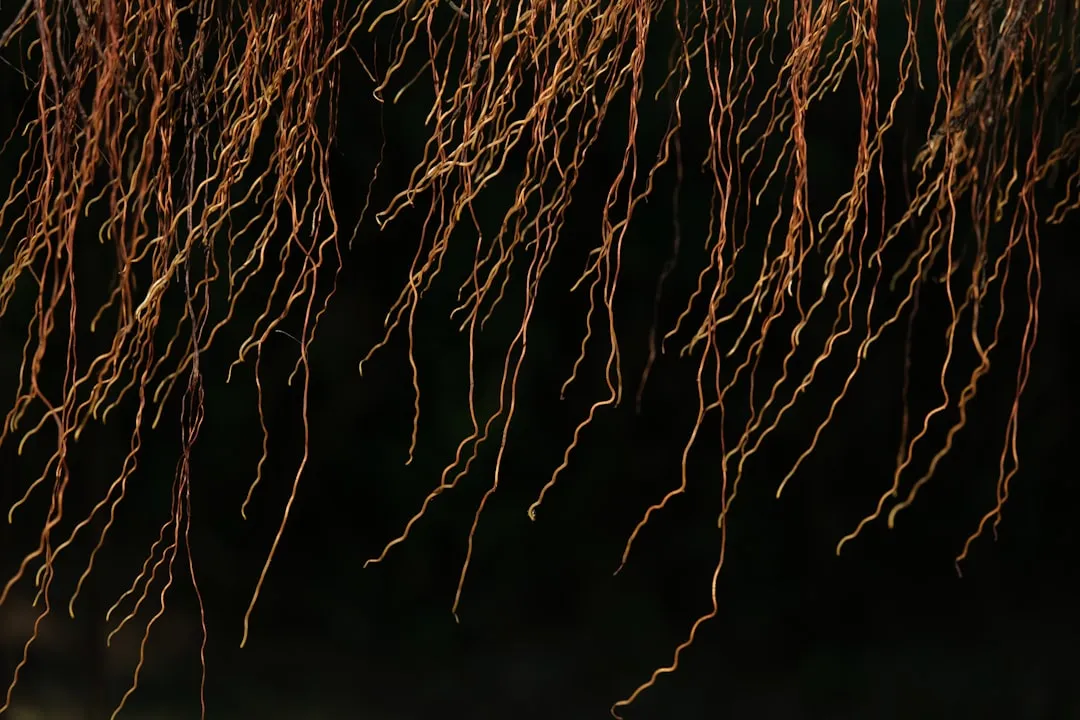
The shallow watering habit isn’t born from carelessness. It’s born from the very reasonable idea that plants need water often. What it misses is that how deep the water goes matters just as much as how often it arrives. Roots are not passive; they read the signals they’re given and build accordingly.
Shifting to deeper, less frequent watering requires a short adjustment period but pays back with stronger, more self-sufficient plants over time. The goal isn’t to make gardening harder – it’s to stop training roots to stay in a place where they’re the most vulnerable. Give water the chance to sink in, and roots will follow it down.
AI Disclaimer: This article was created with the assistance of AI tools and reviewed by a human editor.