

Most dog owners have come home to a chewed-up couch or a puddle on the floor and thought one thing: my dog misbehaved. It’s a natural reaction, and it’s also, in many cases, completely wrong. What looks like defiance or poor training is often something closer to a panic attack, and the distinction matters enormously for how you respond.
The problem runs deeper than one or two isolated behaviors. Many of the signs that veterinarians and animal behaviorists associate with separation anxiety are routinely dismissed, misread, or overlooked entirely by well-meaning owners. Understanding what’s actually happening in your dog’s brain when you walk out the door is the first step toward helping them.
The Scale of the Problem Is Bigger Than Most People Realize
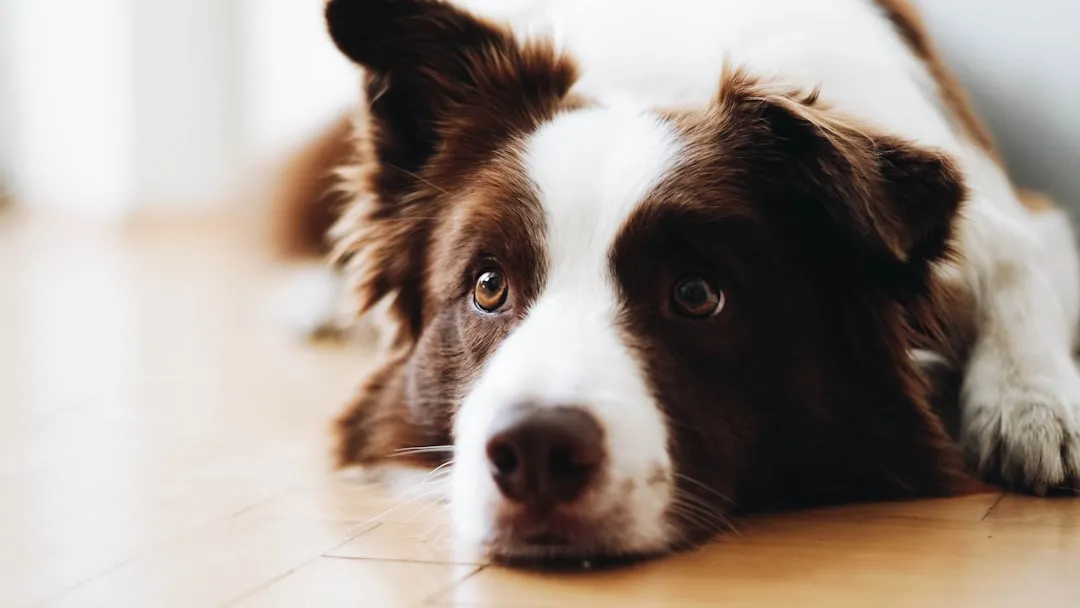
Estimates from veterinary behavioral specialists suggest that around one in six dogs is affected by separation anxiety, which translates to roughly 13 million dogs in the United States experiencing a negative emotional state when left home alone. Those numbers deserve a pause. This isn’t a niche behavioral quirk.
Research suggests that as many as eight out of ten dogs find it hard to cope when left alone, yet half won’t show any obvious signs, making it easy for owners to miss entirely. The silence from a dog doesn’t mean contentment. It can simply mean suffering you can’t see.
Destructive Chewing: Naughty Dog or Desperate Dog?
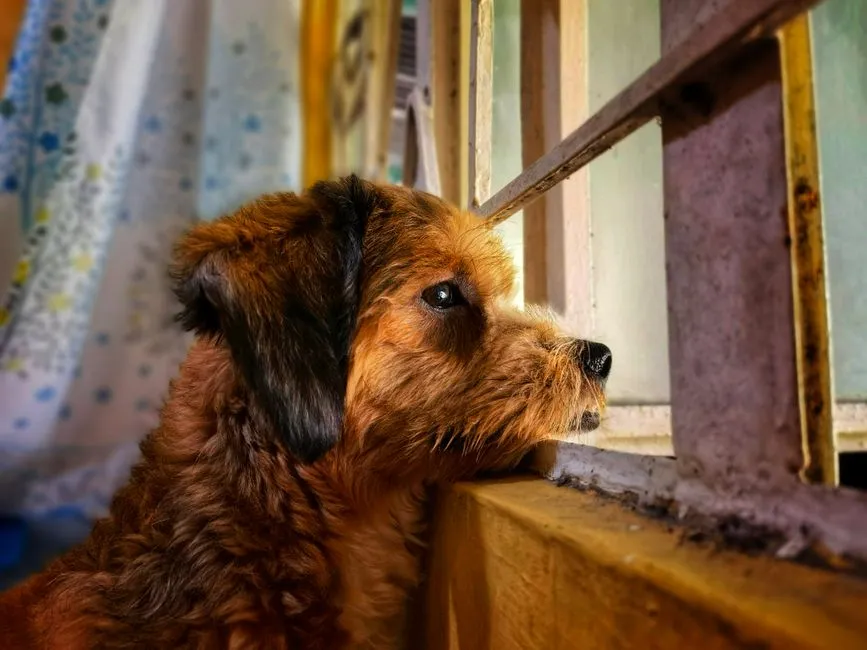
Chewed furniture, scratched door frames, and shredded pillows are among the most common reasons owners seek help from trainers. The assumption is almost always that the dog needs more discipline. In cases of separation anxiety, destructiveness is usually directly related to a desperate desire to escape. If a dog chews and scratches the walls or door frames, they may be trying to get out, and crucially, these behaviors will only show up when they’re left alone.
Before treating a dog for separation anxiety, it’s worth confirming that the behavior isn’t simply a result of a lack of training, since bad habits are actually more common than true separation anxiety. That said, the location of the damage is a telling clue. Destruction concentrated near exits, doors, and windows points strongly toward anxiety rather than boredom.
House Accidents in a Fully Housetrained Dog

Few things frustrate owners more than a housetrained dog repeatedly soiling indoors. The immediate conclusion is often a training regression or stubbornness. Dogs that are well housetrained while their owner is present, and only soil when the owner is absent, may have separation anxiety. These dogs can become so overwhelmed with distress that they lose bodily control entirely.
Urination or defecation in the home is a recognized symptom of separation anxiety, though it’s worth noting that urinary accidents can also be caused by medical issues such as a urinary tract infection. A veterinary check is always a sensible first step before assuming a behavioral cause.
Frantic Excitement When You Return Home
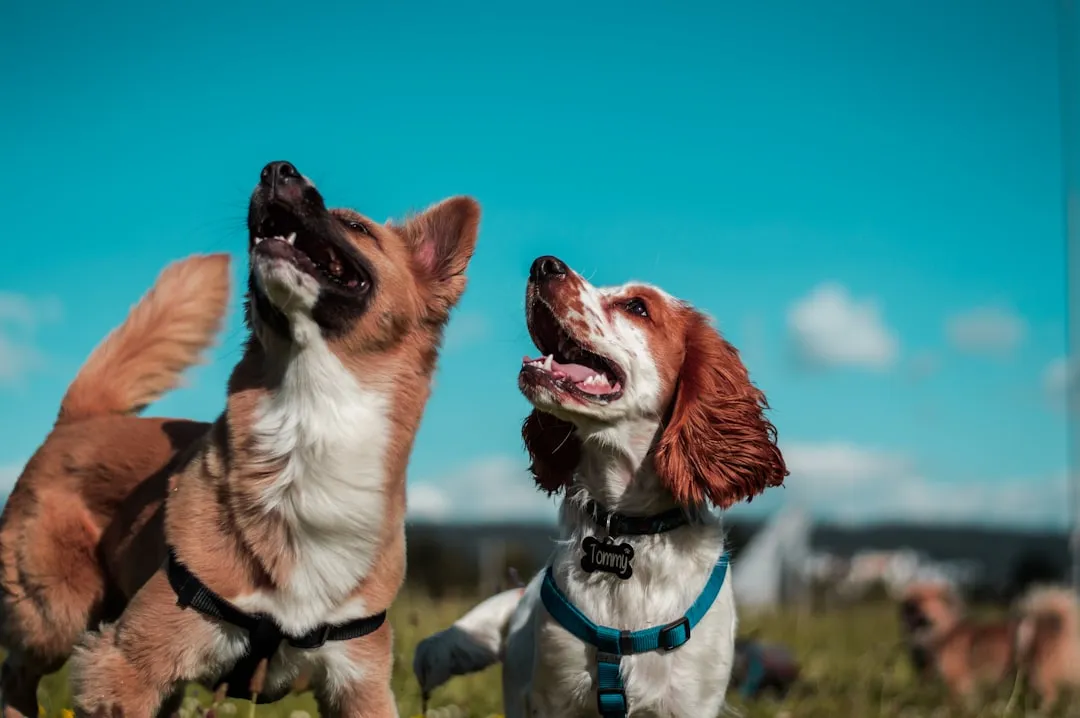
This is perhaps the most widely misread sign of all. Most owners smile at the wild, jumping, whining reunion that greets them at the door. It feels like love, and in some sense it is, but researchers have found that puppies whose owners keep departures and returns calm spend more time resting when left alone, and that frantic excited greetings are better understood not as simple affection but as a sign of heightened stress.
Acting overly frantic and active when reunited with a caretaker is listed by animal welfare specialists as a recognized symptom of separation anxiety. Dogs with separation-related problems also tend to engage in excessive excitement when the owner returns, and there is evidence that dogs who are excessively attached to their owners are more likely to develop separation anxiety. What feels like a warm welcome can be a stress response finally releasing.
The “Velcro Dog” Who Won’t Let You Out of Sight

Many dogs with separation anxiety are intensely attached to one person, often described as “Velcro dogs” because of how clingy they are. These dogs are frequently overjoyed when you come home and appear sad or depressed when you prepare to leave. Owners tend to find this flattering rather than worrying.
Dogs with separation anxiety often follow their owners around specifically to watch for signs of leaving. Excessive following behavior, where a dog trails their owner from room to room, is a recognized feature of the condition. If your dog cannot comfortably settle in a different room while you’re home, that’s a detail worth taking seriously.
Pre-Departure Anxiety Mistaken for General Restlessness
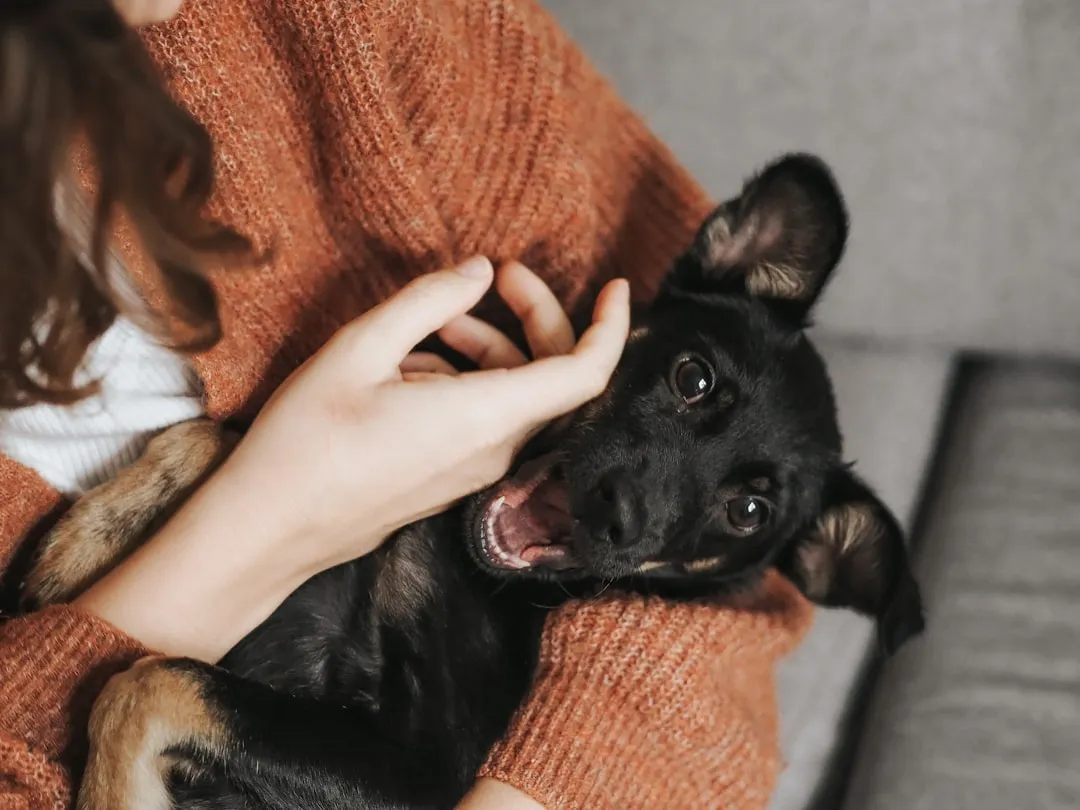
As an owner prepares to leave, a dog with separation anxiety typically shows clear signs of distress including increased activity such as restlessness and pacing, a withdrawn or downcast expression, or physical changes like panting, excessive salivation, and a reluctance to eat treats. These often appear before the owner has even walked out the door.
These pre-departure signs occur in response to recognizable departure cues such as picking up car keys, putting on a coat, or picking up a bag. Owners often interpret this as their dog being overly dramatic or attention-seeking. The reality is the dog has learned to read the routine and is already experiencing distress.
Refusing Food or Ignoring Treats While Alone
Dogs with separation anxiety often won’t touch food or treats while their owner is gone. A bored dog, by contrast, will happily eat in their owner’s absence. This difference is actually one of the more reliable ways to distinguish between anxiety and simple mischief.
If an owner leaves their dog a special treat and comes home to find it untouched, this is considered a meaningful indicator of separation anxiety. Many owners interpret food refusal as a stomach issue or pickiness, never connecting it to emotional distress triggered by their own absence.
Panting, Pacing, and Drooling: The Subtle Signs That Slip By
Some lesser signs that are frequently missed include pacing, panting, drooling, shaking, stomach upsets, and other repetitive behaviors. These don’t have the visual drama of a destroyed couch, so they rarely trigger concern. They do, however, indicate real suffering.
Many dogs begin demonstrating signs of anxiety associated with being left alone long before the problem becomes severe enough to produce destruction or house soiling. Without neighbors reporting vocalization, an owner may remain entirely unaware that their dog is suffering. The quiet cases are often the ones that go untreated the longest.
Why Video Is the Most Honest Diagnostic Tool
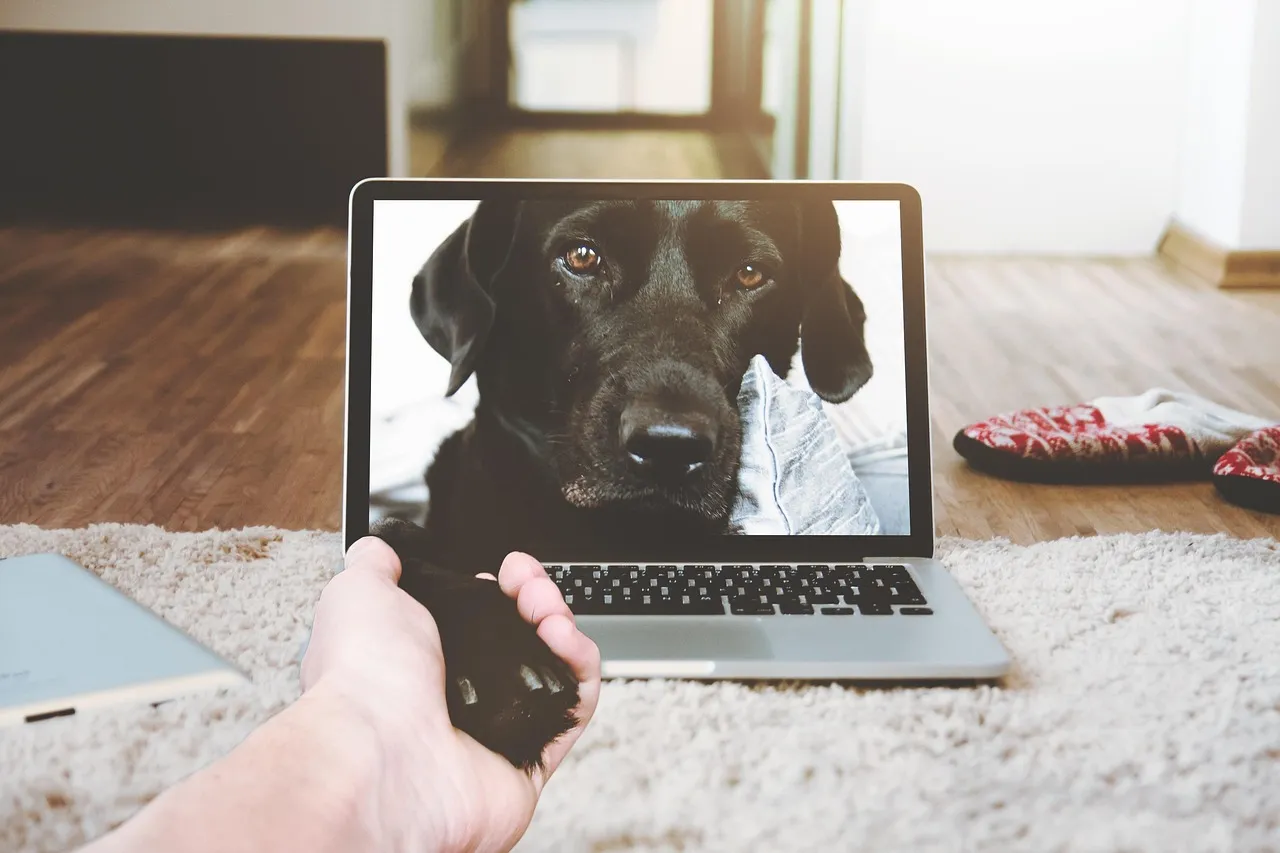
The most reliable way to accurately assess whether a dog has separation anxiety is for the owner to collect a few minutes of video of the dog’s behavior after the owner has departed the home. This matters because dog behavior when watched and when alone can be entirely different.
Without video, owners relying only on evidence of destruction, house soiling, or neighbor reports of vocalization can mistakenly attribute behaviors to separation anxiety when the dog may actually be reacting to distress caused by vehicles, people, or animals passing by the home. Video removes the guesswork from both directions. It confirms anxiety when it’s there and rules it out when it isn’t.
What the Research Says About How Many Dogs Are Affected
Statistics suggest that roughly 14 to 20 percent of all dogs may suffer from separation anxiety, and between 20 and 40 percent of dogs seen by a behavior specialist are diagnosed with the problem. Those figures reflect only the cases that make it to a specialist, meaning the true scope is likely broader.
A survey conducted on behalf of PetMeds, drawn from two thousand pet owners, found that leaving pets alone at home is a significant source of stress for owners, with nearly half of respondents expressing worries about their pets experiencing separation anxiety. An earlier survey found that over half of dog owners reported signs of separation anxiety in their dogs post-pandemic, with the most common behaviors including following them to the door (nearly half of respondents), vocalizing after departure (roughly a third), and pacing restlessly (about one in five).
What Treatment Actually Looks Like
Early recognition, intervention, and treatment are important to prevent symptoms of separation anxiety from worsening. The good news is that this isn’t a hopeless condition. Separation anxiety is both preventable and treatable. The approach depends on severity, but it generally involves a combination of behavioral work and, where appropriate, veterinary guidance.
For severe cases, veterinarians may recommend anti-anxiety medication alongside behavioral therapy to help manage symptoms, lower anxiety levels, and support behavior modification. Treatment often includes keeping departures and arrivals calm and low-key, and exercising a dog for around 30 minutes before leaving while waiting about 10 minutes after returning before giving attention. These aren’t dramatic interventions, but the consistency of small routines genuinely shifts outcomes over time.
The Takeaway
The most important thing separation anxiety research makes clear is that the behaviors owners tend to punish are often the ones that deserve the most compassion. A dog that chews the door frame isn’t acting out. A dog that soils the floor isn’t being stubborn. A dog that goes frantic when you return isn’t just excitable. These are animals in genuine distress, doing the only things they can to cope with a situation that feels, to them, genuinely threatening.
Recognizing anxiety for what it is doesn’t mean tolerating chaos at home. It means addressing the root cause rather than the surface behavior. And that distinction, quiet as it might seem, changes everything about how you help your dog.
AI Disclaimer: This article was created with the assistance of AI tools and reviewed by a human editor.