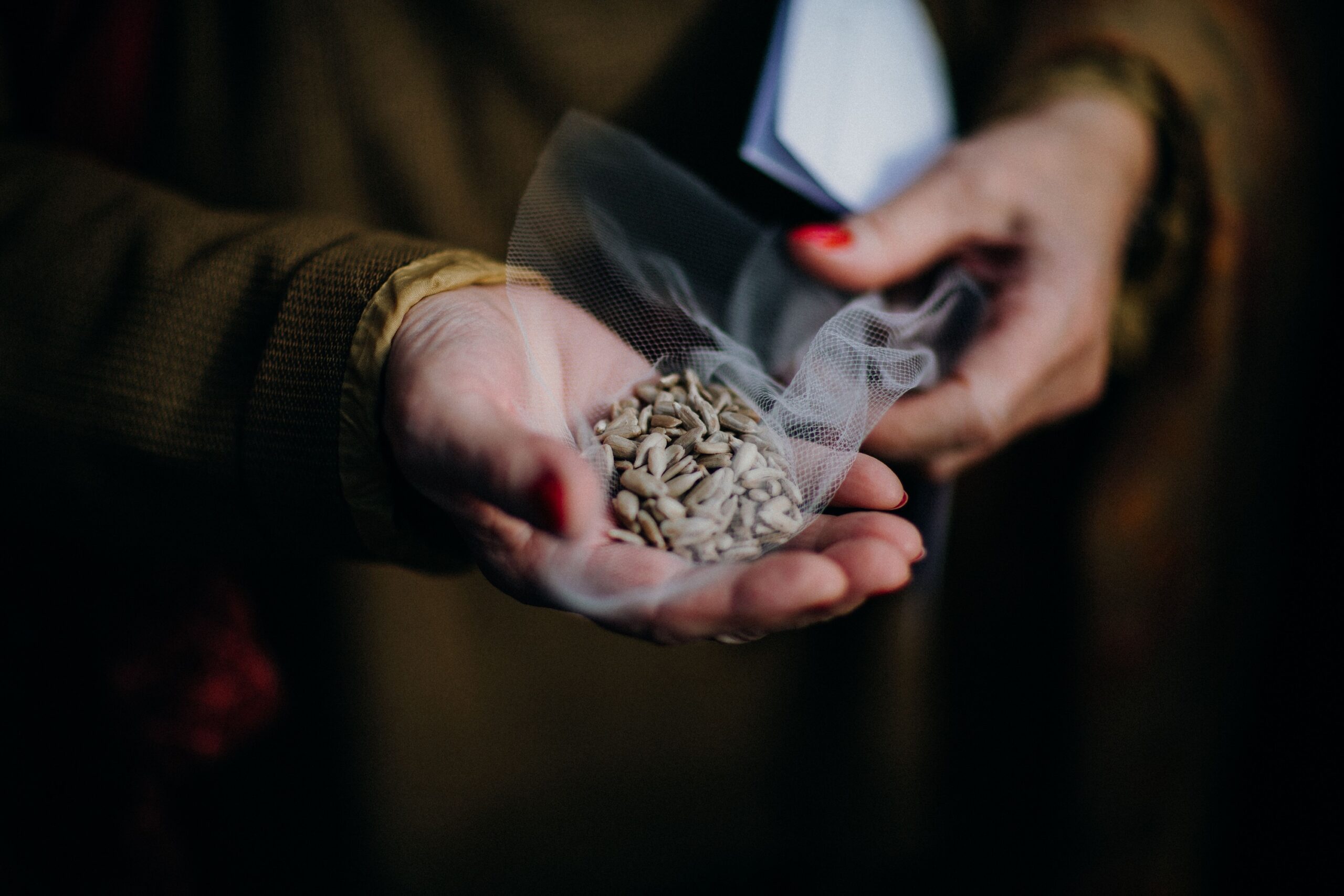

Most people toss seed catalogs the moment they arrive, or stuff them in a drawer and forget about them entirely. So it might come as a surprise that the ones gathering dust in your grandmother’s attic could be worth real money. Whether they’re fragile pamphlets from the 1890s or thick illustrated volumes from the mid-twentieth century, old seed catalogs have quietly become a legitimate category of collectible, with buyers ranging from historians and botanists to decorators and ephemera dealers.
A History That Stretches Back Centuries
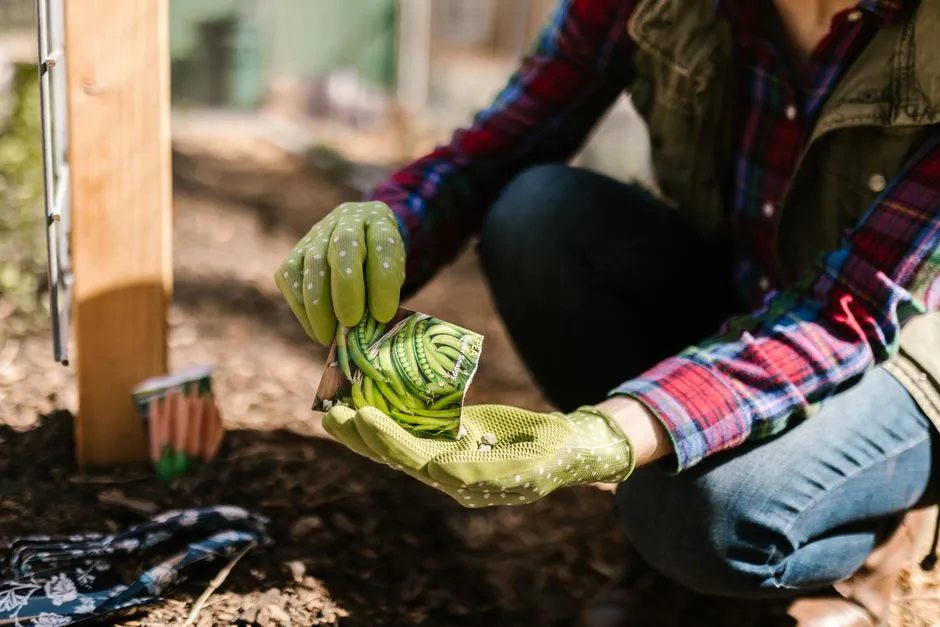
The very first botanical catalog dates to 1612, with Emanuel Sweert’s publication of Florilegium Amplissimum et Selectissimum for the Frankfurt Fair, produced by an engraver and plant breeder who served as Emperor Rudolf II’s head gardener in Vienna. That tradition of documenting seeds and plants through print never really stopped.
Seed catalogs evolved over time, beginning with simple price list broadsheets such as British gardener William Lucas’ 1667 publication, which is considered to be the first English catalog and included seeds of root vegetables, greens, beans and peas, potherbs, flowers, and trees. By the 1800s, American companies had turned them into a national institution.
How Burpee Built the Modern Seed Catalog
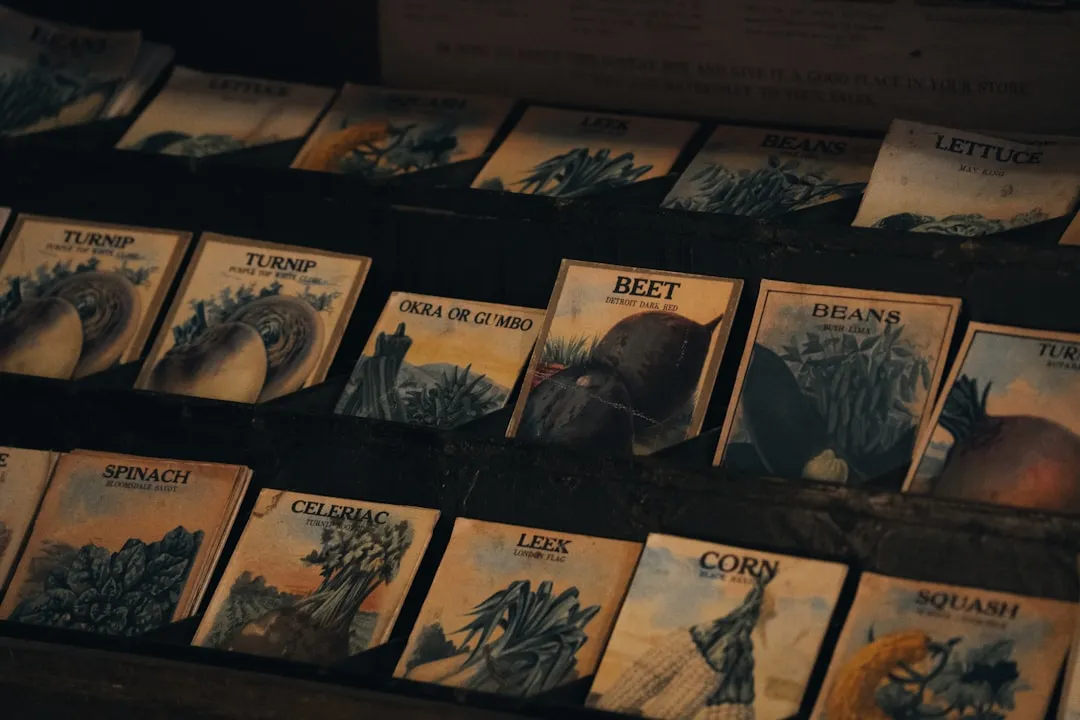
W. Atlee Burpee and Co. was founded in Philadelphia in 1876 by Washington Atlee Burpee, an 18-year-old with a passion for plants and animals and a mother willing to lend him $1,000 to start his business. That small family venture grew into something remarkable.
By the 1890s, Burpee had become the largest seed company in the world, and its annual catalog was an important marketing tool that played a significant role in the company’s success. W. Atlee Burpee brought the seed catalog into the modern age, and by 1901, the company was using a fully mechanized photoengraving process for its catalogs.
When the firm switched to photography, hand-drawn illustrations disappeared from seed catalogs in just a few years, which is precisely why pre-photographic catalogs with their engraved illustrations are so prized today.
What Makes Certain Catalogs Worth Money
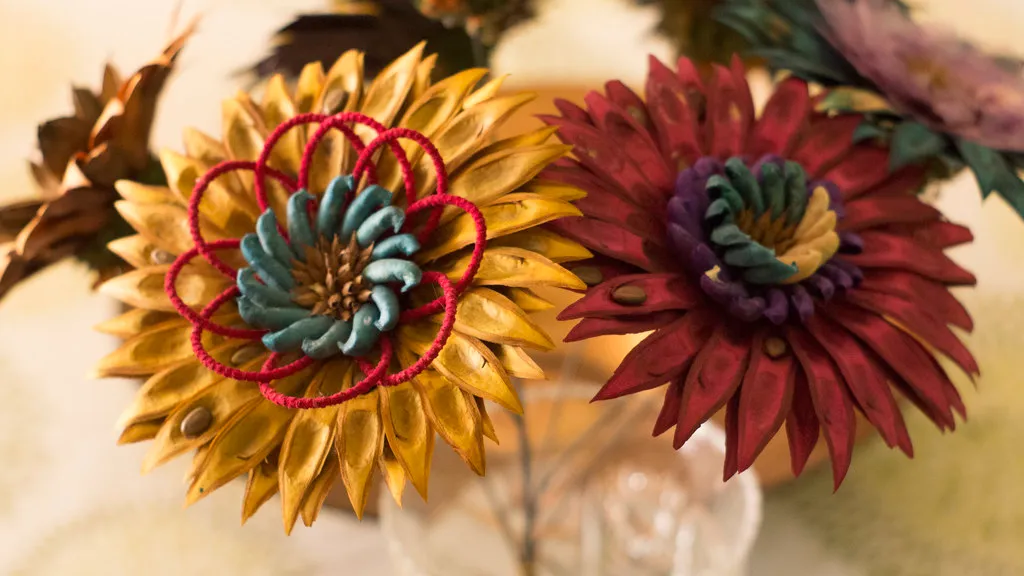
A framed 1899 Vick’s Seed Catalog cover lithograph is currently listed for $200, and a similar 1898 G.R. Gause and Co. Catalogue of Flowers is priced at $245. These are not outliers. Condition, age, and the presence of original botanical illustrations all drive value upward significantly.
A vintage D.M. Ferry Choice Flower Seeds box featuring an illustration of kids in a canoe is listed at $725, while common catalogs from the 1920s and 1930s can still fetch between $60 and $95 depending on condition and brand.
Rarity matters too. At a specialist auction, a thin booklet that once guided gardeners and farmers through their planting seasons sold for several thousand dollars after competitive bidding. The catalog’s age, condition, and historical context were all factors.
Where Collectors Are Shopping Right Now
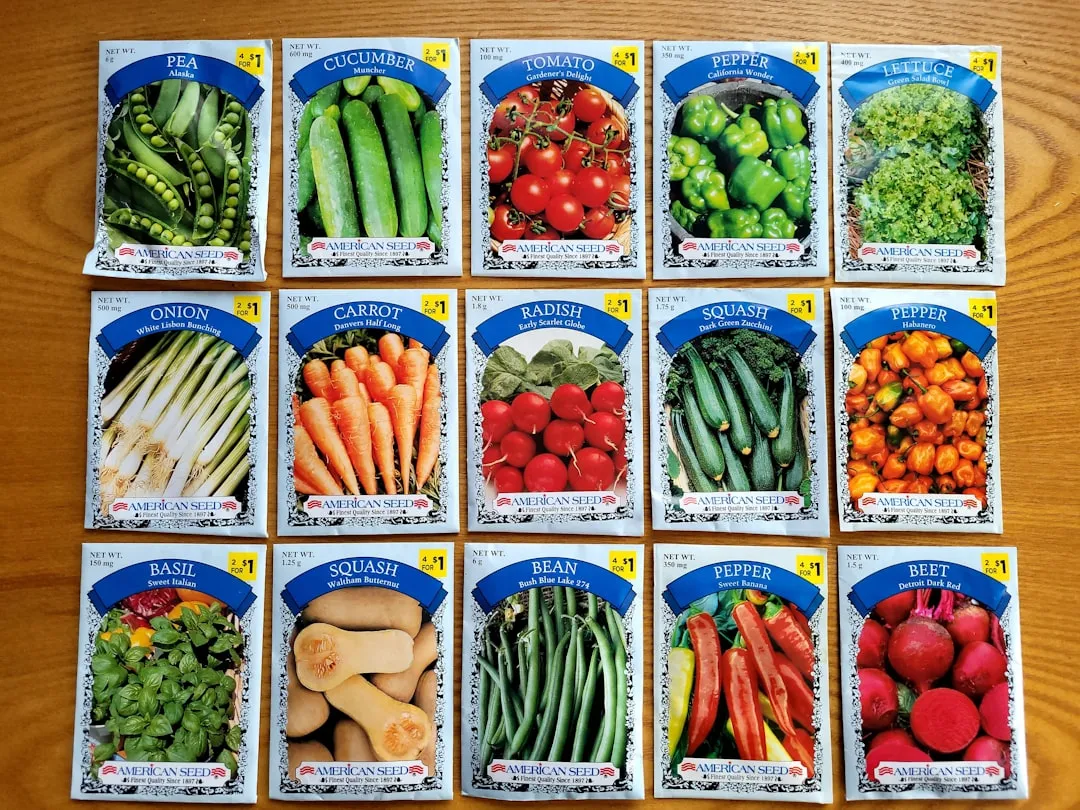
Platforms like Etsy are actively marketing vintage seed catalogs as perfect for gardeners, crafters, and history buffs, with offerings including botanical illustrations, vintage packaging, and unique display boxes. Demand is consistent year-round on both Etsy and eBay.
Current eBay listings include items such as a vintage 1945 American Field Seed Co. Farmers Wholesale catalog from Chicago and a 1948 Peter Henderson and Co. Wholesale Catalog for Seeds, Plants, and Florist supplies from New York City. These mid-century pieces regularly attract multiple bidders.
Even Burpee catalogs from the late nineteenth and early twentieth centuries are actively traded. Burpee seed catalogs on eBay range from under $15 to over $35, with some rare items priced significantly higher, and the majority of listings accept best offers.
The Role of Botanical Illustration in Driving Value
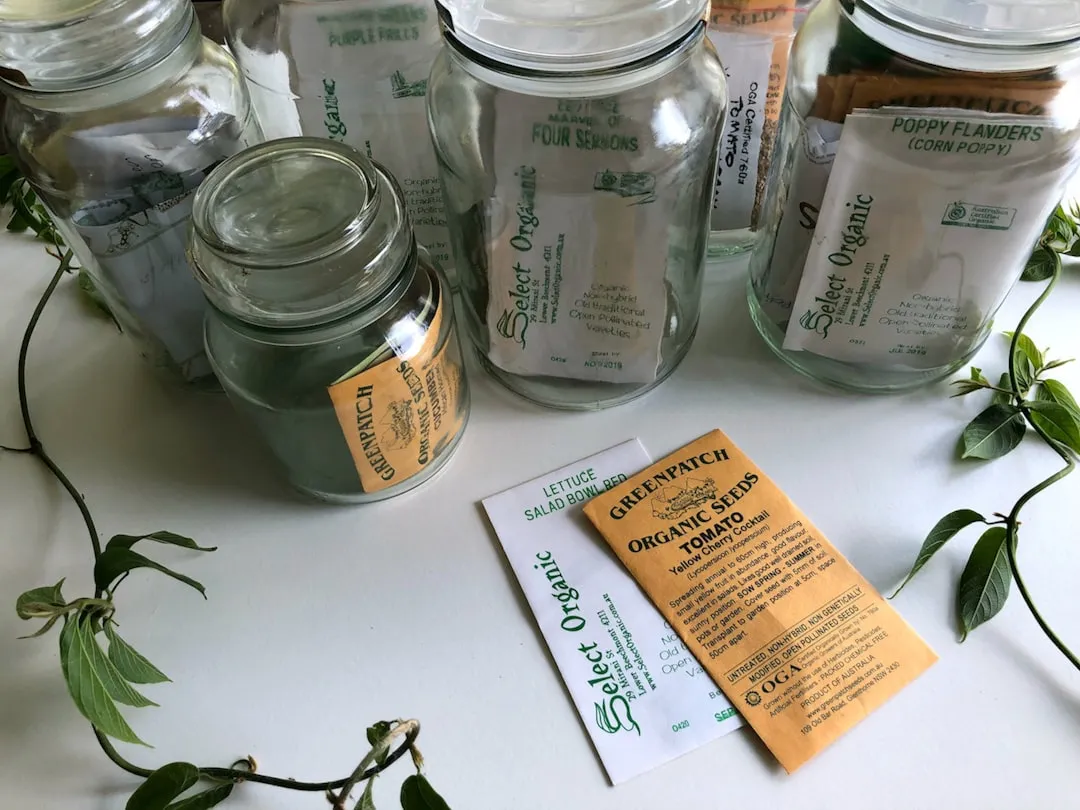
To attract buyers, seed companies decorated seed packets and catalogs with mouth-watering illustrations of vegetables and flowers, which was a significant improvement over early packets labeled only with text. Those illustrations are now considered folk art by many collectors.
Colorful trade cards made their debut at the Philadelphia Centennial Exposition in 1876, and seed companies quickly adopted them to advertise their products, with the rich colors making them appealing for collecting, trading, and scrapbooking. A catalog that retains its color insert or original trade card is worth considerably more.
Why Historians and Scientists Want Them Too
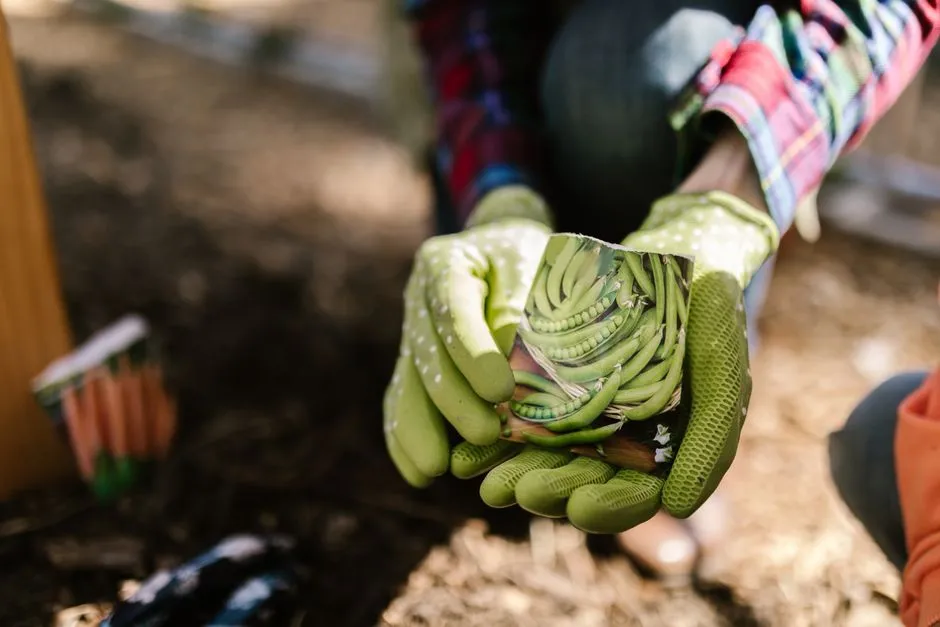
Old seed catalogs are useful for researching the origins, cultural methods, and uses for heirloom varieties, with researchers especially seeking catalogs dated prior to 1940 that contain detailed variety descriptions and drawings or photographs.
By looking at images and reading descriptions of plants in these catalogs, researchers can determine when certain heirloom varieties which still exist today were first introduced. That scientific utility adds a layer of institutional interest that purely decorative collectibles simply don’t carry.
Beyond the catalogs themselves, collections often contain ephemeral materials such as envelopes, order forms, inserts about new products, and price lists, all of which contain a wealth of information on the history of horticulture, plant breeding and selection, and plant genetics in the United States.
The Biodiversity Connection That Adds Cultural Weight
Modern industrial agriculture has led to a roughly three-quarters drop in crop genetic diversity, which has quietly made the documentation preserved in old catalogs more urgent than most people realize.
In some cases, contemporary seed companies purposefully revive antique names based on catalog evidence, offering heritage varieties with accurate historical context rather than vague nostalgia. An old catalog may literally serve as the only surviving evidence that a particular variety ever existed.
Viewed this way, the four-figure price paid for a thin booklet begins to feel less extravagant and more like an investment in knowledge, in biodiversity, and in cultural memory. The catalog is no longer just paper. It is a seed bank in two dimensions.
Major Institutional Collections That Confirm Their Importance
The Smithsonian Institution Libraries’ trade catalog collection includes about 10,000 seed and nursery catalogs dating from 1830 to the present, with the collection documenting the history of the seed and agricultural business in the United States. Institutions don’t build collections of that scale around items with no lasting value.
After a Burpee family member donated a voluminous batch of records to the Smithsonian Institution in 2016, archivists worked to arrange and help preserve roughly 200 bankers boxes worth of historical material. Seed catalogs were central to that collection.
The Dennis Werner Collection of Seed Catalogs at NC State University contains approximately 90 annual publications from W. Atlee Burpee and Co. along with publications from other nursery companies, spanning from 1883 to 2013 with some gaps. Donated research collections like this confirm how seriously academia treats this material.
How to Assess What You Have
The first step is simply to identify the company name and the printing year. Pre-1940 catalogs with intact covers, legible illustrations, and no torn pages are the most desirable. Old seed catalogs are very useful for providing documentation that might otherwise be lost, and historians, botanists, and seed preservation projects all have a need for them.
Check the inside for any loose inserts, order forms, or price lists. The ephemeral materials tucked inside catalogs, including envelopes, order forms, inserts about new products, and price lists, can be just as interesting to collectors as the catalogs themselves. Keeping everything together preserves the set value.
Cross-reference the catalog against current eBay and Etsy sold listings, not asking prices. Sold listings reflect actual market demand. A 1930 Berry Seed Co. catalog, for instance, is currently listed at $65 in dealer shops in good condition.
Where to Sell or Donate a Catalog You’ve Found

If selling is your goal, eBay and Etsy are the most active markets, though specialist dealers in paper ephemera and agricultural history can offer better prices for rare items. Antique seed catalogs are described as perfect for collectors, gardeners, and those who love historical ephemera, with unique vintage prints and guides drawing consistent buyer interest.
If the catalog is very old and in strong condition, consider reaching out to university libraries or horticultural archives before selling privately. Historians, botanists, and seed preservation projects have a genuine need for old catalogs and seek to make them available for scholarly work. A donation might carry a meaningful tax deduction and a lasting legacy.
Condition is everything in this market. Catalogs stored flat in acid-free sleeves, away from light and moisture, retain their value far better than those folded, water-stained, or missing covers.
The Quiet Resurgence of Interest in Print Garden Culture
There’s a broader cultural current running through all of this. Interest in heirloom gardening, food sovereignty, and pre-industrial plant varieties has grown noticeably since the early 2020s, and old seed catalogs sit at the intersection of all three. Baker Creek Heirloom Seeds, for instance, is a contemporary company showcasing over 600 varieties of rare and open-pollinated seeds, and their catalogs are already being bought and held by collectors anticipating future value.
We live in a world where a few taps of a finger can summon any seed you desire, with sleek websites replacing newsprint, glossy photos replacing engravings, and email reminders replacing the thrill of watching the postman come up the lane. That shift has made the physical printed catalog feel genuinely rare.
The Takeaway
A seed catalog is easy to dismiss. It was originally designed to be used, discarded, and replaced by next year’s edition. That throwaway quality is precisely what makes survivors rare. The attic stack that looks like recycling might actually be a modest archive of agricultural and botanical history.
Whether your find turns out to be worth $30 or several hundred dollars depends on age, condition, company, and the current pool of buyers. What it’s almost certainly worth, regardless of price, is a closer look before it goes in the bin.
AI Disclaimer: This article was created with the assistance of AI tools and reviewed by a human editor.