

I’ve always been excited to share my gardening adventures with fellow enthusiasts, and Bee Balm is one of those enchanting plants that never ceases to amaze me! Its vibrant blooms and unique qualities transform any garden into a lively haven, inviting not only our eyes but also a variety of beneficial creatures. Whether you’re a seasoned green thumb or just starting out, I understand the thrill of finding that one plant that brings an extra spark of magic to your outdoor space.
If you’ve ever battled with pesky intruders or felt discouraged by the challenges of maintaining a healthy garden, you’re not alone. I’ve experienced those frustrating days too—when pests take over and your carefully planned beds seem to unravel before your eyes. That’s why I’m excited to introduce Bee Balm, a plant that not only elevates the aesthetic of your garden but also offers hidden superpowers that help create a balanced, thriving ecosystem!
Nurturing Bee Balm: Tips for a Thriving Garden
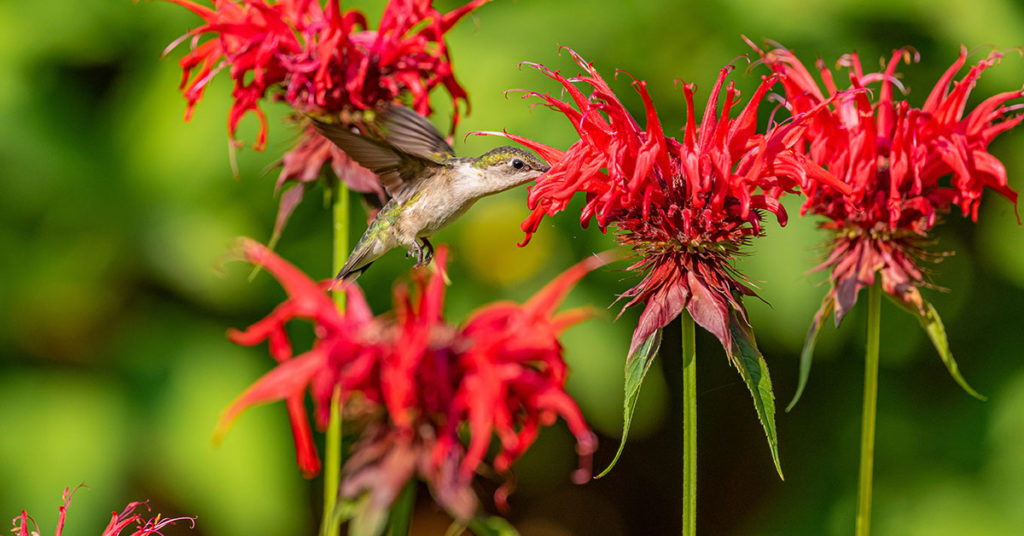
In my years of gardening, I’ve discovered that starting with the right soil and location is key to nurturing Bee Balm. This plant flourishes in well-drained, fertile soil and appreciates a spot where it can bask in full sun or partial shade. I love how adaptable Bee Balm is; it’s perfect for adding a splash of color to a border, garden bed, or even a container! One of my favorite tips is to ensure you give it plenty of space for air circulation, which helps ward off fungal diseases—a common headache for gardeners like us.
Beyond just soil and sunlight, Bee Balm benefits from consistent moisture without being waterlogged. Regular watering, especially during dry spells, can make all the difference in its vibrant performance. I’ve also found that mulching around the base not only conserves moisture but also keeps those unwelcome weeds at bay. Remember, each garden is a unique canvas, and with a little experimentation, you’ll soon discover the best nurturing techniques that work wonders for your Bee Balm!
Native Roots and Invasive Insights

Bee Balm, known scientifically as Monarda, has its origins deeply rooted in North America, where it once thrived in the wild meadows and woodlands long before it graced our garden plots. This native status is one of the reasons I’m so passionate about it—planting Bee Balm connects us to the rich heritage of our local flora and supports native pollinators in a natural way. It’s like inviting a piece of our natural history right into our backyards, reminding us of the intertwined relationship between the plant and the native ecosystem.
While Bee Balm is beloved for its beauty and ecological benefits, it’s important to note that in some regions it can become invasive if not managed properly. Its vigorous growth and ability to self-seed are a double-edged sword: fantastic for filling in spaces and attracting beneficial insects, yet potentially overwhelming in smaller garden plots. I always advise gardeners to monitor their Bee Balm’s spread and, if necessary, practice regular pruning or deadheading to keep it in check. Embracing its wild side while maintaining control can lead to a balanced garden that celebrates nature’s resilience!
Attracting Pollinators and Beneficial Insects
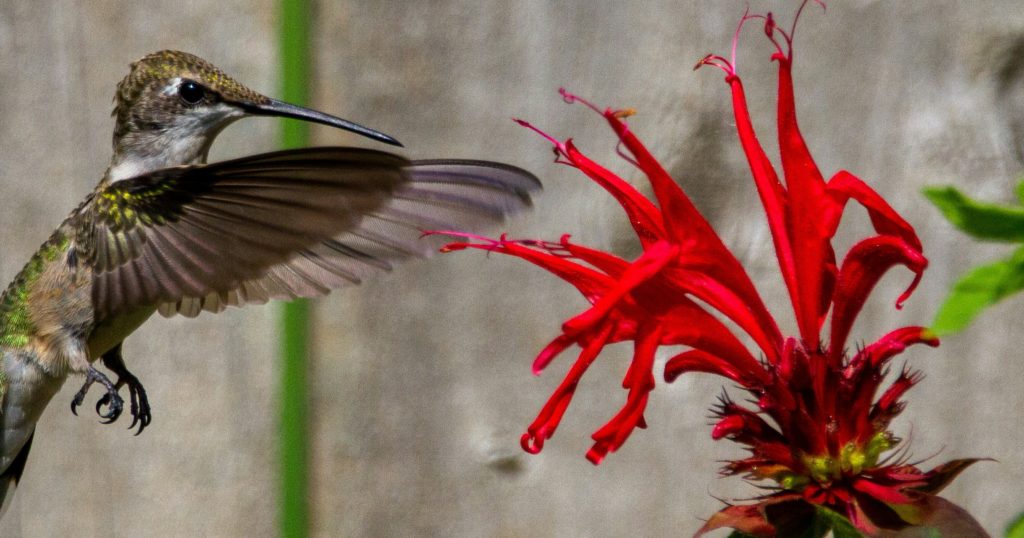
One of the aspects that truly fascinates me about Bee Balm is its magnetic appeal to pollinators. With its bright, showy blooms, it becomes a veritable beacon for bees, butterflies, and even hummingbirds! I’ve noticed that once these visitors start frequenting my garden, they create a dynamic, lively atmosphere that’s not only beautiful to watch but also crucial for the overall health of the ecosystem. The nectar-rich flowers serve as a vital food source, and their vibrant colors act as a visual treat for our buzzing friends.
Moreover, Bee Balm’s allure goes beyond just feeding pollinators—it also supports beneficial insects that help keep unwanted pests at bay. I often find that the presence of these natural allies can be a game changer, reducing the need for chemical interventions and preserving the organic integrity of my garden. It’s such a joy to witness the intricate dance between the plants and their visitors, a reminder of the interconnectedness of nature that makes gardening so incredibly rewarding!
The Bee Balm Buzz: A Closer Look at Behaviors and Nesting

When I first observed my garden teeming with life, I was amazed at how Bee Balm seemed to act as a meeting point for nature’s little communities. Beyond being a beautiful flower, it plays an intriguing role in the nesting and behaviors of various pollinators. I’ve seen solitary bees choosing to nest close by, taking advantage of the protective cover offered by the dense foliage. This not only aids their reproductive cycle but also strengthens the pollination process in the vicinity—a true win-win for the garden ecosystem!
It’s equally fascinating how these visiting insects interact with Bee Balm throughout the seasons. The plant’s structure provides shelter and a safe landing platform for these busy creatures, particularly during inclement weather. By attracting such industrious insects, Bee Balm indirectly supports a balanced ecological system, where even the nesting behaviors contribute to the overall vibrancy of the garden. Trust me, there’s nothing quite as gratifying as watching these tiny natural engineers at work—it truly underscores the hidden superpowers of Bee Balm!
Versatile Garden Performer
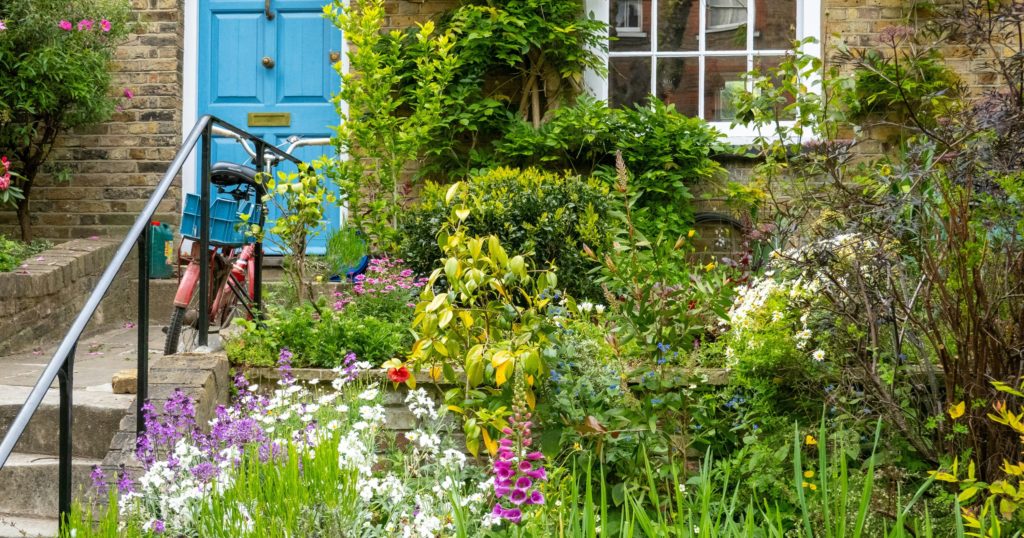
In my gardening escapades, I’ve often marveled at how Bee Balm adapts to various roles throughout the garden. Its versatility makes it an ideal candidate for mixed borders, herb gardens, and even as a standalone statement piece in your landscape design. The striking blooms not only add a burst of color but also offer aromatic qualities that enhance the sensory experience of any outdoor space. Whether you’re cultivating a small urban garden or managing a sprawling backyard, Bee Balm is a reliable performer that never disappoints!
What excites me the most is how Bee Balm can seamlessly complement a variety of companion plants. Its height and spread allow for creative layering in your garden design, and its natural tendency to attract beneficial insects creates a supportive network for its floral neighbors. I love experimenting with different arrangements and have often found that pairing Bee Balm with native grasses or other wildflowers results in an explosion of biodiversity.