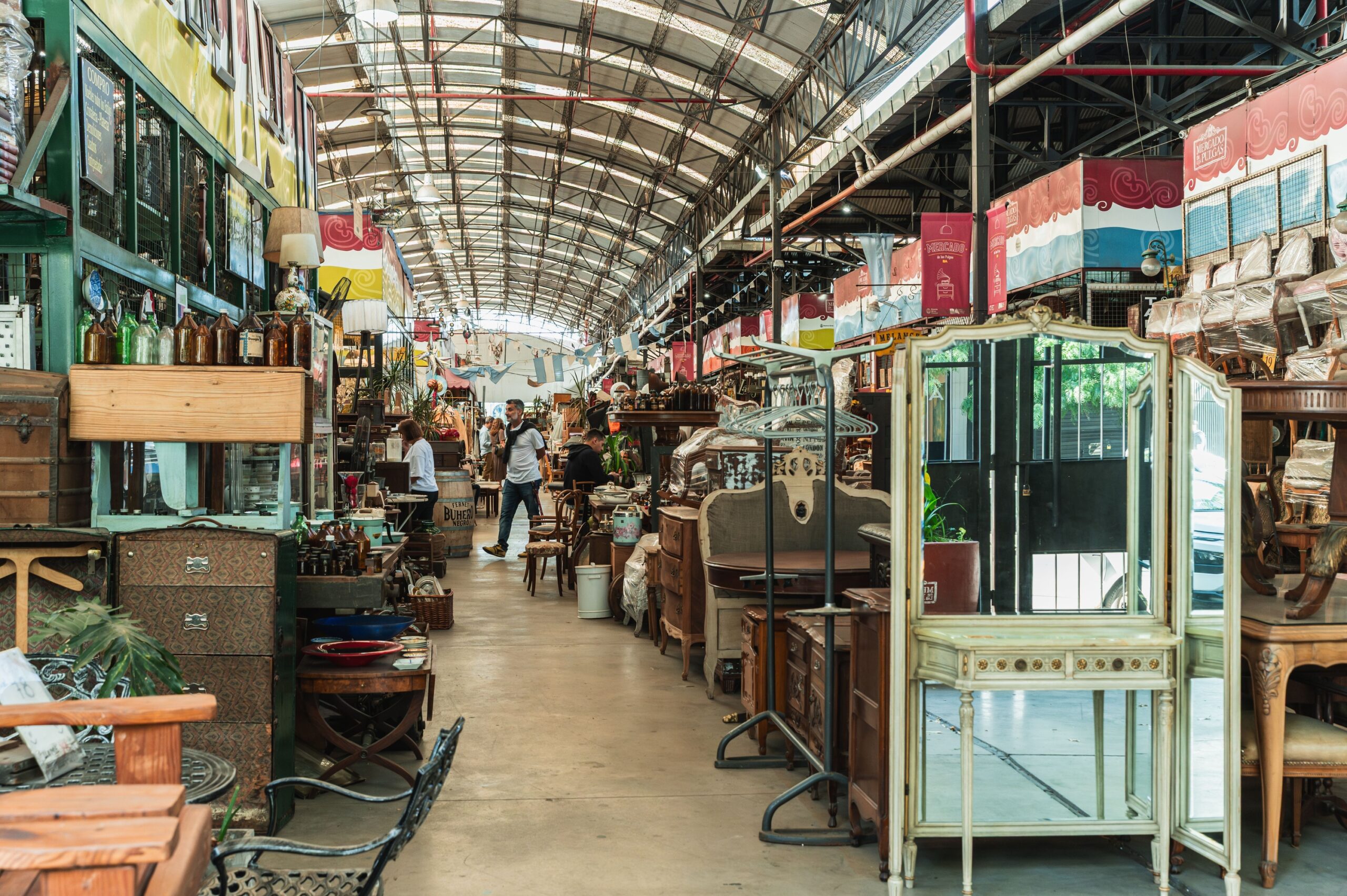

1. Upholstered Furniture with a Musty or Unexplained Odor
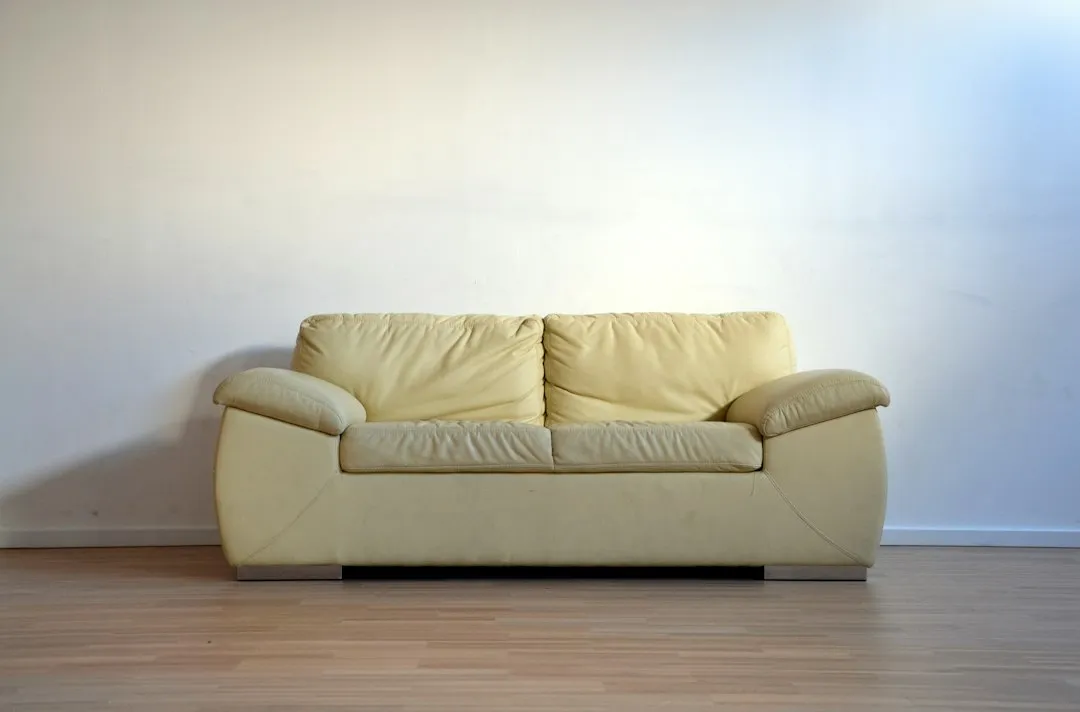
A strong musty odor in fabric rarely comes out completely, no matter how much you air it out or treat it. That smell is usually telling you something about moisture, mold spores, or years of absorbed organic material. It’s not cosmetic. It’s structural to the fabric itself.
Aside from pests, there could be mold spores or mildew that might spread to other furniture or surfaces in your home. Once mold spores are embedded in cushion foam or padding, they’re extraordinarily difficult to remove without a full reupholster. For most used pieces, that reupholstery cost erases any savings you made at purchase.
2. Signs of Bed Bugs in Upholstered Pieces

Bedbugs are small, stubborn, and extraordinarily good at hiding. The secondhand furniture market has become one of their most reliable travel routes into family homes, and most buyers don’t realize the risk until it’s far too late.
Bed bugs can live up to one year without a blood meal. Picking up used furniture at thrift stores could mean a higher risk for bed bugs. That fact alone is worth sitting with. A sofa that’s been sitting in a garage or storage unit for months can still harbor an active population. The average cost for bed bug treatment is about $1,750, but it can be as much as $5,000, depending on the size of the space.
Bed bugs are actually visible to the naked eye; they just hide in screw holes, cracks, crevices, and seams of furniture. Inspect those areas carefully, and look for what can best be described as “black felt tip marker stains” or black splotches. If you see them, walk away.
3. Tiny Holes or Fine Powder Dust on Wooden Pieces (Woodworm)
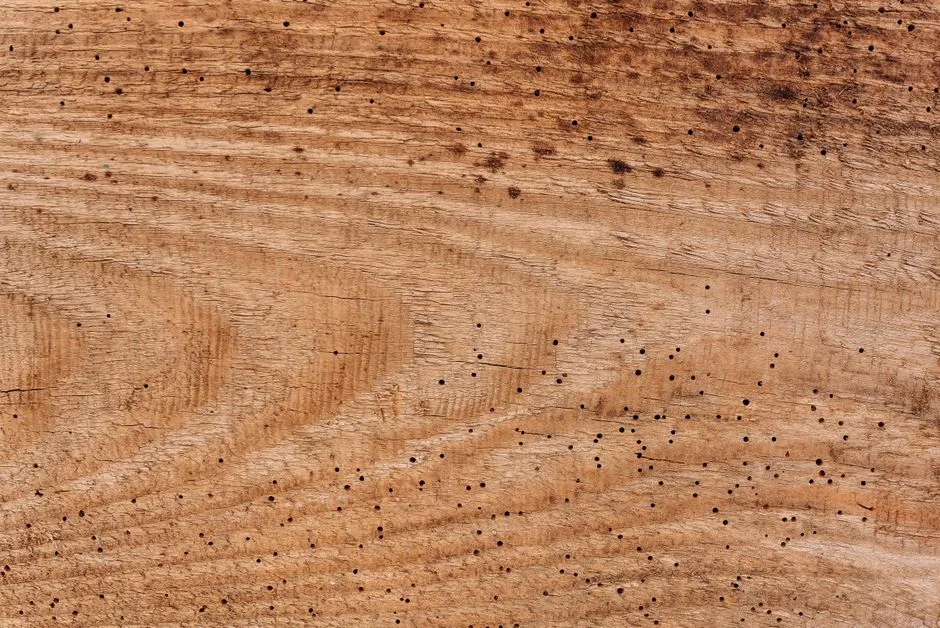
Woodworm are the larvae of wood-boring beetles that burrow into wood, causing damage to its structure over time. They are equally happy to settle in smaller wooden items, including furniture. The damage they cause isn’t always obvious at a glance, especially on painted or varnished surfaces.
Sharp-edged pinholes and powdery frass beneath or inside wood signal an active woodworm infestation that threatens your furniture’s structural and sentimental value. As the woodworm burrows into the wooden furniture, creating a network of tunnels, over time this can weaken the structural integrity of the furniture, causing it to become unstable or even collapse.
What makes this especially tricky is the risk beyond the piece itself. Woodworm can spread from furniture to structural timber. Adult beetles emerging from an infested piece of furniture will fly and seek out other bare timber surfaces to lay eggs. Floor joists, roof timbers, floorboards, staircases, and door frames are all potential targets, particularly if the timber is older, untreated, or in a damp environment.
4. Wobbly or Structurally Compromised Frames

If you notice a piece of furniture with a wobbly leg, don’t assume it’s an easy fix. Essential hardware might be missing, and finding replacement parts could be difficult. Check all drawers and doors to ensure slides and hinges function correctly.
Look for potentially serious problems like cracks, loose joints, woodworm, or wobbly legs, which significantly affect the structural integrity of the item. A loose joint that simply needs re-gluing is different from a frame that has been compromised at a load-bearing point. Chairs that flex or creak loudly when you sit down, legs that feel spongy when pressed near the floor, or frames that twist out of square under light pressure are all warning signs that the structure is no longer reliable.
5. Secondhand Flatpack That Has Already Been Assembled and Disassembled
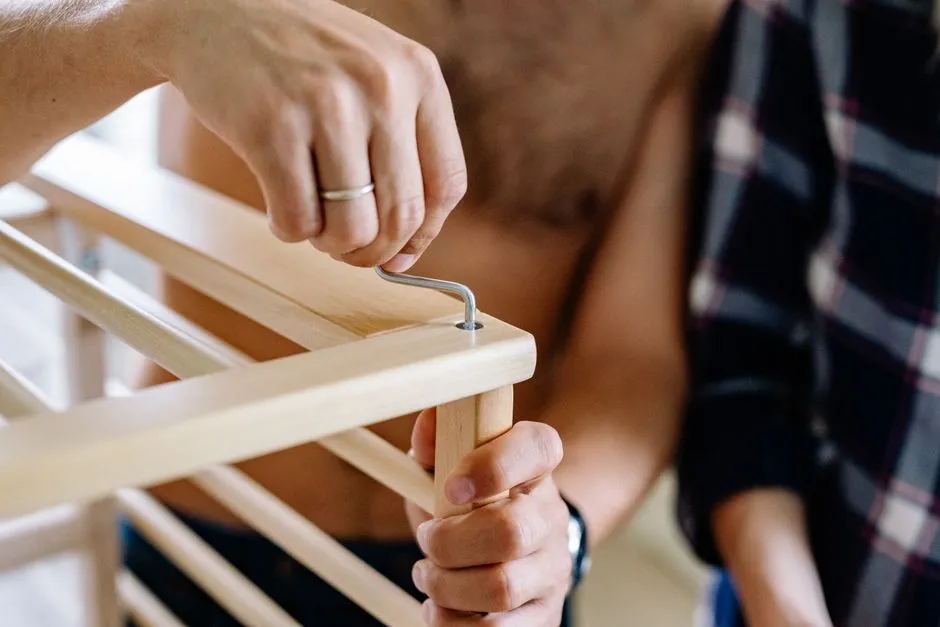
While flatpack furniture can add value and style to any home, buyers must be cautious when purchasing it secondhand. The issue with flatpack furniture comes with the assembly and disassembly. Flatpack items are relatively easy to assemble, but some are more professionally assembled than others.
Check the item before you purchase, looking for any signs of glue. If you are required to disassemble furniture parts containing glue, they may get destroyed, ruining your second-hand bargain. The cam locks and dowels that hold flatpack together are usually designed for a single assembly. After that, the structural tolerance drops considerably with each subsequent move.
6. Mystery Stains on Fabric or Upholstery
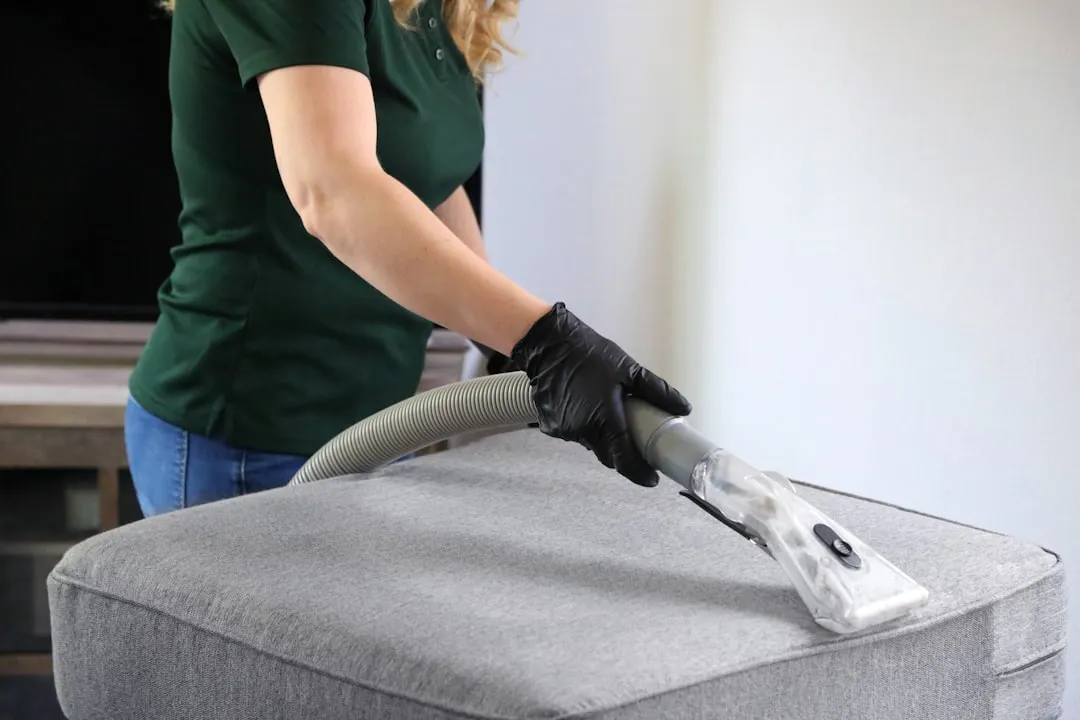
Stains are a real issue. Even if you plan to reupholster something, the cost of new fabric plus labor adds up fast. On a cheap frame, that investment rarely pays off. Unless you’re an experienced upholsterer yourself and love a project, mystery-stained fabric is a red flag.
Stains on used upholstery can point to spills, pet accidents, or worse. Used furniture may harbor allergens and bed bugs, and there may be stains and damage from spills or other accidents that aren’t readily apparent. The problem is that many stains have penetrated into the foam or stuffing beneath the fabric, making surface cleaning almost useless.
7. Sellers Who Refuse an In-Person Inspection

Whenever possible, inspect used furniture in person to evaluate its condition. If a local seller refuses to allow an in-person showing, consider it a red flag. Reputable sellers understand the importance of allowing potential buyers to assess an item before purchasing.
This red flag matters more than many buyers realize. The clearest red flags include a seller who refuses to let you inspect the piece in person before paying, a price significantly below comparable listings, a new account with no history, and stolen listing photos. Shopping scams, the category that includes fake listings for secondhand goods including furniture, were the most reported scam type involving financial loss in 2025, with more than 9,600 reports in the first nine months of the year alone.
8. Prices That Seem Too Good to Be True
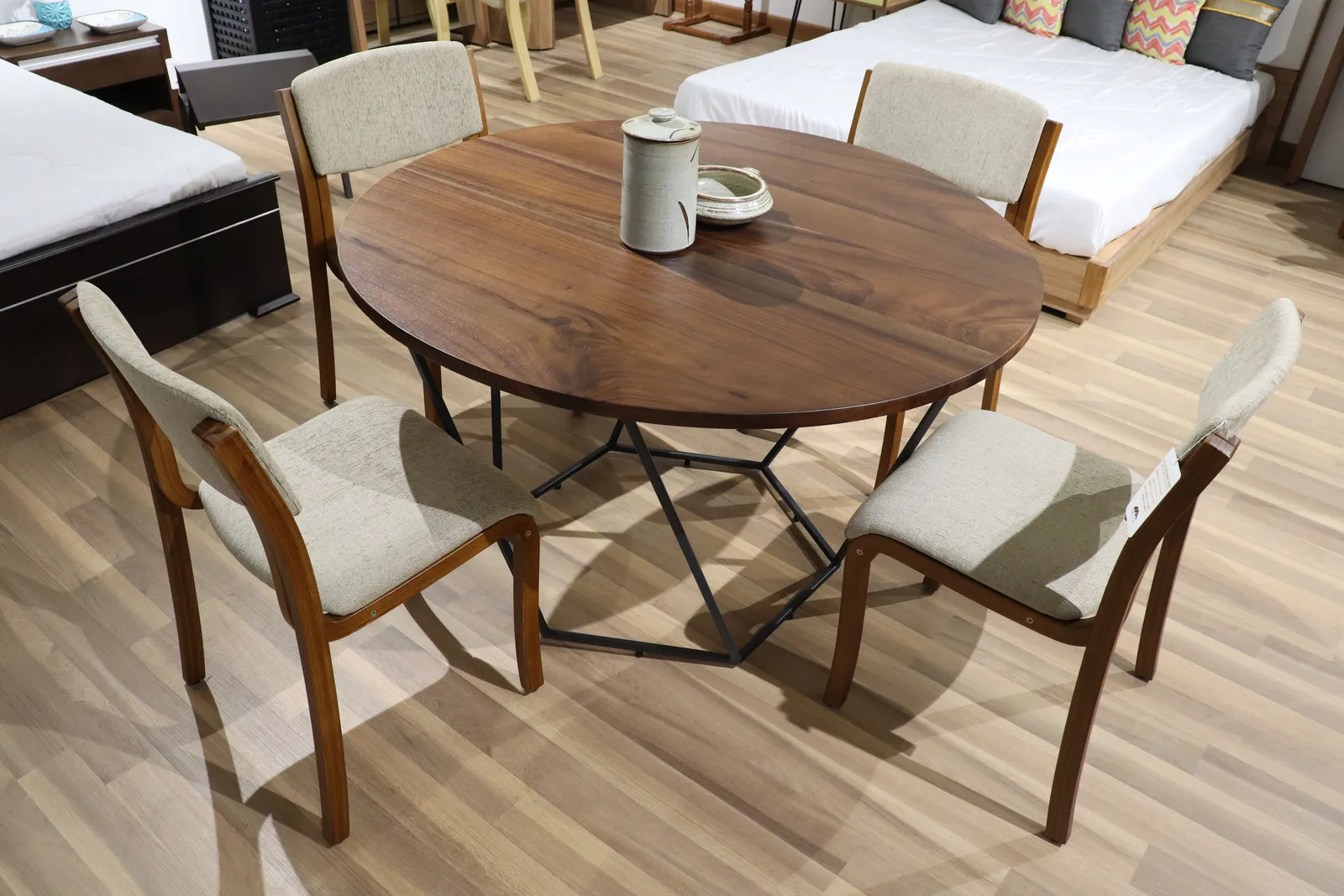
In estate sales, items may be priced below market value to clear inventory, but elsewhere, a low price might indicate defects or fraud. This distinction matters. A clearance price from an estate sale is different from a suspiciously low listing on an anonymous marketplace account. Context tells you a lot.
Experts warn against buying from sellers who set prices based on online asking prices rather than fair market value, which is determined by past sales of similar pieces. Be wary if a dealer presents online listings as price justification. On the other end of the spectrum, trendy vintage pieces on resale platforms often carry inflated prices that far exceed their actual market value, particularly when a specific item has gone viral on social media.
9. Free Curbside Furniture

Never bring in free furniture from the curb. If it was left there and you don’t have any information about it, the risk is simply too high. The temptation is understandable, especially when the piece looks clean and solid from a distance. The problem is that you have zero context about why it was discarded.
You should never pick up a mattress off the street, and it would be wiser to stay away from used mattresses altogether. The same caution reasonably extends to upholstered sofas and chairs left at the curb. The fact that bed bugs can live for generations in used furniture is reason enough to be cautious when purchasing new-to-you upholstered items. Bed bugs are resilient and can easily spread from re-homed furniture, creating a costly infestation for the unsuspecting new owner.
10. No Way to Verify the Piece’s History or Provenance
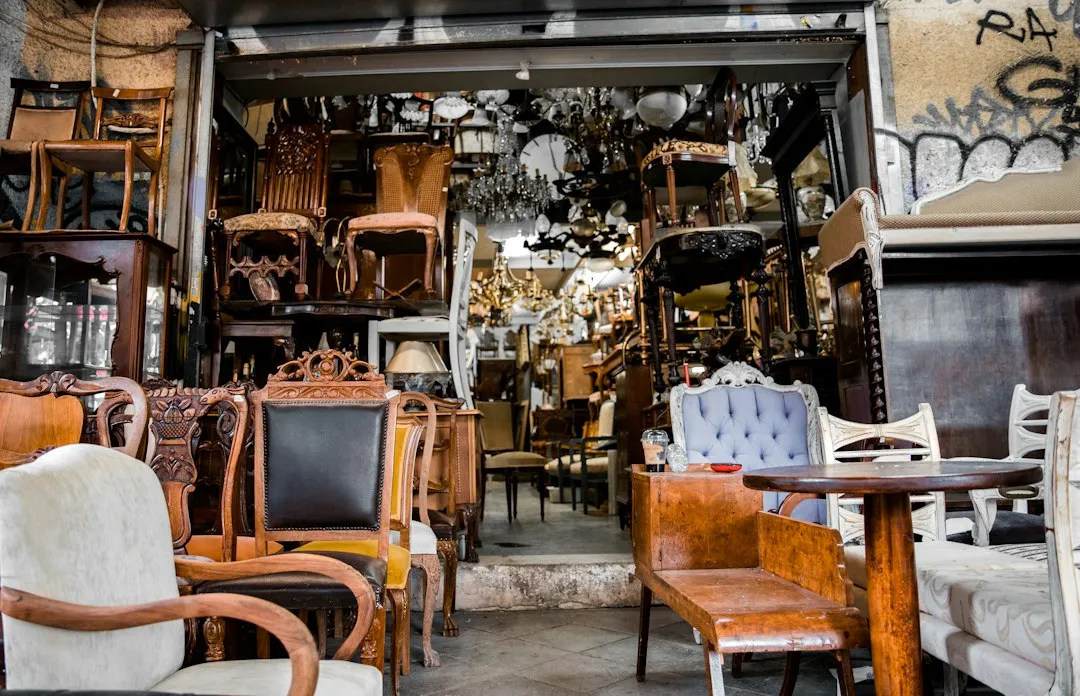
Buying used furniture is a savvy way to save money and find unique pieces at auctions or flea markets. However, the “deal of a lifetime” can quickly become a health hazard or a costly mistake. One underrated factor is provenance. Knowing where a piece came from, and how it was used and stored, dramatically changes the risk calculation.
It has become common practice to pay for goods before they arrive. The difference is that online retailers come with levels of protection via refunds and return policies, while second-hand marketplaces do not provide the same level of security. Without provenance and without buyer protection, a blind purchase from a private seller is always a gamble. The more information a seller can offer about a piece’s history, the safer you are. Silence, vagueness, or evasiveness about where it came from should make you pause.
The Takeaway
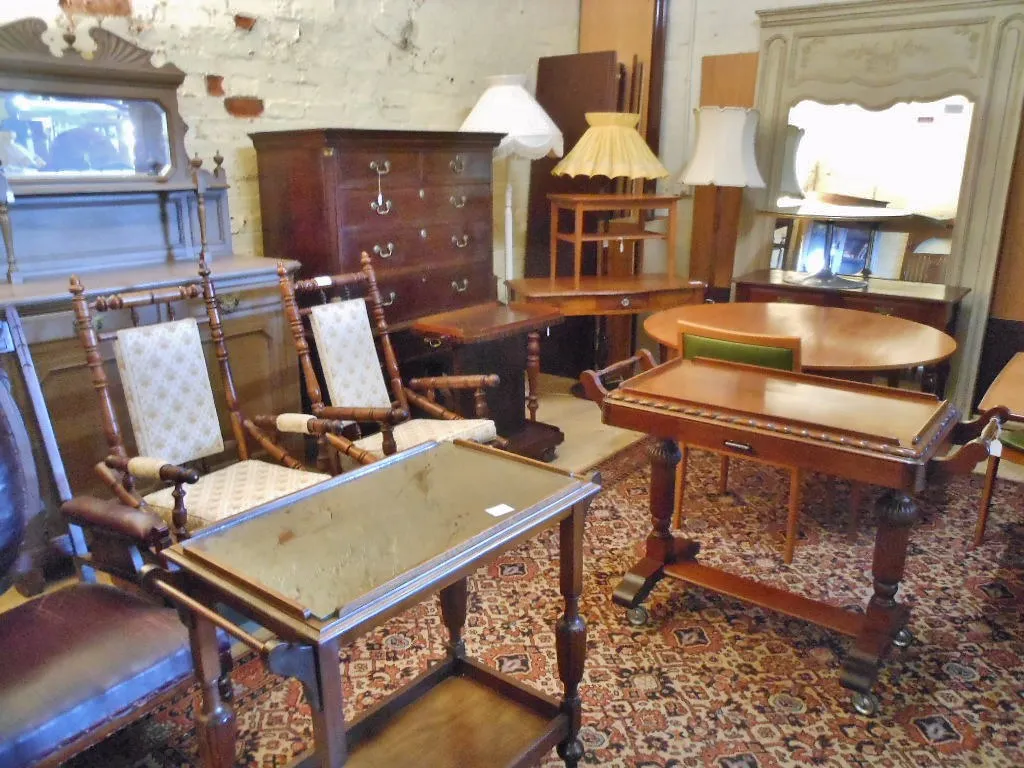
Secondhand furniture is still absolutely worth pursuing. The market is full of genuinely great finds, and the savings can be substantial. The key is knowing which signals to take seriously and which to shrug off.
Scratches and minor surface wear are normal. Musty odors, woodworm holes, tiny dark stains in fabric seams, and sellers who won’t let you look closely are not. The few minutes you spend inspecting a piece carefully before buying it are almost always worth more than the deal you think you might lose by walking away.
Some red flags are quiet. They don’t announce themselves. That’s exactly why knowing what to look for matters so much before, not after, you load the van.
AI Disclaimer: This article was created with the assistance of AI tools and reviewed by a human editor.