
Used Furniture Is One of the Most Common Entry Points
One of the most common ways bedbugs spread is through secondhand furniture. This isn’t a fringe concern or an edge case. Pest control experts consistently point to used furniture as a primary introduction vector, particularly upholstered pieces that people sit on or sleep near. According to Jeff White, director of innovation and technical content for BedBug Central, one of the most common ways bed bugs are introduced to a home is through used and discarded furniture.
Bed bugs are expert hitchhikers, and used furniture is one of the most common ways they spread from one home to another. Even if the piece looks spotless, the bugs rarely advertise their presence. They stay out of sight, deep in seams and joints, until conditions suit them.
They Can Stay Dormant for Months Without Feeding

Bed bugs can live a long time, up to one year, without a blood meal. That detail changes everything about how you think about a piece of used furniture. A dresser that sat in a garage for months, or a couch that seemed fine in the seller’s clean apartment, can still be harboring a hidden population.
Since bedbugs can survive for months without feeding, they can remain dormant in furniture for long periods before becoming active in a new home. The lag between bringing a piece home and noticing the first signs of infestation is exactly what makes secondhand furniture such an effective transmission route.
Sofas and Recliners Carry the Highest Risk

Bed bugs typically stay close to locations where people sleep. They’re more likely to hang out near a bed or couch used for sleeping or napping than they are to inhabit an upholstered dining chair or bar stool. The more time humans spend resting on a piece of furniture, the more attractive it becomes to bedbugs looking for a host.
Any chair used for sitting or napping is a potential hiding place. Recliners are especially risky because of internal mechanisms and fabric folds. The internal framework of a recliner creates a near-perfect network of hidden spaces that are almost impossible to inspect fully without disassembly.
Mattresses Are in a Category of Their Own
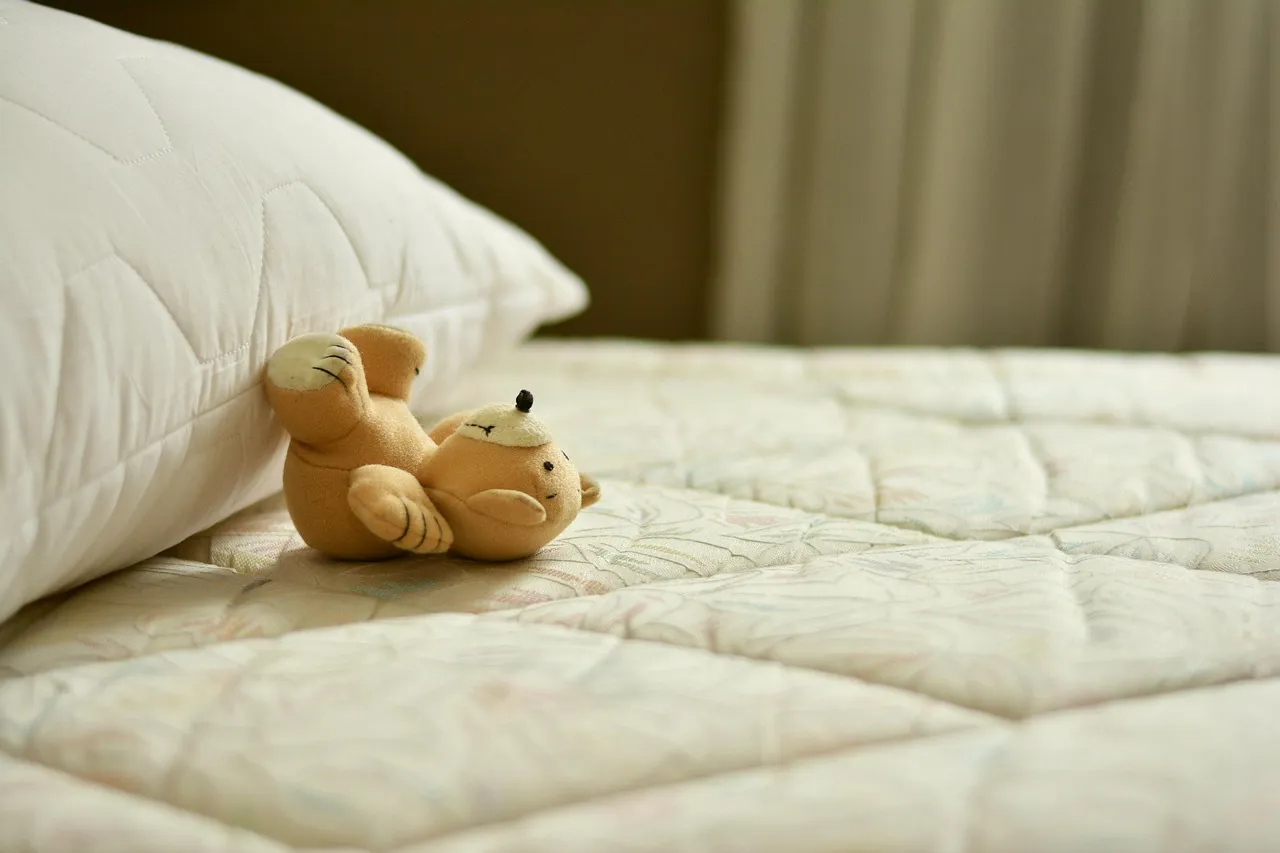
You should never ever pick up a mattress off the street, and it would be wiser to stay away from used mattresses altogether. This advice comes up repeatedly from pest control professionals and consumer safety sources alike. The risk-to-reward ratio on a used mattress simply doesn’t make sense.
Used mattresses are high risk and often regulated by local laws. If you consider one, inspect seams, tags, and edges closely. Many experts recommend avoiding used mattresses altogether. Even if you don’t plan to sleep on a secondhand sofa bed, don’t forget there’s a mattress inside. That hidden mattress is often the last thing buyers think about.
Wooden Furniture Is Not Automatically Safe
A lot of people assume that solid wood pieces, like dressers, nightstands, or bed frames, are free of risk. That assumption is wrong. Bedbugs can also hide in nightstands, dressers, and other types of furniture, and they’re very difficult to get rid of once they’ve invaded your home.
Hard furniture carries lower risk, but it is not risk-free. Open drawers and inspect corners, joints, drawer slides, and undersides. Bed bugs can hide in joints and behind drawer backs. Screw holes, decorative trim, and cracked finishes all offer shelter. The rule with wood furniture is to inspect every joint and recess before it crosses your threshold.
Clean Appearance Means Almost Nothing
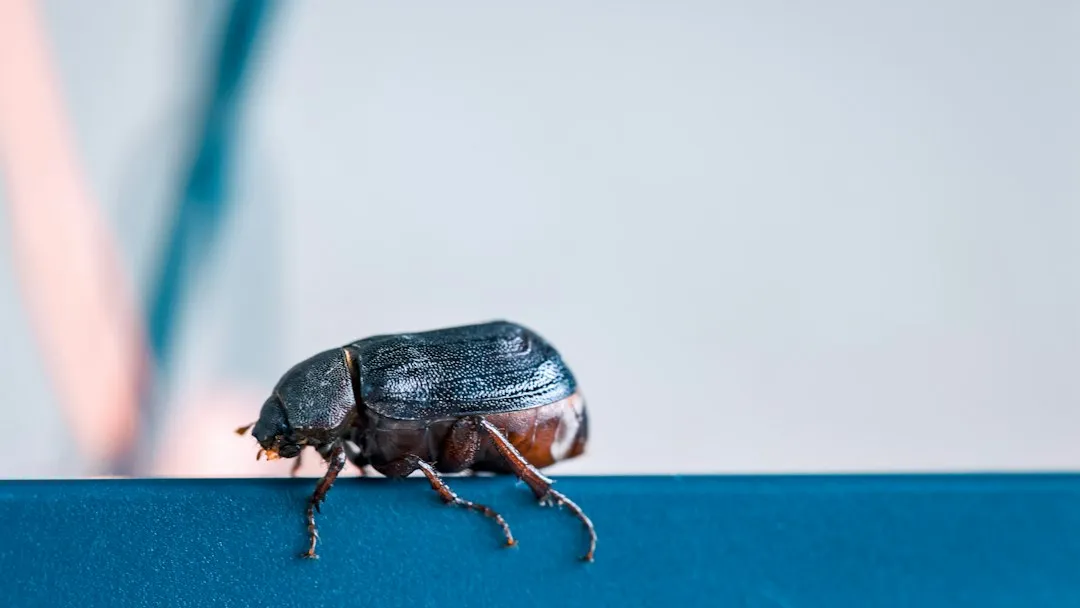
Even if a piece looks clean, bedbugs can be hiding in seams, folds, or inside the furniture. This is one of the most persistent and dangerous misconceptions among secondhand shoppers. Bedbugs don’t thrive in dirty homes. They thrive near warm, resting humans, full stop.
Pests love to hide in upholstery, wooden joints, and unseen cracks, so even a clean-looking piece could be carrying an unwelcome surprise. Many people will donate furniture from a past bed bug infestation. In many of those cases, the donor may not even know it’s infested. Visual cleanliness is simply not a reliable indicator of bedbug-free status.
A Single Pregnant Female Can Start an Infestation
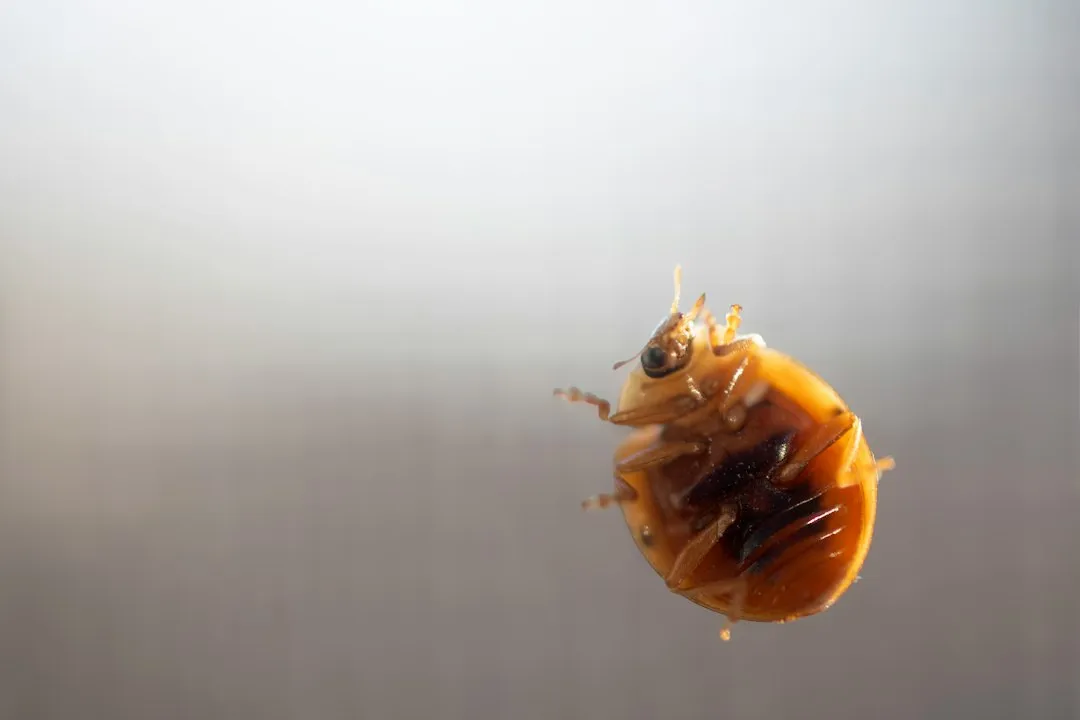
A single pregnant female can lead to a full-blown infestation, making prevention crucial. This is what makes the stakes so high when it comes to secondhand furniture. You don’t need to bring home a colony to have a serious problem within weeks. One insect, hidden in a seam, is enough.
Bedbugs jump from clothing and furniture, reproduce quickly, and infest entire homes. Once they establish themselves, they spread room to room through wall voids, electrical outlets, and by hitching rides on clothing. What starts in one sofa can migrate through an entire apartment remarkably fast.
The Financial Cost of Getting It Wrong Is Steep

People focus on what they save buying secondhand. Far fewer think about what an infestation might cost them. Bed bug extermination costs average $1,500 to $5,000 for an entire home, with individual room treatments ranging from $150 for small infestations to $1,000 for more advanced cases.
On average, professional bed bug extermination in the U.S. costs between $300 and $5,000 in 2025, depending on the severity of the infestation, treatment type, and the size of your home. Once they enter a home, they can be extremely difficult and expensive to eliminate. Professional treatment often costs thousands of dollars and can take weeks. A sofa picked up for a hundred dollars could easily trigger a five-thousand dollar remediation bill.
How to Actually Inspect a Piece Before You Buy It
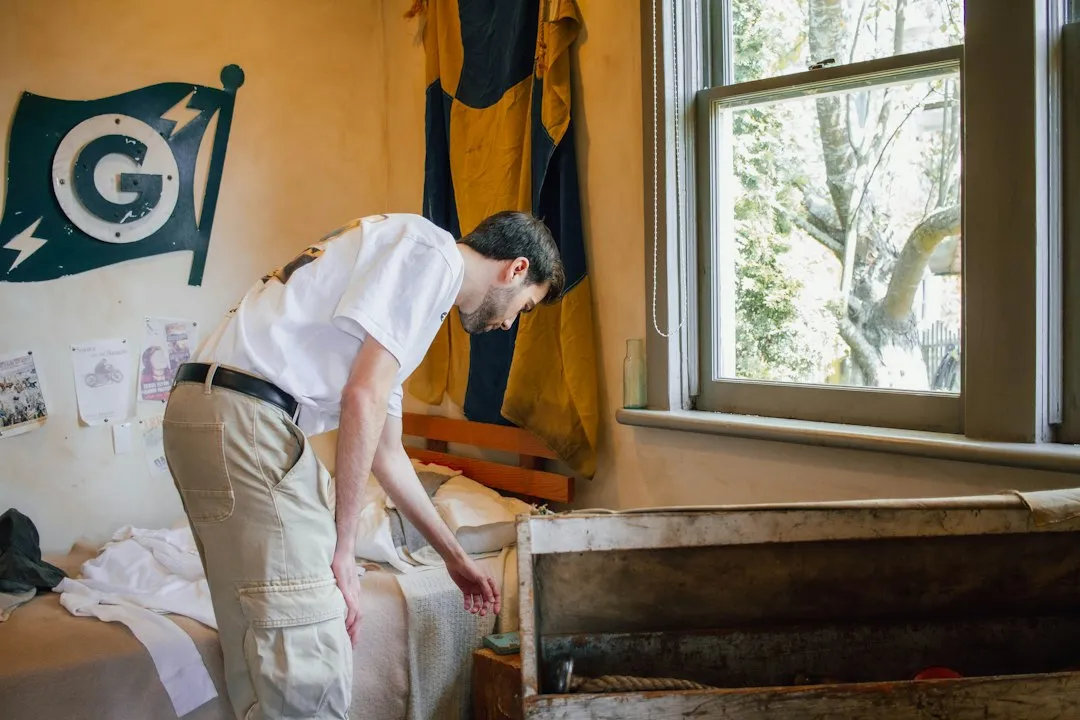
Use a flashlight to look along seams, inside drawers, and under cushions. Running a credit card along crevices can push out bedbugs or droppings. These are simple, low-cost steps that take just a few extra minutes at the point of purchase. Don’t skip them out of politeness toward the seller or excitement about the find.
Check for live or dead bed bugs, eggs, or shed skins. Look for reddish-brown stains on the fabric, which could be bed bug fecal matter. Use a flashlight to inspect seams, cracks, and crevices in the furniture. Look all over the piece for small black spots or even blood dots. This is a top indicator of bed bug activity, whether they’re active or not.
After You Bring It Home, the Work Isn’t Done
Always treat furniture before bringing it indoors. This step is skipped by most buyers, even careful ones. Bedding and clothes can be tossed in a dryer set at 115°F to 120°F for at least 30 minutes to kill bugs. For fabric components of furniture, heat remains one of the most effective tools available outside of professional treatment.
Hardwood, metal, and plastic furniture are generally safer bets than upholstered or particle board pieces. If you’re set on buying upholstered secondhand furniture, treat it as a risk management exercise, not just a shopping trip. Keep new acquisitions in a garage or exterior space, inspect thoroughly, and consider a professional pre-treatment before the item enters your living space. Bed bugs multiply quickly, and bed bug infestations get worse, never better, if left untreated.
The Takeaway
The secondhand furniture market isn’t going anywhere, and neither is the appeal of saving money on a well-made piece. The mistake isn’t buying used. The mistake is buying without looking. Bedbugs are patient, resilient, and almost impossible to see without deliberate effort. They don’t ask for much, just a dark seam and a nearby host.
A few minutes of careful inspection before any purchase, combined with heat treatment before a piece enters your home, closes most of the risk. The cost of that caution is negligible. The cost of skipping it can run into thousands of dollars and weeks of disruption. The math is clear.
AI Disclaimer: This article was created with the assistance of AI tools and reviewed by a human editor.