
The “Still Under Warranty” Label Means Less Than You Think
There’s a meaningful difference between an appliance being “still under warranty” and being “still under warranty for you” as the new owner. These are two very different situations, and conflating them is one of the most common mistakes secondhand buyers make. When appliances are resold, the manufacturer’s warranty may not transfer to subsequent owners, or it may offer limited coverage, and some manufacturers nullify the warranty upon resale while others allow transfer with limitations on duration or conditions.
Unless the seller is an authorized dealer, coverage often evaporates the moment the transaction is completed. According to a 2025 Recommerce report, roughly nine in ten global consumers plan to maintain or increase their spending on pre-loved goods. The demand for secondhand appliances is clearly growing, but the consumer protections haven’t kept pace with that growth.
Why Manufacturers Draw the Line at Resale
It’s important to differentiate between manufacturer warranties and extended warranties, as they often contain different terms, coverage, and applicability, especially for secondhand appliances. Manufacturers design their warranties around the original purchaser’s use and handling, and they have little visibility into how an appliance was treated between owners. That risk calculation is entirely reasonable from their side.
Some extended warranty programs are explicitly non-transferable, meaning the coverage can only be claimed by the original purchaser who legally bought it together with the eligible product. This isn’t buried in tiny print as a gotcha. It reflects a deliberate policy that most buyers simply don’t know exists until they try to make a claim and get turned away.
The Unregistered Warranty Loophole
Here’s the part most buyers never ask about. Most warranties aren’t transferable, but many sellers who refurbish homes or appliances never register the warranty in the first place, leaving the next buyer free to register it for themselves. If the original owner didn’t complete registration, the warranty clock may not have officially started, and a new buyer could potentially step in and register the appliance as their own.
If paperwork is missing or the product was never registered, coverage under the standard manufacturer warranty may still apply based on the purchase date, and contacting the manufacturer directly with the model and serial number is worth trying. This is a simple step that costs nothing and occasionally pays off in full coverage.
Component Warranties That Outlast the General Coverage
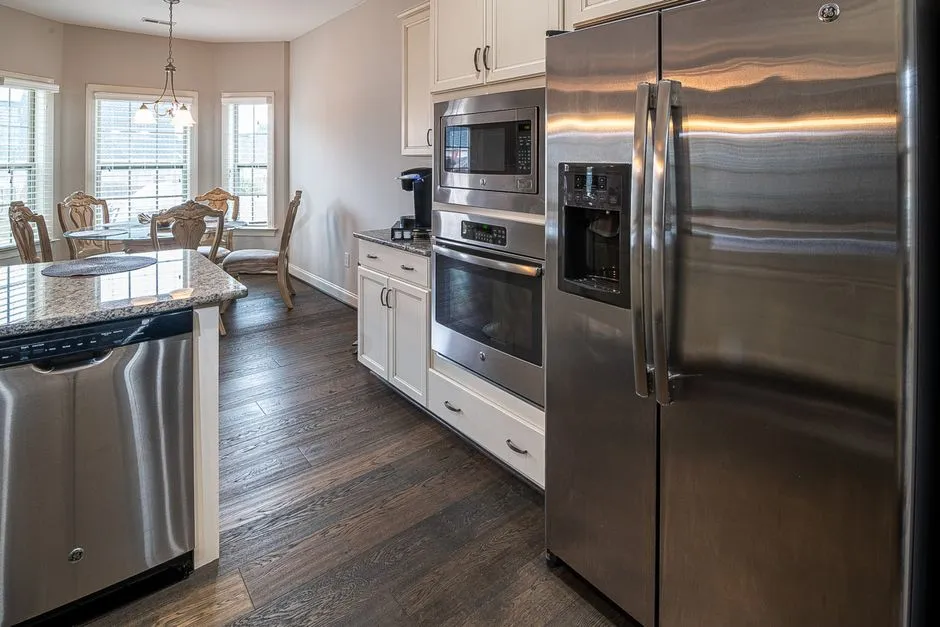
Even when the standard one-year warranty has expired, individual components inside an appliance often carry their own separate, longer-term protection. Standard coverage is typically one year for parts and labor, but key components like compressors can be covered for five to ten years. For a refrigerator compressor, that distinction matters enormously because that single repair can cost several hundred dollars out of pocket.
It’s worth asking specifically about component coverage, because even if the general warranty has expired, the broken part might carry its own longer coverage. Compressors, motors, and drums often do. When buying a used appliance, this is one of the most valuable questions you can ask the seller or the manufacturer directly before you commit.
How to Check Warranty Status Using the Serial Number
You’ll typically need the model number, serial number, and purchase date to check if an appliance is still covered, and this information is usually found on a sticker or plate on the door frame, back panel, or inside compartment. The serial number alone can do a surprising amount of work. The manufacturer’s warranty coverage begins with the date of purchase, but the serial number shows the month and year of manufacture and is used to determine warranty status when no proof of purchase is available. When proof of purchase is not available, the manufacturing date will be used to determine the age and warranty period.
Most manufacturers have a warranty check tool on their website where you simply enter your model and serial number. This two-minute lookup is something almost no secondhand buyer thinks to do before the sale closes. Do it before you pay, not after.
Recall Checks: The Overlooked Free Repair
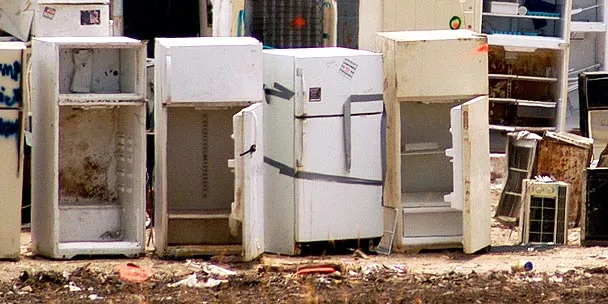
Separate from warranty coverage entirely, there’s another avenue that secondhand buyers consistently miss: manufacturer recalls and service bulletins. It’s worth checking for a recall or service bulletin, because a known defect is often repaired free regardless of warranty age. Free recall checks can be run through the CPSC and FDA databases. A recalled component gets repaired or replaced at no cost to the current owner, even if that person bought the appliance used.
This matters more than most people realize. A used appliance could have an outstanding recall that the original owner never addressed, and the repair would still be covered for whoever currently owns it. Checking the serial number against the Consumer Product Safety Commission database takes minutes and occasionally reveals exactly that situation.
Third-Party Extended Warranties for Used Appliances
In addition to manufacturer warranties, some used appliances may come with a separate warranty provided by the retailer or a third-party warranty provider, often referred to as extended warranties or service contracts. These differ significantly from manufacturer coverage in what they cover and how claims are processed. As appliances become more complex and packed with electronics, repair costs and downtime can increase, and an extended protection plan can help cover these risks and provide access to factory-authorized repair networks, including for refurbished or open-box products.
Some manufacturer warranties are transferable, but retailer and third-party warranties typically are not. So if a seller advertises a used appliance as coming with an extended warranty, verify very carefully whether that plan actually transfers to a new owner. Ask for the plan documentation and call the provider directly before you assume the coverage is real.
What the Data Says About Appliance Failure Rates
Understanding whether warranty protection on a used appliance is worth pursuing also means understanding how likely that appliance is to fail. Consumer Reports estimates that roughly a third of refrigerators require repairs within five years of ownership. That’s a meaningful failure rate for one of the most commonly resold appliances on the market. Consumer Reports also found that about one in five washing machines and roughly one in six dryers broke or stopped working over a ten-year span.
Broken appliances are the top maintenance issue reported by homeowners, ahead of water damage and roof damage. That context reframes the warranty question entirely. A secondhand appliance isn’t a low-stakes purchase. For a refrigerator especially, any remaining coverage is genuinely worth tracking down.
The Credit Card Coverage Most Buyers Forget
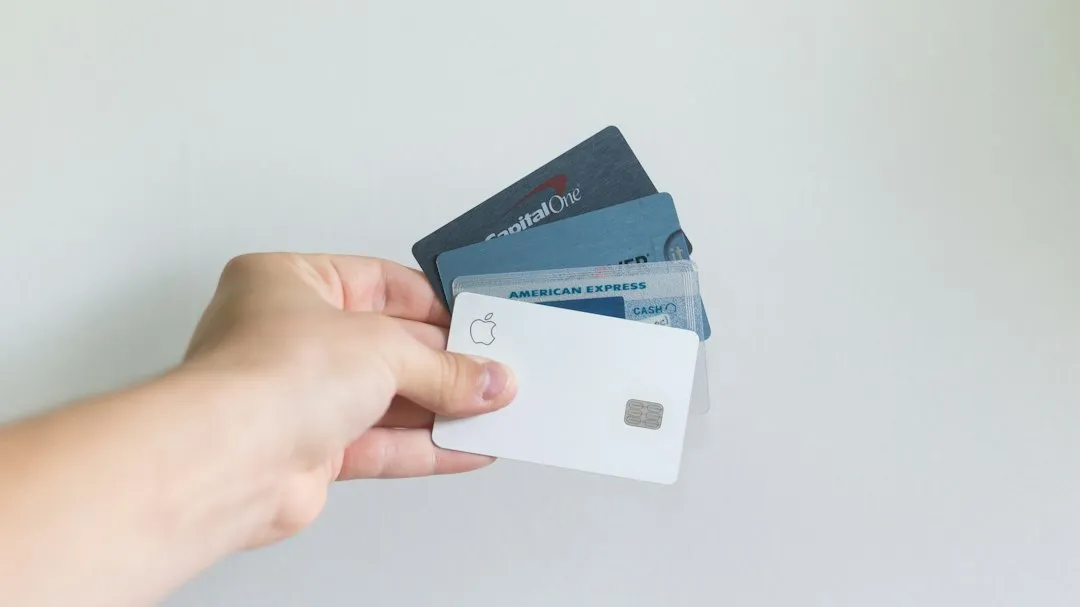
There’s one more layer of potential protection that almost nobody checks when buying secondhand. Many credit cards automatically extend the manufacturer’s warranty up to a year on many products purchased entirely with the card, and the coverage is free. This applies to the person paying for the used appliance, not the original buyer, which means even a secondhand purchase could gain a bonus coverage year simply by using the right card.
If you paid by card, you may have a free extra year of coverage on top of everything else. This is worth calling your card issuer to confirm before you assume you’re buying something completely unprotected. It takes one phone call, and the potential upside is a year of coverage you didn’t know you had.
What to Actually Ask Before You Buy
The trick, if it can even be called that, is simply asking the right questions before money changes hands. Ask the seller for the original purchase receipt, the model number, and the serial number. Serial numbers and model numbers are usually on a sticker or plate inside the fridge door, on the dishwasher’s edge when the door is open, behind the dryer door or on the frame, or on the oven’s side or back panel. With that information in hand, you can run a warranty lookup, a recall check, and a component coverage check in under ten minutes.
If a warranty is transferable, proper documentation and adherence to the manufacturer’s transfer processes are required, including in some cases paying a transfer fee or registering the change of ownership with the company. This is a manageable process if you know it exists. Most buyers don’t know to ask, which is exactly why most buyers walk away from protection they could have kept.
Final Thoughts

The secondhand appliance market keeps growing, and the gap between buyer expectations and actual warranty coverage keeps growing with it. The good news is that the information gap is genuinely closeable with a few targeted questions and a serial number lookup. Some coverage will be gone. Some will still be active. Some components will carry protection that surprises you.
The buyers who get the most value from used appliances aren’t necessarily the ones who negotiate the hardest on price. They’re the ones who spend ten minutes on due diligence before the deal closes. That window of time, right before you hand over the money, is the only moment when the full picture is available to you. Use it.
AI Disclaimer: This article was created with the assistance of AI tools and reviewed by a human editor.