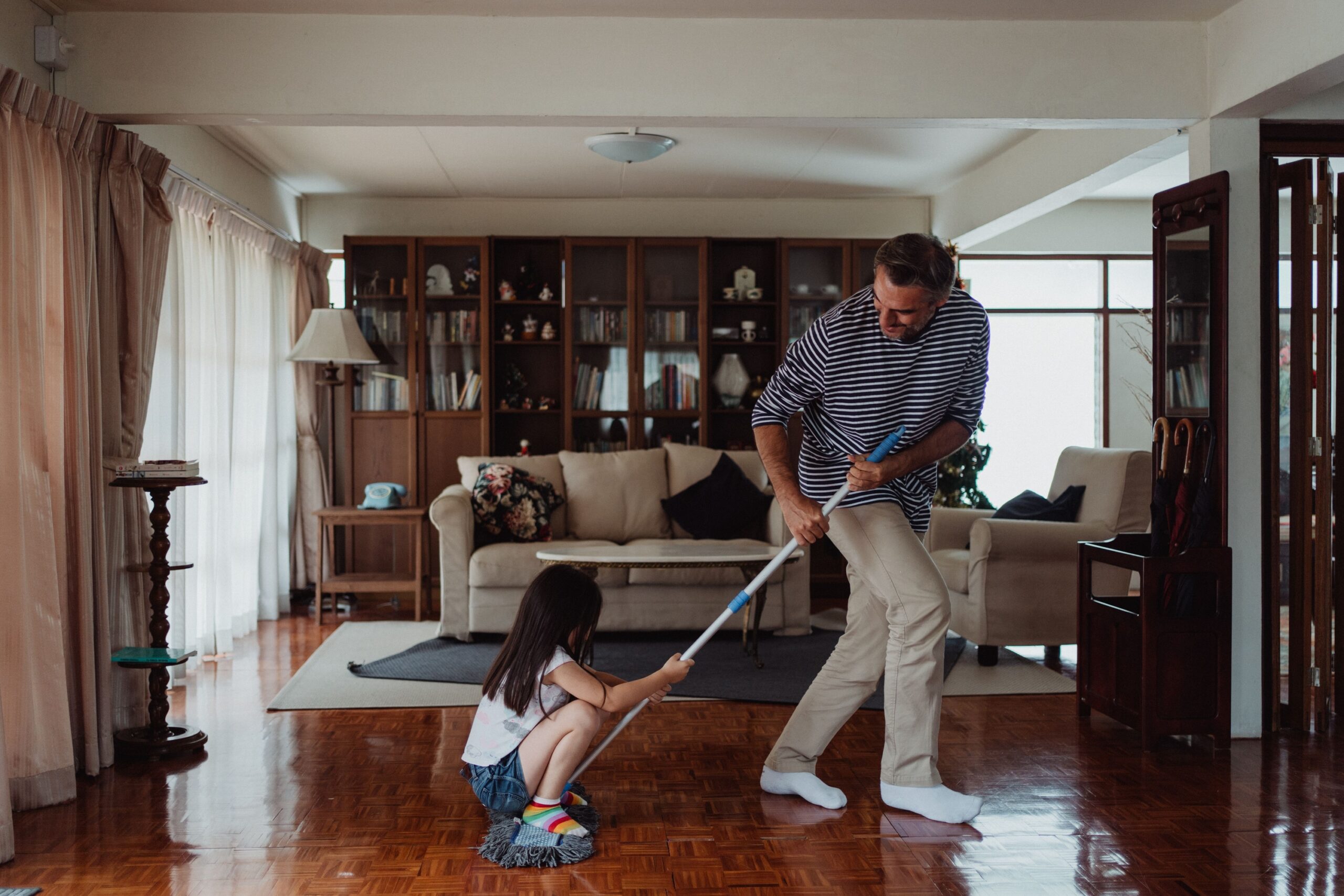

Step 1: The Walkthrough Before Anything Else
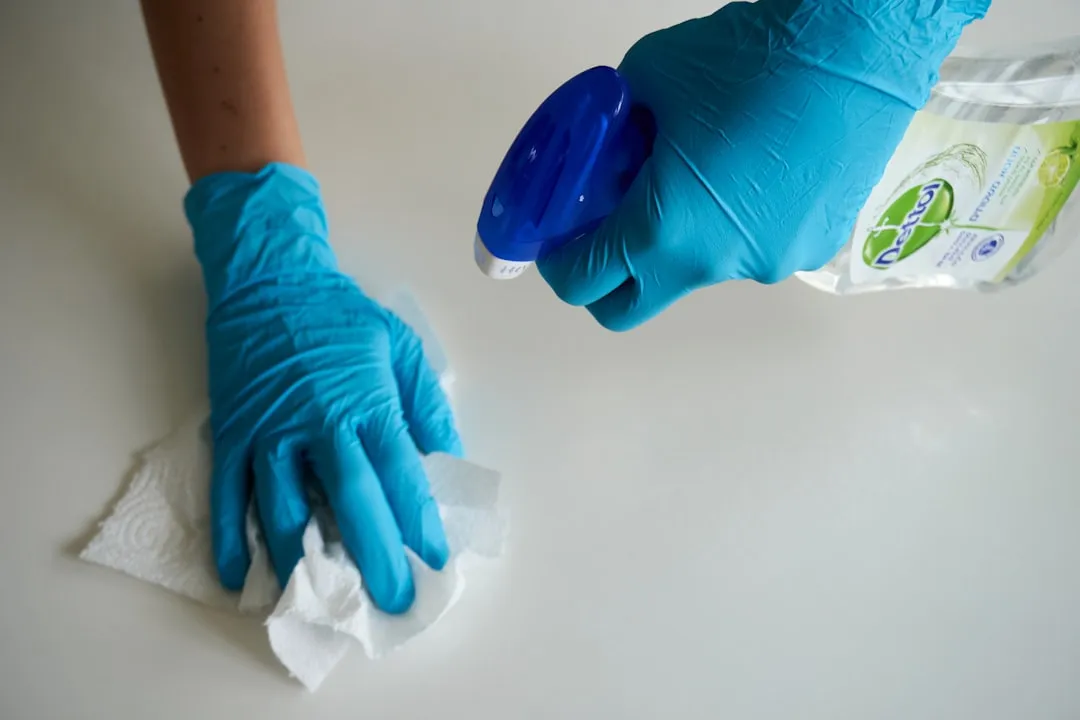
Professional cleaners don’t wing it. Every job starts with a walkthrough, a mental checklist, and a specific sequence that prevents wasted effort. This reconnaissance pass sounds simple, but it changes everything. You’re not cleaning yet. You’re planning.
The goal is to walk through each room and identify the areas that need the most attention. Bathrooms with soap scum buildup, kitchens with grease on the range hood, bedrooms with dust on ceiling fan blades. Knowing your priorities before you start prevents the scattered, room-hopping pattern that burns time without visible progress.
Step 2: Declutter Every Surface First
To maximize cleaning efficiency and prevent cross-contamination, the first physical action professionals take is to declutter. Clear all surfaces and floors before touching any cleaning products. This is non-negotiable. Cleaning around clutter means you’ll miss half the surface area every time.
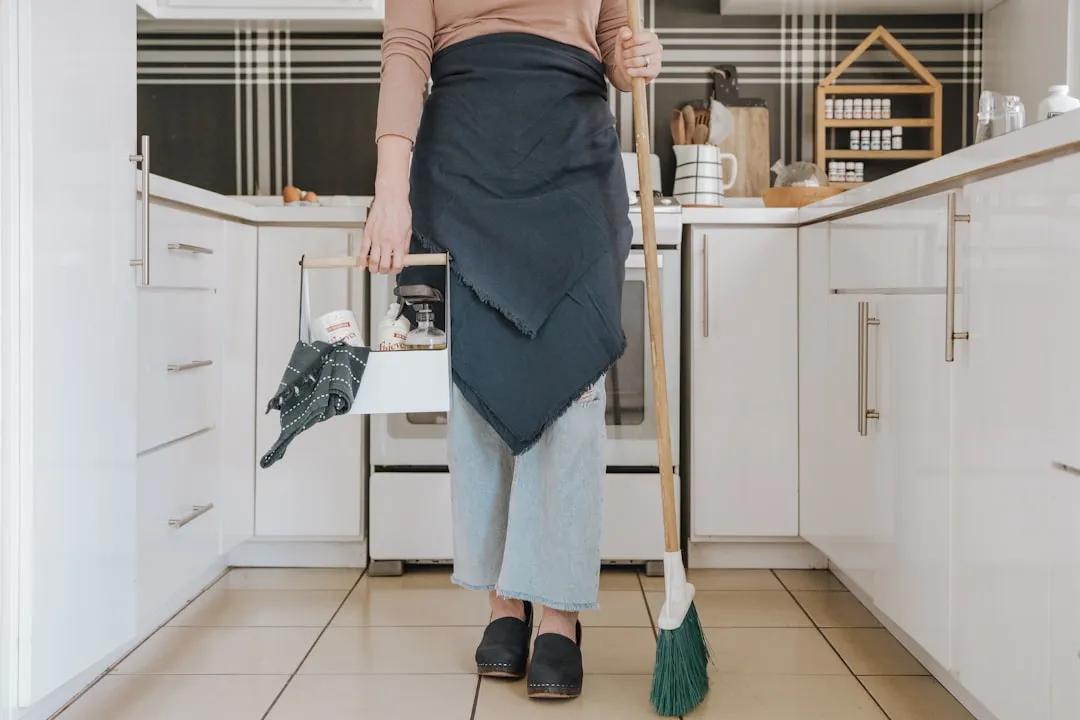
Keeping essential tools and cleaners in a portable caddy saves time and avoids unnecessary trips. Working one room at a time and fully completing a space before moving to the next helps maintain focus. It sounds obvious, but this discipline alone separates a true deep clean from a surface refresh.
Step 3: Start at the Ceiling, Work to the Floor
Always clean top to bottom. Dust the ceiling fan first, then the shelves, then the countertops, then the floor. Gravity pulls dust and debris downward, so cleaning in reverse order means you are wiping the same surfaces twice. Professionals consider this a foundational rule, not a suggestion.
House cleaning is easier when you follow a top-to-bottom, left-to-right system. Dust, crumbs, and debris fall downward, so starting high and ending with floors prevents you from cleaning the same surface twice. This principle applies to every single room, without exception.
Step 4: Tackle Dry Tasks Before Any Wet Cleaning
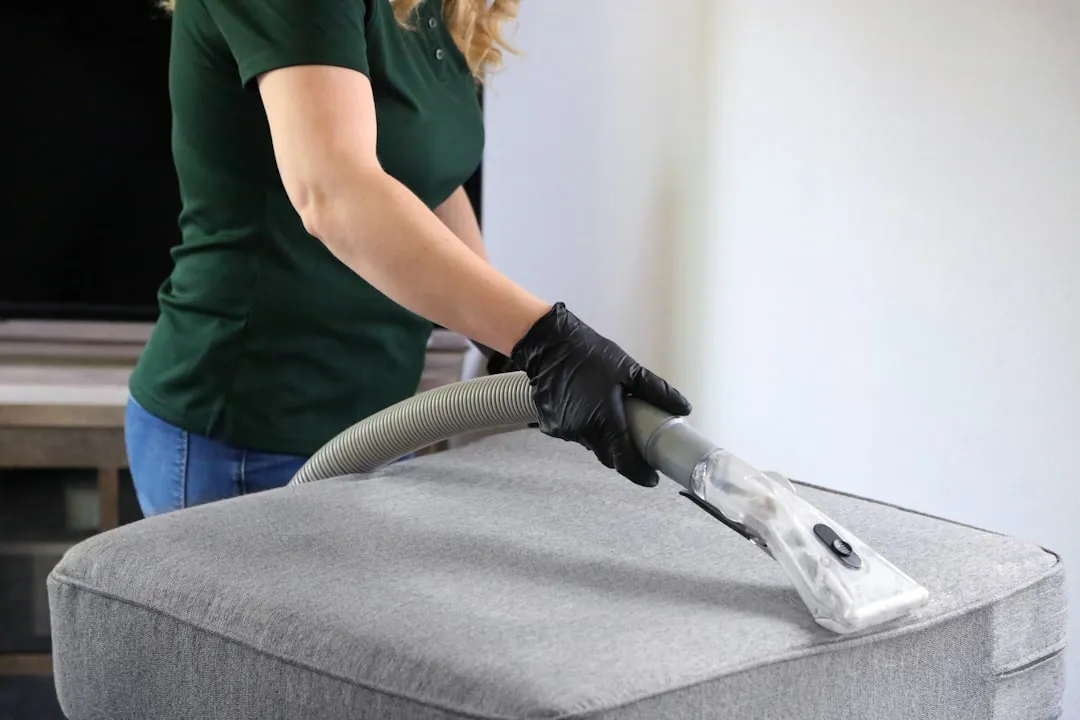
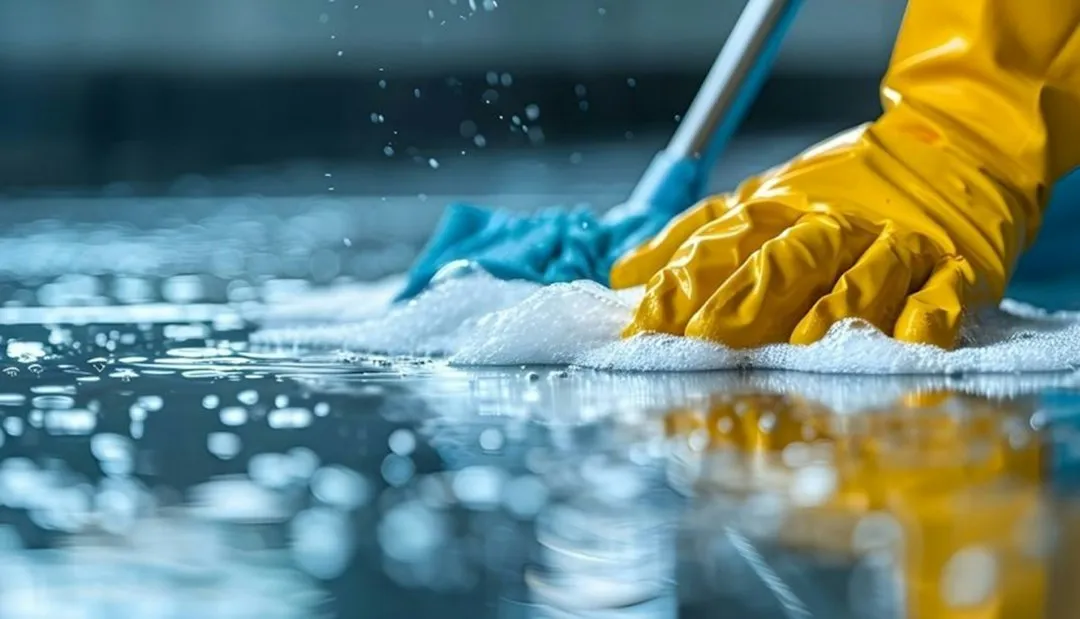
Always dust, sweep, and vacuum before applying any liquid sprays or mop water. Wetting a dusty surface just turns dust into a smear. Pros complete all dry work across the entire home before they open a single bottle of cleaner or fill a mop bucket.
High-grade microfiber cloths lift and lock in fine dust rather than smearing it across surfaces. A vacuum equipped with a genuine HEPA filter captures 99.97% of fine dust, pet dander, and pollen down to 0.3 microns, preventing allergens from blowing back into the room. The tools used during this dry phase make a measurable difference in air quality long after the cleaning is done.
Step 5: The Kitchen Gets Priority Attention
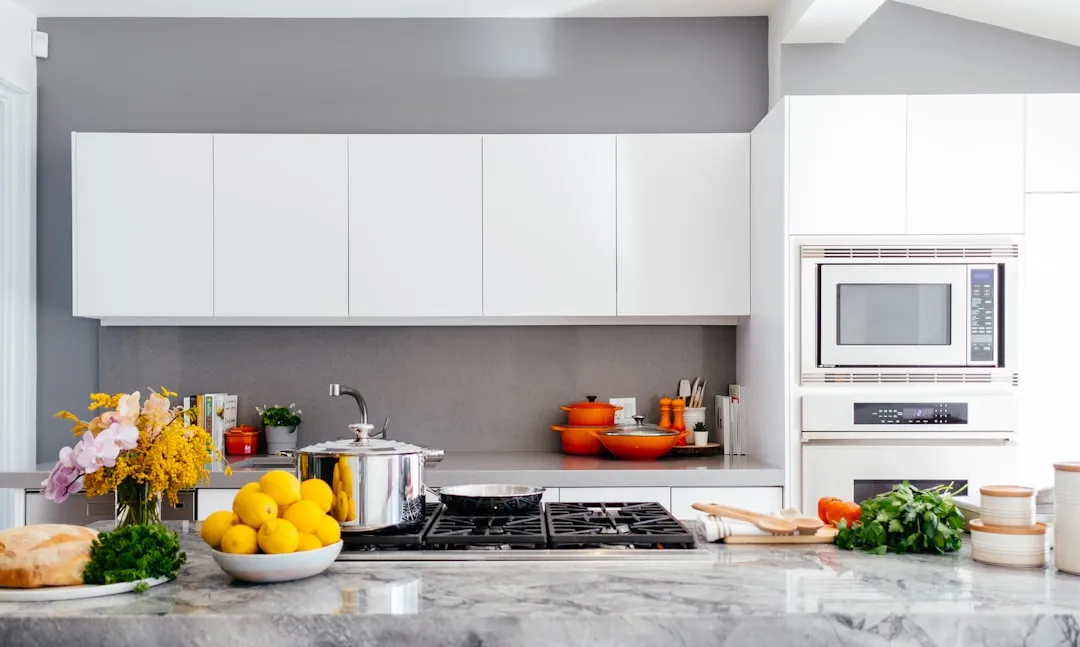
Professional cleaners start with the kitchen first, before bathrooms, then living areas and bedrooms, then floors. This order protects energy for the rooms with grease, moisture, buildup, and high-touch details. The kitchen demands the most chemical dwell time, which is why it goes first.
The kitchen receives a lot of activity, particularly throughout the holidays. Cleaning the refrigerator, wiping off counters, and cleansing the stove are core tasks. Appliances like the microwave and dishwasher also need thorough cleaning. Spraying degreasers on the range hood and oven and letting them sit while you move on to other areas is a classic professional time-saving technique.
Step 6: Bathrooms Are Cleaned Methodically, Not Quickly
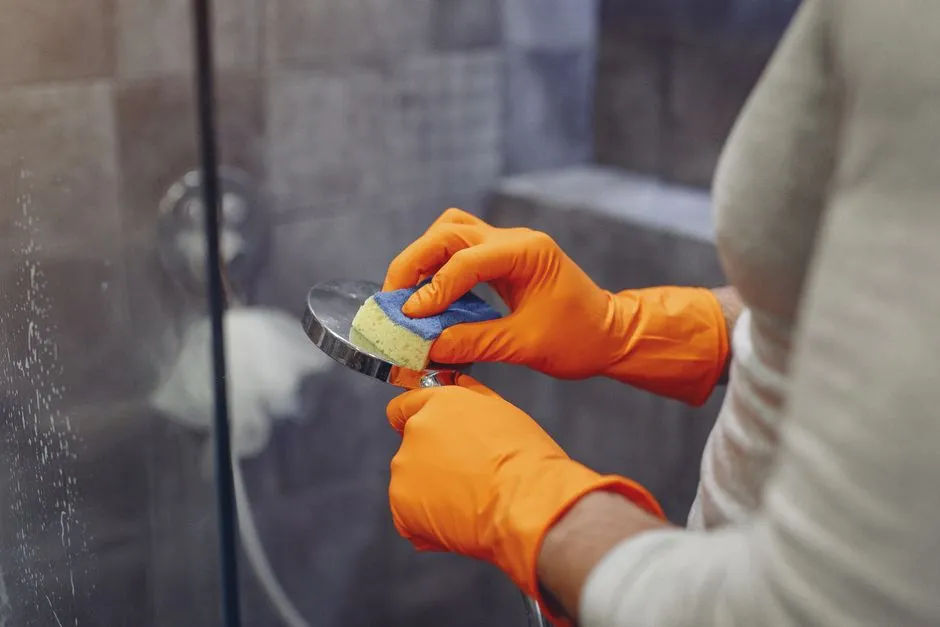
Clean first, then disinfect the kitchen, bathrooms, and main bedroom. Work from ceilings and vents down to baseboards and floors. Wipe cabinet interiors, appliance interiors, handles, switches, and doorknobs before unpacking. In a bathroom context, this means the exhaust vent and light fixture come before the mirror, the mirror before the sink, and the sink before the floor.
EPA-registered sanitizers are formulated to eliminate viruses and bacteria on high-touch points like doorknobs and handrails without leaving harmful residues. Professionals apply these after the physical scrubbing is complete, not before, so the disinfectant contacts a truly clean surface and can actually do its job.
Step 7: Living Areas and Bedrooms Come After the Wet Rooms

A deep cleaning checklist for bedrooms includes dusting ceiling fans, blinds, moldings, and window sills. Living rooms, family rooms, and offices are the community areas of a home. For most homes, dusting high surfaces, ceiling fans, vents, and light fixtures is the starting point. These rooms carry less biological contamination than kitchens or bathrooms, which is exactly why they’re saved for this stage.
Over time, filth and grime sink into furniture and carpets. Vacuuming and deep cleaning carpets helps cut allergens significantly. Upholstered furniture gets the vacuum attachment treatment at this stage too, including underneath cushions, which is where an alarming amount of debris quietly accumulates.
Step 8: High-Touch Surfaces Get Disinfected as a Separate Pass
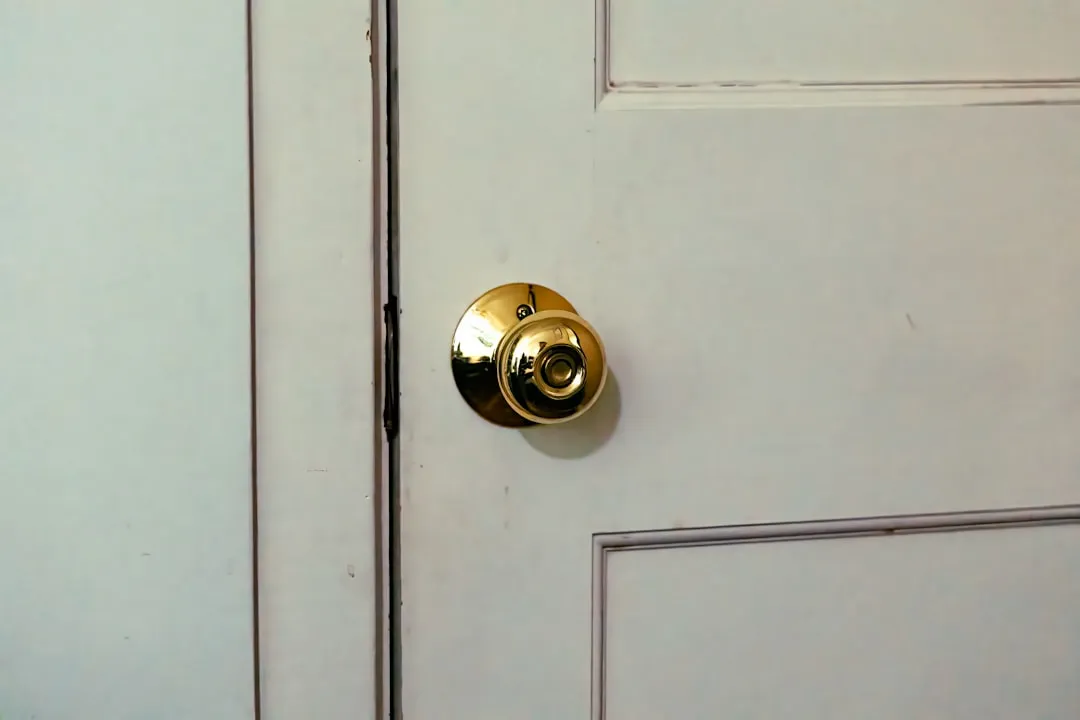
A whole-house deep cleaning checklist should include dusting ceiling fans, vents, and light fixtures, washing baseboards and trim, cleaning windows and tracks, scrubbing bathrooms and kitchens, cleaning inside appliances, and vacuuming or mopping floors. It should also include disinfecting high-touch areas like switches, doorknobs, and railings to improve hygiene and reduce allergens.
This disinfection pass is treated as a distinct step, not something tacked on at the end. The five golden rules professionals follow are: always clean from top to bottom, start with the most challenging tasks, declutter before cleaning, sanitize frequently touched areas, and vacuum and mop last. Sanitizing high-touch points is built directly into this framework, not left to chance.
Step 9: Windows, Baseboards, and Forgotten Zones
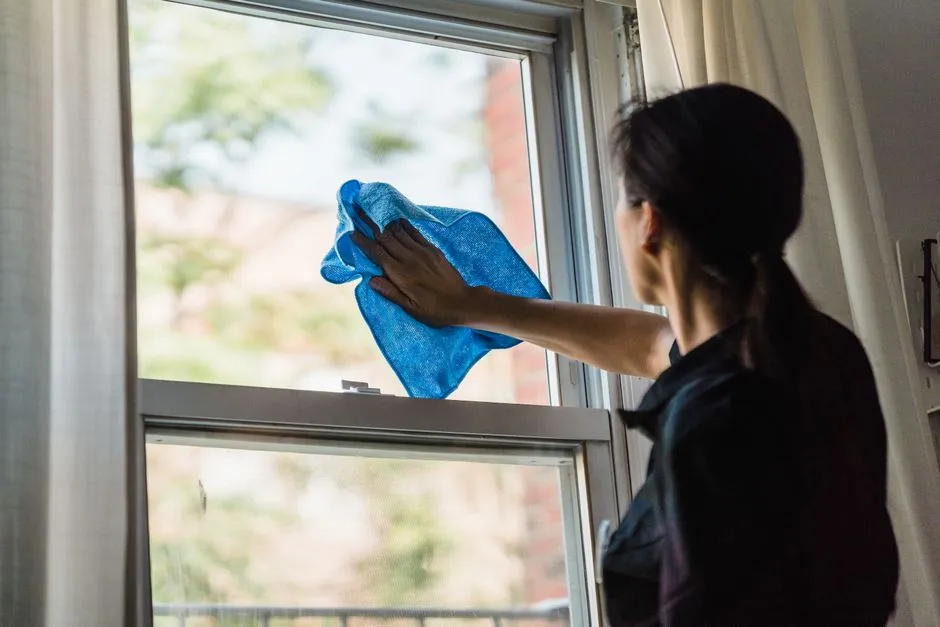
A deep clean adds tasks such as wiping baseboards, cleaning behind appliances, washing cabinet fronts, vacuuming upholstery, and scrubbing grout. These are the areas that separate a genuine seasonal deep clean from a weekly tidying routine. Most people skip them. Professionals never do.
Dust and debris block natural light on windows. Wiping off window sills and washing the windows themselves restores brightness. Changing or cleaning the curtains updates the whole feel of a space. Window tracks, in particular, collect a surprising density of debris and are worth close attention during each seasonal cycle.
Step 10: Floors Are Always Last, and Mopping Follows Vacuuming
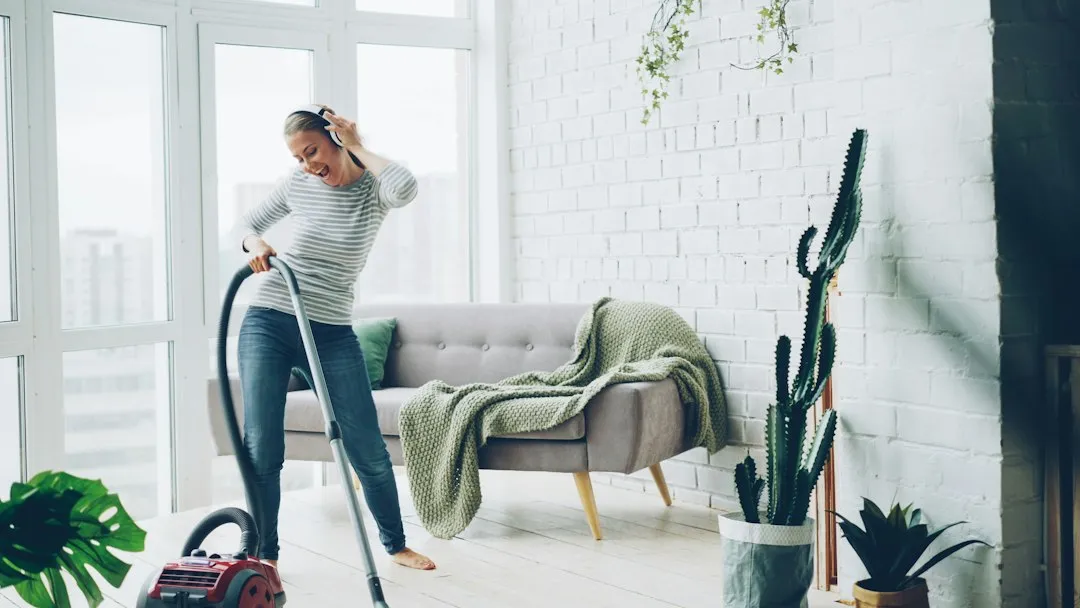
Clean counters before floors. Vacuum before mopping. If you mop too early, the floor gets dirty again while the rest of the room is being cleaned. This sequencing is one of the clearest signs of professional versus amateur cleaning technique. Mopping a floor before the rest of the room is finished is simply mopping twice.
An experienced professional team arrives with industrial-grade equipment, commercial HEPA vacuums, and standardized room checklists. A trained crew of two or three cleaners can thoroughly sanitize a home in two to four hours, reaching high fan blades and scrubbing baseboards without disrupting an entire weekend. The floor is the final canvas, and it only gets cleaned once everything above it is done.
The Real Value of Seasonal Frequency
Most homes benefit from deep cleaning every three to six months, depending on pets, children, seasonal allergens, and how quickly buildup forms. Kitchens and bathrooms may need deeper attention more frequently, while guest rooms or low-traffic areas may need it less often.
Other than obvious results like improved health and peacefulness, regularly deep cleaning a home can also increase indoor air quality and keep occupants away from allergens. According to industry surveys, roughly two thirds of respondents report that a clean environment instantly improves their overall daily mood, while nearly two thirds experience a noticeable spike in personal productivity when their surroundings are organized. The vast majority of individuals experience a significant decrease in daily stress and anxiety levels immediately after a chore is finished.
The Takeaway
The seasonal deep-clean order that professionals follow isn’t complicated, but it is deliberate. Every step exists for a practical reason: preventing wasted effort, avoiding cross-contamination, and making sure the dirtiest surfaces get the most attention. The sequence, from walkthrough to floors, is the difference between feeling like you cleaned and actually having cleaned.
None of this requires professional training to replicate. It just requires patience, the right tools, and the discipline to follow the order rather than chase whatever looks most urgent. A house cleaned in the right sequence stays cleaner longer. That’s the quiet efficiency professional cleaners have understood for years.
AI Disclaimer: This article was created with the assistance of AI tools and reviewed by a human editor.