
Why Most Closets Are Already Over Capacity
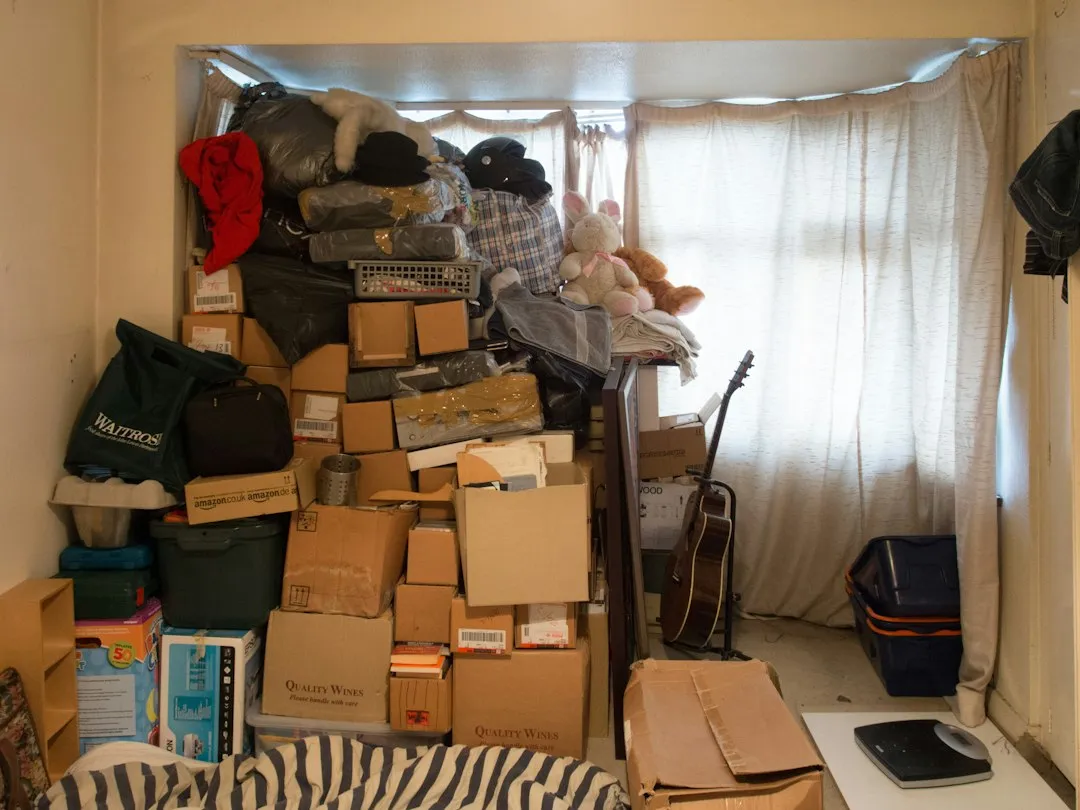
The numbers behind closet overload are striking. According to the National Association of Professional Organizers, it’s estimated that roughly four out of five pieces of clothing you own are worn only about a fifth of the time. That means the majority of what’s hanging in your closet isn’t pulling its weight on any given day.
Research compiled by Organized Interiors reveals that lack of storage space ranks as the top homeowner frustration, cited by more than two thirds of respondents in a survey by mortgage data firm HSH.com. Meanwhile, disorganization rather than actual lack of space causes roughly four out of five cases of household clutter, according to the Soap and Detergent Association.
The implication is clear: the space is often there. It’s just being consumed by the wrong things at the wrong time of year.
The Core Rule: One Season In, One Season Out
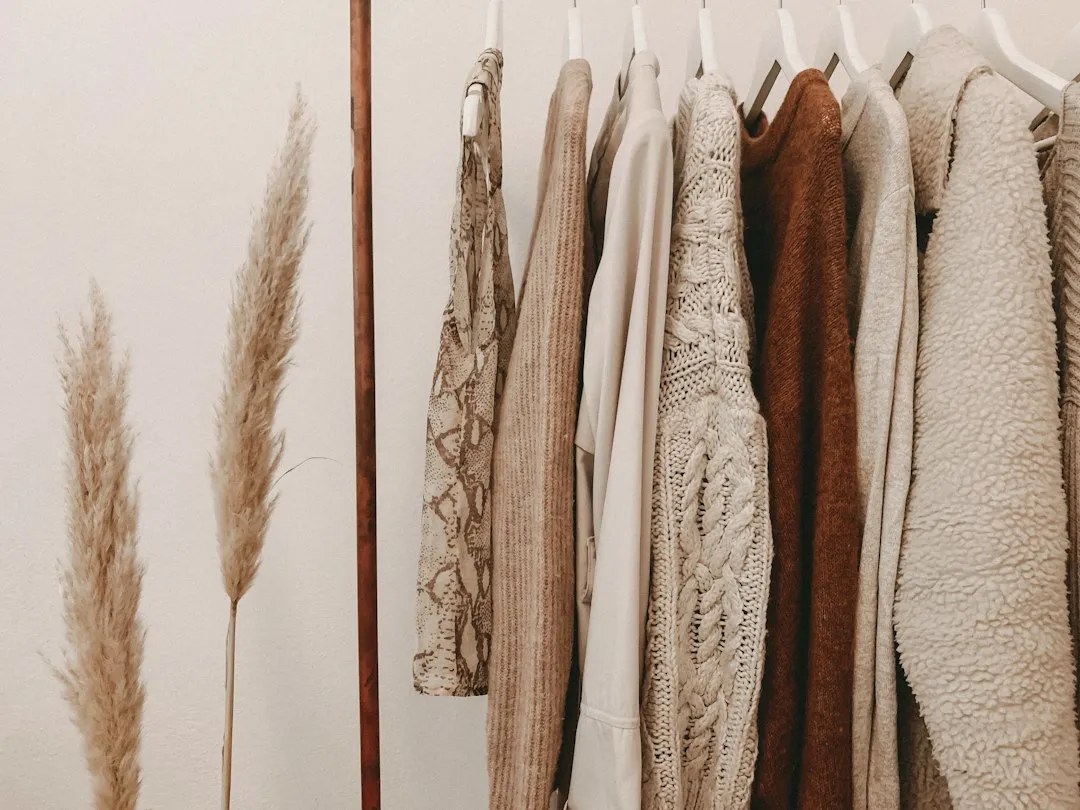
The mistake most people make is treating the swap like a one-time event instead of a repeatable process. That’s what turns a useful habit into a twice-yearly disaster of clothes piled on the bed and bins shoved anywhere they’ll fit.
The actual rule is simpler than most guides make it. The simultaneous swap keeps the chaos contained: you’re not emptying your entire closet and then refilling it; you’re trading one sweater for one t-shirt, one coat for one light jacket. Item for item, in and out.
Seasonal organization is key to a clutter-free closet all year. Using smart closet systems makes managing your wardrobe easy, allowing you to switch between seasons smoothly. It cuts down on clutter and makes the most of your closet space.
Doing the Edit Before the Swap
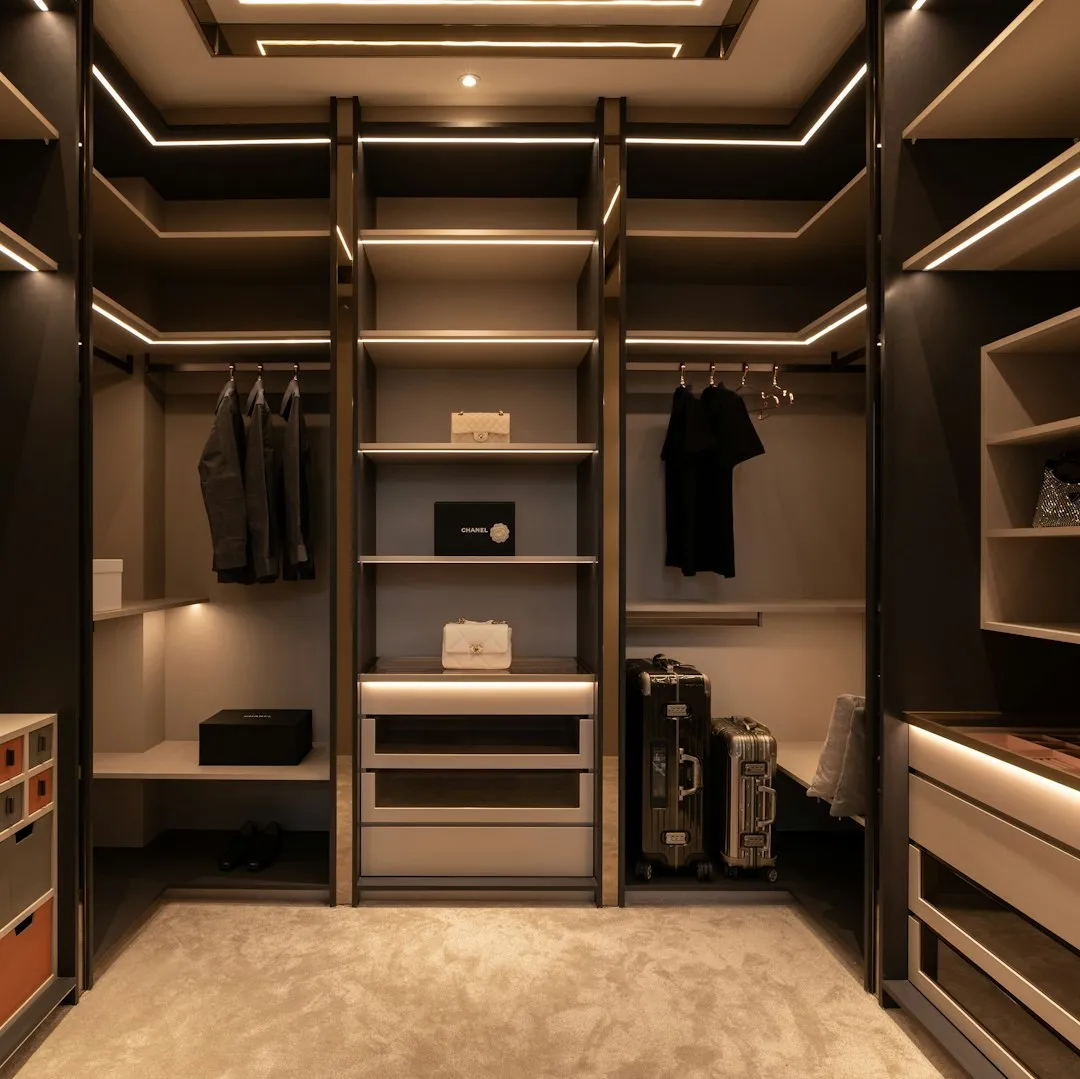
The swap only works if you’re not dragging dead weight from one season to the next. Before anything gets folded or boxed, every item deserves a quick judgment call: worn in the last year, yes or no.
A study of more than two thousand U.S. women revealed that their closets held an average of $550 worth of unworn clothing. That’s not a small number. It represents real physical space being occupied by garments that have quietly retired themselves.
Research also found that roughly three out of five women who have trouble finding anything in their closet end up buying new clothes they may already own in some form. A pre-swap edit breaks that cycle directly. Donate, resell, or responsibly dispose of what you genuinely won’t wear again.
Vacuum Storage Bags: The Biggest Space Gain
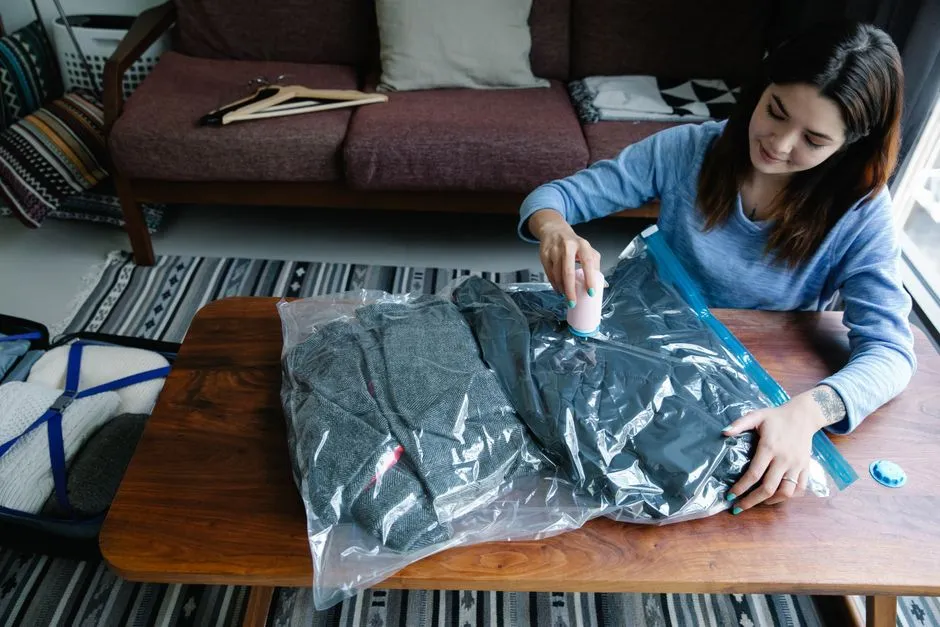
If there’s one tool that earns its cost quickly, it’s the vacuum storage bag. For bulky items like winter coats, down jackets, and thick sweaters, vacuum storage bags save remarkable amounts of space, compressing items to about one third their normal size and making them perfect for under-bed storage or high closet shelves.
Not every garment belongs in a vacuum bag, though. Wool, cashmere, leather, and down should be kept out of vacuum bags, since compression stresses fibers and kills loft. Reserve vacuum bags for linens and synthetic items instead.
While vacuum packing offers real benefits including maximizing space and protecting items from moisture and pests, prolonged compression can damage delicate fabrics, and improper use can lead to wrinkling or loss of garment shape. Use them thoughtfully rather than indiscriminately.
Labeling: The Step People Always Skip
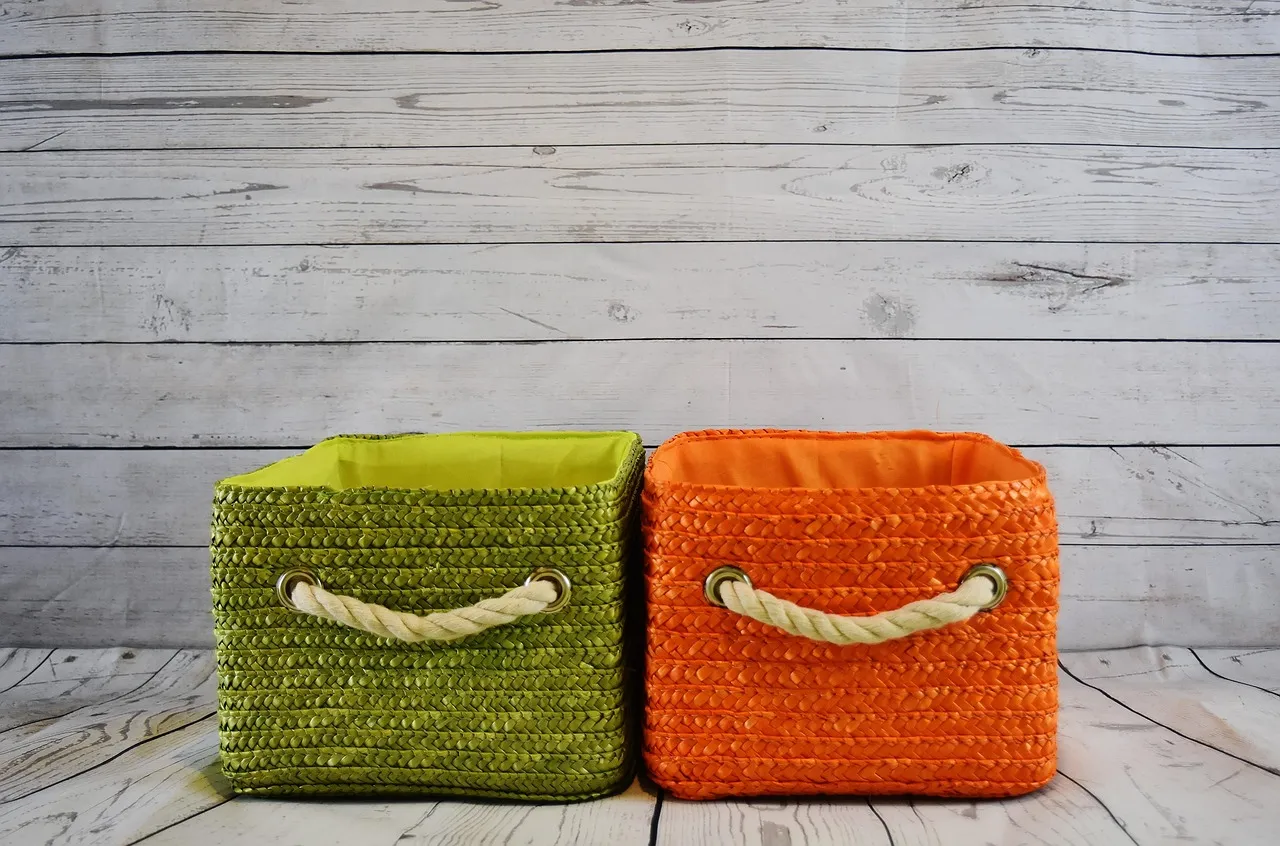
Skipping labels is a small decision that creates a surprisingly large problem six months later. Every container should get a label with the season and year. Writing “Winter 2024” or “Summer 2024” on each bin sounds excessive until you’re staring at three identical storage containers wondering which one has your fleece jackets.
Clear bins help too. Transparent containers are ideal. If you use opaque ones, label them and create a simple inventory of the contents to place inside before closing the lid. This adds maybe two minutes per bin and saves real frustration later.
Where to Store the Off-Season Load
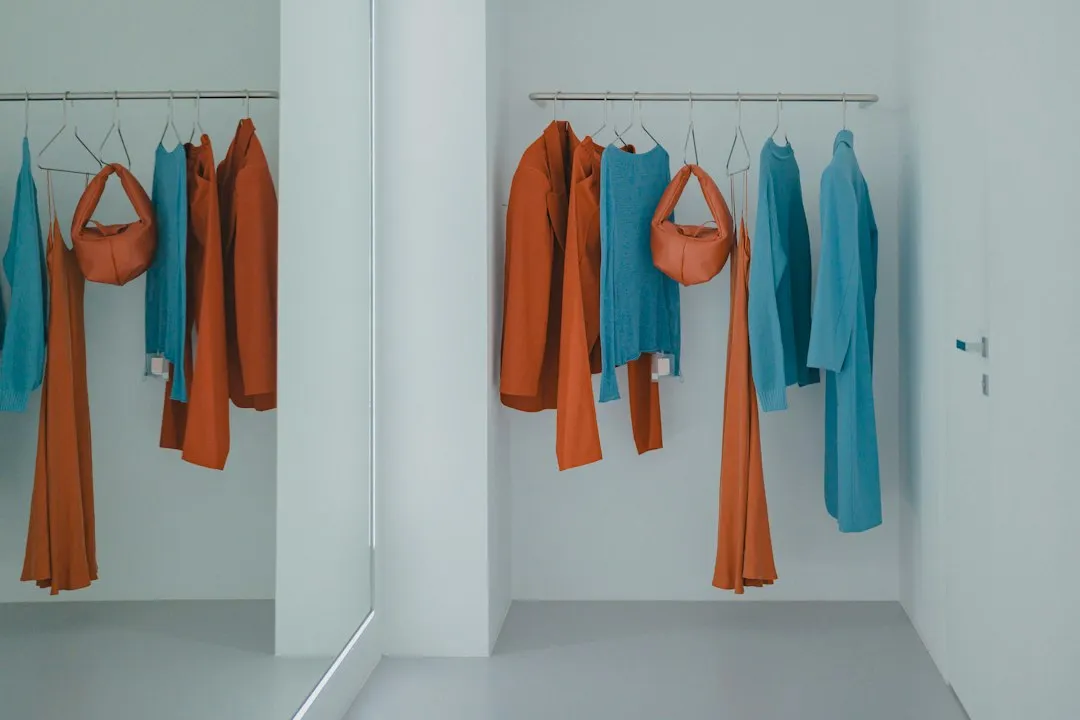
Figuring out where the stored clothes actually go is a step many people skip when planning the swap, which is why the process stalls. Determine the location that makes the most sense for your off-season wardrobe based on your space, the type, and the amount of clothes you need to store, and aim for a spot that’s out of the way but still accessible.
Under the bed is a smart choice because it’s easy to access. Alternatively, consider taking over an underused closet elsewhere in your home, such as an office, guest room, or children’s room. These spaces often hold only a fraction of what they’re capable of.
In a pinch, an attic or basement works for relatively short-term storage, but clothes and shoes should be kept in sealed bins stored at least a few feet off the floor to prevent damage from flooding or exposure to moths and dust mites.
Protecting Clothes During Storage
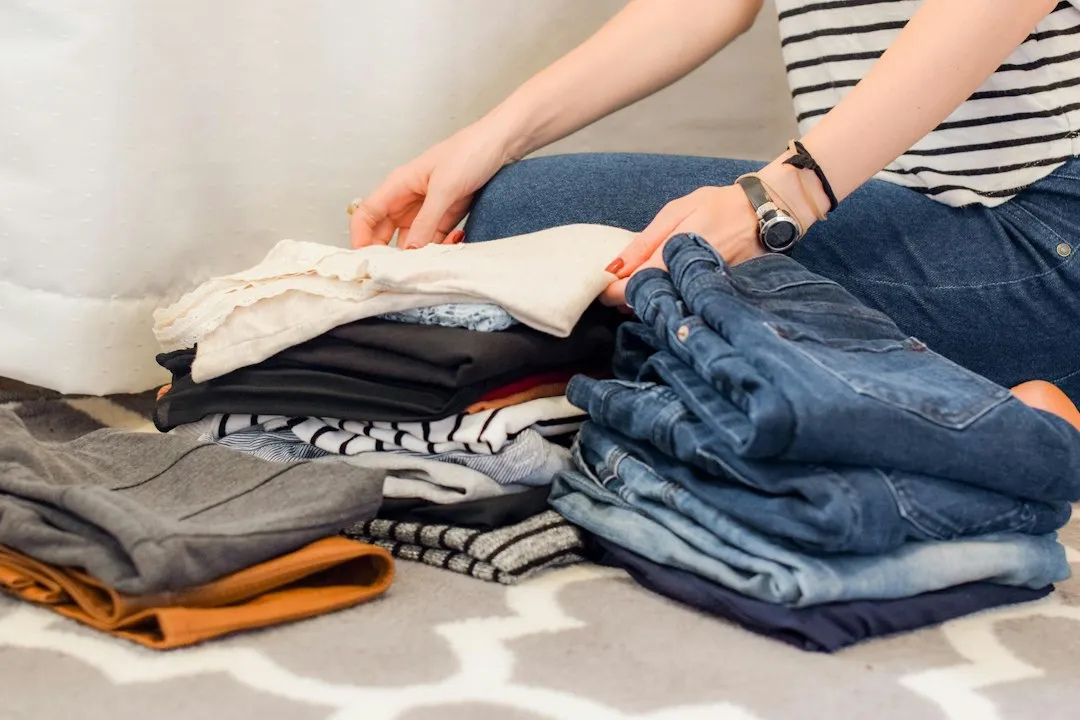
Storage isn’t just a space question; it’s a preservation question. Make sure every item is clean and dry before you store it, since it can be difficult to remove stains, food, and body oils left on garments after months in a bin. This is the single most impactful thing you can do for the longevity of your clothes.
According to textile experts, fabric should not be stored in direct contact with raw wood, wood finishes, brown paper, newspaper, or cardboard, since these wood pulp products can produce acid as they age and degrade natural fibers like cotton, causing them to yellow or brown.
Keeping clothing in plastic dry cleaning bags is also inadvisable. Most dry cleaning bags aren’t intended for long-term storage; they contain chemicals that can discolor clothing, attract dust through static, and trap moisture that encourages mildew growth.
Pest Prevention Is Part of the System

Moths are not just a vintage wardrobe problem. They’re a real risk for any natural fiber that sits undisturbed for months. Vacuum-sealed bags can protect garments from moths, but you should be sure there are no existing moth larvae on your clothes before sealing them in. Wash or launder all garments before storage if possible.
Cedar has natural oils that kill clothing moth larvae but don’t work against eggs or adults. Lavender doesn’t kill eggs or larvae either, though its scent does seem to repel adult moths. Both are useful as part of a layered approach, not as standalone solutions.
Moths prefer warm and humid environments, so cool, dry, and dark storage spaces reduce pest activity while also helping preserve clothing quality. Choosing your storage location with this in mind does double duty.
The Psychological and Financial Case for Swapping
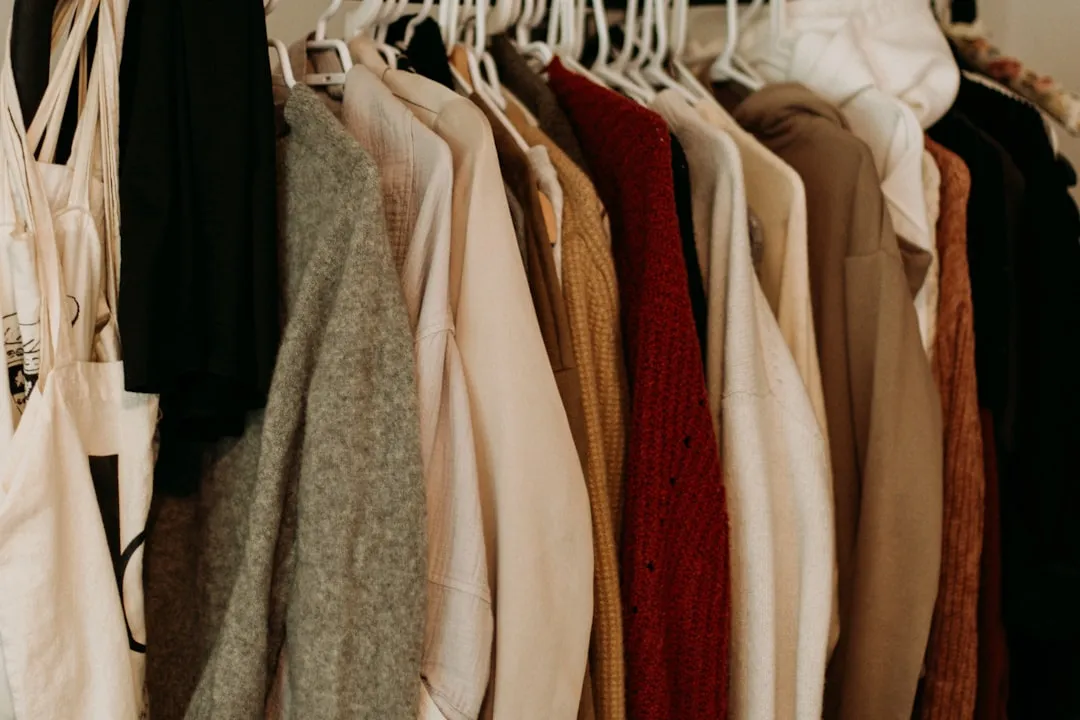
There’s a real mental cost to a disorganized closet that often goes unacknowledged. Research from an OnePoll survey found that one in ten women feel depressed every time they open their closet doors. That’s a meaningful daily friction that a seasonal swap directly reduces.
The financial argument is equally solid. If you keep everything in circulation all year long, a piece you loved in fall can feel old by summer. Send it to storage in spring, and you might genuinely love it again in September. Seasonal rotating effectively refreshes your wardrobe without buying anything new.
There’s also a sustainability angle worth noting. Wearing a garment for an extra nine months can reduce its carbon footprint by as much as thirty percent. Extending the life of what you already own is one of the more practical things you can do for both your budget and the environment.
The Growing Market Signals What Consumers Already Know
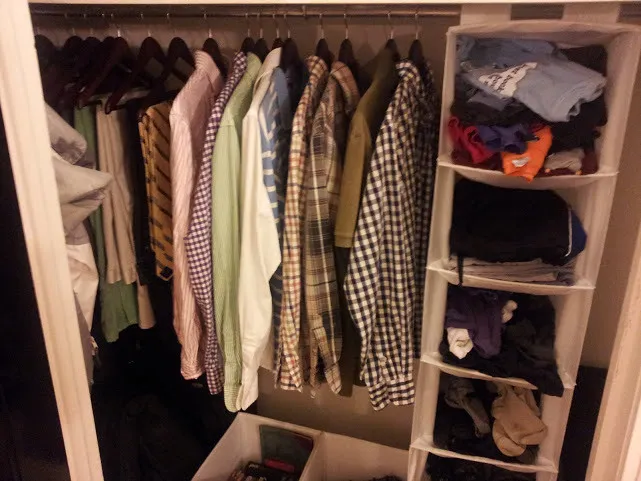
The home organization industry isn’t growing by accident. The home organization products market was valued at over thirteen billion dollars in 2024 and is estimated to reach nearly eighteen billion dollars by 2032. People are actively investing in systems that help them manage their space better.
Bedroom closets captured nearly forty percent of 2024 sales in the U.S. home storage market, reflecting both near-universal household necessity and the routine cadence of wardrobe management. The seasonal swap, done right, is exactly the kind of repeatable system driving that demand.
Rising urbanization and smaller living spaces are among the key factors driving this market growth, which means the pressure to do more with less closet space isn’t going away. Systematic seasonal rotation is one of the most accessible responses to that reality.
Making the Habit Stick Year After Year
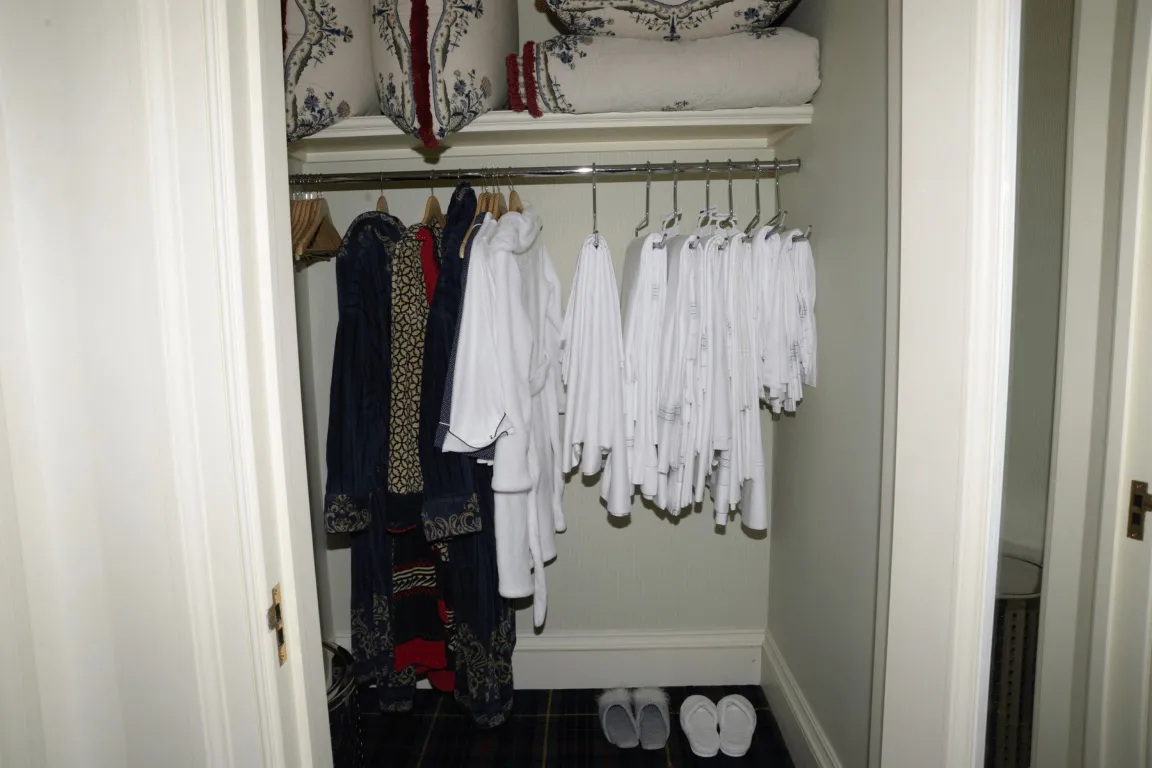
The swap works best when it’s tied to a fixed cue rather than left to whenever you feel like it. Many people anchor it to a holiday weekend or the first real weather shift of a new season. The trigger doesn’t matter much; the consistency does.
A solid seasonal closet rotation system doesn’t just free up space; it protects your clothes, makes getting dressed easier, and actually helps you see what you own instead of forgetting about that perfect sweater buried in a back corner. The visibility benefit alone changes how people shop and dress.
It’s not just about storage; it’s about keeping your closet fresh, functional, and inspiring year-round. The method forces an intentional edit of your wardrobe while also protecting your investment pieces. Done twice a year, the whole process takes a few hours and pays dividends for six months at a time.
The Takeaway

The seasonal closet swap isn’t a complicated system. It’s a disciplined one. The rule is clean, repeatable, and grounded in a simple truth: your closet doesn’t need to hold everything you own all at once.
Done with a bit of care in labeling, storage conditions, and pest prevention, the swap protects your clothes while reclaiming meaningful space. The version that saves the most room isn’t the one with the most bins or gadgets. It’s the one you actually repeat, twice a year, every year.
AI Disclaimer: This article was created with the assistance of AI tools and reviewed by a human editor.