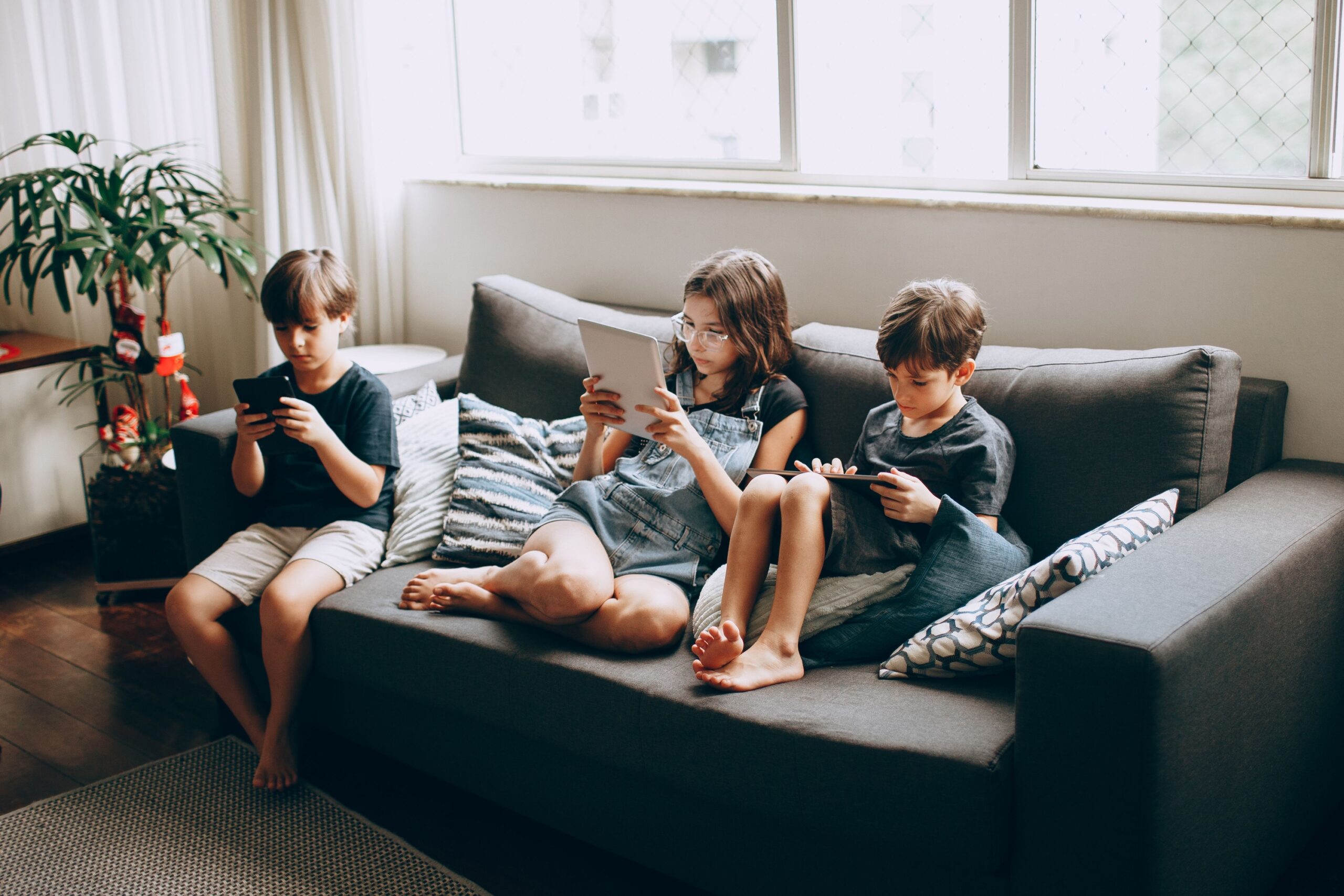

For years, parents heard the same advice: two hours a day, maximum. That number became a kind of household law, whispered at playgroups and printed in pediatric waiting rooms. Then, in January 2026, the American Academy of Pediatrics rewrote the playbook entirely.
The change wasn’t announced with a press conference or a viral campaign. It arrived in a dense policy document, and most families haven’t heard about it yet. Here’s what actually shifted, and what it means for your home.
The Two-Hour Rule Is Officially Gone

For the first time in ten years, the AAP released updated guidance on children’s screen time. One of the biggest shifts from 2016 to 2026: there is no longer a set screen time limit. The old “two hours or less” recommendation, which had been the standard for school-age kids, has been replaced by something more layered and harder to pin to a single number.
The updated guidelines mostly shift away from firm screen time limits toward a more nuanced approach focused on the quality of content. That’s a meaningful philosophical turn, even if it makes the pediatrician’s job a little harder to explain in a ten-minute appointment.
What the January 2026 Report Actually Said

On January 20, 2026, the American Academy of Pediatrics released a sweeping new policy statement on screen time and digital media. The report, titled “Digital Ecosystems, Children, and Adolescents,” updates earlier guidance and reflects the deep integration of technology into daily life for young people.
The policy statement and technical report emphasize that the focus goes way beyond the amount of time children, teens, and parents spend on screens. Instead of counting minutes, the report asks parents to think about what their children are watching, who they’re watching it with, and what it’s replacing.
The Under-18-Month Rule Stays Firm
While much has changed, some foundational recommendations remain firm. The AAP guidelines continue to strongly advise against any screen media for children under 18 months, with the sole exception of video chatting with family members. This one hasn’t budged, and the reasoning behind it is straightforward.
At this age, the brain is developing at its fastest rate. Neural pathways are being formed through physical interaction, face-to-face communication, tactile exploration, and real-world sensory experiences. Screens cannot replicate these inputs. That’s the core logic, and it remains grounded in developmental science.
Ages 2 to 5: The One-Hour Guideline Holds, with a Catch
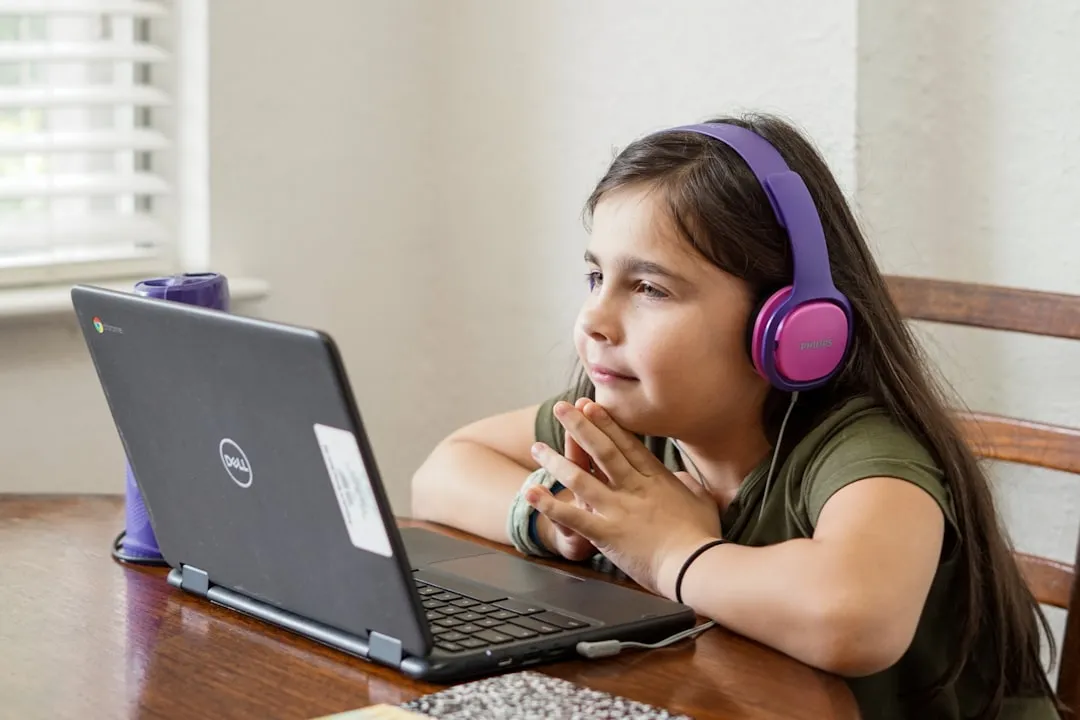
For children between the ages of two and five, the guidelines suggest limiting screen use to one hour per day of high-quality programming. This is a carefully considered recommendation for a stage when children are rapidly acquiring language, social skills, and an understanding of the world around them.
Programs like Sesame Street and Daniel Tiger’s Neighborhood have been shown in peer-reviewed research to produce measurable learning gains in preschoolers. Still, the research also shows that most families aren’t meeting even this threshold. A 2025 study published in JAMA Pediatrics found that roughly two in five children under two years old are exposed to screen media daily, despite recommendations to avoid it entirely. Among preschoolers aged three to five, average daily screen time was two and a half hours, well above the recommended maximum of one hour.
Quality Over Quantity: The New Core Principle

The latest AAP recommendations for screen time move beyond simple time limits to focus on quality, context, and conversation. That shift is deliberate. Regulators and researchers alike recognize that a child watching an interactive literacy program is doing something fundamentally different from a child passively scrolling short-form videos.
The new report, published in the journal Pediatrics, continues to warn parents of the dangers of children absorbing content that is more commercialized and algorithmic. However, child-centered designs that encourage critical thinking, are age appropriate, and foster social connection can provide benefits. The distinction matters more now than it ever did.
The “5 Cs” Framework Replaces the Clock
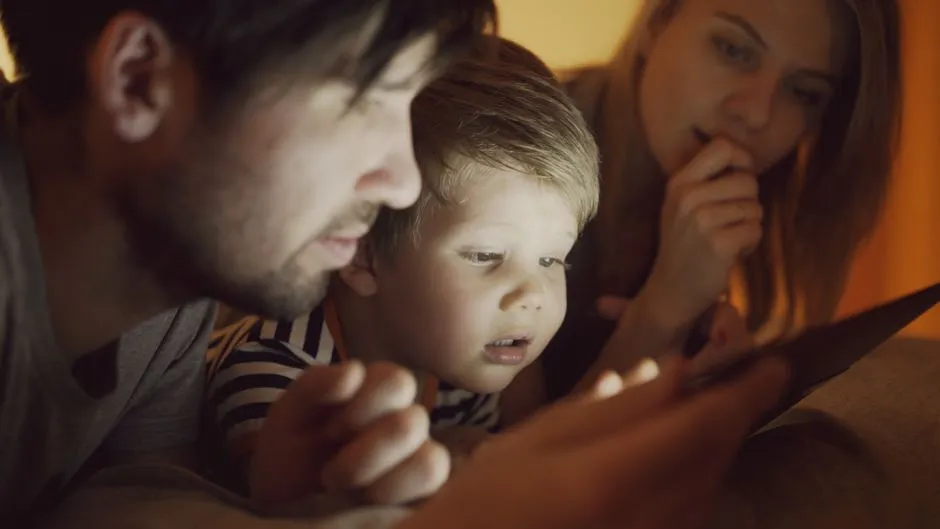
In 2026, the AAP released new screen time guidelines that move away from previous time-specific recommendations and adopt a more individualized approach. Parents are encouraged to use a framework called the 5 Cs to determine how screen time is adding value to or hindering a child’s development.
The AAP has updated its screen time guidelines with what it calls “The 5 Cs of Media Use.” The 5 Cs are designed to meet kids, teens, and parents where they are, build insight and communication skills, and motivate for healthy behavior change. It’s a more flexible tool than a timer, though it requires parents to stay genuinely engaged with what their kids are consuming.
Algorithm-Driven Content Gets Flagged as a Specific Risk

The new report continues to warn parents of the dangers of children absorbing content that is more commercialized and algorithmic, as these addictive features can produce negative consequences. However, child-centered designs that encourage critical thinking and foster social connection can provide benefits. The report emphasizes parental standards focused more on content quality than screen time limits.
The AAP’s technical report identifies growing concerns over mental health issues such as anxiety and depression linked to social media, a documented decline in attention spans affecting academic performance, and adverse effects of cyberbullying and sedentary behavior on social relationships and physical health. These aren’t vague worries. They’re documented in the longitudinal data the report draws from.
Parental Screen Behavior Is Now Part of the Equation
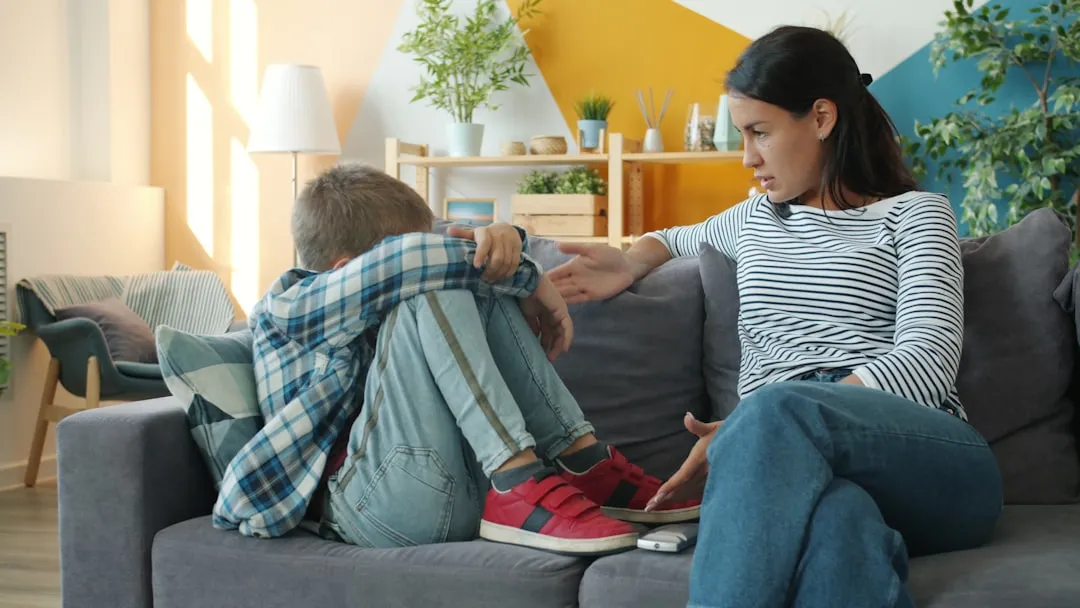
Research cited in the policy statement found that parent screen use, family mealtime screen use, and bedroom screen use were associated with greater adolescent screen time and problematic media use. Parental use of screens to control behavior, such as as a reward or punishment, was associated with higher screen time and greater problematic video game use.
That last point tends to catch parents off guard. Parental monitoring of screens, by contrast, was associated with lower screen time and less problematic social media and mobile phone use. In other words, what parents do themselves, and how involved they stay, shapes outcomes just as much as the rules they set.
The Family Media Plan: A Practical Tool the AAP Now Endorses
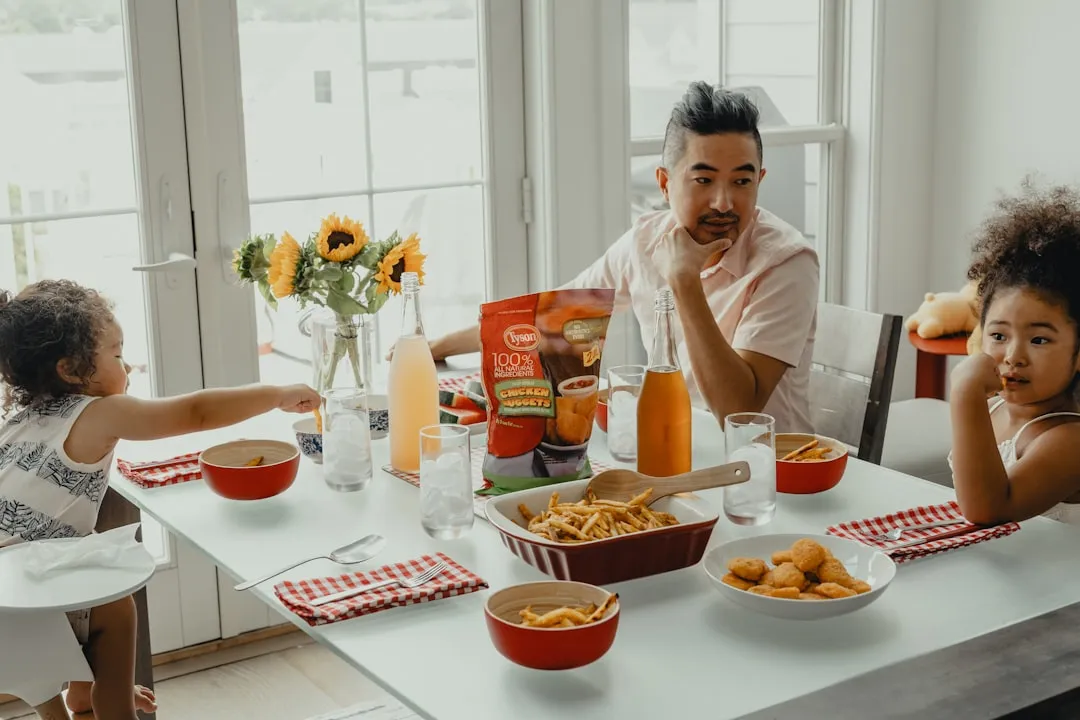
The AAP recommends a “family media plan” in which family members, as a whole, tackle boundaries for media consumption. One small step recommended for families to start with is device-free mealtimes. Sharing meals is predictive of healthy children, and going device-free can help with social interactions and connection.
Screens shouldn’t replace sleep, physical activity, family time, or free play. Device-free bedrooms and mealtimes help keep routines healthy. The guidance here is less about restriction and more about protecting the conditions that children need to develop well.
Teenagers: No Hard Cap, but Real Warnings
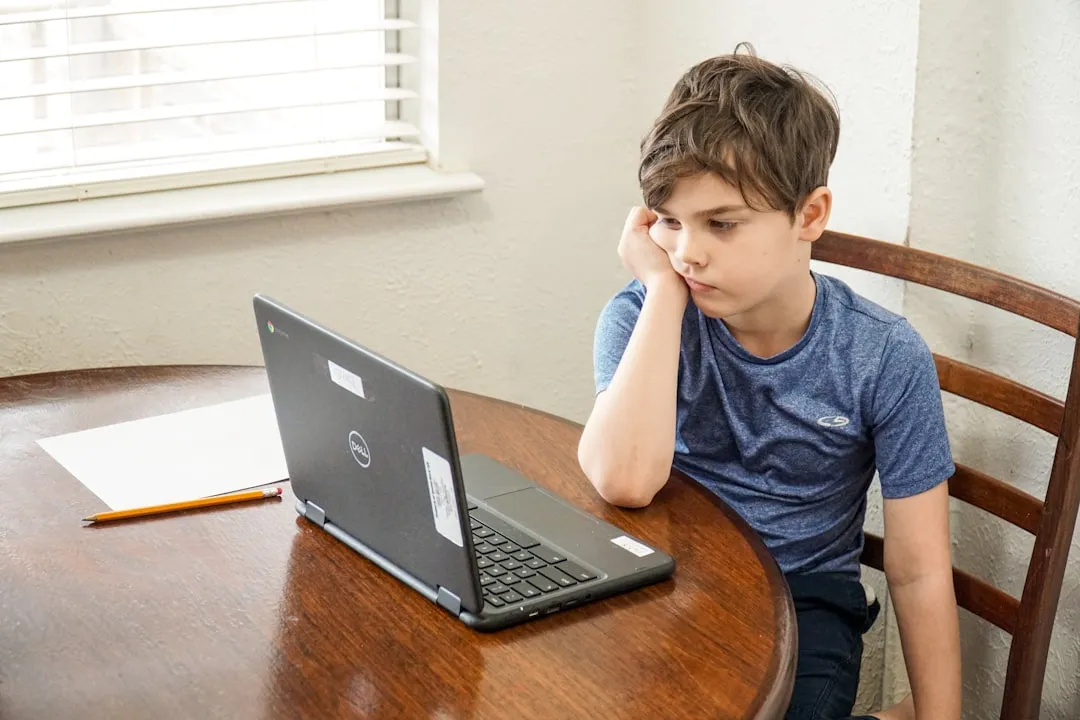
Children and adolescents spend a significant amount of time watching screens, including smartphones, tablets, gaming consoles, TVs, and computers. On average, children aged 8 to 18 in the United States spend roughly seven and a half hours a day on screens. That figure does not include time spent using screens for schoolwork.
The AAP’s policy language echoes growing calls from public health leaders, including the U.S. Surgeon General, for platforms to adopt warning labels similar to those on tobacco products when used by minors. Surveys show teens spend many hours daily on social platforms, and nearly half of adolescents report that social media worsens their body image. The 2026 report doesn’t pretend these are small concerns.
The Takeaway
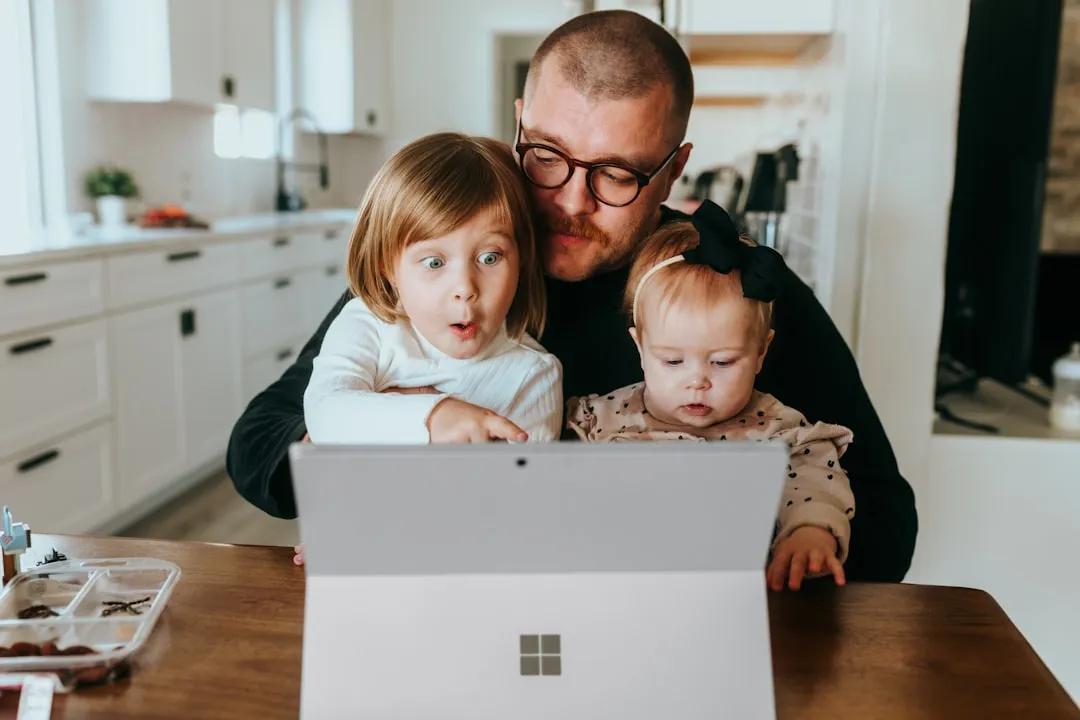
The two-hour rule was never a perfect measure. It treated a child watching a nature documentary the same as one scrolling an endless feed of algorithmically selected clips. The new AAP guidelines acknowledge that reality, and they ask more of parents as a result.
The shift isn’t permission to stop paying attention. It’s a call to pay attention differently: to content, to context, to what screens are crowding out, and to the habits parents model every day. That’s a harder standard than watching the clock. It’s also probably a more honest one.
AI Disclaimer: This article was created with the assistance of AI tools and reviewed by a human editor.