

Most farmers and home growers think about crops one at a time. Plant one thing, harvest it, move on. It’s tidy, predictable, and deeply ingrained in how modern agriculture works. The problem is that nature rarely operates that way, and a growing mountain of research suggests we’ve been leaving a lot on the table by ignoring what happens when multiple crops share the same ground.
Intercropping, the practice of growing two or more crop species together simultaneously, has been studied for decades. What’s changed recently is the depth and scale of the evidence behind it. Published findings from 2024 and 2025 are now reinforcing what smaller studies long suspected: the benefits of intercropping are real, measurable, and relevant for farmers and growers of almost every scale.
Yields Go Up – The Numbers Are Clear
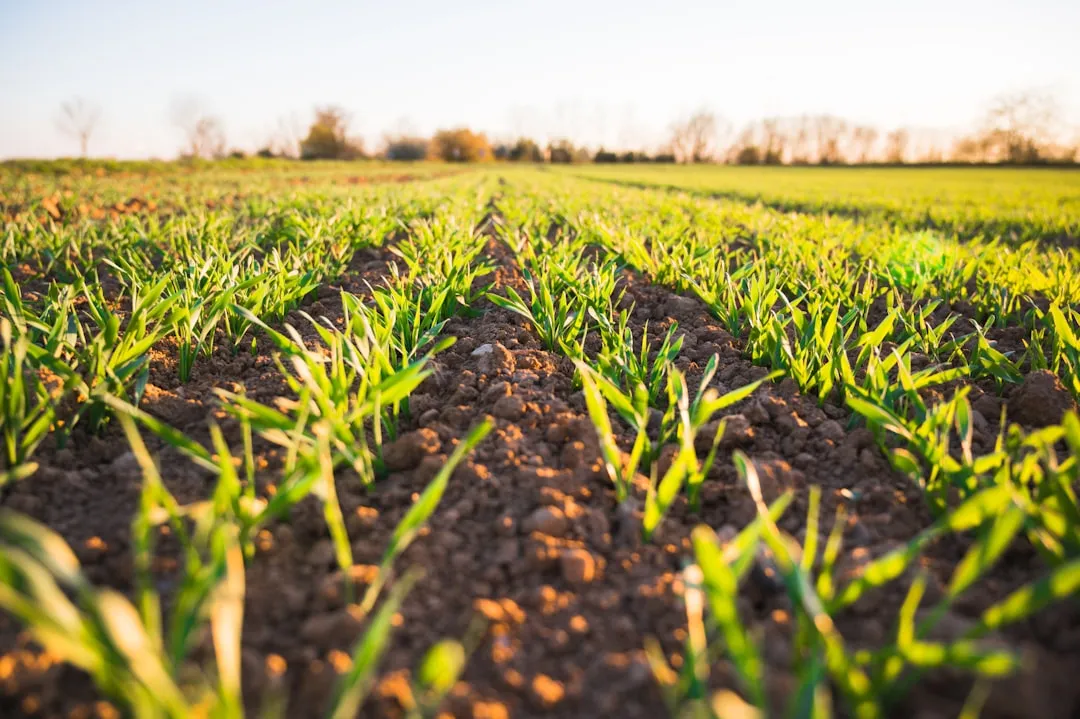
The most immediate argument for intercropping is simple productivity. Research published in Nature Sustainability, drawing on four long-term experiments spanning 10 to 16 years on soils of differing fertility, found that grain yields in intercropped systems were on average roughly a fifth higher than in matched monocultures, with greater year-to-year stability. That’s not a small or fleeting advantage.
A 2025 review published in Mitigation and Adaptation Strategies for Global Change assessed intercropping’s potential across diverse agroecosystems and found yield increases in the range of 20 to 40 percent compared to monoculture systems. The magnitude varies by region and crop combination, but the direction of the effect is remarkably consistent across the literature.
A separate review from Frontiers in Sustainable Food Systems found that integrating legumes specifically into cropping systems can boost crop yields by roughly 30 to 35 percent in terms of main crop equivalent yield, while also improving soil health and promoting biodiversity.
Legumes Do the Heavy Lifting on Nitrogen
One of the most studied and most reliable benefits of intercropping involves pairing nitrogen-hungry cereals with legumes. Legumes can draw nitrogen from the atmosphere and fix it into the soil, reducing what farmers need to apply from external sources. Research suggests that due to the nitrogen-fixing ability of legumes, intercropping cereals with legumes can globally reduce the requirement for fossil-based nitrogen fertilizers by roughly a quarter.
According to a 2025 Frontiers review, integrating legumes into cropping systems can fix approximately 125 kg of nitrogen per hectare per season, meaningfully reducing the need for inorganic nitrogen fertilizers. That represents a real cost saving for farmers and a real reduction in agricultural pollution.
Research compiled in a 2025 Frontiers editorial on legume intercropping highlights that nutrient cycling and nitrogen fixation are among the primary ecosystem services delivered by these systems, alongside improved soil quality and resource use efficiency.
Soil Health Improves Over Time – Not Just Year One
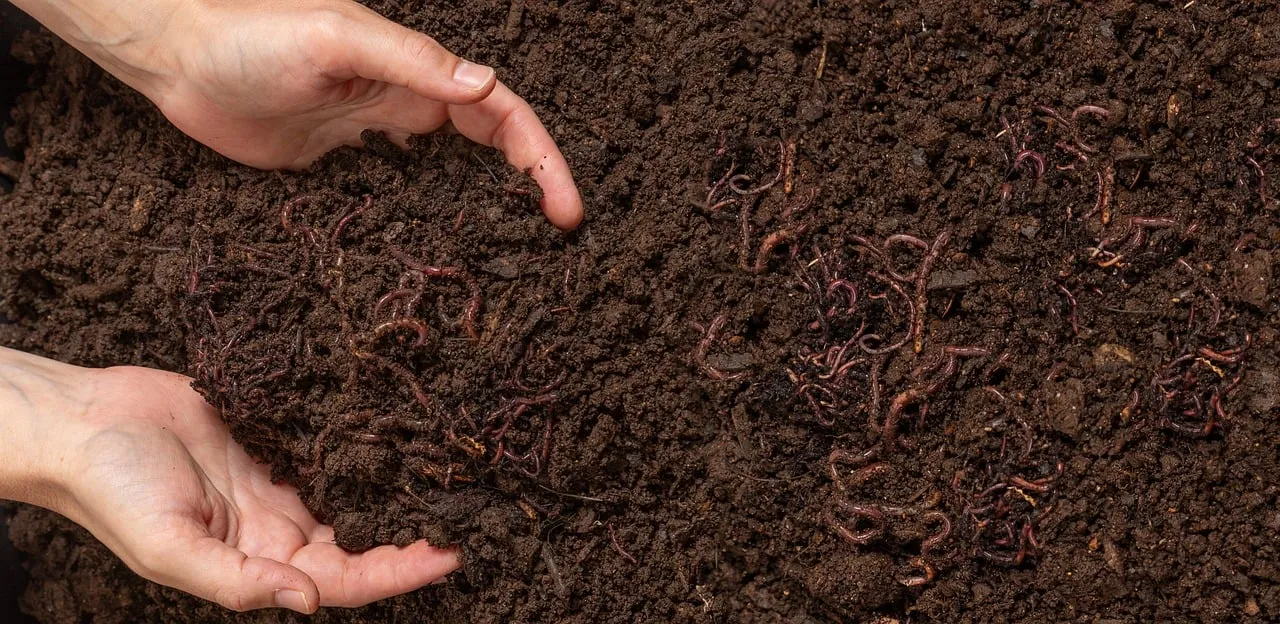
The long-term Nature Sustainability research found that the yield benefits of intercropping actually increased through time, and the data suggests this is linked to observed increases in soil organic matter, total nitrogen, and macro-aggregates compared to monoculture soils. The soil keeps getting better the longer you do it.
A long-term intercropping study also revealed continuous yield gain and soil fertility promotion, with particular increases in soil nitrogen and carbon content tied to greater rhizodeposits and residue input into the soil. These are structural improvements that compound over growing seasons.
Research published in Frontiers in 2025 also confirms that introducing legumes into intercropping schemes has measurable beneficial effects on soil texture, microbial diversity, and water retention. Healthier soil structure means better performance in drought years too.
Pest and Disease Pressure Drops Naturally
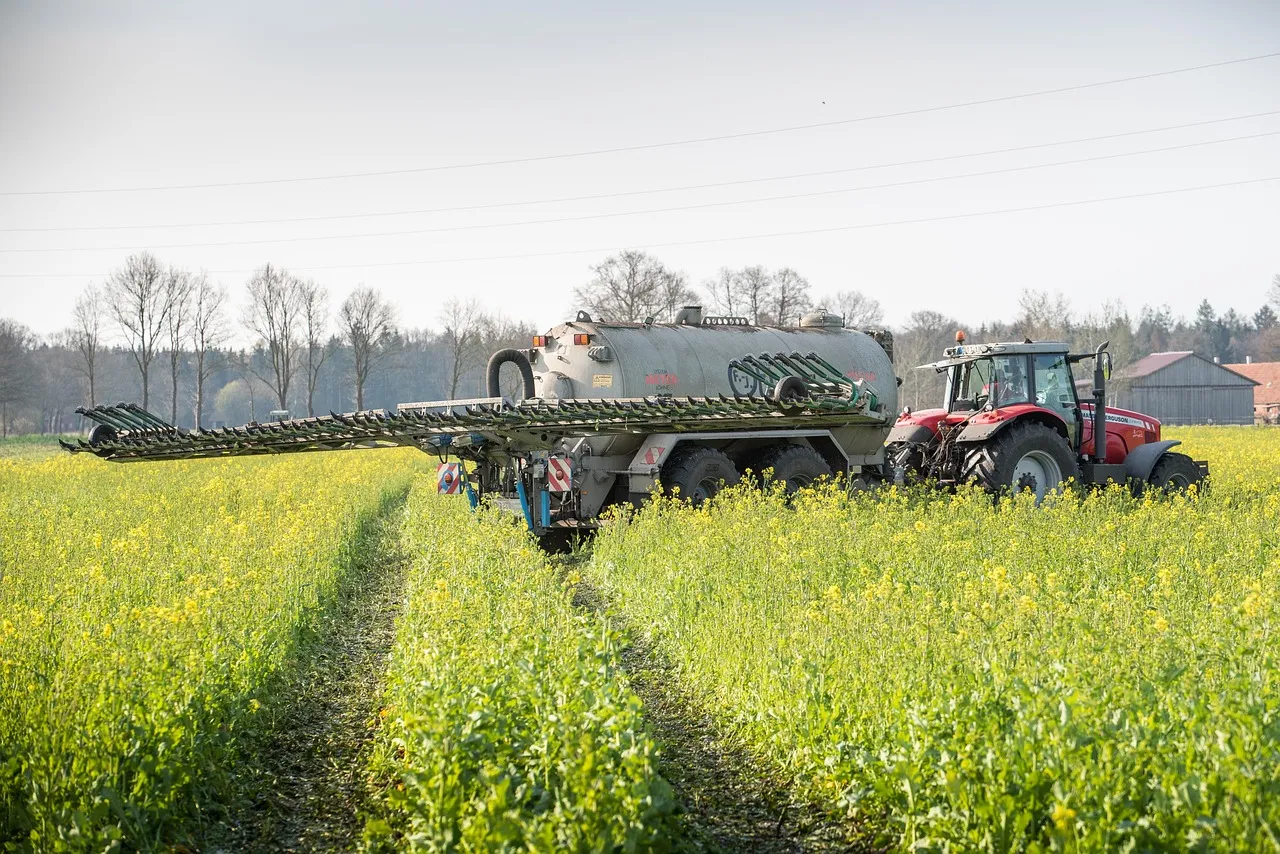
The 2024 LEGUMINOSE intercropping trials, conducted as part of the Horizon Europe research project, revealed clear benefits including reduced pest damage and greater resilience, making intercropping a practical and profitable option for arable farming. The pest suppression wasn’t marginal; it was visible even on farms where no fungicide was applied.
Research published in Frontiers in Microbiology found that intercropping increases soil antibiotics and suppresses pathogens, pointing to a fascinating biological mechanism working beneath the surface. The mixed crop environment simply makes it harder for soil-borne diseases to spread and take hold.
Associational resistance through intercropping has been shown to reduce yield losses to soil-borne pests and diseases, according to research in New Phytologist. The logic is that pest and pathogen populations struggle to build momentum when they can’t easily move between identical host plants across a whole field.
The Land Equivalent Ratio Tells the Full Story
The land equivalent ratio, or LER, is the key metric researchers use to capture intercropping’s efficiency. An LER above 1.0 means that intercropping produces more total output than growing each crop as a monoculture on separate, equivalent areas of land. A major PNAS study showed transgressive overyielding in intercropping for more than a third of data records, and land saving and relative yield gain in intercropping for the vast majority – roughly 84 to 87 percent – of data records.
One often-cited example from long-running trials shows an LER of 1.67 in sorghum and pigeon pea intercropping, signifying a 67 percent increase in yield over monoculture systems on the same land area. Getting 67 percent more from the same plot of land is the kind of figure that tends to get growers’ attention.
Maize Benefits Substantially – Especially With Legumes
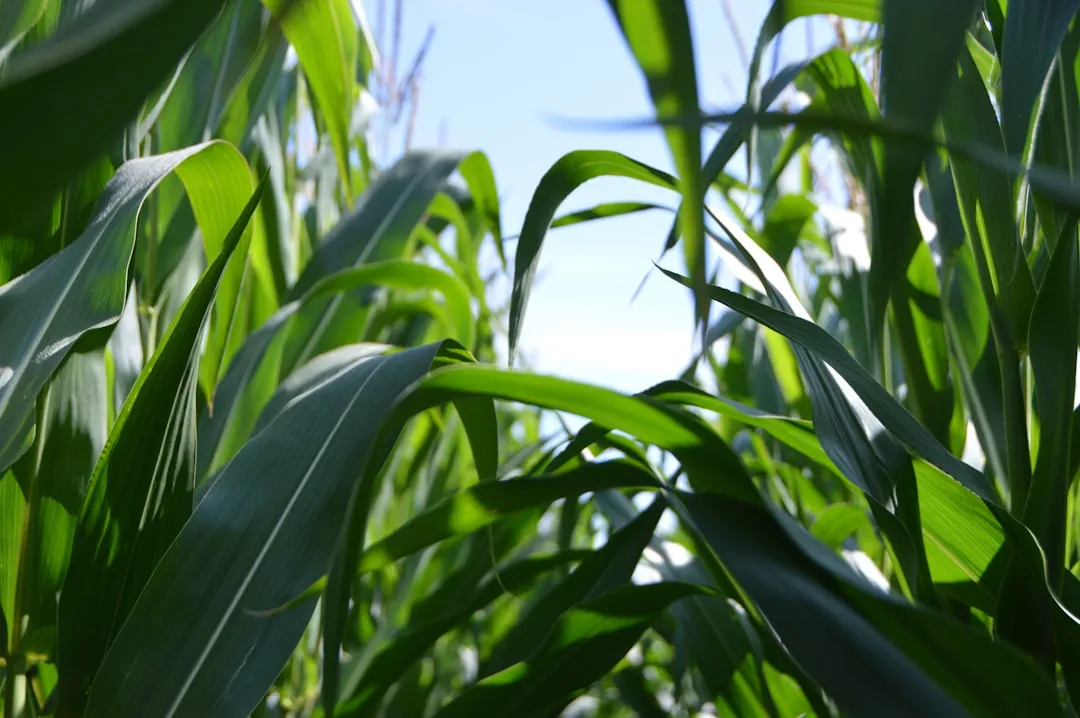
A global-scale meta-analysis published in 2025 in a ScienceDirect journal found that intercropping increased maize yields by an average of 4.5 percent compared to monoculture, with more than half of the data records showing a yield benefit. That figure sounds modest until you apply it across millions of hectares of maize production globally.
The analysis found that the greatest yield increases for maize were observed in Asia, and that intercropping with legumes resulted in higher yield benefits than intercropping with non-legumes. The legume effect keeps showing up across crops, climates, and continents.
A January 2026 Nature-published global meta-analysis drawing on over 4,000 observations from 334 studies across 60 countries demonstrated a substantial untapped potential to increase maize production by over 60 percent solely through optimized deployment of intercropping on existing agricultural land. That’s a striking finding for a system with no additional land required.
Greenhouse Gas Emissions Go Down
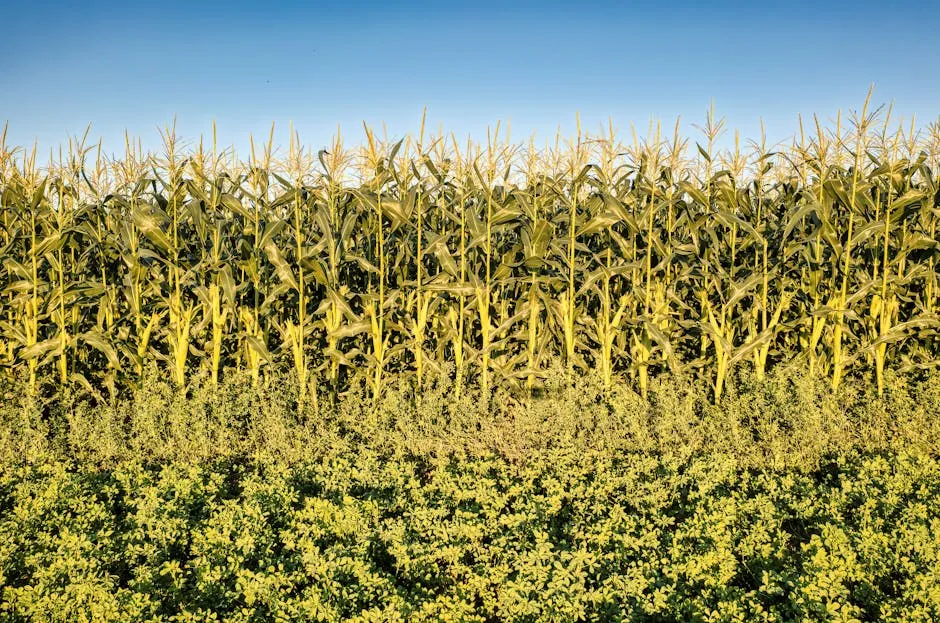
Intercropping enhances resource efficiency and biodiversity while also reducing greenhouse gas emissions compared to monoculture systems, with a 2025 Springer review estimating greenhouse gas emission reductions in the range of 15 to 25 percent. For a sector under increasing pressure to lower its climate footprint, that’s a significant lever.
Intercropping involves planting two or more crops simultaneously on the same land, enhancing crop utilization efficiency and slowing the rapid release of fertilizers in the soil, which can increase land use efficiency, reduce fertilizer use, and lower greenhouse gas emissions in field crop systems.
Research from a 2025 ScienceDirect study found that maize-soybean intercropping combined with moderate nitrogen application offers a sustainable approach to reducing greenhouse gas emissions, enhancing crop productivity, and improving water use efficiency in semi-arid regions. Climate benefit and yield benefit in the same system is a rare win.
Biodiversity Above and Below the Ground
Research from North Carolina A&T State University confirms that intercropping benefits agroecosystems by modifying arthropod communities to enhance crop productivity. More plant diversity at the surface creates more diverse insect communities, including the beneficial ones that serve as natural pest controls.
Research published in Frontiers in Microbiology found that the proliferation of microbial taxa is closely related to changes in the rhizosphere environment, with metabolites released by plant roots being key factors driving the recruitment of specific microbial groups under intercropping conditions. The underground ecosystem becomes more active and more diverse when more than one crop is present.
Research also confirms that introducing legumes into intercropping schemes has beneficial effects on soil microbial diversity, which matters because microbial communities are the engine of nutrient cycling, disease suppression, and long-term soil structure.
Light, Water, and Resource Capture Are More Efficient
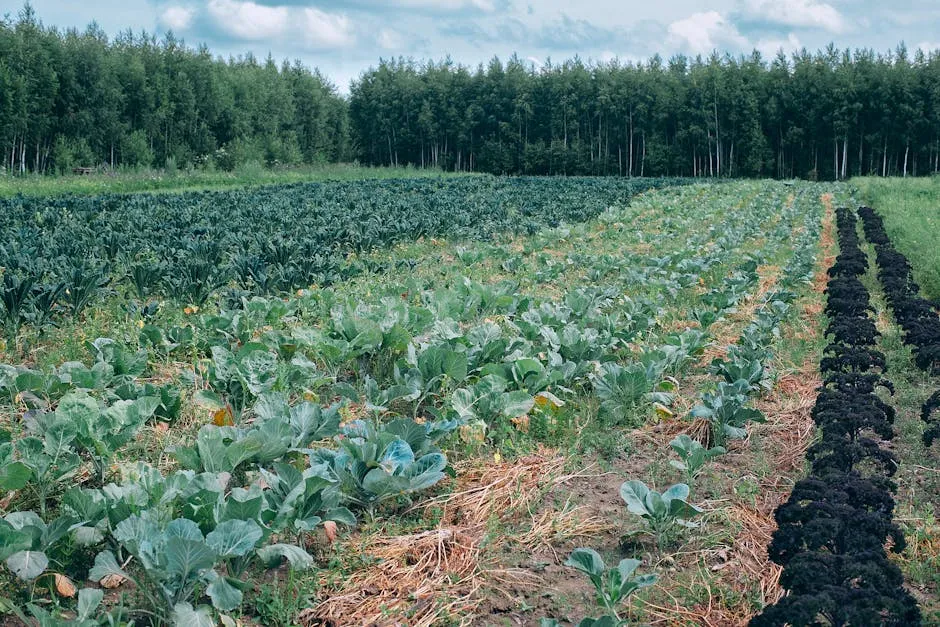
Intercropping offers the advantage of capturing and utilizing more solar radiation than monoculture, and it’s possible to boost productivity per unit of incident radiation if a new intercropping system is adopted that increases solar radiation interception or has more efficient radiation utilization. Plants of different heights and growth habits simply don’t compete for light in the same way.
Research has shown that strip-intercropping of maize and legumes can significantly increase overall biomass and grain yield due to optimized light capture and reduced pest pressure. The spatial arrangement matters as much as the species selection itself.
Studies examining multiple intercropping systems have shown that all four tested combinations produced significant yield advantages, with temporal niche complementarity between intercropped species due to differences in sowing and harvesting dates or the time taken to reach maximum daily growth rate. When crops peak and trough at different times, they compete less and cooperate more.
The Economics Are Starting to Make Sense

Economic analysis of 2024 intercropping data from the LEGUMINOSE trials demonstrates the economic potential of intercropping, particularly in cases where crops were affected by disease, with the assessment based on real ex-farm crop prices rather than theoretical premiums. The savings show up even when growing conditions are difficult.
On top of any increase in crop sales, farmers in the trials also made measurable savings on spray and fertiliser costs. Fewer inputs and better yields is a combination most growers would find hard to argue with.
A two-year field experiment on tobacco intercropping systems published in 2025 in Scientific Reports found that tobacco-soybean intercropping yielded the highest net return, nearly 19 percent greater than monoculture, with favorable benefit-cost ratios across both growing seasons. That kind of economic result, backed by replicated field data, tends to move practical decisions.
Conclusion
The evidence assembled across peer-reviewed journals through 2024 and 2025 paints a consistent picture. Intercropping is not a fringe idea or a romantic nod to traditional farming. It is a documented, data-backed approach that improves yields, builds soil, cuts emissions, reduces pest pressure, and in many cases lowers input costs simultaneously.
The caveats are real: results vary by region, crop pairing, and management skill. Researchers emphasize the need for tailored management strategies and region-specific research to overcome adoption barriers, and acknowledge that benefits vary significantly by region, crop combination, climate, and management practices. No single intercropping formula works everywhere.
Still, the weight of the evidence in 2026 is hard to dismiss. Across hundreds of studies and dozens of countries, growing more than one crop in the same space keeps outperforming the alternative. The question for farmers and growers this season isn’t really whether intercropping works. It’s which combination works best for them.
AI Disclaimer: This article was created with the assistance of AI tools and reviewed by a human editor.