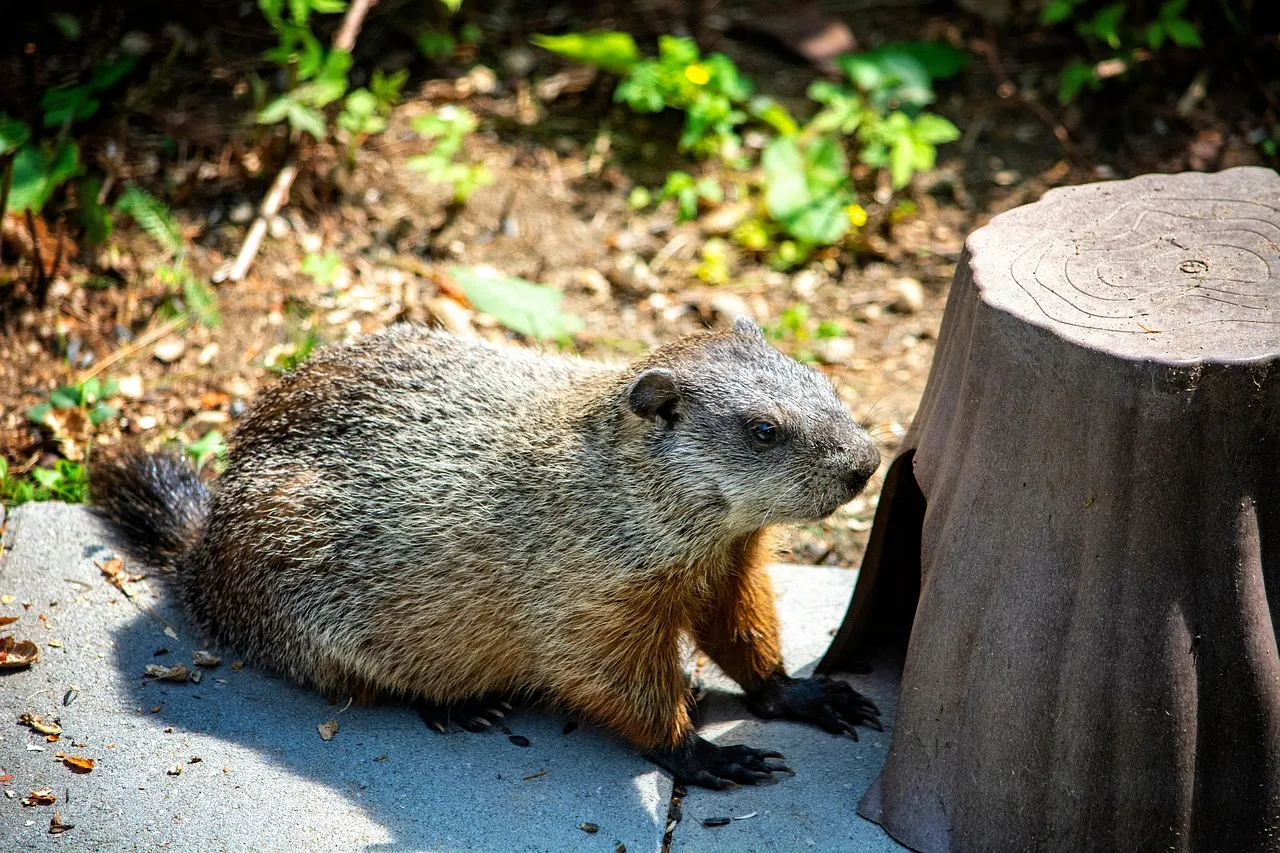

There’s something almost admirable about a groundhog’s ambition. It finds a quiet, protected spot beneath your deck, excavates a surprisingly sophisticated underground home, and settles in before you’ve even noticed anything is wrong. By the time most homeowners realize what’s happening, an entire family may already be established down there.
Dealing with this situation thoughtfully matters for a few reasons. Approaching groundhog removal with a focus on humane and safe practices isn’t just ethical – it often leads to more effective and sustainable long-term solutions. This guide walks through the full process, from understanding who’s living under your deck to making sure no one moves back in.
Why Groundhogs Choose Your Deck in the First Place
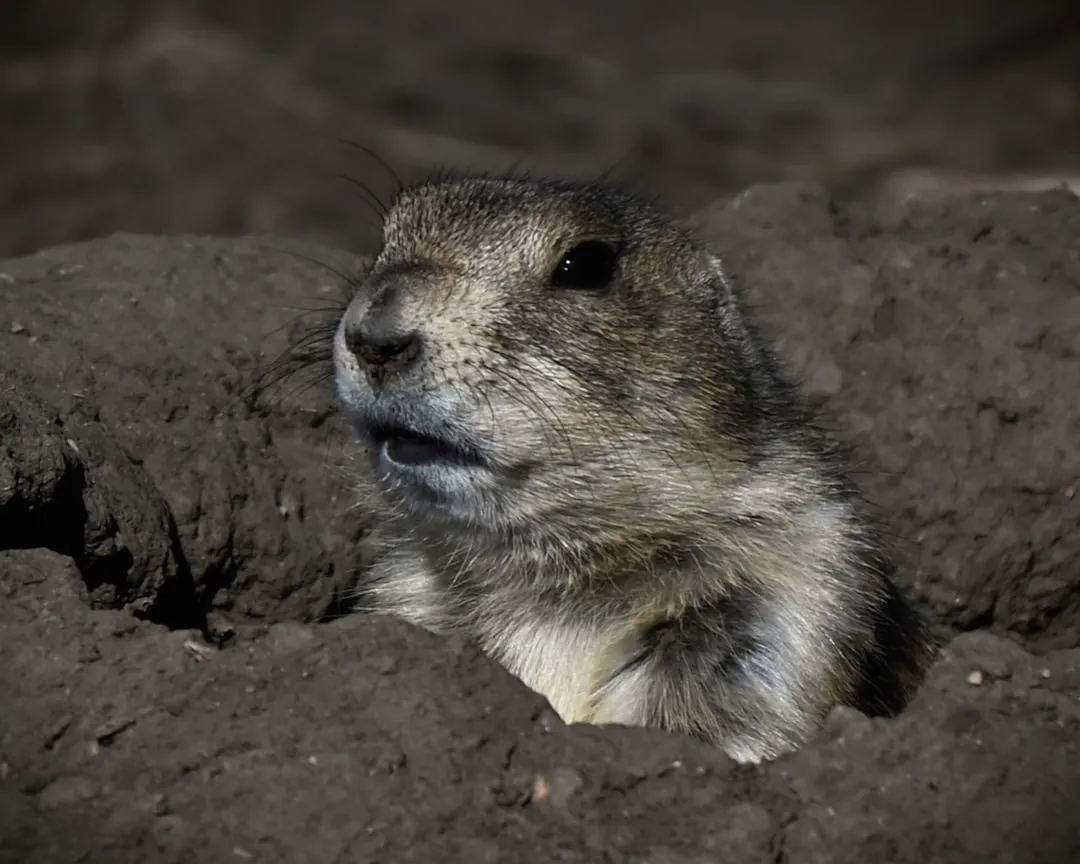
Groundhogs are attracted to the area under decks because it offers a secure and sheltered environment. The structure provides a protective roof that shields them from overhead predators such as hawks and coyotes, making it a safe haven. This is a deliberate, rational choice from the animal’s perspective, not random wandering.
With their long, sharp claws, groundhogs dig complex multi-chamber burrows that they use for hoarding food, nesting, and hibernating. Groundhogs excavate a complex, multi-chambered burrow system in which the total length of tunnels can measure up to 65 feet.
Groundhogs usually stay close to their burrow and generally don’t travel more than 150 feet away from the burrow to feed. So once a groundhog picks your deck, it genuinely intends to stay.
Understanding Groundhog Family Structure and Breeding

Groundhogs are primarily solitary animals, except during mating season and when raising young. This is important to know before you do anything, because the word “family” under your deck usually means a mother and her pups, not a large social group.
The breeding season extends from early March to mid- or late April, after hibernation. A mated pair remains in the same den throughout the 31 to 32 day gestation period. As birth of the young approaches in April or May, the male leaves the den.
The female is pregnant for about 32 days and gives birth to an average of three to five babies. Groundhog babies are called pups. The pups are only a few ounces when born – hairless, with closed eyes and ears, and completely helpless. Any removal plan must account for them.
Assessing the Structural Risk to Your Deck
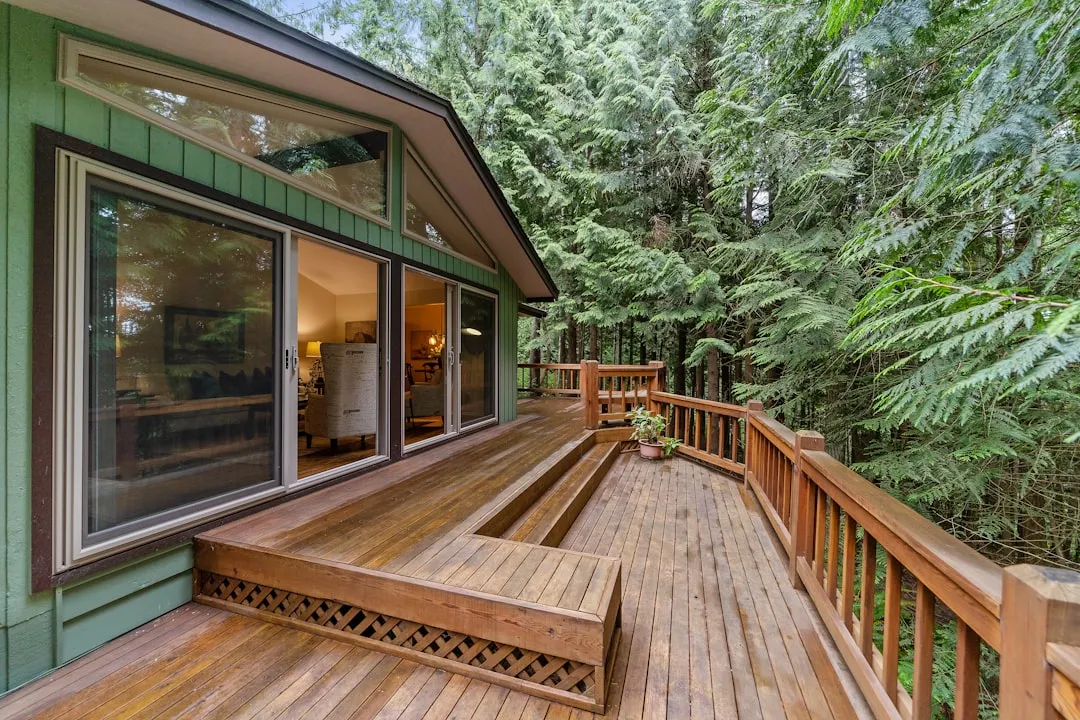
The presence of a groundhog burrowing beneath a residential deck or porch is a common problem that requires prompt attention. These animals are powerful excavators, and their tunneling activities can quickly compromise the integrity of a structure.
Groundhogs are powerful diggers and can cause extensive damage to gardens, lawns, and building foundations as they create massive tunnel systems with multiple exits. Groundhogs in some regions often dig into crawlspaces and under decks. A groundhog can cause severe damage to the ground structure and drainage while creating tripping hazards.
In a research study where several entrance mounds were removed and their soil and rock contents weighed, the average weight of these animal-built features was 275 pounds. That gives you a real sense of how much material a single groundhog can displace.
Choosing the Right Time to Act

The best time to evict groundhogs from burrows is from mid- to late summer, or between early July and late September in most areas. Breeding female groundhogs have dependent young in their burrows from late winter until spring or early summer, and evicting them during this time can be inhumane. Mothers will resist abandoning young, even under great duress.
Babies remain in the den for up to six weeks after birth, and then emerge around late June or July. Waiting until the young have naturally dispersed before taking action is the most ethical approach.
Proper eviction requires attention to groundhog ecology: groundhogs should not be evicted during their hibernation or breeding seasons, as there may be individuals that get trapped inside the burrow. These individuals will either die or potentially cause more property damage as they try to dig their way free.
Checking for Activity Before You Do Anything
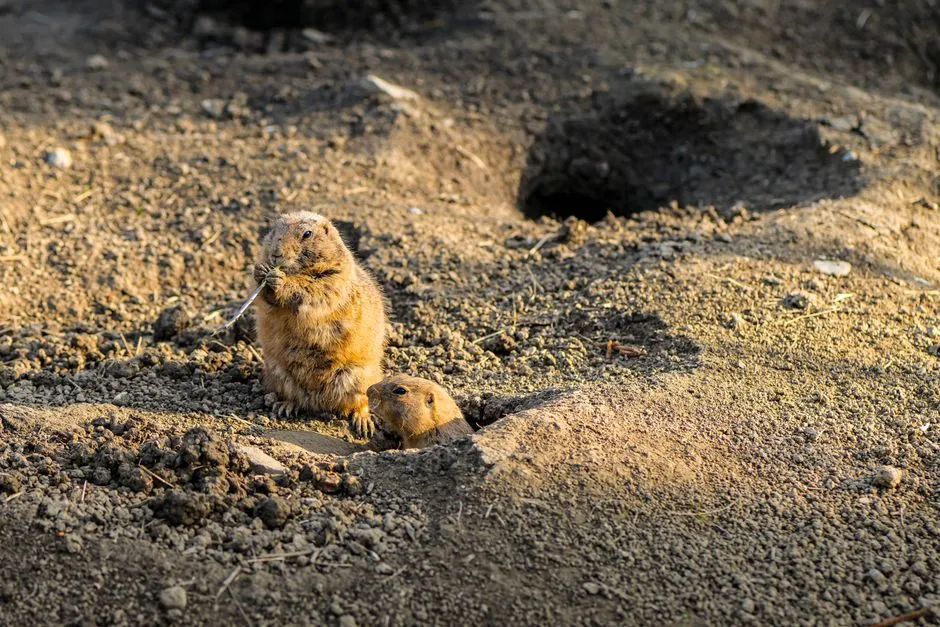
Before closing a burrow, first test for activity: loosely plug all the burrow entrances with grass clippings or newspaper and monitor activity. If the material has not been disturbed after three to five days in clear summer weather, you can assume the burrow is unoccupied. This step costs nothing and prevents a serious mistake.
Groundhogs spend most of their time in their underground burrows, which have one main entrance that can be identified by a large mountain of excavated soil immediately outside the entrance hole. The burrow also has one to four auxiliary entrances. Check all of them.
Don’t seal an active burrow, as you can trap an animal inside or force it to create a new exit. Confirm inactivity or resolve removal and exclusion first, then install the barrier.
Humane Deterrents to Encourage Groundhogs to Leave on Their Own

Deterrents include partially digging out the entrance, clearing surrounding vegetation, or placing ammonia-soaked rags or used cat litter inside the burrow to make the location feel vulnerable. These low-intervention methods are worth trying before you bring out a trap.
Groundhogs like to navigate through tall vegetation. Removing vegetation around burrows can create insecurity and, with other eviction methods applied simultaneously, can encourage groundhogs to abandon a burrow system, especially one that hasn’t been used for long.
A one-way door is a temporary device installed over the main entrance that allows the animal to leave but prevents its return. One-way devices are installed over the burrow entrance holes for at least two weeks, to allow all animals to exit the burrow. This is widely considered one of the most humane eviction tools available.
Live Trapping: How to Do It Correctly

For homeowners seeking a more active yet ethical solution to a persistent groundhog problem under their deck, live trapping stands as a highly viable and humane removal method. This approach involves carefully capturing the animal without harm, allowing for its relocation to a more suitable environment away from your property.
For groundhogs, also known as woodchucks, a sturdy wire cage trap designed for medium-sized animals is essential. The trap must be large enough to comfortably accommodate an adult groundhog without causing injury once it’s inside. Look for traps that are at least 10 inches by 12 inches by 32 inches in size to ensure adequate space.
Set traps with fresh vegetables in areas of groundhog activity. Make sure traps are scent-free and flush to the ground, and set in the shade. Regulations often mandate frequent checks on trapped animals to minimize stress and suffering. Check the trap at least twice daily.
Know the Laws Before You Relocate

Trapping and relocating far away is humane, but you need to check with your local DNR office for legality. Typically, professional trappers have permits to do this. This is not a step to skip. Wildlife regulations vary significantly by state and even by county.
Some areas require permits even for common nuisance animals. Many municipalities have specific guidelines regarding the trapping and relocation of nuisance wildlife, including permissible release distances and approved release sites.
Before attempting trapping or relocation, homeowners should check with local and state wildlife agencies, as regulations regarding the handling and movement of wildlife vary widely and may require professional assistance. When in doubt, a licensed wildlife removal specialist is the safest route.
Where to Release a Relocated Groundhog

Generally, groundhogs should be released at least five to ten miles away from the capture site to prevent their return, but not so far that they enter an unfamiliar or hostile environment. Choose a release site that offers suitable habitat, such as wooded edges, fields with abundant vegetation, or abandoned properties, where they can find food, water, and shelter.
Known as an “edge” species, groundhogs prefer transitional areas where forest or woodland meets a well-vegetated open field or meadow. Choosing a release site that mirrors this habitat gives the animal the best chance of surviving independently.
Avoid releasing them onto private property without permission or in areas where they might immediately become a nuisance to others. Releasing a groundhog from one backyard problem and directly into someone else’s is not a solution.
Permanent Exclusion: Sealing the Deck So No One Moves Back In
After confirming the burrow is empty, the only way to prevent a groundhog from returning is to install a physical barrier around the deck’s perimeter. This barrier must be constructed using heavy-gauge galvanized wire mesh or hardware cloth, with openings no larger than three inches. The most effective technique involves creating an L-footer around the entire base of the structure.
To install the L-footer, a trench should be dug around the deck’s perimeter that is at least 12 inches deep. The wire mesh is then placed vertically into the trench, and the bottom six to twelve inches of the mesh is bent outward at a 90-degree angle, extending away from the deck. This outward-facing horizontal section creates a deterrent that frustrates the groundhog’s natural tendency to dig straight down when encountering an obstacle.
Use heavy-gauge galvanized hardware cloth, often half-inch mesh, or similar sturdy welded wire. Thin chicken wire is easy to deform and is not reliable for digging animals. After removing an existing animal, installing a proper fence ensures you won’t have to deal with another one taking over the vacant burrow.
Long-Term Habitat Modification Around Your Property
While trapping deals with the current groundhog, habitat modification is the best way to prevent future groundhogs for good by making your property an undesirable place for them to settle. This long-term preventive strategy involves altering your landscape to remove the food, water, and shelter that groundhogs seek.
Homeowners can also lessen the likelihood of groundhogs living on their property by reducing the number of overgrown areas and brush piles that encourage groundhogs to construct burrows. Tall grass and dense groundcover act like advertisements for available real estate, from a groundhog’s perspective.
Groundhogs play an essential role in the ecosystem by aerating soil and controlling insect populations. The goal isn’t to eliminate them from the area – it’s to redirect where they build. A yard that’s a little less hospitable naturally steers them toward more suitable wild habitat without confrontation.
Relocating a groundhog family from under your deck is genuinely manageable when you work with the animal’s natural rhythms rather than against them. Patience around the breeding season, the right tools for exclusion, and a well-chosen release site add up to an outcome that’s good for your home and fair to the animal. The most durable solutions here are the slow, careful ones.
AI Disclaimer: This article was created with the assistance of AI tools and reviewed by a human editor.