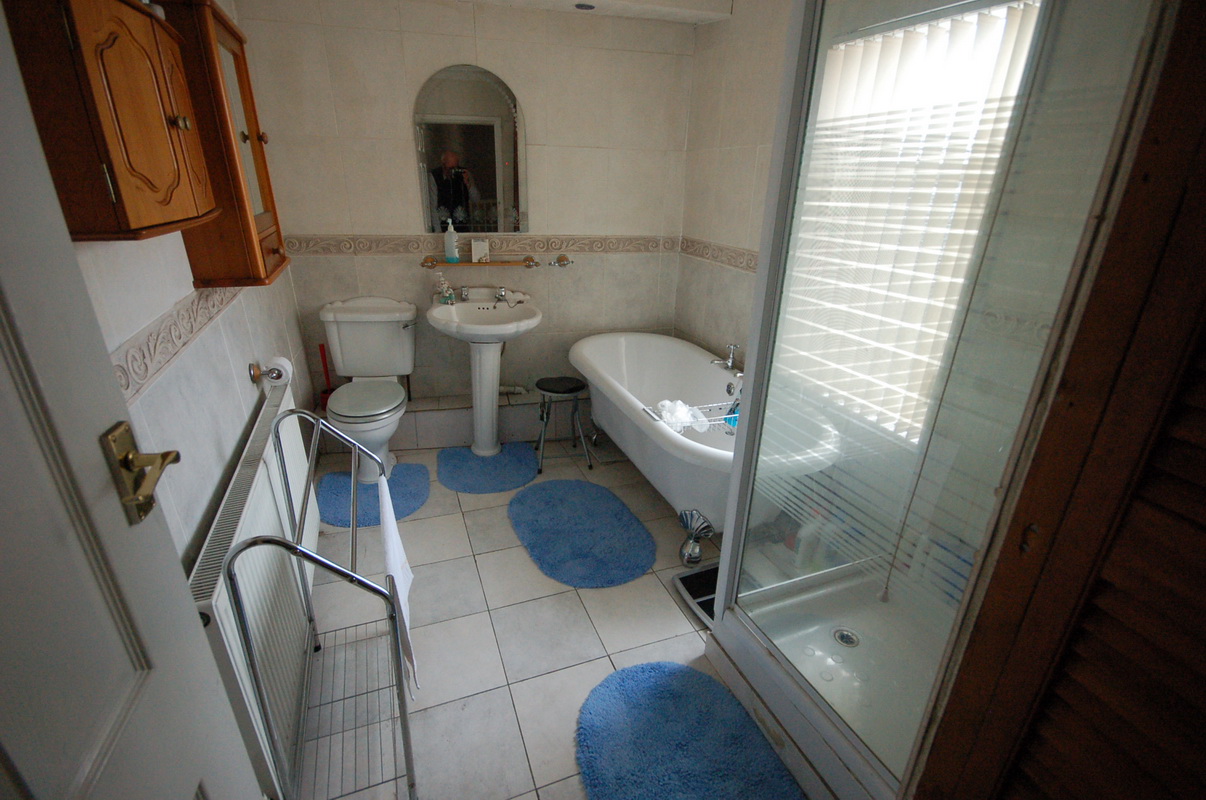

The Culprit Everyone Ignores: The Loose Throw Rug
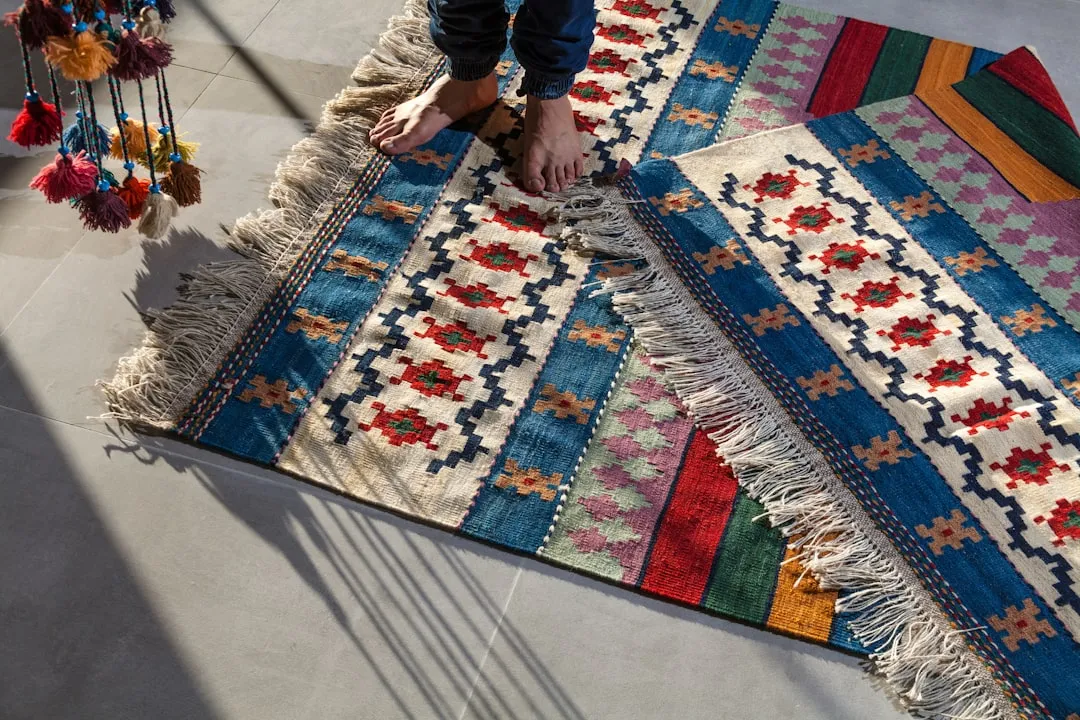
Loose throw rugs and area carpets with curled edges or folds are among the extrinsic factors most frequently mentioned in the literature as unsafe and potentially increasing fall risk. They don’t announce themselves as dangerous. They just sit there, flat on the floor, until a foot catches an edge at the wrong moment.
One study found loose throw rugs in nearly 78% of the homes surveyed, curled carpet edges in more than 35%, and an average of more than 11 rugs without nonslip backing in each home. That’s not a minor oversight. That’s a widespread, preventable hazard living inside the majority of older households.
How Many People Are Actually Getting Hurt
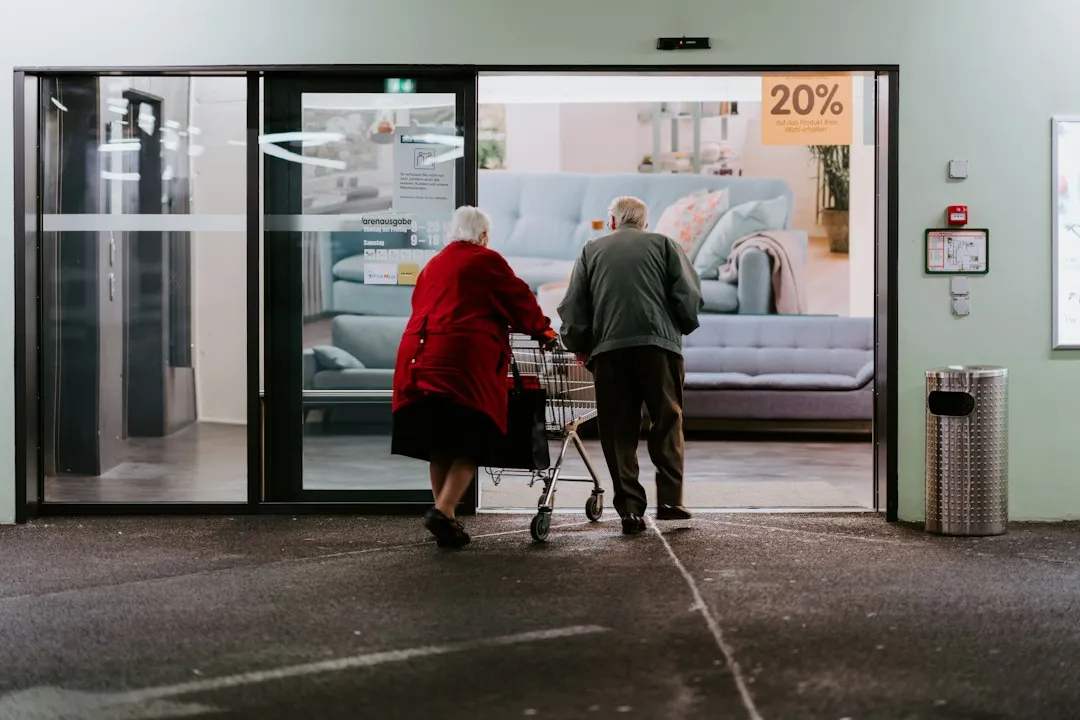
Annually, an estimated nearly 38,000 adults age 65 and older are treated in U.S. emergency departments for falls associated with carpets and rugs, with most of those falls occurring at home. The numbers have been climbing steadily for years.
Over the past decade, the number of fall-related deaths among older adults has increased by 51%, while emergency department visits have risen by 38%. That trend makes addressing in-home hazards more urgent, not less.
Why the Bathroom Is the Deadliest Room
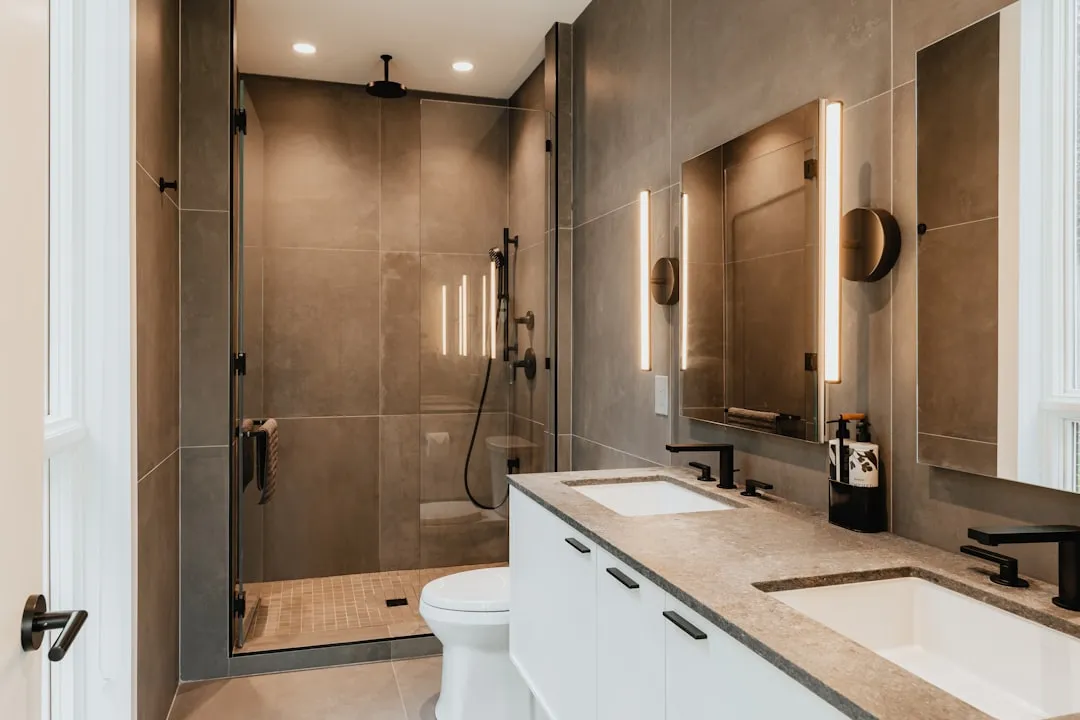
The most common location for rug-related fall injuries in the home is the bathroom, and frequent fall injuries occur at the transition between carpet or rug and non-carpeted flooring, on wet rugs, and while hurrying to the bathroom. Combine urgency with wet feet stepping onto a loose bathmat and the result is predictable.
Case control studies have found that both floor mats in hallways and bathmats significantly increased risk of hip fractures, and that loose rugs and mats were among the most common objects in the home associated with falls resulting in hip fractures. A small rug in front of the toilet or shower can carry real, serious consequences.
The High-Pile Rug Problem
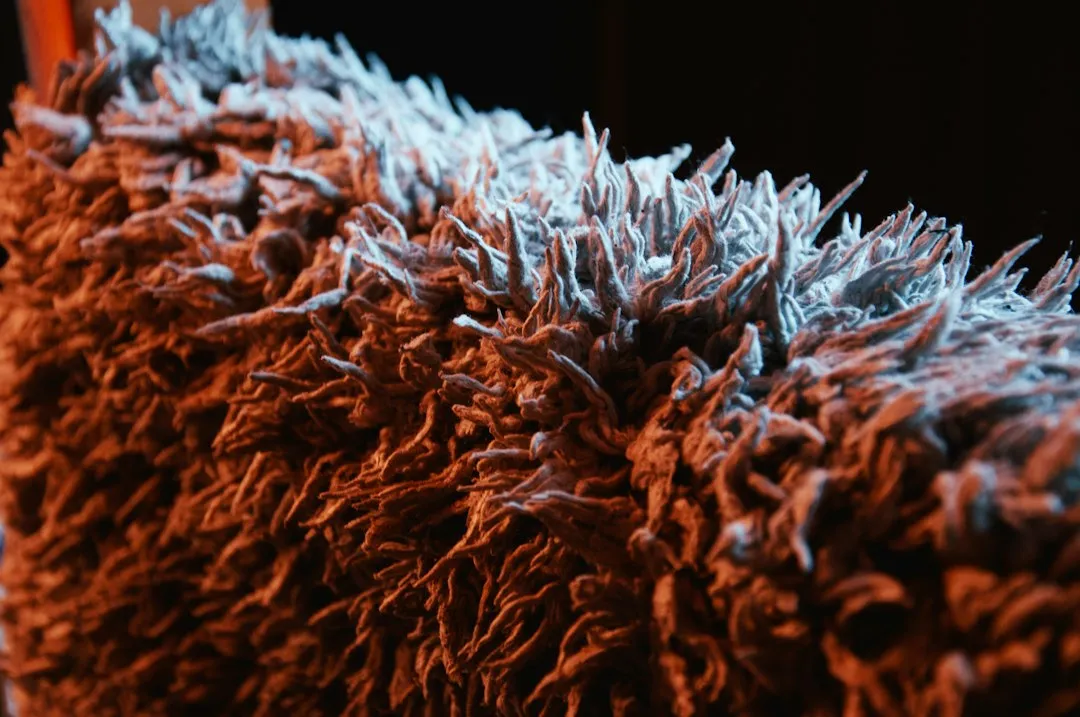
High-pile rugs, such as plush or shag rugs, can be more hazardous than low-pile rugs, as they tend to be thicker, making it easier for feet to catch on the edge. They may look luxurious, but comfort and safety rarely overlap when it comes to flooring choices for older adults.
As people age, gait can change. Many older adults don’t lift their feet as high as they once did, and it only takes a fraction of an inch of fabric to catch a toe and cause a stumble. A shag rug that felt perfectly fine ten years ago can become a hazard as mobility subtly shifts with age.
No Non-Slip Backing: The Silent Accelerator
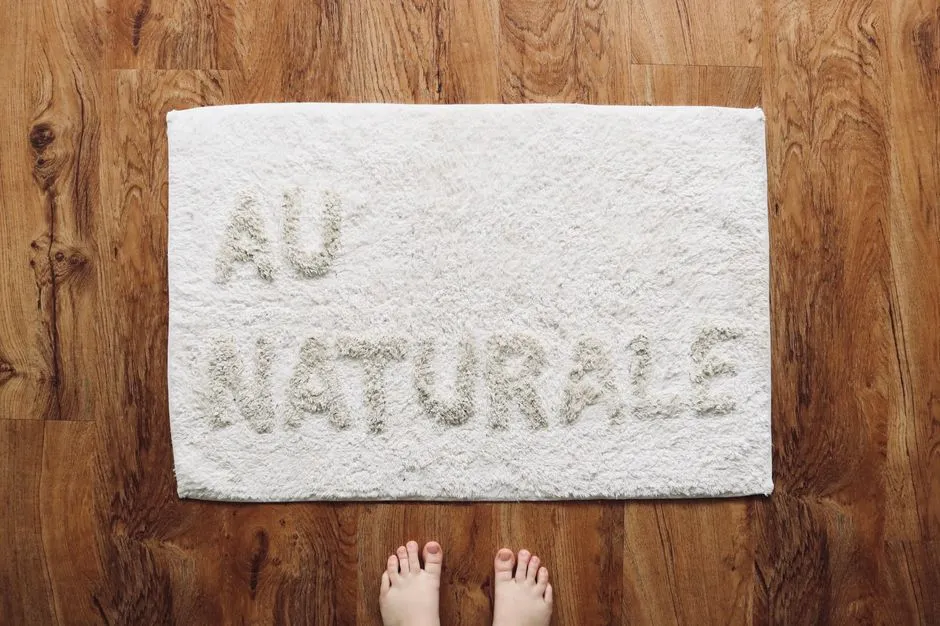
The most dangerous rug in any home is the one that slides. A rug sitting directly on hardwood, tile, or laminate without any grip can shift underfoot without warning. This is especially common with older rugs, whose backing wears out or was never adequate to begin with.
Even a rug with non-slip backing loses its effectiveness if it isn’t kept clean. Dust, pet hair, and floor wax can all get trapped between the rug backing and the floor, acting like tiny ball bearings that cause the rug to slide. Maintenance matters just as much as the initial purchase.
Where These Rugs Are Most Often Found in Older Homes
The throw rug someone has walked across for 20 years may not look dangerous, yet seemingly ordinary household features can become serious hazards as vision, balance, strength, or mobility change with age. High-traffic zones like hallways, entryways, and kitchens are particularly common locations for unsecured rugs.
Throw rugs in high-traffic areas like hallways and entryways carry particular risk. As people age, foot clearance often decreases, even in individuals who walk independently, and thick rug edges become much easier to catch when wearing slippers, socks, or when dealing with mild neuropathy.
Women Bear a Disproportionate Share of These Injuries
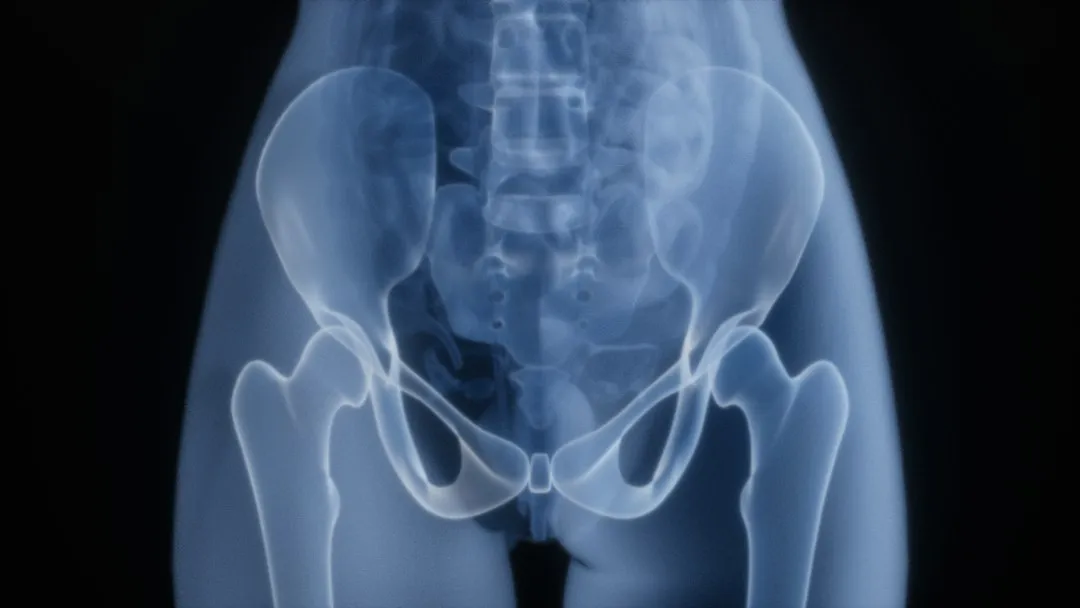
Women represented more than 80% of rug and carpet-related fall injuries among older adults. This reflects both demographic patterns in older populations and differences in bone density that make falls more likely to result in serious fractures for women.
A hip fracture is one of the most serious consequences of falling, with more than 300,000 older adults experiencing hip fractures each year. Less than half return to full function, and roughly 30% of hip fracture survivors require long-term care. A single rug-related fall can change the entire trajectory of someone’s later years.
The Transition Zone: Where Rugs Meet Hard Floors
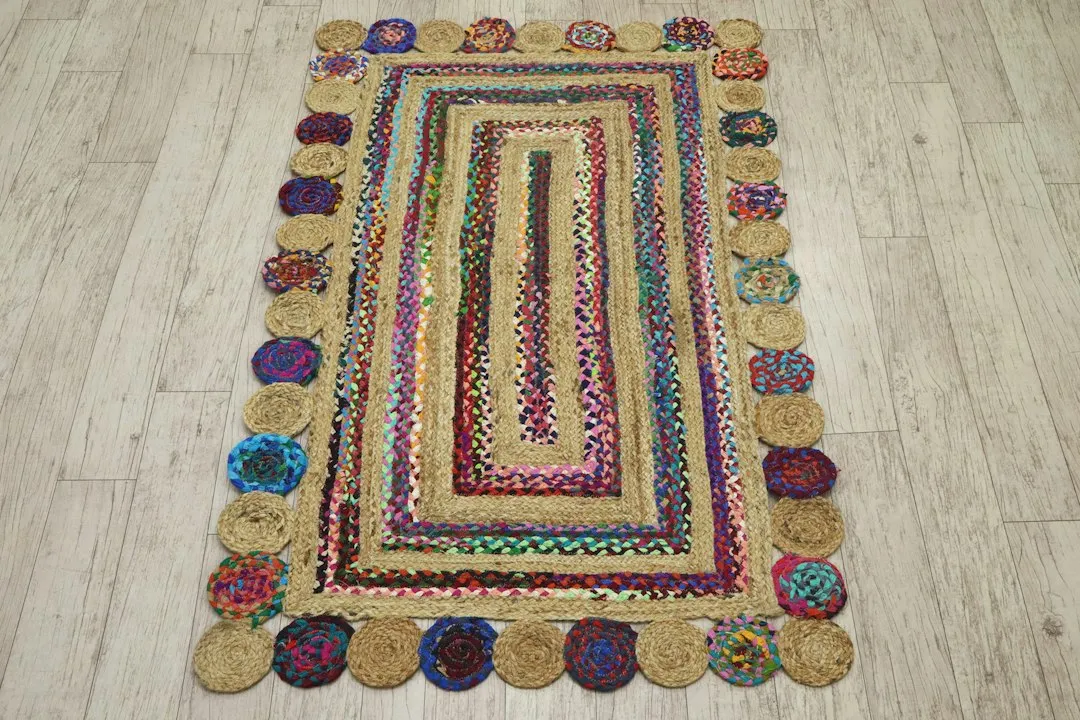
Frequent fall injuries occur specifically at the transition between carpet or rug and non-carpet flooring. The edge of a rug is not just a physical obstacle. It’s also a visual and sensory disruption that the aging brain and body can struggle to process and adapt to quickly enough.
A rug that lies flat and stays flat is far more forgiving than one that compresses, shifts, or curls when stepped on. Older homes frequently have rugs with folded or curled edges that have never been properly addressed, and those edges tend to worsen over time without anyone noticing.
What the Research Says About Removal Versus Replacement
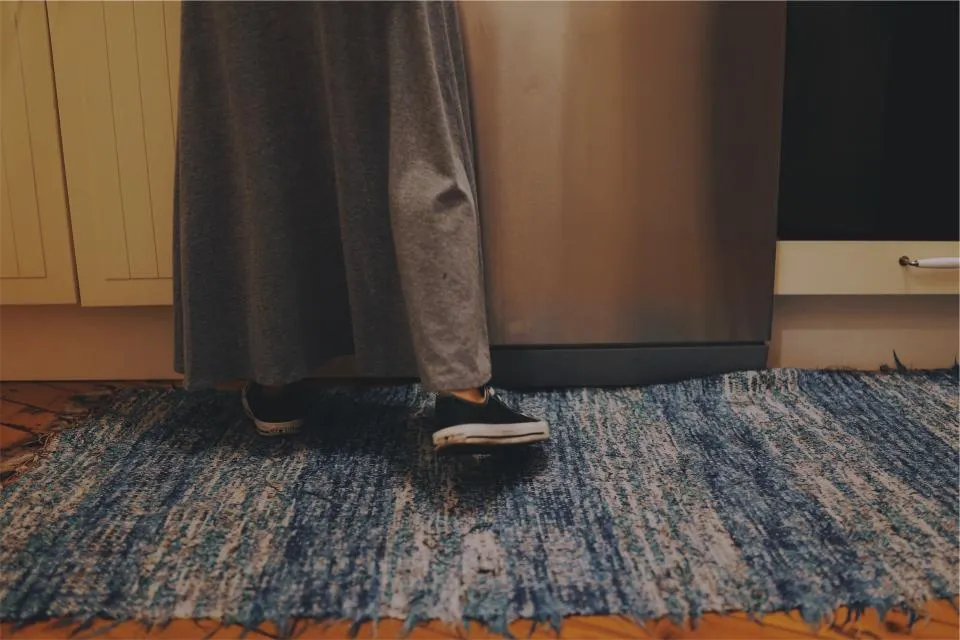
Rugs are one of the leading environmental hazards in the home, and nearly one-third of home falls involve hazards like loose rugs or slippery floors. The simplest intervention, according to most health and safety guidance, is removal. Still, not every older adult is willing to part with a rug that has personal meaning or serves a practical purpose on a cold floor.
Area rugs can be safe for older adults when they are low profile, properly anchored, and either have integrated non-slip backing or sit on a high-quality rubber rug pad. The key word is properly. Half-measures, like placing a rug on a thin shelf liner, rarely provide adequate grip under real walking conditions.
Practical Steps That Actually Reduce the Risk
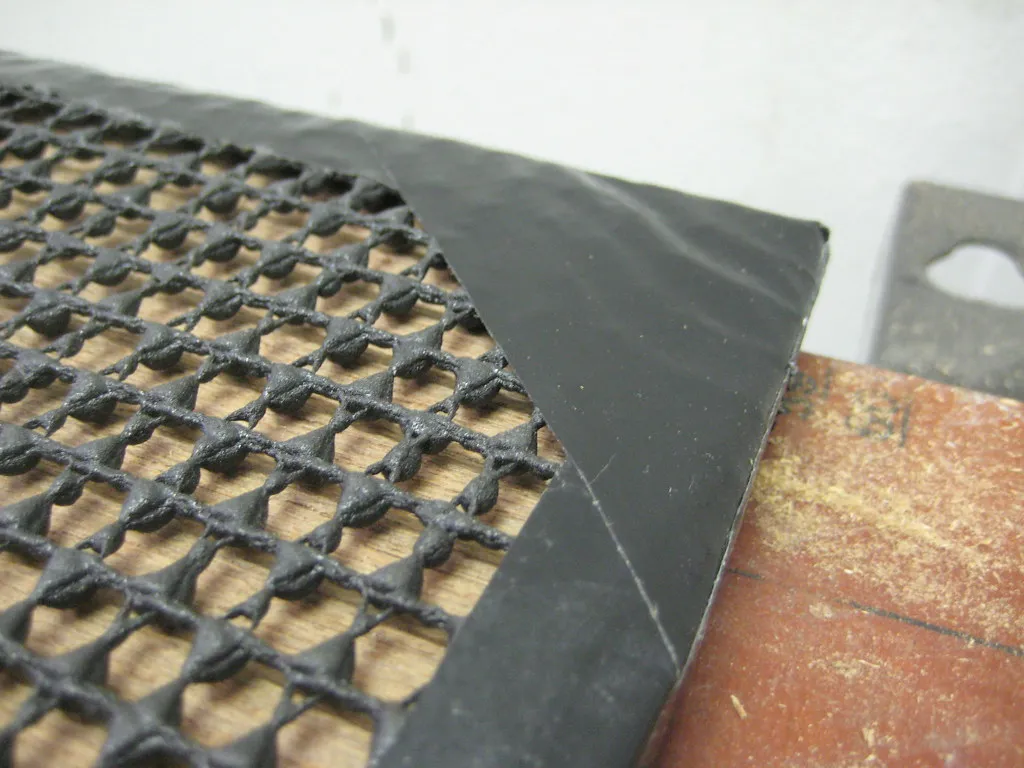
If a senior won’t give up their small area rugs, making sure they are secured with non-skid tape reduces the risk. People who regularly polish hardwood floors should stop, as slick floors compound the danger. Skid-proof tile and low-pile carpeting are generally considered safer choices.
Removing loose throw rugs and other tripping hazards, keeping walking paths clear, and installing nightlights between the bedroom and bathroom are among the most straightforward prevention steps available. None of these require major renovation or expense. They do require paying attention to what most people have stopped noticing.
The Takeaway

The loose throw rug is not a dramatic villain. It’s a familiar, overlooked fixture that has quietly become one of the most well-documented home hazards for older adults. Fall injuries associated with rugs and carpets are common and may cause potentially severe injuries, and older adults, their caregivers, and healthcare providers should be aware of the significant risk and of the environmental modifications that can reduce it.
The most important thing to understand is that the danger isn’t hypothetical. In 2024 alone, over 43,000 individuals aged 65 and older died as a result of preventable falls. Many of those lives intersected, at some point, with a small piece of unsecured fabric on a hard floor. Knowing that changes how you look at the rugs in your home, or the homes of people you care about.
AI Disclaimer: This article was created with the assistance of AI tools and reviewed by a human editor.