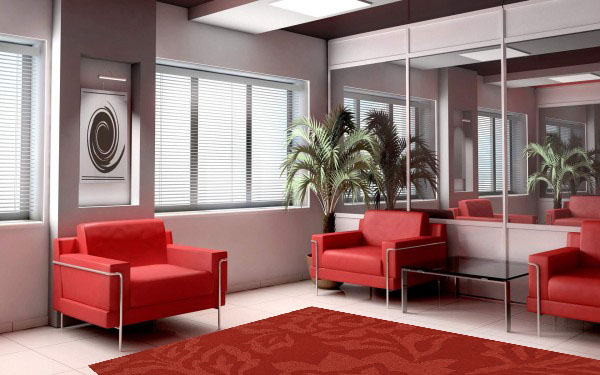

Going Too Small: The “Postage Stamp” Effect
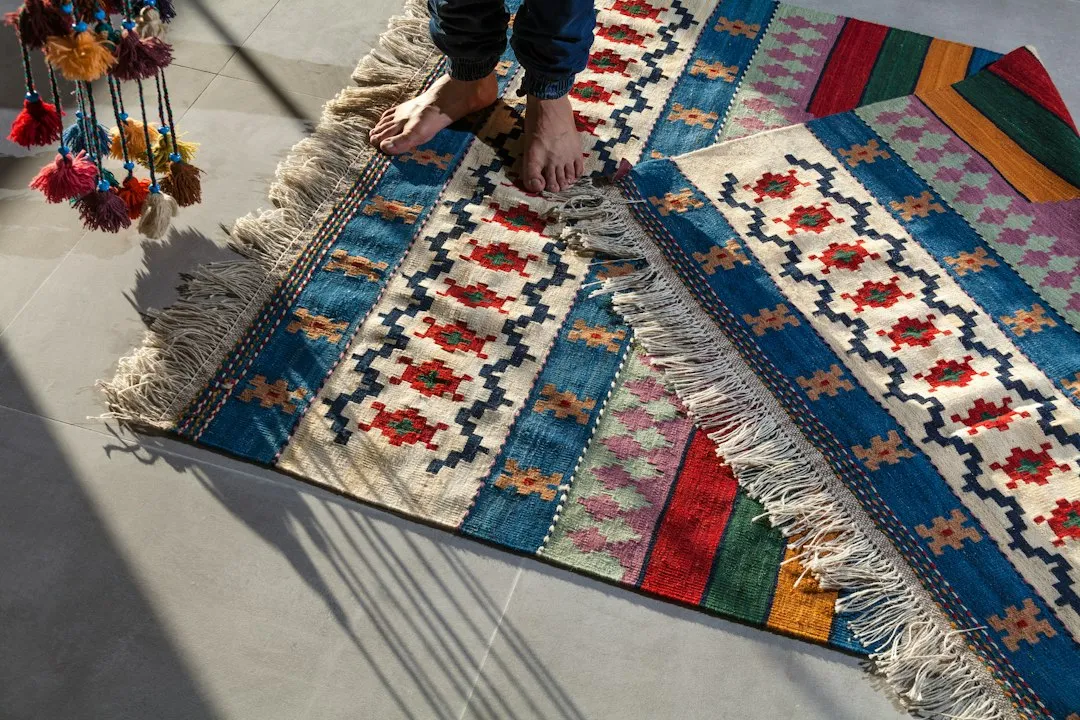
One of the most common mistakes homeowners make is choosing a rug that’s too small, creating what designers call the “postage stamp” effect. The rug ends up sitting in the center of the room like a small island, completely disconnected from the furniture around it.
Choosing rugs that are too small for the space makes the room feel cramped or disjointed. The irony is that going smaller rarely saves the room visually. Having a larger rug instantly makes a room feel more spacious and more cozy.
The Front-Legs Rule That Most People Miss
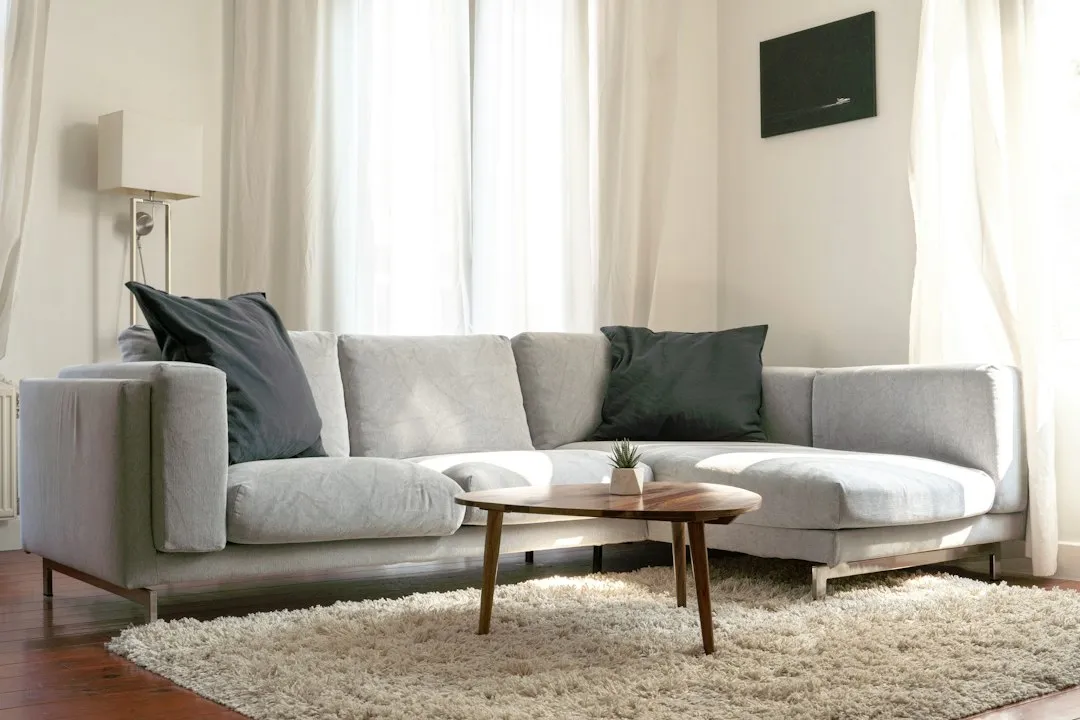
A living room rug should be large enough that at least the front legs of the sofa and any chairs rest upon it. This is the minimum standard, not an optional style preference. When the rug sits entirely in front of the furniture rather than beneath it, the whole seating arrangement looks accidental.
In family rooms, entertainment rooms, and larger living rooms, you want all furniture legs on the rug for a cohesive look. In formal or smaller living rooms, having just the front legs on the rug is perfectly acceptable. The rule adapts to context, but the principle stays the same: the rug should connect the furniture, not avoid it.
The Standard Sizes Designers Actually Specify

Professional designers most frequently specify 8×10 and 9×12 rugs because they fit standard living rooms and seating arrangements. These aren’t arbitrary numbers. They correspond to typical furniture footprints in most homes.
Most standard living rooms look best with an 8-foot by 10-foot rug, while larger spaces often benefit from a 9-foot by 12-foot rug or bigger. In many living rooms, an 8×10 is the most reliable starting point. When you’re genuinely unsure, the advice from designers is consistent: size up, not down.
Dining Room Rugs: The Chair Clearance Problem
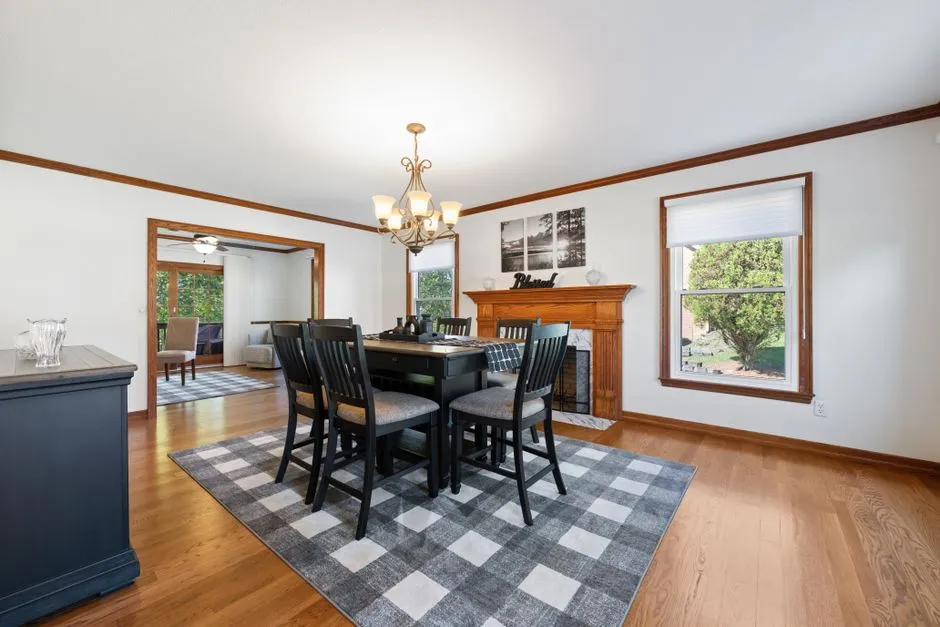
Dining rooms have the clearest size rule of any room, and it is one people miss all the time. The mistake isn’t just buying a small rug. It’s measuring only the table itself and forgetting that chairs move.
The rug should extend 24 to 36 inches beyond the table’s edge, meaning you should add 48 to 72 inches to both the length and width of your table to find the correct rug size. Choosing a rug that’s too small can cause chairs to catch on the edge, making everyday dining less comfortable. That daily friction is an instant tell for any designer who walks in.
The Bedroom Rug Mistake Designers See Most Often
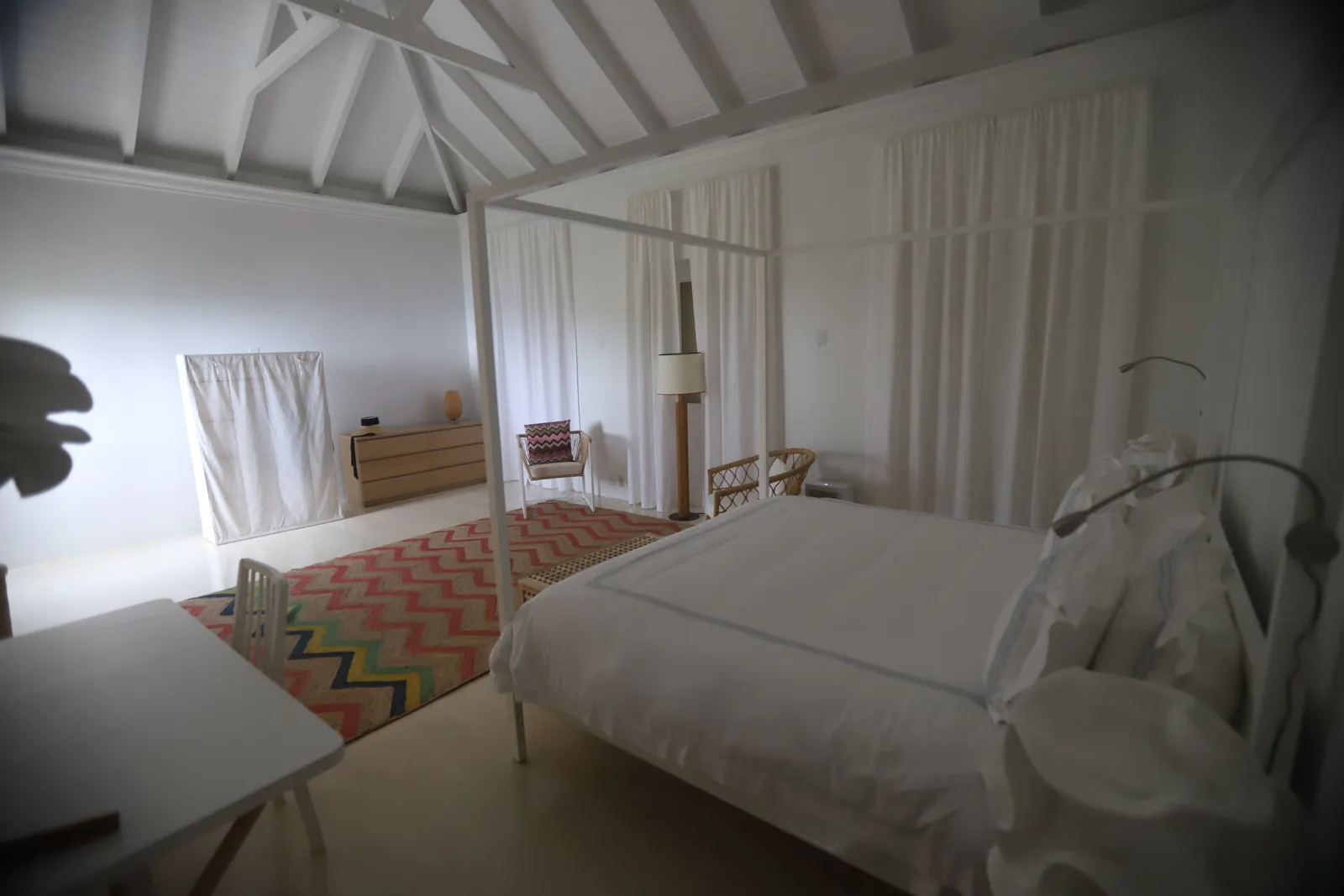
Designers see people making rug mistakes most frequently in the bedroom. The typical error is sliding a small accent rug under part of the bed and calling it done. Bedroom rugs should make getting in and out of bed comfortable while creating a balanced appearance. A rug that’s too small may leave only a narrow strip visible around the bed.
The correct approach is to place a large rug under the bed, extending two to three feet beyond both sides and the foot of the bed. Ideally, your rug should have at least 24 inches on all three sides of your bed. That exposed margin is what transforms the bed into a grounded focal point rather than something floating on bare floor.
How Much Bare Floor Should Show Around a Rug
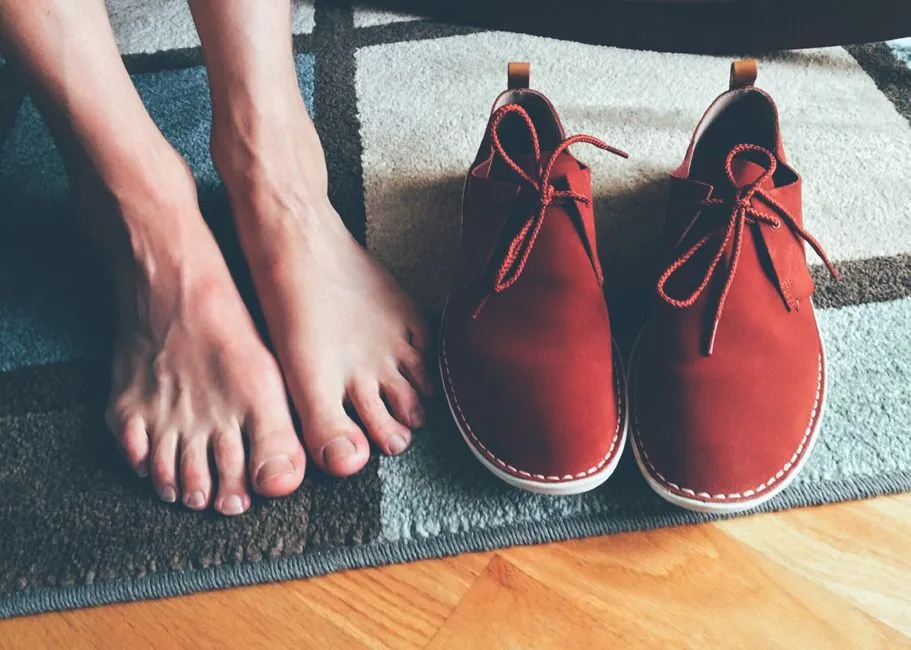
Most interior designers recommend leaving 12 to 24 inches of exposed floor between the rug edge and the wall. This border is what distinguishes an intentional placement from a wall-to-wall overflow. Too little border, and the rug looks like it’s straining to cover the whole room. Too much, and it shrinks back into postage stamp territory.
There is no single border that works in every room. In a living room, the rug should relate to the furniture more than to the walls. The bare floor gap serves proportional purposes, not purely aesthetic ones. Use it as a guide, not a rigid rule.
Skipping the Tape Test Before You Buy
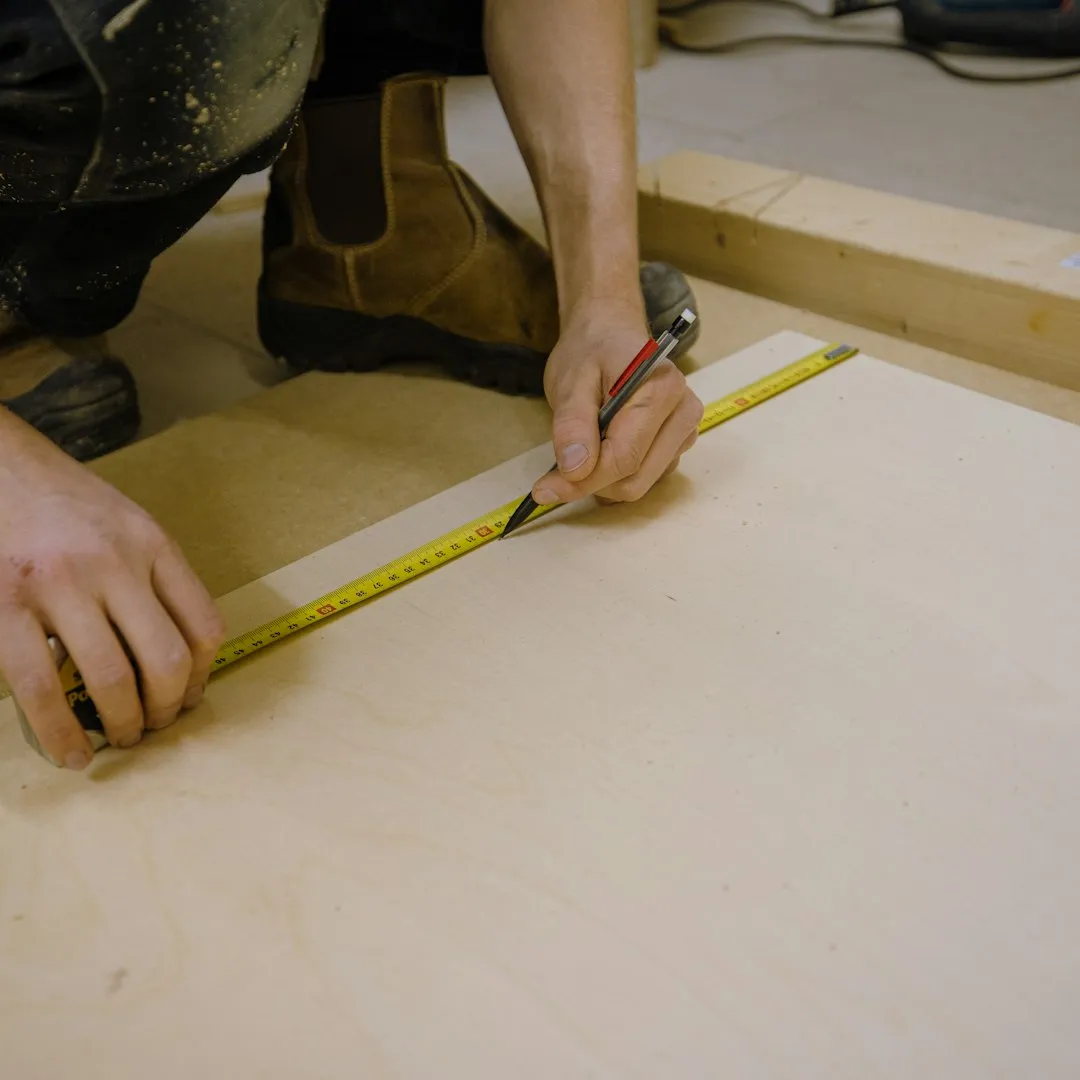
The best piece of advice for ordering the accurate size rug is to test it. Use painter’s tape to visualize the actual rug size in your room. It’s the most helpful, inexpensive tool for understanding how the size plays in your space and how your existing furniture interacts with it.
The larger an area rug, the more it costs, so it’s easy for people to go smaller rather than larger. That cost pressure is exactly what drives the most common mistake designers see. Putting tape on the floor before spending a dollar costs nothing and prevents an expensive miscalculation.
Hallway and Runner Rugs: Width Is the Overlooked Dimension
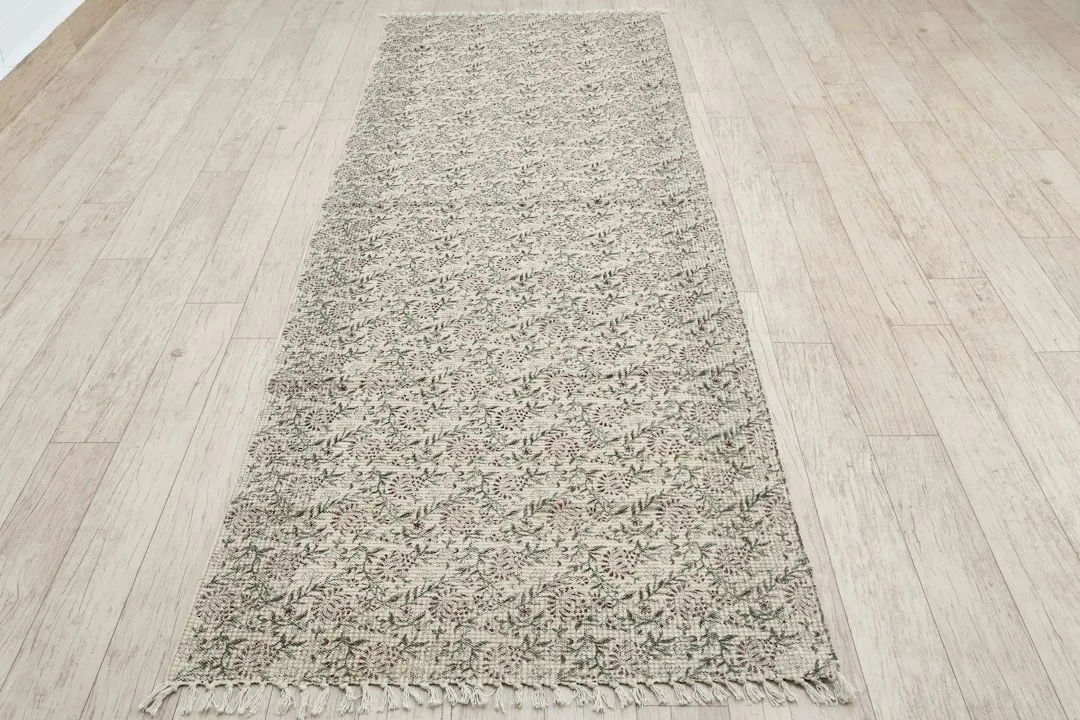
If the runner is too narrow, it can end up looking like a landing strip rather than a grounding force. Hallway rugs need width to feel intentional. A runner that hugs the very center of a wide corridor actually makes the space look narrower than it is.
Leave a small margin of bare floor on each side of the runner. This creates breathing room around the edges and signals that the rug was placed deliberately. Runners and entryway rugs are both functional and decorative. They should follow the length of the hallway without overwhelming it.
Ceiling Height Changes Everything

A small rug in a bedroom with nine-foot or taller ceilings can look undersized even with correct placement math, because the vertical proportions shift what reads as “enough” rug. This is a subtler sizing mistake that often surprises people who thought they’d measured correctly.
The same rug that looks perfectly proportional in a standard eight-foot-ceiling room can look almost miniature once you raise the ceiling height by a foot or two. Scale is always relative. When in doubt about ceiling height, treat it as a signal to go one size larger than you initially calculated.
Rug Pads and Why They Affect Perceived Size
A quality rug pad prevents slipping, extends your rug’s life, and provides additional cushioning. Beyond safety, a proper pad slightly raises the rug off the floor, which gives it visual weight and presence. Without it, even a correctly sized rug can feel flat and forgettable.
Rug edges that curl within a month usually mean the pad is too thin or missing entirely. Curling edges are another instant signal to a designer that something is off. The rug stops reading as a finished design element and starts reading as a problem waiting to happen.
The Takeaway

The rug size mistake designers spot instantly isn’t subtle, even if it feels that way at first. The most common error is undersizing. It’s visible, it reads as a mistake, and it makes rooms look smaller. The fix is almost always simple: measure properly, account for furniture placement, and resist the temptation to go smaller because it’s cheaper.
A well-sized rug doesn’t just look better. When a rug is proportionate and intentionally positioned, the entire space feels considered and complete. That feeling of completion is exactly what designers are reading when they walk into a room, and it starts from the floor up.
AI Disclaimer: This article was created with the assistance of AI tools and reviewed by a human editor.