
Gardeners looking for a houseplant with some personality may find it in a small South African succulent with a dessert-inspired name. The plant, known as the key lime pie plant or crinkle leaf plant, is sold as a houseplant and grown outdoors in mild climates. Its common names also include ravioli plant and pie crust plant. Its appeal rests on its foliage and on care needs that are relatively forgiving ([1]).
Where the Name Comes From
The plant’s botanical name is Adromischus cristatus, and it belongs to the Crassulaceae family. It comes from a group of succulents originally from southern Africa. Wild plants were found in the shaded rocky outcrops of Lower Baviaanskloof and Langkloof west of Humansdorp, in Eastern Cape, South Africa.
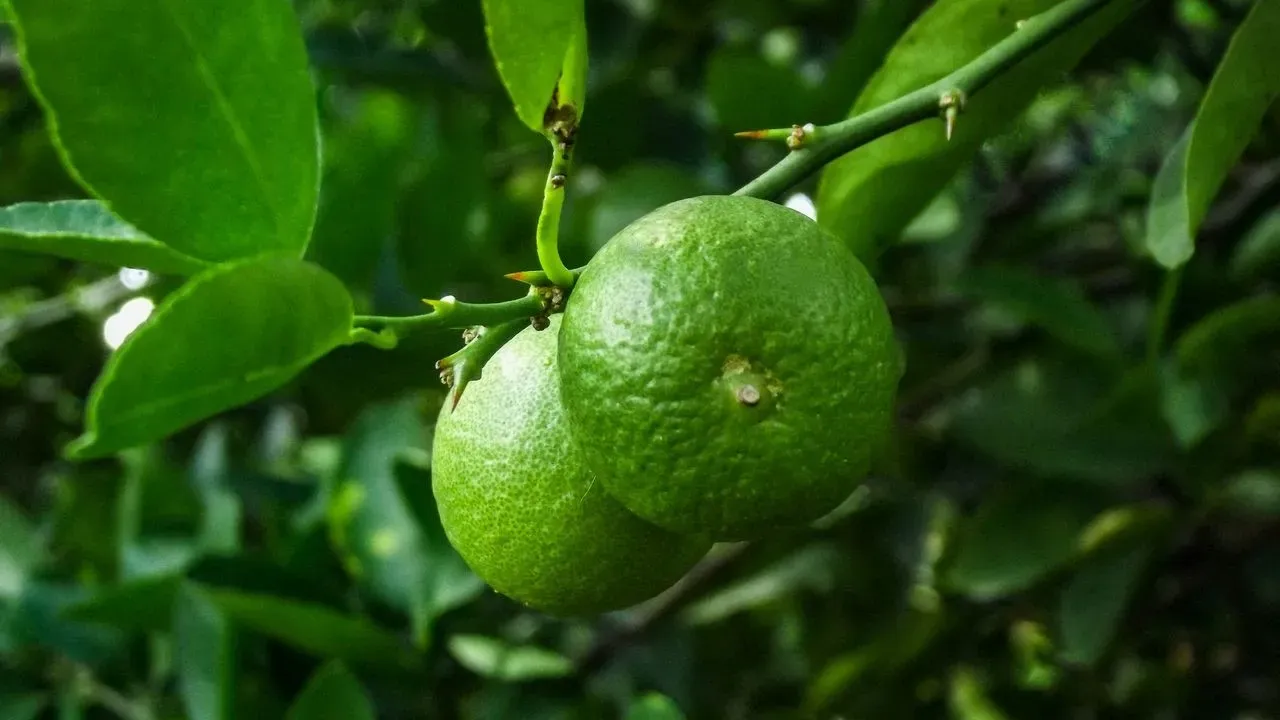
The name is easy to explain once the leaves are in view. Adromischus cristatus has rosettes of triangular fleshy leaves with unique wavy margins. The tips curl into a ruffled edge, and foliage is covered in tiny hairs which can give the plant a glaucous appearance. Shoppers should not confuse this plant with the citrus that inspired the pie. The Key lime tree is best known as the namesake flavoring ingredient in Key lime pie, and it is a separate species altogether.
Light and Water Decide Most Outcomes
Gardeners who keep this succulent healthy tend to get the light right first. These plants love the sun, so make sure to give the crinkle leaf plant enough sun or it can etiolate, growing thick aerial roots which can look unappealing to some people. Indoors, a bright window works well, though intense midday sun can scorch the leaves. In hot regions, afternoon shade instead of sun is the safer choice.
Watering is where most problems begin. Overwatering is one of the most common problems with key lime pie plants. Growers commonly use a soak and dry approach, and allow the soil to dry out completely between waterings. Watering needs drop in cooler months. During the dormant period in fall and winter, the crinkle leaf plant requires less frequent watering. Fertilizer should be used sparingly, since too much fertilizer can burn the roots of your plant.
What matters now: bright light, a fast-draining cactus or succulent mix, and restrained watering cover most of the care. Plants that are stretched or dropping leaves usually signal a light or moisture problem rather than a disease.
Indoors or Outdoors
The plant’s flexibility is one reason it has gained a following. It works as a compact indoor specimen, and it can also fill a garden bed in suitable weather. When growing indoors, the crinkle leaf plant is well-suited to average warm temperatures between 65-75°F. Cold tolerance is limited, however. One grower notes that this is not a cold hardy plant. Gardeners in colder areas are advised to bring this plant indoors during the cooler months, as its chubby leaves are susceptible to frost damage.
The plant also grows slowly and stays small. One care guide describes it as a small outdoor plant with a compact succulent that grows to about 6 inches tall. Other sources list a larger spread, so buyers should check size details before choosing a pot.
Propagation and Pests
Propagation is straightforward, which helps explain why many growers share cuttings. Set the leaf aside for a few days until the end dries out and forms a callus. It’s very important for a callus to form, otherwise the leaf will absorb too much moisture and will rot and die. The callused leaf is then laid on top of the soil.
Pest pressure is usually light. Crinkle leaf plants are relatively disease and pest-resistant. Mealybugs are the main nuisance to watch for. They hide along the stems among the aerial roots and in leaf joints. Pet owners should also note that one care guide classes the plant as mildly toxic to pets.
For a plant that asks for bright light, a light hand with water, and a little patience, the key lime pie succulent offers a distinctive look that suits a windowsill or a sunny patio. Its name may draw attention, but its ruffled leaves and simple routine explain why it stays on the list for many gardeners.
AI Disclaimer: This article was created with the assistance of AI tools and reviewed by a human editor.