
Long before refrigerators became a household fixture, families relied on a quiet underground science to survive winter. A well-run root cellar wasn’t just a storage room – it was a carefully managed system where knowing what you had, and when you stored it, made the difference between eating well in February and going hungry. The labeling system at the heart of that process was deceptively simple but remarkably effective.
The logic was practical: in a cold, dark space packed with crates, bins, and hanging bundles, memory alone couldn’t keep track of dozens of varieties stored at different times. A clear label, a harvest date, and a designated zone were the tools that turned a cellar full of produce into a reliable food supply. That approach hasn’t gone anywhere – it’s still the backbone of serious root cellaring today.
A Practice Rooted in Centuries of Necessity
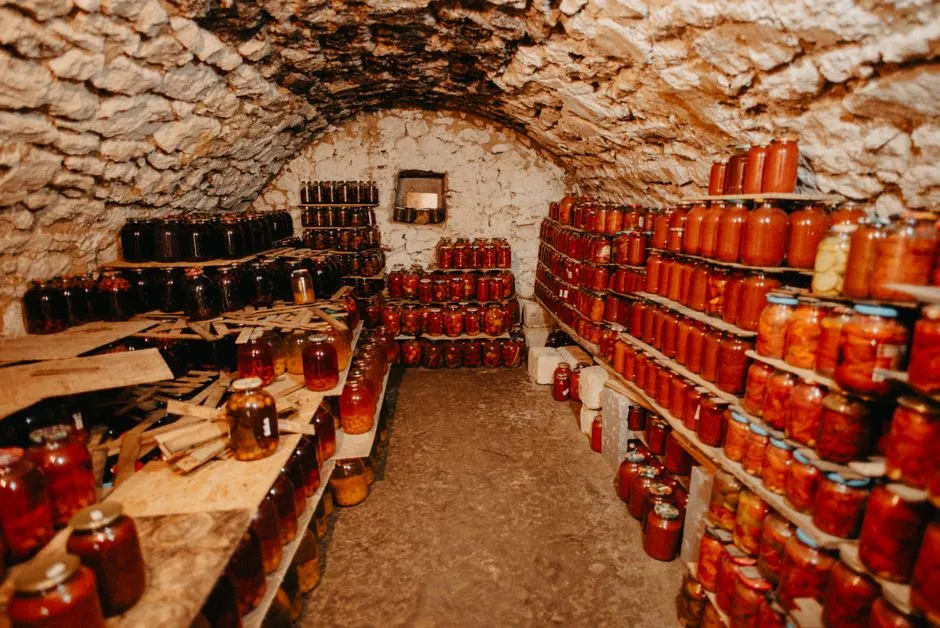
The first walk-in food storage cellars appeared in Europe during the 17th century, and while root cellars were used in England, they became far more commonplace in the New World, especially during the 17th and 18th centuries. The challenge of storing food through harsh winters pushed settlers toward practical solutions that could be standardized and passed down.
During that time period, almost every farmstead in what is now New England had a root cellar that enabled people to keep their produce cool in the summer and above freezing in the winter. Organization wasn’t optional – it was survival. A family that couldn’t locate its beets in January or forgot which crate held the older carrots was a family that wasted food it couldn’t afford to waste.
The Temperature Foundation That Made Labels Matter
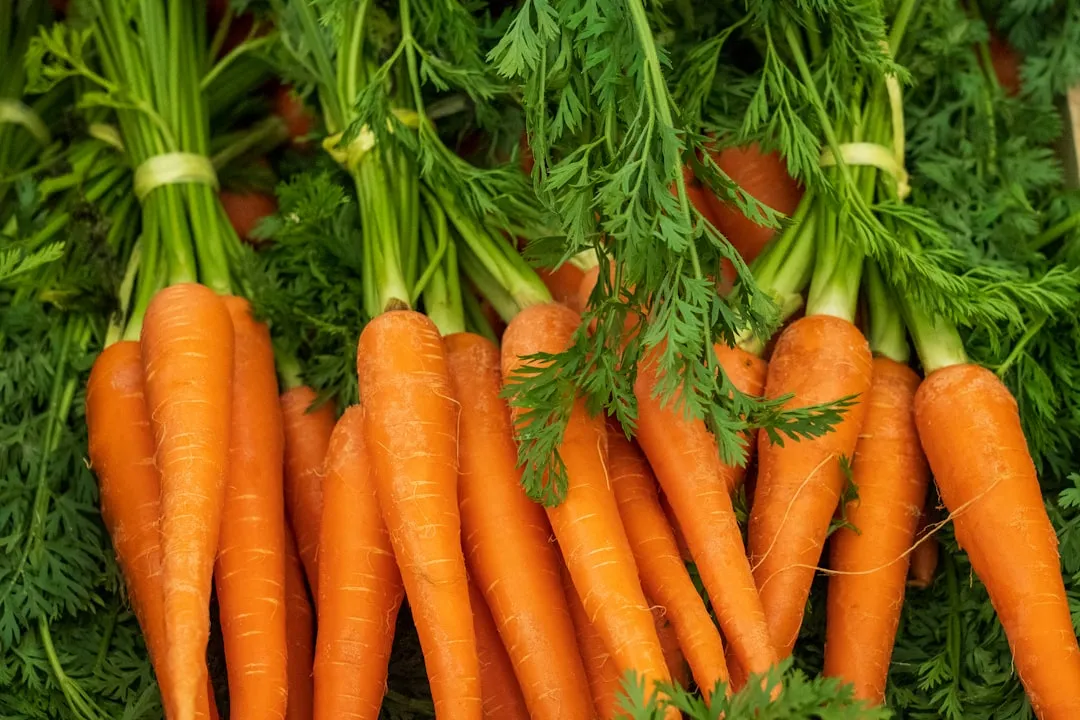
Most root vegetables will keep longest at temperatures between 32 and 40 degrees Fahrenheit with 90 to 95 percent humidity. These conditions are stable enough to be reliable across an entire winter, but only if everything else in the cellar is properly managed – including what’s stored where and for how long.
The length of time that fruits and vegetables keep well in root cellars depends on several factors: early or late crops (late-maturing crops store better), storage conditions (less-than-ideal conditions shorten storage life), and fruit and vegetable condition at storage time (proper curing of damage-free produce results in longer storage life). Without labels marking harvest date and crop variety, tracking those variables becomes nearly impossible by mid-winter.
What the Labels Actually Said
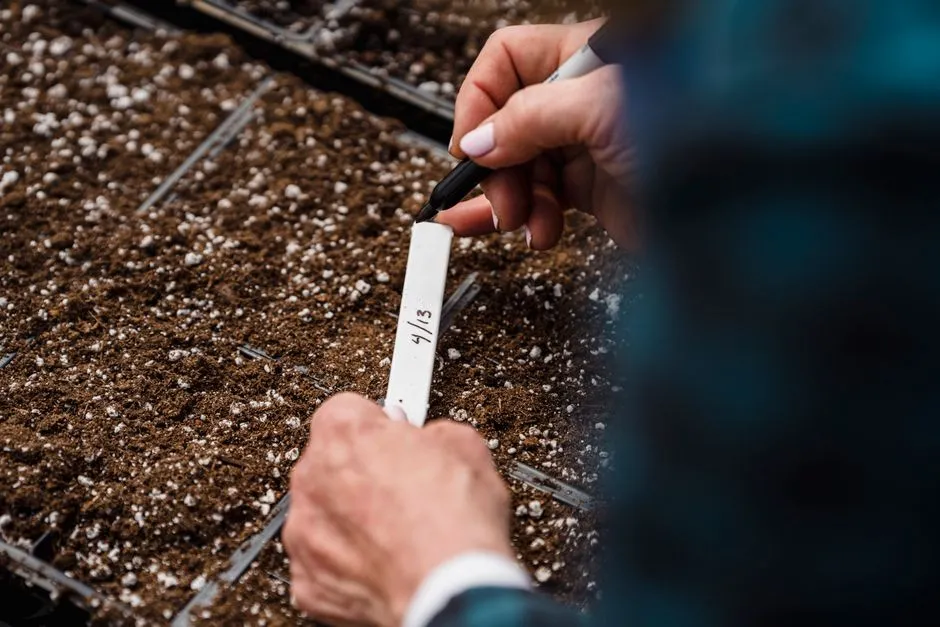
Writing the crop, variety, and harvest date on a tag and attaching it securely to each crate is a system far superior to writing directly on wooden crates, as it allows you to reuse them year after year for different crops. Families who ran productive cellars generally tracked at least three things on every container: what the food was, when it came in, and roughly how long it was expected to last.
Labeling containers with contents and harvest dates is essential. Clear labels prevent confusion and simplify inventory management, a key factor in reducing waste. Using waterproof markers or stick-on labels that withstand humidity and temperature fluctuations is the practical approach. In conditions where moisture is constant and temperatures hover just above freezing, labels that fade or peel become useless within weeks.
The First-In, First-Out Rule That Prevented Waste
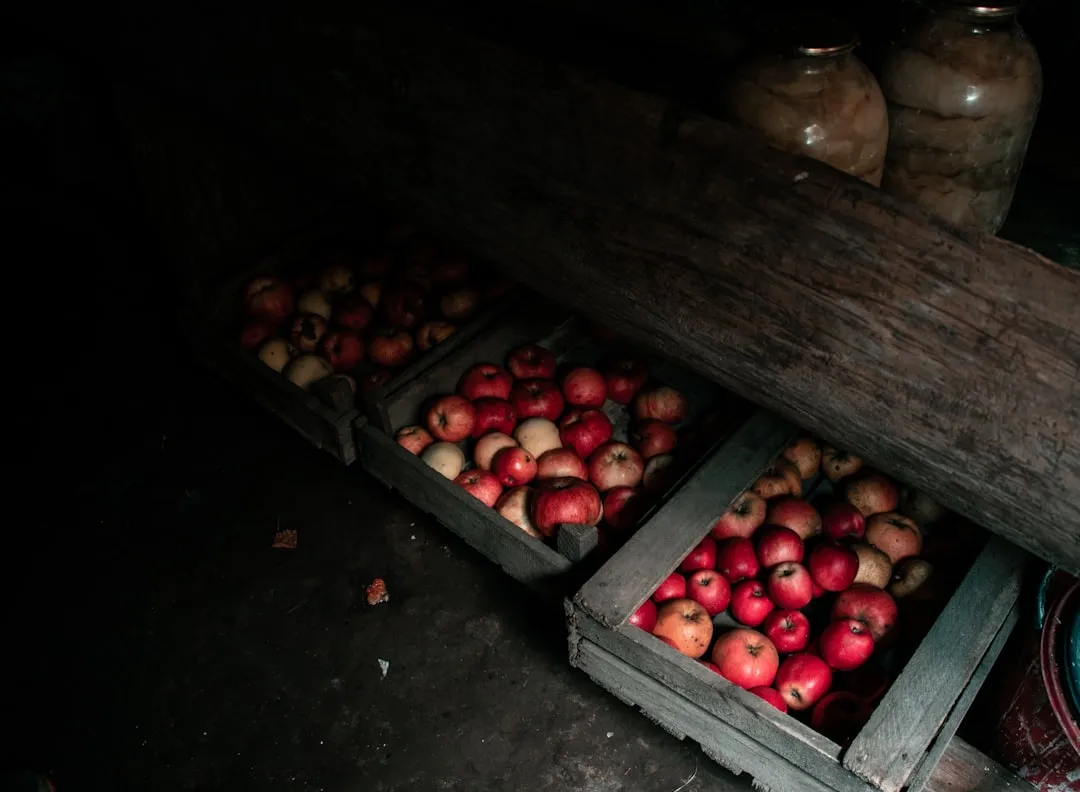
Adopting a first-in, first-out system is vital for root cellar organization. Regularly checking stored produce and rotating older items toward the front or top of storage units prevents spoilage and maximizes freshness. This principle – borrowed today by grocery stores and commercial kitchens – was already being practiced in farmhouse cellars centuries ago out of pure necessity.
Using labels with dates or harvest information to track freshness levels is the core of this rotation system. Some modern root cellars integrate digital monitoring systems that alert you when items are nearing their expiry date, which is especially useful for larger storage setups. The underlying logic, though, is identical to what a farmer’s wife was doing with a chalk board and good memory in 1820.
Zoning: Why Everything Had Its Place
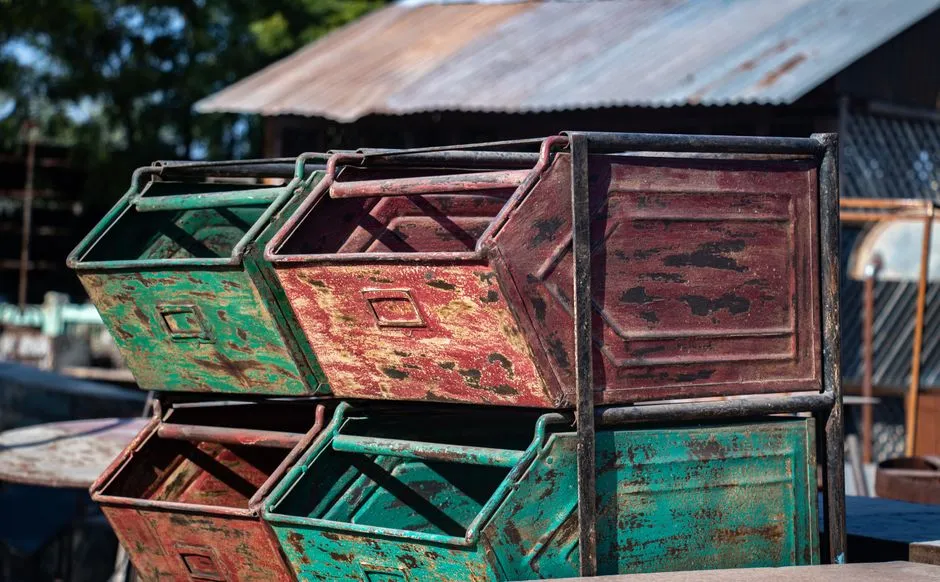
Root cellars were underground rooms outfitted with shelving to organize produce and canned goods while shielding them from excessively dry, cold air and other adverse environmental factors. The organization wasn’t random. Experienced families assigned zones based on the specific needs of each crop, and those zones were consistently labeled to prevent confusion when reaching into a dark corner in January.
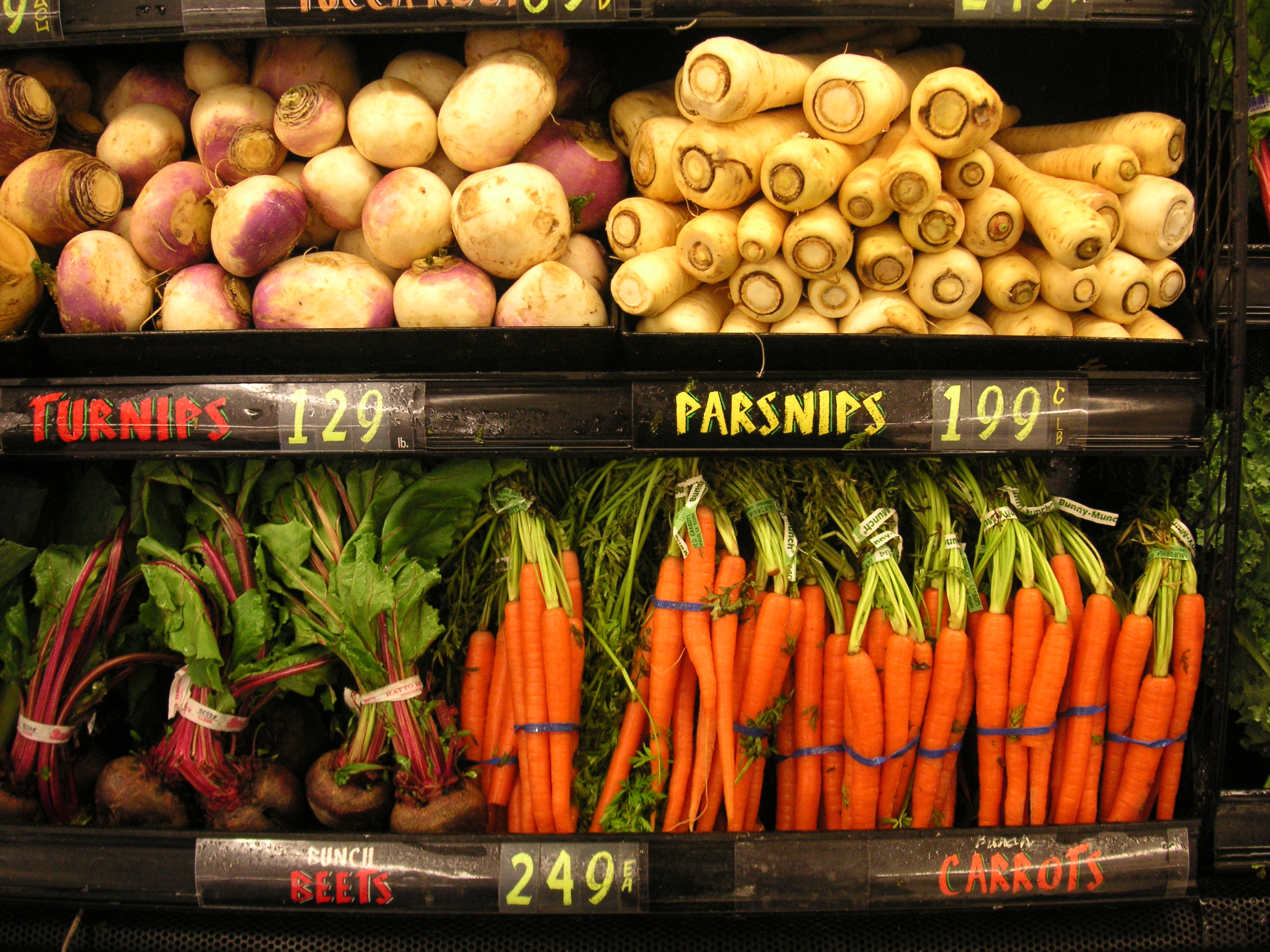
Keeping all root vegetables such as carrots, parsnips, and beets together in one zone and using labeled bins or baskets to maintain order simplifies rotation, ensuring older produce gets used first and reducing waste. Consistent categorization enhances overall storage efficiency and prolongs shelf life. Modular bins and zones with color coding and labeled rows make rotation fast and intuitive.
The Ethylene Problem and Why Labels Helped Solve It
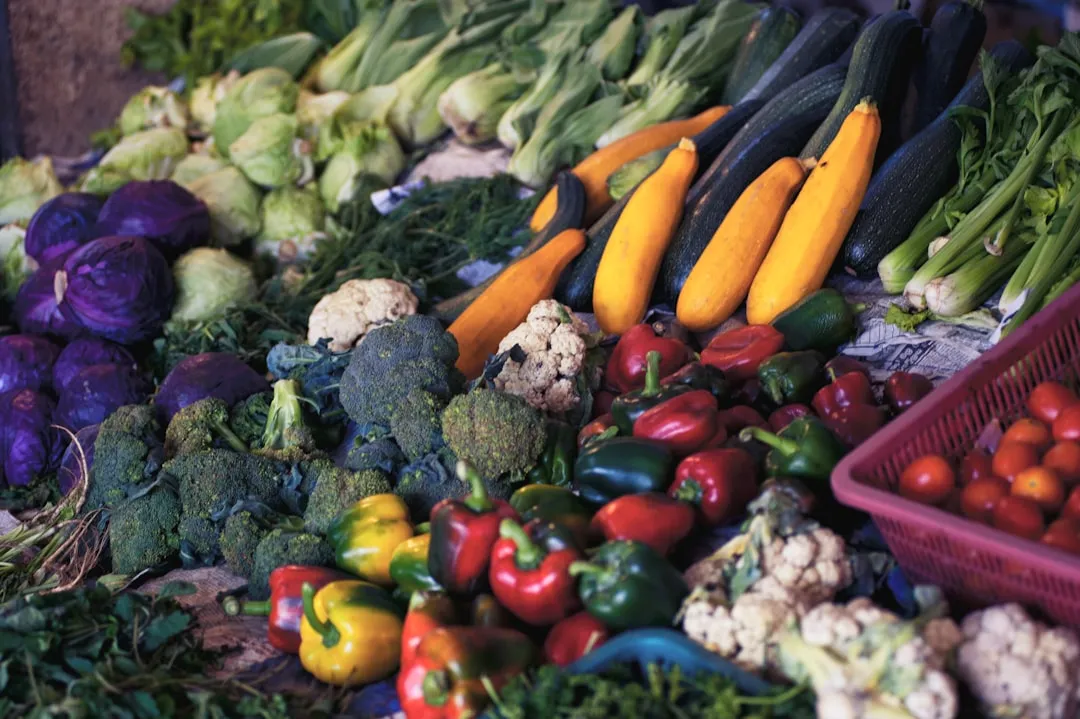
As fruits such as apples and pears ripen, they give off ethylene gas which decreases the storage life of vegetables. This is especially evident with potatoes, which sprout early if stored near certain fruits. Without clear zone labels, misplacing even a basket of apples near potato bins could trigger early sprouting across an entire crate within weeks.
Ethylene gas can cause sprouting, decay, mold, yellowing, shrinking, toughness, softness, bitterness, and other damage. There are five major elements that a root cellar requires, and ventilation is one – some fruits and vegetables give off ethylene gas, which can cause other produce to spoil. Clearly labeled separation zones between fruit and vegetable areas weren’t just convenient – they were chemically important.
How Long Things Actually Lasted
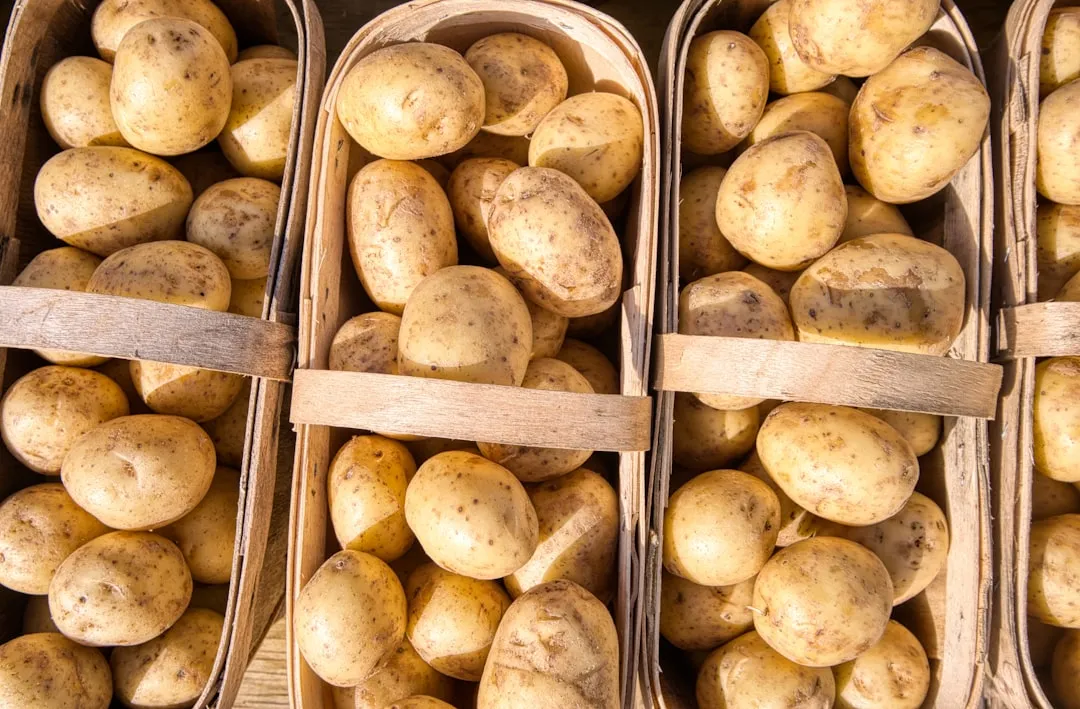
Many vegetables, especially root crops such as potatoes, can be kept well through the entire winter, as long as the required temperature and humidity are provided. Beets stored at 32 degrees will keep for four to six months. Depending on the cultivar, apples will keep for two to six months if stored at 32 degrees Fahrenheit. These timelines, when written onto labels, gave families a practical roadmap for planning meals and managing consumption across the coldest months.
In addition to the sturdy root and cole vegetables, you can also store celery, leeks, Brussels sprouts, pepper, grapes, escarole, and citrus fruits in a cold room for shorter periods ranging from two to eight weeks depending on the type of vegetables and the conditions. Shorter-lived items needed to be labeled clearly and positioned in the most visible spots so they’d be reached first.
Hanging, Packing, and the Art of Organized Storage
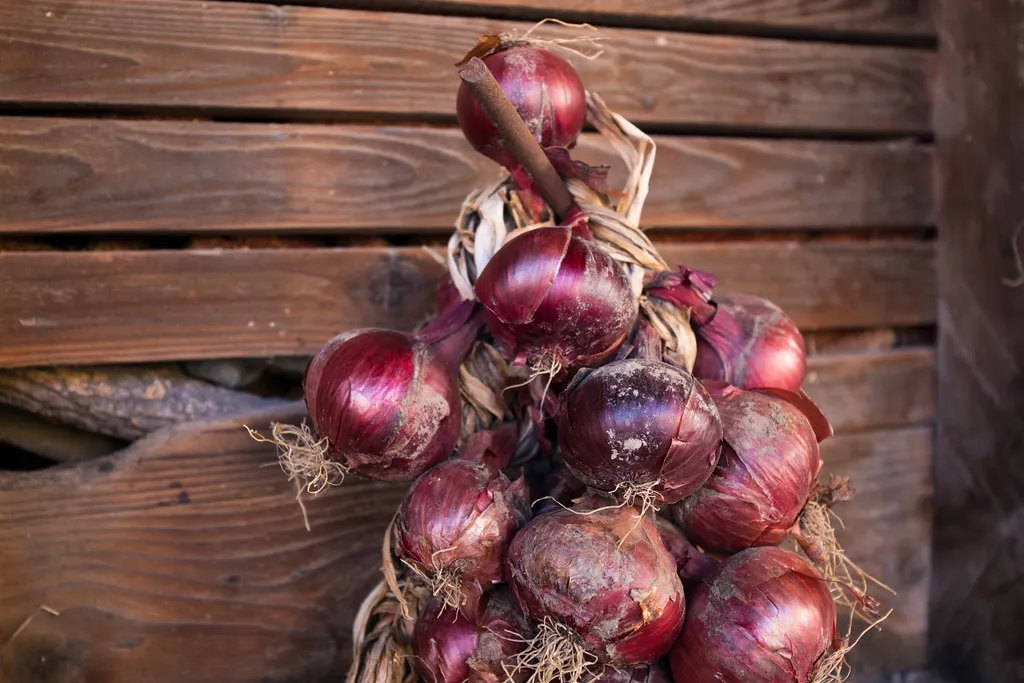
Prevailing wisdom on how to store things usually went something like this: garlic and papers hanging, beans dried and strung or canned, potatoes in piles together (sometimes buried in sand), apples in bushels, and cured meat hung from hooks, often in a cloth bag if possible. Each method had a purpose tied to the crop’s moisture needs and ripening tendencies, and each zone that housed these items was labeled accordingly.
Onions are best stored in a cool, dry location with good air circulation. Onions are often braided or put in a mesh bag and hung from the ceiling of the root cellar. Hanging labels attached to those braids told the family exactly when the onions were harvested, helping them decide whether to use them before mid-winter or hold them longer.
The Role of Pest Control in Keeping the System Intact
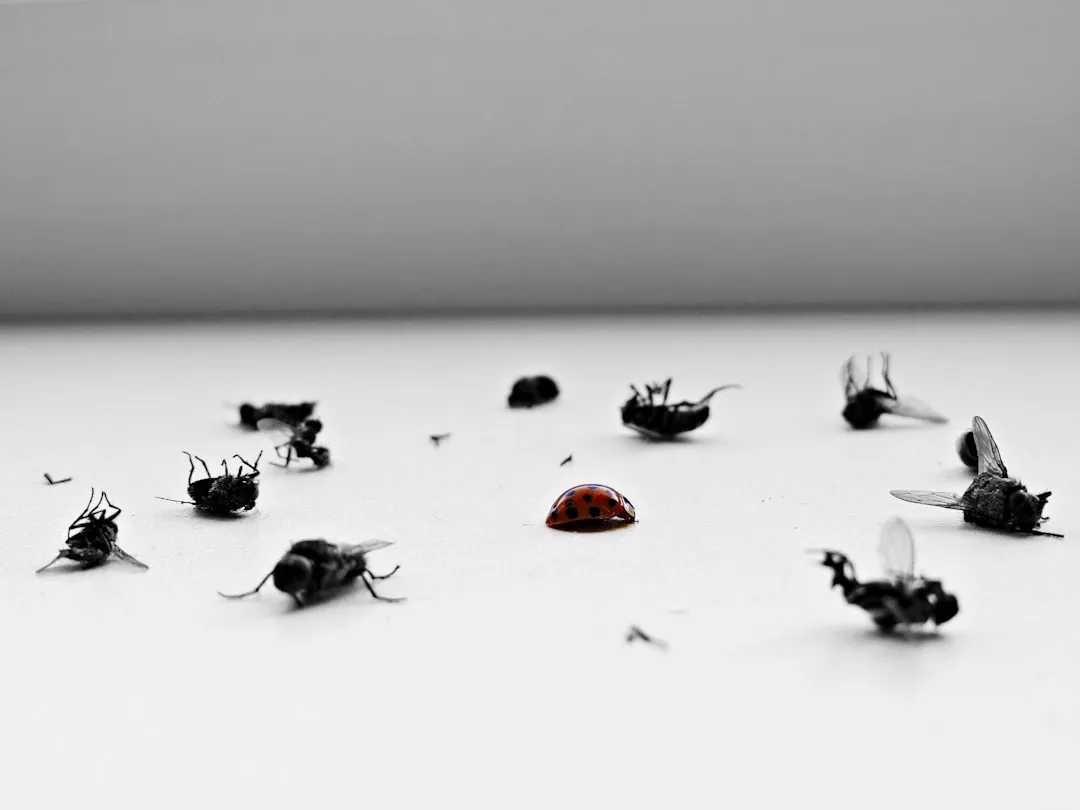
Historically, root cellar shelves were painted with lime washing, a mixture of slaked lime and water, to prohibit pests and insects from disturbing their crops. Pests didn’t just eat food – they destroyed labels, overturned bins, and created the kind of disorder that made an organized cellar unworkable. Keeping the space clean and pest-free was therefore directly tied to maintaining the labeling system.
Certain types of wood, such as cedar, are naturally resistant to insects and mold, making them an ideal choice for shelving. The wood should be untreated to avoid chemicals potentially affecting stored produce. Sturdy, well-built shelving also meant labels stayed in place and bins didn’t shift, which was a bigger problem than it sounds in a space visited daily throughout winter.
The Modern Revival and What It Borrows from the Past
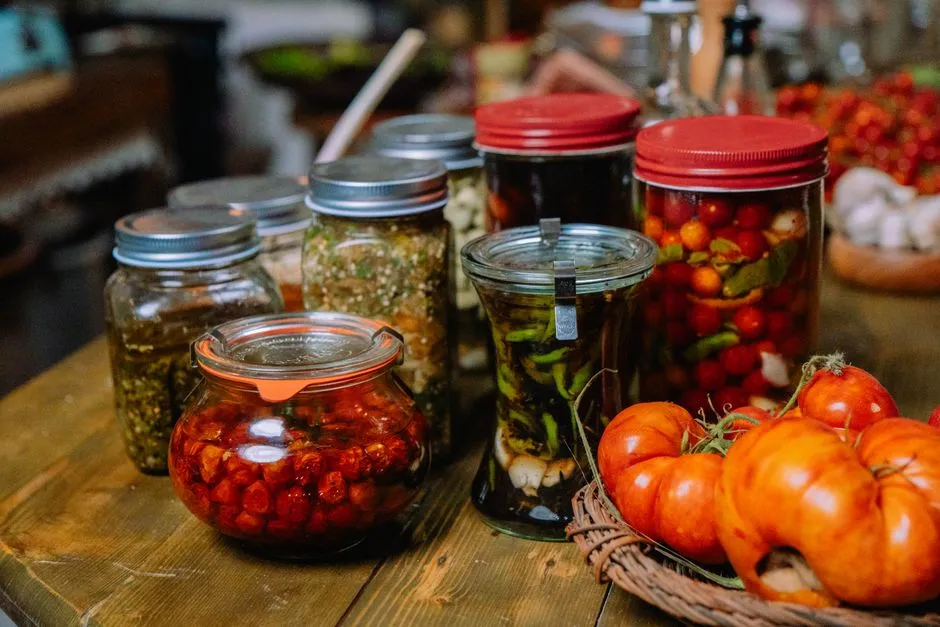
Today, root cellars have returned to keep food from freezing during the winter and keep food cool during the summer to prevent spoilage. The renewed interest in food self-sufficiency, local growing, and reducing energy dependence has brought the root cellar back into mainstream homesteading conversation. The labeling system it relies on has barely changed in two centuries – it just has better materials.
In 2025, incorporating modular shelving units made of food-grade materials allows flexibility as storage needs evolve. Labeling each area and using clear containers also helps keep everything organized, reducing spoilage. Modern tools can make a traditional root cellar even more dependable without sacrificing low-tech charm – data logging with Bluetooth or Wi-Fi thermometers and hygrometers track trends and alarms help you respond to heat waves or cold snaps.
The Quiet Intelligence of Knowing What You Have
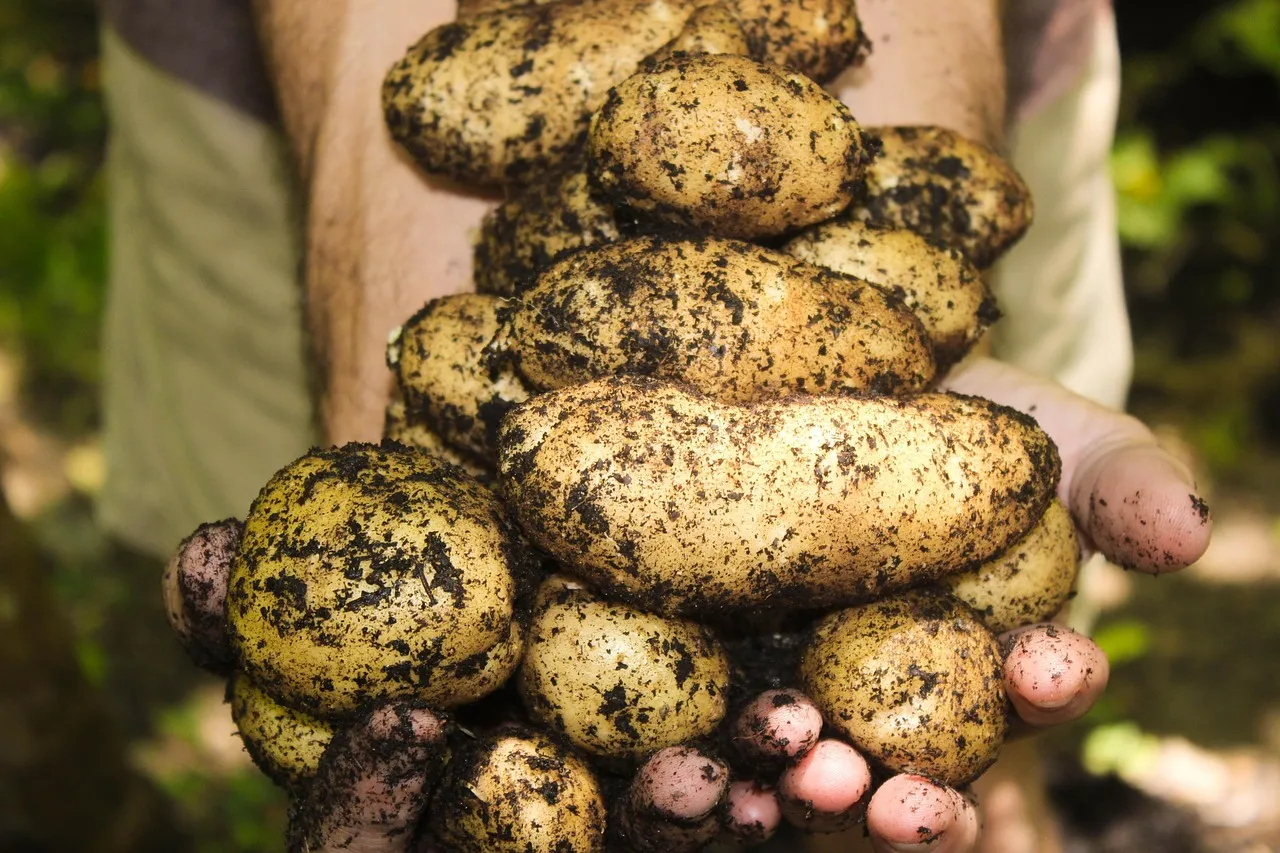
There’s something worth sitting with here. The root cellar labeling system wasn’t invented by agronomists or food scientists. It was worked out over generations by ordinary families who couldn’t afford to guess. They knew that a bin of unmarked carrots and a bin of unmarked parsnips look identical in the dark. They knew that eating last month’s potatoes before this month’s meant nothing went soft and forgotten in the back corner.
A homestead pantry is more than just food storage – it is the physical bank of hard work in the garden, orchard, and coop. Keeping this inventory organized ensures that nothing goes to waste and families stay well-fed through the lean winter months. The label was never just a label. It was evidence of care, planning, and the quiet confidence that comes from knowing exactly what’s waiting in the dark, and exactly how long it will last.
AI Disclaimer: This article was created with the assistance of AI tools and reviewed by a human editor.