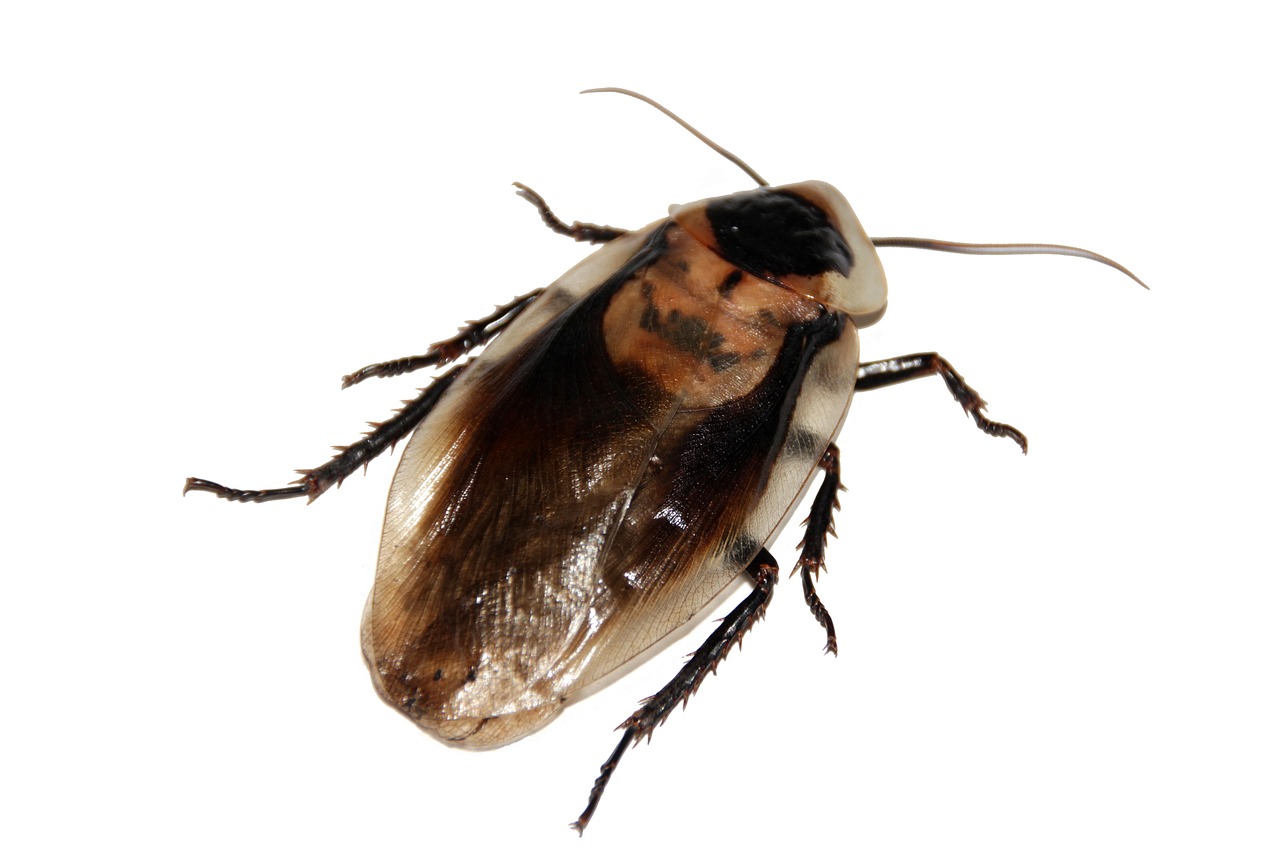

Most people clean around it without a second thought. A tiny, brownish capsule tucked behind the refrigerator or beneath a cabinet hinge gets swept away with the crumbs, and that’s that. What they don’t realize is that they may have just disturbed a roach egg case, also known as an ootheca, and possibly left dozens of others behind.
It’s one of the quieter pest problems in homes today. Since egg cases are often tucked away in hidden areas, they are commonly mistaken for regular household debris and are often ignored. Understanding what you’re actually looking at, and why it matters, is the first step toward getting ahead of an infestation before it gets out of hand.
What Exactly Is an Ootheca?
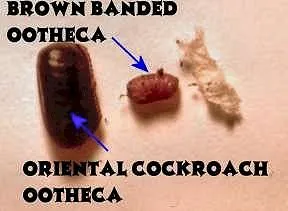
Cockroaches do not lay individual eggs the way many insects do. Instead, the female produces a hardened capsule called an ootheca that holds all of her eggs in a single protected casing. The word comes from Greek, loosely meaning “egg container,” and that description is apt.
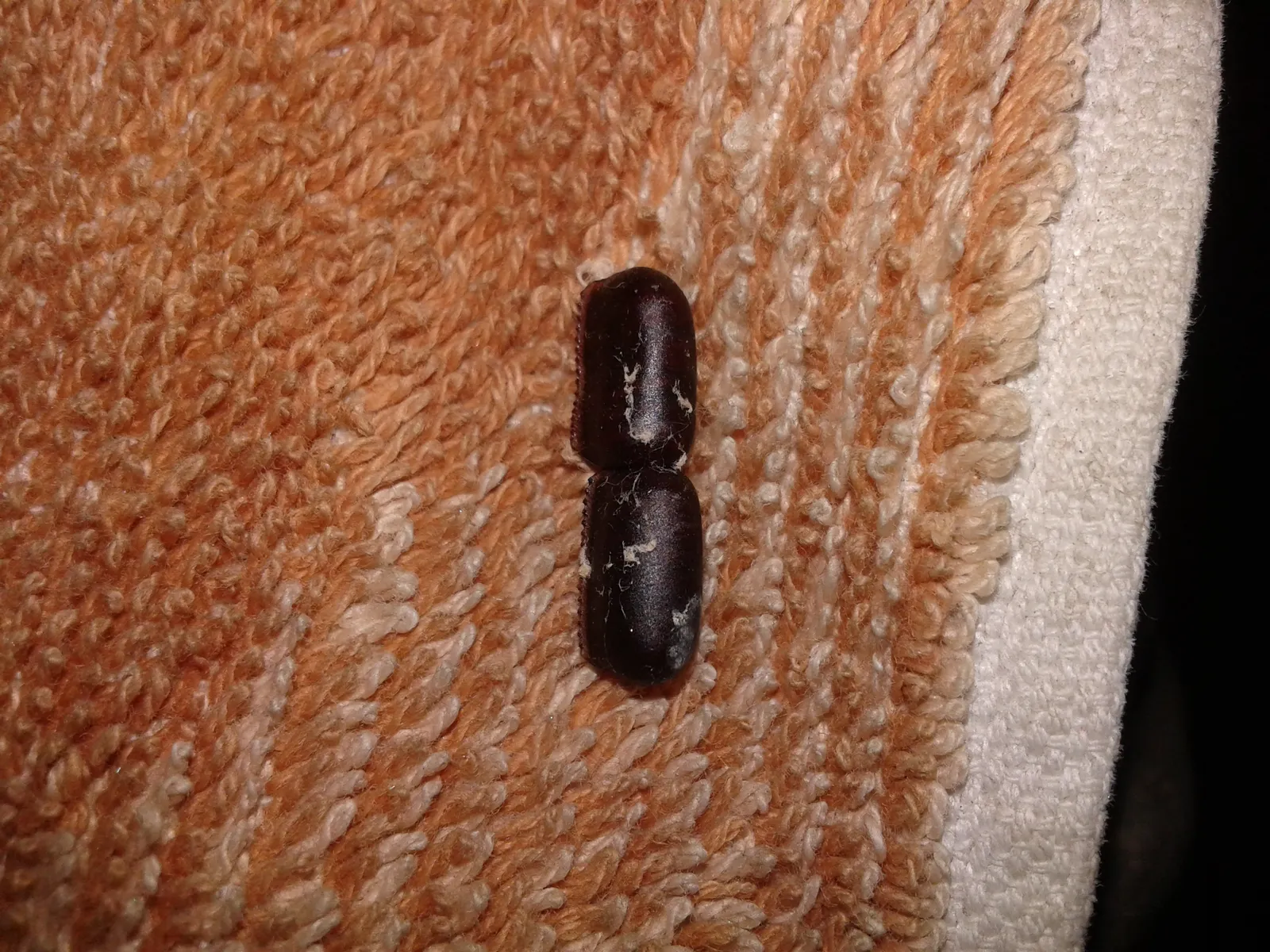
An ootheca contains many eggs and is encased with a protein substance that hardens into a sturdy, protective casing. This casing is typically shaped like an inflated, curved bean capsule and is usually anywhere from red to dark brown or black in color.
These casings are designed to resist drying out, predators, and many common household pesticides. That last point alone makes them far more consequential than a simple crumb or speck of dirt on a shelf.
Why It Looks So Much Like Dirt
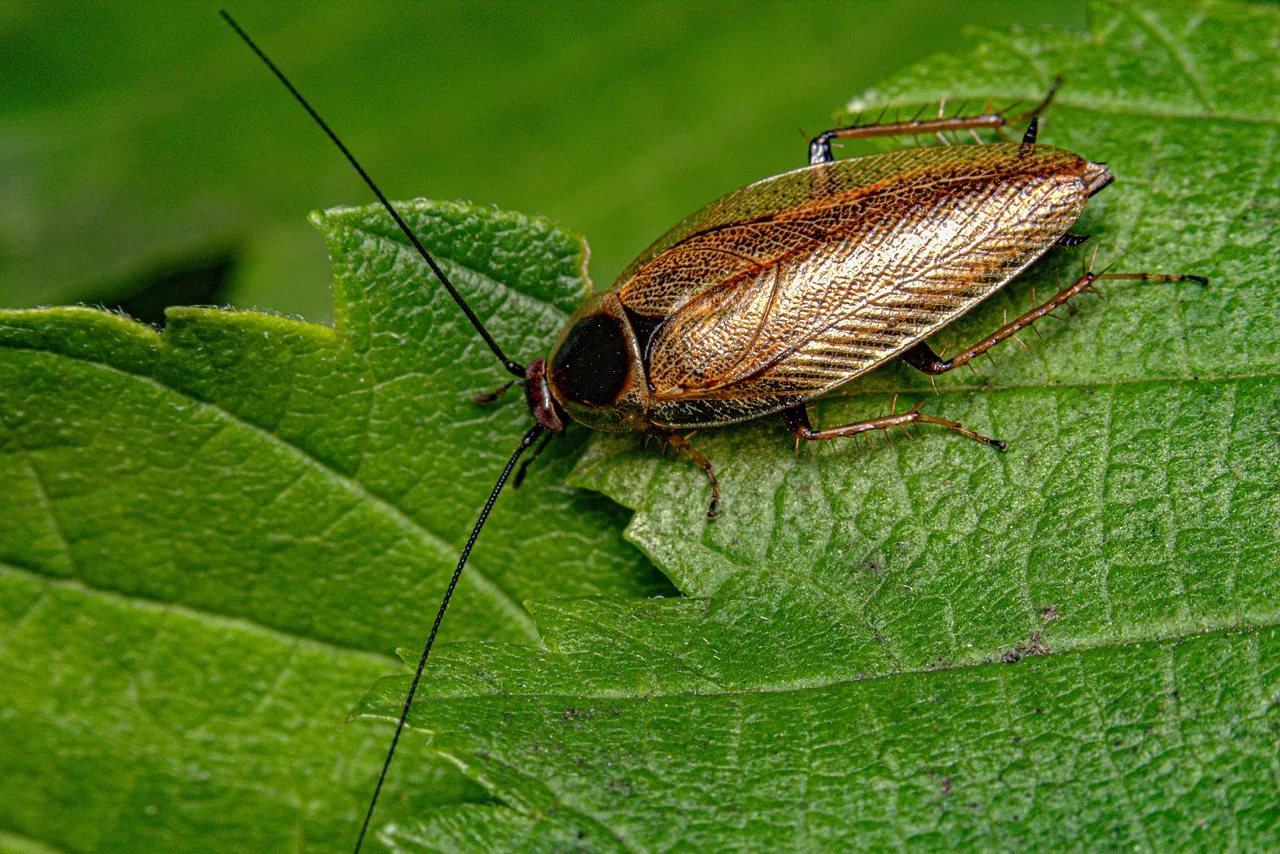
Cockroach egg sacks look like tiny dried kidney beans or miniature purses. They range from 5 to 12 mm depending on the species and have a visible seam running along the top. In low light, near baseboards, or against dark cabinet wood, that description is basically indistinguishable from everyday debris.
Brown-banded cockroach cases are the smallest at around 5 mm and can easily be mistaken for a piece of dirt. It can be easy to confuse with a small piece of dirt or a food particle, which is why these are frequently missed during inspections.
Brown-banded oothecae are small enough to be mistaken for dirt, seeds, old glue, or furniture debris. Their location often separates them from German roach cases, as brown-banded roaches are more likely to place egg cases in warmer, drier, higher areas. So the usual suspect locations, like kitchens and bathrooms, may not even be where you need to look.
The Species Differences That Matter
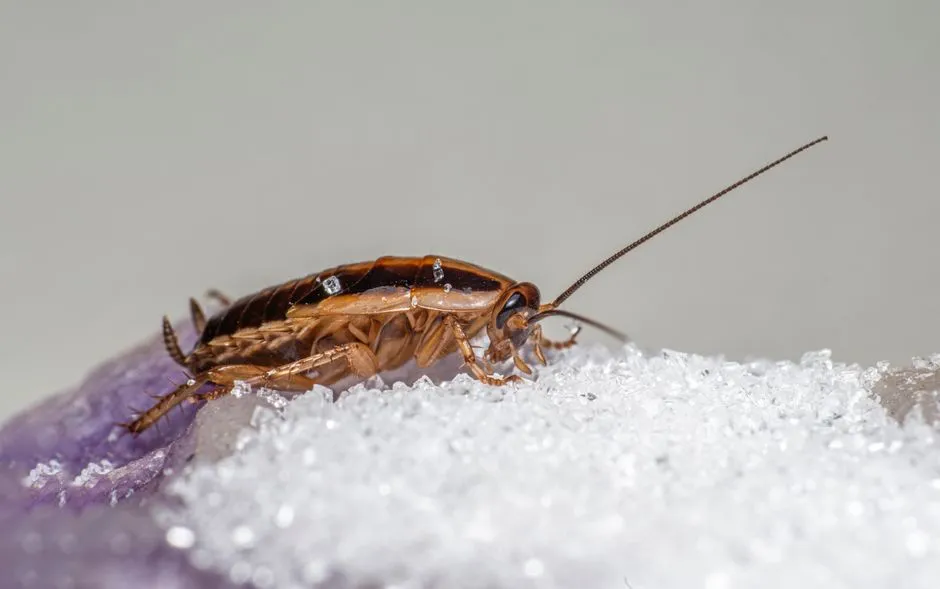
German cockroach oothecae are tan, small (6 to 9 mm), hold 30 to 50 eggs, and are carried by the female until just before hatching. That carrying behavior is what makes them especially tricky to detect early on, since you won’t find cases deposited around the home until the female is ready to drop them.
American cockroach oothecae are dark brown, approximately 8 mm, hold 14 to 16 eggs, and are glued in hidden moist locations rather than carried. They are often deposited in hidden areas of the home near moisture, such as basements, utility rooms, and bathrooms.
Oriental roach egg cases are usually dark reddish-brown to nearly black. Their naturally dark color is one reason they are often confused with droppings or dirt. Oriental roach egg cases are usually about 8 to 10 mm long, similar in length to American roach oothecae but often darker and more inflated-looking.
How Many Eggs Are Actually Inside
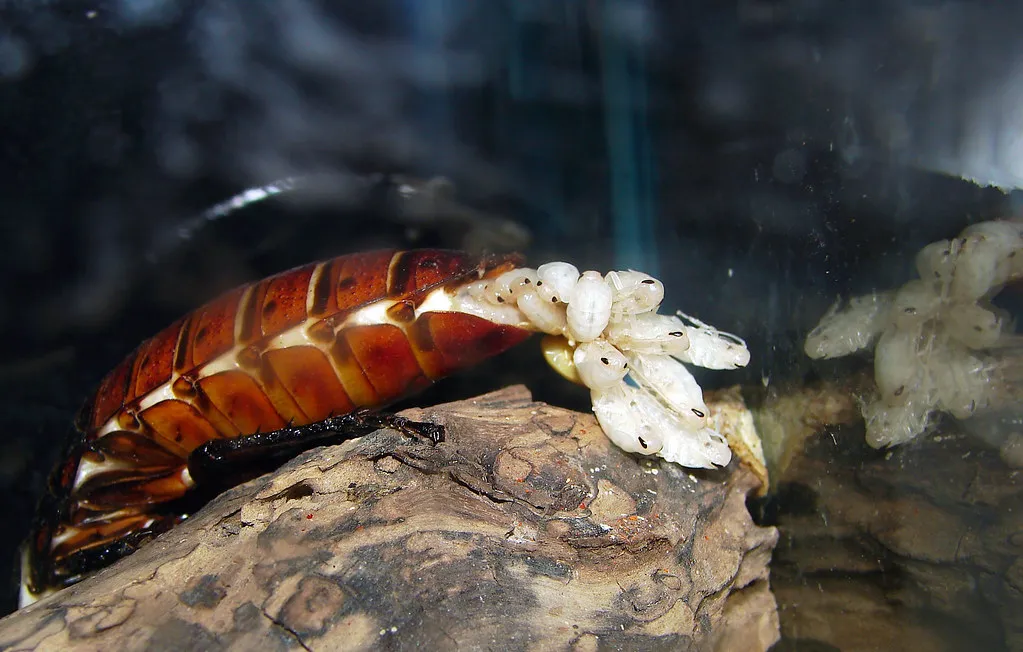
A roach egg case, also called an ootheca, is a protective capsule that contains multiple roach eggs, sometimes 30 to 40 eggs in a single case depending on the species. This egg case shields the developing roaches until they’re ready to hatch, which can take anywhere from a few weeks to a couple of months.
The University of Florida IFAS Extension reports that a single German cockroach ootheca can carry 30 to 48 eggs, while other household species typically hold 10 to 28. That range matters a lot when you’re trying to gauge how serious a situation is.
With 30 to 50 eggs per case and a female capable of producing 4 to 8 cases in her lifetime, a single German cockroach can be responsible for over 300 offspring. That number alone reframes what it means to spot a single case near a baseboard.
Where These Cases Hide in Your Home
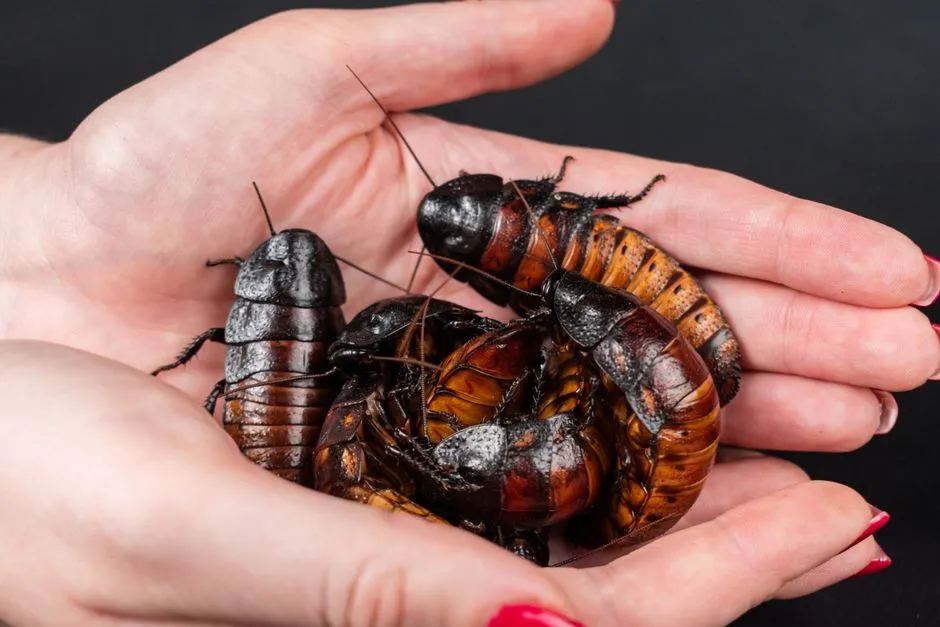
Roaches are strategic when it comes to egg-laying, and they usually choose locations that offer protection, warmth, and access to food and moisture. Common areas where egg cases may be found include behind appliances such as refrigerators and stoves.
You’ll typically find them tucked into dark, protected spots near food sources, think kitchen cabinets, bathroom corners, and storage areas. Brown-banded roaches commonly hide egg capsules away from kitchens and bathrooms, so bedroom furniture, electronics, and shelving units deserve a look too.
This strategy is particularly effective in busy households and in urban environments where roaches encounter frequent disturbances. The darker, tucked-away locations also shield eggs from cleaning activities, allowing a hidden population to persist even when visible roaches are temporarily removed.
The Ootheca vs. Roach Droppings: A Critical Distinction
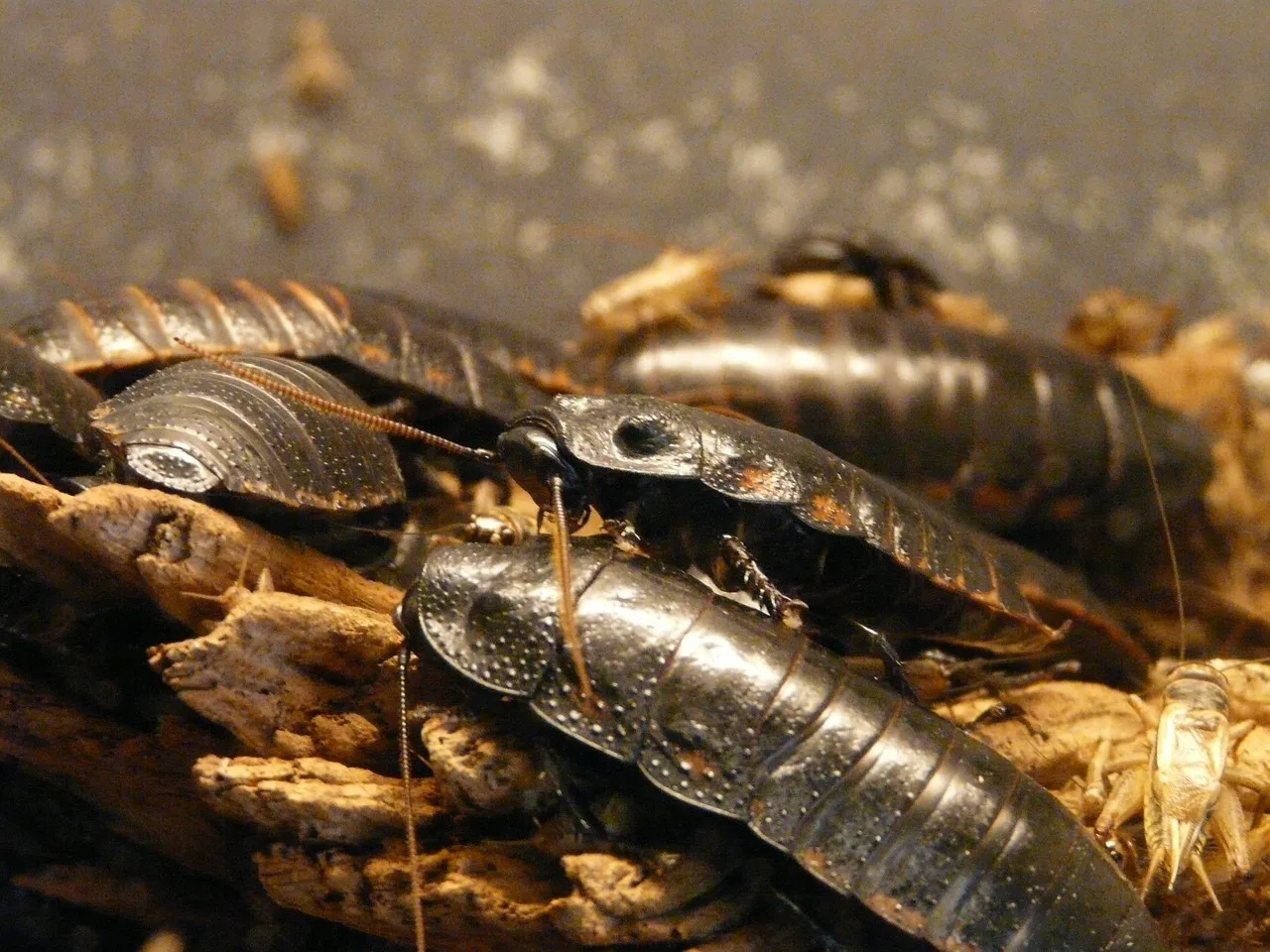
Homeowners frequently confuse cockroach eggs with cockroach droppings. The distinction is critical because finding droppings means roaches are feeding nearby, but finding an egg case means the population is about to multiply exponentially.
Cockroach egg cases are uniformly shaped, distinct pill-like capsules ranging from a quarter to three-eighths of an inch long. They have a hard, leathery texture and distinct ridges or seams. Droppings, by contrast, look more like coarse black pepper or coffee grounds scattered without uniform shape.
Unlike random dirt, crumbs, or stray bits of plastic, oothecae possess a distinct structure. They are rigid, often segmented, and have a uniform shape, indicating they were once a protective casing for developing embryos. Once you know that, the difference becomes easier to spot on second look.
How Fast They Hatch and What Comes Next
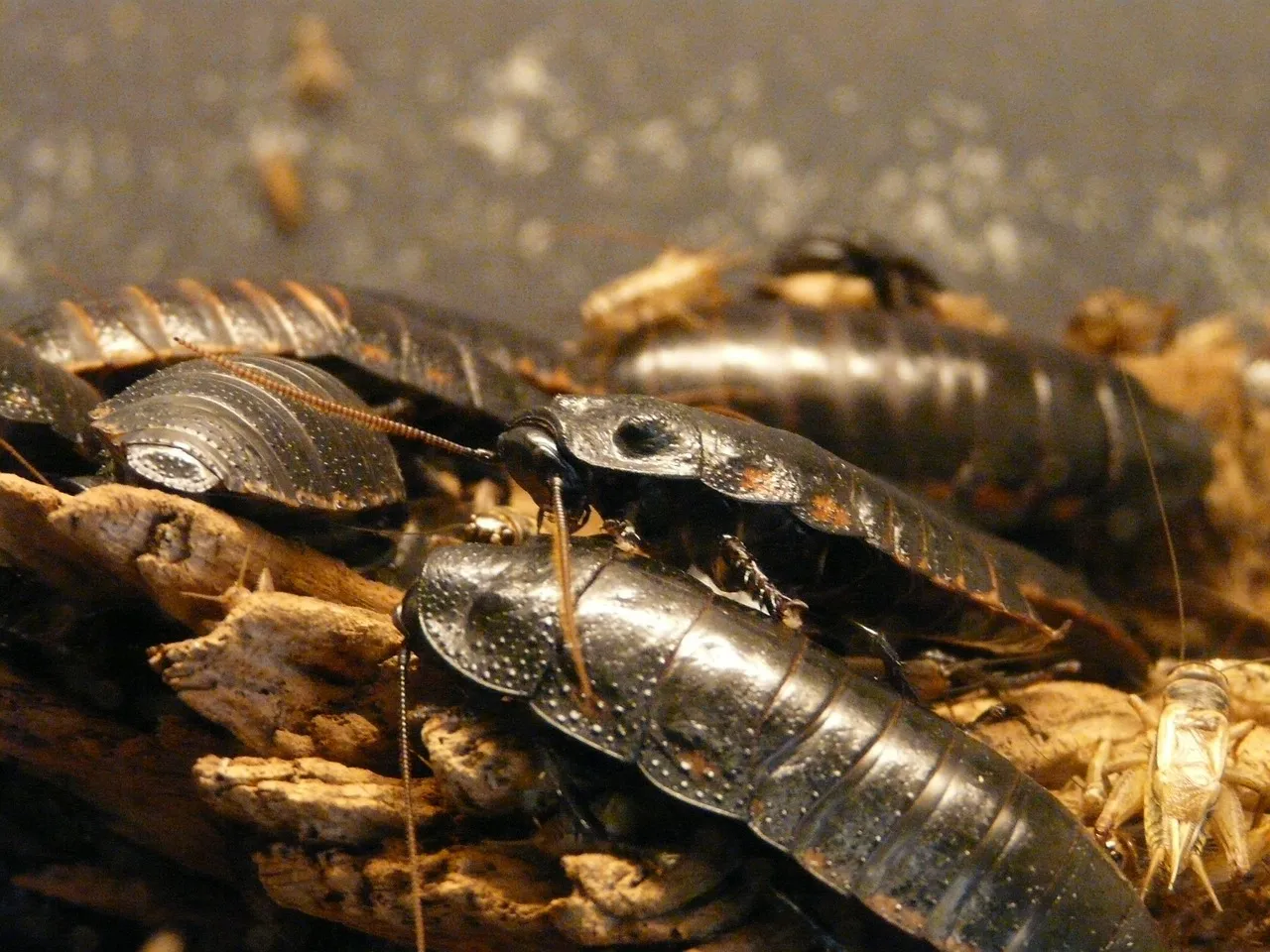
Hatching takes 20 to 60 days depending on temperature and humidity conditions. Warmer homes with more humidity accelerate that timeline considerably. A case laid in a warm kitchen could be hatching within three weeks.
A female German cockroach will produce an ootheca just about every six weeks. German roach eggs will hatch in about 30 days at ideal room temperature. That means one active female, producing cases every six weeks for several months, can fill a wall void or cabinet space with dozens of nymphs.
Because some species can lay a new egg case every few weeks, one roach can lead to hundreds of new cockroach eggs over time if left untreated. This reproductive pace is why pest professionals treat egg case discovery as an urgent finding rather than a minor one.
The Health Risks Tied to an Active Infestation
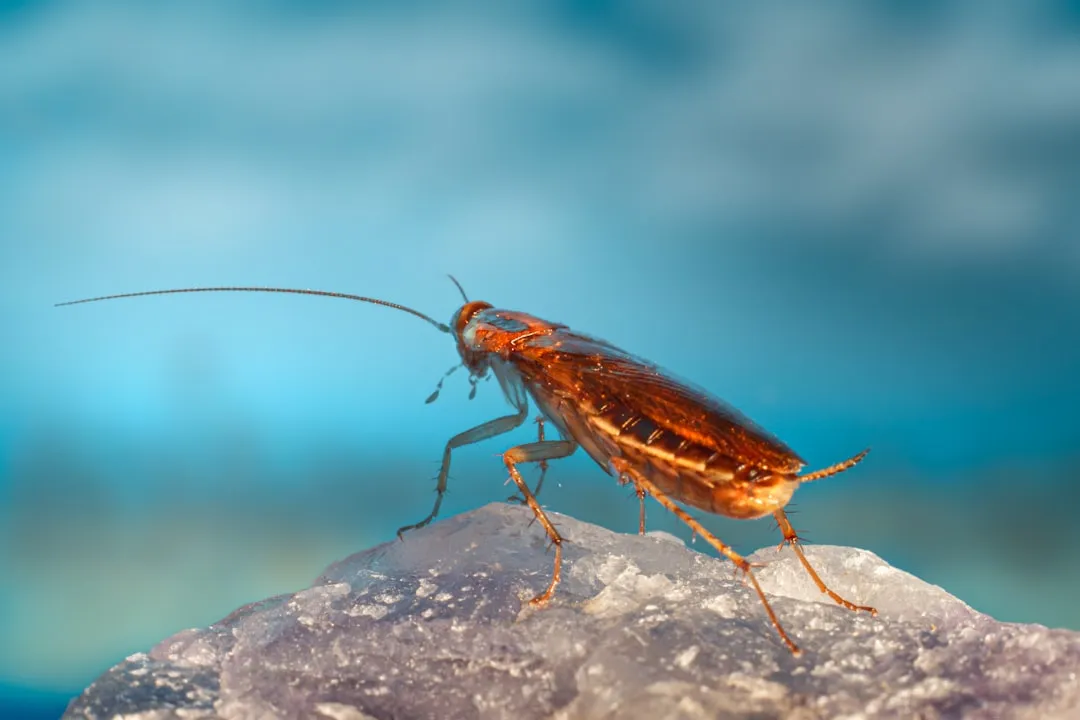
Cockroaches represent a major threat to human health due to their contribution of asthma-exacerbating allergens and the potential to transfer pathogenic microorganisms indoors. An egg case is not just a reproductive sign; it signals that an allergen-producing colony is likely already established nearby.
Sensitization to cockroach allergens is one of the strongest risk factors for the development of asthma in low-income urban populations worldwide. Most significantly, the vast majority of inner-city homes in the U.S. test positive for cockroach allergens, and a similarly high proportion of inner-city children with asthma from different populations are sensitized to cockroaches.
While the egg case itself is rarely a direct source of illness, its presence signals active cockroach activity. Cockroaches are associated with a range of health concerns, including allergic reactions and asthma, particularly in children exposed to cockroach droppings, saliva, and shed skins.
Why Common Sprays Won’t Solve the Problem
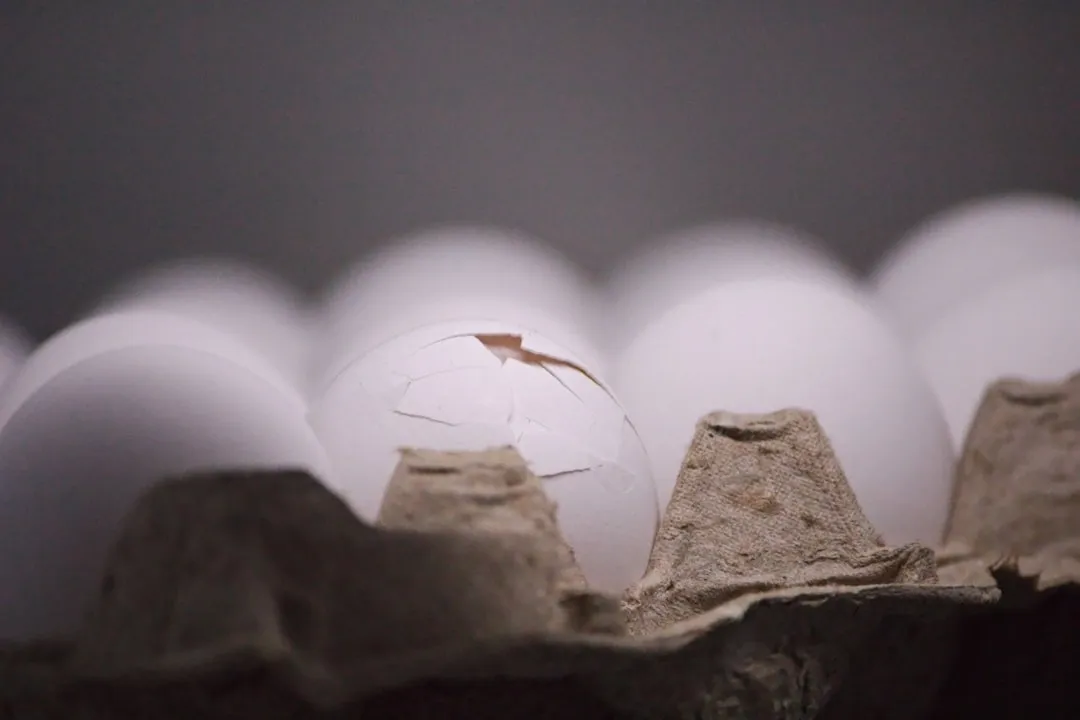
The shell does real work. It keeps the eggs from drying out, absorbs physical damage, and blocks most surface sprays from ever reaching the embryos inside. That last point is why infestations survive treatments that seem to work at first.
Insecticide resistance has occurred to every insecticide class introduced for cockroach control since the early 1950s. A 2024 study published in the Journal of Economic Entomology found that both susceptible and insecticide-resistant German cockroaches will freely walk across pyrethroid-treated surfaces without arresting on them.
Cockroach baits have been revolutionary for both controlling cockroaches and reducing pesticide loads in urban housing, but baits have not been immune from resistance either. This is why finding and physically removing or destroying egg cases is considered an essential part of any treatment plan, not just spraying surfaces.
What You Should Actually Do When You Find One
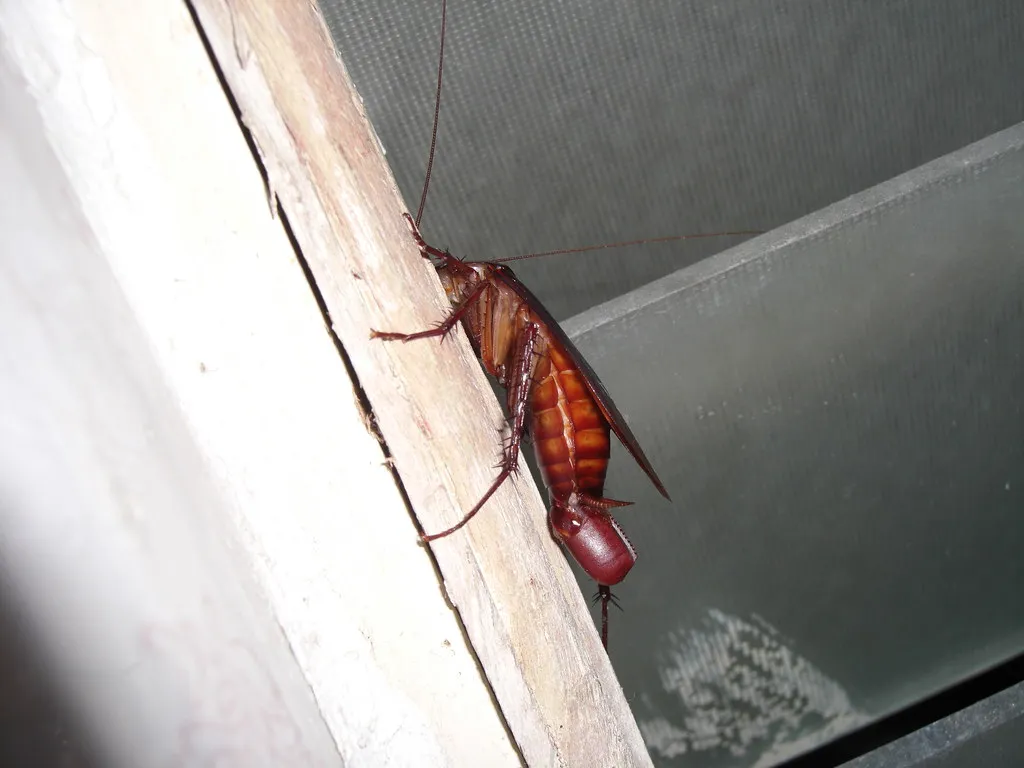
Even if you get rid of cockroaches once you see them, it doesn’t solve the issue of hidden egg cases. Physically removing or destroying every case you find is a necessary step, not an optional one.
Active oothecae appear plump and firm, while empty ones look shriveled. Finding one case suggests others are likely nearby. So a systematic inspection of all shelving, appliances, wall joints, and storage areas is warranted, not just a cursory glance at the obvious spots.
Finding egg cases during an inspection is often the most reliable early indicator of an active infestation. If you find more than one, or find them in multiple rooms, professional pest management is the more practical route. Integrated Pest Management strategies that combine physical removal, targeted baits, and ongoing monitoring have a significantly better track record than single-product treatments alone.
Knowing What You’re Looking At Changes Everything
Most pest problems don’t announce themselves. They hide in the margins of a home, accumulate quietly, and only become visible once they’ve grown into something genuinely difficult to address. The ootheca is a perfect example of that pattern.
Identifying the ootheca correctly tells you the species you are dealing with, how severe the infestation may be, and how urgently you need to act. That small, leathery capsule near the baseboard isn’t dirt. It’s a signal worth taking seriously.
AI Disclaimer: This article was created with the assistance of AI tools and reviewed by a human editor.