
What Is Feline Hyperesthesia Syndrome?
Feline hyperesthesia syndrome is a condition where a cat’s skin and nervous system become hypersensitive, meaning ordinary sensations, like being touched on the lower back or tail, trigger an extreme reaction. Also known as rolling skin disease, twitchy cat disease, or rippling skin syndrome, the condition is characterized by dramatic rippling of the skin along the back, sudden episodes of frantic behavior, and apparent discomfort when touched. It was first reported in 1980 and has since been recognized as a complex and poorly understood syndrome.
Hyperesthesia syndrome in cats is a behavioral condition also associated with neurological and dermatological disorders, and is also called “rippling skin disease,” “neurodermatitis,” and “psychomotor epilepsy.” FHS represents a significant clinical challenge in veterinary practice due to its complex nature and the absence of specific diagnostic tests.
How an Episode Actually Looks
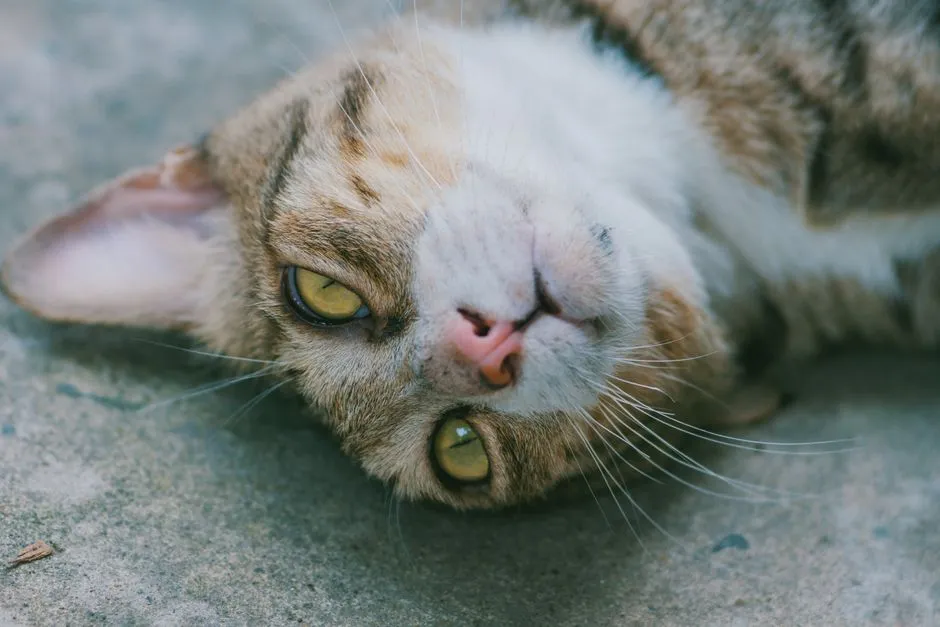
Feline hyperesthesia syndrome causes cats to have sudden episodes of rippling back skin, muscle twitching, dilated pupils, tail chasing, and frantic grooming or biting, usually lasting 20 to 30 seconds. In cats with hyperesthesia, the skin on the back ripples from the shoulders all the way to the tail, and sometimes right up the tail to the tip. This rippling or rolling movement is clearly visible in some cats, but not all.
If your cat has this syndrome, it may object when certain areas of its spine or back are touched, chase its tail, bite at itself, turn toward its tail and hiss, cry out, run, and jump. It may even appear to be hallucinating, following the movement of things that aren’t there, and its pupils may be dilated during these episodes. The syndrome will remain present for the cat’s entire life, but individual episodes only last for one to two minutes.
When Onset Typically Occurs
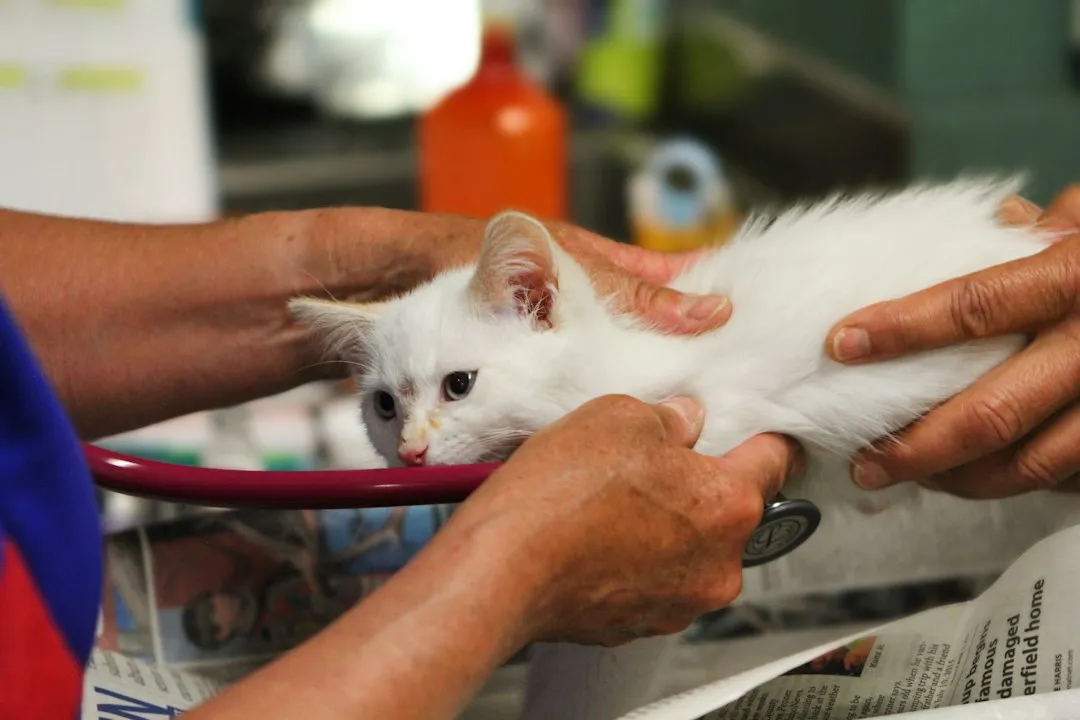
Feline hyperesthesia syndrome usually has its onset around 9 to 12 months of age, or when the cat reaches maturity. It is most common in cats younger than age seven, with the average age at onset being just one year old. A 2025 treatment study found that the median age in the studied group was 3.7 years, and 24 of the 28 cats involved were domestic shorthairs.
Which Cats Are Most at Risk?
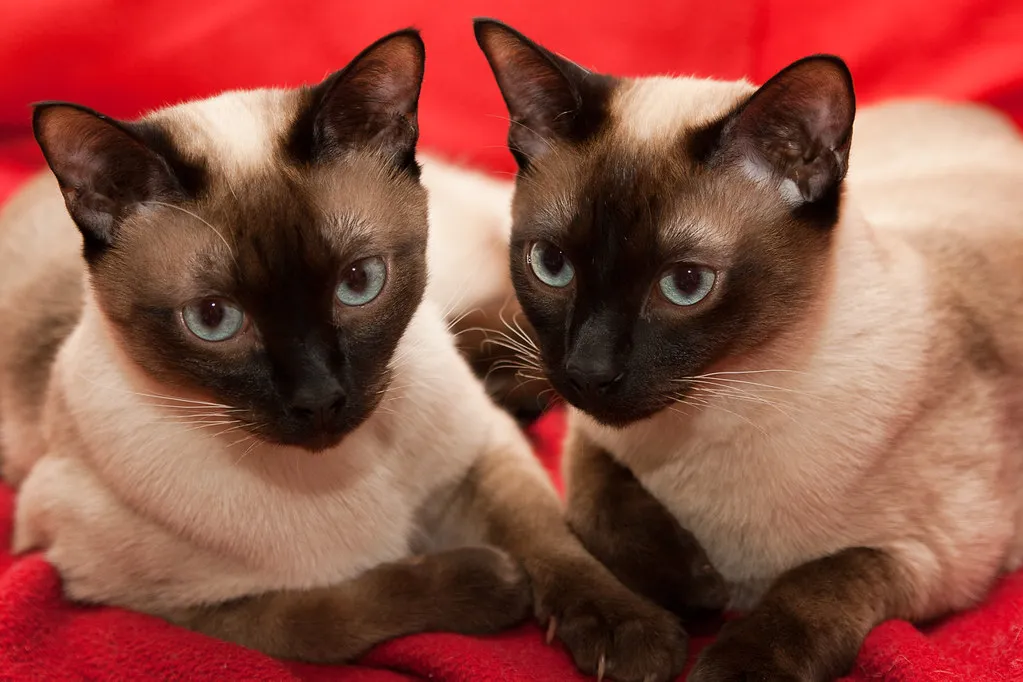
Certain breeds seem more prone to FHS, including Abyssinian, Siamese, Burmese, and Persian cats, though any cat can develop the condition. Young to middle-aged cats, particularly Siamese and other Oriental breeds, seem to be more commonly affected, suggesting a potential hereditary predisposition. Older descriptions often suggested that young Oriental breeds were overrepresented, but current evidence is too limited to use breed or age as a meaningful diagnostic rule.
A young Siamese with a twitching back should not be diagnosed from appearance alone, and an older domestic shorthair should not be excluded because it does not fit an outdated stereotype. The condition can genuinely affect any cat, at almost any age.
The Four Main Categories of Possible Causes
There are several potential causes of feline hyperesthesia, grouped into main categories: dermatological causes including food allergies, flea allergies, and skin infections; neurological causes including seizures, brain tumors, and spinal cord diseases such as intervertebral disc disease; and musculoskeletal causes such as myositis or other muscle disorders. Some experts believe that hyperesthesia syndrome may be a manifestation of anxiety or obsessive-compulsive behavior, with the abnormal grooming and skin-directed behaviors representing a coping mechanism for psychological distress.
Seizure disorders have also been proposed as a possible underlying cause, with hyperesthesia episodes potentially representing a form of partial seizure activity. It can be difficult to determine whether the cause is behavioral or medical without additional diagnostics, such as an MRI or EEG.
The Role of Stress and Environmental Triggers
Stress, anxiety, and compulsive behavior patterns can drive FHS episodes or make existing ones worse. Cats are sensitive to environmental changes, conflict with other pets, and disruptions in routine. In some cases, FHS may function similarly to obsessive-compulsive behaviors seen in other species. A 2026 case study found that the onset of clinical signs was temporally associated with the introduction of a new family member, which may have acted as a potential stressor.
A published veterinary case report documented the first known instance of scent triggering episodes of feline hyperesthesia syndrome, with episodes clearly linked to scent triggers including scented candles, cigarette smoke, and cooking spices, suggesting that scent should be considered a potential trigger for FHS episodes. Stress is broadly believed to be a significant trigger for episodes in many affected cats.
Why Diagnosis Is So Difficult
FHS remains a diagnosis of exclusion. You confirm it by ruling out common conditions that look the same, such as flea allergy dermatitis, painful spinal disease, or focal seizure activity. A 2025 study found that nearly three quarters of healthy cats displayed at least one behavior commonly associated with FHS, showing that skin rippling or occasional tail chasing has little diagnostic value when seen alone.
FHS should be a diagnosis of exclusion with possible dermatologic, pain-related, neurologic, and neurobehavioral contributors, and diagnosis should not be based on any single finding. The real diagnostic challenge is working out why the cat is reacting, rather than simply attaching the hyperesthesia label.
What Vets Actually Do to Investigate
Diagnosing feline hyperesthesia syndrome involves ruling out other, more common conditions with similar clinical signs. Recommended diagnostic tests may include a physical exam with full neurological examination, skin scrapings and cytology, diagnostic imaging such as X-rays, blood tests, urinalysis, and fecal testing. When cats are under stress, they can be very good at hiding signs of pain or discomfort. Evaluating their response to a medication targeting pain or itchiness, for example, can provide valuable diagnostic information.
Gathering information on the cat’s environment, stressors, and behavior patterns is also a key part of the diagnostic process. Video recordings of episodes at home are particularly valuable, since cats rarely perform on cue during a clinic visit.
Treatment Options Available Today
Medications such as gabapentin may reduce nerve sensitivity, and in cases with a behavioral component, antidepressants or anti-anxiety medications might be prescribed. A 2025 retrospective case series evaluated long-term clinical response to medical treatment in cats with hyperesthesia syndrome. Many cats received fluoxetine alone, while others received behavioral modification with gabapentin and fluoxetine, or behavior modification alone.
Gabapentin has been used as an analgesic treatment and, while it lessened the frequency and severity of episodes in documented cases, it did not completely resolve them. Environmental modification through consistent routines, hiding spaces, and minimizing exposure to triggers, alongside behavioral therapy through interactive play and enrichment, and dietary adjustments such as omega-3 fatty acids or hypoallergenic diets when food sensitivities are suspected, round out the broader management approach.
When Vets Genuinely Worry
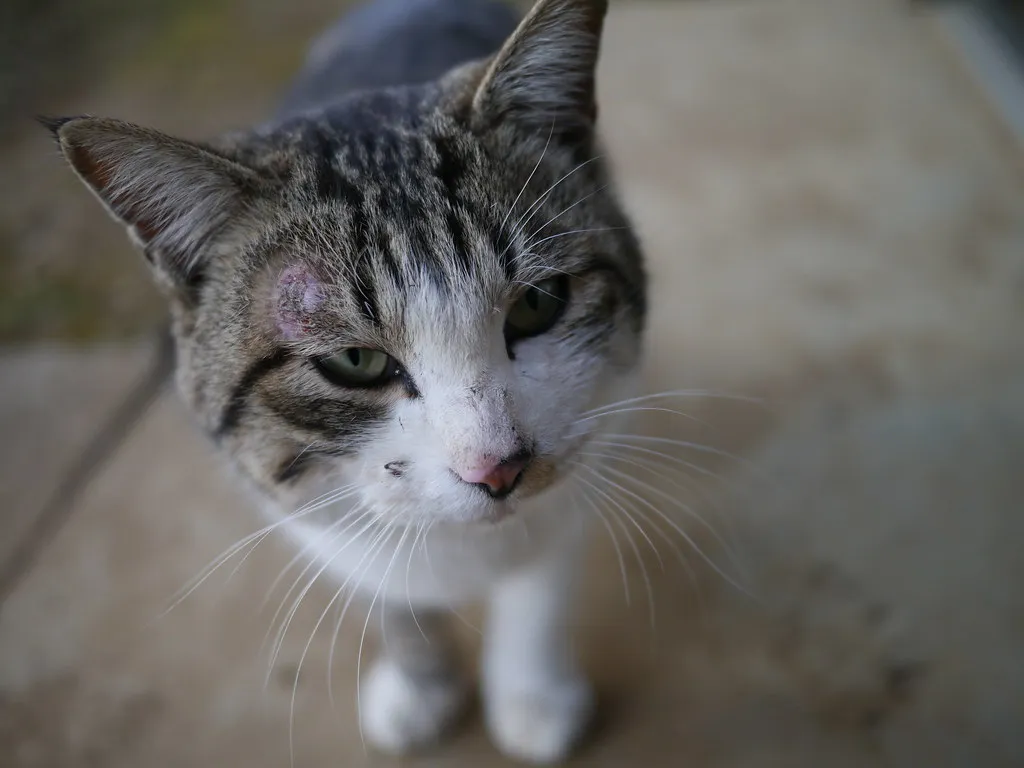
A subset of cats with FHS and tail self-trauma are often young and commonly male, and these cases document the clinical severity of this presentation. They frequently require faster escalation of protective strategies such as an e-collar and wound care, along with earlier multimodal drug therapy. Cats who experience repeated self-mutilation, where biting at the tail or flanks breaks the skin, are at risk of serious infections, and untreated severe cases can significantly impact a cat’s quality of life.
Cats with severe symptoms, significant self-mutilation, or poor response to treatment face a more guarded prognosis, and complications such as severe wounds or secondary infections can further affect outcomes. A cat that is hurting itself, losing weight, or showing escalating distress needs prompt veterinary attention rather than a wait-and-see approach.
Prognosis and Long-Term Outlook
FHS is a chronic condition, but it is manageable in most cases with appropriate treatment and lifestyle adjustments. While some cats respond very well to medical therapy and environmental modifications, others may experience intermittent flare-ups. Long-term management typically involves lifelong medication, regular monitoring, and occasional adjustments to the treatment plan. Fortunately, with consistent care, most cats can live comfortable and fulfilling lives.
Long-term outlook includes the possibility of symptom fluctuation over time. Periods of good control may be interrupted by flare-ups, particularly during times of stress. Regular veterinary monitoring helps catch changes in symptom patterns early and allows for timely adjustment of the management plan. The overall prognosis is good, provided the cat doesn’t self-mutilate excessively.
A Final Thought
Rippling skin on a cat’s back sits in an uncomfortable middle ground: recognizable enough to have a name, yet complex enough that no single test confirms it. The honest reality is that good outcomes depend more on the process of elimination than on any single drug or quick fix.
What most vets agree on is this: the earlier the investigation begins and the more carefully stressors and underlying conditions are addressed, the better a cat’s chances of returning to a calm, comfortable life. If something about your cat’s behavior strikes you as genuinely off, that instinct is worth a conversation with your vet. The rippling skin might look dramatic, but with the right approach, it rarely has to define a cat’s life.
AI Disclaimer: This article was created with the assistance of AI tools and reviewed by a human editor.