
What a Reverse Sneeze Actually Is
Reverse sneezing, also known as paroxysmal respiration or inspiratory paroxysmal respiration, is a common respiratory event in dogs. With this condition, the dog rapidly pulls air into the nose, whereas in a regular sneeze, the air is rapidly pushed out through the nose.
The dog undergoes reverse sneezing to expel an irritating agent. Normally, a regular sneeze helps by expelling the irritating agent in the nasal cavity. Reverse sneezing is a way of the pet’s body to expel an irritating agent slightly further down at the nasopharynx or the area near the soft palate.
It’s a “paroxysmal” respiratory response, meaning that it comes in spasm-like episodes. That word sounds dramatic, but it simply means the response arrives suddenly and intensely, then resolves just as quickly.
How Common Is It, Really
A study based on a questionnaire answered by owners of 779 dogs found that the total prevalence of dogs experiencing reverse sneezing was 52.9%. That’s roughly half of all dogs, which puts things in perspective immediately.
Reverse sneezing is a reflex triggered by nasopharyngeal irritation, which manifests as a paroxysm of loud inspiratory noise accompanied by a labored respiratory effort. It constitutes a common cause of consultation, as pet owners often worry and find these episodes to be stressful situations.
Most dogs have a long history of low-frequency reverse sneezing without other clinical signs. Worrying as it looks, the vast majority of dogs live perfectly normal lives alongside the occasional episode.
Which Dogs Are Most Affected
Reverse sneezing is a condition that affects all types of dogs, but more commonly smaller dogs such as miniatures, terriers, and brachycephalic breeds. Research shows that brachycephalic dogs and cats are more prone to develop reverse sneezing than other dog or cat breeds.
A significantly higher representation of toy dogs under 5 kilograms (about 50%) and small-sized dogs between 5 and 15 kilograms (about 27%) was found in clinical cases, in comparison to medium and large-sized dogs.
The percentage of females was significantly higher in the group of dogs with reverse sneezing. The most prevalent profile appears to be a geriatric neutered female small-size urban dog. Still, any dog of any size or age can experience it.
What a Reverse Sneeze Looks and Sounds Like
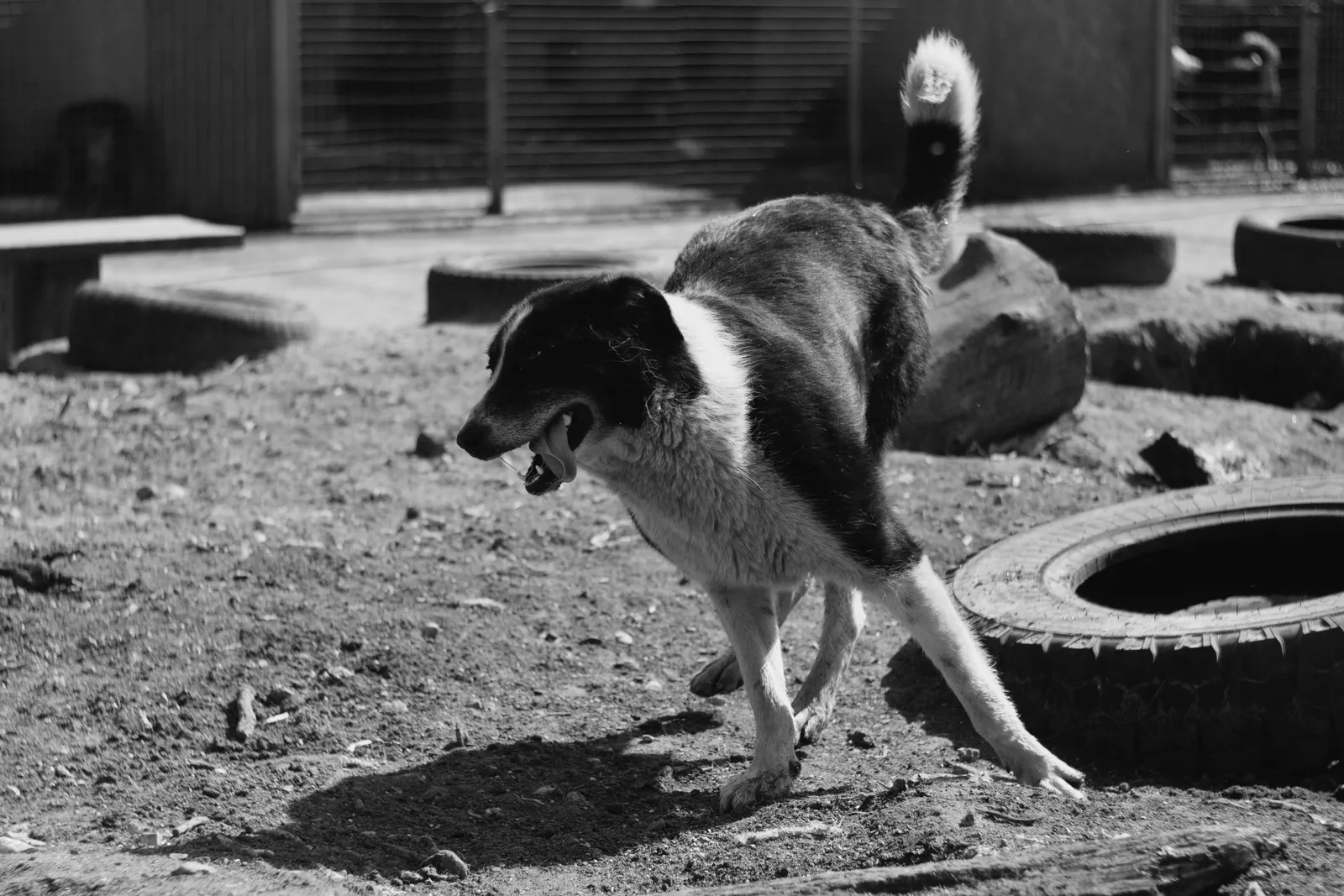
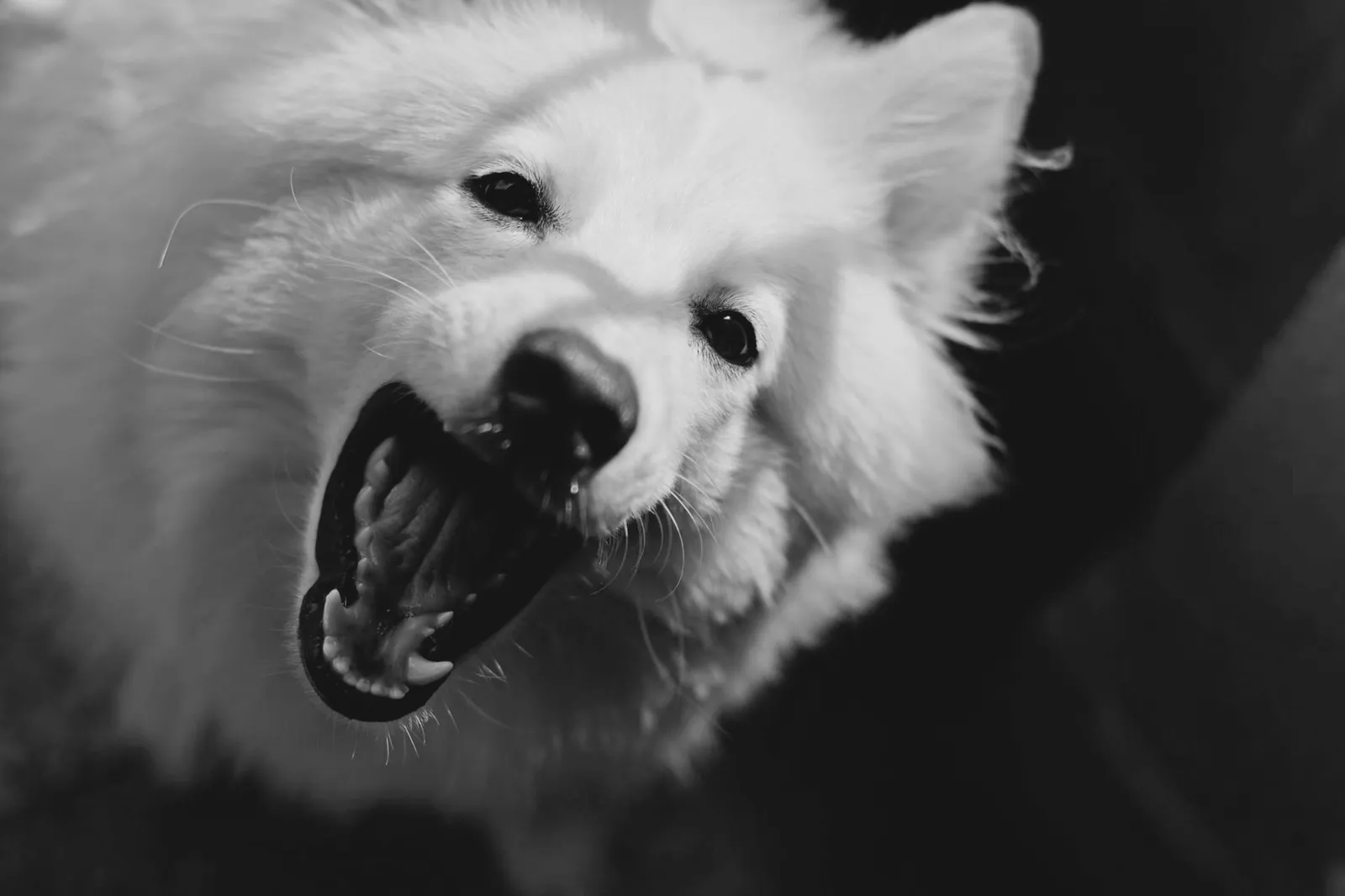
During a reverse sneeze, the dog will make rapid and long inspirations, stand still, and extend its head and neck. A loud snorting sound is produced, which may sound like the dog has something caught in its nose or throat.
An episode of reverse sneezing usually lasts for 30 seconds or less, although it might feel longer for the owner. That’s an important distinction. Those 20 or 30 seconds of snorting can feel like several minutes when you’re genuinely worried about your dog.
Dogs remain alert and do not lose consciousness during an episode. After the episode, most dogs return to normal immediately. That quick return to normal is one of the clearest signs that what you witnessed was a reverse sneeze and not something more serious.
What Triggers the Episodes
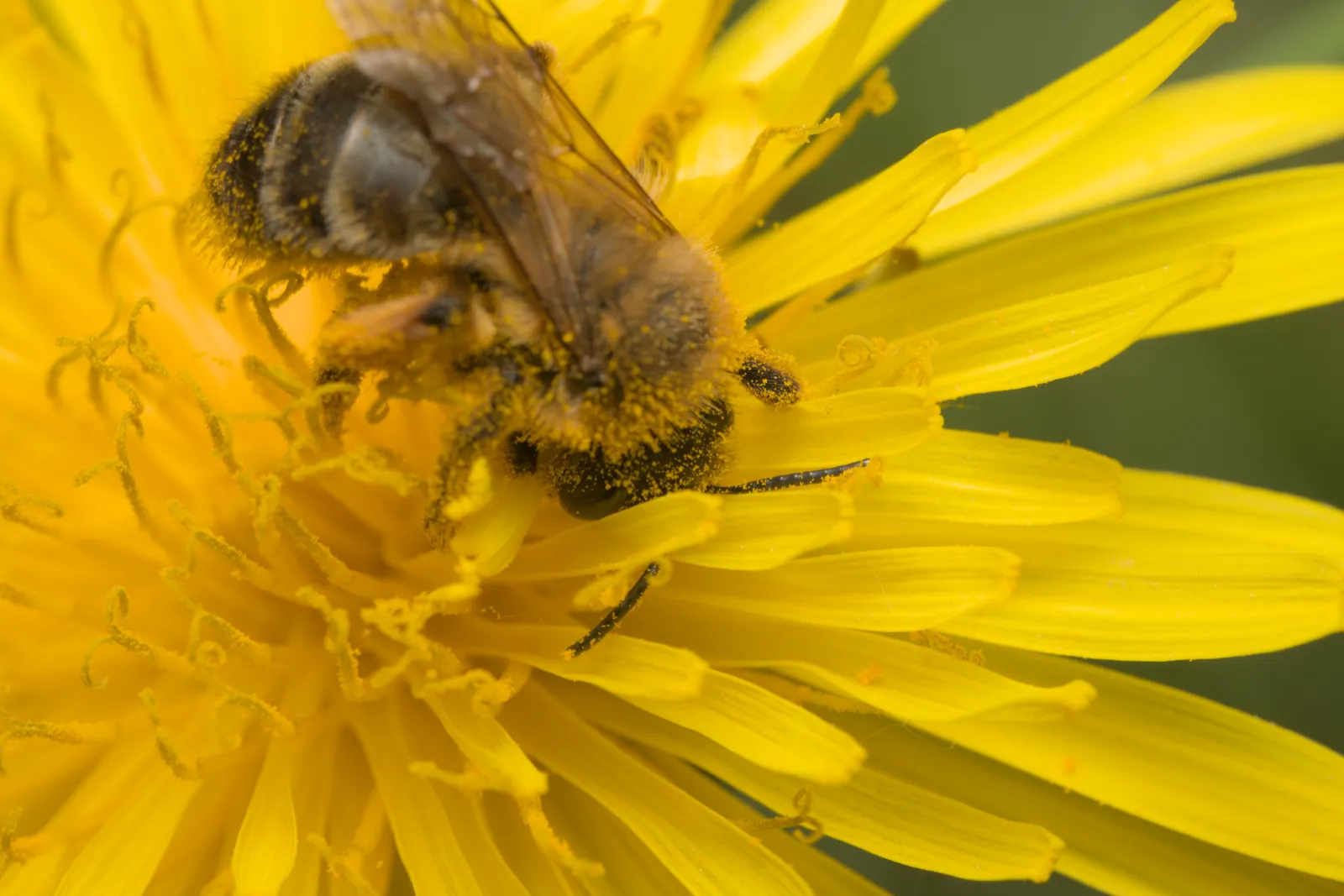
The exact cause of reverse sneezing isn’t always clear, but it’s often triggered by irritation or inflammation in the nasopharynx, the area at the back of the nose and throat. Irritants include nasal mites, secretions, foreign bodies such as seeds, pollens, grasses, allergies, smoke, odors, masses, or an elongated soft palate.
Reverse sneezing oftentimes occurs when the pet is asleep or immediately after a long nap. It can also be experienced following play, exercise, or meals. Other pets experience it whilst inhaling dust, but the episodes typically occur randomly.
Common causes include activity, barking, eating or drinking, the pressure of a leash on a collar, pollen, mites, household products such as perfumes and cleaning chemicals, elongated soft palates common in flat-faced dogs, allergies, and foreign bodies in the throat. That’s a wide net, which partly explains why episodes can seem to appear from nowhere.
The Mechanics Behind the Sound
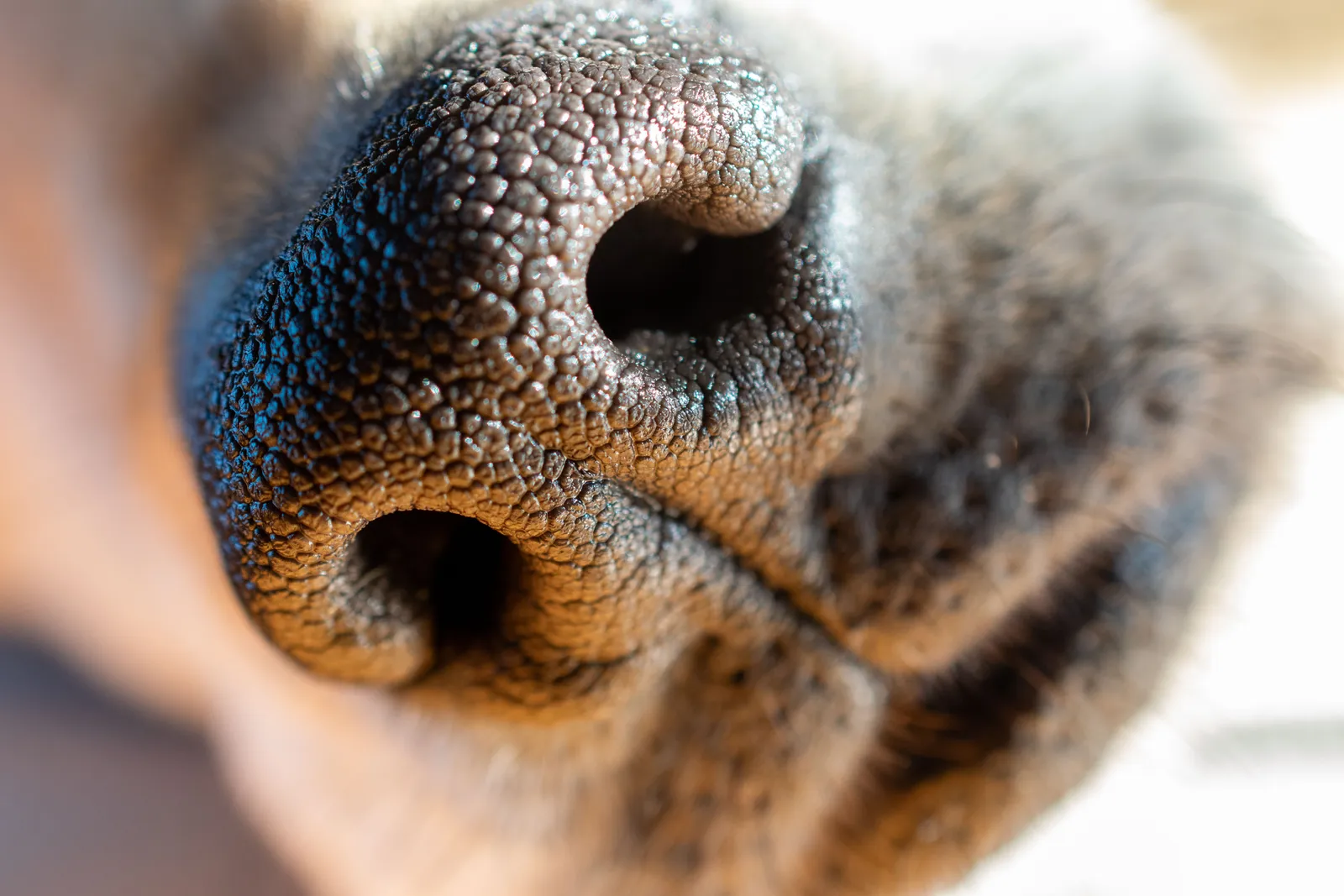
Reverse sneezing occurs when irritation to the nasopharyngeal mucosa triggers spasms of the pharyngeal muscles, preventing air passage to the larynx. Instead, secretions and foreign material are transferred to the oropharynx for swallowing.
The irritation causes the soft palate muscle to spasm, temporarily narrowing the trachea. The dog instinctively tries to expand its chest by extending its neck. However, the narrowed trachea makes it challenging to fully inhale.
That mechanical chain of events, irritation triggering spasm triggering the desperate-sounding attempt to breathe, is what creates the alarming noise. Once the spasm passes, normal breathing resumes without any lasting damage to the airway.
When It Becomes a Real Concern
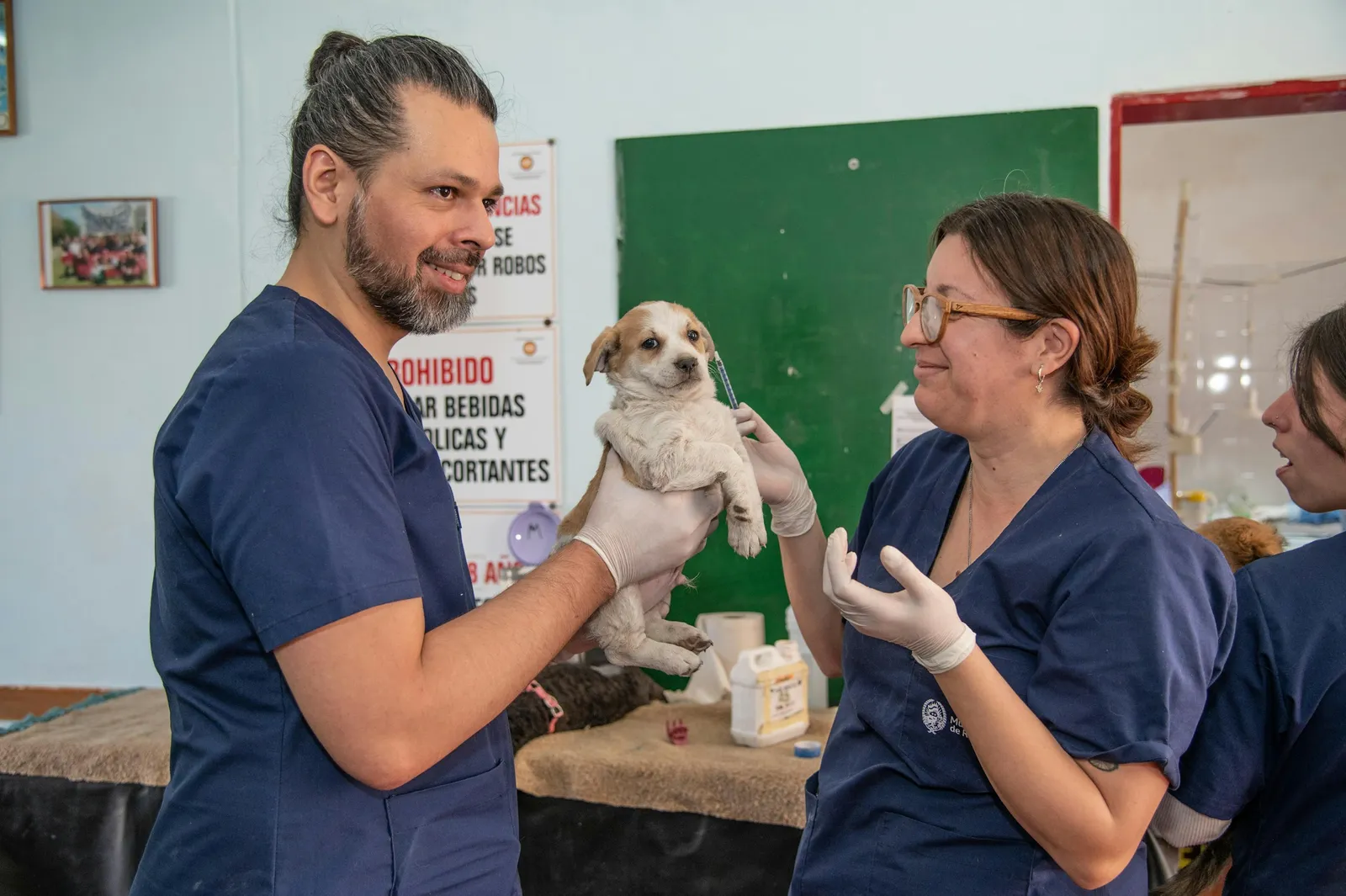
Rarely, reverse sneezing could be the result of more serious conditions, such as a collapsing trachea, nasal tumors or polyps, heart disease, or upper respiratory tract infection. In these cases, the reverse sneezing will be accompanied by other, more serious symptoms.
If your dog is having reverse sneezing episodes less than once a week, it’s considered normal and nothing to worry about. If your dog suddenly starts reverse sneezing, has an increase in the number of episodes, or you notice any nasal discharge, you need to see a vet.
Veterinary care should be sought if episodes occur daily or multiple times a day, are accompanied by nasal discharge or nosebleeds, include coughing or difficulty breathing, occur alongside lethargy or decreased appetite, or cause facial swelling.
What the Research Shows About Chronic Cases
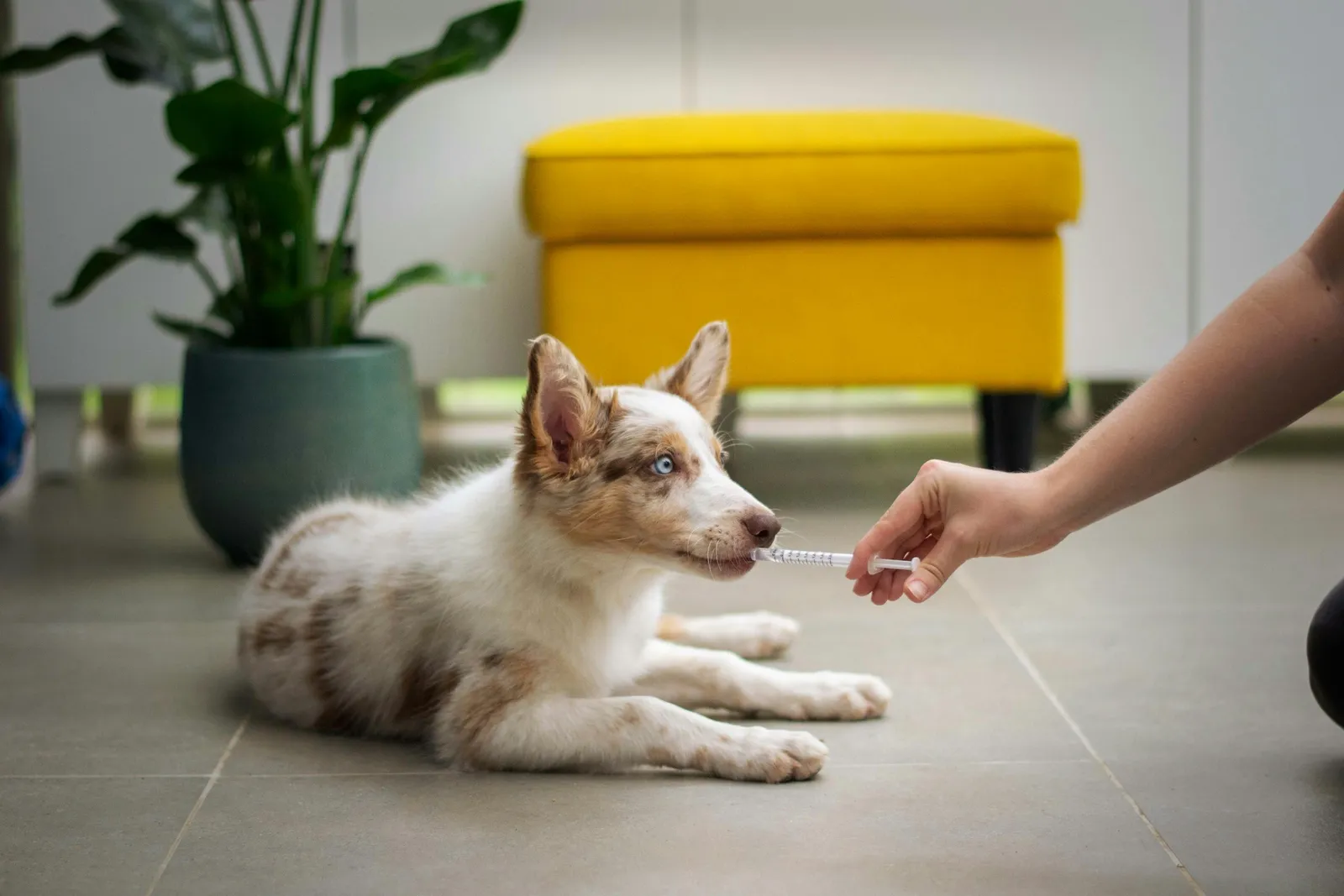
Reverse sneezing is a frequent reason for veterinary consultation, but there is scarce clinical information. A study from the University of Murcia aimed to describe the clinical characteristics in a cohort of 30 dogs with reverse sneezing.
Many cases presented chronic reverse sneezing lasting more than three months, with more than one episode per week occurring in a significant share of the dogs. Most cases had an additional clinical respiratory sign, while a similarly large portion had an unremarkable physical examination.
Inflammatory airway disorders were present in more than half of the cases studied, followed by anatomical-functional disorders in roughly a quarter, and nasal or nasopharyngeal foreign bodies in about one in ten. A small number of dogs remained as open diagnoses. The researchers concluded that reverse sneezing should be considered a marker of potential irritation of the nasopharyngeal mucosa and should be sufficiently investigated.
How to Help Your Dog During an Episode
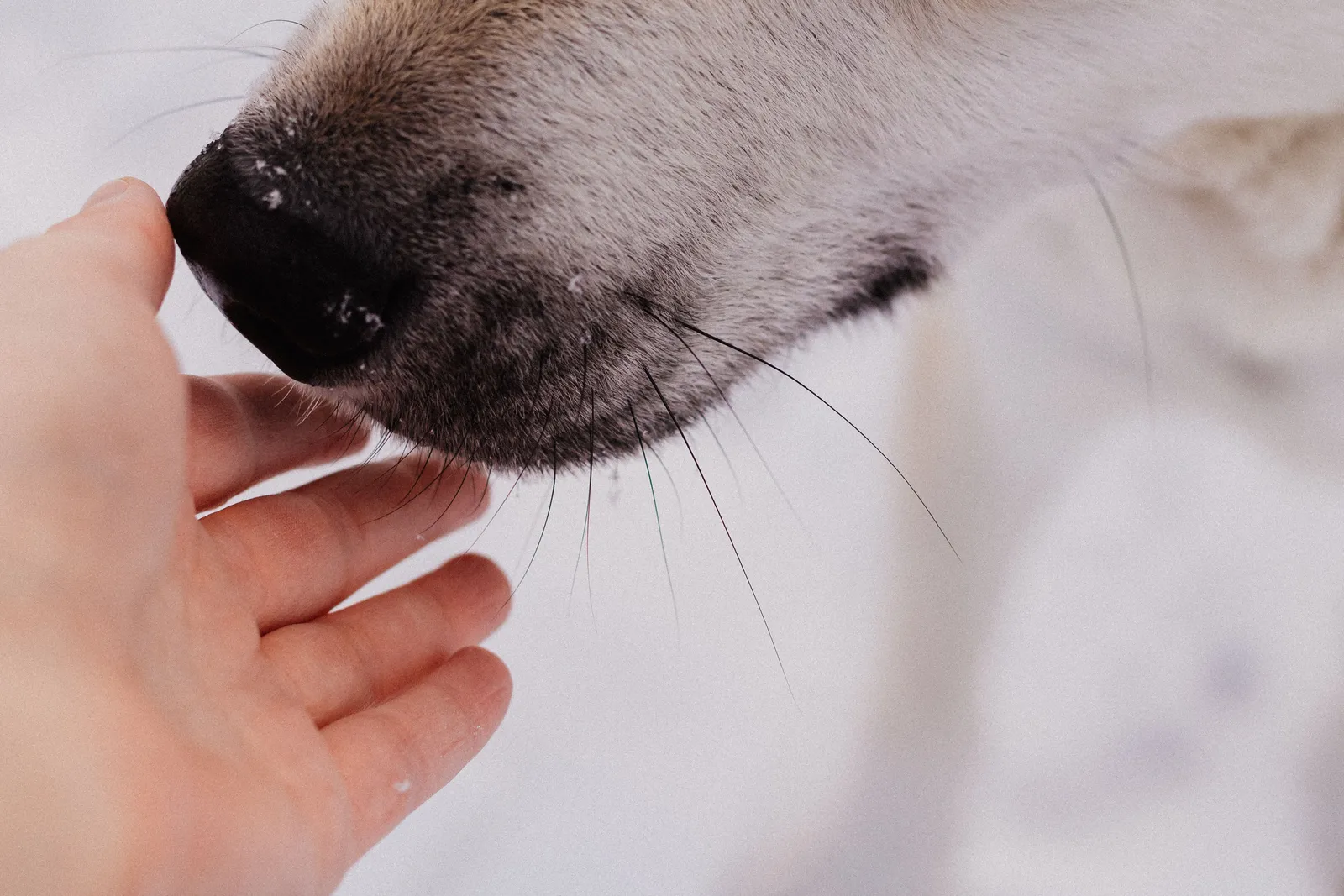
Techniques that may help shorten an episode include gently massaging the dog’s throat, briefly covering the nostrils to encourage swallowing, offering a small treat or sip of water, calmly reassuring the dog, and moving them away from irritants such as smoke, candles, or aerosols.
Closing the dog’s mouth and gently covering one nostril can help reset breathing and end mild episodes of reverse sneezing. Blowing a little air in their face can cause them to swallow a couple of times, which often stops the spasm.
Even if you do nothing, chances are your dog will get over it pretty quickly and get on with their business. Reverse sneezing is a normal condition that affects a lot of dogs, and although it looks and sounds uncomfortable, it’s generally not dangerous and usually has no lasting impact.
Treatment Options and Prevention
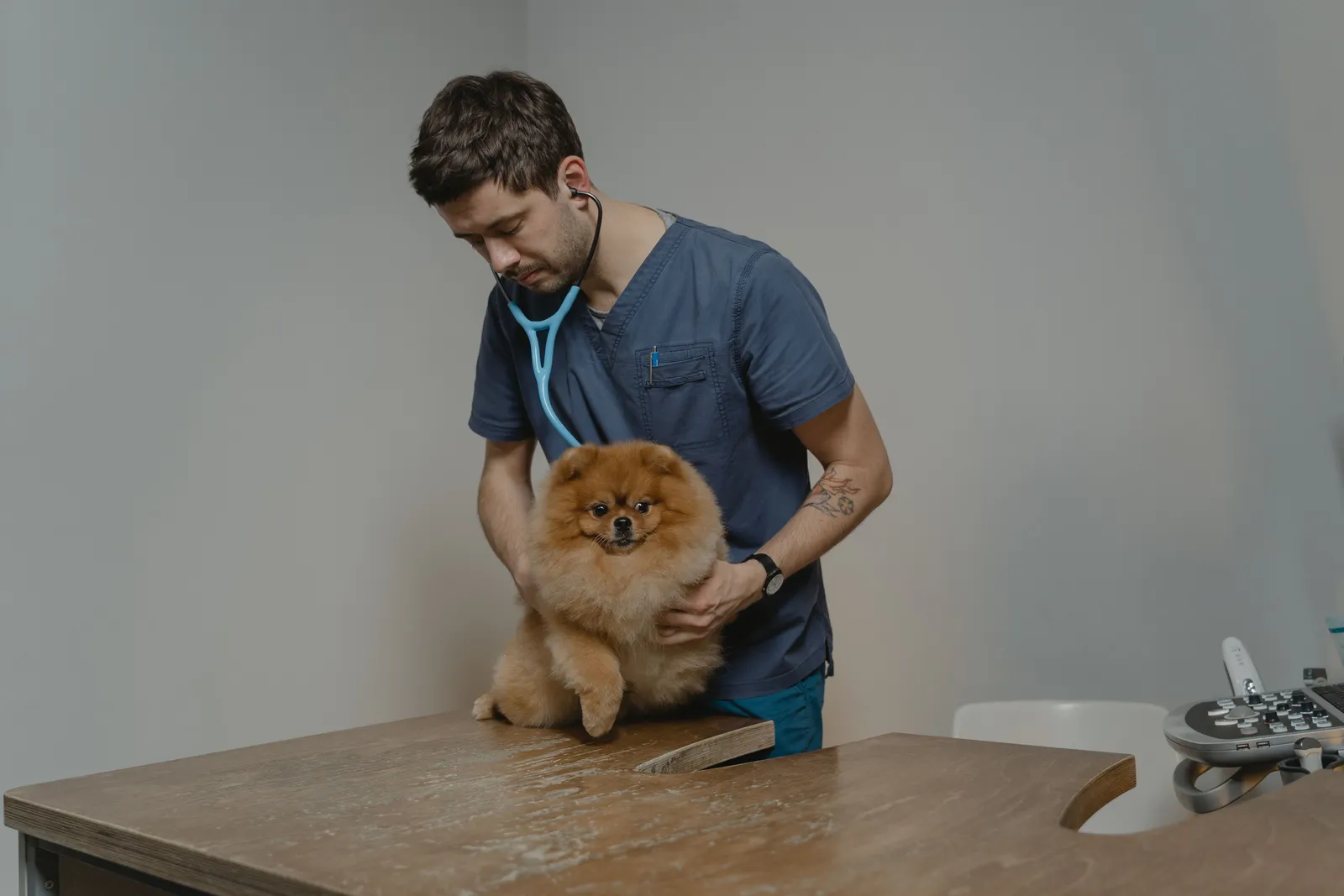
Most cases require no treatment; however, some affected dogs will require anti-inflammatories, antihistamines, or decongestants. If allergies trigger reverse sneezing episodes, a veterinarian may prescribe antihistamines such as cetirizine, or steroids such as prednisone.
For dogs with an elongated soft palate, in some situations the vet may recommend surgically shortening the soft palate to a more normal length. While rare, if nasal mites are diagnosed, the vet will treat the dog with an anti-parasitic medication such as ivermectin or milbemycin oxime to eliminate them.
To reduce the frequency of episodes, pet owners can avoid scented candles, air fresheners, and aerosols, keep the home smoke-free, use HEPA filters, vacuum and dust frequently, wash bedding regularly, and use a harness instead of a collar to reduce throat pressure. Small environmental changes often make a noticeable difference.
The Bigger Picture for Pet Owners
A pet that experiences reverse sneezing appears to be normal after an episode. Most pets who are prone to developing the condition will experience reverse sneezing repeatedly throughout their lives. The reverse sneezing might be distressing for the animal, but it is not known to be harmful.
Knowing what to watch for, and when to simply wait it out versus when to call the vet, is ultimately what separates unnecessary anxiety from informed, calm care. Your dog isn’t in danger. It just needs to sneeze in reverse sometimes.AI Disclaimer: This article was created with the assistance of AI tools and reviewed by a human editor.