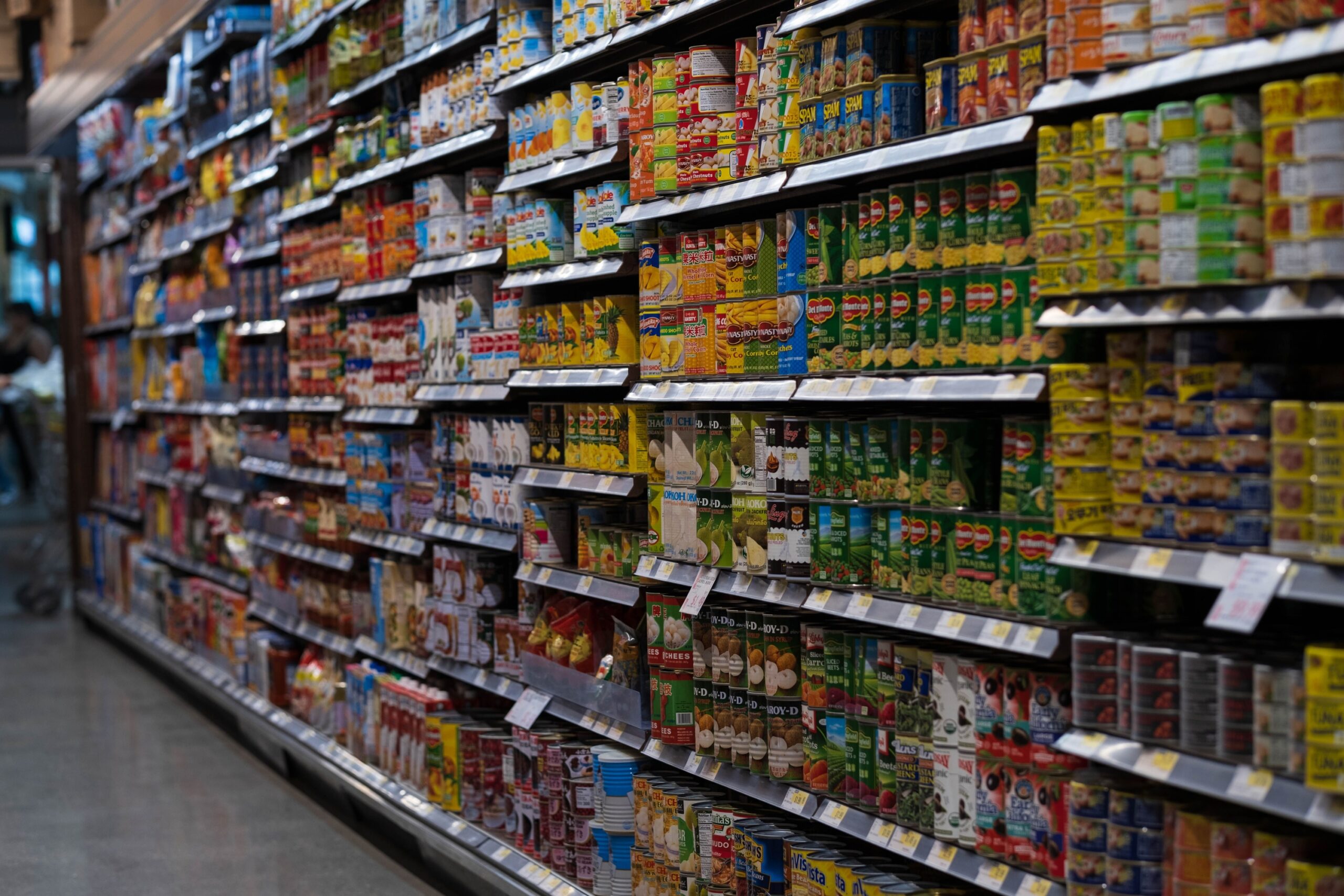

There’s a little tin sitting quietly at the back of many pantries that, not long ago, most people would have reached past without a second thought. It wasn’t aspirational food. It wasn’t dinner party food. It was, if anything, the kind of thing your grandfather ate on crackers while you politely declined. Today, that same tin is the center of elaborate snack boards, wellness conversations, and one of the most talked-about food trends in both North America and Europe.
The story of tinned fish, and the broader wave of retro pantry cooking it represents, is really a story about what happens when nostalgia, affordability, and genuine nutritional value arrive at the same moment in time. It’s worth unpacking, one shelf-stable staple at a time.
From Wartime Ration to Viral Sensation: The Sardine’s Remarkable Journey
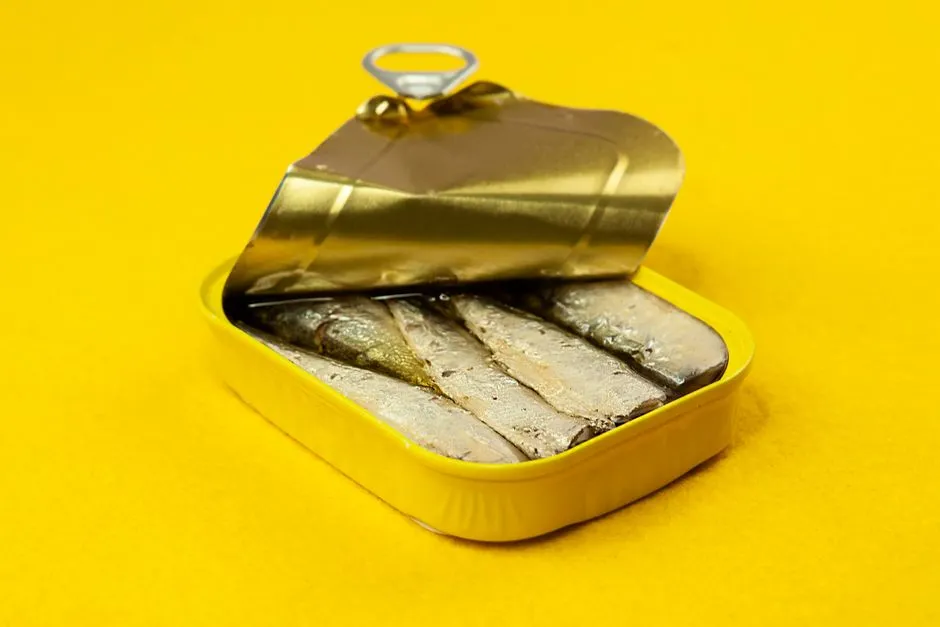
Demand for canned sardines skyrocketed during the First and Second World Wars as a source of protein for troops. In North America, sardines went out of fashion in the 1960s, partly because of decreased supply and tuna’s growing popularity in the canned fish aisle. That decades-long quiet stretch is finally over.
Sardines, as in the tinned fish, are having a cultural moment, reframed as a highly aesthetic symbol of affordable luxury and health. Search “#sardines” on TikTok and you’ll find over 90,000 videos of people sharing recipes that are supposed to make sardines taste good. That kind of engagement doesn’t happen by accident.
The shift was amplified by the popularity of “girl dinner” and snack plates, Gen Z’s health and wellness craze, rising food costs, and the obsession with protein and skincare. It’s a rare convergence of factors, and sardines happened to sit at the center of all of them.
The Numbers Behind the Tin: A Market That’s Quietly Booming
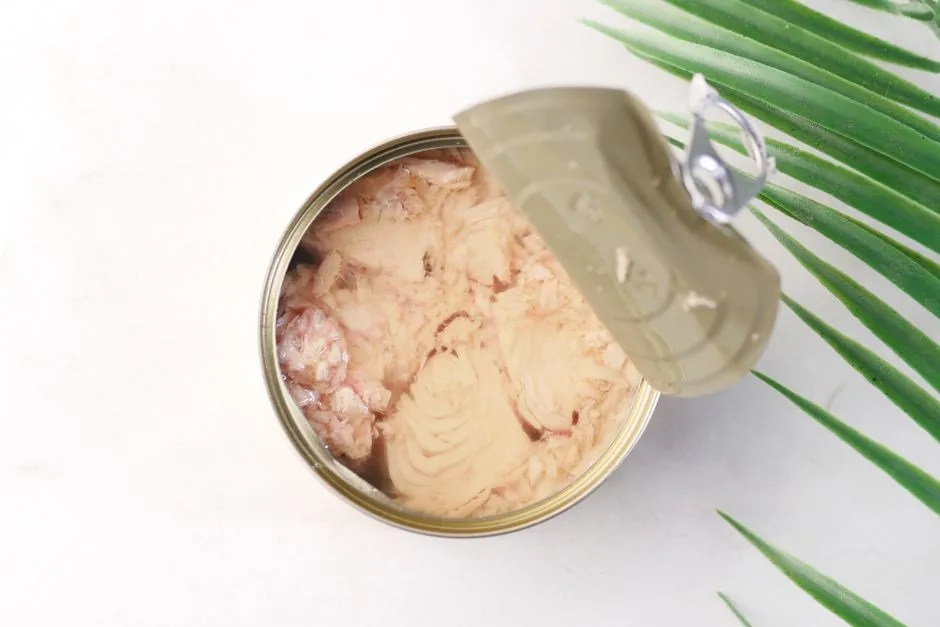
The U.S. canned seafood market generated over $5 billion of profit in 2023 and is expected to pull in over $7.9 billion by 2030. That trajectory is not slowing down. The canned tuna and sardines market is valued at USD 13.75 billion in 2025 and is expected to reach USD 14.53 billion in 2026.
Demand through online grocery platforms has surged by roughly half between 2022 and 2025, supported by pandemic-driven consumption patterns and e-commerce logistics expansion. Good Housekeeping covered Fishwife showing up at Costco in 2026, a sign that the category had moved beyond niche internet darling territory into broader retail attention.
Once Costco gets involved, the market signal is clear. This is no longer a fringe trend confined to food bloggers and wellness influencers. The global canned food market is witnessing a renewed surge, expected to reach US$179.65 billion by 2033, rising from US$125.46 billion in 2024, driven by shifting consumer lifestyles, improved processing technologies, and the rising preference for foods that balance nutrition, convenience, and affordability.
Why Sardines? The Real Nutritional Case
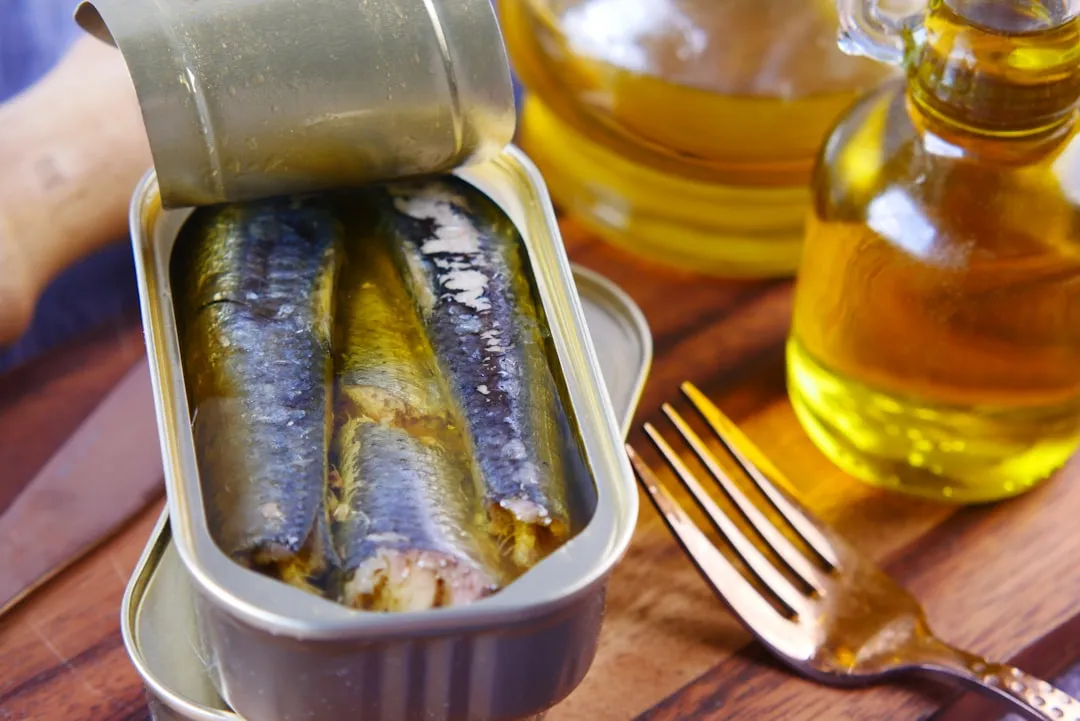
Sardines are an excellent source of long-chain omega-3 fatty acids, high-quality protein, vitamin D, vitamin B12, selenium and, because you eat the soft bones, calcium. Because they’re small and low on the food chain, their mercury levels are lower compared to tuna. That’s a genuinely strong nutritional profile for something that costs less than two dollars a tin.
Sardines also contain selenium, a mineral that makes thyroid hormones that help regulate metabolism, and high amounts of omega-3 fatty acids that reduce triglycerides and slow the buildup of plaque in the arteries. In reality, tinned fish can come in a number of health-conscious varieties and offer a macro-friendly, protein-packed alternative to other popular snack foods.
With grocery prices on the rise, the latest numbers from the USDA’s consumer price index show an increase of an average of 2.4% between February 2025 and February 2026, and many shoppers are choosing foods that pack the highest punch when it comes to nutritional value and expense. Sardines check both boxes simultaneously, which is rare.
Canned Fish Gets a Premium Makeover
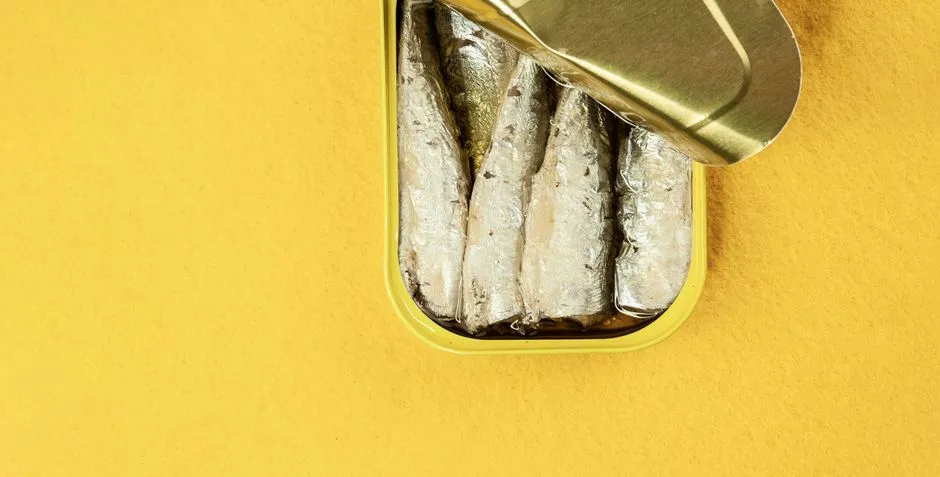
Traditional varieties like tuna, sardines, anchovies, and mackerel have long been part of the casual snacking scene, but more recently the tinned fish trend has expanded to include premium and gourmet offerings like octopus, mussels, salmon, and more. The category has genuinely evolved. It’s not just budget eating anymore.
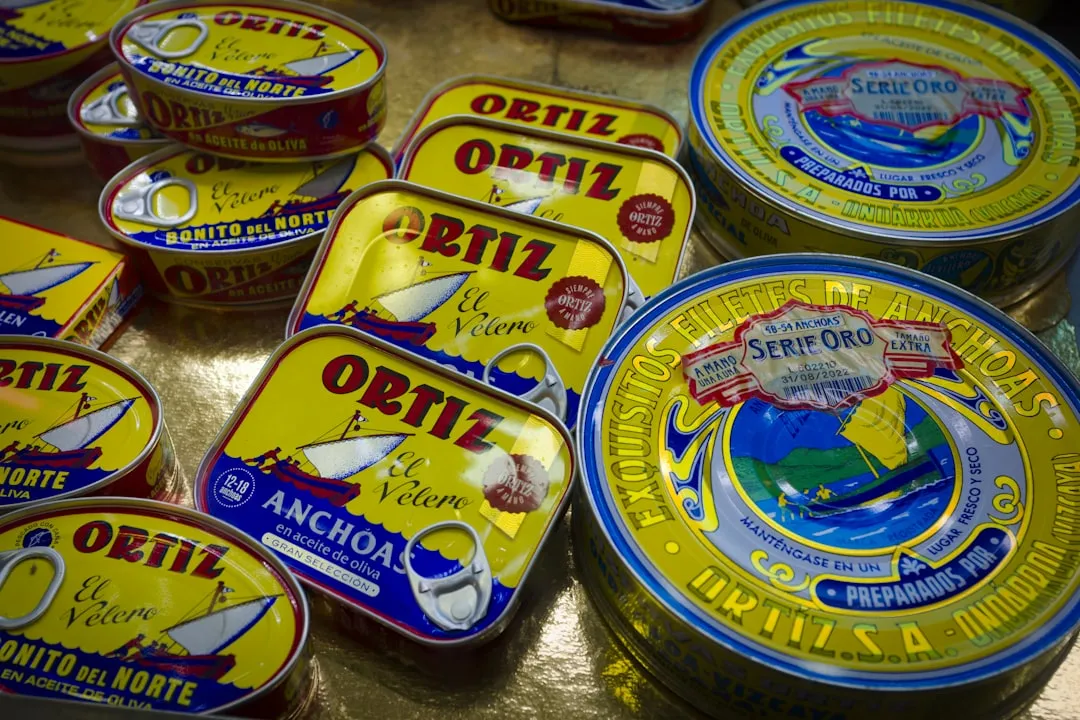
The broader tinned fish aesthetic was helped along by Portuguese and Spanish brands with attractive packaging. Between viral “seacuterie boards,” tinned fish tastings, and boutique tinned fish retail stores, this longstanding snack is getting a new lease on life in 2026.
In August 2025, Bumble Bee Seafoods introduced its first-ever line of single-serve flavored tuna cans called Bumble Bee Snackers, featuring bold taste options such as Lemon Pepper, Hickory Smoke, Sweet Heat, Thai Chili, and traditional Chunk Light Tuna. The new 3-ounce cans came premixed and ready to eat without draining, offering convenient protein-rich snack choices for consumers on the go. That’s a company reading the room correctly.
The Green Bean Casserole Effect: Cream of Mushroom Soup Rides Again
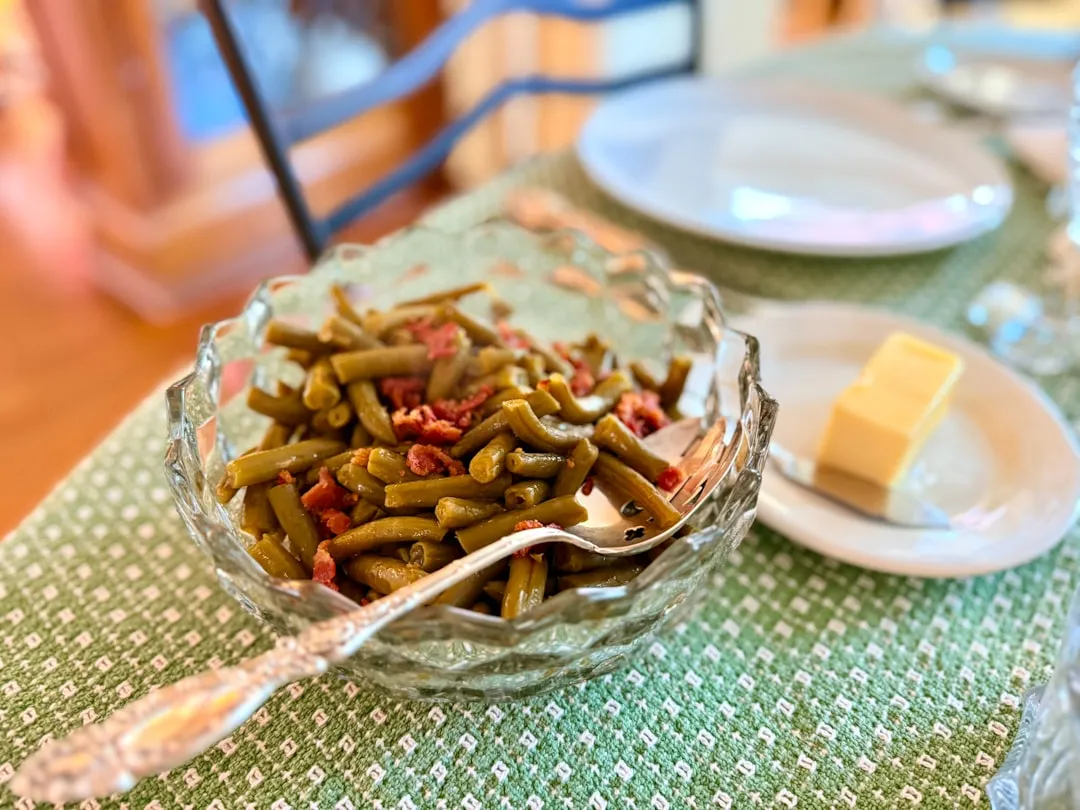
Not every retro pantry comeback involves a tin of fish. The green bean casserole recipe was created in 1955 by Dorcas Reilly at the Campbell Soup Company. As of 2020, Campbell’s estimated it was served in 20 million Thanksgiving dinners in the United States each year, and that roughly two-fifths of the company’s cream of mushroom soup sales go into a version of the dish.
By the seventies, green bean casserole had broken free from its Thanksgiving-only reputation as the combination of green beans, cream of mushroom soup, and crispy fried onions became a year-round fixture at potlucks and buffet lines. The dish offers simplicity and nostalgia wrapped in one creamy, crunchy package. Nostalgia, comfort, and value are major driving forces behind consumer menu trends heading into 2026, according to the National Restaurant Association’s 2026 What’s Hot Culinary Forecast.
The humble green bean casserole is being reimagined with artisanal mushroom soup, crispy fried shallots instead of canned onions, and a touch of Gruyère cheese for a more sophisticated flavor profile. It’s the same dish, just wearing slightly better shoes.
Tuna Noodle Casserole: The Budget Hero Gets Serious Respect
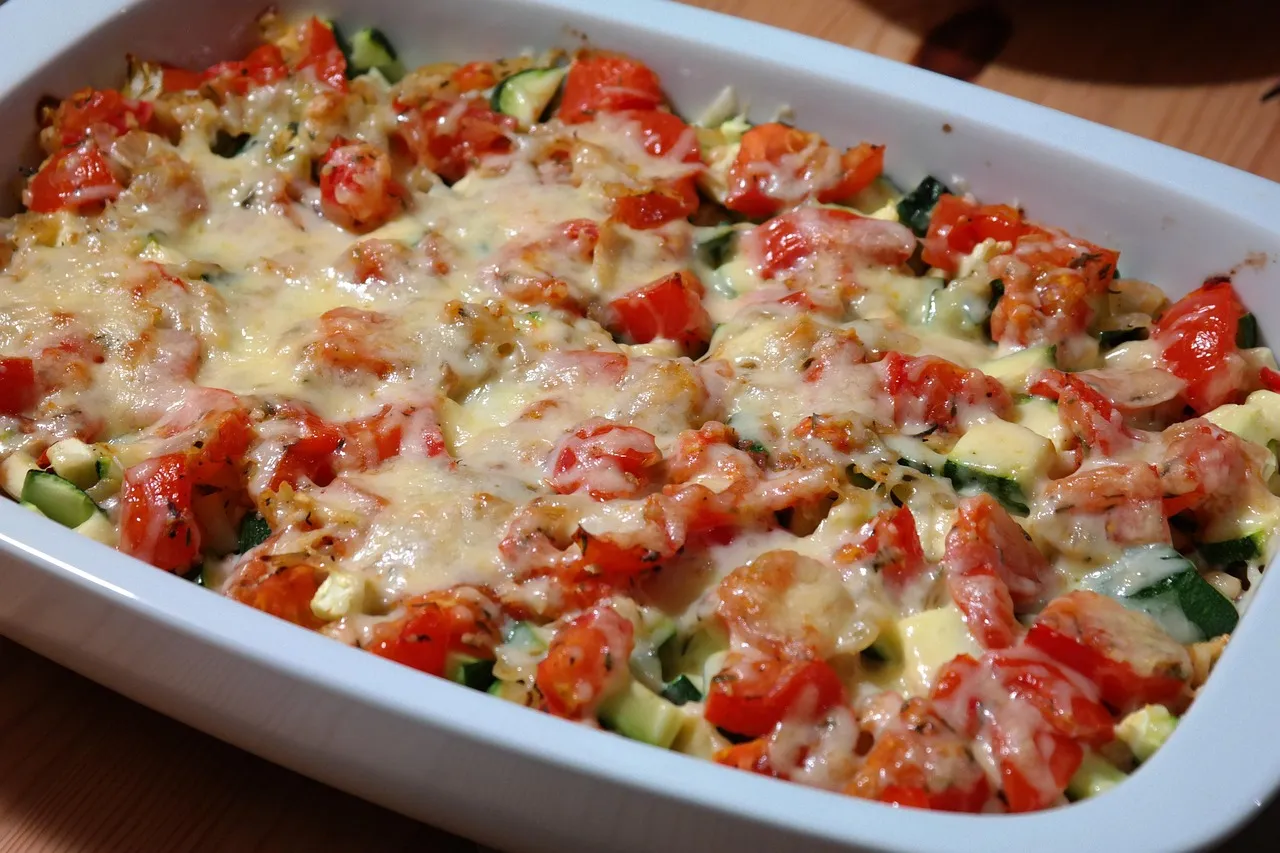
Tuna noodle casserole was once a regular midweek fixture, whipped up using pantry staples and canned goods. A mixture of pasta, cream of mushroom soup, frozen peas, tuna, and breadcrumbs, it was a hearty dish that was as fuss-free as it was tasty. For decades it carried a reputation as the meal you made when nothing else was left in the cupboard.
Tuna noodle casserole has returned with surprising force. Besides being a convenient weeknight dinner, it symbolizes resilience and familial connection. That’s a meaningful shift in how a dish is perceived. Rising food costs make these resourceful meals particularly appealing. Designed to maximize flavor while minimizing expense, dishes like casseroles and pasta bakes cater to families seeking cost-effective ways to eat well.
According to a survey conducted with 2,000 U.S. consumers in January 2024, roughly seven in ten said they would choose comfort over gourmet meals. That’s a powerful signal for any food that leads with familiarity and warmth over novelty and fuss.
Social Media’s Unexpected Role in the Revival

Social media platforms like TikTok and Instagram have played a pivotal role in amplifying the appeal of retro recipes. Viral hashtags like #RetroCooking and #GrandmasRecipes introduce these dishes to younger generations, driving them to become new culinary trends. It’s a feedback loop that accelerates rapidly once a dish catches enough visual momentum.
TikTok-driven interest in sardines, anchovies, tuna, and upscale conservas was strong enough to raise fears of tinned-fish shortages, while newer coverage in 2025 and 2026 has tracked growing demand for premium tinned seafood and the continued premiumization of the category. The algorithm can move markets. That’s now simply a fact of the food industry.
As millennials and Gen X rediscover “grandma food” such as meatloaf, casseroles, and Spam, the wave of nostalgia has made room for gelatin-based “food art” trending across TikTok, Instagram, and Pinterest. The platforms don’t just reflect culture. They actively reconstruct it, and right now they’re pointing back toward the pantry.
Sustainability: The Quietly Compelling Argument
Sustainability drives interest in vintage recipes. Many recipes from the late 20th century were resourceful, relying on leftovers and minimizing waste. These qualities align with modern, eco-conscious values. That alignment isn’t coincidental. It’s partly why these foods feel relevant again rather than simply old.
In a world affected by food waste, climate-related disruptions, and supply chain imbalances, canned food offers unmatched stability. A UAE-based startup even developed 25-year shelf-life halal ready meals using advanced freeze-drying, reshaping food security in humanitarian, military, and space exploration applications. The logic of long shelf life is becoming a genuine virtue rather than a compromise.
Global campaigns advocating responsible fishing, such as MSC and Friend of the Sea certifications, have elevated transparency standards. The introduction of digital QR-trace codes on packaging now covers nearly two-fifths of global canned tuna exports, ensuring traceability from ocean to shelf. Sustainability is no longer just a label claim. It’s increasingly verifiable.
The Affordability Factor: Real Food, Real Budgets
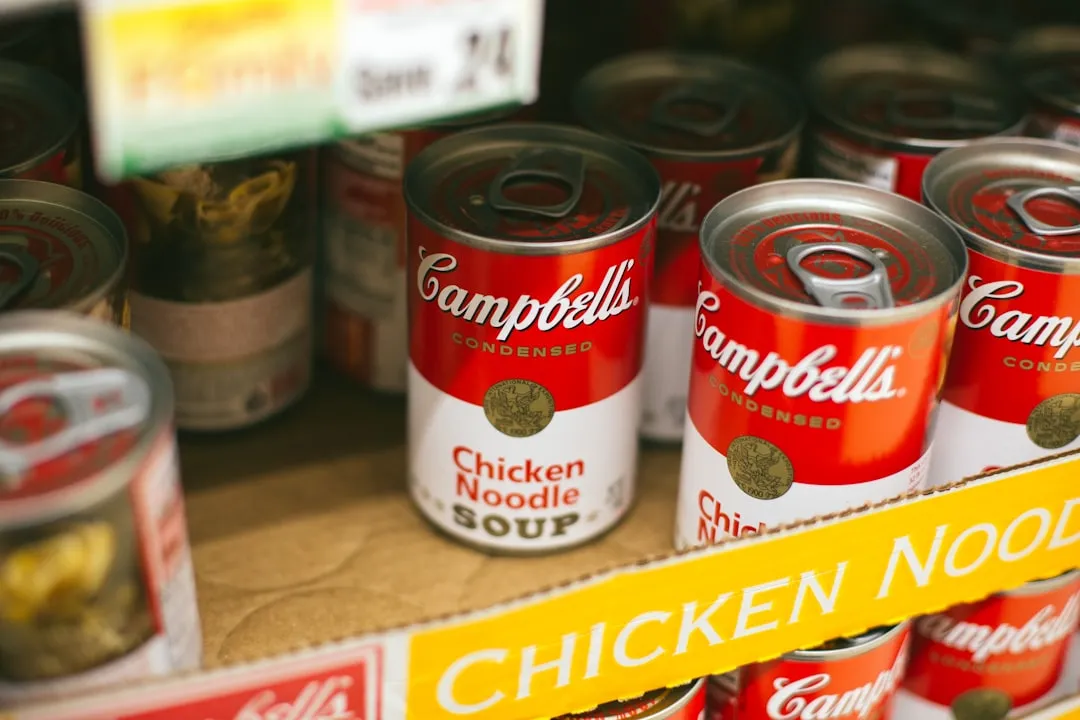
Canned food has longer shelf life, convenient storage, and shorter preparation time, thus becoming a favorite among households and working professionals. The demand for canned foods in the USA is estimated to be valued at USD 6.9 billion in 2025 and is projected to reach USD 10.5 billion by 2035. Those numbers reflect genuine household demand, not passing enthusiasm.
Rising economic pressures and cultural shifts contribute to unease and instability, and many Americans are turning to the familiar dishes of their childhoods. It’s not escapism exactly. It’s practical logic wrapped in something that also happens to feel comforting. Peaks in canned food demand are linked to periods when affordability, long shelf life, and pantry-stocking needs rise. Adoption strengthens during economic uncertainty and supply-chain disruption because canned categories provide stable, low-waste meal options.
While volume remains high in traditional canned staples, the market is shifting toward “clean labels” and organic options to counter the “processed food” stigma. That shift matters. It means the retro pantry staple is being reinvented on its own terms, not just remembered.
What’s Actually Changing: Modern Upgrades to Classic Formats
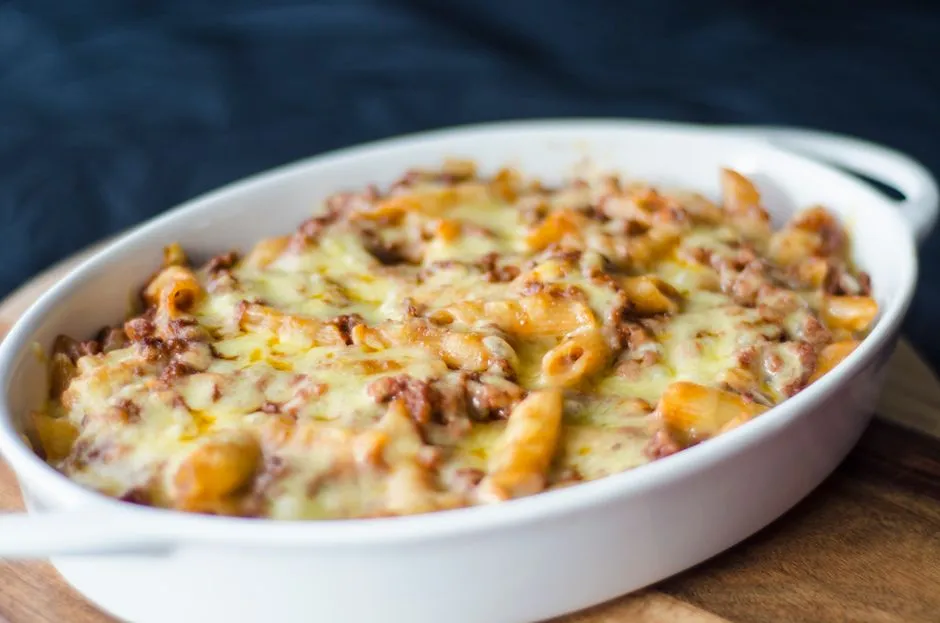
While nostalgic charm endures, many vintage dishes are being adapted to meet contemporary tastes and modern meal plans. Casseroles, for instance, are being enhanced with fresh, seasonal ingredients and plant-based alternatives. The category is moving, not standing still. That’s a healthy sign for any trend with staying power.
The trend is to take nostalgic meals and give them a modern makeover. Chefs are introducing high-quality, artisanal ingredients and adding unexpected flavors to elevate familiar favorites. Some versions incorporate wild mushrooms, fresh herbs, or even a splash of white wine in the filling. The bones of the old recipe stay, but the flesh is often new.
In developed markets, brands are capitalizing on premium positioning, rolling out offerings like wild-caught, traceable, and low-sodium seafood to cater to health-savvy consumers. The growing focus on transparency in sourcing and labeling has further strengthened consumer trust in these products. Trust, once lost on a food category, takes time to rebuild. It’s being rebuilt now, one upgraded tin at a time.
The Bigger Picture: Why Nostalgia Actually Works in 2026
Rooted in the traditions of the 1950s through the 1990s, these recipes offer more than a meal. They evoke memories of family gatherings, grandmothers’ favorite recipes, and simpler, more grounded times. That kind of emotional weight doesn’t require explanation. It simply resonates, or it doesn’t.
Roughly half of survey respondents agree that food is part of their identity, and nearly two-thirds agree that their upbringing influences what they eat. Shepherd’s pie and similar classic dishes connect people to their past while satisfying modern cravings. Food as identity is not new, but the specific direction of that identity pull in 2026 is clearly backward-looking.
In times of global uncertainty, familiar foods offer a sense of stability, comfort, and connection to heritage. They evoke memories of simpler times and provide a much-needed emotional anchor. That’s the honest explanation for what’s happening in pantries across the country. It’s not irony or kitsch. It’s genuine comfort-seeking, which has always been one of food’s most reliable functions.
The Takeaway
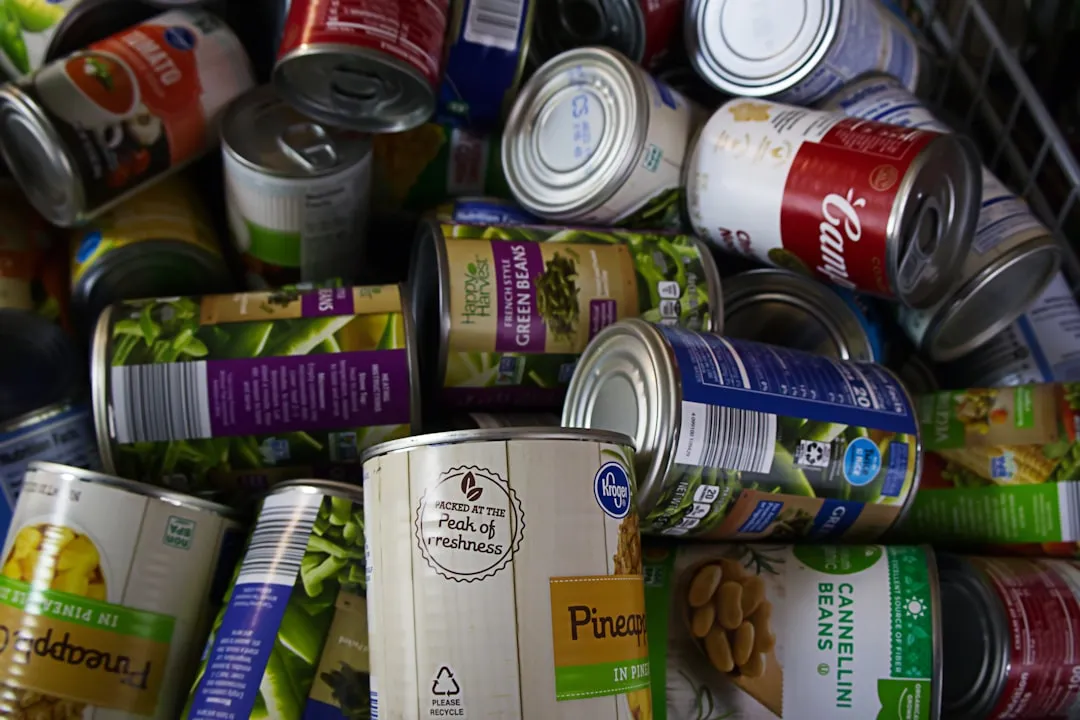
The retro pantry staple isn’t making a comeback because people have run out of ideas. It’s returning because it kept its promises: shelf stability, affordability, real nutrition, and the kind of quiet reliability that trendy foods rarely sustain. The tin of sardines that once signaled frugality now signals intelligence. The cream of mushroom soup that once built green bean casseroles on twenty million Thanksgiving tables is being poured again, sometimes with a twist.
What’s genuinely interesting about this moment is that the revival isn’t nostalgia pretending to be innovation. Once considered “basic pantry items,” canned foods have undergone a dramatic transformation. The global canned food market is undergoing a remarkable transformation. What was once considered “emergency food” has evolved into a versatile, nutritious, and premium convenience solution for households around the world.
The pantry staple came back because it never really deserved to leave. That’s perhaps the most honest food story of the decade so far.
AI Disclaimer: This article was created with the assistance of AI tools and reviewed by a human editor.