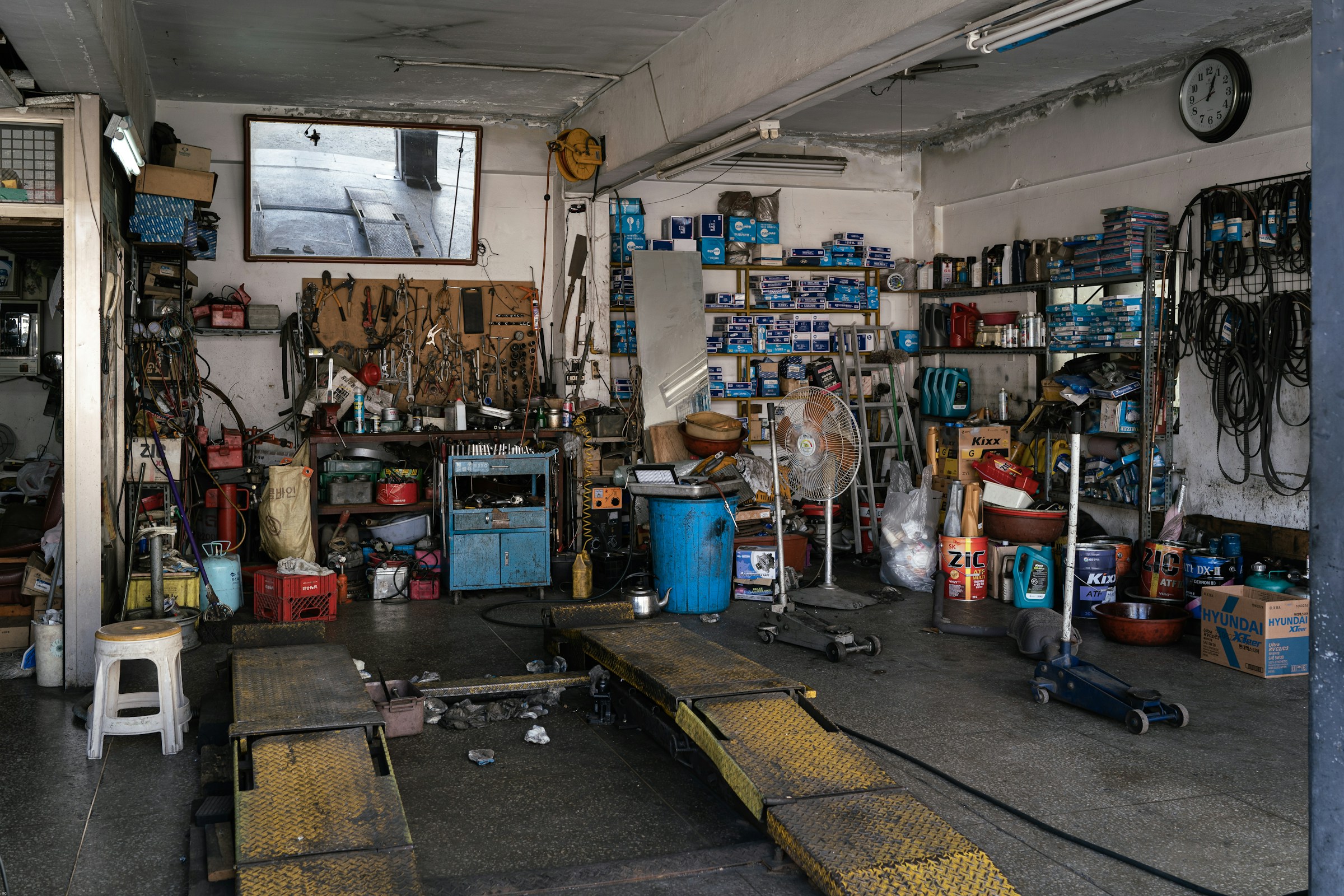

They Repaired Tools Instead of Replacing Them
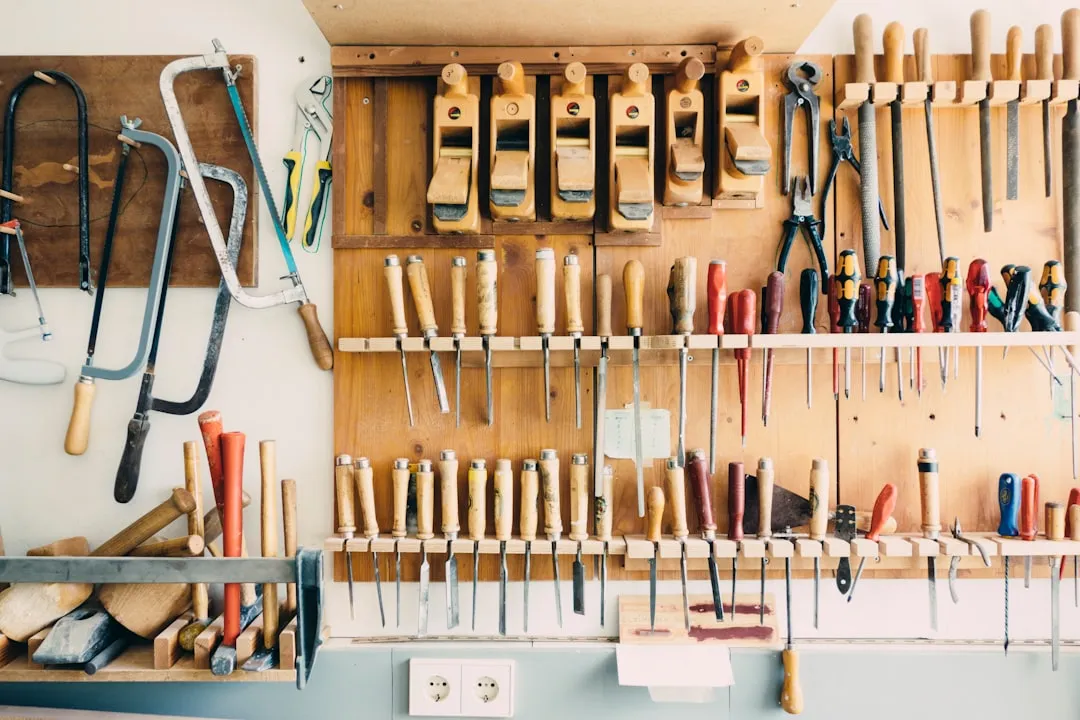
One of the most admired habits from the grandfather generation was the instinct to repair tools at the component level, not swap them out wholesale. A good steel hammer head could survive several handles. When the wood finally split, the useful part of the tool was sitting right there, waiting for another one. That kind of thinking treated tools as assemblies of replaceable parts, not single-purchase commodities.
There was a broader logic behind it: tools were assemblies of parts, not single-use objects. The broom by the back door belonged to the same repair culture as everything else in the house. Modern handymen who have rediscovered this approach often describe it as a revelation, especially when they realize how much money it saves compared to buying new.
They Fixed Appliance Cords Rather Than Tossing the Appliance

The cord often failed before the iron did. Years of flexing near the handle could fray the outer covering while the heavy metal appliance itself still had decades of work left in it. People sometimes improvised with electrical tape, but the sound repair was replacing the cord and keeping the iron. That distinction matters: the instinct wasn’t to patch carelessly, it was to identify which part had failed and address precisely that.
Those old models had real weight, substantial metal bodies, and very little reason to retire simply because one replaceable component had worn out. Early appliance cords commonly used combinations of rubber insulation and woven fabric coverings. Understanding that distinction between a failed component and a failed product is something today’s repair advocates constantly try to teach.
Fixing Things Was Rooted in Survival, Not Hobby
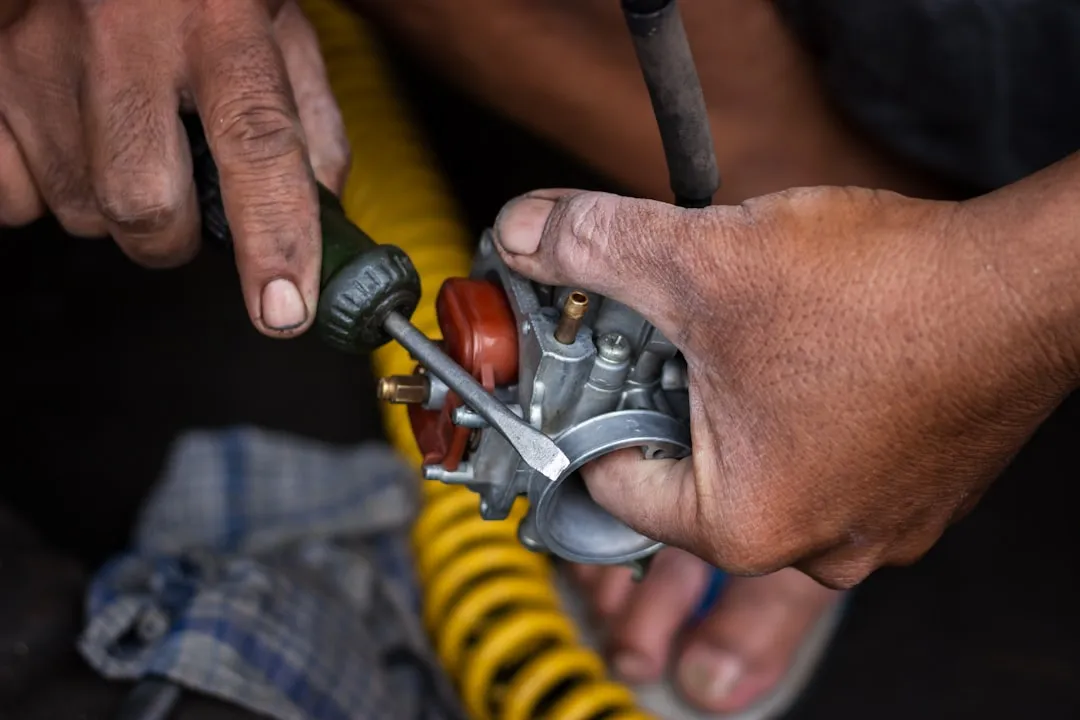
Darning socks, resoling shoes, rebuilding lawn mower engines: these weren’t hobbies. They were survival skills. That’s a framing that often surprises younger generations who have inherited a world where a broken item is more likely to trigger an online order than a trip to the workbench.
Rewind to your grandparents’ generation, who weathered the Great Depression and wars, and resourcefulness wasn’t a choice. It was key to survival. They didn’t call professionals for every little repair or project. They just handled it themselves with ingenuity and elbow grease. That self-sufficient baseline is exactly what handymen today find most impressive about the older generation’s approach.
The Habit Was Passed Down Through Watching, Not Teaching
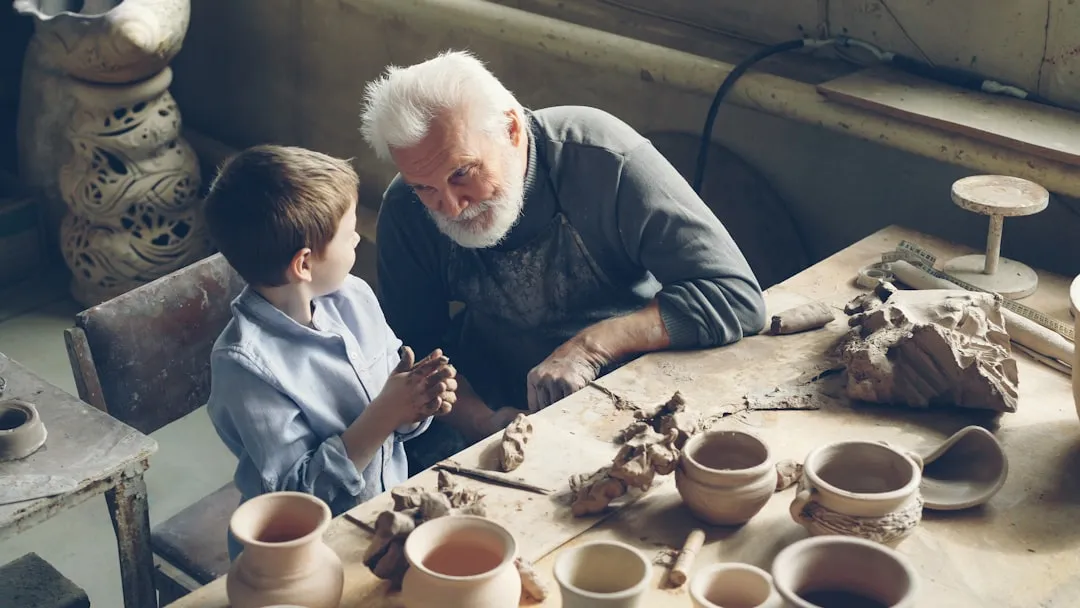
One of the more striking things about this repair culture is how it traveled through families without formal instruction. Seven in ten Americans say watching or assisting a family member with home repairs during childhood shaped how they approach fixing things today, and roughly two thirds report that a parent was known as the go-to problem solver around the house.
What’s remarkable is how effectively those habits transferred across generations. Children who watched their grandparents rebuild rather than replace absorbed something beyond technique. They absorbed a philosophy: that objects deserve care, that skill is worth developing, and that discarding something fixable is a small surrender of self-sufficiency. The garage wasn’t just a workspace. It was a classroom.
Keeping Hoses, Clamps, and Garden Tools Working Indefinitely

Rubber patches, repair tape, clamps, and replacement couplings gave homeowners several ways to deal with localized damage. Every old hose eventually seemed to acquire a history written in repairs. Somebody could point to one wrap and remember exactly when it happened. That kind of intimate familiarity with an object is increasingly rare now.
Garden hoses had been around long before the postwar years, but expanding suburban homeownership and backyard culture made them increasingly familiar household equipment. Just as important, repair fittings and patches made a leak a small maintenance problem rather than the end of the hose. Today’s equivalent would be someone patching a cracked garden hose rather than buying a new fifty-foot coil, which still happens, but far less instinctively.
Clocks and Mechanical Objects Were Maintained, Not Stored Away
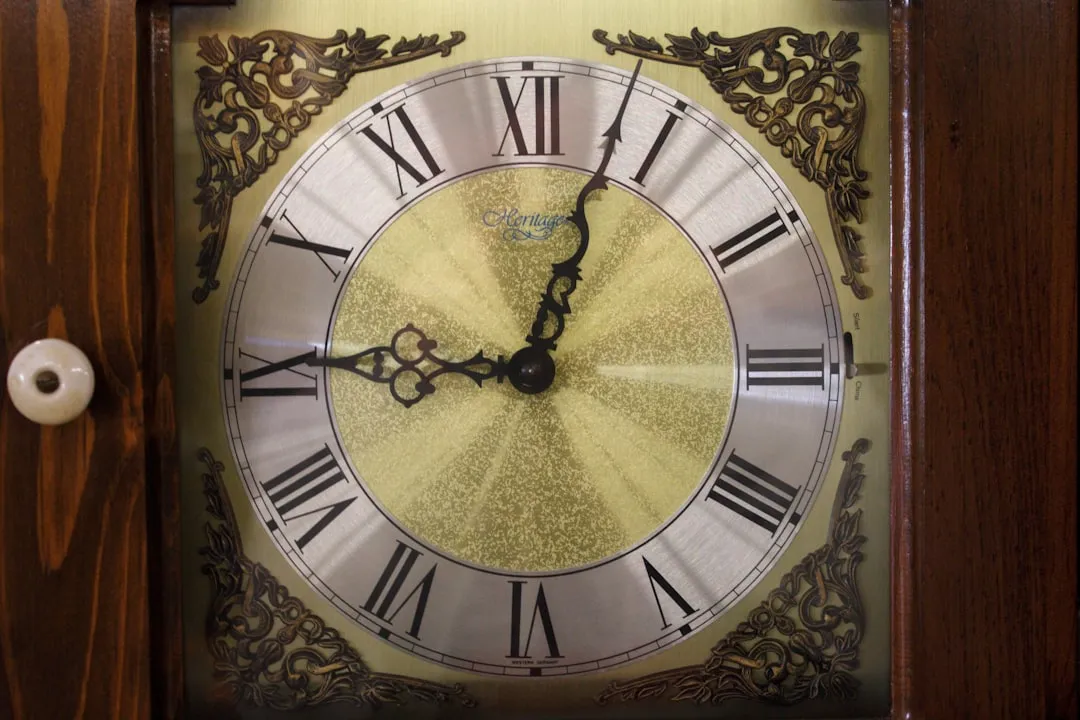
Some mantel clocks remained in families for generations. Winding one every week wasn’t merely another chore on the list. It was a small recurring agreement that this old thing still had a place in the house. That relationship with objects, one of mutual obligation rather than passive ownership, defined the grandfather era of home maintenance.
The habit extended to any mechanical object with moving parts: engines, watches, door mechanisms, bicycles. These were understood as systems, not black boxes. Fixing something teaches you how it works, which builds a kind of mechanical literacy that carries over to dozens of other repairs. That literacy is precisely what modern handymen describe when they talk about what they admire most.
Family Repairs Built Relationships, Not Just Fixed Things

There’s a social dimension to the old repair habit that often goes overlooked. From yard work to seasonal projects, more than half of Americans still work on DIY and repair projects with family members at least once a month. Nearly three quarters say it was a repair project that brought them closer to a family member in the first place. That’s not a small thing.
Grandparents belong to a generation that learned to repair, repurpose, and preserve. When a kid brings a broken toy to a grandparent, they witness a masterclass in ingenuity. Out comes the sewing kit or the garage workbench. The repair wasn’t just about the object. It was about the transaction between two generations, one who knew how, and one learning why it mattered.
The Community Repair Movement Is Picking Up Where Grandfathers Left Off
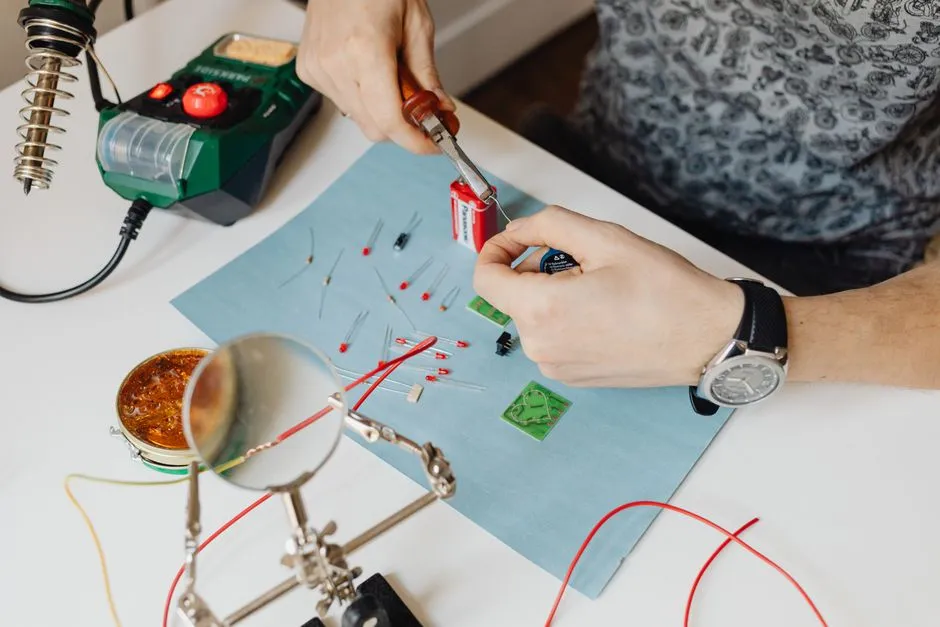
The revival of repair culture isn’t purely nostalgic. It’s becoming organized and data-driven. In 2019, there were about 1,700 repair cafes around the world. By 2025, that number had exploded to 3,500. Repair cafes are part of the pushback to a disposable consumer culture. These community spaces offer something very close to what a grandfather’s garage once provided: skilled hands, shared knowledge, and a bias toward fixing over discarding.
Researchers estimate that over 4,000 repair groups are now active globally, performing roughly 190,000 successful repairs per year. Repair Café volunteers entered more repair data than ever before in 2024. More than 37,000 repairs were recorded in the RepairMonitor system worldwide, and of those, nearly two thirds were successful. The movement is growing because the need, and the desire, is real.
The Right to Repair Movement Is Writing Grandfather’s Habit Into Law
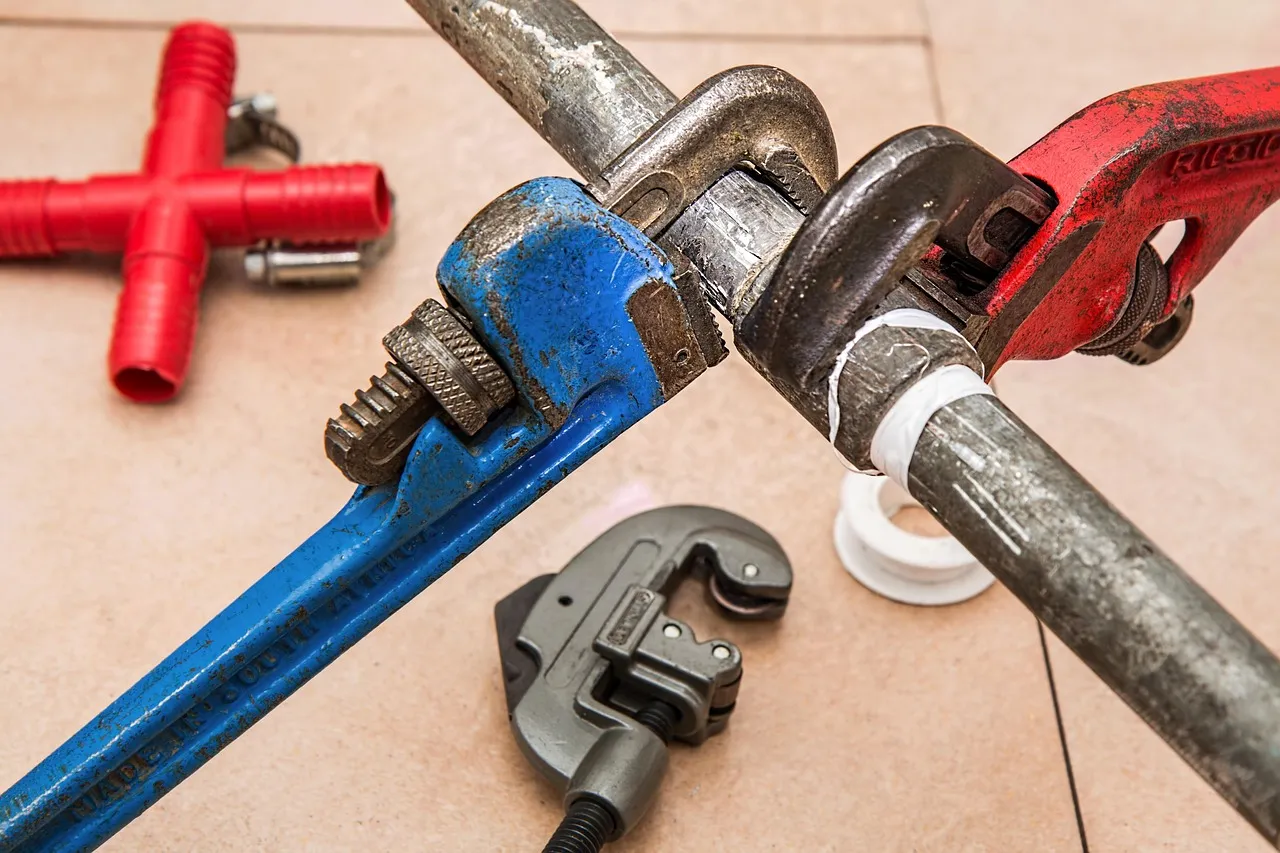
The broader cultural shift has now reached legislatures. In 2023 and 2024, several U.S. states enacted extensive Right to Repair laws, reflecting a growing focus on ensuring consumers have access to the parts and resources needed to repair their own products. California, Colorado, Minnesota, New York, Massachusetts, and Oregon all implemented comprehensive regulations aimed at providing consumers direct access to tools, parts, and information for repair.
2025 proved to be the most productive year ever for the Right to Repair movement, with 35 states, up from 30 the year before, having considered Right to Repair legislation. A report from the WEEE Forum revealed that in 2023 alone, the world produced roughly eight kilograms of e-waste per person, totaling 61.3 million tonnes, with only about one in six tonnes collected and recycled correctly. Those numbers give the old repair habit a modern urgency it never had before.
Throwaway Culture Has a Real Cost That the Old Way Avoided
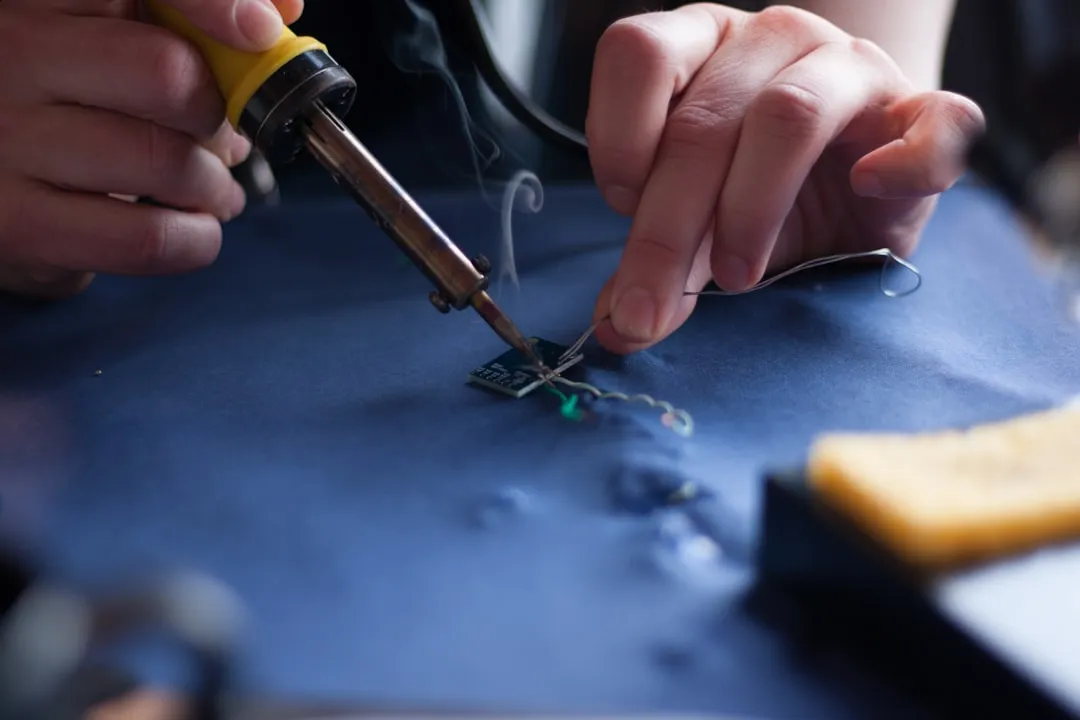
Before buying new, the Greatest Generation tried to fix it. Disposable consumerism has deterred many from honing a repair skill set, diminishing both mental and physical resourcefulness. The cost of that drift is now measurable in ways that go far beyond household budgets.
Today’s average person buys over 60 clothing items annually, contributing to a disposable culture that would have seemed genuinely baffling to anyone who grew up mending their own clothes. After logging data from more than 200,000 repair attempts across 31 countries over 12 years, researchers found that the main barrier community fixers face when repairing products is spare parts simply not being available, which accounts for roughly one in four cases. The grandfather’s habit of stocking spare parts, screws, patches, and fittings was a quiet form of wisdom that the modern supply chain still struggles to replicate.
The Takeaway
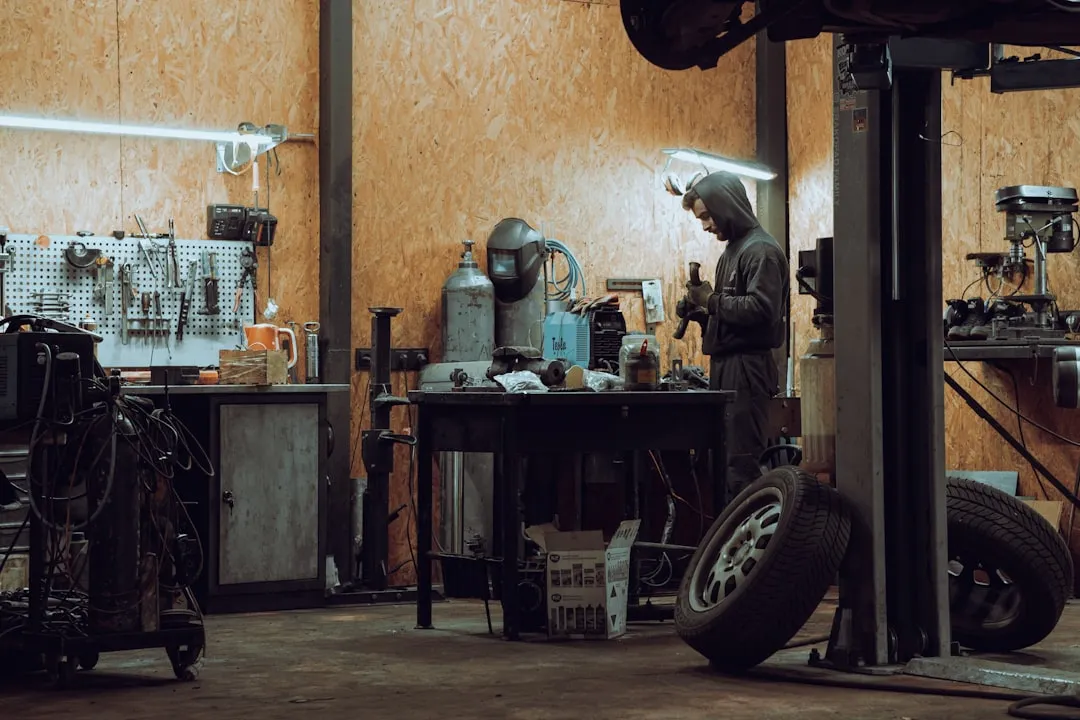
What handymen now admire about the grandfather generation isn’t just technical skill. It’s the underlying assumption: that a broken thing is a problem to solve, not a reason to shop. People who habitually repair rather than replace share a distinct set of values rooted in self-reliance, frugality, and respect for craftsmanship. The repair-first mindset was shaped by specific historical events and passed down through families as practical wisdom.
A quiet cultural revival around repair is underway, driven by the Right to Repair movement, community repair cafés, and a generation hungry for tangible skills. The grandfathers who kept spare handles for their hammers and patches for their hoses weren’t being sentimental. They were being smart. It turns out that the rest of us are just now catching up.
AI Disclaimer: This article was created with the assistance of AI tools and reviewed by a human editor.