
You follow every instruction. You water carefully, you buy decent soil, you pick a spot near the window. Still, the basil turns yellow, the rosemary goes brown, and the thyme collapses within weeks. It’s frustrating in a way that feels personal, like the plant is actively working against you.
The truth is that most herb deaths aren’t caused by neglect. They’re caused by invisible mismatches between what we think herbs need and what they actually require. The gap is often smaller than you’d expect, but just as reliably lethal.
The Overwatering Trap That Looks Like Underwatering
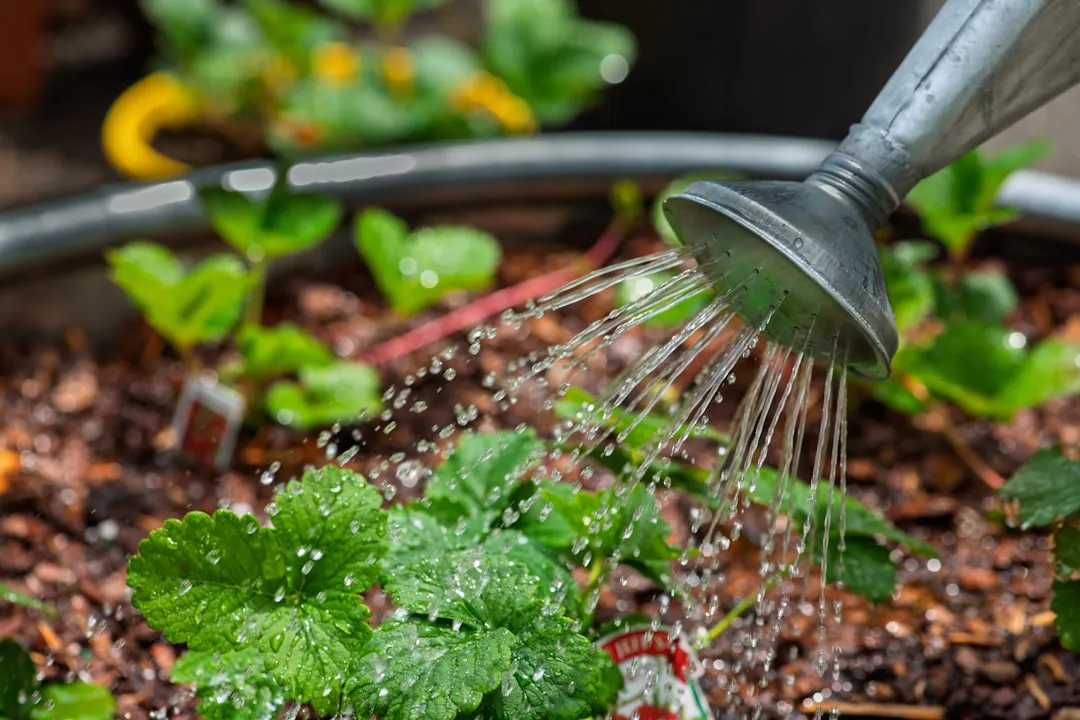
One of the most disorienting things about overwatering is that the symptoms mirror those of drought. As roots rot away, plants lose their ability to take up water and nutrients, which is why herbs with root rot often wilt, yellow, or decline even when the soil is moist and nutrients are available. You see a wilting plant, you add water, and the problem quietly worsens underground.
Most herbs prefer to be watered only when the top one to two inches of soil is dry. Factors like humidity, temperature, and sun exposure all affect how quickly the soil dries, so soil moisture should guide you rather than a set schedule. Relying on a calendar instead of your finger is one of the most common mistakes herb growers make.
Yellowing leaves may indicate overwatering, poor drainage, or nitrogen deficiency, so checking soil moisture first is essential. Many yellowing issues result from excess water rather than a lack of nutrients.
Poor Drainage Is the Silent Killer
When soil stays soggy for days, roots suffocate because water fills every tiny air pocket underground. Plants begin to decline in slow motion, even while the surface still looks deceptively green. Leaves droop, growth slows, and stems weaken because the root system can no longer perform basic functions.
Drainage issues also interfere with nutrient balance inside the soil itself. Constant saturation washes away nitrogen and limits microbial activity that helps roots access key minerals. This is why a waterlogged herb can simultaneously be drowning and starving.
Since poor drainage usually goes hand in hand with root rot, proper site preparation to provide good water drainage away from roots is imperative. Containers should have good drainage with a well-drained potting mix, and clay or terracotta pots are great options for herbs because they are porous and dry out more readily.
Not Nearly Enough Light
This one surprises people. A kitchen that feels bright and cheerful to human eyes can be a dim, inadequate environment for a basil plant. Light is typically the most limiting factor to successfully growing herbs indoors. Plants need as much direct sunlight as possible, and most herbs require around eight hours of direct light each day when grown indoors.
Basil, mint, cilantro, and most culinary herbs are outdoor plants by nature. In a garden or on a sunny patio, they receive six to eight hours of direct sunlight every day. On a north-facing kitchen windowsill in January, they might get one to two hours of weak, filtered light. That gap is why they die.
Herbs that are not exposed to their preferred light conditions will become thin and spindly, produce smaller leaves, and have a reduced aroma. Light also impacts herb flavor, as it stimulates the production of essential oils and flavonoids that give herbs their distinct flavor and aroma. Under too little light, flavor and aroma are often less intense.
The Wrong Soil for the Wrong Herb
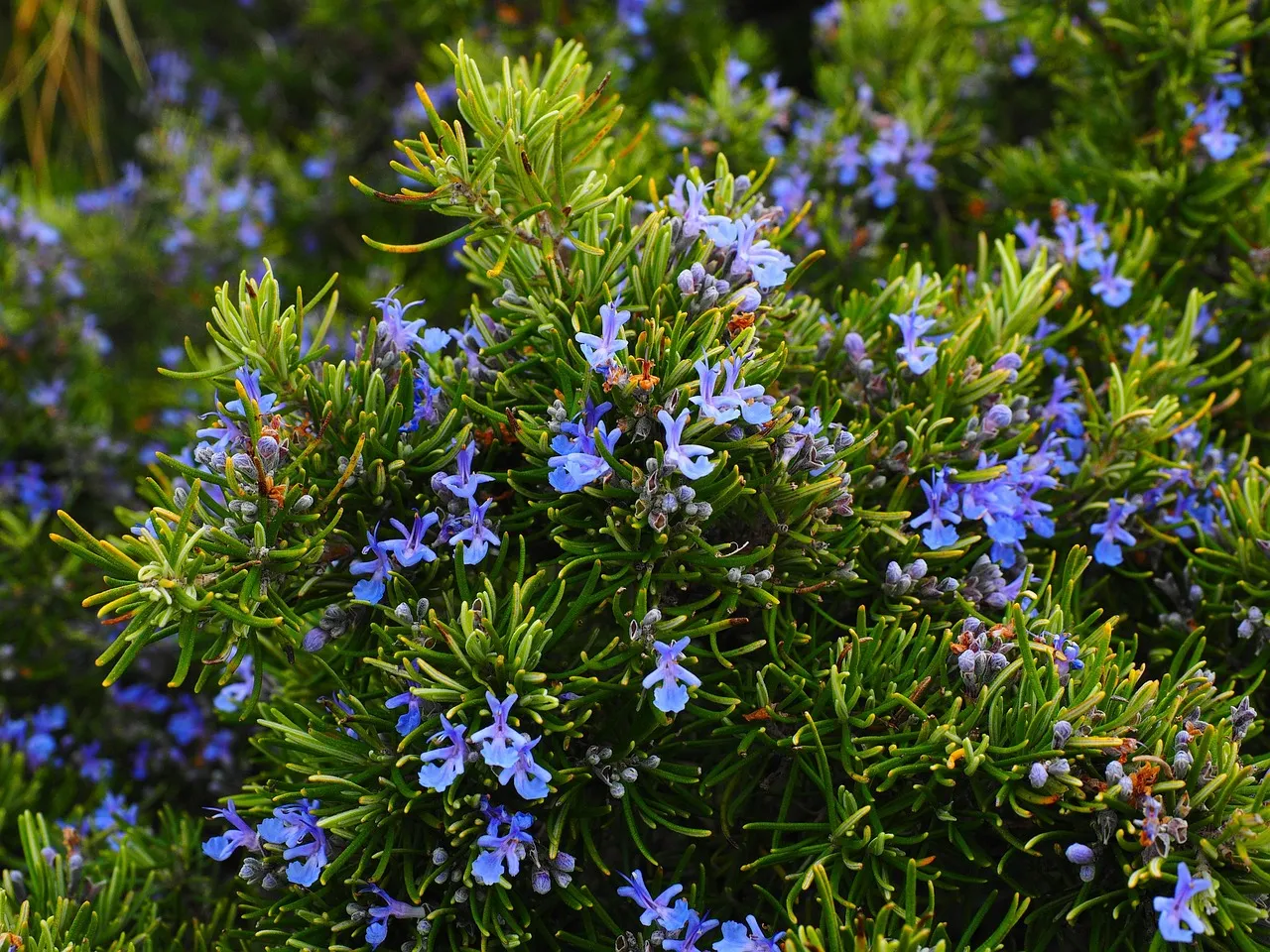
Not all potting mixes are created equal, and grouping all herbs together as if they share the same needs is a recipe for failure. Mediterranean herbs prefer soil that dries between watering, while leafy herbs require steady moisture. Overwatering rosemary or thyme causes root rot, while underwatering basil or parsley reduces leaf production.
Leafy herbs like basil, cilantro, and parsley require moist yet well-draining soil, while woody Mediterranean herbs such as thyme and rosemary require dry, well-draining soil amended with sand. Putting both types in the same standard potting mix compromises at least one of them.
Rosemary and most Mediterranean herbs share an intolerance for wet roots. Rosemary needs sharp drainage, meaning a soil low in organic matter that drains fast. A rich, peat-based soil is not the best medium for it.
Root Rot Is Already Happening Before You Notice It
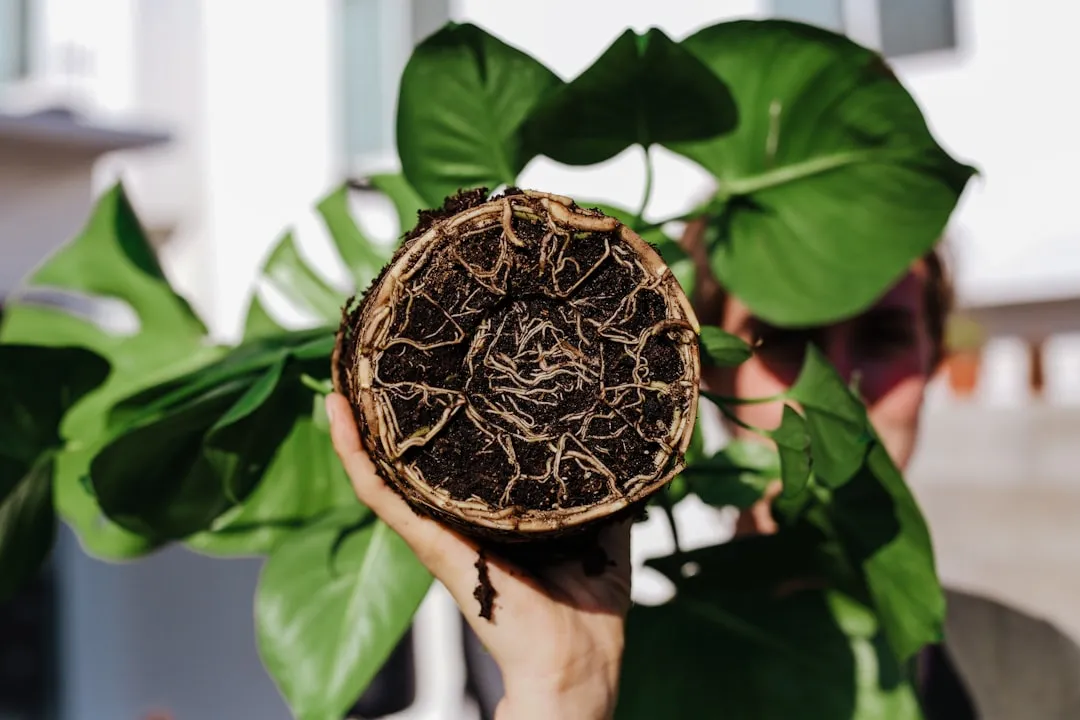
Most garden and houseplant root rot problems are caused by water molds, including fungus-like organisms such as Phytophthora and Pythium, as well as true fungi including Rhizoctonia and Fusarium. These organisms thrive in damp conditions and can survive in the soil for many years.
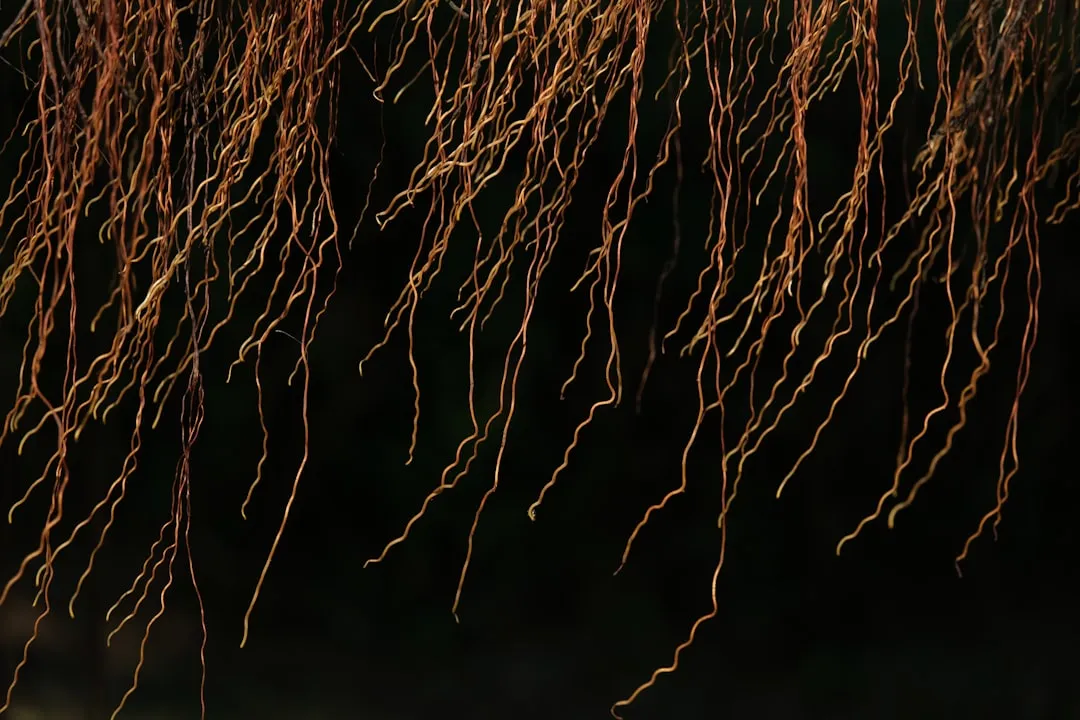
As gardeners, we usually don’t notice root rot until symptoms appear above ground. By then, the damage underground is already significant. Healthy roots are firm and light-colored, while roots affected by rot turn brown or black and become soft and mushy.
The occurrence of root rot is closely related to the growing environment, soil conditions, cultivation management practices, and continuous cropping systems of the planting site. Reusing old, unsterilized soil from a previous failed plant is one of the most overlooked ways root rot spreads from pot to pot.
Temperature Swings and Hidden Drafts
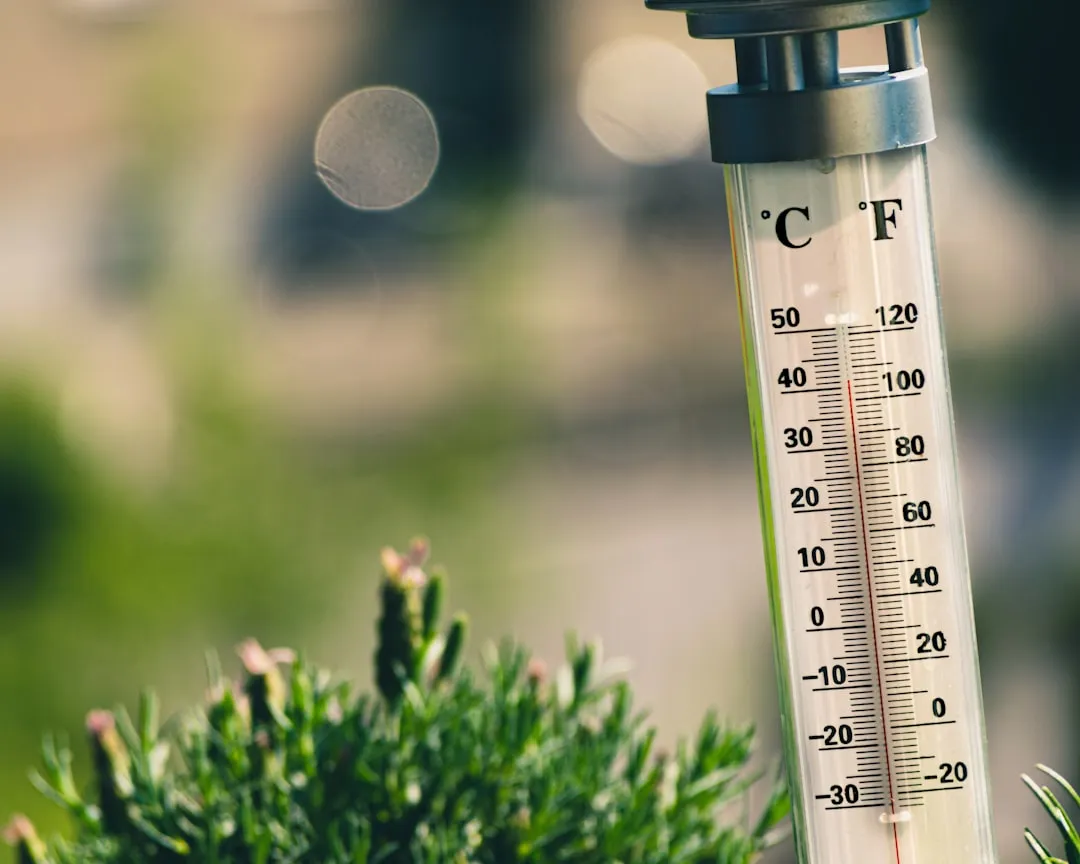
Most people think about light and water but overlook the air temperature their herbs actually experience hour to hour. Keeping plants between 60 and 75 degrees Fahrenheit and away from cold drafts from doors, windows, or air conditioners is important for stable herb health.
Placing herbs near drafts, heaters, or stoves can cause sudden temperature shifts that stress the plants. These areas also create airflow that dries out soil and decreases humidity. A pot that sits inches from a window in winter can be exposed to temperatures well below what the rest of the room registers.
Herbs do best in rooms with temperatures of at least 65 to 70 degrees Fahrenheit during the day and 55 to 60 degrees Fahrenheit at night. Basil in particular cannot survive temperatures lower than 50 degrees Fahrenheit and should not be kept on windowsills during winter months.
Humidity Extremes in Both Directions
Herbs require a balance between a humid environment and adequate air circulation. Air that is too low in humidity will cause leaves to dry out, while too much humidity can lead to root rot and other fungal issues. Homes with central, forced-air heating tend to have the driest winter conditions for indoor plants.
Most culinary herbs thrive in humidity levels between roughly 40 and 60 percent. Placing a humidity tray filled with pebbles and water beneath herb containers is one way to increase moisture levels naturally.
Fungal diseases including botrytis and downy mildew thrive in damp areas, turning leaves brown or gray. These diseases are more likely to occur in damp environments with poor air circulation, so they often strike herbs sitting in moist areas of a kitchen. The balance to aim for is moisture in the air, not on the leaves or in the soil.
The Pot Is Too Small or Has No Drainage Hole
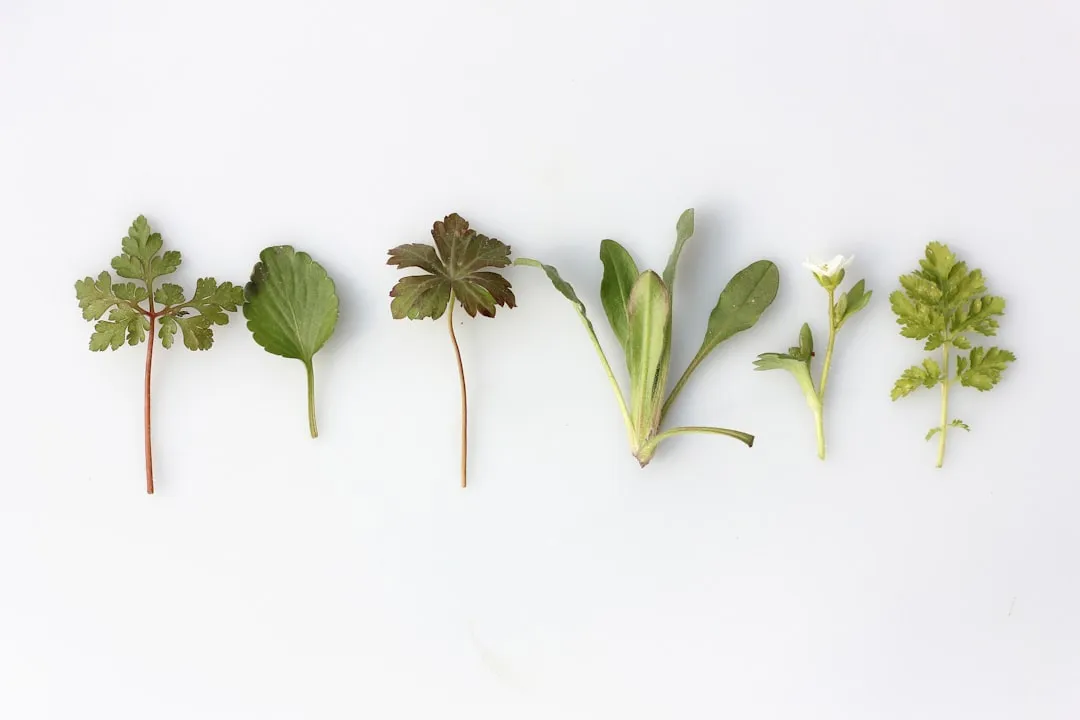
Plant roots not only need water and soil, they also need air. If herbs are planted in a mug or a mason jar, chances are their roots are rotting. Decorative containers without drainage holes are among the most popular ways to kill an otherwise healthy herb.
Containers should be appropriately sized. Those that are too large stay wet too long. Too small and the roots become so bound and cramped that the plant can barely function. For something like basil, pots at least six inches deep with drainage holes are needed to accommodate its substantial root system and prevent root rot issues.
Small decorative pots, poor drainage, and awkward shared planters make symptoms harder to read. A container can create both drought stress and saturation stress depending on how the soil mix behaves in that specific location.
Overfertilizing When You Think You’re Helping
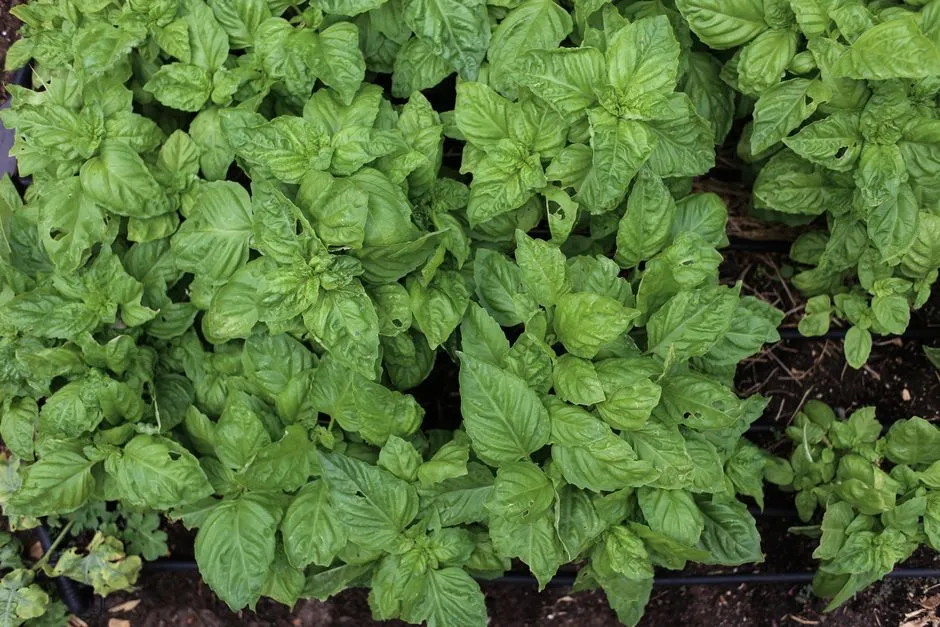
More fertilizer feels like more care, but herbs are not heavy feeders. Pushing too many nutrients at them tends to dilute the very thing most people grow herbs for. Feeding every four to six weeks during spring and summer with a balanced fertilizer at half-strength is sufficient. Overfertilizing can dilute essential oils and reduce flavor. Mediterranean herbs require minimal feeding, while leafy herbs like basil benefit from slightly more nutrients.
Nutrient deficiencies do manifest as specific wilt patterns. A nitrogen shortfall shows up as pale, soft lower leaves that droop first, while potassium deficiency produces leaf edge browning that coincides with wilting. These are real deficiency signs, but they’re less common than overfeeding problems in home settings.
The safest approach is to under-fertilize and observe. Herbs grown with slightly leaner nutrition often concentrate their essential oils more effectively, which means better flavor and fragrance from the same plant.
Incompatible Herbs Sharing the Same Pot
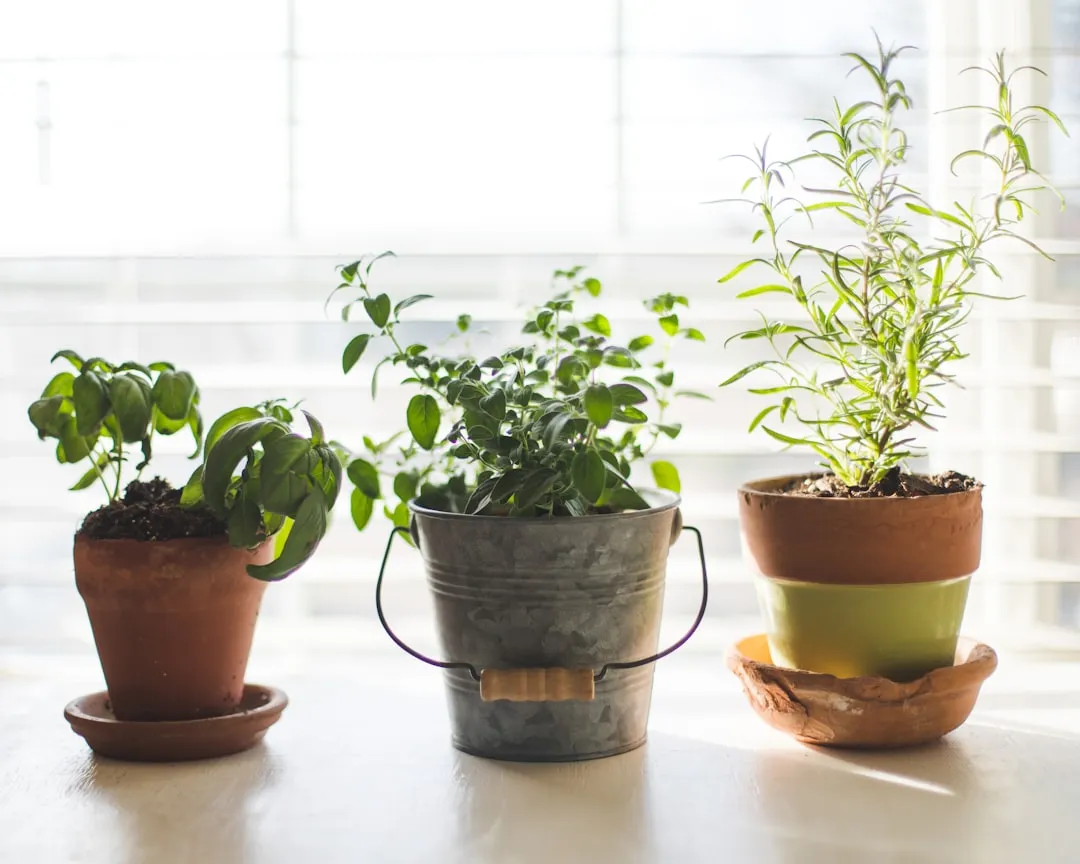
Combination herb planters from garden centers look appealing, but the plants inside are often competing against each other from day one. Thyme, rosemary, and sage grow well together, and basil, parsley, and chives grow well together. Mint, on the other hand, should not be planted with other herbs because it spreads aggressively.
Mediterranean herbs prefer drier soil, while leafy herbs like basil and parsley prefer consistent moisture. Most potted herbs need watering two to three times per week, or whenever the top inch of soil feels dry. When a drought-loving thyme and a moisture-hungry basil share the same pot, every watering decision becomes a compromise.
It’s worth pushing below the surface to learn whether the lower root zone is staying wet, compacted, or sour. Healthy diagnosis comes from understanding what is happening where the roots are, not from reading only the top half-inch of mix. Pairing herbs by their actual soil and water preferences, rather than appearance, is one of the most practical changes you can make.
Final Thoughts
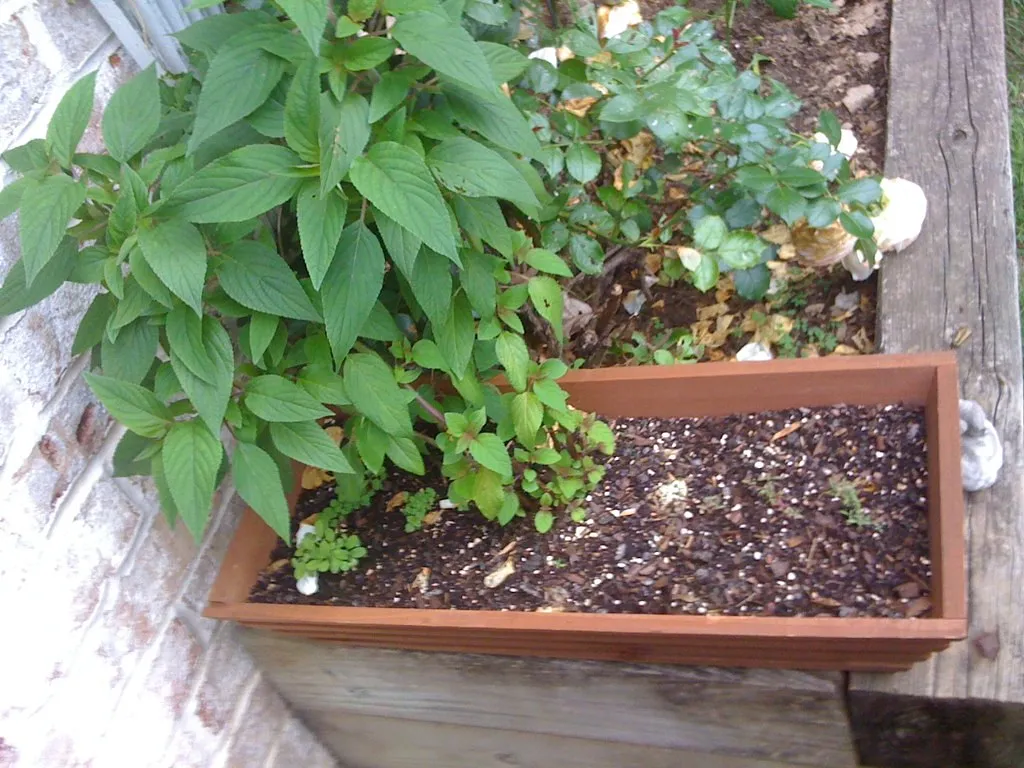
Herbs don’t die because they’re fragile. They die because the conditions we create for them are subtly wrong in ways that don’t show up until the damage is done. Root rot starts invisible. Light starvation looks like a slow fade. Temperature stress hides behind a warm-seeming room.
The good news is that most of these problems are fixable, often without spending much money. A better pot, a different window, a finger pressed into the soil before watering: small adjustments that genuinely change the outcome. Understanding what’s actually happening at root level tends to be more valuable than any product or technique.
Once you stop blaming yourself for mysterious herb deaths and start diagnosing the real variables, things get a lot easier. The herbs usually can thrive. They just need the right conditions, not perfect ones.
AI Disclaimer: This article was created with the assistance of AI tools and reviewed by a human editor.