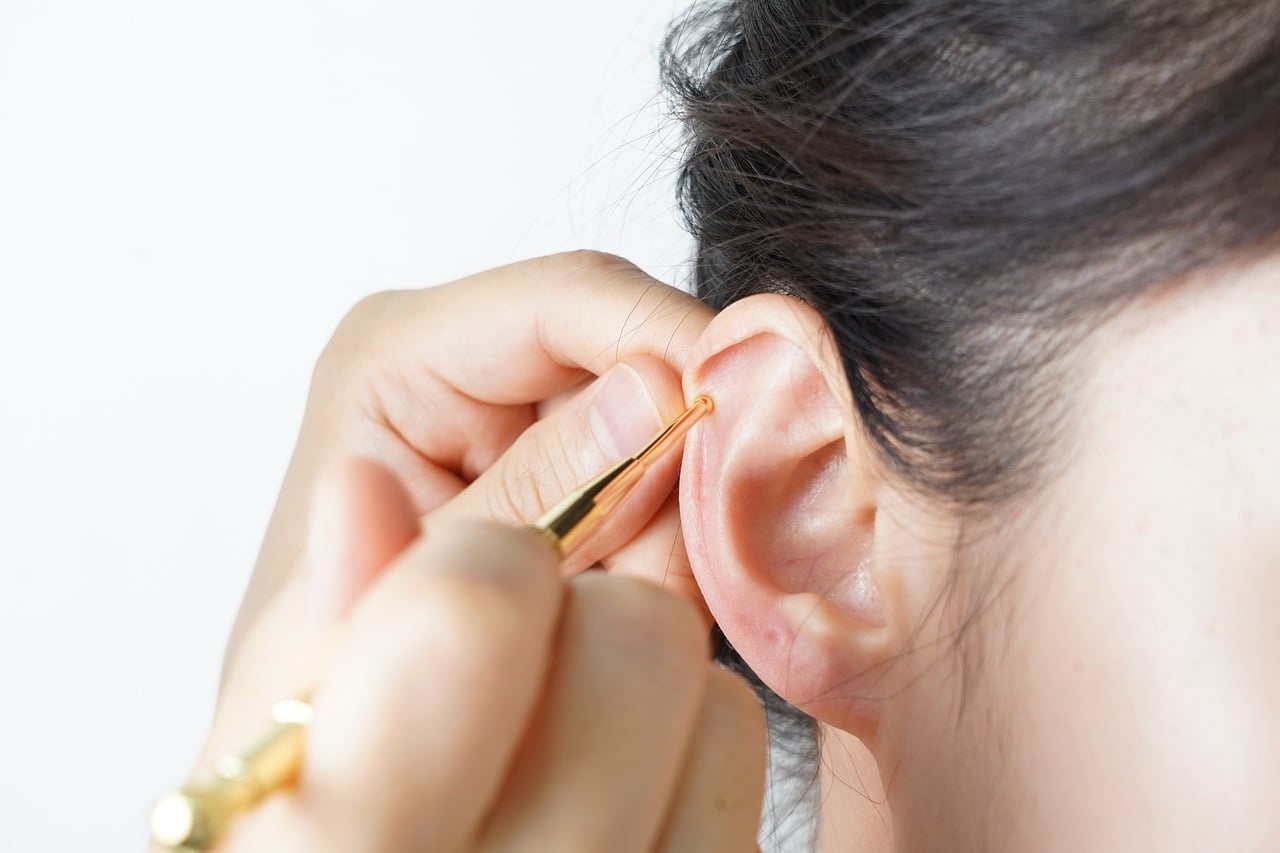

Your Eustachian Tubes Are the Real Story
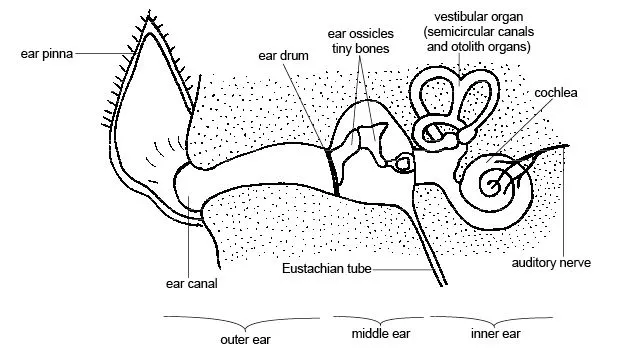
When your ears pop, what you’re hearing is your Eustachian tubes doing their job. These tubes connect the middle ear to the throat, with one on each side. Their main functions are to drain fluid from the ears and to equalize pressure behind the eardrum.
The Eustachian tube connects the middle ear to the back of the nose and helps equalize pressure, ventilate the middle ear, and drain mucus and fluid. When it opens and closes smoothly, popping is occasional and brief; when it doesn’t, symptoms can become frequent.
Certain movements like yawning and swallowing cause the muscles around the Eustachian tube to contract, causing it to open briefly. This equalization of pressure between the middle ear and the atmosphere is what creates the familiar popping sound.
The Pressure Imbalance You Never Noticed

Ear popping is when the pressure in the ears needs to equalize so that your eardrum doesn’t expand or contract more than usual. In certain environments, this can happen quite quickly, creating the popping sound.
The ear popping sensation you feel is your body evening out the pressure in your eardrums. You may feel a gradual change in how your ears feel before they pop. After they pop, you probably feel an instant change that improves the pressure.
Shifts in posture, breathing patterns, or environmental pressure can influence ear pressure. These changes are usually minor but may be more noticeable in sensitive individuals.
Eustachian Tube Dysfunction: When the System Gets Stuck
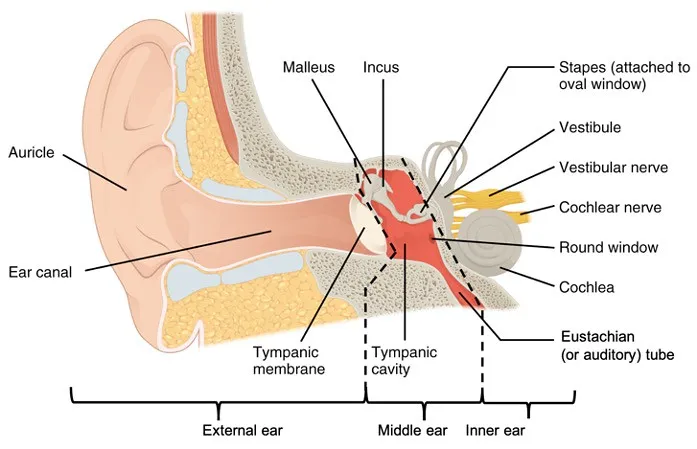
Ear popping is usually relatively harmless, but if your ears are popping frequently without changes in elevation or pressure, it could indicate Eustachian tube dysfunction. This occurs when the Eustachian tubes become inflamed or filled with fluid, which prevents them from equalizing pressure. The result is ears that feel clogged or tight with constant popping.
ETD is often driven by inflammation and swelling around the tube’s opening, which makes pressure regulation less consistent, according to the Cleveland Clinic and StatPearls.
Eustachian tube dysfunction can affect anyone, but it’s more common in children. Only about one percent of the general adult population has chronic ETD, according to the Cleveland Clinic.
When Allergies Trigger the Pop
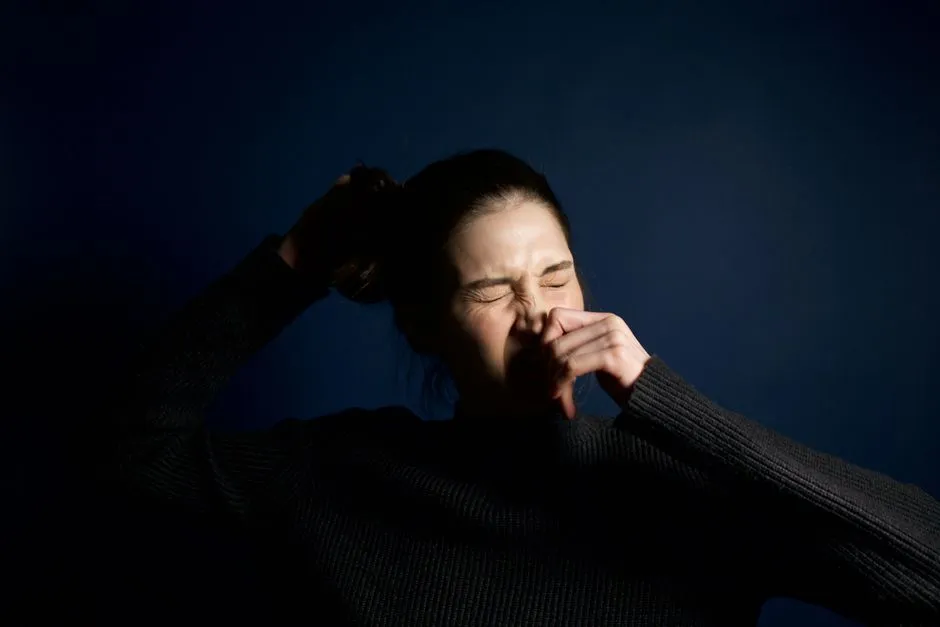
When you’re exposed to allergens such as pollen, dust mites, or animal dander, your immune system can react by releasing histamines and other chemicals. These substances can lead to inflammation and swelling of the nasal passages and Eustachian tubes. When those tubes become blocked or swollen, they can cause a feeling of fullness, popping, or even temporary hearing loss.
Ear popping and fullness typically occur when the Eustachian tube becomes inflamed or blocked, trapping fluid and preventing pressure equalization. Common causes include allergies, upper respiratory infections, sinus congestion, and rapid altitude or pressure changes.
Colds, Sinus Infections, and the Ripple Effect
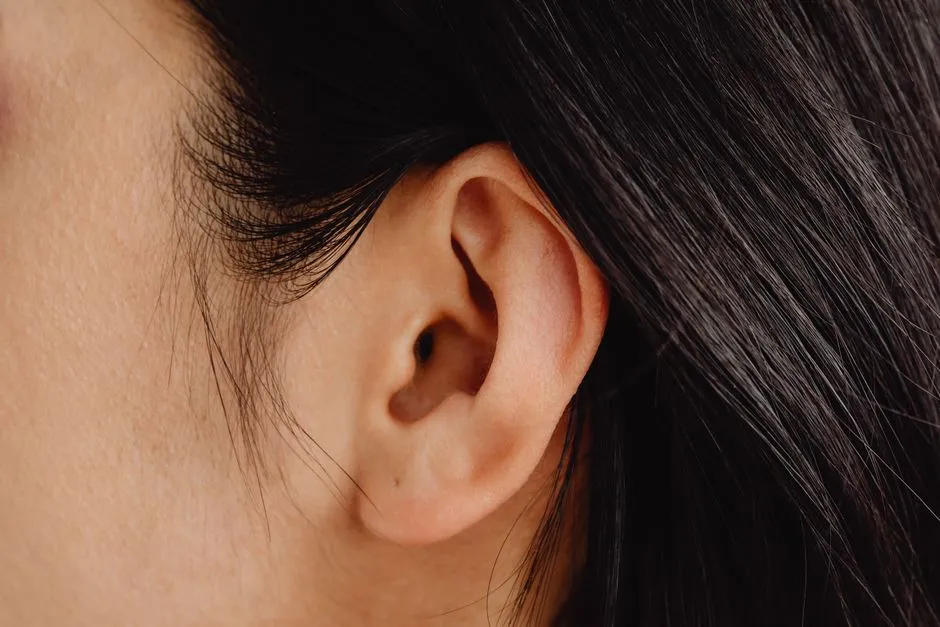
The most common cause of Eustachian tube dysfunction is when the tube becomes swollen and mucus or fluid builds up. This can be caused by a cold, the flu, a sinus infection, or allergies.
If Eustachian tube function worsens, air pressure in the middle ear falls, and the ear feels full and sounds become muffled. Eventually, a vacuum is created which can cause fluid to be drawn into the middle ear space, a condition called serous otitis media.
Partial or complete blockage of the Eustachian tube can cause sensations of popping, clicking, ear fullness, and occasionally moderate to severe ear pain. Even once a cold has passed, residual swelling in the tube can continue causing these sensations for days or weeks afterward.
The Jaw Connection You Probably Didn’t Expect

The jaw sits very close to the ear structures. Tension or dysfunction in the temporomandibular joint may influence sensations in the ear, including popping or clicking.
The temporomandibular joint (TMJ) is a critical joint that allows you to move your jaw when speaking, eating, and yawning. When this joint is not functioning properly, a condition known as temporomandibular joint disorder (TMD), it can lead to a range of unexpected symptoms including ear discomfort and hearing issues.
TMJ disorders involve dysfunction in the joint that connects your jaw to your skull, with common triggers including teeth grinding, arthritis, or jaw misalignment. TMJ issues can cause ear pressure, ringing, or a clogged sensation due to nerve irritation.
Acid Reflux as a Hidden Culprit

Chronic acid reflux, or GERD, is listed by the Cleveland Clinic as one of the conditions that may cause inflammation leading to Eustachian tube dysfunction. This is one of the less obvious connections most people never consider.
Laryngopharyngeal reflux, also called silent reflux, can reach all the way up to the nasopharynx where the Eustachian tubes exit. Acid vapors can irritate the lining of the tubes, causing them to swell enough to produce muffled hearing and popping, even when standard pressure tests look normal.
Research published in the National Library of Medicine suggests that laryngopharyngeal reflux may disrupt Eustachian tube function in some patients, with a higher reflux symptom score being independently predictive of poor Eustachian tube function.
Stress, Screen Time, and Posture

Many people notice that ear popping becomes more frequent during periods of stress, poor sleep, or illness. This is because the nervous system becomes more reactive under strain.
Stress can increase muscle tension throughout the head and neck while also affecting nervous system regulation. This may make ear pressure sensations feel more noticeable or increase sensitivity to small pressure changes.
Long periods of screen use often contribute to neck strain and forward head posture. Over time, this tension pattern may influence surrounding muscles and nerves connected to the ear and jaw region.
The Patulous Tube: When It Stays Open Instead of Closed
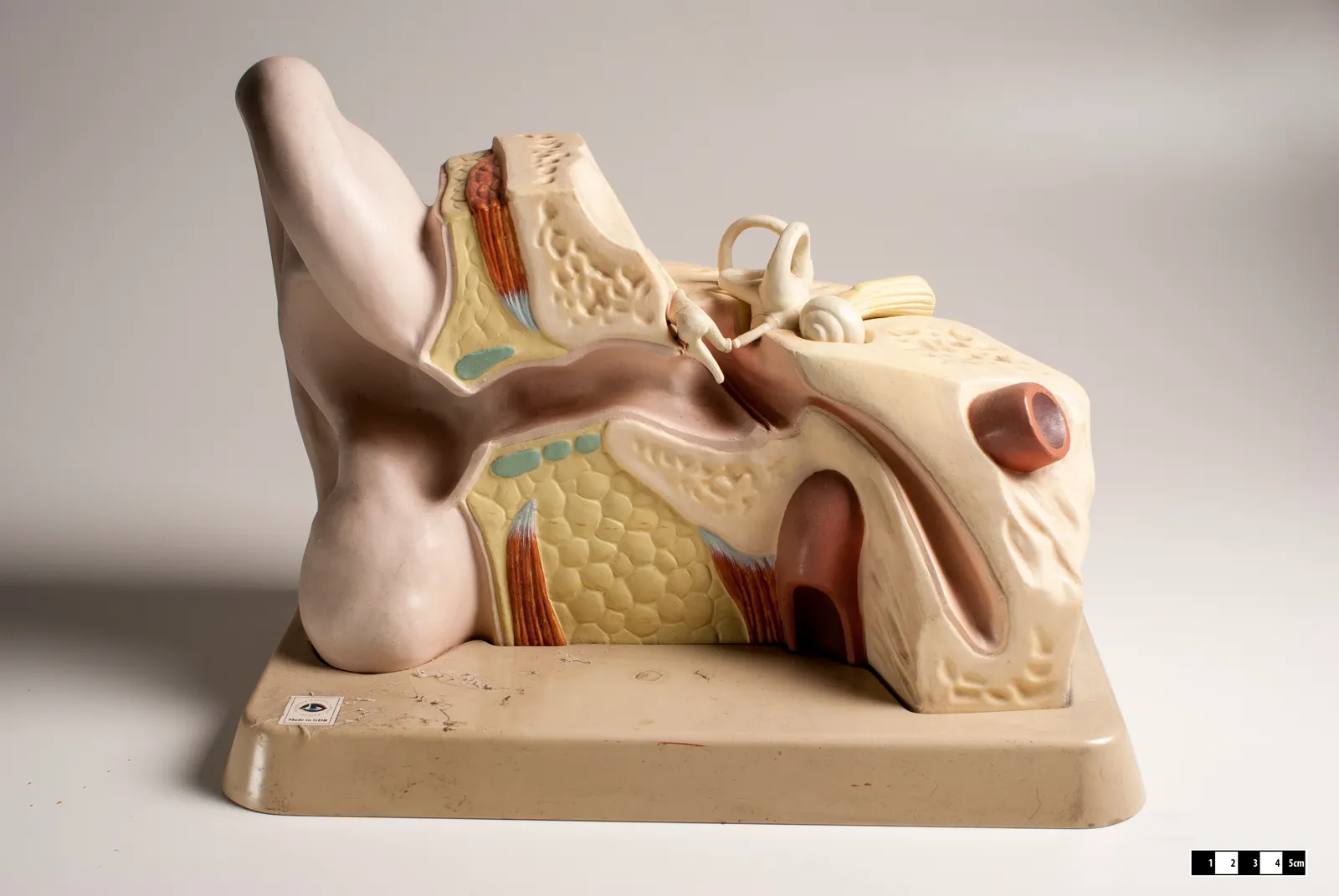
In a condition called patulous Eustachian tube dysfunction, the Eustachian tubes stay open all the time. Sound can then travel from the nasal cavity directly to the ears, changing the quality of your own voice.
A tube that is too open can cause a persistent feeling of pressure as well as hearing unusual sounds such as your own breathing or your own voice too loudly. This is essentially the opposite problem from a blocked tube, yet the two can sometimes alternate in the same person.
Eustachian tube disorders are common and are one of the leading causes of ear infections, or otitis media, according to Johns Hopkins Medicine.
When to Stop Waiting It Out

While occasional ear popping is usually nothing to worry about, it’s important to consult a hearing care provider if you experience prolonged or severe ear popping accompanied by other concerning symptoms like pain, swelling, or discharge.
Persistent symptoms lasting more than two weeks, severe ear pain, hearing loss, drainage, dizziness, or high fever may signal an infection or a more serious condition requiring prescription medication or procedural treatment.
In rare cases, untreated Eustachian tube dysfunction can cause hearing loss and permanent damage to the eardrum and middle ear. That’s why it’s important to tell a healthcare provider about symptoms that don’t go away after a couple of weeks, according to the Cleveland Clinic.
Finding Relief Without Overcomplicating It
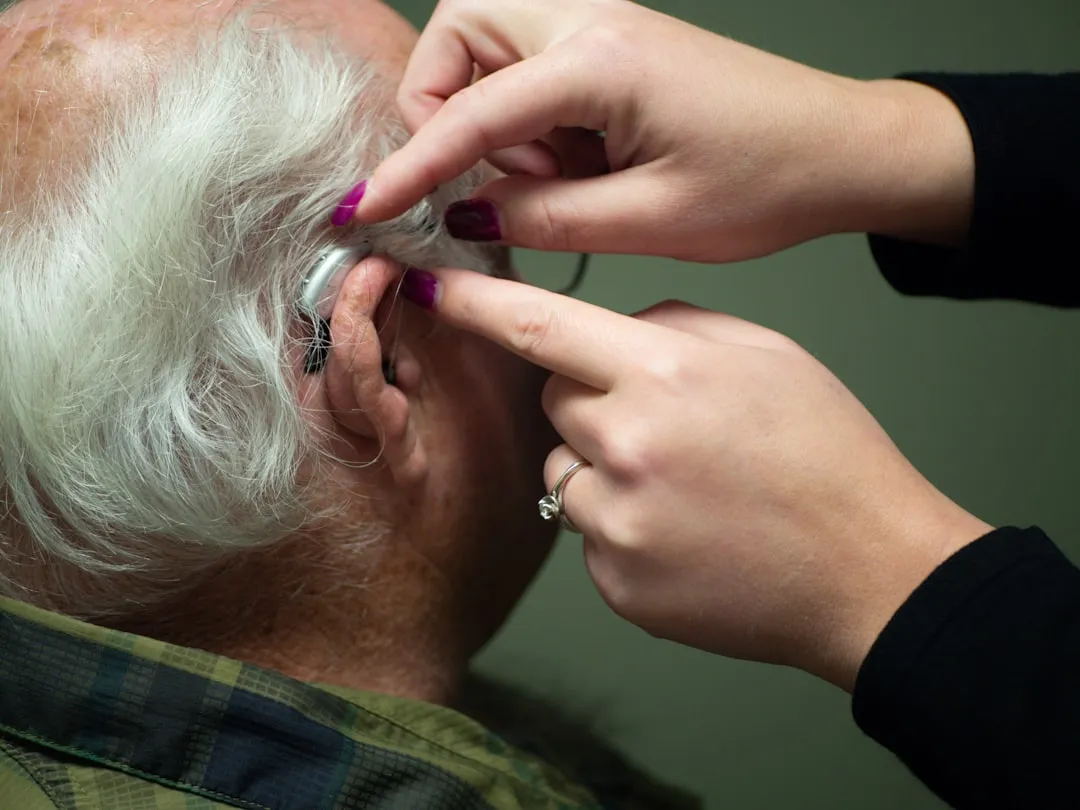
The simple act of swallowing activates the muscles in the back of the throat that help open the Eustachian tube. Any activity that promotes swallowing, such as chewing gum, drinking, or eating, can help open the tube. Yawning is even more effective because it is a stronger muscle activator.
Nasal irrigation, also known as a sinus flush, uses a saltwater rinse to help clear excess mucus from the nose and sinuses that may be contributing to Eustachian tube dysfunction. It’s a simple step that many people overlook before reaching for medication.
Treatments, which depend on the type of dysfunction, may include lifestyle changes, surgery, and ear tubes, according to Johns Hopkins Medicine. For most people, though, identifying and addressing the underlying trigger, whether that’s allergies, stress, or acid reflux, is enough to make the popping settle down on its own.
The Bigger Picture
AI Disclaimer: This article was created with the assistance of AI tools and reviewed by a human editor.